
Reviewed · WALKING TOURS
Lyon: Private Walking Tour of “Traboules” in the Old Town
Lyon’s traboules are not grand monuments. They are narrow routes through buildings, courtyards, stairways, and vaulted passages, many of them easy to miss unless someone knows which doors to try. This 150-minute walk uses those corridors to explain Lyon’s silk trade, religious struggles, class divisions, and wartime resistance.
I like two things here: the small group, capped at 10, and the guide’s strong personal connection to Vieux Lyon. Yannick, also called Yan, has lived in the neighborhood for more than 25 years and is praised for turning complicated events into funny, memorable stories. The main drawback is practical: stairs and uneven passageways make this a poor choice for wheelchair users and people with mobility limits.
Key points before you book
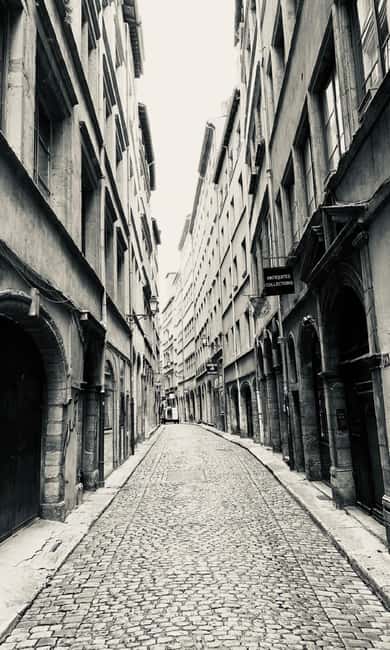
- Secret routes in Vieux Lyon: Visit lesser-known traboules that are difficult to find without a local guide.
- History with a human voice: Yannick links architecture to silk workers, political power, religion, and French Resistance meetings.
- Small-group format: The group is limited to 10, giving you room to ask questions and hear the guide clearly.
- A lively guide: Yannick’s humor and storytelling help keep 500 years of Lyon history moving.
- A 150-minute walk: Plan on standing and walking for two and a half hours, often through stairs and stairways.
- Good value at $43: The price pays for access, local interpretation, and a focused introduction to one of Lyon’s most distinctive features.
Starting in the cathedral square
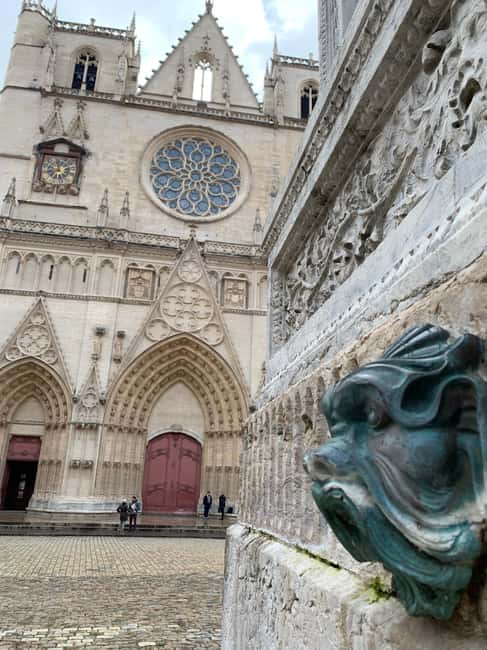
You meet the guide in front of the old fountain in the middle of the cathedral square. This is a useful place to begin because you are already in the heart of Vieux Lyon, the city’s largest Renaissance district.
The opening part of the walk helps you see the neighborhood as more than a row of pretty old facades. Lyon’s old town developed around trade, faith, power, and practical movement through crowded buildings. The traboules were part of that working city, not just a sightseeing curiosity added later.
I would arrive a little early and make sure you can identify the fountain before the group sets off. The meeting point is central, but a historic square can feel confusing when several groups are gathering at once.
The tour is offered in English or French. If you need history explained in a clear, conversational way, the English option is especially useful because the guide’s storytelling carries much of the experience.
More walking tours in Lyon:
- Vieux Lyon Cultural & Historical Walking Guided Tour (English)
★ 5.0 · 942 reviews - Lyon: City Highlights Walking Tour
★ 4.9 · 847 reviews - Lyon Highlights & Secrets Walking Guided Tour (small group) including Funicular
★ 5.0 · 831 reviews
What a traboule really shows you
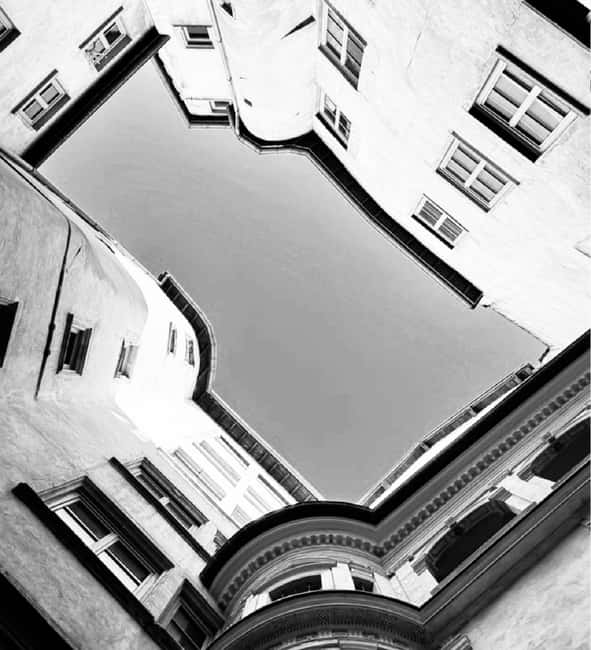
A traboule is a passageway through or between buildings. It may lead from one street to another, pass through an interior courtyard, or connect several sections of a block. Some are vaulted, some include stairways, and some are tucked behind ordinary-looking entrances.
The value of this tour is not simply counting how many corridors you enter. A quick self-guided search might show you a few open passages, but it will not necessarily explain why they matter or how they fit into Lyon’s development.
With Yannick, the architecture becomes evidence. A doorway, courtyard, staircase, or building arrangement can point to how people moved goods, lived above workshops, divided public and private space, or displayed social rank. You begin to look at Vieux Lyon differently, noticing details that are easy to pass without help.
The passageways are also living parts of the neighborhood. People live around them, so quiet behavior matters. Noise is not allowed, and that rule is more than a formality. You are walking through shared residential spaces, not entering an abandoned museum.
Silk workers and the working city
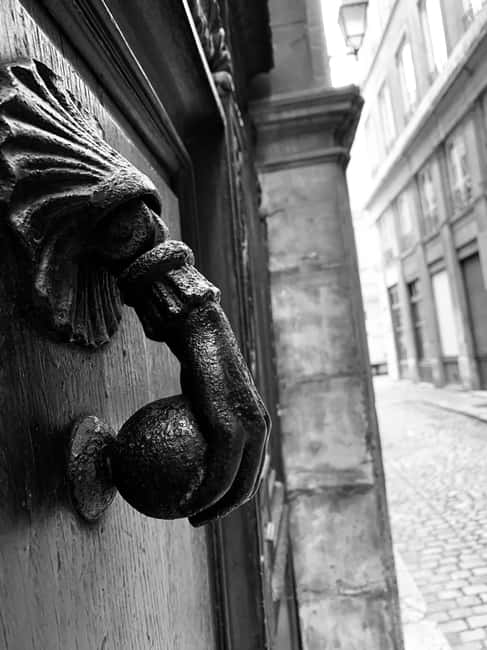
Lyon’s silk trade is one of the main threads running through the walk. The tour explains how the city’s commercial life shaped its buildings and streets, and how ordinary workers fitted into that system.
This is where the route gains its strongest social focus. You are not just hearing about wealthy merchants or famous rulers. The stories also address the lives of workers and the practical ways the city was built and used.
Architecture makes these ideas easier to grasp. A passageway can suggest how people and goods moved through a dense district. A courtyard can help explain the relationship between homes, workshops, and commerce. The tour also connects building choices with class and social status.
I especially like this approach for visitors who want more than dates and names. The traboules give the guide a physical way to discuss how power operated in daily life. You can see that Lyon’s past was shaped by workers, merchants, religious figures, officials, and residents living close together.
The walk covers roughly 500 years of Lyon’s history. That is a lot to fit into two and a half hours, so expect a lively overview rather than a specialist seminar on every period. The guide’s humor helps keep the material moving, but anyone wanting a slow architectural study may find the pace brisk.
Religion, politics, and the people who shaped Lyon
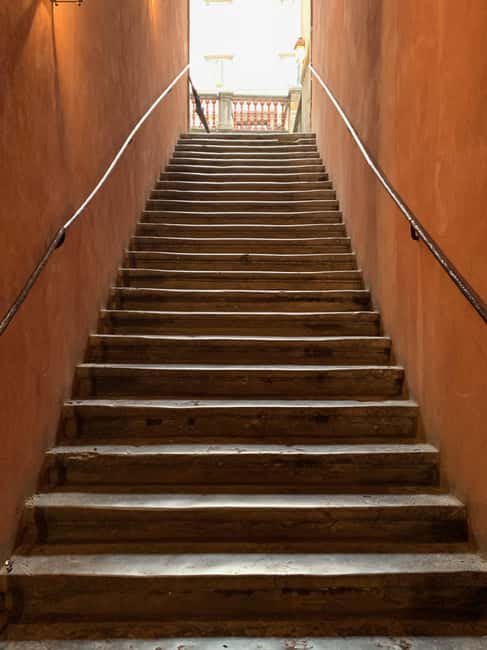
The tour also explores the rivalry between religious and civic power in Lyon. Stories about the bishop and the governor show that control of the city was not always simple or settled.
There are also references to the Medici and to political events that affected Lyon’s direction. These details help place the traboules within a larger European story, but the walk keeps returning to the streets beneath your feet.
That balance is one of the tour’s strengths. You get major events, but the guide relates them to buildings, neighborhoods, and people. Instead of hearing a list of rulers, you see how arguments over faith, authority, trade, and status could leave a mark on the city.
Yannick’s style is a big part of this. He is repeatedly praised for being witty, friendly, and animated. His humor includes memorable descriptions of historical events, including a comic reference to the Swiss soldiers who sacked Lyon in the 16th century. That sort of line may not belong in a formal lecture, but it can help you remember the event long after the walk.
The jokes are not the whole show. The best comments work because they make serious material easier to follow. If you prefer a quiet guide with a strictly academic tone, this may feel too playful. If you like history delivered with personality, it should suit you well.
Same base, a different kind of day:
- Lyon City Hop-on Hop-off Sightseeing Bus Tour
★ 4.0 · 1,614 reviews - Lyon: Musée de l’illusion Entrance Ticket
★ 3.9 · 1,023 reviews - Highlights and Hidden Gems of Lyon Guided Walking Tour (English)
★ 5.0 · 750 reviews - Food Tour in Lyon – A Full Taste of France by Do Eat Better
★ 5.0 · 603 reviews
French Resistance stories in the corridors
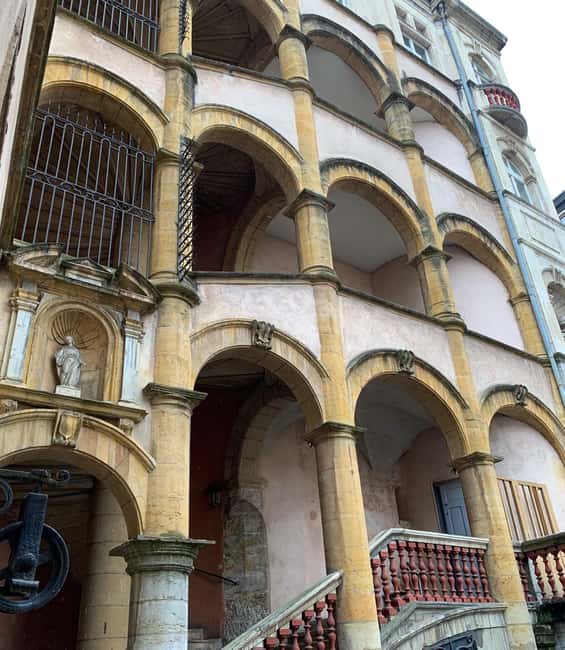
The traboules also carry stories from the Second World War, including their role in French Resistance meetings. This gives the passageways a more recent and serious meaning.
The narrow routes were useful because they connected parts of the old town in ways that were not obvious from the main streets. The tour explains how the city’s maze-like design became part of its wartime story.
This section adds weight to the walk. The same corridors that once supported trade and daily errands also became linked to secrecy and danger. You are not simply looking at attractive Renaissance features. You are considering how old urban spaces can take on new roles during difficult periods.
The tour does not present Lyon’s past as one clean story. Trade brought opportunity but also hierarchy. Religious and civic authority competed. Architecture expressed status. Wartime conditions changed how people used familiar streets. That complicated view is one reason this experience offers more than a standard old-town stroll.
Lesser-known traboules and the value of a local guide
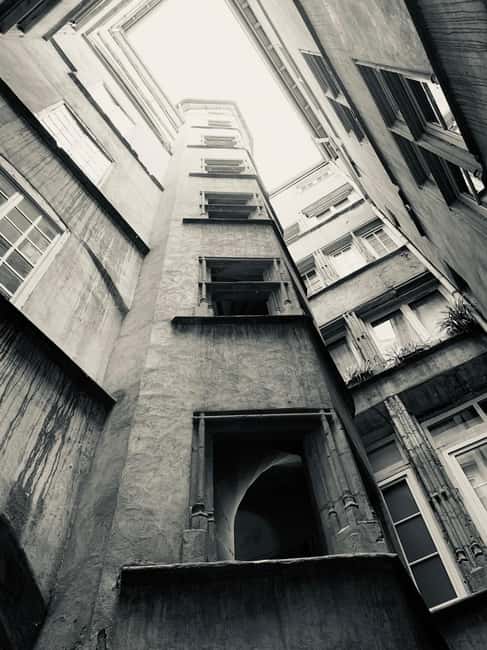
Around 50 traboules remain open to the public, but finding the most interesting ones is not always easy. Some entrances are discreet, and several are tucked into streets where you might not think to look.
A local guide can also help with access and timing. The experience includes efforts to show passages that you might not find on your own, including some less familiar routes. Exact stops can vary, so you should not expect a fixed checklist of every famous traboule.
That flexibility is useful. The guide can respond to the group’s interests and manage the walk in a way that respects residents. Small groups make it easier to pause without blocking a narrow route, and they give you a better chance to ask why a particular passage matters.
The group limit of 10 is worth noting. Some old-town tours can become crowded, especially when large cruise groups arrive. A smaller group makes it easier to stay close to the guide and hear stories without constant noise around you.
It also changes the tone. You have a better chance to ask about architecture, Lyon’s food culture, politics, or local customs. The guide has room to adjust explanations instead of delivering a speech to a large crowd.
A guide who turns facts into stories
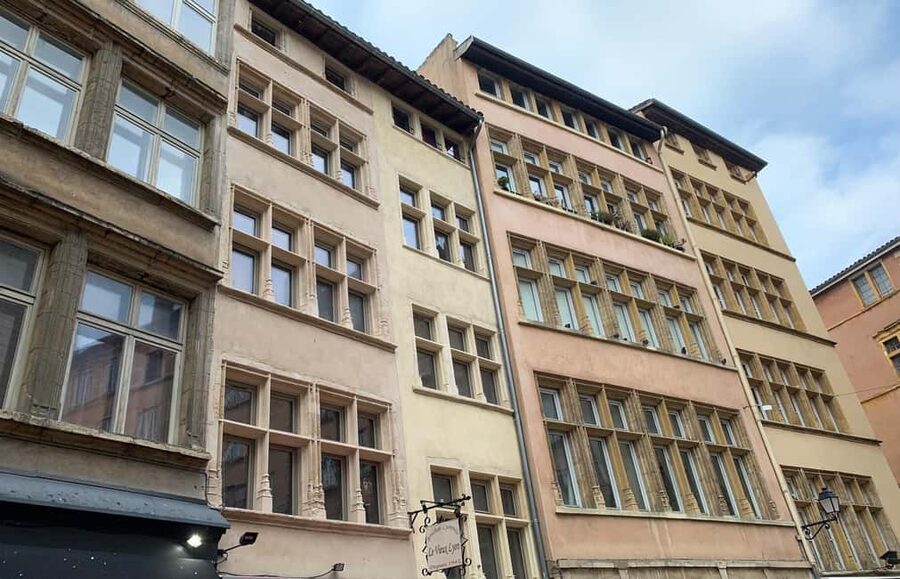
Yannick is the central reason this tour earns such strong praise. He brings expertise about the traboules, but just as important, he knows how to present it.
His style combines dates, architecture, local detail, and jokes. He has been described as especially good at connecting Lyon’s past with the present, helping you understand how old buildings still relate to modern life.
That does not mean every moment is light. The subjects include war, class, religious conflict, political rivalry, and the lives of workers. The humor acts as a bridge between heavier topics rather than replacing them.
The guide also appears attentive to the group. The walk has worked well for families with children and teenagers, and one account notes that he adjusted his pace when a participant had a slight mobility issue. That should not be taken to mean the route is accessible. It remains unsuitable for wheelchair users and people with significant mobility impairments.
If you are interested in history, architecture, or social life, you will probably get the most from Yannick’s approach. If you mainly want photographs and little explanation, two and a half hours may feel long.
How the 150-minute length feels
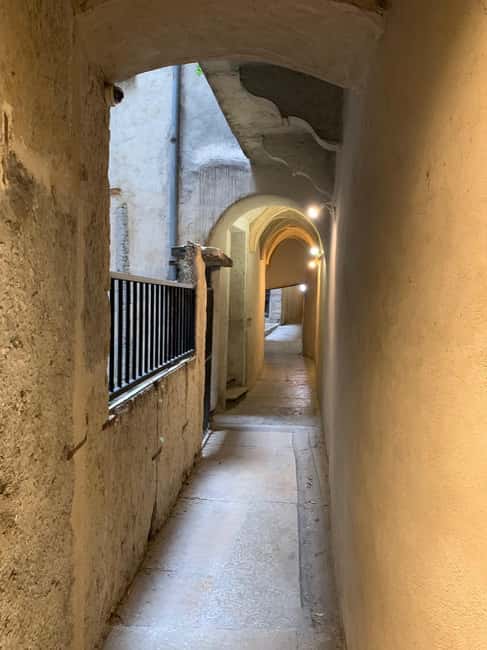
Two and a half hours is enough time to build a real picture of Vieux Lyon, but it is also a long time on foot. You should wear comfortable shoes and expect stairs, stairways, and pauses in passageways.
The length works because the tour covers several subjects rather than repeating the same architectural point. You move from the Renaissance district to silk, politics, religion, resistance, and local life. The walk is structured as a history of Lyon told through streets and buildings.
Still, weather matters. A winter walk can feel longer in the cold, especially when you are standing still while listening. In warm weather, the same length may feel easier, though comfortable shoes remain essential.
Bring enough attention for a sustained history walk. You are not likely to rush from attraction to attraction. The experience depends on listening, looking upward and inward, and noticing details in places that can seem plain at first.
Strollers can also be difficult inside the traboules. Stairways and narrow routes limit how easily you can move with one. Families should consider the child’s age, the stroller size, and the amount of walking before booking.
Is $43 a fair price?
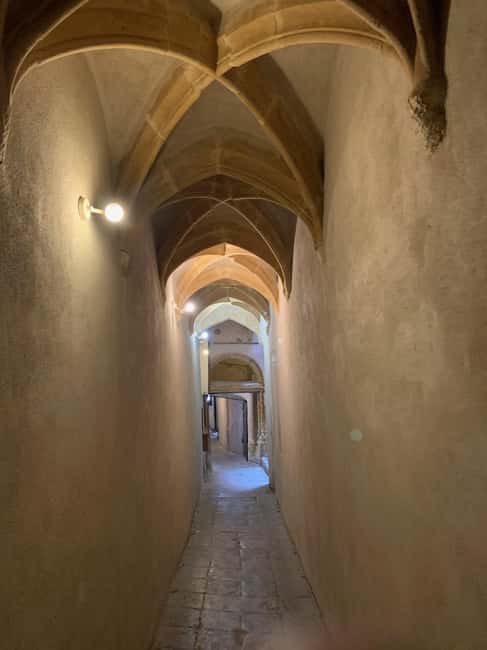
At $43 per person, this is not the cheapest way to see Vieux Lyon, but it offers a solid return if you value interpretation. The city’s public passages can be visited without paying an entrance fee, yet the difficult part is knowing which ones to find and understanding their role.
You are paying for a private walking tour format, a guide, and a group limited to 10 people. In practice, the small size is important because narrow corridors do not suit large crowds. You also get a local perspective from someone who has lived in the neighborhood for more than 25 years.
The strongest value comes if you take the tour early in your Lyon stay. Once you understand the layout and the clues in the architecture, you can revisit Vieux Lyon with sharper eyes. You may also use the guide’s local advice when choosing a traditional bouchon and avoiding tourist traps.
I would not book it solely because the price is low. Book it because you want context that would be hard to gather on your own in a short visit. For a history-minded visitor, $43 is reasonable. For someone who wants only a brief look at old streets, it may feel like more time and money than necessary.
The booking terms add useful flexibility: you can cancel up to 24 hours before the start for a full refund, and you can reserve now and pay later. Starting times vary, so check the available slot before planning the rest of your day.
Who should take this walk?
I would recommend it to first-time visitors who want a strong introduction to Vieux Lyon. It also suits returning visitors who have already seen the cathedral and main streets but want to understand what lies behind the facades.
History fans will find plenty to hold their attention, especially if you like social history rather than only royal names. Architecture enthusiasts will appreciate the way buildings, courtyards, stairways, and passageways reveal how Lyon worked.
Families can consider it too. Children and teenagers have enjoyed the stories, and the guide’s humor may keep younger listeners involved. The main issue is stamina, since the route lasts 150 minutes and includes stairs.
You should think twice if you have a wheelchair, a serious mobility limitation, or a stroller that is hard to lift. The route is not suitable for wheelchair users, and the passageways can be awkward even for people who walk comfortably.
Should you book the Lyon traboules tour?
I would book this tour if you want to understand why Vieux Lyon feels the way it does, not just photograph its old buildings. The small group and local guide give you access to stories and passageways that are easy to miss, while Yannick’s humor keeps the history from becoming heavy.
Choose it early in your stay so the rest of your time in Lyon benefits from what you learn. Wear good shoes, keep your voice down, and expect stairs. If those conditions suit you, this is one of the better ways to connect Lyon’s architecture with the people, conflicts, trade, and wartime events that shaped it.
FAQ
Where does the tour meet?
Meet the guide in front of the old fountain in the middle of the cathedral square.
How long does the tour last?
The walking tour lasts 150 minutes, or two and a half hours.
What languages are available?
The tour is offered in English and French.
How large is the group?
The group is limited to 10 participants.
Who guides the tour?
The local guide is Yannick, also referred to as Yan in participant feedback. He has lived in the Vieux Lyon neighborhood for more than 25 years.
What should I bring?
Wear comfortable shoes suitable for walking and stairs.
Are strollers suitable for this tour?
Strollers can be difficult to manage inside the traboules because of stairs and stairways.
Is the tour suitable for wheelchair users?
No. The tour is not suitable for wheelchair users or people with mobility impairments.
Just added in Lyon
- From Lyon: Golden Stones Beaujolais Wine Tasting Tour★ 4.7 · 387 reviews
- Taste Wine in Lyon: Burgundy, Beaujolais, Rhône, and more★ 5.0 · 211 reviews
- 4h Complete Lyon Experience: E-Bike, Food Tasting & Old Town Walk★ 5.0 · 228 reviews
- Annecy: 1.5-Hour Segway Tour★ 4.7 · 102 reviews
- Lyon: 3-Hour Guided E-Bike Tour★ 4.9 · 131 reviews
- Lyon: Segway Tour Along Rhône and Saône River★ 4.8 · 146 reviews
- Lyon: City Segway Tour with a Local Guide★ 4.8 · 102 reviews
- First canyoning in Grenoble in the Vercors★ 5.0 · 111 reviews
Walking Tours, compared.

Paris Top Sights Half Day Walking Tour with a Fun Guide
Read our review →
Montmartre Hidden Gems and Scenic Highlights Walking Tour
Read our review →
Montmartre Hill French Gourmet Food and Wine Tasting Walking Tour
Read our review →
Paris Île de la Cité and Notre-Dame Walking Tour With Crypt
Read our review →
Montmartre Cheese, Wine & Pastry Guided Walking Tour
Read our review →
Paris in a Day: Louvre or Orsay, Eiffel Tower, City Walk & Cruise
Read our review →
Montmartre Highlights Walking Tour with a Local Guide
Read our review →
Browse the lists this tour appears in