
Reviewed · TOURS IN MARSEILLE
Marseille: Urban Hiking Tour with a Local Guide
Marseille reveals itself best on foot, especially when a local guide leads you from the Old Port along fishing harbors and sea coves, then uphill through quiet neighborhoods to Notre-Dame de la Garde. This is not a gentle stroll. It is a proper urban hike with steep streets, uneven steps, and wide views over the city.
I like the mix of coastal scenery and local history, and I like that the route reaches places you would be unlikely to connect on your own. Guides such as Olivier and Charles bring in stories about Marseille’s neighborhoods, people, sports, and modern life, not just the standard monument facts.
The main drawback is the physical demand. Past participants describe roughly seven to eight miles of pavement, asphalt, hills, and steps, and the advertised three and a half hours can run longer when the weather is good and conversation is flowing.
Key points to know before you book
- This is a real hike: Expect inclines, many steps, uneven surfaces, and a brisk pace.
- The coast comes first: You visit small fishing ports, rocky coves, beaches, and sea-facing monuments.
- The city unfolds by neighborhood: The route passes through districts and former village-like areas absorbed into Marseille.
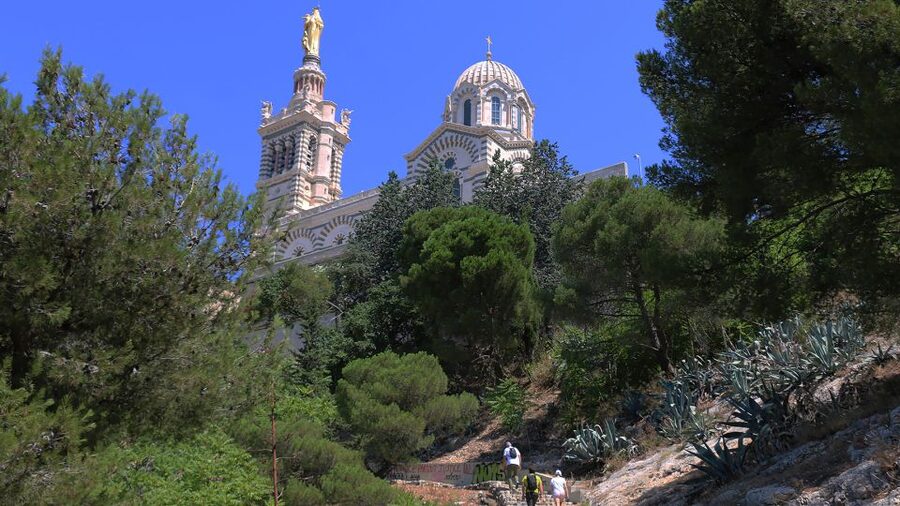
- Notre-Dame de la Garde is the payoff: The basilica gives you broad views across Marseille and the sea.
- Small groups help: With no more than 10 people, you can ask questions and keep in touch with the guide.
- The route adapts in summer: There are shaded parks, frequent breaks, and eight water points along the way.
Why this Marseille hike feels different from a standard city tour
Many Marseille walking tours stay near the Old Port, Le Panier, and the main historic center. This one uses the city as a long connected route. You begin beside the harbor, head south toward the Mediterranean, pass old fishing quarters and coves, then climb inland and upward before returning to the port.
That shape matters. You get a clearer sense of how Marseille changes from the commercial waterfront to residential districts, coastal inlets, quiet green spaces, and the hilltop basilica. The guide also explains how different neighborhoods developed and how former villages became part of the larger city.
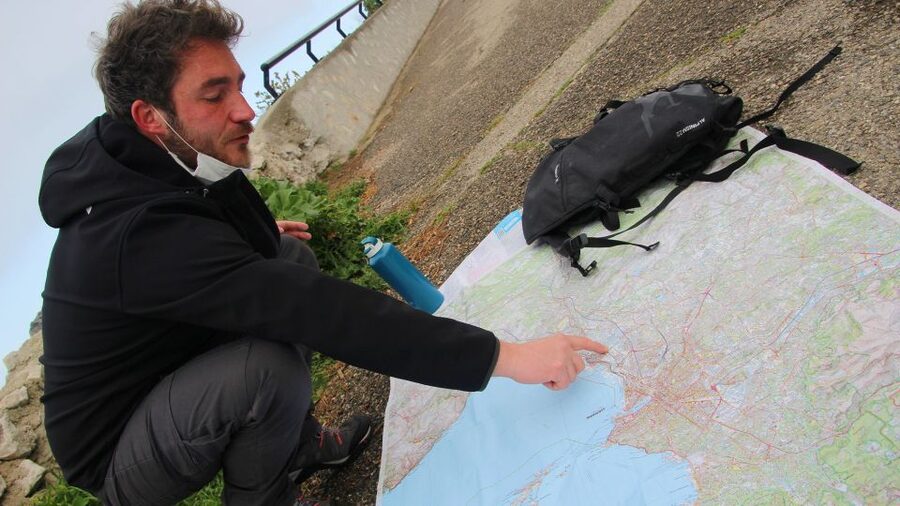
The strongest part is the human angle. Olivier, who has been described as a local who grew up in Marseille and still lives there, has led many of these walks. He talks about ancient and modern history, geography, sociology, local people, and current changes in the city. Charles has also led the tour, with a similar focus on the city’s past and present.
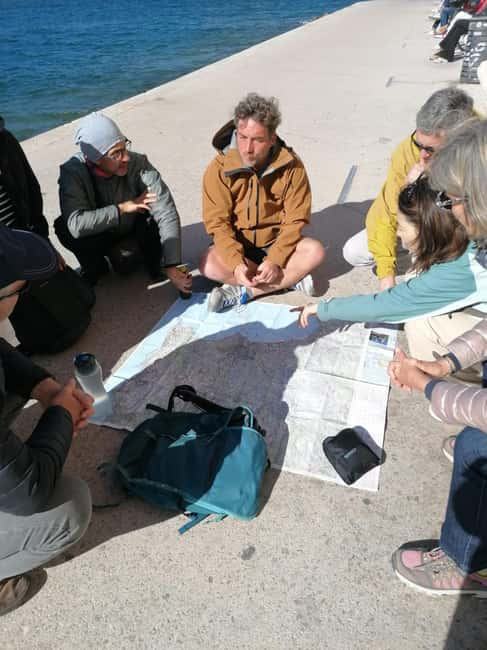
You should not expect a formal lecture delivered at fixed stops. The route is conversational. You walk, pause, listen, ask questions, and keep moving. That makes the experience more personal, but it also explains why the timing can stretch beyond 210 minutes.
More walks and hikes in Marseille:
- Marseille: Calanques National Park Guided Hike with Picnic
★ 4.9 · 516 reviews - From Marseille: Calanques National Park Guided Hike
★ 4.8 · 489 reviews - Hiking in the Calanques National park from Marseille
★ 4.5 · 211 reviews
Starting at the Old Port and heading toward the sea
The meeting point is in front of Burger King at the intersection of La Canebière and the Quai des Belges. Look for a guide in hiking clothing with a backpack. The starting location is practical, since the Old Port is easy to find and well connected to the heart of Marseille.
The first section introduces the Old Port, one of the city’s key reference points. You receive about 10 minutes of guided orientation before heading south. This is a short stop, so do not expect a full Old Port history lesson. Its purpose is to set the scene and get you moving.
From there, the route reaches the Palais du Pharo. You stop for photographs, views, and more explanation of the city. The palace area gives you a fine position for looking back toward the harbor and across the water. You spend about 20 minutes here, with the guide using the setting to connect Marseille’s waterfront to its larger story.
Next comes Plage des Catalans, a city beach close to the center. This is a brief 10-minute pass-by rather than a swimming stop. It gives you another look at how daily life and the sea meet in Marseille, even within the urban core.
Along the fishing ports and rocky coves
The walk becomes more scenic as you continue past the Monument aux morts de l’Armée d’Orient et des terres lointaines. This is mainly a five-minute photo stop, but its position beside the water adds another layer to the coastal route.
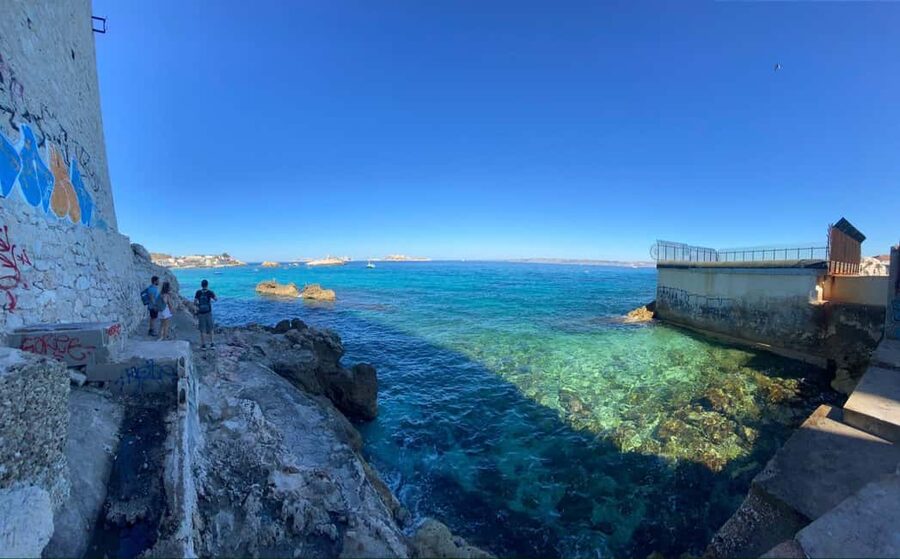
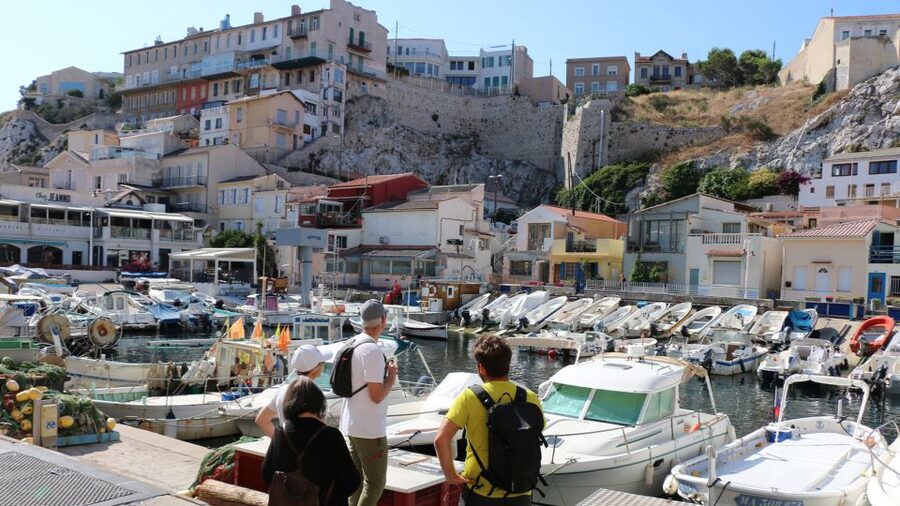
The most appealing coastal sections are Vallon des Auffes, Anse de Malmousque, and Anse de la Fausse Monnaie. These are not interchangeable stops. Each gives you a different view of Marseille’s edge, from small harbor settings to rocky inlets and narrow passages beside the sea.
At Vallon des Auffes, allow about 20 minutes for photographs, views, and commentary. The area is known for its small fishing-port character, and it feels a long way from the broad commercial space of the Old Port. You get a closer look at the compact, tucked-away side of Marseille’s coast.
Anse de Malmousque follows with another 20-minute stop. The route gives you time to look out over the water and hear more about the area. This is a good section for photographs, but remember that the tour keeps moving. It is not designed as a long shore break.
At Anse de la Fausse Monnaie, you spend another 20 minutes with the guide. The coves and bends in the coast make this part especially rewarding for anyone who prefers scenery to indoor sightseeing. You may also appreciate the changing pace: after the first urban streets, the route feels more open and exposed.
These coastal stops are one of the tour’s best features, but they come with a practical point. You are walking on city surfaces and uneven routes, not a prepared coastal trail. Good shoes matter, and sandals with poor support could make the uphill sections harder later.
Quiet parks, narrow alleys, and the uphill work
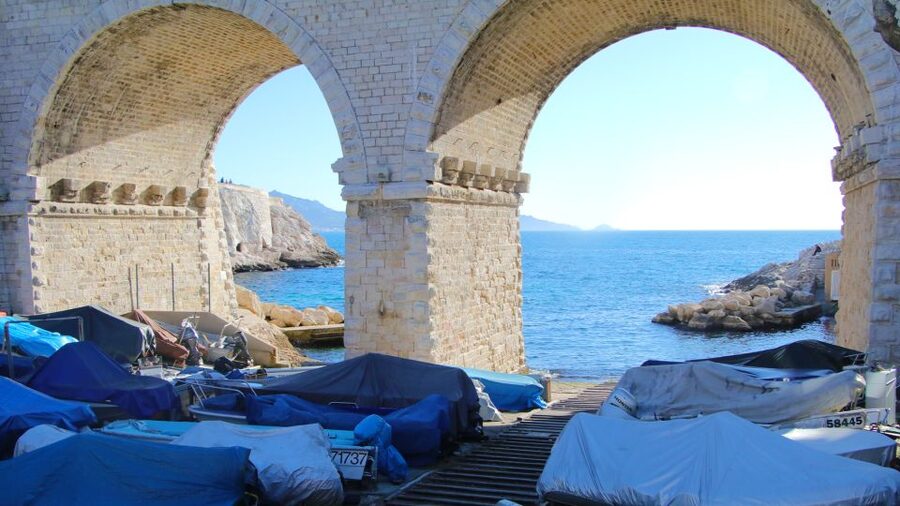
After the coast, the guide takes you inland through parks and less obvious paths. The Chemin du Bois Sacré includes walking, passing through, and views along the way. It is a useful transition between the shore and the climb toward the basilica.
The route then includes a longer 40-minute section at a secret stop. The exact location is not specified in advance, which is part of the appeal. You should expect another scenic pause and more local explanation rather than a named museum or formal attraction.
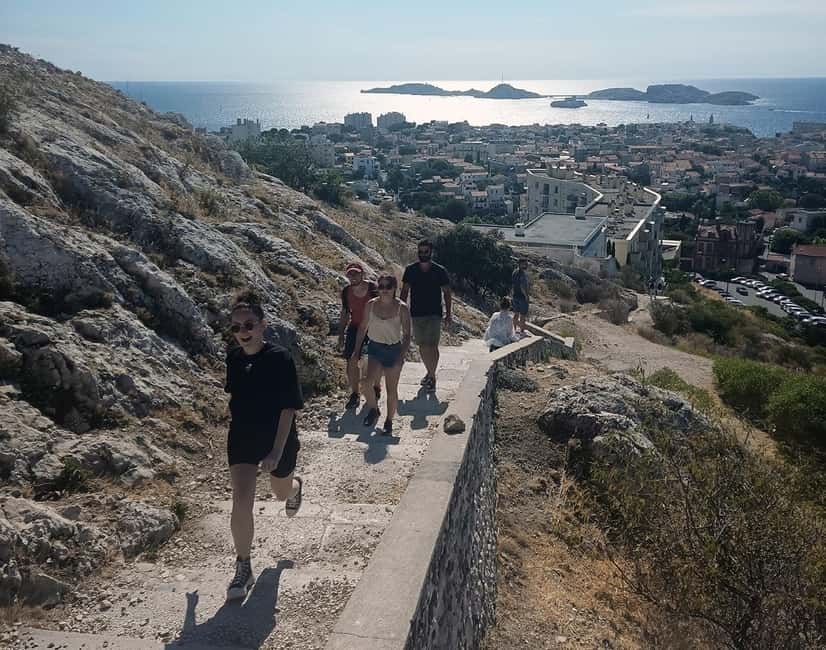
This is also where the tour’s title becomes clear. An urban hike is different from a standard walking tour because the route uses inclines, back streets, alleys, and changes in elevation. You are not simply moving between flat city squares.
The guide may walk at a good pace, but the group is not expected to race. One useful practical detail is that the guide regularly waits for people to catch up. Even so, you should be comfortable walking for hours and climbing repeatedly.
The city’s narrow alleys add character, but they are not easy for everyone. People with mobility impairments are advised not to book, and children under seven are not accepted. If you have knee, hip, balance, or foot problems, this is the point to choose a less strenuous Marseille tour.
Same base, a different kind of day:
- Marseille: City Sightseeing Hop-On Hop-Off Bus Tour
★ 3.8 · 2,820 reviews - Marseille: Côte Bleue Calanques Half-Day Kayak Tour
★ 4.7 · 877 reviews - Marseille Food Tour – Full Meal of Local Tastes by Do Eat Better
★ 5.0 · 530 reviews - Marseille: Musée de l’Illusion Entry Ticket
★ 4.1 · 488 reviews
Reaching Notre-Dame de la Garde
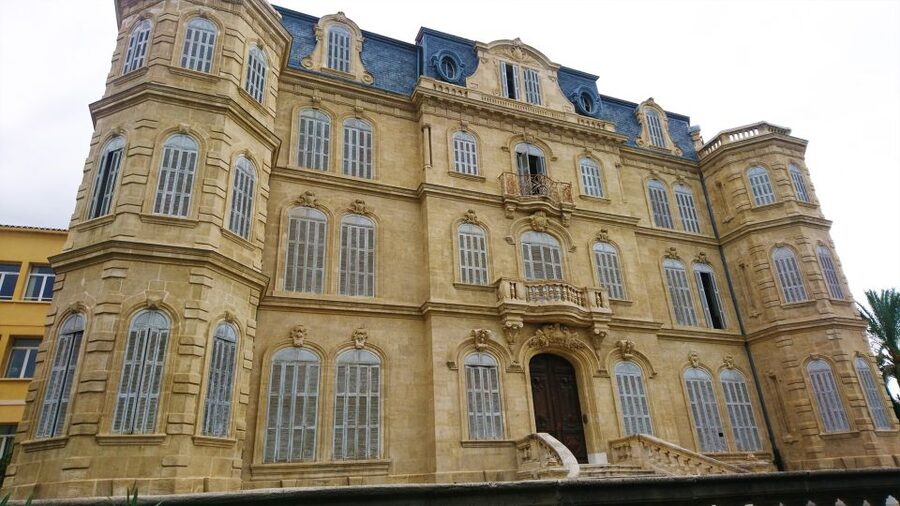
The climb ends at Notre-Dame de la Garde, Marseille’s famous hilltop basilica. You spend about 30 minutes here with time for photographs, a visit, guided information, and some independent looking around.
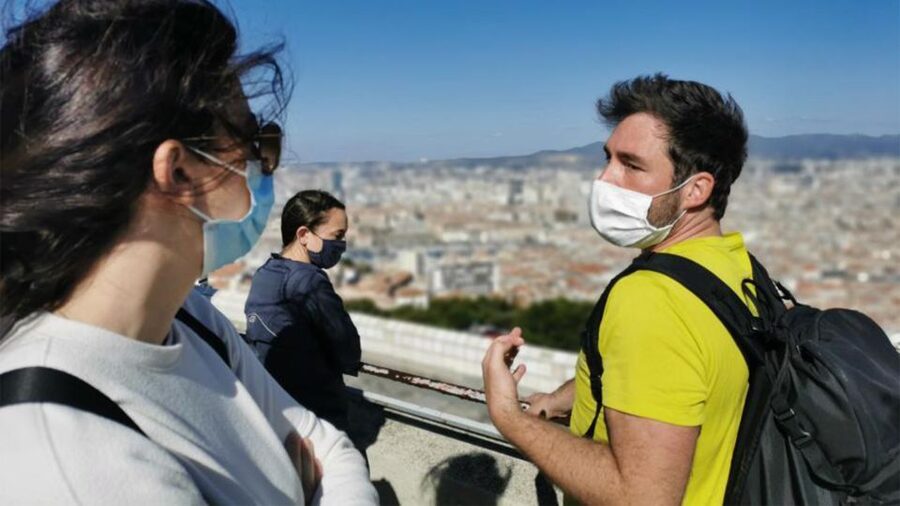
The basilica is the natural high point of the outing, both physically and visually. From above, you can take in the city, the harbor, the sea, and the route you have covered. After walking through smaller streets and coastal corners, the view helps you understand Marseille as one connected place rather than a set of separate sights.
This stop also gives you a chance to slow down. The rest of the tour is a moving conversation, while the basilica provides a more settled moment. You should still keep an eye on the clock, since the group continues downhill afterward.
The views are a major reason to accept the physical effort. If you want to see Notre-Dame de la Garde without a long climb, another form of transport may suit you better. If you want the view to feel earned and want to understand the streets below, this route makes the basilica more memorable.
Returning through central Marseille
The return passes along Boulevard André Aune, with about 20 minutes of walking, photographs, and commentary. This section brings you back into the city center through attractive districts rather than retracing the coastal route.
That return is valuable because it completes the city picture. You have seen the port, the waterfront, small coastal settlements, parks, uphill lanes, and the basilica. Now you return through central streets with a better sense of how those pieces fit together.
The tour ends at the Old Port, where you have about five minutes of free time. This is not enough for a meal or a major extra visit, so plan anything time-sensitive after the tour with plenty of room. The activity can exceed three and a half hours when the weather is pleasant and the guide has plenty to discuss.
What the guide adds to the walk
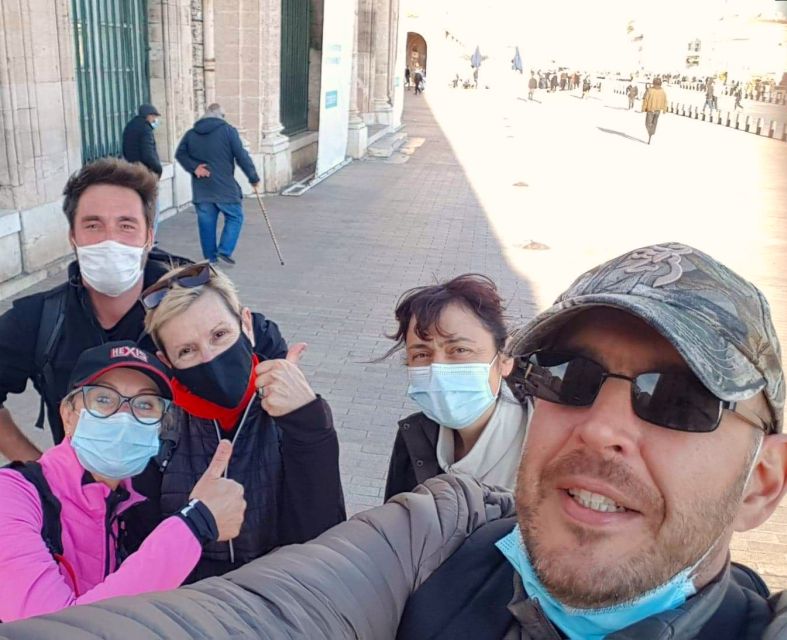
The guide is the central reason to choose this experience instead of following a map. The route includes places you can technically reach on your own, but a local guide gives them context and helps you notice the differences between districts.
Olivier has received especially strong praise for explaining Marseille’s history, social life, geography, and present-day changes in clear English. He also shares personal connections to the city, which can make the walk feel less like a list of dates and more like an introduction to a living place.
Past groups have also appreciated practical advice about what to see and do after the hike. That can be useful early in your stay, since you can apply the guide’s suggestions during the rest of your time in Marseille.
The language options are French and English. With a maximum of 10 participants, you have a better chance to ask questions than on a large coach tour. The small group also makes it easier for the guide to keep an eye on different walking speeds.
Price, timing, and what to bring
At $46 per person, the tour is good value if you want several hours of guiding, coastal scenery, local neighborhoods, and Notre-Dame de la Garde in one outing. You are paying for the guide’s local knowledge and route design as much as for the sights themselves.
The value is weaker if you want a short, flat orientation walk. You could see parts of the Old Port and waterfront independently, but matching the full route and finding the quieter paths would take more planning. The tour saves that effort and adds local explanation.
Bring comfortable shoes, sunscreen, and your own water. Sunscreen is included, and there are eight water points along the route, but drinks are not included. Those water points are helpful in summer, yet they do not remove the need to start properly hydrated.
The route can be adapted during summer heat, with more stops, shaded parks, and access to drinking water. Still, hot weather will make seven or eight miles of walking feel harder. A morning start, when available, may be more comfortable, but you should check the current start times before booking.
Free cancellation is available up to 24 hours before the activity for a full refund, and you can reserve now and pay later. Those policies are useful if your Marseille plans are still shifting.
Who should book this experience?
I would choose this hike if you want to understand Marseille through its neighborhoods rather than simply tick off monuments. It suits active adults, solo visitors, couples, and small groups who enjoy long walks and asking questions along the way.
It is also a good first-day or second-day activity if you can handle the effort. You receive suggestions for other places to visit, and the route gives you a broad orientation to the city.
I would not choose it for a relaxed afternoon, a young child, or anyone who needs level ground and frequent access to seating. The route is demanding, the pace may feel brisk, and the duration is not completely fixed.
FAQ
Where does the Marseille urban hike begin?
Meet in front of Burger King at the intersection of La Canebière and the Quai des Belges. The guide wears hiking gear and carries a backpack.
How long does the tour last?
The stated duration is 210 minutes, or three and a half hours. It can run longer when the weather is good and the guide has plenty to discuss.
How far do you walk?
The route information does not give one exact distance, but past tour descriptions place the walk at roughly seven to eight miles. Expect pavement, asphalt, uneven steps, and repeated inclines.
What languages are available?
The tour is offered in French and English.
Is the tour suitable for children?
Children under seven are not permitted. Because of the long distance, steep sections, and steps, older children should also be comfortable with a demanding walk.
Is water included?
Drinks are not included, but the route has eight water points. You should still bring your own water, especially in warm weather.
Can I cancel the booking?
You can cancel up to 24 hours in advance for a full refund. The reserve-now, pay-later option is also available.
Should you book the Marseille urban hike?
Book it if you want a serious walk with a local point of view, not a quick sightseeing circuit. The combination of fishing ports, coves, parks, neighborhood streets, and Notre-Dame de la Garde gives you a broad and unusually personal introduction to Marseille.
Skip it if you dislike hills, steps, heat, or flexible timing. For everyone else, $46 buys a well-planned route, a small group, strong local guidance, and views you would likely miss while staying near the Old Port.
Just added in Marseille
- Picturesque Luberon – From MARSEILLE★ 5.0 · 36 reviews
- Provence : Aix en Provence, Cassis and Marseille Private Tour★ 4.5 · 53 reviews
- Private French Pastry Class in Marseille★ 5.0 · 90 reviews
- Marseille Walking food and culture tour 3 hour Private tour★ 4.0 · 36 reviews
- Market & Perched Villages of the Luberon Day Trip from Marseille★ 5.0 · 85 reviews
- Marseille Guided Tour for 2.5 Hours with a Bilingual Local Guide★ 5.0 · 36 reviews
- Marseille Guided Tour for 4 Hours with a Bilingual Local Guide★ 5.0 · 105 reviews
- Private Full Day Wine Tour in Provence From Marseille cruise port★ 5.0 · 32 reviews
Tours in Marseille, compared.
Marseille Food Tour – Full Meal of Local Tastes by Do Eat Better
Read our review →
Calanques National Park Guided Hike with Picnic
Read our review →

Calanques Sailing Day Trip with Lunch and Wine
Read our review →
Browse the lists this tour appears in