
Reviewed · MONTMARTRE TOURS
Paris: Montmartre Hidden Gems and Highlights Walking Tour
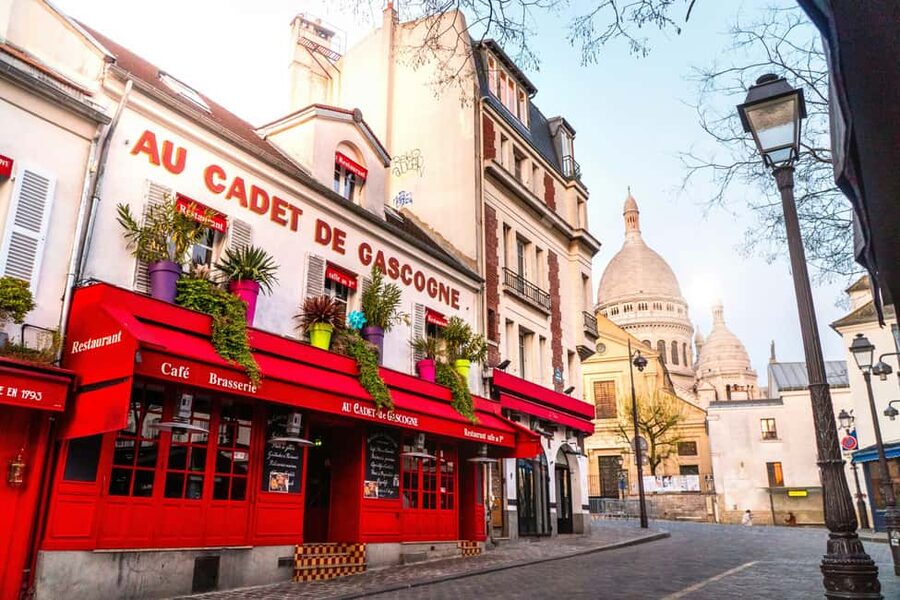
Montmartre’s best moments are often tucked between the famous sights: a quiet vineyard, an old artists’ square, a Renoir-painted windmill, and streets tied to Van Gogh and Toulouse-Lautrec. This 90-minute walk gives you that story-filled side of the hill before finishing near the grand white domes of Sacré-Coeur.
I like the clear route from the I Love You Wall to Place du Tertre, and I like that guides such as Linda, Sam, Paula, Heidi, and David bring plenty of local stories and practical Paris tips. The main drawback is the terrain: there are no stairs on the route, but you still walk up hills and through narrow, sometimes crowded streets.
Key points to know before you book
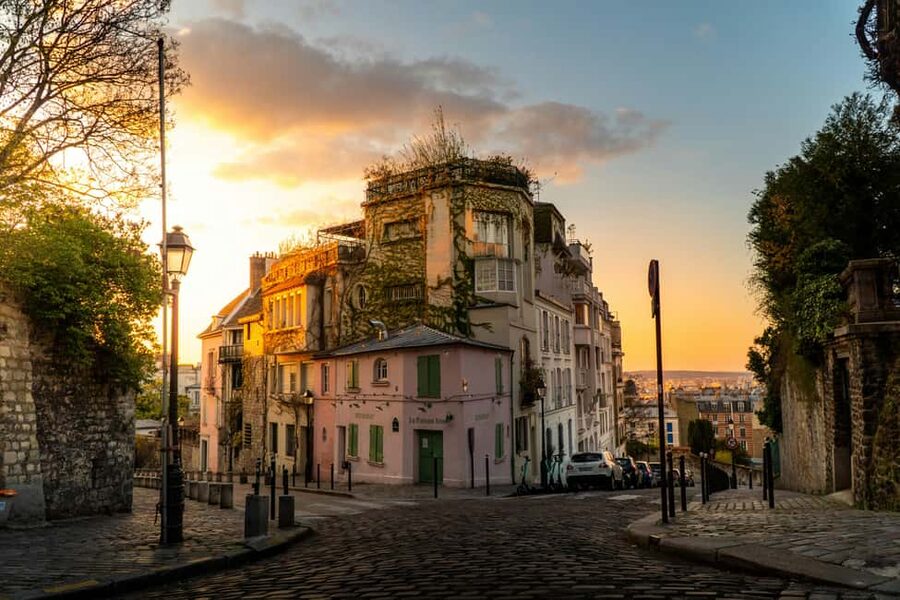
- A compact art-and-history route: See the Moulin de la Galette, Rue des Abbesses, the last vineyard in Paris, and places linked with famous painters.
- A strong guide makes the difference: Guides including Sam, Linda, Paula, Heidi, David, and Sara are praised for humor, pacing, storytelling, and local advice.
- Sacré-Coeur is viewed from outside: Entry is free when the basilica is open, but visiting inside is a self-guided extra.
- The walk starts at Saint-Jean de Montmartre: Meet at 19 Rue des Abbesses, where your guide holds an orange ExperienceFirst sign.
- Expect hills, not stairs: The route suits people who can walk uphill comfortably, but it is not suitable for wheelchair users.
- Good value for a short introduction: At $41, you are paying mainly for an English-speaking guide who connects scattered sights into one readable story.
Why Montmartre works so well on foot

Montmartre is one of Paris’s easiest districts to enjoy as a walking story. The hill holds several different versions of the city: a former village, an artists’ quarter, a place of cabarets and cafés, and one of Paris’s best lookout points.
This tour focuses on how those layers fit together. You are not simply taken from one photo stop to another. The route ties streets and buildings to artists such as Van Gogh, Toulouse-Lautrec, Renoir, and Monet, while also touching on everyday French food and neighborhood life.
The 90-minute length is useful. It is long enough to give you a real introduction, but short enough to fit before dinner, after a museum visit, or during a busy first day in Paris. You get a focused walk rather than an exhausting half-day commitment.
At the same time, do not expect an in-depth art course or a complete tour of Montmartre. The guide has to cover a lot in an hour and a half. You will come away with a strong sense of the neighborhood and several places to revisit, not a detailed lecture on every painter who worked here.
More walking tours in Paris:
- Paris Top Sights Half Day Walking Tour with a Fun Guide
★ 5.0 · 2,893 reviews - Montmartre Hidden Gems and Scenic Highlights Walking Tour
★ 5.0 · 2,684 reviews - Montmartre Hill French Gourmet Food and Wine Tasting Walking Tour
★ 5.0 · 2,588 reviews
Starting at Saint-Jean de Montmartre
The meeting point is in front of Saint-Jean de Montmartre church at 19 Rue des Abbesses. Look for the guide holding an orange ExperienceFirst sign. Pasting the full address into Google Maps is the simplest way to avoid confusion, especially since Montmartre’s streets curve and change character quickly.
Starting near Rue des Abbesses puts you in a useful part of the neighborhood from the beginning. This is not a tour that starts at the top of the hill and simply walks downhill through the crowds. You begin among ordinary streets and gradually work your way toward the grander sights.
That gradual climb gives the tour a better sense of place. Montmartre feels less like a collection of postcard stops and more like a neighborhood with a past. Your guide can explain the artistic life of the area while you are still walking through streets that feel connected to daily Paris.
Arrive ready to walk. Comfortable shoes matter more here than smart clothes, and a small bottle of water is sensible even though food and drinks are not included.
The I Love You Wall and the first neighborhood stories
The tour begins at the I Love You Wall, a public art piece displaying the words I Love You in more than 300 languages. It is an easy opening stop because it introduces Montmartre’s romantic reputation without pretending the whole district is only about romance.
The wall also gives the guide a natural way to talk about art in public spaces. You get a quick photograph, but the more useful part is the transition into the surrounding streets, where art appears in less obvious forms.
From here, the walk follows winding roads and narrow lanes. These streets are part of the appeal, but they also require attention. Some can be busy, and the footing or incline may not feel effortless for everyone.
The strongest guides appear to be those who keep the group moving while still making room for questions. Sam is described as combining history, current facts, and humor for people of different ages. Paula is praised for cheerful energy and useful local recommendations. Linda is noted for enthusiasm and strong storytelling.
Those details matter because a short walking tour depends heavily on the person leading it. A dry guide could turn the same route into a list of dates. A good one helps you notice why a plain-looking street matters.
Rue des Abbesses, food, and Montmartre’s village feel
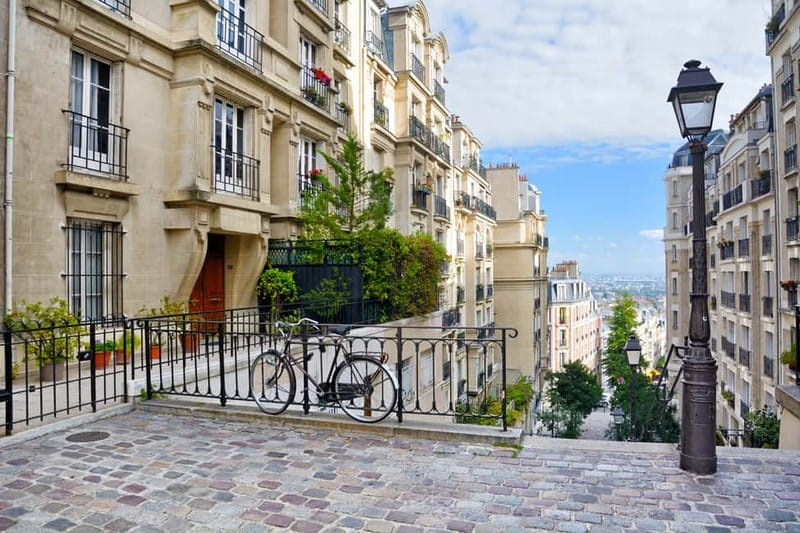
Rue des Abbesses is one of the tour’s useful orientation points. Rather than rushing through it, your guide can connect the street to the character of Montmartre and point out unusual art pieces along the way.
The food discussion adds welcome variety. You learn about French eating traditions, including cheese and charcuterie. Food is not served, so treat this as context rather than a tasting tour. It is helpful if you plan to eat in Montmartre later and want to understand what belongs on a traditional French plate.
I like this part because it keeps the walk grounded. Montmartre’s art story can become overly polished if it focuses only on famous painters. Talking about local food brings the neighborhood back to ordinary pleasures: a shop window, a shared plate, and the habits of a Parisian meal.
The tour does not include purchases, drinks, or a restaurant reservation. That keeps the $41 price relatively simple, but you should budget separately if you want to stop for cheese, charcuterie, coffee, or a meal.
Other walks around Montmartre from Paris:
- Paris: Montmartre Cheese, Wine & Pastry Guided Walking Tour
★ 4.8 · 2,255 reviews - Paris: Montmartre Highlights Walking Tour with a Local Guide
★ 4.9 · 1,668 reviews - Paris: Sacré-Coeur and Montmartre Tour with Expert Guide
★ 4.1 · 1,027 reviews - Private Montmartre Food Tour with Wine, Cheese & Pastries
★ 5.0 · 1,027 reviews
The Moulin de la Galette and the artists of Montmartre
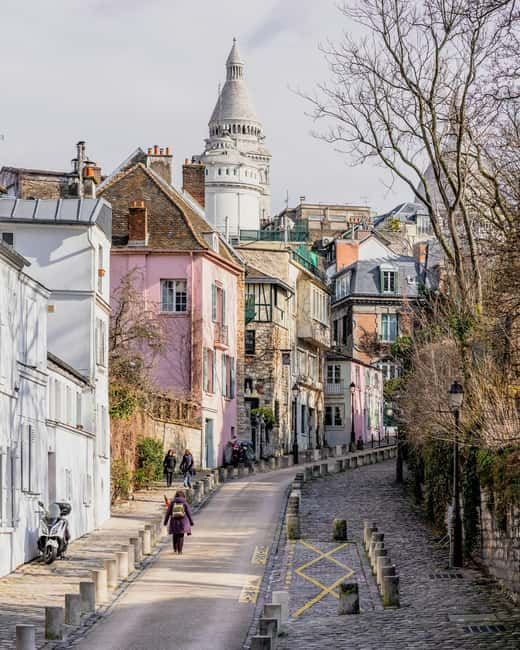
The Moulin de la Galette is one of the route’s most interesting stops. Renoir painted it, and the windmill helps explain why Montmartre attracted artists in the first place. It is not just an old structure to photograph. It represents the rural and social setting that once made this hill feel apart from central Paris.
Your guide also places you in the footsteps of Van Gogh and Toulouse-Lautrec. That artistic connection is a major reason to choose this walk over a basic sightseeing loop. You get a sense of how painters, performers, cafés, and cheap living space helped shape Montmartre’s reputation.
The stop works best when you pay attention to the story rather than expecting a large museum display. Much of the value comes from the guide’s explanation of what you are seeing and how it fits into the neighborhood.
Heidi is particularly praised for explaining the art history associated with the area while staying engaging and entertaining. David is described as both professional and informative, with a style that made people interested in booking another tour with him. You may not get one of those exact guides, but the repeated praise for several different leaders suggests that the experience is not tied to only one person.
Paris’s last vineyard
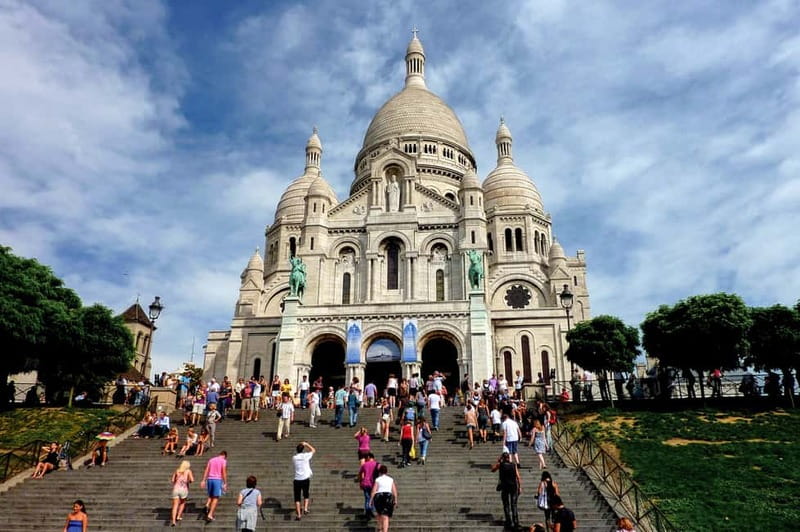
The city’s only vineyard is a welcome surprise on this route. It gives you a glimpse of Montmartre’s older village identity, before the district became one of Paris’s most visited artistic quarters.
Do not expect a large wine estate. The importance is its setting and survival. In a neighborhood now known for souvenir shops, terraces, and packed viewpoints, a vineyard offers a quieter reminder that Montmartre once had a more rural character.
This is one of the stops that makes the tour feel more specific. You could visit Sacré-Coeur and Place du Tertre independently, but you might not notice the vineyard or understand why it matters without a guide.
The stop also breaks up the art-and-architecture theme. You move from painters and public art to agriculture, then back into the main tourist district. That variety helps the 90 minutes pass quickly.
The climb toward Sacré-Coeur
The route includes hills, even though it does not include stairs. That distinction is important. People often hear no stairs and assume the walk will be easy, but Montmartre is still a hilltop district.
The pace seems to be a strong point. Sam is praised for handling the uphill sections without making the walk feel punishing, and one guide is specifically credited with keeping the route manageable for an 83-year-old participant. That does not mean the tour is effortless. It means a considerate guide can make the climb more comfortable for a mixed-age group.
If you are comfortable walking uphill at a steady pace, you should be able to enjoy the route. If hills cause pain, fatigue, or breathing problems, this may not be the right booking. The tour is not suitable for wheelchair users, and narrow streets can make movement harder for anyone who needs extra room.
Take the weather seriously. Montmartre’s open hilltop areas can feel very different from the sheltered streets below. Comfortable shoes are required, and sensible clothing will make the walk more pleasant.
Sacré-Coeur and the Paris view
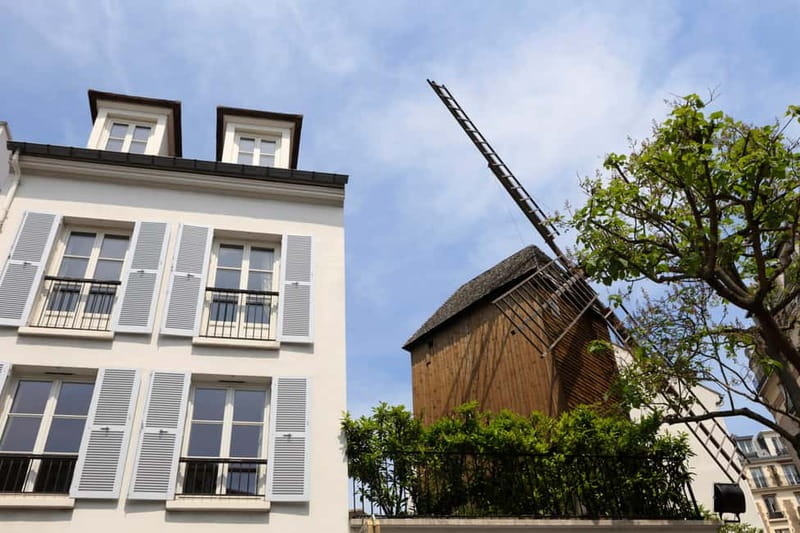
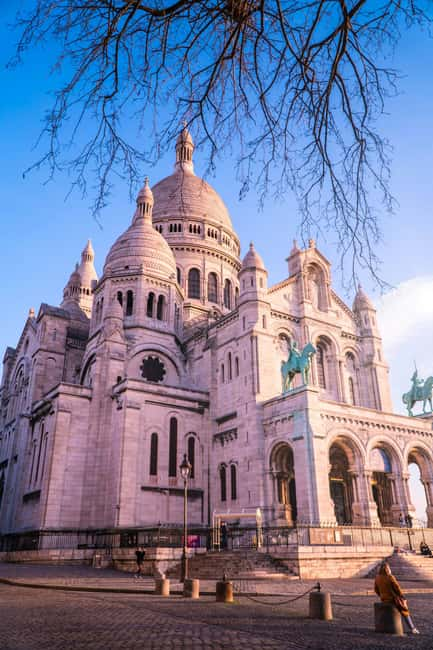
At the top, Sacré-Coeur gives the tour its big visual finish. The basilica’s white exterior and hilltop position make it one of the most recognizable sights in Paris, but the view across the city is the real reward after the climb.
Your guide explains the basilica’s striking 19th-century architecture and helps you understand the setting. The tour passes the exterior rather than leading you inside. Entry is free when the basilica is open, so you can visit on your own after the guided walk.
That arrangement has both advantages and limits. The advantage is flexibility: you are not forced into a rushed interior visit when the 90 minutes ends. The limit is that you do not get a guided explanation inside, and entry depends on opening conditions.
Allow extra time if you want to see the basilica interior. The tour itself is built around the hill, the exterior, and the view, so do not book it expecting a complete Sacré-Coeur visit.
Place du Tertre and La Bonne Franquette
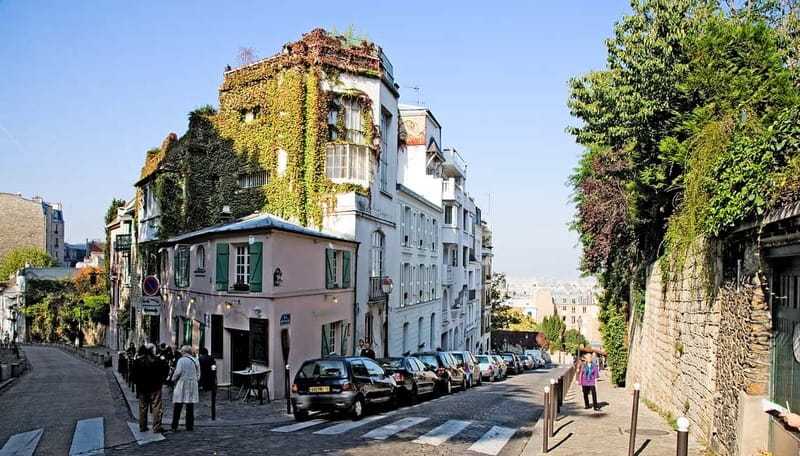
After the basilica, the route takes you around Place du Tertre, the square known for its French artists and outdoor terraces. This is one of Montmartre’s most recognizable scenes, and it can also be one of its busiest.
The square gives you a chance to see artists working and to understand how Montmartre’s creative identity continues today. It is also a good place to slow down after the uphill section, though the crowds and narrow paths can make it feel less peaceful than the vineyard or quieter side streets.
The route includes La Bonne Franquette, a historic restaurant associated with Van Gogh and Monet. The restaurant is a natural ending point for a tour built around art, food, and old Montmartre. You can step inside and order traditional French cuisine, but the meal is not included.
The activity information also says the experience ends back at the meeting point, so confirm the exact end location and route with your guide on the day. Either way, La Bonne Franquette is useful as a food suggestion even if you decide to eat elsewhere.
Is $41 a fair price?
At $41 per person, this is not the cheapest way to see Montmartre. You can walk through the neighborhood independently for free, and Sacré-Coeur costs nothing to enter when open.
The price becomes easier to justify if you value context. A good guide connects the I Love You Wall, artists’ homes and haunts, the Moulin de la Galette, the vineyard, Sacré-Coeur, and Place du Tertre into one story. You also get practical advice about food and nearby places to continue exploring.
I would consider it fair for a first visit, especially if you have limited time in Paris. It is less compelling for someone who already knows Montmartre well or prefers to set their own pace and stop whenever they like.
The overall score is 4.7 from 361 ratings, with repeated praise for guide energy, clear explanations, humor, pacing, and local recommendations. The strongest value comes from the human element, not from admission tickets or included food.
Free cancellation up to 24 hours before the tour and reserve-now, pay-later booking make it easier to fit into a changing Paris schedule. Those policies are useful, but they do not change the main decision: are you paying for a guided story or would you rather wander alone?
Who should book this Montmartre walk?
I would choose this tour for a first-time Paris visitor who wants an organized introduction without giving up time for lunch, a museum, or an evening show. It also suits anyone interested in artists and neighborhood history but not ready for a long specialist tour.
It can work for families and mixed-age groups if everyone can handle hills. The guide style appears to suit different ages, and several guides are praised for humor and a friendly manner.
I would hesitate if you need a fully step-free route. There are no stairs, but hills and narrow streets remain part of the experience, and the tour is not suitable for wheelchair users.
I would also skip it if your main goal is a guided interior visit to Sacré-Coeur or a food tasting. The basilica visit is self-guided, and food and drinks cost extra.
Should you book it?
Book this walk if you want Montmartre explained rather than simply photographed. The vineyard, Moulin de la Galette, artist connections, food traditions, Place du Tertre, and Sacré-Coeur view give you a well-shaped introduction in a short time.
Skip it if you already know the district, dislike group pacing, or find uphill walking difficult. For most first-time visitors who can manage the hills, $41 buys useful orientation, a strong set of local stories, and a better sense of what to explore after the guide leaves.
FAQ
How long does the Montmartre walking tour last?
The tour lasts 1.5 hours, or 90 minutes. Check availability for the starting times offered on your chosen date.
What language is the tour conducted in?
The live tour guide speaks English.
Where does the tour start?
Meet in front of Saint-Jean de Montmartre church at 19 Rue des Abbesses, 75018 Paris. The guide holds an orange ExperienceFirst sign.
What sights are included?
The route includes the I Love You Wall, Rue des Abbesses, the Moulin de la Galette, unusual art pieces, Paris’s only vineyard, Sacré-Coeur Basilica from the outside, and Place du Tertre.
Can I go inside Sacré-Coeur?
The tour passes the basilica’s exterior. If the basilica is open, you may enter on your own, and admission is free.
Is food included?
No. Food and drinks are not included. The guide discusses French food such as cheese and charcuterie, and the route includes La Bonne Franquette, where you may order traditional French cuisine separately.
Does the tour include stairs?
The route does not include stairs, but it does include hills and narrow, sometimes busy streets.
Is the tour suitable for wheelchair users?
No. The activity is not suitable for wheelchair users.
What should I bring?
Bring comfortable shoes. You will be walking through hilly streets for 90 minutes.
Can I cancel for a refund?
You can cancel up to 24 hours in advance for a full refund. The activity also offers reserve-now, pay-later booking.
Just added in Paris
- Private Transfers in Paris★ 5.0 · 75 reviews
- Disneyland® Paris 1 Day Ticket with Transport from Paris★ 3.5 · 302 reviews
- Personalized Transport service from Disneyland to Paris★ 5.0 · 63 reviews
- CDG – Euro Disney – CDG Two Way Private Shuttle Transfer★ 5.0 · 233 reviews
- Monet’s Gardens & House-Private Giverny Tour From Paris★ 4.5 · 137 reviews
- Giverny Monet House and Gardens Skip the line Walking tour★ 4.0 · 217 reviews
- Guided tour Monet’s house and gardens/small group★ 4.5 · 68 reviews
- Monet’s House and Garden & Giverny Village★ 4.5 · 39 reviews
Montmartre Tours, compared.

Montmartre Hidden Gems and Scenic Highlights Walking Tour
Read our review →
Montmartre Hill French Gourmet Food and Wine Tasting Walking Tour
Read our review →
Montmartre Cheese, Wine & Pastry Guided Walking Tour
Read our review →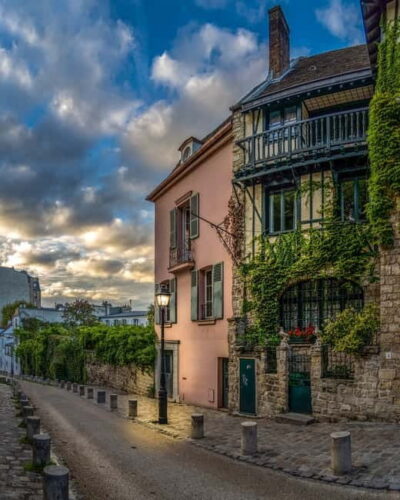
Montmartre Highlights Walking Tour with a Local Guide
Read our review →
Private Montmartre Food Tour with Wine, Cheese & Pastries
Read our review →
Paris Montmartre Food Tour – A Full French Meal by Do Eat Better
Read our review →
Hidden Montmartre: Paris’ Secret Streets Walking Tour
Read our review →
Paris Montmartre Food & Wine Tour with Eating Europe
Read our review →Browse the lists this tour appears in