
Reviewed · EIFFEL TOWER TOURS
Paris Bike Tour: Eiffel Tower, Place de la Concorde & More
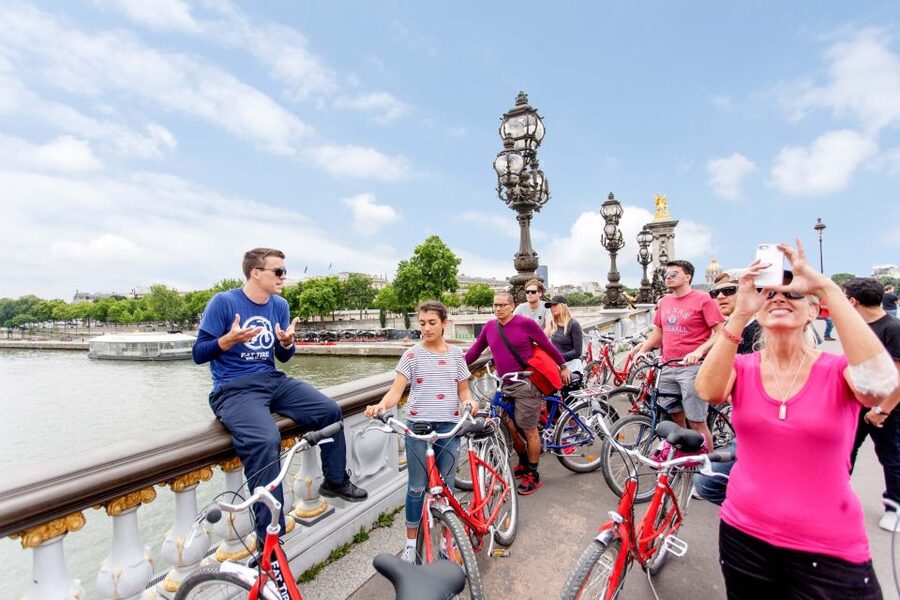
Paris reveals itself quickly from a bicycle. You move farther than you would on foot, yet slowly enough to notice the grand avenues, river views, and small details between the famous sights. This 3.5-hour ride gives you a useful first look at the Eiffel Tower, Louvre area, Invalides, and Place de la Concorde.
I like the easy pace and flat route, which make this a good fit for families and casual cyclists. I also like the guides’ mix of history and humor. Guides such as Dave, Dovi, Amir, and Fergus have been singled out for clear explanations, good group control, and thoughtful attention to children. The catch is that you will ride on some busy Paris roads, and a group of about 20 can feel large at times.
Key points to know before you ride
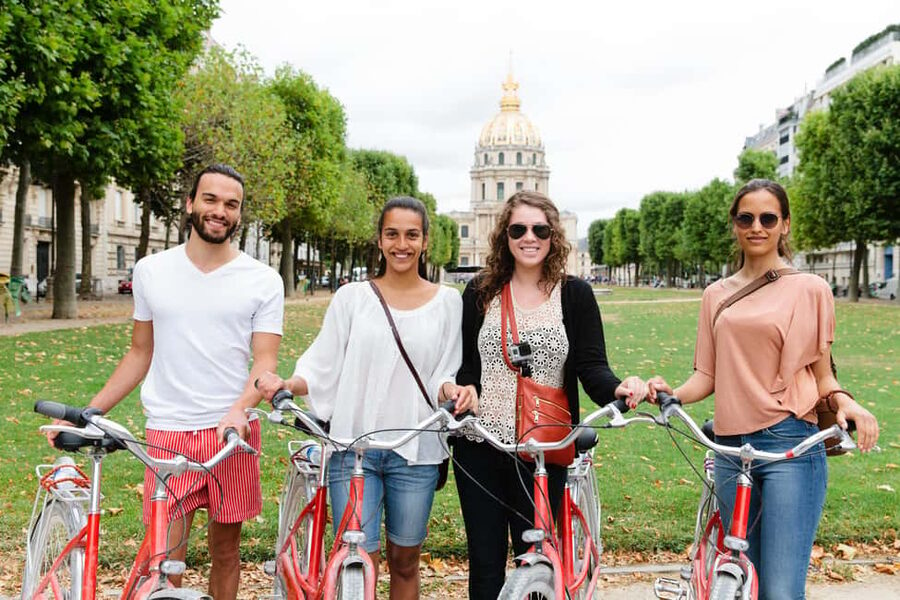
- A strong first-day introduction: The route covers several major sights without asking you to spend the day walking between them.
- Eiffel Tower photo stop: You get time to pause, look up, and take pictures rather than simply passing the tower.
- History with personality: Expect stories about French kings, Marie Antoinette, Napoleon, the Eiffel Tower, and the guillotine, not just dates from a guidebook.
- Family equipment is available: Children can use 20-inch or 24-inch bikes, tag-along tandems, trailers, or baby seats, within stated weight limits.
- Mostly gentle cycling: The route is described as mainly flat, but you still need to feel comfortable riding in city traffic.
- Good practical value: At $44 per person, the ride combines transport between sights, a bicycle, helmet, and live commentary for 210 minutes.
Why a bicycle works so well in Paris
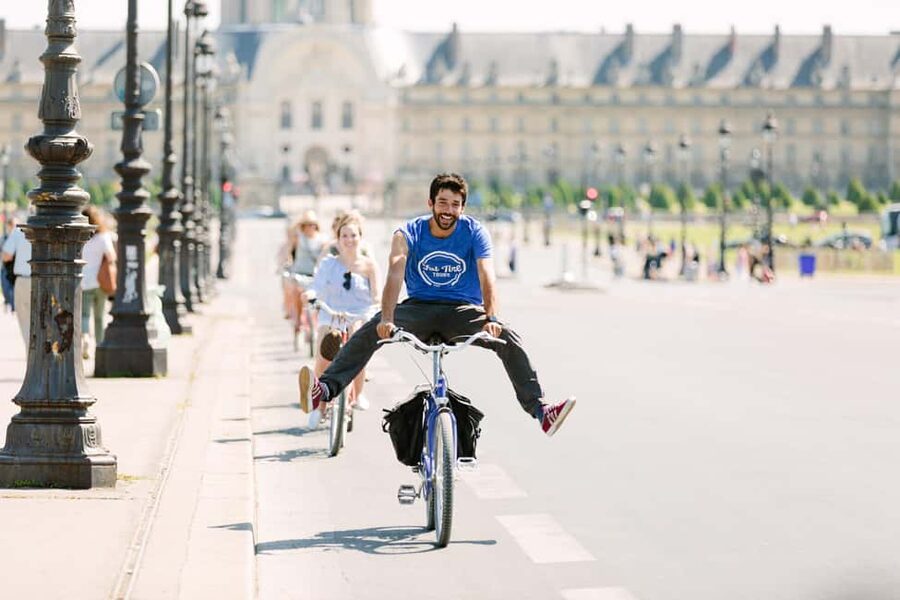
Paris is compact enough to explore on foot, but its major sights are spread across a wide area. A bike lets you connect them without spending much of your day underground or waiting for taxis. You see the city in motion, with time to notice the relationship between monuments, boulevards, bridges, and the Seine.
This is not a speed-focused cycling trip. The cruiser bikes are intended for comfort, and the ride is described as mellow and suitable for most people who can ride a bicycle. Several families used the tour to avoid long walks, while still giving children an active way to see the city.
I would place this tour early in a Paris visit. It gives you a mental map of central Paris and helps you decide where to return later. You may pass a museum or square and think, I want two hours there tomorrow, which is exactly what a good orientation tour should do.
The route is not designed to take you inside every monument. You will see the main sights from the outside, hear their stories, and stop for photographs. If your priority is detailed museum time, this is not a substitute for visiting the Louvre, the Musée de l’Armée, or the Eiffel Tower itself.
More cycling tours in Paris:
- Versailles Palace Bike Tour with Market & Marie-Antoinette hamlet
★ 5.0 · 2,680 reviews - Paris: Charming Nooks and Crannies Bike Tour
★ 4.8 · 2,585 reviews - From Paris: Versailles Bike Tour w/ Palace, Gardens, & Picnic
★ 5.0 · 2,150 reviews
Starting at Fat Tire Tours on Rue Edgar Faure
The meeting point is the Fat Tire Tours office at 24 rue Edgar Faure in the 15th arrondissement. Look for the large Fat Tire Tours sign and bicycles outside. Dupleix is the closest Metro station.
Allow enough time to reach the office without rushing. The operation includes check-in, bike fitting, and a safety briefing before you leave. Bikes are adjusted to suit your height, and the brakes are checked. One useful detail from the ride instructions is to use the right brake carefully, since grabbing it too suddenly can throw you forward.
The office has toilets, refreshments, shelves where you can leave a bag, and phone charging while you wait. Those are small conveniences, but they matter before a three-and-a-half-hour activity. You should still keep valuables with you when practical and arrive wearing comfortable shoes.
You receive a bicycle, helmet, and English-speaking guide. The guide also explains group hand signals and how to ride together. This briefing is especially important in Paris, where the ride can include busy streets and crossings. Guides have been praised for keeping children close, setting a steady pace, and moving the group safely through traffic.
Crossing the Left Bank toward the Louvre
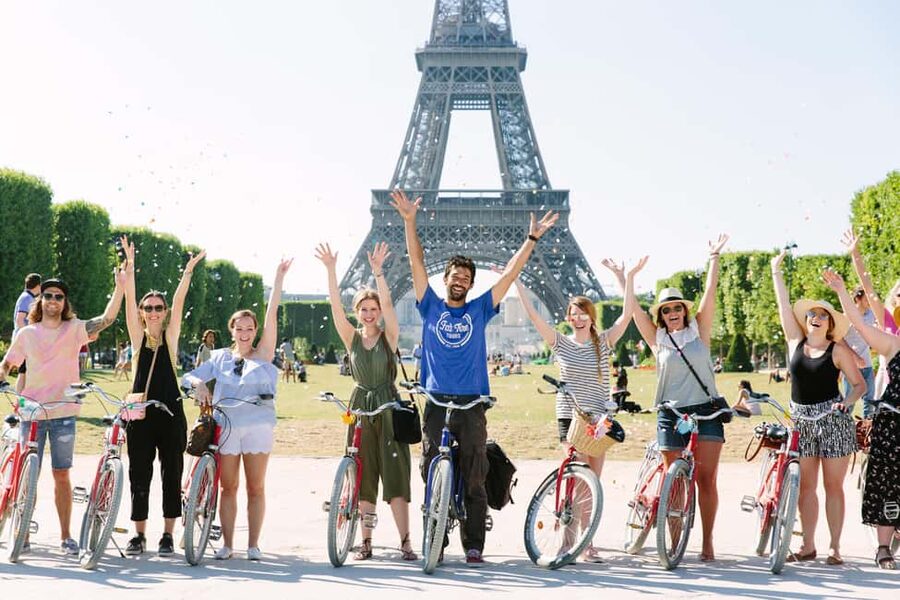
The first major pleasure is simply getting underway. You cross from the Left Bank toward the Louvre, seeing Paris at street level instead of through a coach window. The route connects the city’s grand central sights, so you get a sense of how the river and historic districts fit together.
The Louvre area is an ideal early stop because it gives context to so much of Paris. Its enormous scale can be hard to understand from a Metro station or a quick walk past the pyramid. From a bicycle, you can appreciate the long architectural lines and the open spaces around it before continuing.
Your guide supplies the historical thread. The emphasis is on memorable stories and useful explanations rather than a flood of facts. Expect the sort of commentary that links French kings, royal power, revolution, and modern Paris. Guides have used playful references to Louis XIV and other rulers to keep the ride lively for children and adults alike.
You will have time at the stops to take pictures and ask questions. This makes the ride more useful than simply following a guide through streets while trying to listen over traffic. Still, if you want long periods for quiet photography, keep your expectations in check. The tour has several sights to cover, so stops are measured.
The Eiffel Tower stop and the views that matter
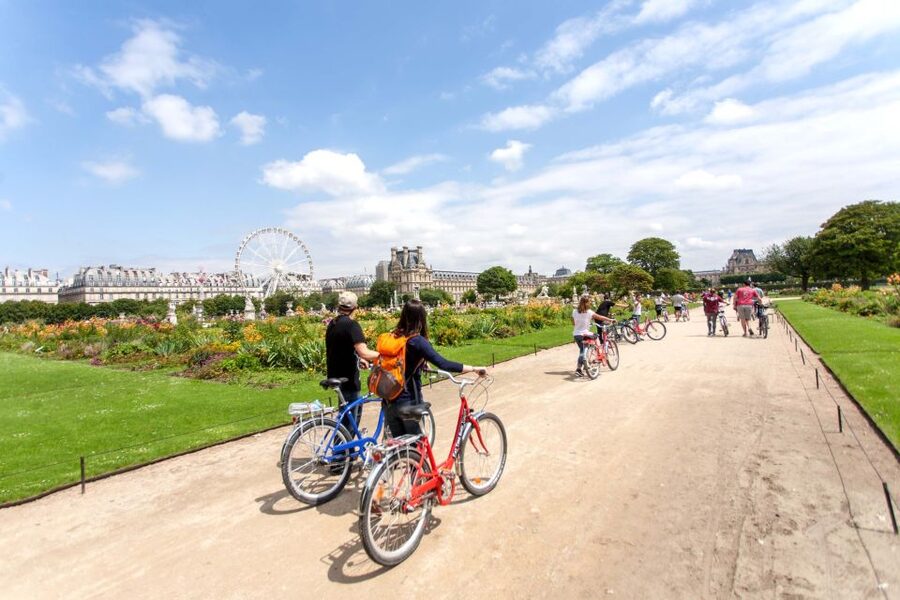
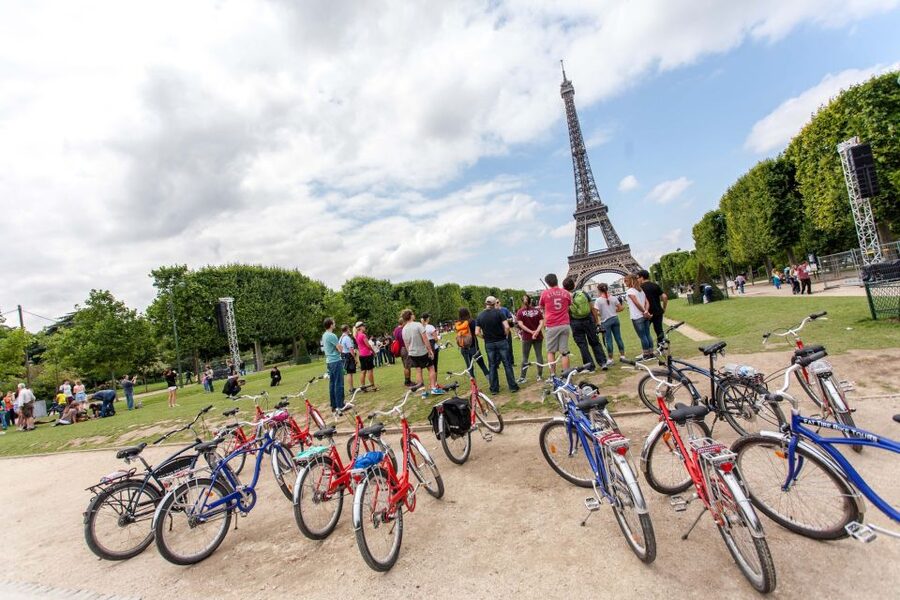
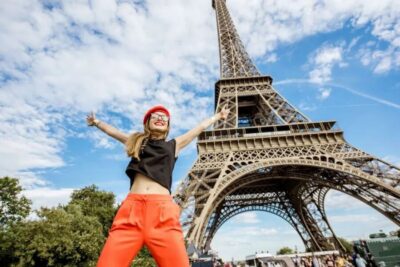
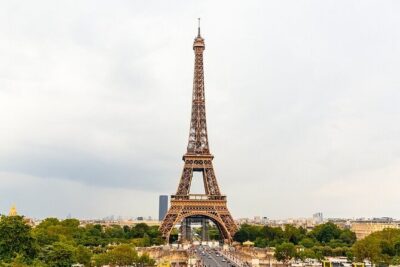
The Eiffel Tower is the emotional high point for many people, and the route gives you a picturesque pause near it. You can get close enough to take proper photographs and enjoy the tower’s shape from the ground. The stop is also a welcome break from riding.
A bike tour offers a helpful advantage here. You do not need to plan a separate Metro journey to reach the tower, and you can see how it relates to the surrounding streets and river. The Eiffel Tower is more than a single photo backdrop. Its position helps you understand the western side of central Paris and the broad routes leading toward the Seine.
The guide’s commentary adds context without turning the stop into a lecture. The Eiffel Tower has generated plenty of stories, and the tour uses some of them as part of the wider account of Paris. You should have time for photos, but the activity does not include entry to the tower or time to go up it.
If climbing or visiting the tower is one of your top goals, book that separately. This tour helps you locate it and enjoy the view, but it is not an Eiffel Tower ticket.
Other ways up the Eiffel Tower from Paris:
- Paris: Eiffel Tower Entry Ticket with Optional Summit Access
★ 4.4 · 20,035 reviews - Paris: Eiffel Tower Summit or Second Floor Access
★ 4.3 · 17,248 reviews - Paris: Eiffel Tower Summit or Second Floor Access
★ 4.4 · 16,088 reviews - Paris: Seine Cruise & Crepe Tasting near the Eiffel Tower
★ 4.4 · 11,231 reviews
Invalides, Napoleon, and the military quarter
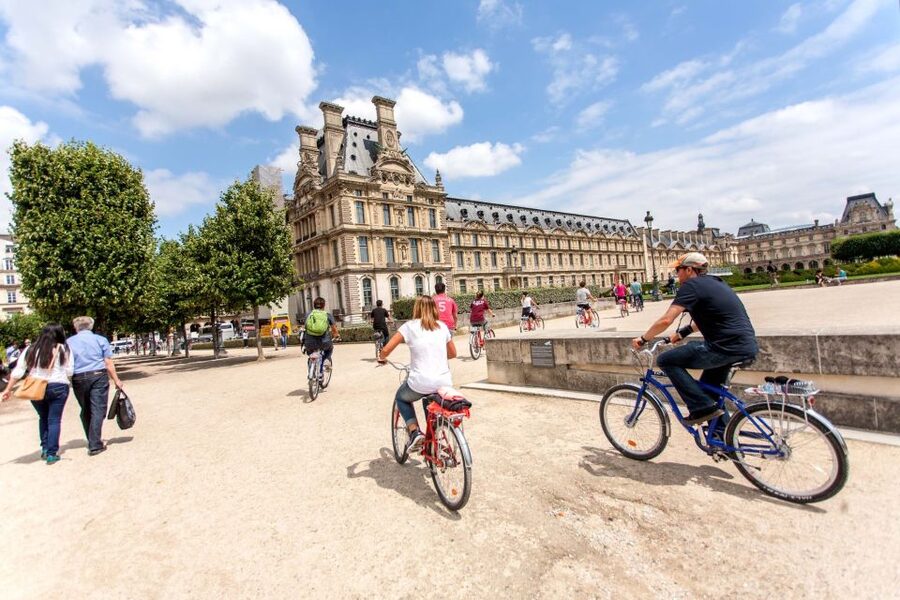
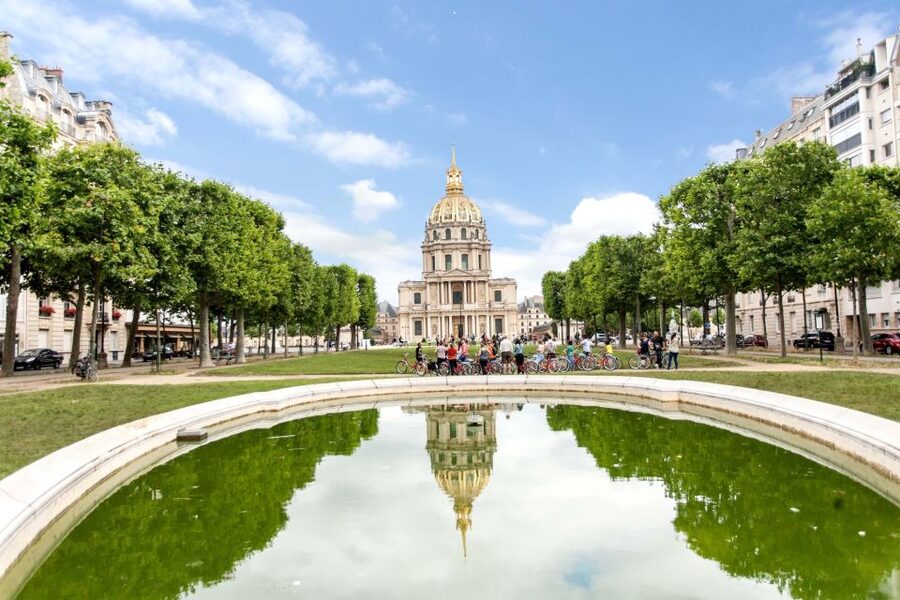
The ride continues to the Invalides area, where the large golden dome is one of Paris’s most recognizable landmarks. The Dome church contains Napoleon’s tomb, and the Invalides complex includes a museum connected with French military history.
This stop adds a different side of Paris. The Eiffel Tower represents modern engineering and the city’s international image. Invalides takes you into monarchy, empire, war, ceremony, and national memory. Even if you do not enter the museum, the scale of the complex gives the guide plenty to explain.
I like this contrast in the itinerary. You are not simply collecting postcard sights. The route places monuments from different periods beside one another, helping you see how Paris developed over time. The stop also gives you another chance to rest and take photographs.
You should not expect a museum visit during the tour. The listed activity is a bicycle ride with sightseeing stops, not a guided museum admission. If Napoleon or military collections interest you, note the Invalides museum as a place to revisit after the ride.
Place de la Concorde and the story of revolution
Place de la Concorde brings the tour into the story of the French Revolution. It is a vast historic square, and its size becomes clearer when you approach it by bicycle rather than on foot. The guide may connect the square with Marie Antoinette, the guillotine, and the political upheaval that changed France.
This is one of the places where a good guide matters. A large open square can seem impressive but vague if you do not know what happened there. A short, well-told explanation turns it into a place with a strong sense of time and consequence.
The square also works as a useful central reference point. From here, you are close to several major Paris districts and attractions. After the tour, you can use what you learned to plan further sightseeing, though the ride itself does not include extra time for independent exploring.
As with the other stops, you should expect a balance between riding, listening, and photography. Some riders prefer to keep moving, while others appreciate a pause at each monument. One four-star assessment found the stops and breaks a little long, so this may not be the ideal choice if you want a nonstop ride.
Following the Seine at a relaxed pace
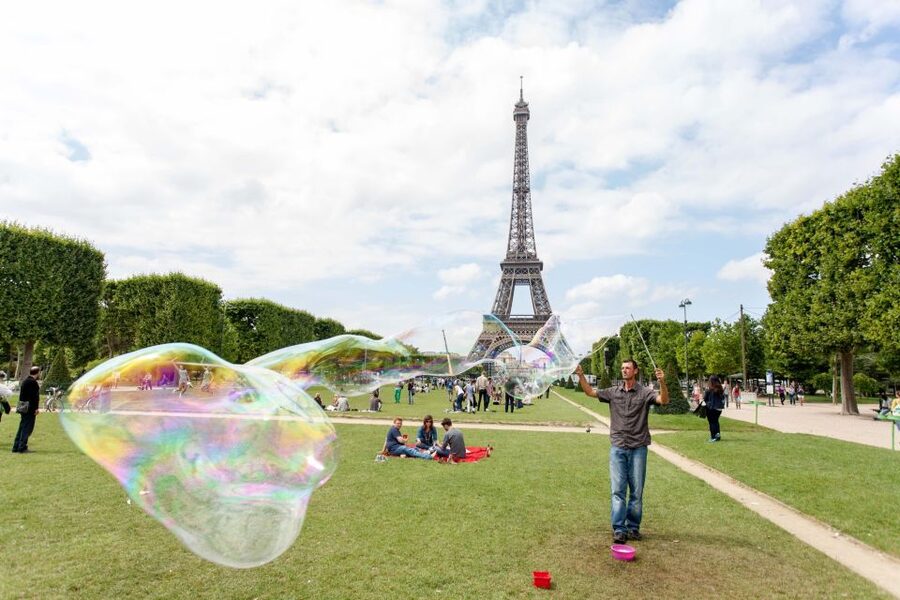
The route includes a ride along the Seine, one of the most enjoyable ways to finish a Paris sightseeing loop. Along the river, the pace feels less pressured, and you can take in the bridges, embankments, and famous buildings from a moving viewpoint.
The Seine section also shows why cycling can beat a car for this kind of outing. You are not sealed off from the city, and you are not walking slowly through every crowd. You move at a moderate speed, with enough time to register the setting.
Traffic conditions can change the feel of the ride. Some parts of the route use busy roads, and one rider expected less traffic riding than the tour provided. The guides are responsible for leading the group, but you still need to watch the road, follow hand signals, and remain alert at crossings.
The overall route is mainly flat, which keeps the physical demand modest. You do not need to be highly athletic, but you should be able to ride a bicycle comfortably for several hours with stops. Bring water, especially on a warm day. Comfortable shoes are specifically recommended.
What the tour is like for families
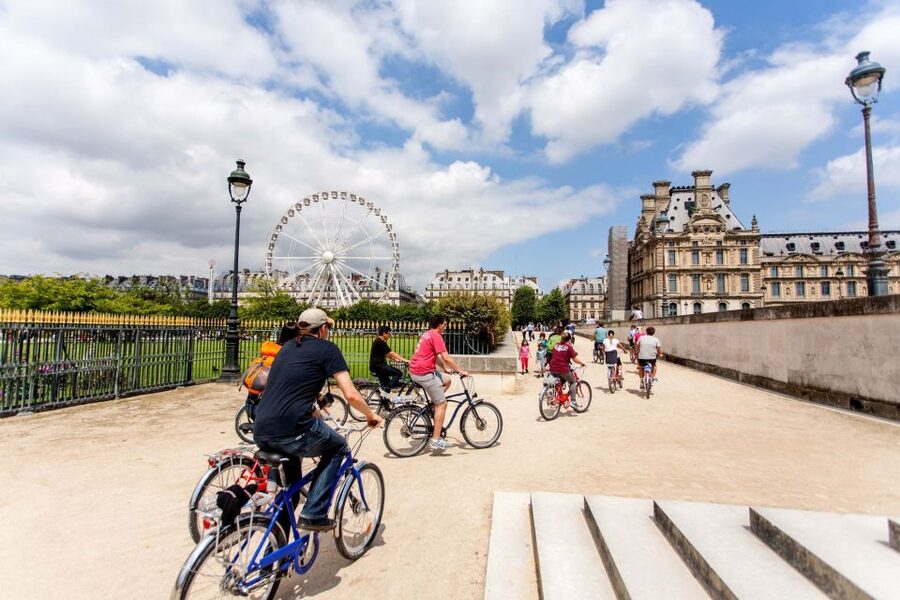
Families are one of the clearest matches for this experience. Children can ride their own 20-inch or 24-inch bikes if they are able to cycle independently. Younger children can use tag-along tandems if they weigh less than 70 pounds, or 32 kilograms.
Trailers can hold two children together, with a combined maximum weight of 88 pounds, or 40 kilograms. Baby seats have a maximum weight of 48 pounds, or 22 kilograms. You should confirm the right equipment when booking, since the limits matter.
The guides have handled mixed-age groups well. One guide kept a nine-year-old close behind him and adjusted the pace. Other guides have been praised for making the history entertaining for children aged five to twelve, while also keeping parents comfortable on the road.
The route gives children a reason to stay interested. They are not asked to stand silently in front of one church for half an hour. They ride, stop, hear a story, take a picture, and move on. That rhythm works well for many families.
Still, a child who is nervous on a bicycle may find Paris traffic stressful. The tour is not a closed-road activity. Make sure every rider understands basic cycling control and can follow group instructions.
Guide quality, group size, and the pace of the ride
The guide can shape this experience more than the route itself. Strong guides such as Dave, Dovi, Amir, Fergus, and others have been praised for humor, clear historical explanations, and careful handling of families. The best guides do more than recite dates. They explain what you are seeing, point out details, and keep the group together.
The standard language is English. Commentary is delivered while stopped as well as during the ride, but traffic noise can make it harder to hear at times. Staying near the guide helps, especially if your hearing is not strong or the streets are loud.
Groups may be fairly large, with about 20 people possible. A larger group creates a social feel and can be fun for families, but it also takes longer to cross streets and gather at stops. One older assessment found the group a little too large for comfort, while another said the guide handled busy streets safely and efficiently.
The pace is gentle rather than sporty. That is good news if you want sightseeing, not exercise. Faster cyclists may find it slow, but the measured pace lets the guide keep children and less confident riders together.
Is $44 a good value?
At $44 per person, the tour is priced fairly for a 210-minute guided activity in central Paris. The fee includes the bicycle, helmet, and English-speaking guide. You are also paying for route planning, bike fitting, traffic leadership, and the time saved connecting distant sights.
The value is strongest if this is your first or second day in Paris. You can see several major areas in one outing and then decide where to spend more time. It is also useful for families, since a bike ride can replace a tiring series of walks and Metro connections.
Lunch is not included. There may be a pause during the route, but you should plan your own food and water. One rider felt the lunch break was unnecessary, while another enjoyed a park stop but found the food expensive. The safest approach is to eat beforehand and carry water, then treat any break as flexible time rather than a meal included in the price.
Free cancellation is available up to 24 hours before the start, and you can reserve now and pay later. Those terms help if your Paris schedule may change, but check the exact availability and starting time before booking.
Who should book this Paris bike tour?
I would choose this ride if you want a broad first look at Paris, prefer active sightseeing, or are traveling with children who dislike long museum visits. It also suits returning visitors who want to see familiar monuments from a different angle.
You should think twice if you dislike cycling near traffic, want in-depth time inside museums, or prefer a very small private group. The ride is relaxed, but it is still a city cycling tour. Rain can make it less pleasant, and winter conditions may feel cold and damp. Ponchos helped riders stay dry on wet outings, but good weather will make the experience more enjoyable.
The tour earns its price through coverage and convenience. You see the Eiffel Tower, Louvre area, Invalides, Place de la Concorde, and the Seine in one well-paced outing. You will not master Paris in three and a half hours, but you will get your bearings fast and collect a useful list of places to revisit.
FAQ
How long does the Paris bike tour last?
The tour lasts 210 minutes, or three and a half hours.
What sights are included?
The route includes the Eiffel Tower, the Louvre area, the Invalides complex and Dome church where Napoleon is buried, Place de la Concorde, and a ride along the Seine.
Where does the tour meet?
Meet at the Fat Tire Tours office at 24 rue Edgar Faure, 75015 Paris. The closest Metro station is Dupleix.
What is included in the price?
The price includes a bicycle, helmet, and live English-speaking guide. Lunch is not included.
Is the tour suitable for children?
Yes. Children who can ride independently can use 20-inch or 24-inch bikes. Tag-along tandems, trailers, and baby seats are also available within the stated age and weight limits.
What should I bring?
Wear comfortable shoes. You should also bring water, particularly in warm weather, although water is not listed as an included item.
Can I cancel the booking?
You can cancel up to 24 hours in advance for a full refund. Reserve now and pay later is also available.
Should you book it?
Book this tour if you want to cover a lot of Paris without spending the day on foot, especially at the start of your visit. The flat route, family equipment, relaxed pace, and lively historical stories make it a practical choice for many ages.
Skip it if busy streets make you uncomfortable or if you want a detailed visit inside the Louvre, Invalides, or Eiffel Tower. For most first-time visitors who can ride a bicycle, though, this is a smart way to connect the city’s biggest sights and learn where to return on your own.
Just added in Paris
- Private Transfers in Paris★ 5.0 · 75 reviews
- Disneyland® Paris 1 Day Ticket with Transport from Paris★ 3.5 · 302 reviews
- Personalized Transport service from Disneyland to Paris★ 5.0 · 63 reviews
- CDG – Euro Disney – CDG Two Way Private Shuttle Transfer★ 5.0 · 233 reviews
- Monet’s Gardens & House-Private Giverny Tour From Paris★ 4.5 · 137 reviews
- Giverny Monet House and Gardens Skip the line Walking tour★ 4.0 · 217 reviews
- Guided tour Monet’s house and gardens/small group★ 4.5 · 68 reviews
- Monet’s House and Garden & Giverny Village★ 4.5 · 39 reviews
Eiffel Tower Tours, compared.
Eiffel Tower Entry Ticket with Optional Summit Access
Read our review →
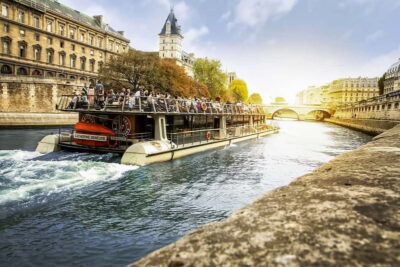
Seine Cruise & Crepe Tasting near the Eiffel Tower
Read our review →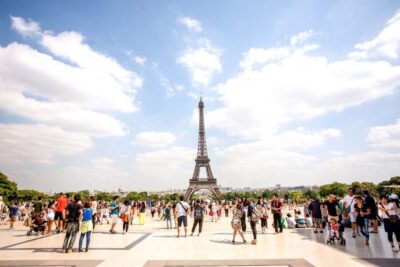
Eiffel Tower Access by Elevator & Seine River Cruise
Read our review →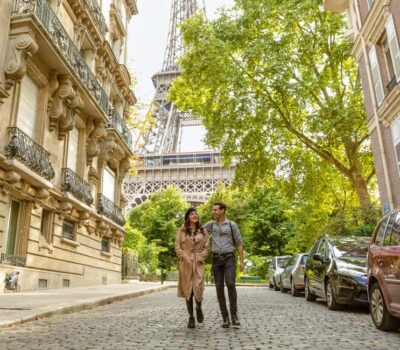

Eiffel Tower Dedicated Reserved Access Top or 2nd floor by lift
Read our review →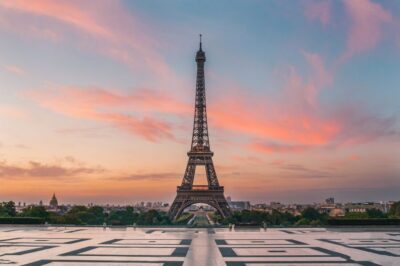
Eiffel Tower Guided Tour by Stairs with Optional Summit by Lift
Read our review →Browse the lists this tour appears in