
Reviewed · TOURS IN LE HAVRE
Rouen: Guided Tour of the Historic Center
Joan of Arc’s final moments, a giant medieval clock, and a cathedral topped by a spire more than 150 meters high all fit into this 90-minute walk through Rouen. The route links the city’s major sights with stories about war, faith, architecture, and daily life.
I like the way the tour gives you a quick sense of Rouen’s old center, rather than focusing on one building. I also like the local angle: Elodie lives in Rouen and guides in French and English. The main drawback is pace. You cover about 3 kilometers, so you will see the outside of several monuments but will not have time for interior visits.
Key points to know before booking
- Joan of Arc begins the story: Start at Place de la Pucelle and reach Place du Vieux Marché, where the final chapter of her life is explained.
- The Gros-Horloge is the visual centerpiece: See a 14th-century astronomical clock built into a Renaissance street arch.
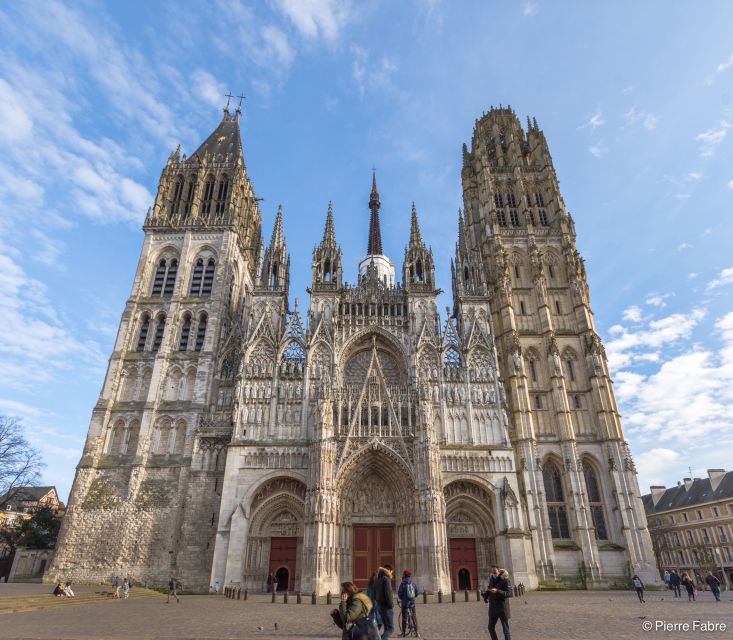
- The cathedral shows several eras at once: Its three towers use different architectural styles, while its tall spire rises above the city.
- Saint-Maclou is a Gothic highlight: The church is presented as one of France’s finest examples of Flamboyant Gothic design.
- Martainville adds everyday history: The final part shifts from grand monuments to the living conditions of medieval people.
- Plan for weather and cobbles: The walk goes ahead in rain or sun, so bring water, sturdy shoes, a hat, and an umbrella.
A strong first look at Rouen’s old center
Rouen is easy to admire from a café table, but its buildings make more sense when someone connects them. This walk moves from Joan of Arc to the clock tower, then to the courthouse, cathedral, Saint-Maclou Church, and Saint-Ouen Abbey Church. You get the broad shape of the city in a short time.
At $28 per person, the price is reasonable if you want orientation before exploring alone. A guide can point out details you might pass without noticing, explain why the architecture changes from one street to the next, and help you decide which places deserve a longer visit later.
This is not a museum tour. Entry to the monuments is not included, and the emphasis is on exterior views and explanation. If you want to spend an hour inside Rouen Cathedral or climb around the Gros-Horloge, plan separate time and a separate admission.
The tour has earned a 4.8 rating from 145 bookings, with especially strong praise for the guides’ clear explanations, warm manner, and ability to keep the walk interesting for different ages. Elodie is the main guide named in the information, though one account identifies Alexandra, so your guide may vary.
More history tours in Le Havre:
- Group Visit to Mont Saint-Michel: A Shared Historic Journey
★ 4.4 · 31 reviews - Paris: Louvre Museum Entry with History of Mona Lisa
★ 3.9 · 2,823 reviews - Paris: Dark History and Ghostly Guided Walking Tour
★ 4.7 · 1,000 reviews
Meeting Elodie at Place de la Pucelle
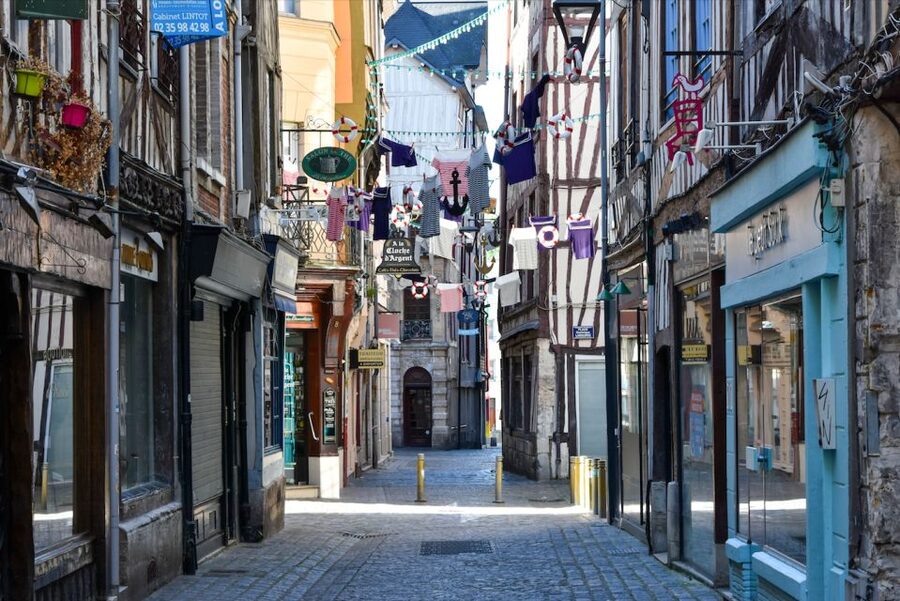
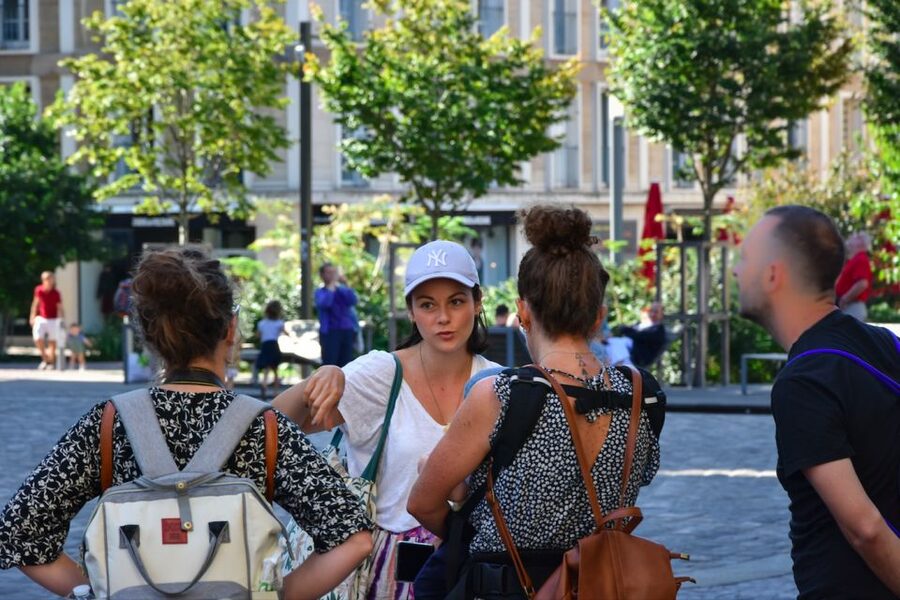
The meeting point is 4 Place de la Pucelle, in front of the Public restaurant. Look for a guide wearing a green or orange badge around the neck. This is a small but useful detail in a historic square where several streets meet.
Place de la Pucelle gives the tour an atmospheric beginning. From here, the route leads into Rouen’s old center, where cobbled streets and half-timbered houses help set the scene. Wear shoes with good grip. Three kilometers is not a major hike, but uneven paving can make a casual stroll less comfortable.
Elodie is described as a Rouen resident and qualified guide. Her approach, based on the details provided, is story-led rather than a dry list of dates. She covers the origins of the city, its rise to prosperity, Joan of Arc, architecture, and the effects of the Second World War.
English is available, along with French. This matters if your French is limited, since historical names and architectural terms can be hard to follow when they are delivered quickly. The guide’s ability to explain clearly in English is one of the strongest reasons to book rather than simply follow a map.
Place du Vieux Marché and the final days of Joan of Arc
The first major stop is Place du Vieux Marché, a square tied to Joan of Arc’s final moments. The setting is not presented as an isolated monument. Instead, the guide explains how the square combines old and modern elements, allowing you to see how Rouen has changed while keeping its historical identity.
Joan of Arc is a useful starting point because her story brings together religion, politics, war, and French national memory. You are not simply looking at a plaque. You are given a reason to understand why this part of Rouen matters.
The square also helps you get your bearings. After meeting at Place de la Pucelle, you move into one of the city’s best-known public spaces before heading toward the Gros-Horloge. That makes the tour easy to follow, even if you have just arrived in Rouen and have not yet learned the street plan.
The limitation is that the stop is relatively brief. You should not expect a full Joan of Arc history seminar. Think of it as a strong introduction that gives you enough context to return later if her story is a major reason for visiting Normandy.
The Gros-Horloge brings medieval time to the street
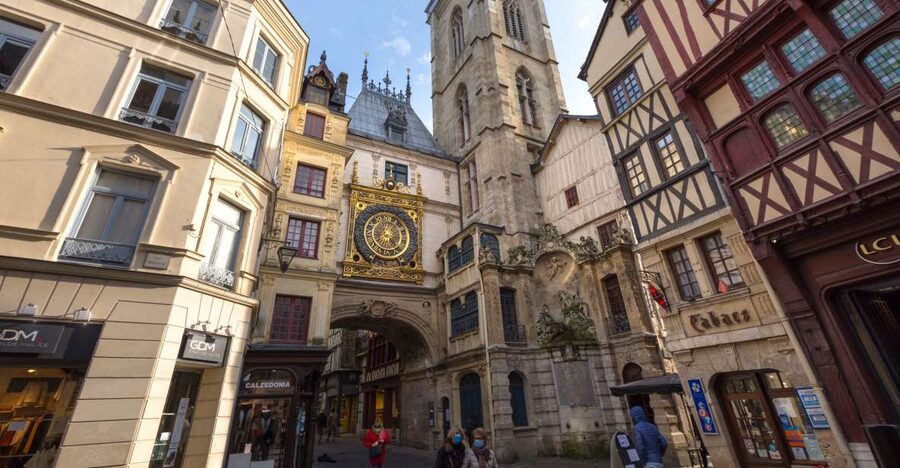
The Gros-Horloge is the tour’s most distinctive object. Its astronomical clock dates from the 14th century and sits within a Renaissance street arch. It is surrounded by half-timbered buildings, so you get several layers of Rouen at once: medieval engineering, Renaissance design, and the later life of the city around them.
A clock like this was far more than decoration. It helped mark the rhythm of public life, and its position over a major passage made time visible to people moving through the city. Your guide explains the building and its setting, giving you a better sense of why the clock became one of Rouen’s symbols.
I would pay close attention here. The clock is easy to photograph, but the value of the stop is in noticing how the arch, street, and surrounding façades work together. This is one of the places where a local guide can add real value, since the architectural details may otherwise blur into the general charm of the old town.
You will see the Gros-Horloge from the outside during this walk. Monument entry is not included, so anyone wanting a closer look inside should allow extra time and check opening arrangements separately.
Same base, a different kind of day:
- D-Day Beaches Shore Excursion from Le Havre with Packed Lunch
★ 5.0 · 486 reviews - All-in-One Normandy D-Day Landing Beaches and Lunch from Le Havre
★ 5.0 · 201 reviews - Outdoor Escape Game in Étretat
★ 5.0 · 171 reviews - Private tour: visit Deauville in a sidecar
★ 5.0 · 161 reviews
The courthouse and the changing face of Rouen
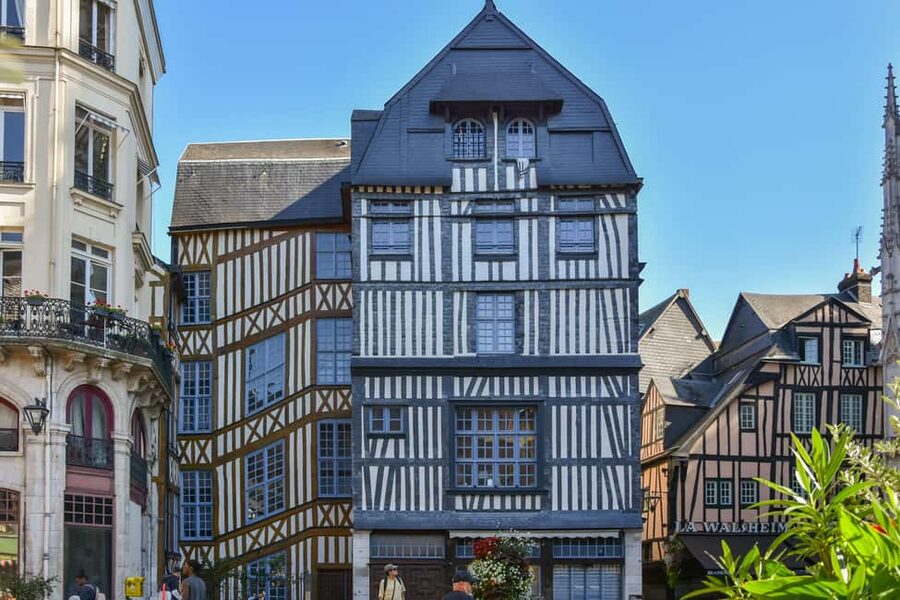
The next stop is the Rouen Courthouse. It may not have the immediate appeal of the clock or cathedral, but it helps show how the city’s civic power developed alongside its religious buildings and merchant streets.
The courthouse is also an opportunity to look closely at architecture. Rouen’s old center is not built in a single style, and the tour keeps returning to that point. You will see medieval forms, Renaissance details, Gothic decoration, and later additions in a compact area.
This part of the walk is useful for people who enjoy buildings but do not have formal training in architecture. The guide explains what you are seeing in ordinary language, rather than expecting you to recognize every arch, façade, or decorative pattern on your own.
The tour’s short length means you will not linger at each site. That can feel rushed if you want detailed architectural study, but it works well if your goal is to understand the city’s main structure before exploring independently.
Rouen Cathedral, three towers, and a 150-meter spire
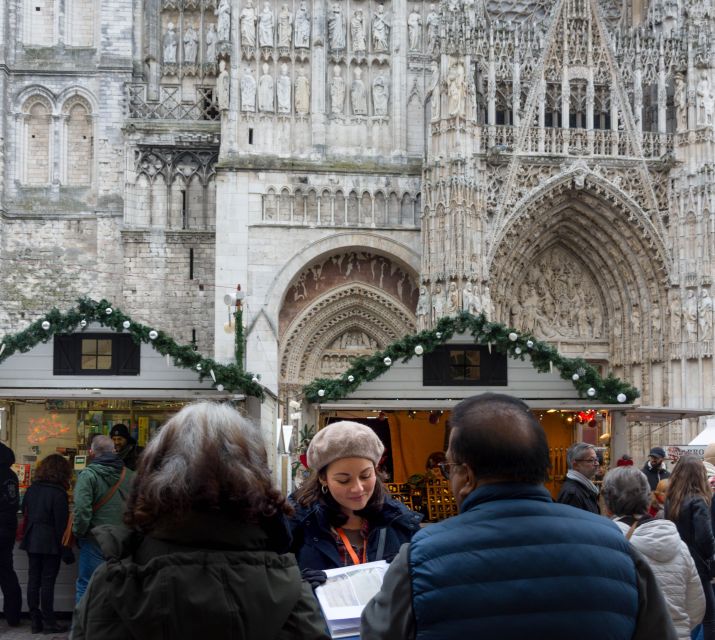
Rouen Cathedral is the biggest landmark on the route. Its construction took place in two phases, and the building’s three towers each reflect a different architectural style. That variety makes the cathedral especially useful for understanding how a major religious building changes over time.
The spire rises more than 150 meters, giving the cathedral an enormous vertical presence. Even from street level, you can see why it dominates Rouen’s center. The guide points out the architectural changes instead of treating the building as one fixed object from one period.
The cathedral also links two very different chapters of history. You hear about its medieval religious role, then connect it with 19th-century Impressionism. Rouen Cathedral became a famous subject for Claude Monet, who painted it repeatedly under different light and weather conditions.
That connection gives the stop extra meaning. You are not just looking at stonework. You are seeing the same façade through two lenses: a medieval monument shaped by faith and craftsmanship, and a modern subject used to study changing light.
The tradeoff is simple: this is an outside explanation, not a cathedral visit. If you want stained glass, chapels, tombs, or a quiet look inside, return after the tour. The guided walk helps you know what to look for, but it does not replace time inside the building.
Saint-Maclou and the best Gothic detail on the route
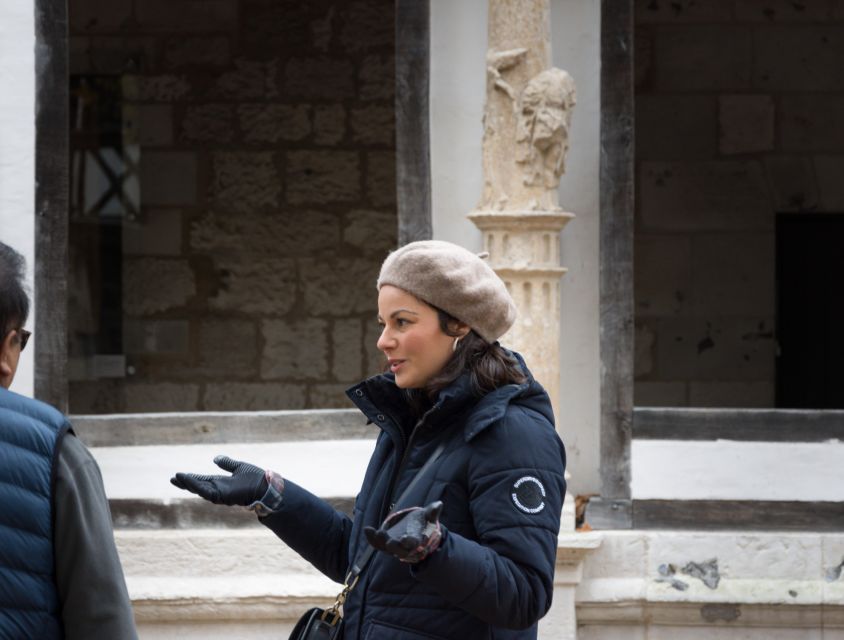
Saint-Maclou Church is one of the architectural high points. It is described as one of France’s best examples of Flamboyant Gothic architecture, a style known for elaborate, flame-like tracery and highly decorative stonework.
You do not need to memorize the term to enjoy it. Look for the sense of movement in the façade and the fine treatment of its details. Compared with the huge scale of the cathedral, Saint-Maclou feels more concentrated and ornamental.
This is the sort of stop where a guide’s explanation helps most. Without context, you might simply see an attractive Gothic church. With a few clear points about the style and period, you can begin to distinguish the character of Saint-Maclou from the cathedral nearby.
The area also reinforces the importance of Rouen’s religious institutions. The route does not present churches as isolated tourist sights. It connects them to the city’s growth, wealth, public life, and changing building styles.
Martainville shows how ordinary people lived
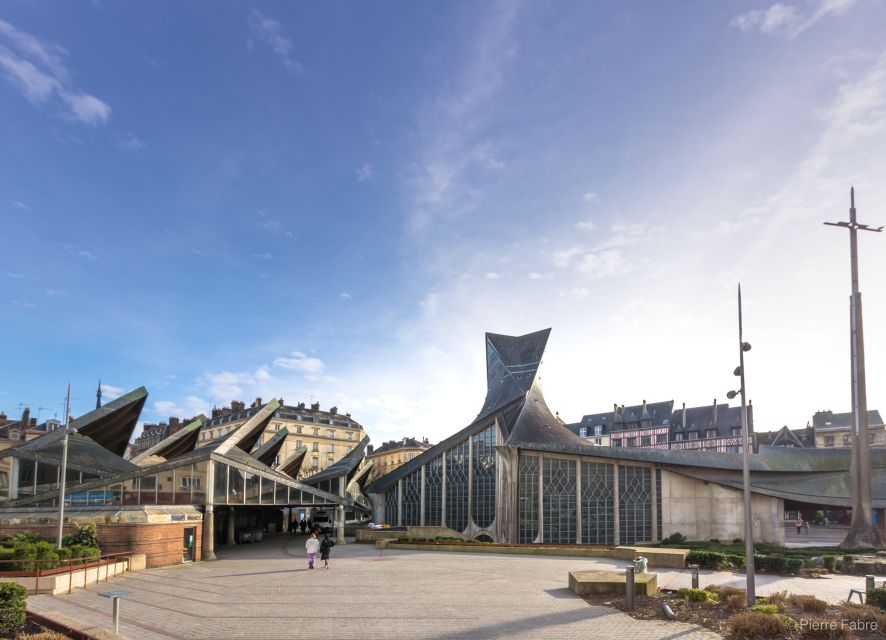
The final part of the walk reaches the Martainville district. Here, the focus shifts away from famous figures and grand façades toward the living conditions of the Middle Ages.
That change is valuable. Cathedrals and civic buildings tell you what a city’s powerful institutions could build. Martainville helps you think about the people who lived and worked in the streets around them. The guide uses the district to explain daily conditions and the practical side of medieval life.
This is also where the tour feels least like a checklist of monuments. You are asked to picture Rouen as a working city, not just a collection of beautiful buildings. That broader view makes the earlier stops more meaningful.
On the way, you hear the legend of Saint-Ouen Abbey and finish at Saint-Ouen Abbey Church. The ending gives the walk a strong architectural and historical close, although you should note that the finish is not back at the starting point. You may need to orient yourself for your next activity afterward.
What the 90-minute pace feels like
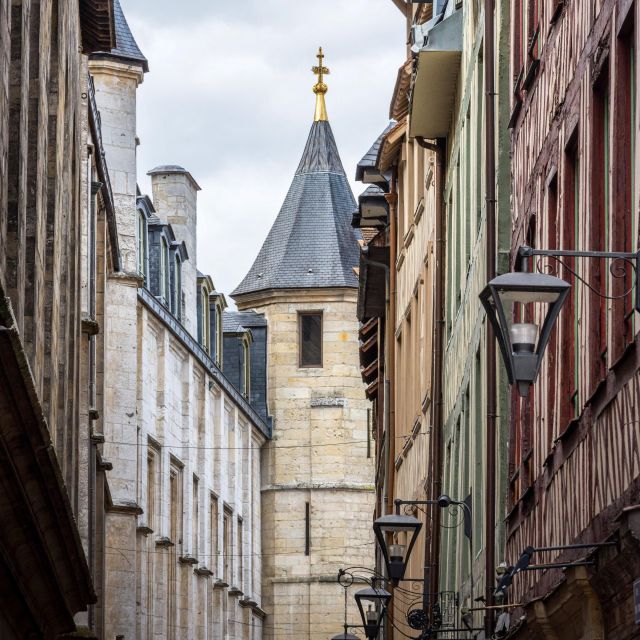
The walk covers roughly 3 kilometers in 90 minutes. That works out to a steady pace with repeated stops for explanations and photographs. It is suitable for someone who wants a clear introduction without giving up half a day.
You should still plan for cobbles, standing, and outdoor conditions. The tour operates rain or shine, so an umbrella is sensible even if the forecast looks uncertain. A hat and water are also recommended, especially in warmer weather.
The format can suit families, since the route includes recognizable stories and visual landmarks. One account specifically describes the guide as keeping a 12-year-old interested, which suggests the storytelling can work for children who are not naturally drawn to history. Children under 14 are free and do not need a booking.
The walk is less suited to anyone who needs frequent indoor breaks or wants a slow photography session at every stop. It is also not the right choice if your main goal is monument interiors. For that, use the tour as an introduction and return to your favorite buildings later.
Is $28 a fair price?
At $28, you are paying for a local guide, a planned route, and historical interpretation in either English or French. The fee does not include monument admission, so the value depends on how much you want explanation rather than entry.
For a first visit, I think the price is fair. Rouen’s center is compact but layered, and a guide can help you see relationships between places that might otherwise feel disconnected. You also finish with a better idea of where to spend your own time.
The value is strongest if you are visiting for a day, arriving without much preparation, or want to understand the city before choosing museums and churches. It is less compelling if you have already studied Rouen closely or prefer to wander without a schedule.
Free cancellation up to 24 hours before the start and the option to reserve now and pay later make the booking less rigid. Still, check the available start times before planning other activities, since the walk has a fixed 90-minute length.
Who should book this Rouen walk?
I would recommend it to first-time visitors who want the main sights explained in a short period. It is also a good fit for anyone interested in Joan of Arc, medieval streets, church architecture, or the connection between Rouen Cathedral and Impressionist painting.
Families may appreciate the pace and variety. You move from a famous historical figure to a clock, a courthouse, a cathedral, a Gothic church, and a district focused on ordinary life. That is enough change to keep the walk from becoming a single long architecture lecture.
It is also useful for English-speaking visitors who do not feel comfortable relying on French. The guide’s role is not just to lead the way, but to make the city’s details understandable.
I would skip it if you want extensive interior visits, a private slow-paced tour, or a specialist lecture on one period. You can still visit all the places independently, but you will need to arrange the explanations yourself.
Final verdict: a smart way to begin in Rouen
Book this tour if you want a clear, well-paced introduction to Rouen and value stories as much as photographs. The route covers the city’s essential sights, while Martainville adds a welcome look at everyday medieval life.
The best reason to go is the combination of major landmarks and local explanation. The main caution is that 90 minutes goes quickly. Treat the walk as your orientation, wear comfortable shoes, and save extra time afterward for the cathedral, Gros-Horloge, or Saint-Maclou if one of them catches your attention.
FAQ
How long does the Rouen guided tour last?
The tour lasts 90 minutes.
How far does the tour cover?
The walk covers about 3 kilometers, or 1.8 miles.
Where does the tour start?
It starts at 4 Place de la Pucelle, in front of the Public restaurant.
How do I identify the guide?
The guide will wear a green or orange badge around the neck.
Where does the tour finish?
The walk finishes at Saint-Ouen Abbey Church.
Which languages are available?
The tour is available in French and English.
Is admission to the monuments included?
No. Entry to the monuments is not included in the tour price.
What should I bring?
Bring comfortable shoes, water, a hat, and an umbrella.
Does the tour run in bad weather?
Yes. The tour takes place rain or shine.
Do children need a ticket?
Children under 14 are free, and no booking is required for them.
Just added in Le Havre
- Paris On Your Own from Le Havre Port with Round Trip Bus Transfer★ 5.0 · 59 reviews
- From Le Havre Breathtaking Honfleur and Deauville Shore Excursion★ 4.5 · 100 reviews
- Deluxe Paris Shore Excursion from Le Havre with Seine Cruise★ 4.5 · 79 reviews
- One day Private Round Tour to Paris from Le Havre Port★ 5.0 · 36 reviews
- Best of Paris: Stress-Free Tour with River Cruise from Le Havre★ 4.5 · 141 reviews
- Private 3.5-hour sidecar tour & cider tasting from Le Havre port★ 5.0 · 52 reviews
- Normandy D-Day US Sector from Le Havre | Private Tour with Guide★ 4.5 · 49 reviews
- Private sidecar tour and cider tasting from Deauville or Honfleur★ 5.0 · 145 reviews
Tours in Le Havre, compared.

D-Day Beaches Shore Excursion from Le Havre with Packed Lunch
Read our review →
All-in-One Normandy D-Day Landing Beaches and Lunch from Le Havre
Read our review →

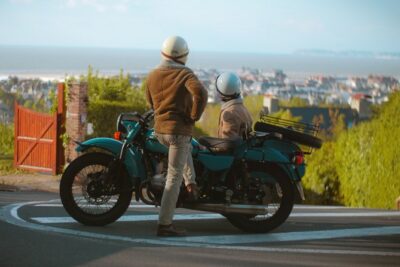
Private sidecar tour and cider tasting from Deauville or Honfleur
Read our review →
Best of Paris: Stress-Free Tour with River Cruise from Le Havre
Read our review →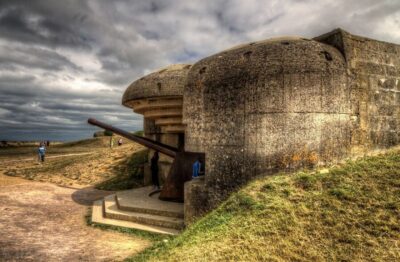
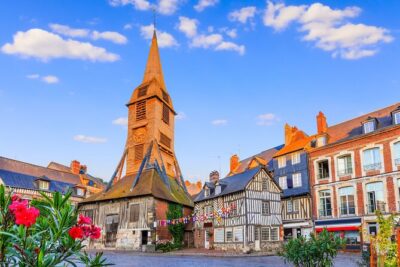
From Le Havre Breathtaking Honfleur and Deauville Shore Excursion
Read our review →Browse the lists this tour appears in