Reviewed · TOURS IN PARIS
Paris: Sunrise Running and Sightseeing Group Tour
Paris looks different before breakfast. On this early morning run, you move through quiet streets and broad avenues while the city is still waking up, stopping at its biggest sights without the usual wall of visitors. It is a smart way to cover a lot of ground quickly, especially if you want photos of the Louvre, Champs-Élysées, and Eiffel Tower in softer morning light.
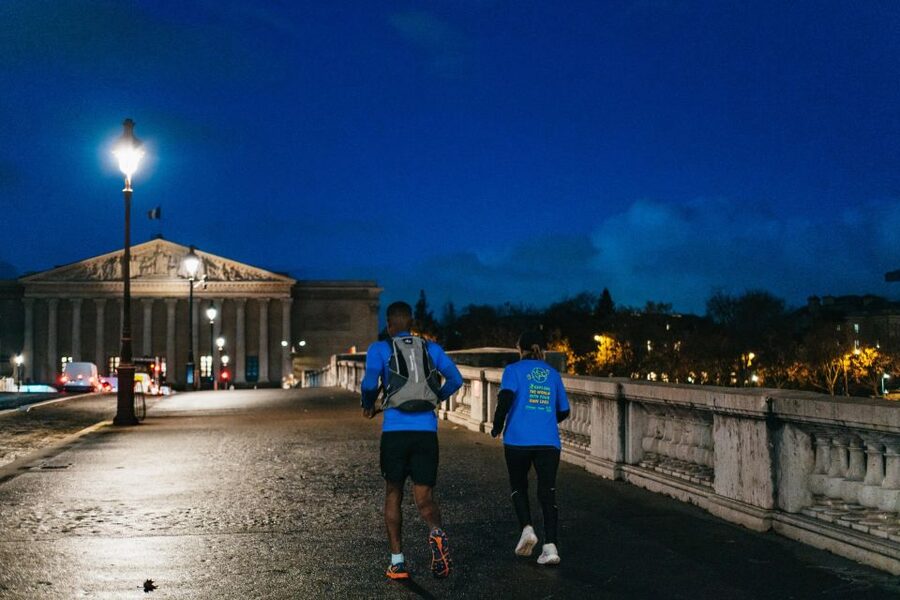
I like two things here: the guide handles photos, water, snacks, and small personal items, and the small group keeps the outing more personal. Guides such as Andrea have been praised for balancing running with history and for adapting to different running speeds. The main consideration is simple: you need enough conditioning to run at least 5 kilometers without stopping.
Key points to know
- Sunrise sightseeing without daytime crowds: See major Paris landmarks before the streets fill up.
- A real run, not a walking tour: The pace is friendly, but you should be able to run 5 kilometers continuously.
- A broad central Paris route: The two-hour outing links Notre Dame, the Louvre, Place de la Concorde, Les Invalides, Champs-Élysées, Trocadéro, and the Eiffel Tower.
- Useful extras on the move: Your guide carries small items, provides bottled water and dried fruit or nuts, and sends digital photos afterward.
- Small-group format: The group is limited to 10 people, with English and French tours available.
- Good value for active sightseers: At $55 per person, you combine exercise, guiding, photos, refreshments, and city orientation in one outing.
Why a sunrise run works so well in Paris
A standard Paris sightseeing day can involve a lot of standing in lines, crossing crowded squares, and walking back and forth between landmarks. This tour changes the rhythm. You cover a long stretch of the city under your own power, with short pauses for photos and stories.
The timing is the real prize. Notre Dame, the Louvre, Place de la Concorde, and the Eiffel Tower are all easier to photograph before the busy part of the day. You still see the grand avenues and monuments, but you are not spending most of your time dodging groups or waiting for a clear view.
I also like the way the run gives you a mental map of central Paris. Starting on the Left Bank, you cross the Seine several times and connect the historic center with the grand ceremonial routes toward the Eiffel Tower. You finish with a better sense of how the city fits together, not just a collection of separate sights.
The tour lasts two hours, though the route includes pauses and a stated 30-minute walking segment. This is not a race. It is a guided run with photo stops, short breaks, and commentary along the way.
Other trips people book in Paris:
- Paris: Louvre Museum Timed-Entrance Ticket
★ 4.6 · 71,977 reviews - Disneyland® Paris 1-Day Ticket
★ 4.6 · 49,412 reviews - Paris: Versailles Palace and Gardens Full Access Ticket
★ 4.6 · 41,579 reviews
Meeting at Saint-Michel before the city wakes
You meet at 4 Place Saint-Michel, between the Saint-Michel fountain and the metro exit. The easiest metro access is Saint-Michel on line 4, or Saint-Michel Notre-Dame on RER B and C. Cluny-La Sorbonne on line 10 is another option.
If you arrive by metro, use exit 3, marked Fontaine Saint-Michel. Bring your own public transport ticket, since transportation is not included.
This meeting point puts you right in the historic center. From here, the route begins near the Seine and the island at the heart of Paris. Arrive ready to run rather than expecting a place to change or leave a large bag. Storage for bulky clothing and luggage is not available.
Wear proper sports shoes and clothing suited to the weather. The guide provides a waterproof running jacket if needed, but you should still dress for an early morning outdoors.
Notre Dame, the Conciergerie, and the medieval heart
The first section takes you past Notre Dame Cathedral, the Palais de Justice, the Conciergerie, and Sainte-Chapelle. These sights sit close together, so you get a strong introduction to Paris without losing time on long transfers.
Notre Dame is one of the city’s essential landmarks, and an early stop lets you take in its position beside the Seine without the daytime crowds. The route includes a photo stop and guided sightseeing, not an interior visit.
The Palais de Justice and Conciergerie add a different layer. The Conciergerie is especially striking from the outside, with its medieval appearance along the river. Sainte-Chapelle is famous for its stained glass, but this experience does not include entry to the chapel. You see the buildings from the route and hear about them from the guide.
That distinction matters. If you want to examine interiors, this tour will not replace a museum or monument visit. Its value is in connecting several places quickly while giving you the context to return later if one catches your interest.
Crossing Pont Neuf and Pont des Arts
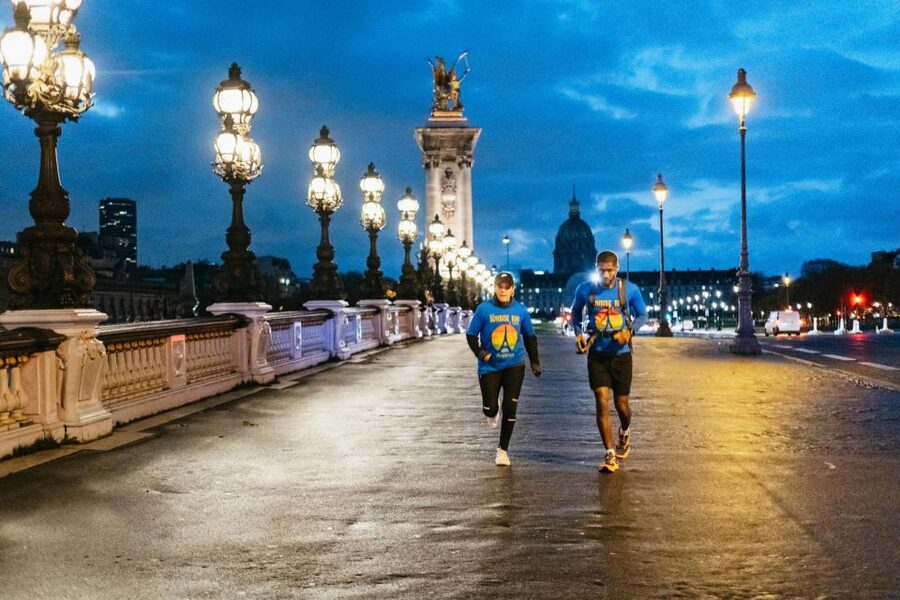
The run continues over Pont Neuf and Pont des Arts, two bridges that provide some of the best early views of the Seine. Both are useful rest points because they open up the route and give you time to take photos.
Pont Neuf is the oldest standing bridge across the Seine, and its position gives you views toward the riverbanks and historic center. Pont des Arts has a lighter, more open feel, with direct sightlines toward the Louvre and the water.
These crossings also break up the physical effort. You are not running continuously for two hours. Your guide pauses for sightseeing, photos, and short explanations, then sets off again when the group is ready.
Same base, a different kind of day:
- Paris: Evening River Cruise with Music
★ 4.4 · 22,721 reviews - Paris: Eiffel Tower Entry Ticket with Optional Summit Access
★ 4.4 · 20,035 reviews - Paris: Eiffel Tower Summit or Second Floor Access
★ 4.3 · 17,248 reviews - Paris: Louvre Guided Tour with Reserved Access & Boat Cruise
★ 4.3 · 16,353 reviews
The Louvre and Tuileries Garden at first light
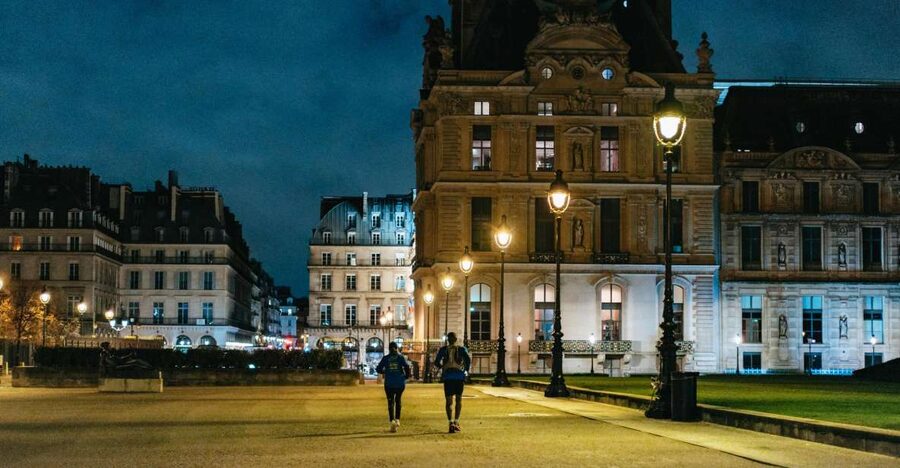
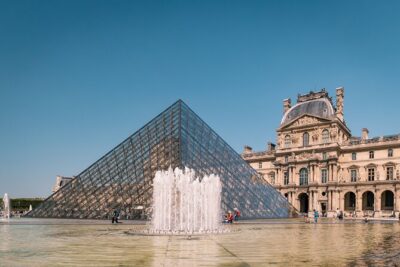
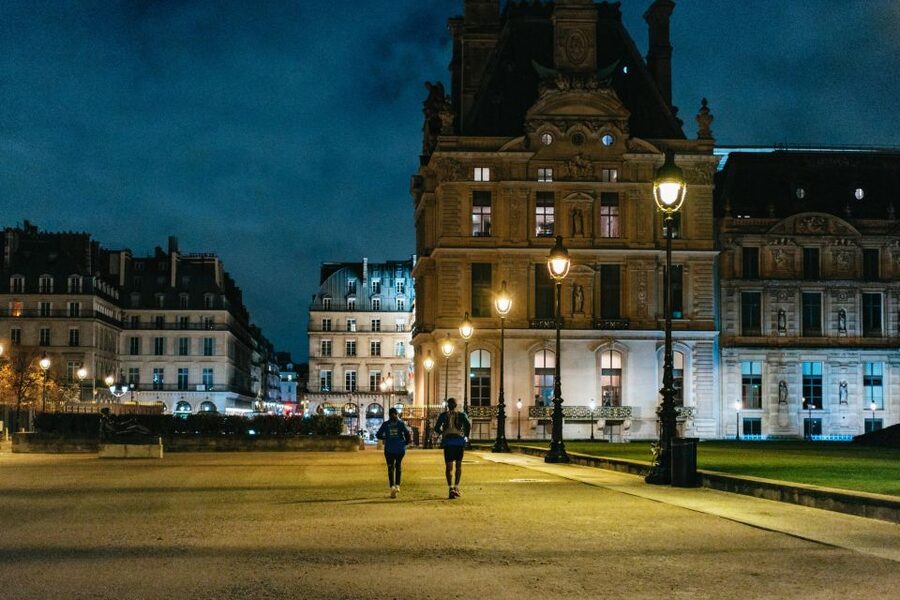
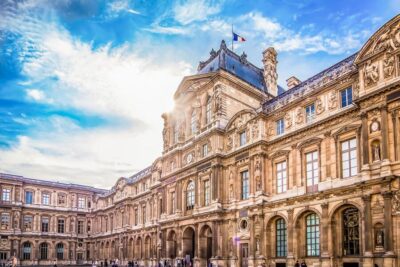
The Louvre is one of the tour’s strongest stops. You see the famous exterior and grounds before the main daytime crowds gather. The route includes a photo stop, guided sightseeing, and time to take in the scale of the former royal palace.
You do not enter the museum, and no museum tickets are included. That is not a flaw if your goal is outdoor sightseeing, but you should plan a separate visit if you want the Mona Lisa, sculpture galleries, or Egyptian collection.
From the Louvre, you pass through or alongside the Tuileries Garden. Early in the day, the formal paths and long views toward the Place de la Concorde are particularly well suited to a running tour. The garden gives you a calmer stretch between major monuments, although the exact amount of running inside it can depend on the guide and group.
For me, this part shows the practical advantage of a running tour. In a short time, you move from medieval Paris to the Louvre and then toward the monumental axis leading west.
Place de la Concorde and the grand western route
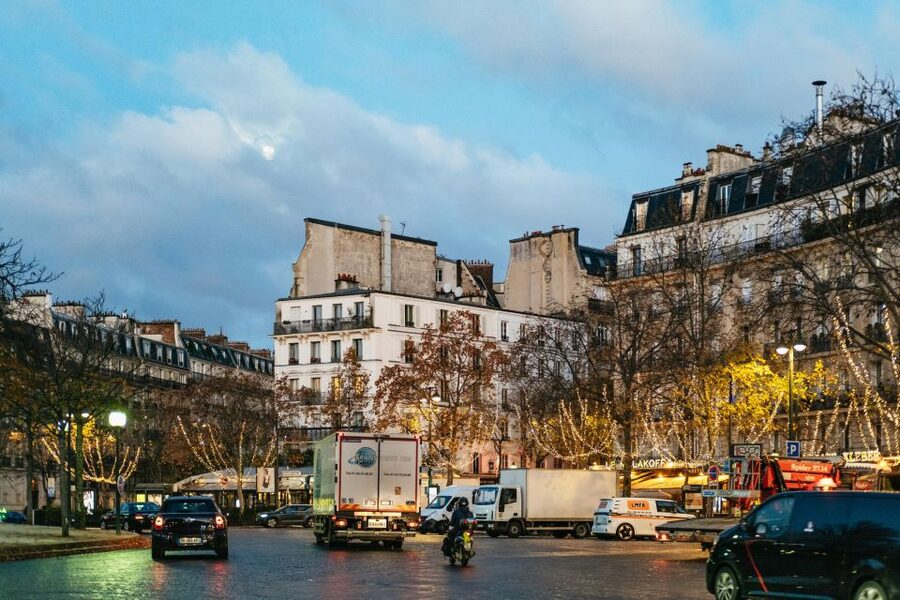
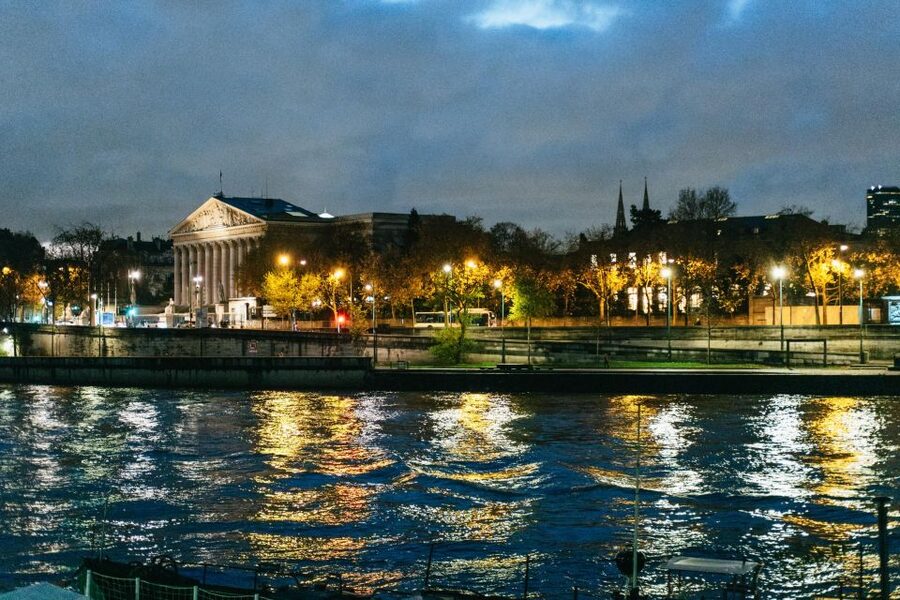
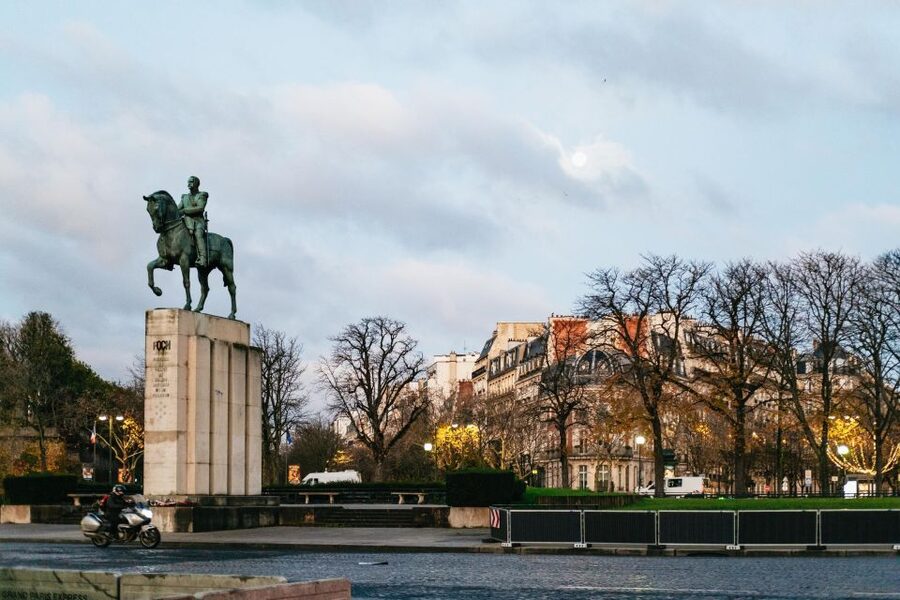
Place de la Concorde is another photo stop, with broad views and plenty of space for the group to pause. The square connects the Tuileries, Champs-Élysées, and the river, so it is an important point in understanding Paris’s grand urban design.
You then reach Pont Alexandre III, one of the city’s most ornate bridges. It is a strong place for photographs, especially with the river and monumental buildings framing the view. The tour also passes Les Invalides, Grand Palais, and Petit Palais.
You will not have time for full visits to these museums and monuments. Instead, you get a moving introduction to their exteriors and locations. That works well for a first morning in Paris, when you want to identify places to revisit later.
The route then follows the Champs-Élysées. This avenue is much more pleasant before the crowds and traffic become a major part of the experience. You get the ceremonial scale without spending your morning in a packed sightseeing corridor.
From Pont de l’Alma to Trocadéro
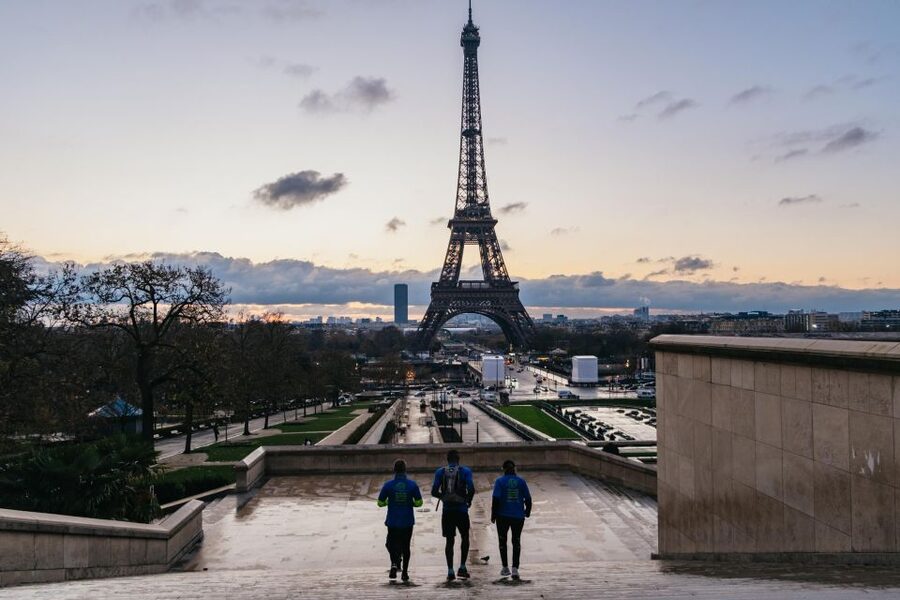
The group continues toward Pont de l’Alma and passes the Palais de Tokyo before reaching Place du Trocadéro. This section gives you a change of scenery, from historic central Paris to the wide views around the Eiffel Tower.
Trocadéro is one of the best places to photograph the tower from a distance. The open terrace and long axis make it a natural stopping point, and the sunrise timing can provide attractive light if the weather cooperates.
The guide provides digital photos from the running tour, which is a useful extra. You can concentrate on running and listening rather than constantly stopping to frame your own pictures. Still, do not expect a professional photo session at every monument. The tour has a route to cover, and the group keeps moving.
The Eiffel Tower as the morning finish
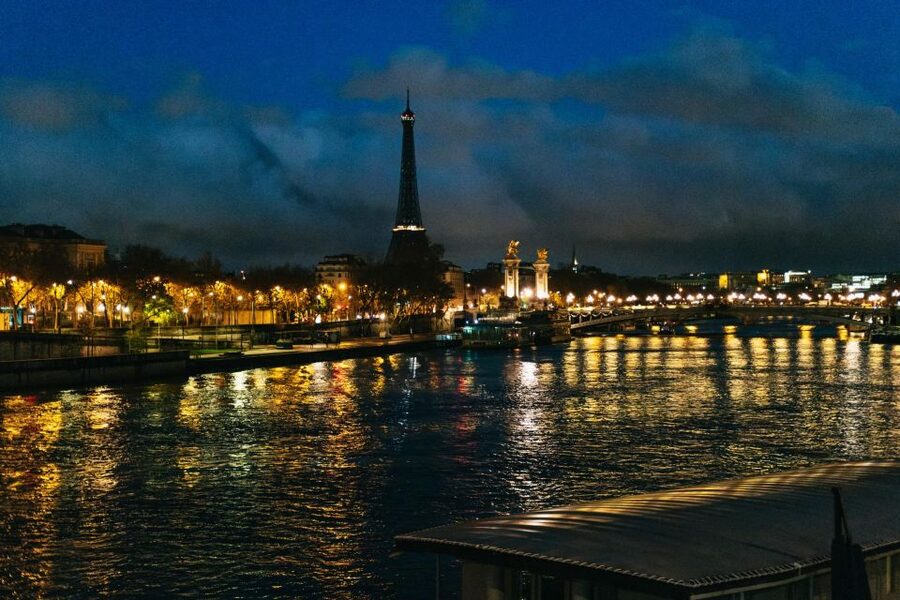
The Eiffel Tower is the emotional high point of the route. You reach it after passing through a large section of Paris, so the sight feels like a reward for the effort.
The tour includes a photo stop and guided sightseeing around the tower, but not entry. If you want to go up, you will need a separate ticket and another time slot.
The early hour makes a real difference here. The tower is easier to photograph, and you can take in its full scale without the same density of people found later in the day. The experience is still weather-dependent, of course. Clouds, rain, and changing light can affect the views.
After the tower, the route includes a 30-minute walking portion and passes the Musée d’Orsay before returning to Place Saint-Michel. The return gives you a final look at the Seine and brings the outing back to its starting point.
How hard is the run?
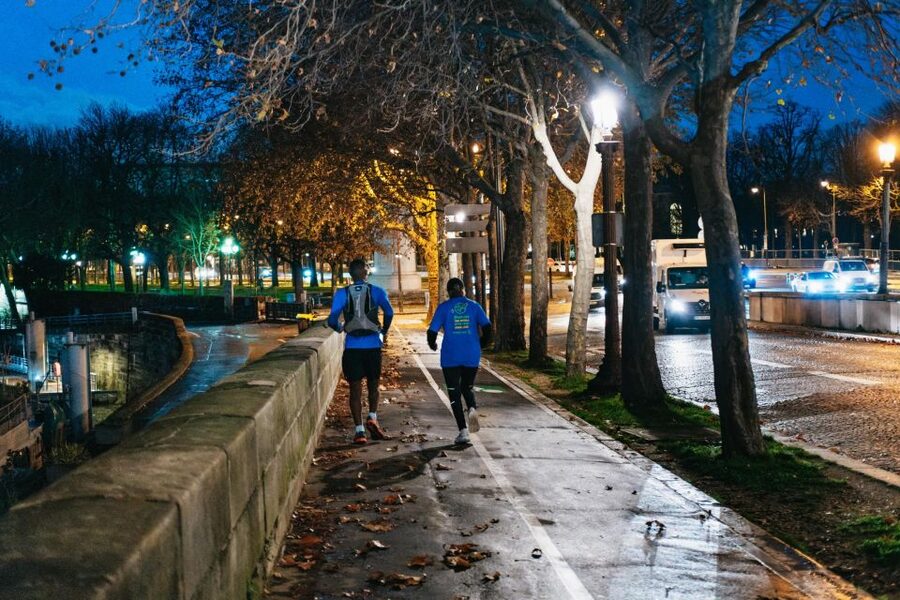
You do not need to be a fast runner. You do need a basic level of fitness and the ability to run at least 5 kilometers without stopping.
That requirement is worth taking seriously. This is not a gentle stroll with a few optional jogging sections. The pace may be adjusted for the group, and there are breaks, but you should be comfortable running in city conditions for part of the two-hour period.
The route includes stops every so often for history, photos, and refreshments. One outing covered about 8.4 miles over roughly two and a half hours, but that should not be treated as the fixed distance for every departure. The supplied route is described as a two-hour experience, and pace can vary with the group.
The guide carries small belongings in a backpack and provides still bottled water and dried fruit or nuts. You cannot hand over a large suitcase, bulky coat collection, or full day bag.
People with heart problems, back problems, or mobility impairments should not book this activity. Minors can join if they are used to running and a parent comes along. The tour can also accommodate a running stroller in some cases, but you must bring a suitable stroller, and Paris is not especially friendly to wheeled access.
Guide style, group size, and languages
The group is limited to 10 people, which is a good size for a city run. You can usually hear the guide, ask questions, and stay connected at crossings and stops without the outing feeling like a large organized march.
English and French are offered. Guides such as Andrea have been praised for combining strong running ability with clear explanations, friendly group management, and photos and videos along the way. The guide’s role matters here more than on a simple walking route because the pace, breaks, and distance need to work for several people at once.
The best guides make the stops useful without turning every pause into a long lecture. You should expect facts and stories at the landmarks, but the main experience remains active and outdoors.
Is $55 a fair price?
At $55 per person, I think the price is reasonable if you will actually use the running element. You are paying for a two-hour guided route, a small group, water, snacks, a waterproof jacket, and digital photos. You also cover a large part of central Paris without paying for taxis or a sightseeing bus.
The value is weaker if you are mainly interested in standing at each monument for a long time. This is a moving tour, and the landmarks are seen from outside. Museum and monument entries are not included, and neither are running shoes or transportation tickets.
For an active visitor, the tour combines three things that often require separate planning: exercise, orientation, and sightseeing. It also frees up the rest of your day. You can have breakfast afterward, then return to the Louvre, Sainte-Chapelle, or another site with a better idea of what you want to see.
Free cancellation is available up to 24 hours before the start time, and you can reserve now and pay later. Check the available starting time carefully, since the precise departure depends on the date.
Who should book it?
I would choose this tour if you enjoy running, want to see Paris before the crowds, and prefer a local guide to a self-guided fitness route. It suits solo visitors, couples, and small groups who want an active start rather than a slow museum morning.
It is also a good choice for someone visiting Paris for a short time. The route covers many headline sights in one outing, and the guide helps you understand where everything sits.
I would not book it if you cannot run 5 kilometers continuously, need frequent access to a large bag, or want interior visits. It is also not the right fit for anyone with the listed heart, back, or mobility concerns.
If you can handle the run, the strongest reason to go is the combination of quiet streets, famous views, and a useful orientation to the city. You finish with exercise completed, photos in hand, and a long list of places you can explore more slowly later.
FAQ
Where does the Paris sunrise running tour begin?
It begins at 4 Place Saint-Michel. Your guide waits between the Saint-Michel fountain and the metro exit.
How do I reach the meeting point?
Use Saint-Michel station on metro line 4, or Saint-Michel Notre-Dame on RER B and C. You can also use Cluny-La Sorbonne on line 10. From the metro, take exit 3, marked Fontaine Saint-Michel.
How long is the running tour?
The tour lasts two hours. The route also includes a stated 30-minute walking segment, along with sightseeing and photo breaks.
Do I need to be an experienced or fast runner?
No, you do not need to be fast. You should be able to run at least 5 kilometers without stopping and have some basic conditioning.
Are museum and monument entries included?
No. The tour provides outdoor sightseeing and guided commentary, but entry tickets to museums and monuments are not included.
What does the tour provide?
The package includes the running tour, a guide, a waterproof running jacket, still bottled water, dried fruit or nuts, and digital photos.
Can I bring luggage or a large bag?
No. Storage for bulky clothing and large bags is not available. The guide can carry only small items in a backpack.
Just added in Paris
- Private Transfers in Paris★ 5.0 · 75 reviews
- Disneyland® Paris 1 Day Ticket with Transport from Paris★ 3.5 · 302 reviews
- Personalized Transport service from Disneyland to Paris★ 5.0 · 63 reviews
- CDG – Euro Disney – CDG Two Way Private Shuttle Transfer★ 5.0 · 233 reviews
- Monet’s Gardens & House-Private Giverny Tour From Paris★ 4.5 · 137 reviews
- Giverny Monet House and Gardens Skip the line Walking tour★ 4.0 · 217 reviews
- Guided tour Monet’s house and gardens/small group★ 4.5 · 68 reviews
- Monet’s House and Garden & Giverny Village★ 4.5 · 39 reviews
Tours in Paris, compared.
Versailles Palace and Gardens Full Access Ticket
Read our review →
Eiffel Tower Entry Ticket with Optional Summit Access
Read our review →
Louvre Guided Tour with Reserved Access & Boat Cruise
Read our review →
Moulin Rouge Cabaret Show Ticket with Champagne
Read our review →