
Reviewed · NORMANDY D-DAY TOURS
Small-Group Canadian Normandy D-Day Juno Beach from Paris
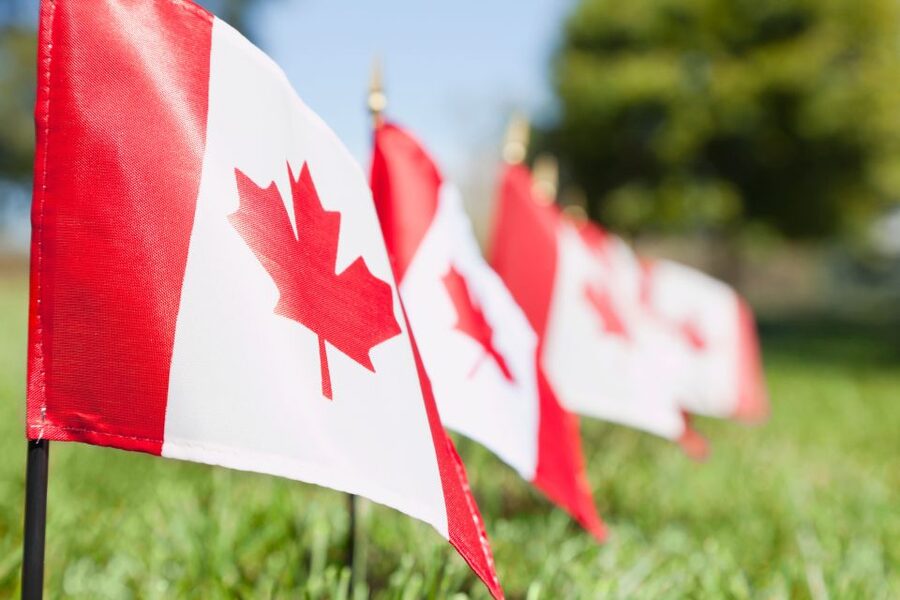
Juno Beach is not just a name in a museum display. You walk onto the sand where Canadian troops landed on June 6, 1944, then visit the Beny-sur-Mer Canadian Cemetery and other sites tied to their advance inland. That physical connection gives the day its weight.
I like the small group of no more than eight and the chance to learn from a guide who can adjust the pace and answer questions. I also like the focus on Canada’s role, rather than treating Juno as one quick stop among several unrelated D-Day beaches.
The drawback is clear: this is a very long day from Paris, with an early start, a drive of roughly three hours each way, and a return around 8:00 PM. Traffic can stretch the journey, and the schedule may feel brisk if you want to linger at every museum and bunker.
Key points to know before booking
- Juno Beach in person: Walk on the same shore where more than 14,000 Canadian soldiers landed or parachuted into France on D-Day.
- A genuinely small group: The minibus holds a maximum of eight participants, making conversation with your guide much easier than on a large coach.
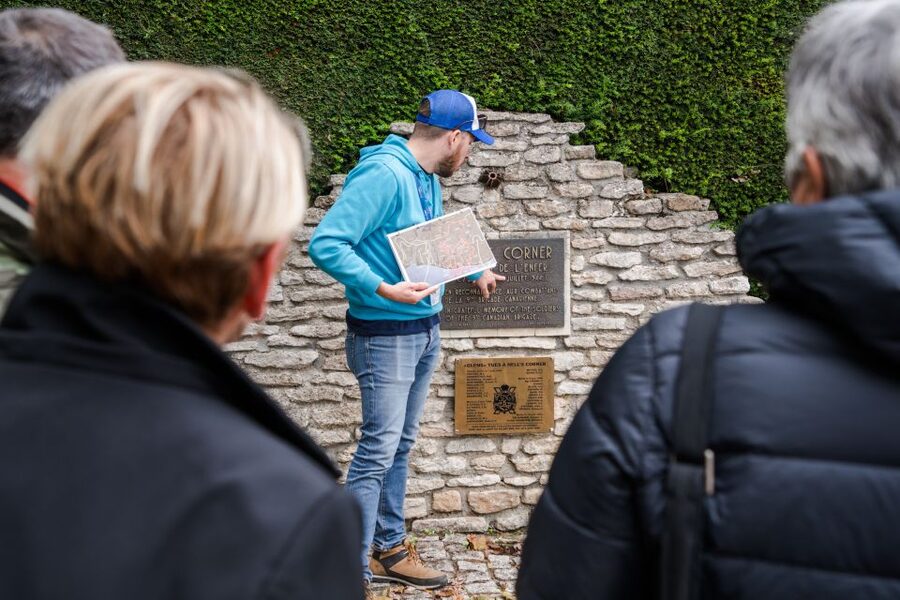
- Strong Canadian focus: The route includes the Juno Beach Centre, Beny-sur-Mer Canadian Cemetery, Hell’s Corner, and Abbey d’Ardenne.
- Guide quality matters: Guides including Aaron, Julien, Enzo, Mathieu, HP, Brun, and Clements have been praised for military detail, clear English, humor, and sensitivity.
- Bring food money and warm clothing: Meals are not included, and Juno can be cold and windy even in late spring.
- Best for serious day trippers: You spend about 13 hours away from Paris, but the price of $283 includes transport, an English-speaking guide, and entrance fees.
Why Juno Beach deserves a full day from Paris

D-Day is often taught as a broad Allied operation, but the Canadian part of the story can get lost among larger American and British headlines. This outing corrects that balance. More than 14,000 Canadian soldiers landed or parachuted into France on June 6, 1944, facing German defenses built into and behind the coast.
You are not simply shown a beach and sent off to take photographs. The guide connects the shoreline to the wider battle, explaining how troops moved inland and where the advance reached. Maps, photographs, and audio excerpts have been used by guides such as Julien to make the military movements easier to follow.
That matters because the coast can look peaceful now. Without explanation, it is just a wide stretch of sand beside a small French town. With the right context, the beach becomes a place where geography, planning, fear, and courage all meet.
This focus suits anyone with a family connection to the Canadian forces, but you do not need to be Canadian or a military expert. The tour also works for curious visitors who want to understand what happened beyond the familiar names of Omaha and Utah.
Other days on the landing beaches from Paris:
- Normandy D-Day Sites & Cemetery Day Trip from Paris with Lunch
★ 5.0 · 6,877 reviews - Normandy D-Day Small-Group Day Trip with Omaha Beach, Cemetery & Cider Tasting
★ 5.0 · 2,786 reviews - Normandy D-Day Beaches and American Cemetery Day Trip from Paris
★ 4.5 · 2,673 reviews
The 7:00 AM departure and the road to Normandy
The meeting point is Café Dada Ternes in Paris. You should arrive at least 15 minutes early. The driver-guide comes in a gray minibus about 10 minutes before departure, and the tour leaves sharply at 7:00 AM. Late arrivals cannot be accommodated, so this is not the morning for a relaxed Parisian coffee stop.
The minibus is a major advantage over a large coach. With a maximum of eight people, you can speak directly with the guide and ask questions while driving. Several guides have been praised for both safe driving and easy conversation, including Mathieu, whose clear explanations and pleasant manner made the long road feel less like dead time.
The drive takes about three hours each way. One route has included a scenic detour through small towns and country roads instead of using the highway for the entire journey. That gives you a look at rural Normandy, though it can also add to an already lengthy day.
I would treat the outward journey as part of the educational program, not just transportation. Guides have pointed out landmarks, discussed the wider European theater of the war, and answered questions en route. Still, you should be realistic: six hours of driving, plus touring, makes this a demanding excursion.
Walking the Juno Beach shore
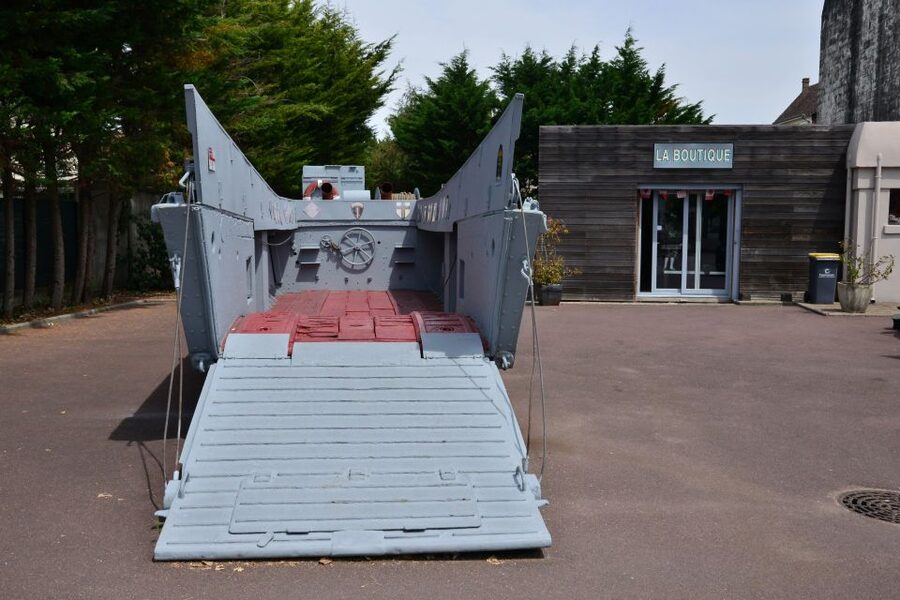
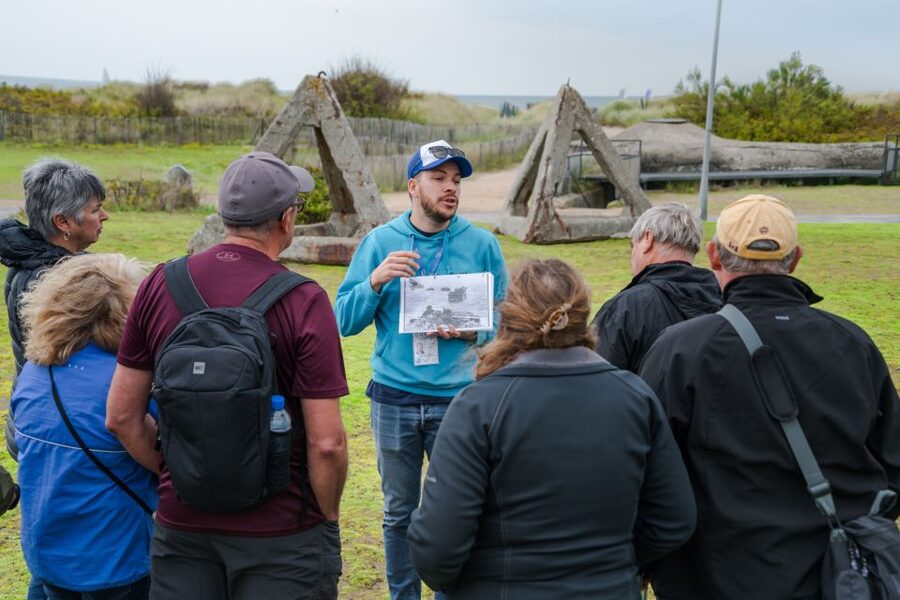
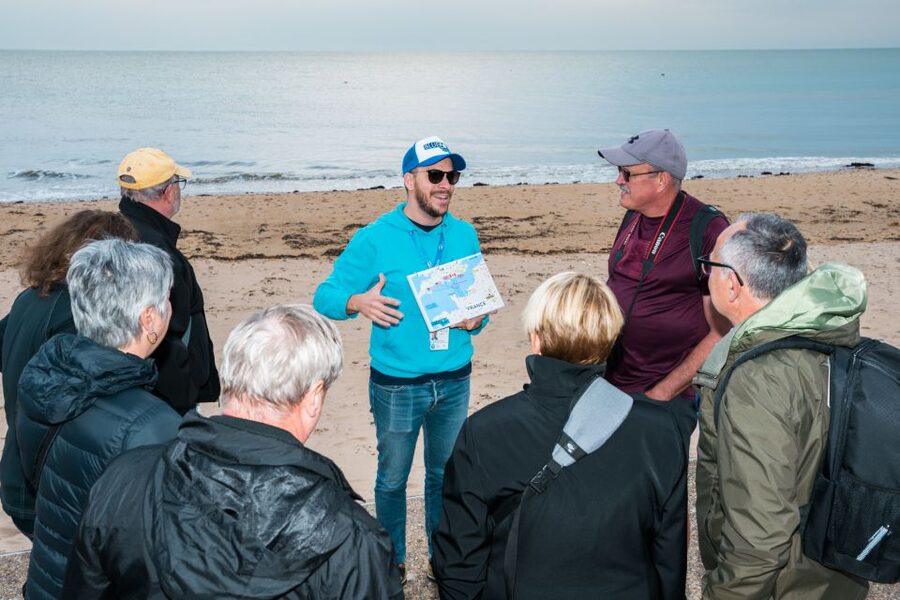
The most important moment is the simplest one. You walk along Juno Beach, on the sand where Canadian troops came ashore in 1944.
The beach itself does not provide a dramatic historical set. It is open, exposed, and often windy. That plainness is part of the point. You see how difficult it must have been to cross an open shore while German forces fired from bunkers and defensive positions.
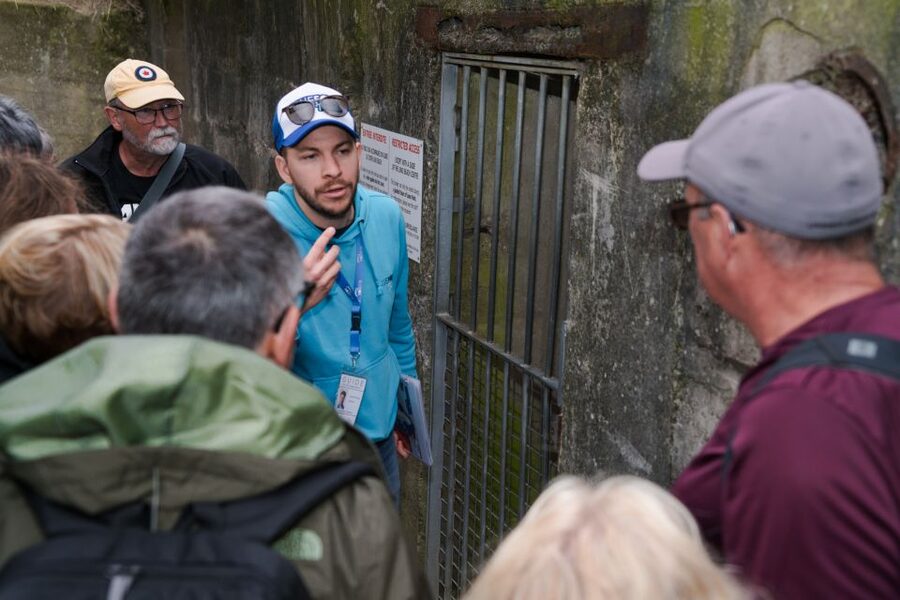
Your guide supplies the detail that the setting cannot. The group may stop near bunkers, memorials, and structures tied to the fighting. Some tours have included a look at bunkers and the only house in the immediate beach area left untouched. The exact order and time at these sites can vary with the day, traffic, weather, and the guide.
Give yourself a little space to be quiet here. The day includes plenty of facts, but Juno is also a place for reflection. You can stand on the shoreline, look back toward the land, and consider the distance Canadian soldiers had to cross before they could reach cover.
The shore can be cold even when Paris feels mild. One visitor specifically advised bringing a warm jacket and hat after a chilly April visit. Rain does not cancel the tour, so a waterproof layer and sturdy shoes are sensible choices.
The Juno Beach Centre and the Canadian story
The Juno Beach Centre is the main museum stop and the most direct way to place the beach within Canada’s wartime story. Entrance is included in the tour price, and the schedule generally allows enough time to see its displays without treating the museum as a rushed photo stop.
You should expect exhibits focused on the Canadian landings, the soldiers who took part, and the country’s wider wartime role. The museum gives names, dates, maps, and personal stories to the events you have just heard about outdoors.
This is where a good guide makes a real difference. Aaron has been praised for his command of the subject and his passion for Normandy. Clements has been described as especially strong at connecting military facts with the human cost of the operation. Guides such as Brun and HP have also been noted for keeping the day organized while making room for questions and emotional moments.
The main limitation is time. One visitor wanted longer at Canada House, and another felt some parts of the tour moved too quickly. If museums are your top priority, you may wish for more time than a day trip from Paris can provide. The benefit of the organized tour is that you see several important places in one day, but the tradeoff is less freedom at each one.
Same base, a different kind of day:
- Paris: Louvre Museum Timed-Entrance Ticket
★ 4.6 · 71,977 reviews - Disneyland® Paris 1-Day Ticket
★ 4.6 · 49,412 reviews - Paris: Versailles Palace and Gardens Full Access Ticket
★ 4.6 · 41,579 reviews - Paris: Evening River Cruise with Music
★ 4.4 · 22,721 reviews
Canada House and the personal side of Juno
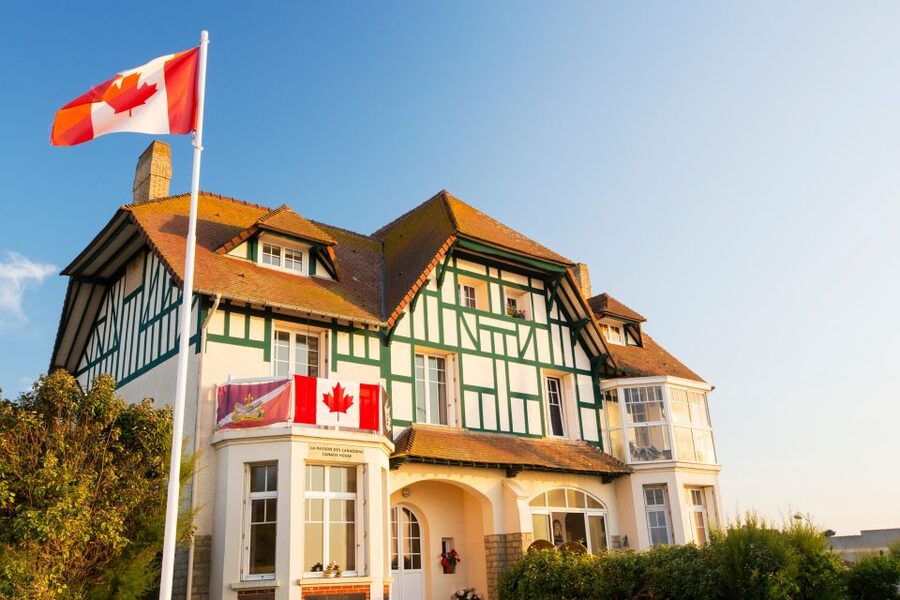
Canada House, on Juno Beach, has become a memorable extra when the day’s guide can arrange access or a meeting with the owner. This is not something to treat as guaranteed, but it has added a striking personal layer to some visits.
One special visit included Madame Hoffer, whose family connection to the house helped explain how the building was remembered and cared for after liberation. Another guide arranged a meeting at a family home near Hell’s Corner, where a private collection of German and Canadian ammunition was displayed alongside family stories.
These encounters show how D-Day remains part of local memory, not only military textbooks. A beach museum tells the public story. A family home can show how the fighting affected ordinary French households and how Canadian soldiers were remembered afterward.
Because these additions depend on the guide and the day’s arrangements, you should not book the tour solely on the hope of seeing Canada House or a private collection. Think of them as possible bonuses. The core route remains the beach, museum, cemetery, Hell’s Corner, and Abbey d’Ardenne.
Beny-sur-Mer Canadian Cemetery
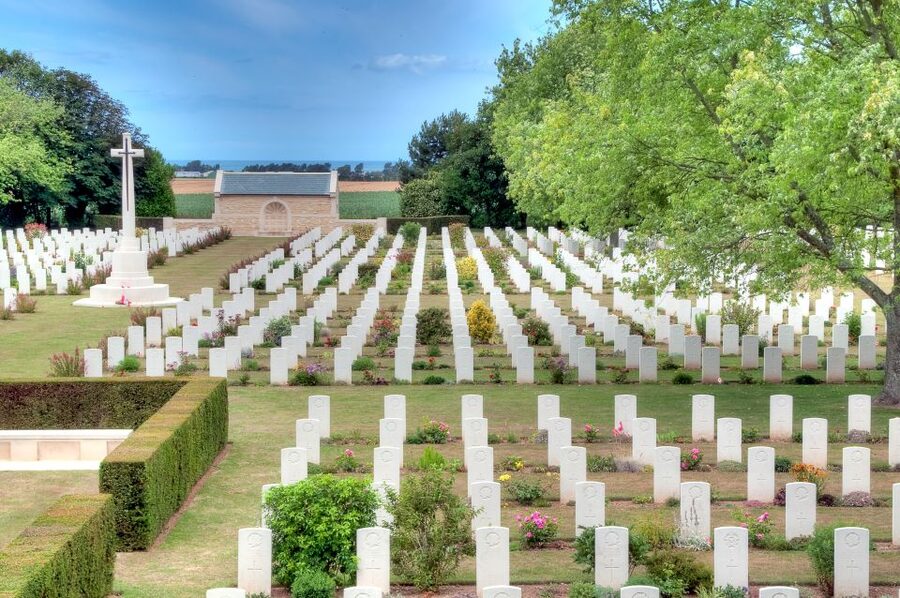
The visit to Beny-sur-Mer Canadian Cemetery is one of the quietest and most affecting parts of the day. After the noise of the road and the detail of the museum, the rows of graves slow everything down.
You can stroll through the grounds and pay your respects to the Canadian soldiers who died during the invasion and the fighting that followed. The setting is carefully maintained, but it does not feel like a spectacle. The value is in the names and dates, and in the realization that the men discussed in the morning were young individuals rather than an anonymous force.
For Canadian families, this stop can be especially personal. One visitor described standing on Juno Beach where her father had stood, then visiting the cemetery. You do not need a family connection to feel the importance of the place, but if you do have one, tell your guide. A small group makes that sort of conversation possible.
Dress for the weather here as well. The cemetery is outdoors, and rain or wind can change the mood and the comfort of the visit quickly.
Hell’s Corner and the road inland
The tour also follows the Canadian advance inland to Hell’s Corner, described as the furthest advance taken by Canadian troops on D-Day, about five miles from Caen.
This stop helps answer a question that often remains after a beach visit: what happened after the troops left the shore? The fighting was not finished once the sand was crossed. The inland route shows the scale of the task and the need to capture roads, villages, bridges, and strongpoints.
The area is also tied to local family history. A visit to a house in Hell’s Corner has included stories about German and Canadian use of the property, along with a personal collection of wartime ammunition. Again, access to that private setting is not guaranteed, but the location itself gives useful context to the military advance.
You may find this stop less visually obvious than the beach. That is why the guide’s explanation matters. Maps and photographs can help you picture where the troops went and how far they moved under pressure.
Abbey d’Ardenne and the cost of the fighting
Abbey d’Ardenne was used as a German headquarters point. Its inclusion adds a darker note to the day by showing that the battle involved command centers, prisoners, and brutal decisions as well as the initial landing.
The abbey is not simply another old building on a sightseeing route. The guide explains its wartime role and places it within the fighting around Caen. You will get more from the stop if you listen for how the German defenses were organized and how Canadian forces pushed beyond the coast.
The mix of sites is one of the tour’s strengths. Juno gives you the shoreline. Beny-sur-Mer gives you the human cost. Hell’s Corner explains the inland advance. Abbey d’Ardenne adds the German command perspective. Together, they create a fuller picture than a beach visit alone.
The guides: military detail with a human touch
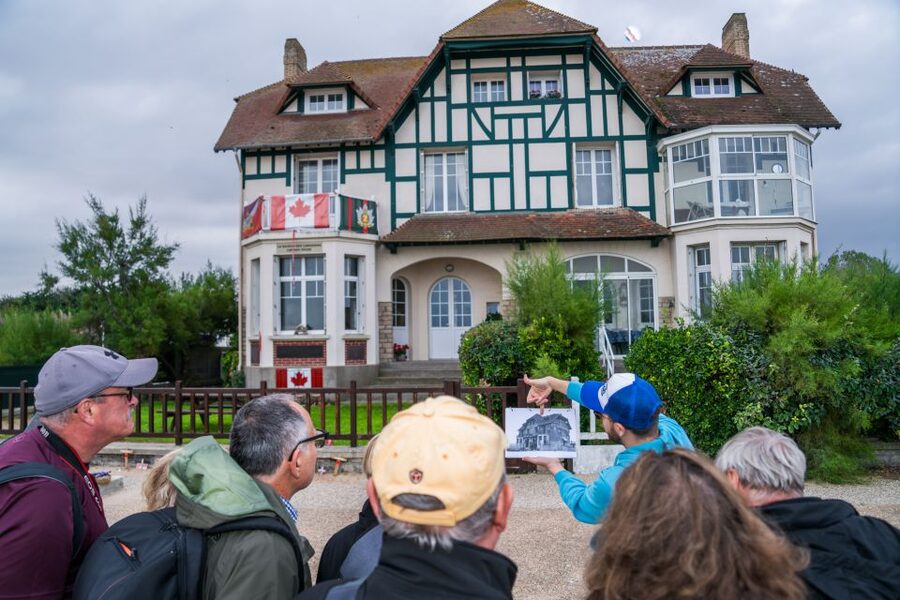
The guide is the most important variable in a tour like this. The vehicle and route matter, but the story can either become a list of dates or a clear account of what happened.
Several guides have made a strong impression for different reasons. Aaron has been praised for military expertise and enthusiasm. Julien has used photographs and audio excerpts to add detail, while also keeping the pace comfortable. Enzo has been described as both charismatic and well informed about the operation.
Mathieu has been appreciated for clear statistics, good English, and calm driving. HP has combined humor with sensitivity toward Canadian visitors. Brun has been praised for organization, family connections to the war, and the ability to keep the group informed. Clements has brought particular care to the stories of individual soldiers.
You cannot usually choose your guide in advance, and each person will have a different style. The consistent strength is the small group. You have a better chance to ask questions, hear the explanation clearly, and tell the guide what interests you.
There has been one practical complaint about sound quality and a van air-conditioning problem on a very hot day. Those issues appear to be exceptions, but they are worth noting. Conditions inside a minibus can matter on a long summer drive, especially when temperatures reach 34 degrees Celsius.
What the $283 price includes
At $283 per person, this is not a cheap outing. The value depends on how much you want to see in one day and how much planning you would otherwise need to do.
The price includes the gray minibus, an English-speaking guide, and entrance fees. You avoid organizing the long route from Paris, finding the cemetery, locating Hell’s Corner, working out the beach sites, and arranging museum admission.
Food is not included. Some groups have stopped at a bakery for lunch supplies, while others have eaten at a local restaurant. One group had lunch near Gold Beach, though you should not assume that exact restaurant or stop will be part of every departure.
Bring money for food and drinks, and do not expect a leisurely restaurant-heavy day. The schedule is built around historical sites, not extended meals.
For a first visit to Normandy from Paris, I consider the price reasonable if you want a guided Canadian-focused experience and do not have time to stay overnight. If you already plan to rent a car and spend several days in Normandy, you may prefer the freedom of a longer visit. A self-drive trip can give you more time at each site, but you will need to handle the route and research yourself.
Free cancellation is available up to 24 hours before departure, and you can reserve while paying later. The tour operates every day of the year, in rain or sunshine, with departure at 7:00 AM.
Who should book this day trip
I would recommend it most strongly to:
- Canadian visitors who want to understand their country’s role in D-Day.
- Families with a military connection, especially those tracing a relative who served.
- First-time Normandy visitors staying in Paris.
- People who prefer an English-speaking guide rather than a self-guided museum visit.
- Anyone who values a small group and direct access to the guide.
I would hesitate if you dislike early starts, long drives, outdoor weather, or a full schedule. The day is emotionally heavy as well as physically long. It is not a casual sightseeing outing squeezed between Paris attractions.
Teenagers can enjoy it if they have some interest in war history. A family with children aged 12 and 14 found it memorable, but younger children may struggle with the length and serious subject matter.
Should you book the Juno Beach tour from Paris?
Book it if Juno Beach is a priority and you want the Canadian story explained with care. The strongest parts are the small minibus, the focused route, the beach walk, the Canadian cemetery, and the guides’ ability to connect military facts with personal stories.
Go in with the right expectations. You will spend much of the day on the road, food is extra, and you may wish for more time at the museum or Canada House. Wear warm layers, arrive early at Café Dada Ternes, and keep the evening free in case traffic delays the return.
For a single day from Paris, this is a thoughtful and useful way to reach Normandy. It leaves you with more than photographs of a beach. You come away with a clearer sense of where Canadian troops landed, how far they advanced, and why their sacrifice is still remembered.
FAQ
What time does the tour leave Paris?
The tour departs every day at 7:00 AM. You should arrive at Café Dada Ternes at least 15 minutes before departure because late arrivals cannot be accommodated.
What time does the tour return to Paris?
The planned return is around 8:00 PM, although traffic can affect the arrival time.
How many people are in the group?
The minibus holds a maximum of eight participants.
What sites are included?
The route includes Juno Beach, the Juno Beach Centre, Beny-sur-Mer Canadian Cemetery, Hell’s Corner, and Abbey d’Ardenne. Some visits may also include Canada House, bunkers, or other local sites depending on the day’s arrangements.
Is food included?
No. Food is not included in the price. You should bring money for lunch and drinks, and some tours stop at a bakery or local restaurant.
What happens if it rains?
The tour operates rain or shine. Bring suitable outdoor clothing, since you will walk along the beach and visit the cemetery.
Just added in Paris
- Private Transfers in Paris★ 5.0 · 75 reviews
- Disneyland® Paris 1 Day Ticket with Transport from Paris★ 3.5 · 302 reviews
- Personalized Transport service from Disneyland to Paris★ 5.0 · 63 reviews
- CDG – Euro Disney – CDG Two Way Private Shuttle Transfer★ 5.0 · 233 reviews
- Monet’s Gardens & House-Private Giverny Tour From Paris★ 4.5 · 137 reviews
- Giverny Monet House and Gardens Skip the line Walking tour★ 4.0 · 217 reviews
- Guided tour Monet’s house and gardens/small group★ 4.5 · 68 reviews
- Monet’s House and Garden & Giverny Village★ 4.5 · 39 reviews
Normandy D-Day Tours, compared.
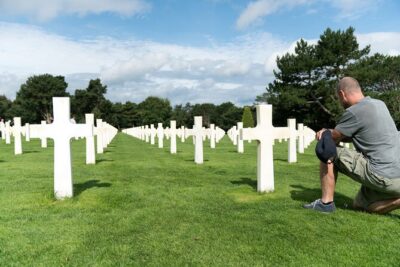
Normandy D-Day Sites & Cemetery Day Trip from Paris with Lunch
Read our review →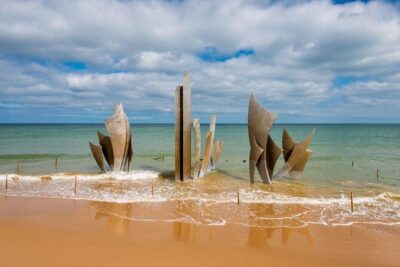
Normandy D-Day Small-Group Day Trip with Omaha Beach, Cemetery & Cider Tasting
Read our review →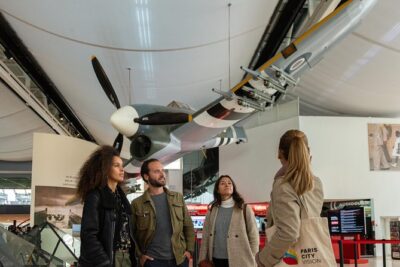
Normandy D-Day Beaches and American Cemetery Day Trip from Paris
Read our review →
Normandy American D-Day Beaches Full Day Tour from Bayeux
Read our review →
Normandy American D-Day Experience – Group tour from Bayeux
Read our review →
Normandy Beaches Half-Day Afternoon Trip from Bayeux (A2)
Read our review →
Omaha Beach D-Day Experience – Afternoon group tour from Bayeux
Read our review →Browse the lists this tour appears in