
Reviewed · WINE TOURS
The discovery trail at Maison Brotte
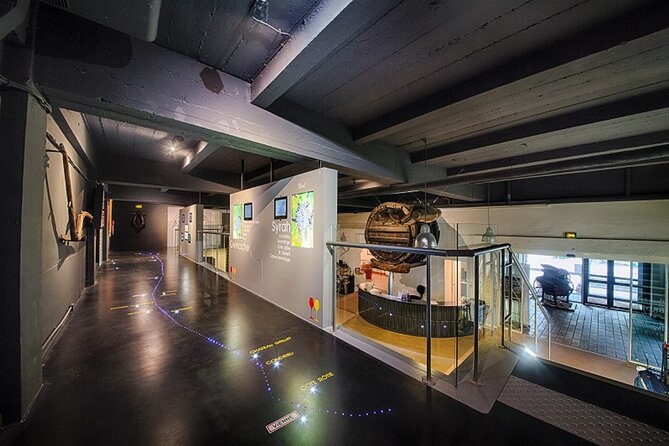
At Maison Brotte, wine tasting starts before the first glass. You walk through an interactive museum in the village of Châteauneuf-du-Pape, learning how Rhône Valley appellations developed and what makes this cru special. The visit then moves to a tasting led by the house sommeliers.
I like two things here: the visit gives you context before you taste, and the roughly $12 price includes both the museum and a guided sampling of three wines. The main consideration is time. This is a focused museum and tasting, not a full-day vineyard excursion or a tour of several estates.
Key points
- Interactive museum route: Follow a promenade-style display about Rhône Valley appellations and Châteauneuf-du-Pape.
- Tasting with house sommeliers: Sample selected vintages, estates, châteaux, and plot-specific wines.
- Good value at about $12 per person: The ticket covers both the museum admission and tasting.
- One to two hours: It fits neatly into a day exploring the village.
- English service and mobile ticket: Practical for international visitors planning ahead.
- Flexible booking: Free cancellation is available up to 24 hours before the start time.
Starting with Châteauneuf-du-Pape in the museum
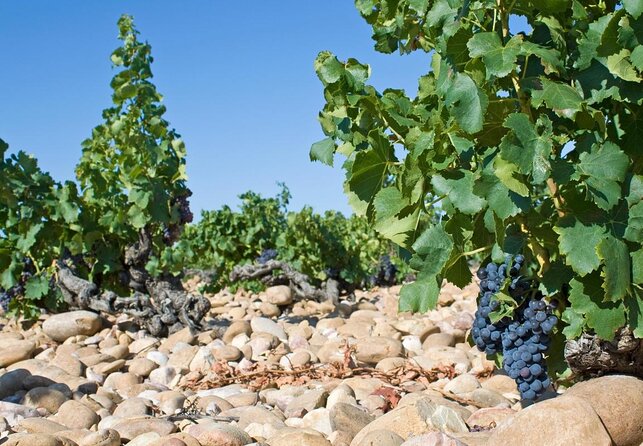
The Musée du Vin Brotte sits in the heart of Châteauneuf-du-Pape, so this experience puts you in the right place for understanding the wine rather than treating the tasting as an isolated stop. The museum focuses on the controlled appellations of origin of the Rhône Valley and the Châteauneuf-du-Pape cru.
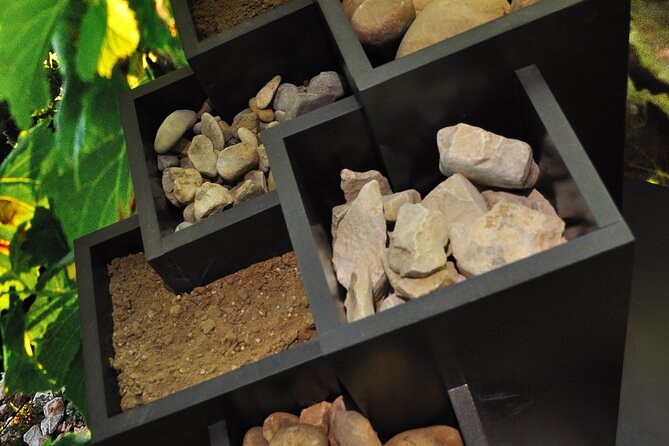
That matters because the name on the bottle tells only part of the story. Appellation rules connect a wine to a particular area, production method, and standard of quality. The museum gives you a basic framework before you taste, helping you pay attention to differences in style and origin.
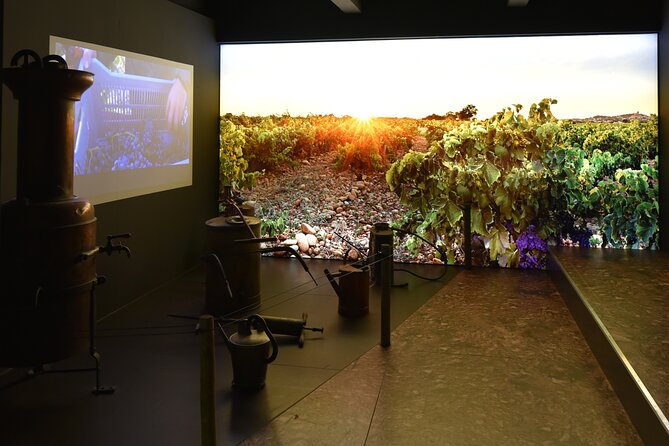
The route is designed as a promenade, with surprises along the way and a presentation intended to be interactive. I would expect this to feel less like reading a long wall of text and more like moving through a sequence of displays. That format is useful if you are curious about wine but do not want a technical lecture.
You will not need advanced wine knowledge to follow along. The goal is to show the art of vines and wine in a clear, accessible way. If you already know the region well, the displays may feel introductory, but they still give structure to the tasting that follows.
More wine tours in Avignon:
- Chateauneuf du Pape wine tour
★ 5.0 · 484 reviews - From Avignon: Châteauneuf du Pape Half-Day Wine Tour
★ 4.7 · 365 reviews - From Avignon: Half-Day Great Vineyards Tour
★ 4.7 · 321 reviews
Why the museum adds value to the tasting
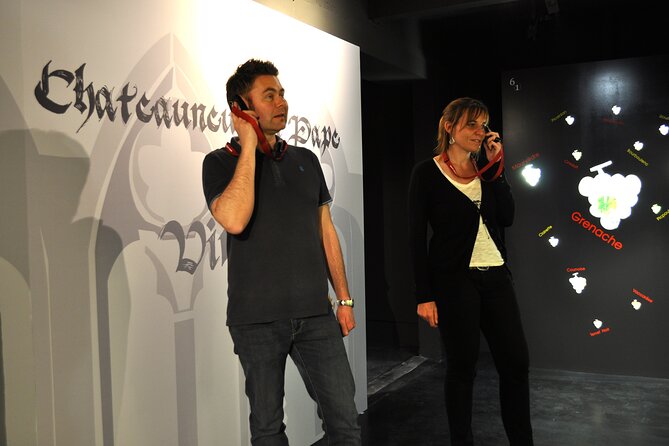
A wine tasting without context can become a quick exercise in deciding which glass you like best. The Brotte format gives you a little more to work with. You first learn about the region, its appellations, and its famous cru, then taste wines connected to that story.
That order helps you notice details. You can think about how a wine fits within the Rhône Valley, how a plot selection differs from a broader estate wine, and why producers present several vintages or labels. The museum does not turn you into a sommelier in an hour, but it can help you ask better questions.
I also like the balance between education and entertainment. The experience promises a route built around discovery and surprise, rather than a dry technical lesson. For couples, families with older children, or friends with mixed wine experience, that broad approach should work better than a tasting aimed only at serious collectors.
The museum is also useful if the weather is poor or you need a short indoor activity in the village. Since the full experience takes about one to two hours, you can fit it around lunch, a walk through Châteauneuf-du-Pape, or another nearby plan.
Meeting the Brotte sommeliers for the wine tasting
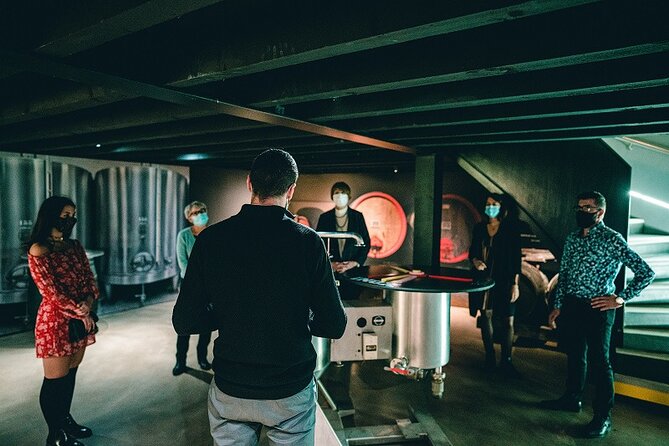
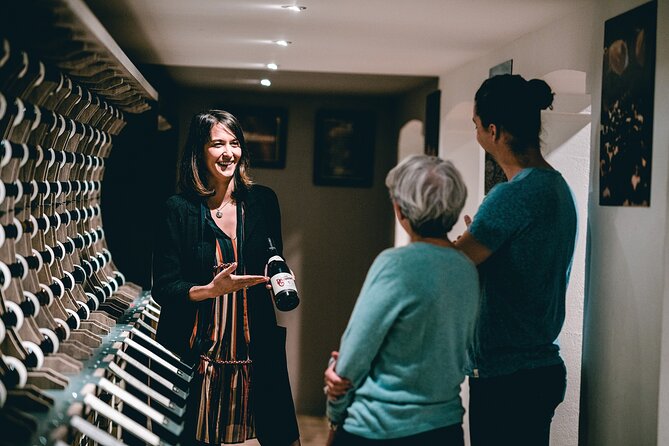
After the museum, the visit continues with a tasting led by Brotte’s sommeliers. The atmosphere is described as warm and relaxed, which is the right tone for an introduction to wine. You can expect the tasting to focus on the producer’s selected bottles rather than a broad tour of unrelated wineries.
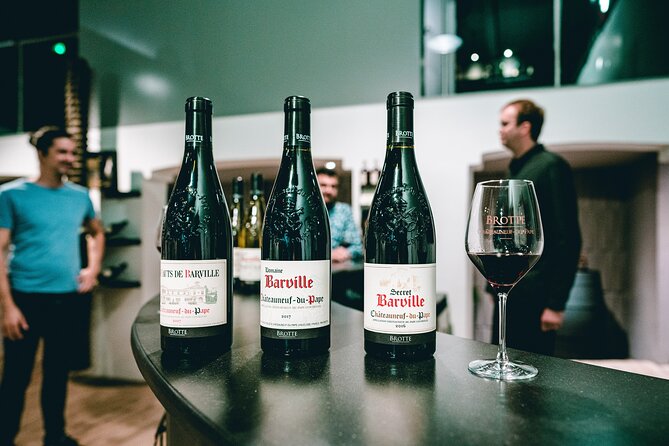
The selection includes vintages, Domaines and Châteaux, and plot selections. That range gives the tasting more interest than a single-label presentation. You may compare wines from different parts of the Brotte portfolio and see how the producer presents different expressions of the Rhône Valley.
The experience information specifies a tasting of three wines. That is enough for a useful comparison without making the visit too long or leaving you with a crowded schedule. It also keeps the $12 admission easy to assess: you receive a museum visit and a guided tasting, not just a small pour at a sales counter.
The sommeliers are there to explain the wines and answer questions. If you want the most from this part, ask about the differences between the vintages, how a plot selection is distinct from a broader estate wine, and what makes Châteauneuf-du-Pape different from other Rhône appellations.
You should also feel free to say what you like. A good tasting is not a test. The point is to understand your own preferences while learning how the wines are made and presented.
Three wines, several ways to compare them
Three wines create a manageable tasting for most people. You can give each glass proper attention, compare aromas and flavor, and still remember what you liked by the end. The selection of three excellent wines noted in the experience details suggests that quality, not sheer quantity, is the focus.
The range of wines is the more important point. A tasting that includes different vintages, estates, châteaux, or plot selections can show how labels and origin affect the final bottle. You may find one wine more appealing than another, and that is part of the value. A tasting should help you make a more informed choice, not push you toward one answer.
The staff can also help bridge the gap between the museum and the glass. The best questions are simple:
- What does this appellation tell me about the wine?
- How does this vintage differ from the next one?
- What does plot selection mean here?
- Which bottle would suit someone who prefers a lighter or fuller style?
The supplied information does not name individual sommeliers, so you should expect guidance from the Brotte tasting team rather than a named private guide. The service is offered in English, which makes the experience accessible if you do not speak French.
Same base, a different kind of day:
- From Arles: Half-Day 4×4 Camargue Safari
★ 4.7 · 1,772 reviews - Provence Highlights Full-Day Tour from Avignon
★ 5.0 · 499 reviews - 4×4 Camargue Safari 4h – Departure from Arles
★ 4.5 · 467 reviews - From Avignon: Full-Day Best of Provence Tour
★ 4.7 · 338 reviews
Is the $12 admission good value?
At $12.09 per person, this is an inexpensive way to add a wine-focused activity to your day in Châteauneuf-du-Pape. The price includes admission to the museum and the tasting, so you are not paying separately for the educational section and the wine service.
The value is strongest for someone who wants an introduction. You get a basic explanation of Rhône Valley appellations, a look at the Châteauneuf-du-Pape cru, and three wines to compare. That is a lot of useful material for one to two hours.
The price is less compelling if you are searching for a full winery visit with transport, vineyard walks, cellar production, or several hours with a winemaker. None of those elements are described here. You are paying for a compact museum-and-tasting experience in the village, not a private estate day.
I would also consider it a smart add-on if you are already spending time in Châteauneuf-du-Pape. It gives you an indoor stop with a clear beginning and end, and you do not need to commit a full afternoon. For a first taste of the region’s wine culture, the cost is easy to justify.
What the one to two hour schedule means
The stated duration is approximate, so allow some flexibility. The museum route and tasting together take about one to two hours, depending on how quickly you move through the displays and how much you discuss with the sommeliers.
That length works well for an independent day in the village. You can build your schedule around it instead of handing over an entire morning or afternoon. It also suits people who enjoy wine but do not want repeated tastings.
The short format has a tradeoff. You will receive an introduction, not a complete course on Rhône wine. The museum can explain the main ideas, and the tasting can show a few examples, but there is no indication that the experience covers every grape, producer, or appellation in detail.
Use the time wisely by arriving ready to pay attention during the museum portion. The information there gives you more to discuss at the tasting, and the two sections work better together than they would separately.
Who will enjoy Maison Brotte most?
I would recommend this experience to a first-time visitor to Châteauneuf-du-Pape who wants a clear, affordable introduction to local wine. You do not need to be an enthusiast, and the English option makes it practical for international visitors.
It should also suit couples and small groups with different levels of interest. Someone who knows wine can ask detailed questions about vintages and plots, while a beginner can focus on the main story and decide which wine appeals most.
Families should note that the activity centers on wine tasting, but most travelers can participate and service animals are allowed. The information does not give a minimum age or specific child policy, so anyone booking with children should confirm that point directly.
Serious wine collectors may find the experience too brief if they want a technical analysis or extensive cellar access. Still, even an experienced drinker may appreciate the chance to compare Brotte wines in the producer’s own setting.
Practical details before you book
You receive confirmation at the time of booking, and the ticket is available on your mobile device. That makes this easy to add to a day of sightseeing without needing to print anything.
The experience is offered in English. Since the tasting is led by sommeliers, you can expect the main explanations and discussion to be available in English, though the provided information does not name the individual staff members.
The location is Musée du Vin Brotte, in the heart of the village of Châteauneuf-du-Pape, near Avignon. The information does not specify transportation, parking, meeting instructions, or group size, so check those details before setting out.
The cancellation terms are sensible for a flexible itinerary. You can cancel for a full refund up to 24 hours before the start time. Cancellations or changes made less than 24 hours before the start time are not accepted for a refund, and the cut-off follows local time.
The experience receives a 4.8 rating from 91 ratings, with 97 percent recommending it. The strongest themes are value, clear information, helpful tasting staff, and good wines. Those points match the basic design of the activity: a short museum visit followed by a focused tasting rather than a long production tour.
Should you book the Brotte discovery trail?
Book it if you want an affordable, English-language introduction to Châteauneuf-du-Pape wine and have one to two hours available. The combination of an interactive museum, three-wine tasting, and sommelier guidance gives you useful context without demanding a full day.
Skip it if you want vineyard transport, extensive cellar access, or a private tasting built around your own preferences. Those are not part of the stated experience.
For most people already visiting the village, I would make room for it. The price is modest, the format is easy to fit into a sightseeing day, and the museum helps turn three glasses of wine into a better understanding of the place behind them.
FAQ
Where does the discovery trail take place?
It takes place at Musée du Vin Brotte in the heart of the village of Châteauneuf-du-Pape, France.
How long does the experience last?
Plan on approximately one to two hours for the museum visit and wine tasting.
How much does the experience cost?
The listed price is $12.09 per person.
Is the tasting included in the admission price?
Yes. The ticket includes admission to the museum and a tasting led by Brotte sommeliers.
How many wines are tasted?
The experience includes a tasting of three wines.
What kinds of wines are included?
The tasting can include Brotte vintages, Domaines and Châteaux, and plot selections.
Is the experience offered in English?
Yes. English service is available.
Can I use a mobile ticket?
Yes. The experience provides a mobile ticket.
Can I cancel for a full refund?
Yes. You can cancel at least 24 hours before the experience start time for a full refund. Cancellations or changes made less than 24 hours before the start time are not accepted.
Just added in Avignon
- Rando Aqua – “Le Pont de Tusset” – Discovery Course★ 5.0 · 92 reviews
- Rafting Verdon – “Explor Verdon” – Family Course★ 5.0 · 51 reviews
- Wines from Châteauneuf-du-Pape and surrounding areas in 1/2 day★ 5.0 · 96 reviews
- In the footsteps of Van Gogh in Provence from Avignon★ 4.5 · 102 reviews
- Wine Tasting Tour at Châteauneuf du Pape★ 5.0 · 36 reviews
- Lavender Route – Small-Group Day Trip from Avignon★ 5.0 · 120 reviews
- Van Gogh & Carrières de Lumières Half-Day Tour from Avignon★ 4.5 · 29 reviews
- Truffle Hunting in Provence★ 5.0 · 55 reviews
Wine Tours, compared.
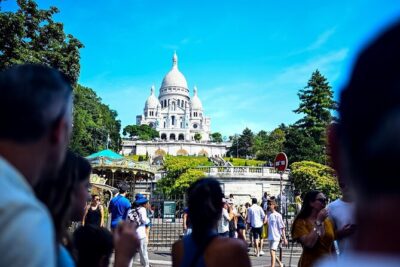
Authentic Parisian Gourmet Food Tour with 10 Local Dishes & Wines
Read our review →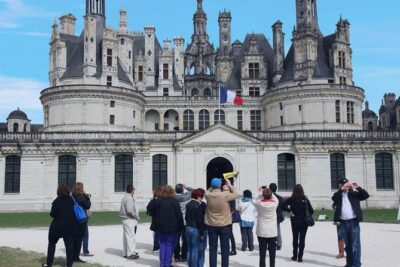
Loire Valley Castles Day Trip from Paris with Complementary Wine
Read our review →
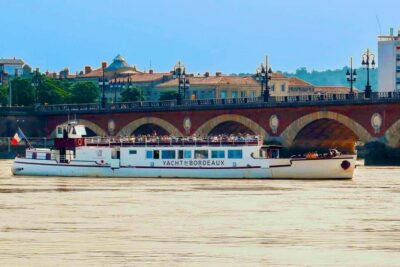
River Garonne Cruise with Glass of Wine and Canelé
Read our review →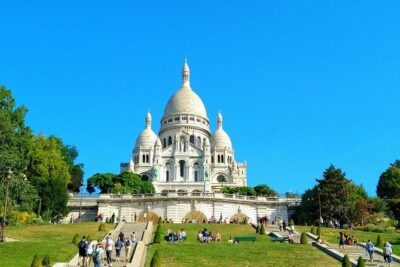
Montmartre Hill French Gourmet Food and Wine Tasting Walking Tour
Read our review →
Montmartre Cheese, Wine & Pastry Guided Walking Tour
Read our review →
Loire Valley Castles Day Trip With Wine Tasting
Read our review →
Afternoon Saint-Emilion Wine Tasting & snack
Read our review →Browse the lists this tour appears in