
Reviewed · WINE TOURS
The prestige course at Maison Brotte
Maison Brotte combines a self-guided wine museum with a tasting of five wines from the Châteauneuf-du-Pape area. You learn at your own pace, then sit down with a sommelier who can explain what is in your glass and how the local wines differ.
I like the clear audio guide and the friendly personal tasting, especially when hosted by staff such as Dominika. I also like the price, about $16.94 per person, which makes this an easy addition to a day in the Rhône wine country. The main drawback is transport: getting back to Avignon can be difficult if you have not arranged a taxi ahead of time.
Key points
- Five wines included: The tasting gives you a useful introduction to the local style rather than a single sample.
- Museum founded in 1972: Jeanne Brotte, grandmother of the present owner, created this unusual Châteauneuf-du-Pape wine museum.
- Audio-guided visit: You can move through the museum at your own pace, with English offered.
- Family winery story: The Brotte family has worked in wine since 1931, giving the displays a personal connection.
- Good value: The modest price covers both the museum visit and five tastings.
- Plan your return: Taxi and ride-hailing options around Châteauneuf-du-Pape may be limited.
What you actually do at Maison Brotte
This is a compact wine experience built around two parts: a museum visit and a tasting. Allow roughly one to two hours, depending on how long you spend with the audio guide and how many questions you ask at the tasting table.
You begin at the Musée du Vin Brotte, located at Maison Brotte in Châteauneuf-du-Pape. The setting matters because this is not a general wine exhibit placed in a city center. The museum is tied directly to a family estate in one of the Rhône Valley’s best-known wine appellations.
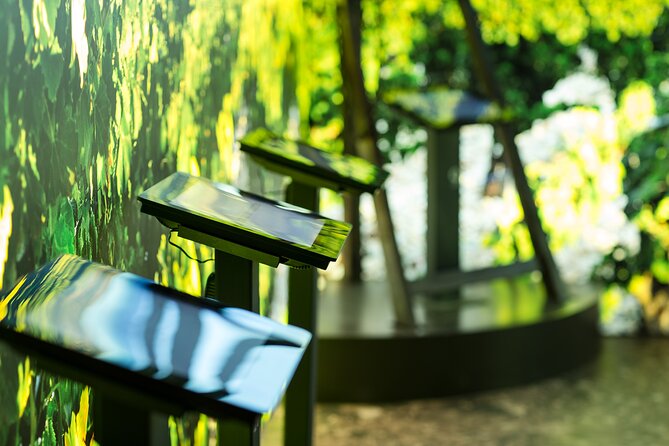
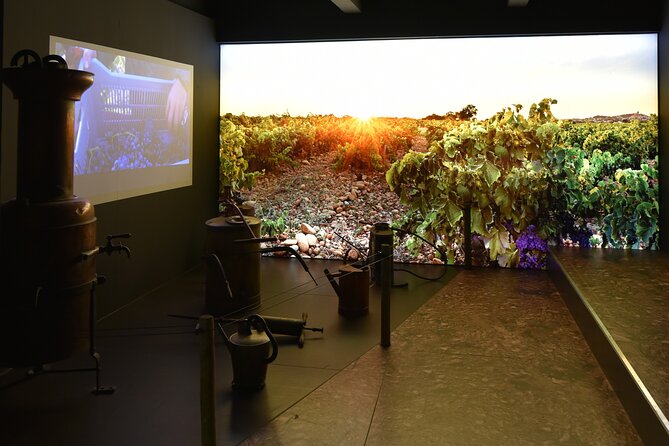
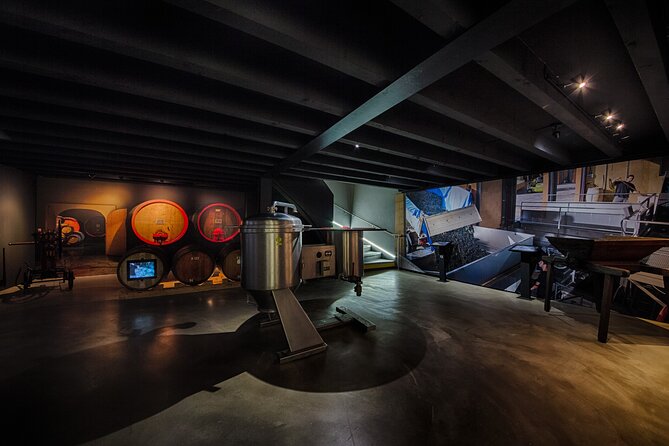
The visit is self-guided. You use an audio guide to learn about vines, wine production, Châteauneuf-du-Pape, the broader Rhône region, and the Brotte family. That format gives you control over the pace. You can pause when a display catches your attention, move more quickly through familiar material, or listen closely to the more technical sections.
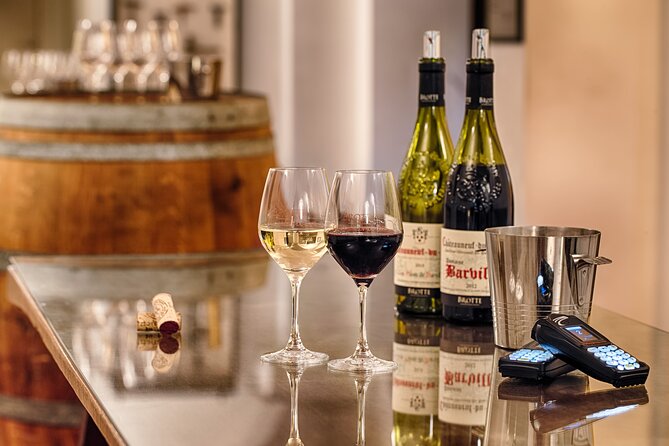
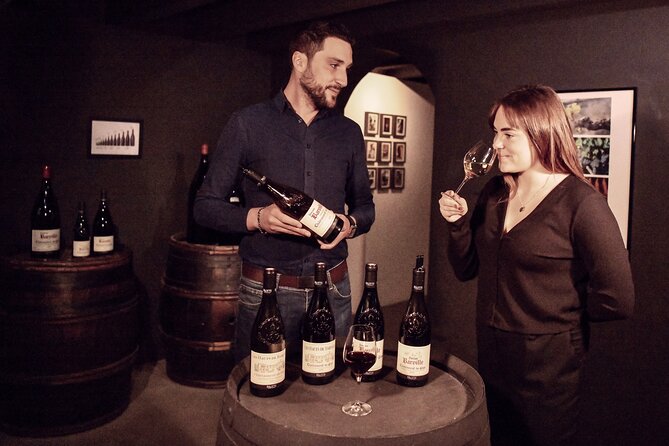
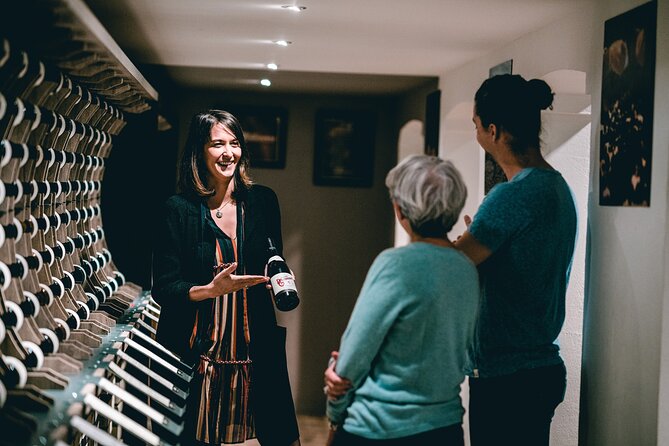
At the end, a sommelier leads you through five wines. This is where the visit shifts from classroom to conversation. You can ask about the grapes, production, flavor differences, and the local wine style. Staff members speak English, and the audio guide is clear and easy to follow for English-speaking visitors.
More wine tours in Avignon:
- Chateauneuf du Pape wine tour
★ 5.0 · 484 reviews - From Avignon: Châteauneuf du Pape Half-Day Wine Tour
★ 4.7 · 365 reviews - From Avignon: Half-Day Great Vineyards Tour
★ 4.7 · 321 reviews
A museum with a family beginning in 1931
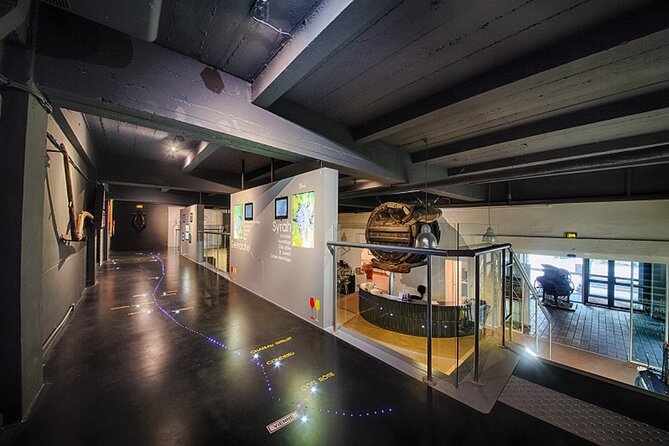
The Brotte story gives the museum more character than a display of anonymous bottles and equipment. The family has passed down its wine-making know-how since 1931, and the museum connects that work with the wider story of Châteauneuf-du-Pape.
Jeanne Brotte, the grandmother of the current owner, created the museum in 1972. That detail is worth remembering because it helps explain why the museum feels like part of the estate’s identity rather than a recent sales tool.
The displays cover the basic chain from vine to bottle. You learn about growing grapes, making wine, and the local conditions that shape the finished drink. Some sections include technical material, but the audio presentation keeps the information approachable rather than turning it into a lecture.
I would not treat the museum as a replacement for a full vineyard or cellar tour. The information provided centers on the museum and audio presentation, not a long walk through working fields or an extensive production visit. Its strength is efficient education. In a short visit, you get the background you need before tasting the wines.
Why the self-guided audio format works
Wine tours can be frustrating when the pace does not match your interest. Maison Brotte avoids that problem with a self-guided format. You are not locked into a long speech, and you can spend more time on subjects that matter to you.
The audio guide is especially useful if you are new to Rhône wine. You can hear the basic terms and regional context before the tasting begins. If you already know the area, you can move through the introductory material and save your attention for the bottles and questions afterward.
The English option makes this a practical stop for international visitors. The presentation is described as clear and understandable, including when it covers technical points. That balance matters. Wine explanations can quickly become crowded with specialized language, but the audio format lets you listen again or take your time.
There is one trade-off. A self-guided museum does not provide the back-and-forth of a live guide walking beside you. If you want every question answered as it occurs, save those questions for the tasting. The sommelier portion provides the personal contact that the museum section does not.
Five wines make the tasting useful
The tasting includes five wines, which is enough to make comparisons. One sample can tell you if you like a particular bottle. Five allow you to notice differences in style, structure, aroma, and balance, even if you are not an experienced wine drinker.
The exact wines may vary, so you should not arrive expecting a fixed list. The useful part is the chance to taste several examples after hearing how the region produces its wine. You can connect the explanation to what is in your glass.
The staff member leading the tasting can explain the wines and answer questions. One host specifically praised in the experience is Dominika, who is described as a friendly and effective sommelier. Staffing can change, so you should not assume she will lead every session, but the tasting is designed around personal guidance.
This is also a good place to ask simple questions. Which wine is best with a meal? What makes Châteauneuf-du-Pape different from another Rhône wine? Which bottle would suit someone who prefers a softer or more powerful style? You do not need advanced wine knowledge to take part.
The tasting can also lead to purchases. That is common at an estate visit, but the low entry price means you are not paying a large amount simply to reach the shop. You can taste first and decide later.
Same base, a different kind of day:
- From Arles: Half-Day 4×4 Camargue Safari
★ 4.7 · 1,772 reviews - Provence Highlights Full-Day Tour from Avignon
★ 5.0 · 499 reviews - 4×4 Camargue Safari 4h – Departure from Arles
★ 4.5 · 467 reviews - From Avignon: Full-Day Best of Provence Tour
★ 4.7 · 338 reviews
The value of $16.94
At about $16.94 per person, this is one of the easier wine experiences to justify financially. The fee includes admission to the museum and five wines with a sommelier. For someone already visiting Châteauneuf-du-Pape, that is a solid amount of content for a modest cost.
The value is strongest if you want an introduction rather than an all-day wine program. You receive regional background, family history, a guided tasting, and the freedom to set your own pace. That is enough for a thoughtful one to two hour stop.
You should keep the limits in mind. This is not priced or presented as a private tasting, a long vineyard walk, or a full-day estate program. If you are seeking extensive time in the fields or a highly specialized wine seminar, you may want something more involved.
For most visitors, the experience works well as an add-on to a day in the area. It gives you structure without taking over the whole schedule. You can learn something, taste five wines, and still have time for other sights or a meal.
Timing your visit from Avignon
The experience is associated with Avignon in booking information, but the visit itself takes place at Maison Brotte in Châteauneuf-du-Pape. That distinction is important when planning your day. You need to think about the journey to the village and, just as importantly, the journey back.
The most useful practical warning is transportation after the visit. Taxi services and ride-hailing options around Châteauneuf-du-Pape may not be readily available. Arrange your return before you arrive, especially if you are not driving.
Staff may help with taxi calls, but you should not rely on finding a car at the last minute. This is particularly important if you have an evening reservation in Avignon or a train to catch. A pleasant tasting can become stressful if the return trip is left until closing time.
The visit itself is short enough to fit into a broader itinerary. Since the museum is self-guided, you have some flexibility. Still, allow the full one to two hours if you want to listen carefully, taste all five wines, and speak with the sommelier.
Who will get the most from this visit
Maison Brotte suits first-time wine visitors particularly well. The museum gives you the basic vocabulary and regional setting, while the tasting lets you test those ideas without requiring prior experience.
It also works for people who already know something about wine. The audio guide covers familiar ground, but the Rhône and Châteauneuf-du-Pape sections may add useful detail. You can use the tasting to ask more focused questions about grapes, production, and food pairings.
The format is a good match for independent visitors. You are not tied to a large group moving from room to room, and you can control how much time you spend with the displays. It also suits couples and small groups who want an educational stop without committing to a half-day program.
Families and mixed-interest groups may find the short duration helpful, although the core subject is wine. The activity is not described as a children’s program. Most adults can participate, and service animals are allowed.
If wine is not part of your interests, the museum alone may not justify a special trip. The visit is built around understanding and tasting wine, so it works best when you want both parts rather than only a general cultural attraction.
What makes the staff part important
The museum gives you information, but the staff make the tasting personal. A good sommelier can adjust the conversation to your level, explain unfamiliar terms, and prevent the five glasses from becoming a blur of names and flavors.
The tasting staff are described as friendly, available for questions, and able to speak English. That matters because a short tasting can otherwise feel rushed or sales-focused. Here, the useful approach is to ask questions as each wine arrives and to say plainly what styles you usually like.
Staff may also provide practical help beyond wine. One visitor received restaurant suggestions for Avignon and followed one of them to a good, reasonably priced dinner. Treat that as helpful local guidance, not a guaranteed concierge service, but it shows the kind of conversation that can make a short stop more useful.
The shop is another natural part of the visit. You can buy bottles after tasting them, but there is no need to decide before you understand what you are drinking. Take notes if you are comparing several wines or hoping to find a bottle for a particular meal.
Booking, language, and cancellation details
Confirmation is normally sent when you book, unless you reserve within one hour of the start time. Last-minute bookings are confirmed as soon as possible, subject to availability.
The experience is offered in English and uses a mobile ticket. Most people can participate, and service animals are allowed. It is also near public transportation, although the return transport warning still deserves attention because local taxi and ride-hailing availability may be limited.
Free cancellation is available if you cancel at least 24 hours before the scheduled start time. Cancellations within 24 hours are not refunded, and changes inside that period are not accepted. The cut-off follows local time.
The experience is often booked around 19 days ahead, so planning early is sensible if your schedule is fixed. You do not need to book months ahead based on the information available, but leaving it until the last hour could create both availability and transport problems.
Is Maison Brotte worth booking?
I would book Maison Brotte if you want a compact, affordable introduction to Châteauneuf-du-Pape wine. The combination of a family museum, a clear audio guide, five tastings, and a helpful sommelier gives you more substance than a quick pour at a shop.
The best reasons to go are the strong value and the chance to learn before tasting. You can arrive with little wine knowledge, follow the museum at your own pace, and leave with a better sense of the Rhône region and the Brotte family story.
I would hesitate only if you want a long vineyard visit, a private session, or a full production tour. Also, arrange your return to Avignon before the tasting. With that one practical issue handled, this is an easy, worthwhile stop for wine fans and curious beginners alike.
FAQ
Where does the experience take place?
The visit takes place at the Musée du Vin Brotte in Châteauneuf-du-Pape, in the Avignon area of France.
How long does the visit last?
The experience takes approximately one to two hours.
What is included in the price?
Admission to the Brotte Wine Museum and a tasting of five wines with a sommelier are included.
Is the tour available in English?
Yes. The experience is offered in English, and the museum visit uses an audio guide.
Is the museum visit guided by a person?
The museum portion is self-guided with audio. The wine tasting is conducted with a sommelier who can answer questions.
Can I cancel for a refund?
Yes, if you cancel at least 24 hours before the experience start time. Cancellations within 24 hours are not refunded.
Is transportation back to Avignon easy to find?
You should arrange transportation in advance. Taxi and ride-hailing services around Châteauneuf-du-Pape may not be readily available when you are ready to leave.
Just added in Avignon
- Rando Aqua – “Le Pont de Tusset” – Discovery Course★ 5.0 · 92 reviews
- Rafting Verdon – “Explor Verdon” – Family Course★ 5.0 · 51 reviews
- Wines from Châteauneuf-du-Pape and surrounding areas in 1/2 day★ 5.0 · 96 reviews
- In the footsteps of Van Gogh in Provence from Avignon★ 4.5 · 102 reviews
- Wine Tasting Tour at Châteauneuf du Pape★ 5.0 · 36 reviews
- Van Gogh & Carrières de Lumières Half-Day Tour from Avignon★ 4.5 · 29 reviews
- Truffle Hunting in Provence★ 5.0 · 55 reviews
- Lavender Route – Small-Group Day Trip from Avignon★ 5.0 · 120 reviews
Wine Tours, compared.
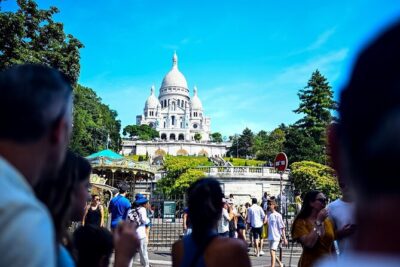
Authentic Parisian Gourmet Food Tour with 10 Local Dishes & Wines
Read our review →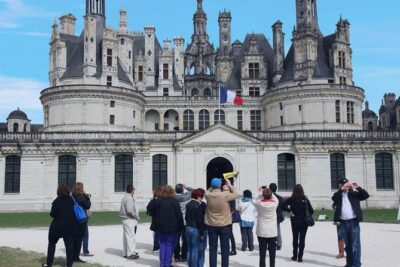
Loire Valley Castles Day Trip from Paris with Complementary Wine
Read our review →
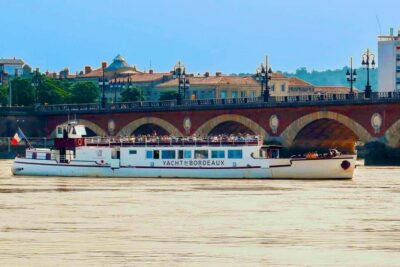
River Garonne Cruise with Glass of Wine and Canelé
Read our review →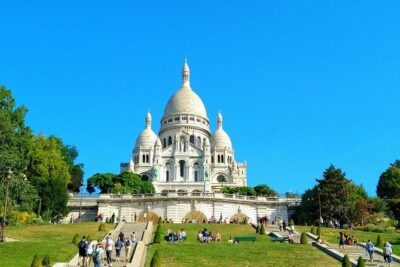
Montmartre Hill French Gourmet Food and Wine Tasting Walking Tour
Read our review →
Montmartre Cheese, Wine & Pastry Guided Walking Tour
Read our review →
Loire Valley Castles Day Trip With Wine Tasting
Read our review →
Afternoon Saint-Emilion Wine Tasting & snack
Read our review →Browse the lists this tour appears in