
Reviewed · WINE TOURS
Discover Burgundy
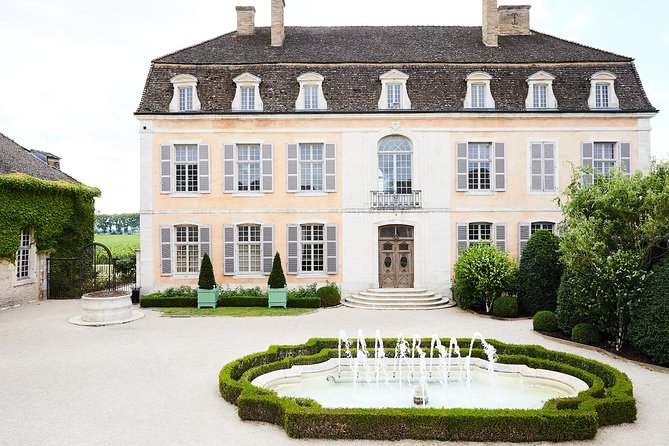
Burgundy wine makes more sense once you understand the soil, labels, and strict vineyard rankings behind each bottle. At Clos Marey-Monge in Pommard, you get a compact lesson in those ideas, followed by a tasting of five Burgundy wines in a group capped at six people.
I like the small format and the focus on biodynamic farming rather than a quick pour-and-buy stop. I also like that wine advisor Xavier has been praised for explaining food pairings and vineyard details clearly. The main drawback is simple: the cellars are closed during renovation, so this is an estate visit and tasting, not a cellar tour.
Key points to know before booking
- Five wines in about 45 minutes: A short session with enough variety to compare Burgundy styles.
- Small group size: No more than six people, which gives you a better chance to ask questions.
- Pommard setting: The experience takes place at Clos Marey-Monge, an organic wine-growing estate at 15 Rue Marey Monge.
- Useful Burgundy basics: You’ll cover appellations, five subregions, classifications, and the UNESCO-recognized Climats.
- A practical tasting lesson: Your wine advisor explains how to taste like a professional and connect wine flavor to terroir.
- No cellar access right now: Renovation changes the visit, so book this for the guided tasting and estate story.
Why this short Pommard tasting is worth your time
At $18, this is an unusually accessible way to get a structured introduction to Burgundy wine. You are not paying for a long meal, a grand museum visit, or an all-day vineyard outing. You are paying for a focused lesson, a guided tasting, and access to an estate setting that would be difficult to understand from a wine shop shelf alone.
The 45-minute length is useful if you are fitting Pommard into a day based in Beaune. It is short enough to pair with another activity, yet long enough to cover the main ideas that make Burgundy confusing at first: appellations, classifications, terroir, farming methods, and regional differences.
I would not choose this as your only Burgundy wine experience if you want a full vineyard day. I would choose it if you want a clear starting point before buying bottles, visiting larger estates, or ordering wine with dinner.
More wine tours in Beaune:
- Burgundy Bike Tour with Wine Tasting from Beaune
★ 5.0 · 674 reviews - Beaune: Wine Tasting at Château de Pommard
★ 4.4 · 277 reviews - From Beaune: Burgundy Day Trip with 14 Wine Tastings
★ 4.8 · 248 reviews
Arriving at Clos Marey-Monge in Pommard
The meeting point is 15 Rue Marey Monge, 21630 Pommard, France. The activity begins and ends there, so you do not need to arrange a separate return transfer as part of the experience.
Pommard is an important name in Burgundy wine, and the location gives the tasting a useful sense of place. You are not simply sitting in a city shop hearing a generic talk about French wine. The session takes place at Clos Marey-Monge, an organic wine-growing estate with seven different vineyard terroirs to discuss.
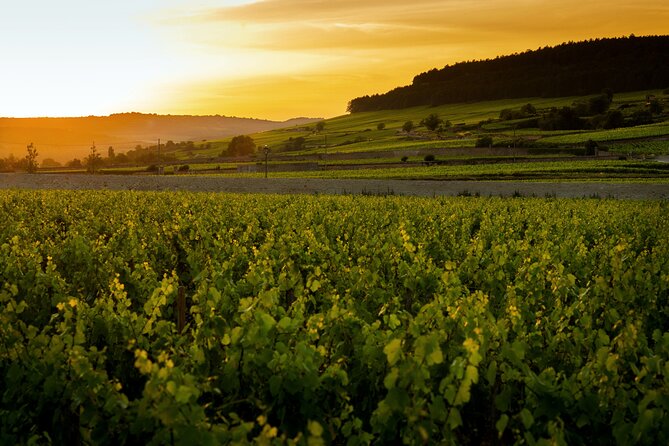
That word, terroir, is central to Burgundy. It refers to the combination of soil, site, farming, climate, and winemaking choices that shape a wine. You will not just hear that one vineyard is different from another. The program is designed to let you taste those differences through the wines themselves.
The setting is one of the experience’s strongest features. The estate connects the ideas on the table to the ground beneath the vines. Just keep your expectations in check: the cellars cannot be visited because of renovation. You will learn about the estate and its wines, but you should not expect a complete behind-the-scenes cellar route.
A compact lesson in Burgundy’s five subregions
Burgundy can seem like a maze of French names and tiny vineyard boundaries. This tasting helps by placing the region into five subregions and explaining what each is known for.
The exact teaching sequence may vary with the wine advisor and the group, but the purpose is clear. You will learn how Burgundy is divided, how local names appear on labels, and why a bottle from one area may taste different from another even when the grape variety is similar.
This is valuable because Burgundy labels often emphasize the place more than the grape. If you are used to choosing wine by grape name alone, the system can feel backwards. The session gives you a framework for reading those labels and understanding why a village, vineyard, or higher classification affects the bottle’s identity and price.
The UNESCO-recognized Climats of Burgundy are part of this discussion. Here, Climats refers to carefully defined vineyard plots with their own names and characteristics. The idea is not just a marketing label. It reflects Burgundy’s long habit of paying close attention to small changes in soil and site.
For a first visit, this regional overview may be more useful than a long list of technical facts. You leave with a map in your head, not just five glasses in front of you.
Tasting five wines from two producers
The centerpiece is a guided tasting of Burgundy wines from Château de Pommard and Famille Carabello-Baum. The experience description calls for five different wines, while the detailed program specifically names four wines from these two producers. Because of that slight difference, I would confirm the exact lineup when booking if the number of pours matters to you.
The important point is comparison. A good Burgundy tasting is not only about deciding which glass you like best. It helps you notice how producer, place, farming, vintage, and winemaking can affect aroma, texture, acidity, and finish.
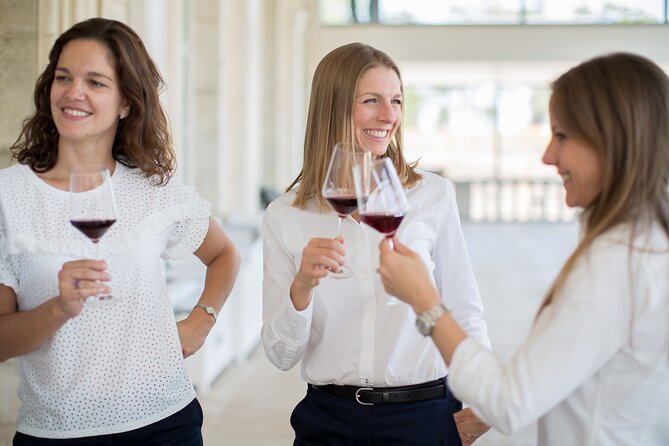
Your guide shows you how to taste with more purpose. You can expect instruction on looking at the wine, smelling it, taking a sip, and considering its structure rather than simply asking if it tastes good. That approach is useful for beginners because it replaces guesswork with a few simple habits.
The tasting also includes advice on food pairings. Xavier has been specifically praised for explaining how the wines work with food, which is practical help if you plan to order Burgundy at a restaurant later in your trip.
Do not expect a full meal with the tasting. The included elements are the guide and the wine tasting. Food, transportation, and other extras are not listed as part of the price.
Same base, a different kind of day:
- Burgundy Grand Crus Route Day Tour – 14 Wines Tastings in Domains
★ 5.0 · 223 reviews - Beaune: Maison Champy Guided Cellar Tour with Wine Tasting
★ 4.7 · 213 reviews - Private excursion to Côte de Beaune and Côte de Nuits (full day)
★ 5.0 · 166 reviews - Skip the Line: Abbaye de Fontenay Admission Ticket
★ 4.5 · 117 reviews
Understanding organic and biodynamic farming
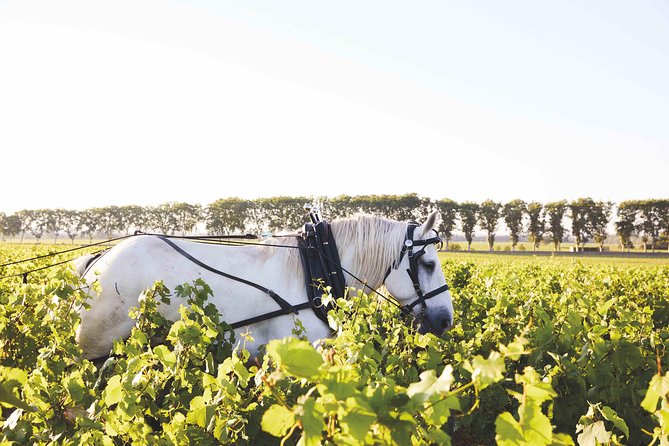
Clos Marey-Monge is described as an organic wine-growing estate, and the program also introduces biodynamic winemaking techniques. This gives the visit a wider purpose than tasting finished bottles.
Organic farming and biodynamic farming are related, but they are not identical terms. The session is meant to explain how the estate approaches the vines and why those methods matter. You can ask the wine advisor how farming choices affect grape health, soil, and the final wine.
The value here is practical. Farming language appears on wine websites, estate brochures, and bottle descriptions, but it can be difficult to tell what it means in real terms. Seeing the subject connected to one estate makes the idea easier to follow.
You will also hear about the seven different terroirs within Clos Marey-Monge. That is a useful detail because it shows how much variation can exist within one estate. Instead of treating Pommard as one single flavor, the tasting explores how separate vineyard sites may express themselves differently.
This part will appeal most to you if you are curious about sustainable agriculture or want to understand why Burgundy producers talk so much about soil. If you only want a casual drink and a view, the farming discussion may feel more technical.
Burgundy classifications without the confusion
Burgundy’s classification system is one of the main reasons its wines can seem intimidating. The experience covers the classifications and explains how they relate to vineyards and appellations.
You can expect to hear about the hierarchy used to distinguish broad regional wines, village wines, premier cru wines, and grand cru wines. The exact details are best learned from the guide in context, especially because Burgundy’s rules are tied closely to specific places.
This lesson matters when you compare prices. Two bottles may use a similar grape and come from nearby areas, yet carry very different labels and price tags because their vineyard status differs. Understanding the classification helps you decide when a higher price reflects a meaningful difference for your taste and when a village-level bottle may offer better value.
The small group limit helps here. With no more than six people, you should have room to ask the question that many wine introductions skip: what should I actually buy? The answer will depend on your budget and palate, but the guide can help you connect classification to real purchasing decisions.
What the 45-minute schedule feels like
The experience is brief and focused. A likely flow is an introduction to Burgundy and its history, a discussion of the region’s five subregions, an explanation of the estate and its farming approach, and then the guided tasting.
The program also covers the seven Clos Marey-Monge terroirs and the main Burgundy classifications. That is a lot for 45 minutes, so you should expect a brisk pace rather than a slow, leisurely seminar.
I see that as both a strength and a limitation. The short format protects you from spending half a day on material you may not need. It also makes the activity easy to fit between meals, walks, and other visits in the Beaune area.
On the other hand, you will not have unlimited time to explore every topic. If your main interest is biodynamics, you may want to use the tasting to ask focused questions rather than waiting for every detail to appear in the presentation.
The experience ends back at the meeting point. Since the cellar is closed during renovation, the visit is best understood as an estate-based education and tasting rather than a full production tour.
The value of a six-person group
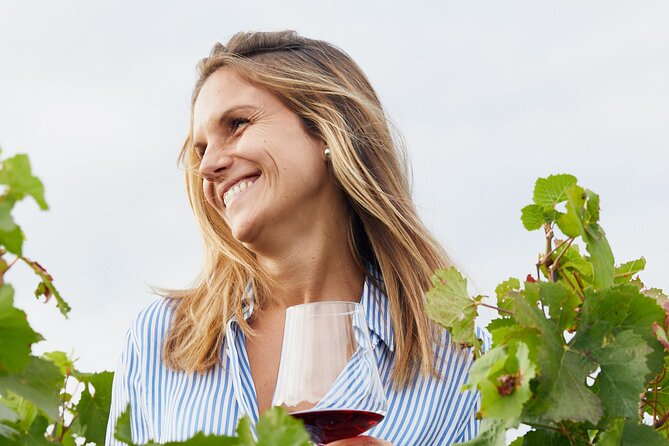
A maximum of six people is one of the best practical features here. Wine explanations can become passive in a large group, especially when you are trying to smell and compare several glasses at once. A small group makes it easier to hear the guide and ask about labels, flavors, or food.
It also gives the session a more personal feel without turning it into an expensive private appointment. One person has even described receiving a solo visit with Xavier, though you should not assume you will have the same arrangement.
Xavier has been singled out for his clear explanations of the vineyard, wines, and food pairings. Marie, at the front desk, has also been helpful with dinner arrangements. That suggests the staff can be useful beyond the formal tasting, although dinner reservations are not part of the tour itself.
The small group does not guarantee that every question will receive a long answer. The session remains only 45 minutes. Still, it is a better setup than a crowded tasting room if you want direct contact with the wine advisor.
Who will enjoy this experience most
I would recommend this for first-time Burgundy visitors who want a simple introduction before making more serious wine plans. It also suits couples and small groups who prefer a quiet, organized tasting to a large commercial presentation.
Wine buyers will get practical value from the classification and terroir discussion. The tasting can help you understand what you are paying for, compare producers, and make more informed choices about bottles to ship home. Wine shipping is available through the estate, with fees described as reasonable in the supplied information, but shipping arrangements are not included in the tour price.
This is also a good option for people who care about organic and biodynamic farming. You will hear how those ideas connect to the estate rather than encountering them as vague labels.
Families can look into combining the visit with the Jeunesse Experience, which gives children a way to learn about the grape’s journey while adults taste wine. The available information does not give the children’s program length or price, so check those details separately.
I would be less likely to recommend this to someone seeking a full cellar visit, a long vineyard walk, or a substantial food pairing. The current renovation removes the cellar portion, and the session is built around education and tasting rather than a full estate-day format.
Practical details, price, and cancellation
The price is $18 per person, which I consider strong value for five wines, a professional guide, and a small group setting. Even if you know a little about wine, the chance to compare several Burgundy examples while asking questions can justify the cost.
The stated duration is approximately 45 minutes. Wear whatever is comfortable for a short estate visit, and plan your schedule around the fixed meeting point in Pommard.
Confirmation is provided at booking. Service animals are allowed, and most people can participate. The group maximum is six, which is worth checking if you are booking for a larger party.
Free cancellation is available if you cancel at least 24 hours before the local start time. Cancellations made within 24 hours are not refunded, and changes during that period are not accepted.
Should you book Discover Burgundy?
Book it if you want a clear, affordable introduction to Burgundy wine with enough tasting variety to make the lesson concrete. The small group, estate setting, biodynamic farming discussion, and guidance from staff such as Xavier give the 45-minute visit more substance than a basic tasting flight.
Think twice if cellar access is essential to you. Renovation means you will not see the cellars, and the short format cannot cover every corner of Burgundy’s wine culture.
For most visitors staying in or around Beaune, I would treat this as a smart first step. It gives you the vocabulary and tasting habits to get more from later meals, wine shops, and vineyard visits, all for $18 and less than an hour of your day.
FAQ
Where does Discover Burgundy begin?
The experience begins at 15 Rue Marey Monge, 21630 Pommard, France.
How long does the experience last?
The tasting and guided experience lasts approximately 45 minutes.
How many people can join the group?
The activity has a maximum of six participants.
How many wines are included?
The experience description states that you will sample five different Burgundy wines. The detailed program names wines from Château de Pommard and Famille Carabello-Baum.
Can I visit the cellars?
No. The cellars cannot be visited because they are undergoing renovation.
What is the cancellation policy?
You can cancel at least 24 hours before the local start time for a full refund. Cancellations or changes made within 24 hours are not accepted and are not refunded.
Just added in Beaune
- Private Wine Tasting Tour – Burgundy Uncorked!!★ 5.0 · 74 reviews
- Visit of our 15th century cellars★ 5.0 · 57 reviews
- Private excursion to Côte de Beaune and Côte de Nuits (full day)★ 5.0 · 166 reviews
- Visit-Tasting-Sale★ 5.0 · 87 reviews
- Private Guided Sidecar Tour in Burgundy from Meursault★ 5.0 · 31 reviews
- Private Tasting in Beaune : The Best of Burgundy Wines★ 5.0 · 66 reviews
- Discovery of the world of Truffles and tasting★ 4.5 · 66 reviews
- Full-Day Private Tour, 6 Premiers & Grands Crus, The Best of Burgundy★ 5.0 · 50 reviews
Wine Tours, compared.
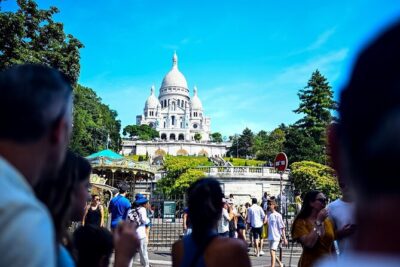
Authentic Parisian Gourmet Food Tour with 10 Local Dishes & Wines
Read our review →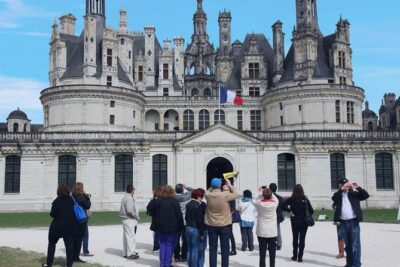
Loire Valley Castles Day Trip from Paris with Complementary Wine
Read our review →
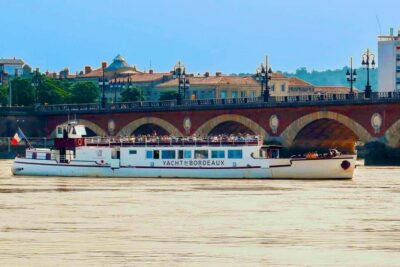
River Garonne Cruise with Glass of Wine and Canelé
Read our review →
Montmartre Hill French Gourmet Food and Wine Tasting Walking Tour
Read our review →
Montmartre Cheese, Wine & Pastry Guided Walking Tour
Read our review →
Loire Valley Castles Day Trip With Wine Tasting
Read our review →
Afternoon Saint-Emilion Wine Tasting & snack
Read our review →Browse the lists this tour appears in