
Reviewed · TOURS IN BEAUNE
Skip the Line: Abbaye de Fontenay Admission Ticket
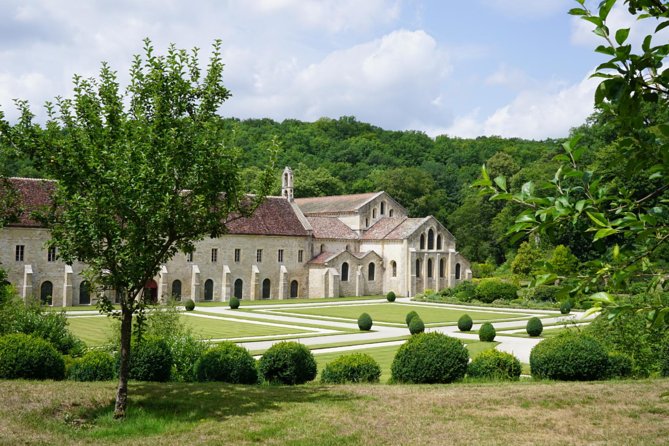
Fontenay Abbey gives you something rare in Burgundy: a chance to see a nearly complete medieval Cistercian complex without the noise and bustle of a major city attraction. Founded in 1118 by Saint Bernard of Clairvaux, it still has its church, dormitory, cloister, chapter room, common room, and forge.
I like the quiet, uncluttered setting, where the old stone rooms make more sense because you can pause and listen to the silence. I also like the family care behind the site. The same family has owned and preserved the abbey since 1820, and that long effort is visible in the careful restoration. The main drawback is practical: transportation is not included, and the abbey sits outside Beaune, so you must arrange your own way there.
Key points to know before you go
- Founded in 1118 by Saint Bernard of Clairvaux, Fontenay is the oldest preserved Cistercian abbey in the world.
- The original Romanesque buildings remain, including the church, cloister, dormitory, chapter room, common room, and forge.
- Your ticket includes the gardens and lapidary museum, not just the central abbey buildings.
- The visit usually takes one to two hours, though the peaceful grounds may tempt you to stay longer.
- Admission costs about $13.91 per person, a fair price for access to a UNESCO World Heritage site and its surrounding estate.
- The ticket is for entry rather than a scheduled guided tour, though a passionate history guide may be available at the site.
Why Fontenay Abbey feels different
Many historic buildings are impressive because of their size or decoration. Fontenay works in the opposite way. Its power comes from restraint.
The Cistercian order valued prayer, work, simplicity, and separation from worldly distractions. That ideal shaped the architecture. You will not find a church overloaded with bright decoration or grand royal memorials. Instead, you see clean Romanesque lines, solid stone, plain surfaces, and rooms designed for a disciplined communal life.
That simplicity makes the visit unusually calm. In the church and dormitory, even a small group can feel quiet. If you arrive at a less busy moment, you may find yourself nearly alone in these large spaces. That is one of the best reasons to visit in person. Photographs show the building, but they do not show how the lack of noise changes your sense of time.
Fontenay was recognized as a French historic monument in 1862 and added to the UNESCO World Heritage list in 1981. It was among the first French monuments to receive that distinction. The honor reflects both the quality of the architecture and the survival of the wider setting.
Other trips people book in Beaune:
- Burgundy Bike Tour with Wine Tasting from Beaune
★ 5.0 · 674 reviews - Beaune: Wine Tasting at Château de Pommard
★ 4.4 · 277 reviews - From Beaune: Burgundy Day Trip with 14 Wine Tastings
★ 4.8 · 248 reviews
Walking through the church and medieval rooms
Your visit begins with the heart of the complex, the Abbey Church. Its Romanesque architecture is not flashy, and that is exactly the point. The clean form lets you focus on proportion, stonework, and the way light enters the building.
Give yourself time here before moving on. The church is one of the places where Fontenay’s spiritual purpose is easiest to understand. You can picture monks gathering for worship, then returning to a life shaped by a strict daily rhythm.
From the church, the visit continues through the buildings that supported that rhythm. The dormitory is especially important because it helps you picture the community as a working institution rather than a single beautiful church. The large, simple room gives a direct sense of how the monks lived together.
The cloister provides a different mood. Its covered walks frame the central open area and create a natural route from one part of the abbey to another. This is a good place to slow down. Look at how the architecture repeats, how the stone surfaces change with the light, and how the enclosed design keeps the outside world at a distance.
The chapter room and common room add more practical context. These were not decorative extras. They were part of the daily organization of the community, and seeing them together helps you understand how the abbey functioned.
You should expect to spend about one to two hours on the full visit. That is enough time for a focused walk through the main buildings, but not so much that you need to plan an entire day around the abbey. If you like old architecture, gardens, or religious history, you may want to linger longer.
The forge and Fontenay’s working life
The forge is one of the most interesting parts of the site because it widens the story beyond prayer and architecture. The monks and later occupants needed tools, heat, and practical systems to maintain the estate. The forge points to the physical labor that supported the abbey’s spiritual life.
After the French Revolution, the monks left and Fontenay was converted to industrial use. That change could have destroyed the medieval complex, but in this case the industrial period helped preserve the Romanesque buildings. The church, dormitory, cloister, chapter room, common room, and forge survived.
That is a useful reminder that historic places do not always survive in a perfectly untouched state. Fontenay remained intact partly because it was put to another purpose. You can read the site as both a monastery and a working industrial property.
The forge also gives your visit some balance. If you only see the church and cloister, you might leave with a romantic picture of monastic life. The working areas show the effort behind the quiet. Medieval spirituality depended on food, tools, repairs, water, heating, and labor.
The gardens and 1,200-hectare valley
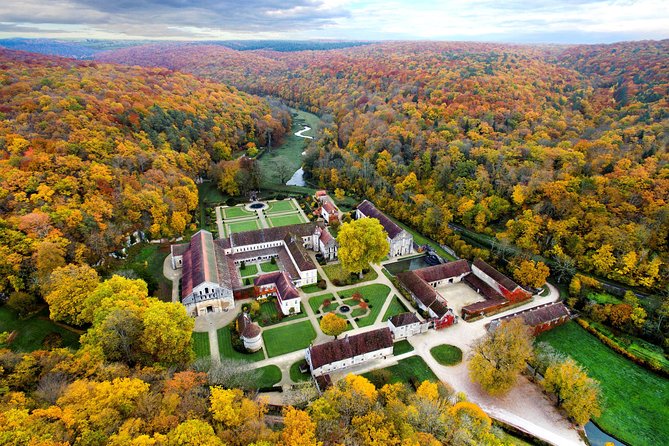
Admission includes the gardens, so do not rush away after seeing the buildings. The property lies in a fully preserved valley extending over 1,200 hectares. You are not simply visiting a few old rooms surrounded by modern development.
The garden received the designation Remarkable Garden from France’s National Council of Parks and Gardens in 2004. That recognition matters because the grounds are part of the experience, not a minor extra.
The gardens give you a chance to reset after the darker stone interiors. Walk at an easy pace and let the setting connect the abbey to its natural surroundings. The valley helps explain why this place worked for a religious community. Its distance from urban noise supports the sense of withdrawal that the Cistercians sought.
I would plan the visit so you have time outside, even if architecture is your main interest. The grounds offer a different view of the property’s scale, and they make the abbey feel like a complete estate rather than an isolated monument.
The word quiet is important here. Fontenay is not presented as a high-energy attraction with constant entertainment. Its appeal is calm, order, and space. If you want lively interpretation, frequent activities, or a packed schedule, you may find the visit too subdued. If you want a place where the setting does much of the talking, it is a strong choice.
Same base, a different kind of day:
- Burgundy Grand Crus Route Day Tour – 14 Wines Tastings in Domains
★ 5.0 · 223 reviews - Beaune: Maison Champy Guided Cellar Tour with Wine Tasting
★ 4.7 · 213 reviews - Private excursion to Côte de Beaune and Côte de Nuits (full day)
★ 5.0 · 166 reviews - Beaune: Winery Tour by Bike with Wine Tasting
★ 4.5 · 116 reviews
What the private ownership means for your visit
The same family has owned Fontenay since 1820. That is an unusual stretch of continuity, and it explains why preservation is central to the experience.
You can see the result in the condition of the buildings and the careful restoration. The work has taken several generations, not a single renovation project. That long approach has helped keep the site coherent. The abbey does not feel like a collection of disconnected ruins.
Private ownership also means the admission fee supports access to a property that requires ongoing care. At about $13.91 per person, the price is modest for a UNESCO-listed site with several original buildings, gardens, and a museum. It is particularly good value if you plan to spend the full one to two hours there.
The price does not cover food, drinks, or transportation. You need to budget separately for getting to and from the abbey. Public transportation is nearby, according to the provided details, but no specific route or service is included, so check your own transport plan before setting out.
Paper ticket, small groups, and timing
The booking provides a paper ticket and confirmation at the time of booking. The experience is offered in English, but the ticket itself is admission rather than a guaranteed guided tour.
A maximum of 15 participants is listed for the activity. That is a relatively small number, although the open nature of a self-guided admission visit means you may not move around as one group. The intimate scale suits Fontenay well. You want room to pause in the church, cloister, or dormitory without feeling swept along.
The site is open every day during the stated periods. From November 12, 2025, through March 31, 2026, hours are 10 a.m. to noon and 2 p.m. to 5 p.m. The two-hour midday closure matters, so do not arrive just before noon expecting to continue through lunch.
From April 1 through November 11, 2026, the hours are 10 a.m. to 6 p.m. The longer summer schedule gives you more flexibility, especially if you are combining Fontenay with other Burgundy sights.
The experience is booked on average 17 days ahead. That does not mean you must reserve exactly that early, but it is a useful signal for planning. If Fontenay is important to your itinerary, pre-booking avoids leaving the visit to chance.
Who will enjoy this admission ticket most
I would recommend Fontenay to anyone who likes medieval architecture, religious history, gardens, or quiet cultural sites. It also works well for people who prefer to explore at their own pace rather than follow a tightly timed tour.
Families can participate, since most people can take part, but the site’s main appeal is visual and historical rather than hands-on. Children who enjoy old buildings may like the forge and the scale of the dormitory. Younger children may need help appreciating the silence and plain design.
The abbey also suits a slower Burgundy itinerary. You do not need to spend a full day here, but it rewards an unhurried morning or afternoon. Pairing it with another stop in the region can make good use of your day, provided you account for transport and the seasonal hours.
I would be less enthusiastic if you want a fully guided history lesson included in the ticket. A passionate guide may be available, and one guided visit has been described as especially engaging, but a named guide and a guaranteed guided time are not provided. Treat this as an admission ticket first.
The main strengths and the few limits
The strongest feature is the condition of the site. You see a rare group of medieval buildings together rather than one surviving fragment. The architecture, gardens, and valley also work as one experience.
The second strength is the mood. Fontenay gives you space to notice details. In the church and dormitory, the silence can be almost as memorable as the stonework. That calm is not accidental. The site was designed for contemplation, and the setting still supports it.
The main limitation is access. Transportation is not part of the price, and the information provided does not give a transfer service or detailed route. You must organize that piece yourself.
The other limitation is that the ticket does not promise a guide. If interpretation is important to you, check what is available when you arrive. The buildings are clear enough to appreciate without a guide, but background about Cistercian life can make the rooms more meaningful.
Free cancellation is available until 24 hours before the start time. Canceling later does not qualify for a refund, and changes made within that period are not accepted. The cut-off follows local time.
Should you book Fontenay Abbey?
Yes, if you value preserved architecture, quiet surroundings, and a visit that feels grounded rather than staged. For about $13.91, you receive access to the church, dormitory, cloister, chapter room, common room, forge, gardens, and lapidary museum. That is a good price for a site with UNESCO status and nearly nine centuries of continuity.
Book it if you are already planning a Burgundy route and can handle your own transportation. Arrive with enough time to see both the buildings and gardens, and check the seasonal hours carefully.
Skip it only if you want a guided, high-energy attraction with included transport. Fontenay asks you to slow down. For the right kind of visitor, that is precisely its reward.
FAQ
What is included with the Fontenay Abbey ticket?
The ticket includes admission to Fontenay Abbey, its gardens, and the lapidary museum.
How much does admission cost?
The listed price is $13.91 per person.
How long does the visit take?
The visit takes approximately one to two hours.
Is transportation included?
No. Transportation to and from the abbey is not included.
Are food and drinks included?
No. Food and drinks are not included.
Is this a guided tour?
The ticket provides admission rather than a guaranteed guided tour. The experience is offered in English, and a passionate guide may be available at the site, but no guide’s name or scheduled guiding time is provided.
What buildings can I see at Fontenay Abbey?
You can visit the Abbey Church, dormitory, cloister, chapter room, common room, and forge.
Are the gardens included?
Yes. Admission includes the gardens, which were designated a Remarkable Garden in 2004.
When is Fontenay Abbey open?
From November 12, 2025, through March 31, 2026, it is open daily from 10 a.m. to noon and 2 p.m. to 5 p.m. From April 1 through November 11, 2026, it is open daily from 10 a.m. to 6 p.m.
Can I cancel for a full refund?
Yes, if you cancel at least 24 hours before the experience start time. Cancellations or changes made less than 24 hours in advance are not refunded or accepted.
Just added in Beaune
- Private Wine Tasting Tour – Burgundy Uncorked!!★ 5.0 · 74 reviews
- Visit of our 15th century cellars★ 5.0 · 57 reviews
- Private excursion to Côte de Beaune and Côte de Nuits (full day)★ 5.0 · 166 reviews
- Visit-Tasting-Sale★ 5.0 · 87 reviews
- Private Guided Sidecar Tour in Burgundy from Meursault★ 5.0 · 31 reviews
- Private Tasting in Beaune : The Best of Burgundy Wines★ 5.0 · 66 reviews
- Discovery of the world of Truffles and tasting★ 4.5 · 66 reviews
- Full Day Private Tour 10 Premiers & Grands Crus, The Best of Burgundy★ 5.0 · 36 reviews
Tours in Beaune, compared.
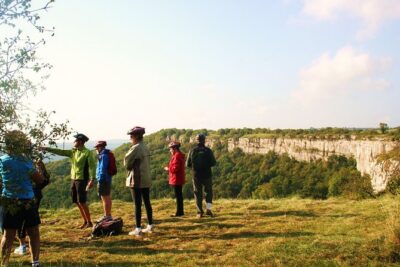
Burgundy Bike Tour with Wine Tasting from Beaune
Read our review →
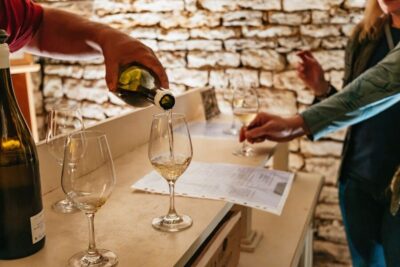

Burgundy Grand Crus Route Day Tour – 14 Wines Tastings in Domains
Read our review →
Maison Champy Guided Cellar Tour with Wine Tasting
Read our review →
Private excursion to Côte de Beaune and Côte de Nuits (full day)
Read our review →
Browse the lists this tour appears in