
Reviewed · WINE TOURS
Visit of our 15th century cellars
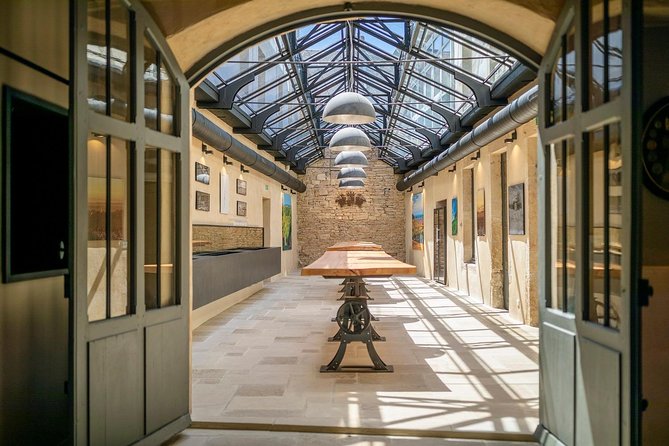
Maison Champy gives you something many Burgundy wine visits cannot: a historic cellar beneath one of the region’s oldest wine estates. Founded in 1720, the house occupies a central spot in Beaune and combines old stone cellars with a building inspired by the Eiffel School, now protected as a Historic Monument.
I like the small group limit of eight, which gives the visit a more personal feel than a large coach tour. I also like the balance between place and wine: you learn about Burgundy’s past, then connect that story to bottles from Maison Champy’s 21 hectares of vineyards, including famous Grand Crus such as Corton-Charlemagne.
The main thing to consider is the short format. At about 90 minutes, this is a focused introduction rather than a full-day wine program. You will get a cellar visit and tasting, but not a broad tour of Burgundy’s vineyards or several separate estates.
Key points to know before booking
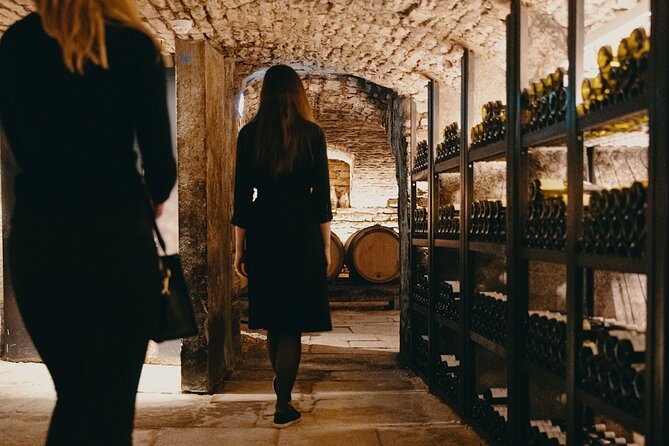
- 15th-century cellars in central Beaune: The historic underground setting is the heart of the visit, with a sense of place that a standard tasting room cannot match.
- Maison Champy dates to 1720: You are visiting Burgundy’s first established wine estate, with centuries of connection to the region.
- Small groups of up to eight: The limited size should make it easier to ask questions and follow the guide’s explanation.
- English-language visit: Guides including Mathis, Mathias, and Cyriane have led clear, patient tours in English.
- Grand Cru and organic-farming focus: Maison Champy produces wines from 21 hectares, including Corton-Charlemagne, and farms a large part of its vineyards organically.
- A practical 90-minute stop: The visit fits neatly into a day in Beaune and costs $30.17 per person, with free cancellation up to 24 hours before the start time.
Entering Maison Champy, Burgundy’s first wine estate
Maison Champy was founded in 1720, making it the first wine estate established in Burgundy. That date matters because Burgundy wine can feel like a maze of names, vineyard parcels, classifications, and traditions. A visit to an old estate gives you a fixed point from which to understand the region.
You are not simply stopping for a glass of wine in a modern shop. The property includes historic cellars and a building inspired by the Eiffel School. Both are listed as Historic Monuments, so the architecture is part of the experience, not just a backdrop for the tasting.
The central Beaune location is useful for anyone building a walking day around the town. The experience is near public transportation, and the mobile ticket makes arrival simple. The available information does not give a precise meeting point beyond Maison Champy itself, so check the booking details carefully before setting out.
I would place this visit early in your Beaune stay if you are new to Burgundy wine. The explanations can help you make sense of later tastings, restaurant wine lists, and bottle labels. If you already know Burgundy well, the historic cellars and the estate’s Grand Cru focus may be the stronger reason to come.
More wine tours in Beaune:
- Burgundy Bike Tour with Wine Tasting from Beaune
★ 5.0 · 674 reviews - Beaune: Wine Tasting at Château de Pommard
★ 4.4 · 277 reviews - From Beaune: Burgundy Day Trip with 14 Wine Tastings
★ 4.8 · 248 reviews
The 15th-century cellars are the main event
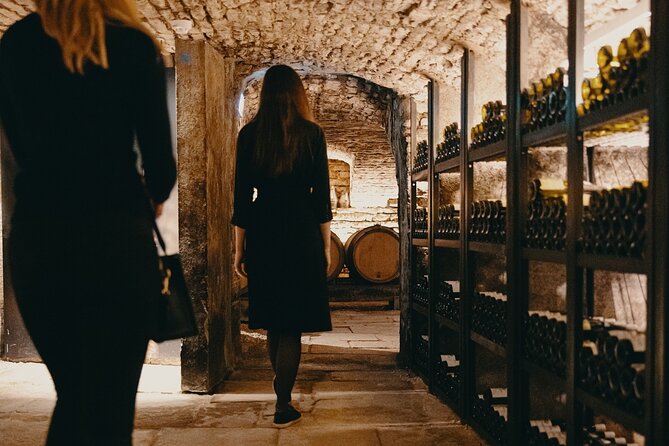
The cellar visit gives the tour its character. Fifteenth-century spaces carry a physical sense of age that no slideshow can copy. Stone, low light, and old storage areas help you understand why Beaune became such an important wine center, even though the supplied details do not specify the cellar’s exact layout or depth.
You should expect the guide to connect the cellar with the way Burgundy wine is made and stored. The teaching is not limited to Maison Champy alone. It also covers differences among wines from the region, a point that visitors have found especially useful when they are just starting to learn about Burgundy.
That makes this a good choice for a first wine experience in Beaune. You do not need to arrive with a vocabulary of appellations or a working knowledge of French wine law. The guides Mathis and Mathias have been described as patient, while Cyriane has led an English-language explanation of Maison Champy’s history and Burgundy’s wine differences.
The cellar is also where the visit feels most authentic. You are surrounded by the actual setting connected to the estate, rather than being given a generic regional presentation. Still, keep your expectations in check. The tour lasts about an hour and a half, so the cellar discussion has to stay selective.
Understanding Maison Champy’s 21 hectares
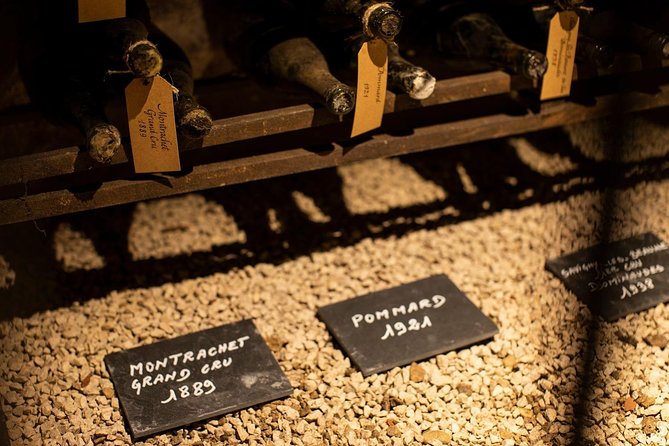
Maison Champy owns 21 hectares of vineyards on the Côte de Beaune. That gives the tasting a useful range, since the wines come from multiple parcels rather than one small plot alone.
Burgundy’s identity is closely tied to the idea of terroir, the relationship between a vineyard site, its soil, its exposure, and the wine made from its grapes. The tour presents Maison Champy’s wines through that regional lens. You are encouraged to notice how wines from Burgundy differ, rather than treating every bottle as simply another version of the same product.
The estate is particularly known for Grand Crus such as Corton-Charlemagne. That name will appeal to serious Burgundy fans, but it is also useful for beginners because it gives you a reference point. You can taste a wine connected to one of the region’s most respected classifications and then ask the guide how it relates to other bottles in the estate’s range.
The details provided do not promise that every tour includes Corton-Charlemagne in the tasting. That is important. The estate is recognized for Grand Cru wines, but the exact wines served can vary. If a specific bottle matters to you, ask Maison Champy before booking rather than assuming it will appear.
Organic farming and the story behind the bottle
A large part of Maison Champy’s vineyards is cultivated using organic-farming methods. The aim is to preserve and enhance the character of the estate’s vineyard parcels, and this gives the tour a current farming angle alongside its historic setting.
I appreciate that combination. Burgundy wine can sometimes be presented only as an old tradition, but farming choices shape what happens in the bottle today. Learning that Maison Champy uses organic methods across a large part of its vineyards helps you connect the old cellars with modern concerns about soil, vineyard health, and the expression of individual parcels.
The information does not say that all 21 hectares are organic, so you should not assume that every vineyard is farmed in exactly the same way. The wording is more limited: a large part of the vineyards uses organic methods. That distinction is worth keeping in mind if organic certification is a deciding factor for you.
The guide’s role is especially important here. This is not presented as a technical farming course. Instead, the organic approach forms part of a wider explanation of how Maison Champy protects the character of its sites. For most people, that is enough detail for a tasting visit without turning the hour into a lecture.
Same base, a different kind of day:
- Burgundy Grand Crus Route Day Tour – 14 Wines Tastings in Domains
★ 5.0 · 223 reviews - Beaune: Maison Champy Guided Cellar Tour with Wine Tasting
★ 4.7 · 213 reviews - Private excursion to Côte de Beaune and Côte de Nuits (full day)
★ 5.0 · 166 reviews - Skip the Line: Abbaye de Fontenay Admission Ticket
★ 4.5 · 117 reviews
A tasting that works for beginners and Burgundy fans
The tasting follows the cellar and history portion, giving you a chance to put the explanation into practice. You learn first about Maison Champy, the region, and the differences among Burgundy wines. Then you taste wines with that context in mind.
That order is helpful. Without context, a Burgundy tasting can become a parade of unfamiliar names and expensive labels. After the cellar visit, you have a better framework for considering the wines and asking why one bottle differs from another.
The tasting is also praised for quality, but the available details do not list the number of pours, the exact labels, or the amount of wine served. You should think of the tasting as an introduction to Maison Champy’s range, not a guaranteed survey of every appellation or Grand Cru.
This matters for the price. At $30.17 per person, the visit is more than a quick retail tasting, but it is not priced like a full winery day with transport and multiple estates. You are paying for the historic setting, the guide’s explanation, and the wine tasting in one compact experience.
I see good value here for anyone who wants a well-organized first step into Burgundy. The value is less clear for a collector who wants a highly specialized tasting list confirmed in advance. That person should contact the estate before booking.
What the guides add to the experience
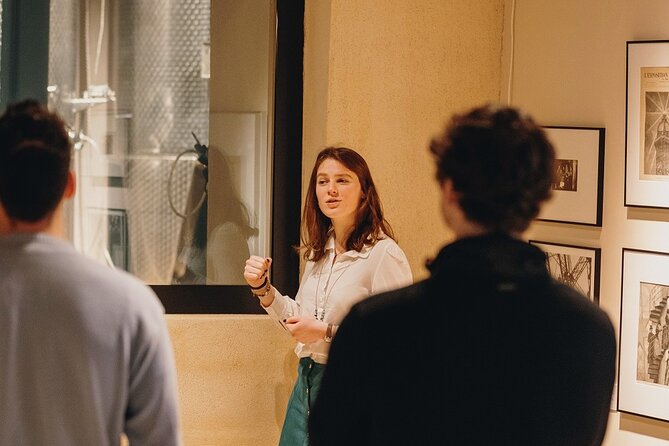
The human side of this visit appears to be one of its strongest features. Mathis, also identified as Mathias, is described as helpful and patient. Cyriane has guided the experience in English and explained both Maison Champy’s story and the differences among Burgundy wines.
That matters because wine tours can easily become too fast or too technical. A patient guide gives you room to ask basic questions without feeling out of place. If you are starting your Beaune visit here, you can use the opportunity to ask about terms you will see again during the rest of your trip.
The small group size helps. With a maximum of eight people, you are not lost in a crowd or dependent on a recorded audio presentation. The group may be smaller still, especially outside busy periods. A previous booking had only four people, creating a particularly personal visit.
You should not treat the named guides as a guarantee for every departure. Staff schedules can change. Still, the fact that Mathis, Mathias, and Cyriane are associated with the tour gives you a useful sense of the style to expect: clear English, patience, and attention to questions.
The Eiffel School building and the Pasteur connection
Maison Champy’s architectural story adds another layer to the visit. The building is inspired by the Eiffel School and is listed as a Historic Monument. This makes the property more than a cellar entrance. You are also seeing a protected piece of Beaune’s built heritage.
The historical angle includes a connection to Pasteur, mentioned alongside the Eiffel story in the description of the experience. The supplied details do not explain the exact nature of that connection, so I would treat it as an interesting thread to ask about rather than arrive expecting a full Pasteur presentation.
That is a good general approach to the tour. Let the guide fill in the details that interest you. The visit works best when you treat it as a conversation about a place, a producer, and a wine region, not as a checklist of every famous name connected with Burgundy.
Architecture fans and history-minded visitors may enjoy this part as much as the wine. If your only goal is to taste as many wines as possible, the historic building and cellar tour will take time that could otherwise be spent at a specialist tasting bar.
Timing, group size, and practical value
The experience lasts approximately 1 hour and 30 minutes. That is long enough to give the cellar and tasting proper attention, but short enough to fit between other Beaune plans.
You can combine it with a day exploring central Beaune, since Maison Champy is located in the heart of town and is near public transportation. The data does not specify exact walking times from the train station or other sights, so allow yourself enough time to find the entrance and arrive without rushing.
The mobile ticket is convenient, especially if you are moving around Burgundy with a phone rather than printing every reservation. Confirmation is provided at booking, and most people can participate. No special fitness requirement is stated, though the experience takes place in historic cellars, so anyone with personal mobility concerns should check directly with Maison Champy before reserving.
The group limit of eight is a real advantage. A small group lets you hear the guide more easily and makes it more natural to ask about wine styles, farming, and the estate’s history. It also means availability can be tighter than at a large commercial tasting, so booking around 11 days ahead is a sensible planning guide.
Free cancellation is available if you cancel at least 24 hours before the local start time. Changes or cancellations made inside that window are not accepted for a refund. That policy gives you flexibility, but only if you make decisions early.
Who will enjoy Maison Champy most
I would recommend this tour to you if you fit one of these profiles:
- You are visiting Beaune for the first time and want a clear introduction to Burgundy wine.
- You care about historic places as much as the tasting itself.
- You prefer a small group to a large commercial wine visit.
- You want an English-language explanation without committing to a full-day excursion.
- You are curious about Grand Cru wines, terroir, and organic vineyard work.
- You have only a short window in Beaune but still want more than a quick glass at a bar.
You may want something else if you are looking for vineyard transport, several producers, a full meal, or a detailed comparison of many appellations. None of those are included in the information provided. Maison Champy is a single-estate visit, not a complete tour of the Côte de Beaune.
Families and mixed-interest groups may also find the format useful because the historic architecture gives non-wine enthusiasts something to focus on. The experience is not presented as a family program, however, so confirm any age-related questions directly with the provider.
Should you book this Beaune cellar visit?
I would book Maison Champy if you want a compact, place-based introduction to Burgundy wine. The 15th-century cellars, protected architecture, small group size, and English-language guidance give the visit more substance than a basic tasting counter.
At $30.17 per person, the value depends on what you want from a wine experience. For a first look at Maison Champy and Burgundy, the combination of history, cellar, explanation, and tasting is persuasive. For serious collectors seeking a guaranteed Grand Cru lineup, confirm the tasting selection first.
Book it early if the timing suits your Beaune plans, especially since the group is capped at eight. If you can spare 90 minutes and want to understand the place behind the wine, this is a sensible addition to your Burgundy itinerary.
FAQ
Where does the experience take place?
The visit takes place at Maison Champy in the heart of Beaune, France.
How long does the tour last?
The experience lasts approximately 1 hour and 30 minutes.
How much does the tour cost?
The listed price is $30.17 per person.
Is the tour offered in English?
Yes. The experience is offered in English.
How many people can join the tour?
The tour has a maximum group size of eight people.
What will I see at Maison Champy?
You will visit Maison Champy’s historic 15th-century cellars and see a building inspired by the Eiffel School. Both are listed as Historic Monuments.
Will I taste Grand Cru wine such as Corton-Charlemagne?
Maison Champy is recognized for Grand Cru wines including Corton-Charlemagne, but the available information does not guarantee that a particular Grand Cru will be included in your tasting.
Can I cancel for a refund?
Yes. You can cancel for a full refund up to 24 hours before the experience’s local start time. Cancellations or changes made less than 24 hours before the start are not accepted for a refund.
Just added in Beaune
- Private Wine Tasting Tour – Burgundy Uncorked!!★ 5.0 · 74 reviews
- Private excursion to Côte de Beaune and Côte de Nuits (full day)★ 5.0 · 166 reviews
- Visit-Tasting-Sale★ 5.0 · 87 reviews
- Private Guided Sidecar Tour in Burgundy from Meursault★ 5.0 · 31 reviews
- Private Tasting in Beaune : The Best of Burgundy Wines★ 5.0 · 66 reviews
- Discovery of the world of Truffles and tasting★ 4.5 · 66 reviews
- Full-Day Private Tour, 6 Premiers & Grands Crus, The Best of Burgundy★ 5.0 · 50 reviews
- Full Day Private Tour 10 Premiers & Grands Crus, The Best of Burgundy★ 5.0 · 36 reviews
Wine Tours, compared.
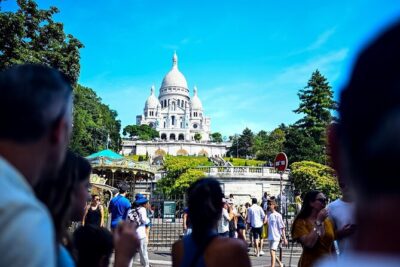
Authentic Parisian Gourmet Food Tour with 10 Local Dishes & Wines
Read our review →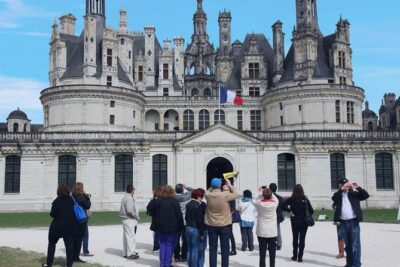
Loire Valley Castles Day Trip from Paris with Complementary Wine
Read our review →
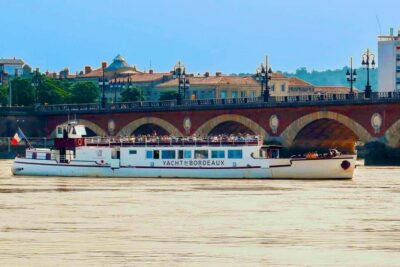
River Garonne Cruise with Glass of Wine and Canelé
Read our review →
Montmartre Hill French Gourmet Food and Wine Tasting Walking Tour
Read our review →
Montmartre Cheese, Wine & Pastry Guided Walking Tour
Read our review →
Loire Valley Castles Day Trip With Wine Tasting
Read our review →
Afternoon Saint-Emilion Wine Tasting & snack
Read our review →Browse the lists this tour appears in