
Reviewed · FRANCE
Domain visit
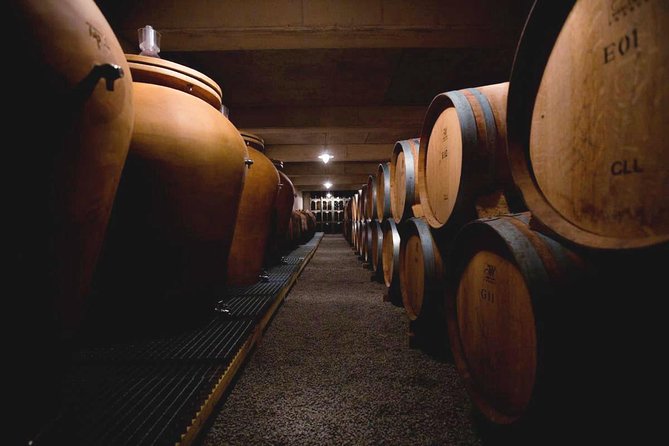
Château de la Selve gives you more than a quick tasting at a counter. You follow wine from the vines near the estate through the vat room and cellar, then taste nine different vintages, including a sample straight from a barrel and wine aged in amphora. I like that the visit shows the work behind the bottle, not just the finished product.
I also like the chance to taste white, rosé, and red wines in one sitting, and the fact that the visit is private to your group. The price is modest for two hours of guided attention. The main consideration is language: the tour is generally conducted in French, although the guides speak good English, so detailed questions may take a little patience.
Key points to know before you go
- Nine estate vintages: The tasting gives you a broad look at Château de la Selve’s wine range rather than a single glass.
- A full winemaking route: You move from the vineyards to the vat room and then into the cellar.
- Amphora aging: You get to see an unusual method alongside more familiar barrel aging.
- Barrel tasting included: One wine is tasted before it has finished its time in the barrel.
- French-led, English-friendly: The tour is generally in French, but guides speak good English.
- Two hours for $14.38: That is a strong price for a private visit with tasting included.
From the vines near Grospierres to the cellar
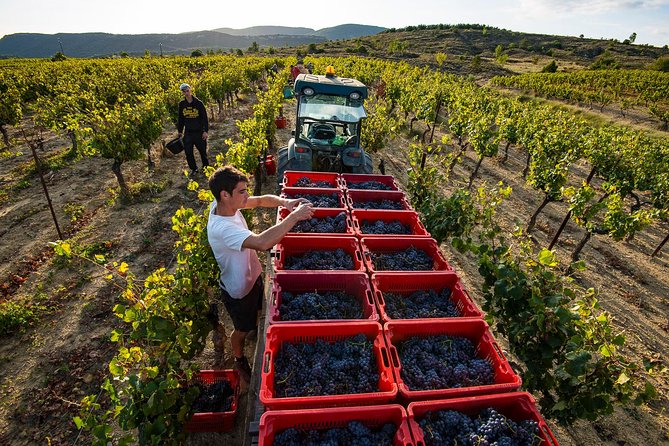
The visit begins at Château de la Selve, at 3120 route d’Alès in Grospierres. The first stage takes you toward the vineyards near the château, where the guide explains how the estate begins its work with grapes. This opening matters because it gives you a starting point for everything that follows.
Many winery visits rush straight to the tasting room. Here, you first get a sense of the estate’s setting and the role of the vineyard in the final wine. I find that useful even if you know little about wine. It helps connect the taste in your glass with decisions made long before bottling.
The experience focuses on organic wine production, so you can expect the guide to explain how the estate approaches organic methods. The supplied details do not specify every farming practice, certification, or grape variety, so I would not book this expecting a technical lecture on each one. Instead, think of it as a clear introduction to how organic wine is made at this estate.
The route is not described as a long walk through extensive vineyard rows. You should expect an estate visit with a vineyard section, followed by indoor production areas. Comfortable shoes still make sense, especially if conditions are uneven around the château and cellar.
Other trips people book in France:
- Paris: Louvre Museum Timed-Entrance Ticket
★ 4.6 · 71,977 reviews - Disneyland® Paris 1-Day Ticket
★ 4.6 · 49,412 reviews - Paris: Versailles Palace and Gardens Full Access Ticket
★ 4.6 · 41,579 reviews
Seeing the vat room where wine takes shape
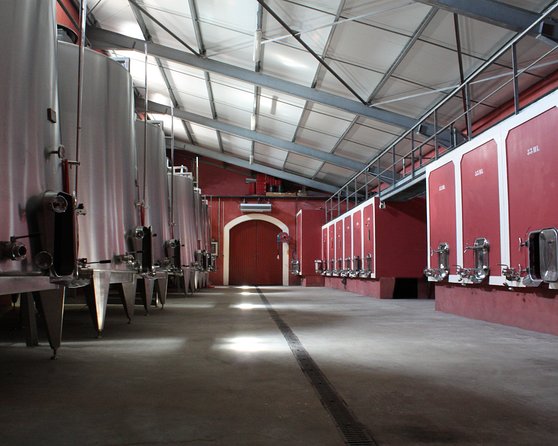
The next stop is the vat room. This is where the visit shifts from farming to production, and the guide explains the stages that turn harvested grapes into wine.
For me, this is one of the most useful parts of the tour. A tasting can tell you what a wine smells or tastes like, but the vat room helps explain why two wines from the same estate may have different styles. The guide can place the tasting in context by showing where fermentation and other production stages fit into the process.
The available information does not give the size of the vats or list the exact equipment. That is helpful to keep in mind, since this is not presented as an industrial facility tour or a specialist laboratory visit. You are there to understand the estate’s method in plain terms, with the cellar and tasting still forming a major part of the two-hour schedule.
Because the tour is private, you can ask questions that fit your own interests. If you are new to wine, ask about the basic stages. If you already know your way around a tasting, ask how the estate decides between different aging vessels. The guide’s English is described as good, but the tour is generally in French, so complex technical questions may be easier if you keep them short and clear.
Amphora aging and a taste from the barrel
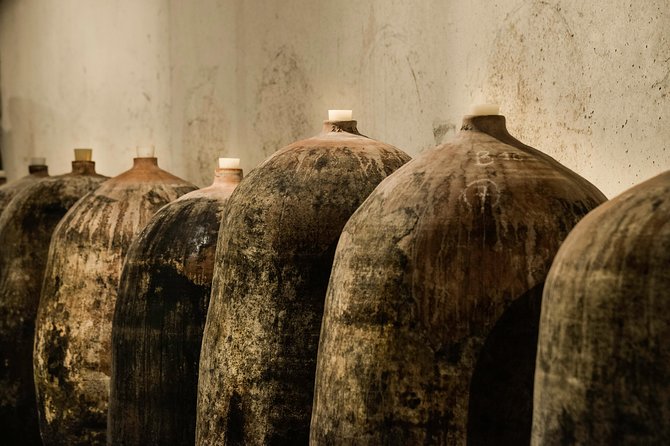
Château de la Selve includes two details that make this more than a standard walk through a winery: amphora aging and a barrel tasting.
Amphorae are large vessels used to age or hold wine, and they offer a different approach from the more familiar oak barrel. The visit gives you the chance to see how the estate uses amphora in its aging process. The supplied details do not say exactly which wine is in each vessel, how old the amphorae are, or how the resulting style compares with barrel-aged wine. Still, seeing the method in person gives you a useful point of comparison.
The barrel tasting adds another practical lesson. You taste one of the estate’s wines directly from the barrel, before it has reached its finished form. That is a valuable distinction for anyone who has only tasted bottled wine. A barrel sample may not taste as polished or settled as the final version, and the guide can explain what changes may happen before bottling.
I especially like this part because it turns winemaking into something you can compare rather than simply hear about. You can see the vessel, taste the wine, and then move on to the finished bottles. That sequence gives the visit a clear shape.
The cellar tasting: white, rosé, red, and nine vintages
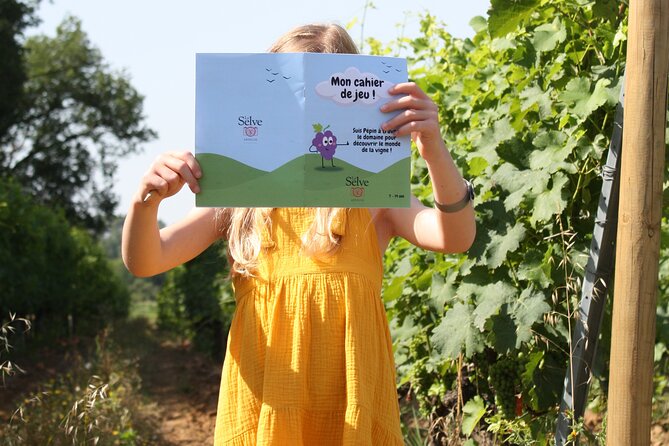
The guided route ends with a tasting in the cellar. The program includes nine different vintages from the estate, with white, rosé, and red wines among the wines tasted.
That range is a real advantage. A short tasting with one or two wines can leave you with only a narrow impression of a producer. Nine samples allow you to notice how color, vintage, and style change across the estate’s selection. You do not need advanced wine knowledge to benefit. Start with simple observations: which wine feels lightest, which smells most distinctive, and which one you would want with a meal.
The exact order of the tasting and the individual labels are not provided, so I would not arrive expecting a fixed list of bottles. The selection may reflect what the estate is offering at the time of your visit. If you have a particular bottle in mind, ask the guide whether it is part of that day’s tasting.
The cellar setting also gives the tasting a sense of place. You are not just sampling wine in a generic shop. You have already seen the vineyards, production area, barrel, and amphora, so the glasses at the end complete the story.
One published rating for this activity is 4.7 out of 5 from 40 ratings, with 93 percent recommending it. The strongest praise focuses on the combination of an exterior and interior winery visit, the tasting of white, rosé, and red wines, and the guide’s clear explanations and friendly manner. Those points line up with the structure of the visit: it is strongest when you want both a tour and a tasting.
Same base, a different kind of day:
- Paris: Evening River Cruise with Music
★ 4.4 · 22,721 reviews - Paris: Eiffel Tower Entry Ticket with Optional Summit Access
★ 4.4 · 20,035 reviews - Paris: Eiffel Tower Summit or Second Floor Access
★ 4.3 · 17,248 reviews - Paris: Louvre Guided Tour with Reserved Access & Boat Cruise
★ 4.3 · 16,353 reviews
Why the $14.38 price is good value
At $14.38 per person, this is priced well for a two-hour private winery visit with admission and tasting included. The value is not just in the number of wines. You are also paying for a guided route through the estate, an explanation of organic production, a barrel sample, and a look at amphora aging.
A private visit can often cost more than a shared group tour, so the low price is particularly appealing if you are traveling with a small party. You get the benefit of asking questions without being folded into a large, mixed group. The available information does not state the maximum group size, so I would not assume that private means one or two people only. It means only your group participates.
The value depends partly on what you want from a wine visit. If you only want to buy a bottle quickly, two hours may feel long. If you want a quick tasting with no production explanation, a shorter stop could suit you better. I would choose Château de la Selve when you want to understand how the wine is made and taste across a broad selection.
The listed price is in US dollars even though the estate is in France. Check the booking amount and local payment details when you reserve, since prices can change. The provided rate is a useful guide, not a promise that the same figure will apply forever.
Language, timing, and practical planning
Plan on about two hours from start to finish. The activity begins and ends at Château de la Selve, so you do not need to arrange a separate meeting point at the end. The address is 3120 route d’Alès, 07120 Grospierres, France.
Mobile tickets make the booking side simple. Confirmation is received at the time of booking, which is useful if you are organizing several stops in southern France. I would still allow enough time to reach the château without rushing, since the visit has a set start time and includes several stages.
The tour is generally in French. The guides speak good English, so an English-speaking visitor can take part, but you should expect some French during the visit. If you want detailed explanations about organic farming, fermentation, or aging, prepare a few simple questions in advance. That small effort may help you get more from the English portions.
Service animals are allowed, and the activity states that most people can participate. Those are helpful points, but the information does not spell out every physical condition of the route or the cellar. If you have a specific mobility concern, contact the provider before booking rather than relying on a general participation statement.
Cancellation is free up to 24 hours before the start time. Cancel at least 24 hours ahead for a full refund. Cancellations or changes made inside that window are not accepted for a refund, and the cut-off follows local time in France.
Who will get the most from Château de la Selve
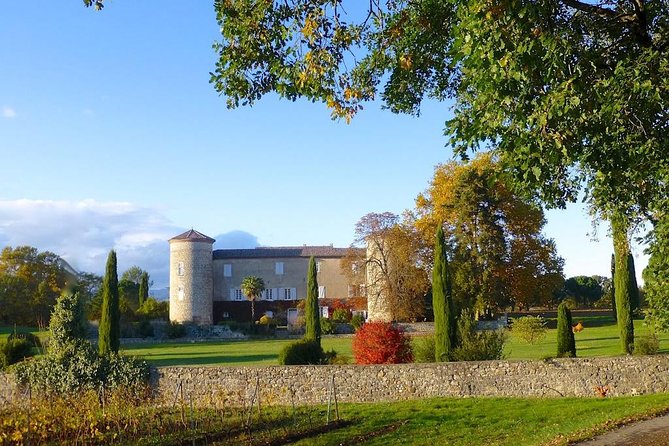
I would recommend this visit to anyone who wants a well-rounded introduction to a French estate without paying for a costly full-day wine excursion. The combination of vineyards, vat room, cellar, barrel sample, amphora, and nine-vintage tasting gives you plenty to see and discuss.
It also suits couples, families with adult children, and small private groups who prefer a quieter visit. Wine enthusiasts will appreciate the contrast between barrel and amphora aging. Beginners will appreciate having the production stages explained before tasting the bottles.
The main limitation is the French-first format. If you need every detail in fluent English, this may not be the best choice. The guides speak good English, but the tour is not presented as an English-only experience. You should also choose another activity if your priority is a long vineyard walk, a meal, or a detailed study of specific grape varieties, since those features are not part of the stated program.
Should you book this wine estate visit?
Book it if you want two useful hours at a real wine estate, a tasting broad enough to compare nine vintages, and a look at less familiar methods such as amphora aging. At $14.38, the experience offers unusually good value, especially because it is private and includes the tasting.
Skip it if you want a fully English-language tour or a visit built around food, extensive outdoor walking, or advanced technical wine study. For everyone else, Château de la Selve is a sensible choice near Grospierres, with enough hands-on detail to make the wine in your glass more understandable.
FAQ
Where does the Château de la Selve tour begin?
The tour begins at Château de la Selve, 3120 route d’Alès, 07120 Grospierres, France.
Where does the activity end?
The activity ends back at the meeting point at Château de la Selve.
How long does the visit take?
The guided visit and tasting take approximately two hours.
What is included in the tasting?
You taste nine different vintages from the estate, including white, rosé, and red wines. The visit also includes a barrel tasting of one wine.
Is the tour offered in English?
The tour is generally conducted in French, but the guides speak good English.
Is the tour private?
Yes. Only your group participates in this private activity.
How much does the experience cost?
The listed price is $14.38 per person.
Can I bring a service animal?
Yes. Service animals are allowed.
Can I cancel for a full refund?
Yes, if you cancel at least 24 hours before the experience start time. Cancellations or changes made less than 24 hours ahead are not accepted for a refund.
Just added in France
- Private French Pastry Class in Marseille★ 5.0 · 90 reviews
- Picturesque Luberon – From MARSEILLE★ 5.0 · 36 reviews
- Provence : Aix en Provence, Cassis and Marseille Private Tour★ 4.5 · 53 reviews
- Marseille Walking food and culture tour 3 hour Private tour★ 4.0 · 36 reviews
- Market & Perched Villages of the Luberon Day Trip from Marseille★ 5.0 · 85 reviews
- Marseille Guided Tour for 2.5 Hours with a Bilingual Local Guide★ 5.0 · 36 reviews
- Marseille Guided Tour for 4 Hours with a Bilingual Local Guide★ 5.0 · 105 reviews
- Private Full Day Wine Tour in Provence From Marseille cruise port★ 5.0 · 32 reviews