
Reviewed · WINE TOURS
Unusual visit & Tasting of our organic wines
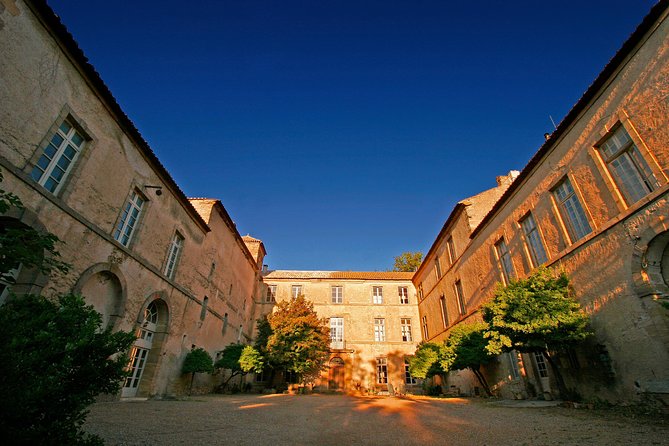
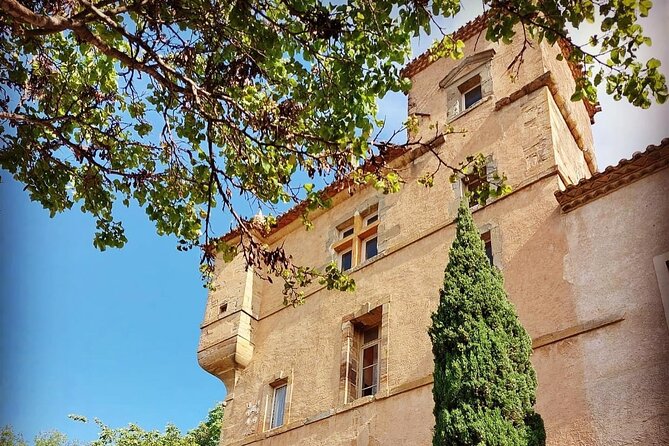
The unusual part of this wine visit is the setting. You do not simply sit in a modern tasting room. You move through a 15th-century underground cellar and the Château’s 17th-century Grande Cuisine, a historic room still occupied by the Fabre family. The tasting takes place in a converted stable.
I like the personal scale, since only your group takes part and you can go at your own pace. I also like the clear connection between the wine and the family, who have worked here for 14 generations. The main drawback is getting to Luc-sur-Orbieu without a car. From Carcassonne, a train and taxi can work, but it takes more planning than a tasting close to a major town.
- A 14-generation wine family: The Fabre family continues to live and work at Château de Luc.
- Three historic spaces: Visit the underground cellar, the Grande Cuisine, and a former stable converted into a tasting cellar.
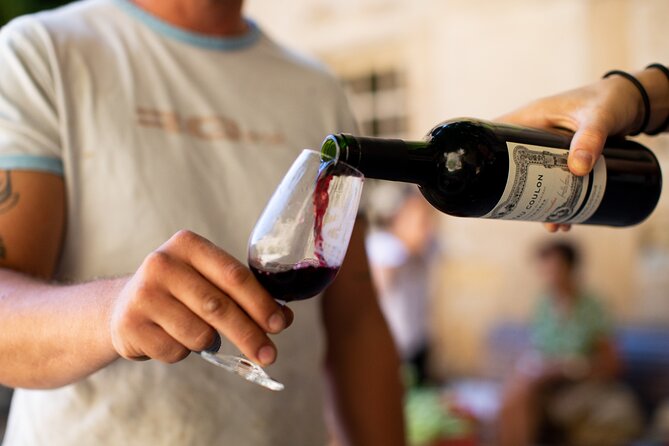
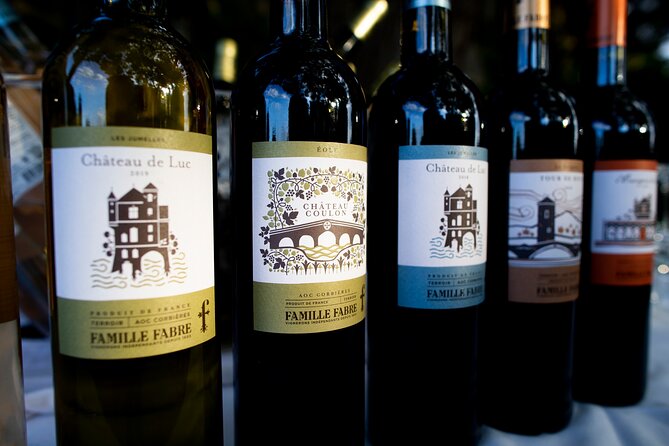
- Five organic wines: The tasting centers on wines made by the Fabre family.
- Private and unhurried: Only your group participates, with the visit lasting about one hour.
- Three language options: English, French, and Spanish are spoken.
- Good for families: A games corner for children makes the visit easier for parents.
A Château Visit With Wine at Its Center
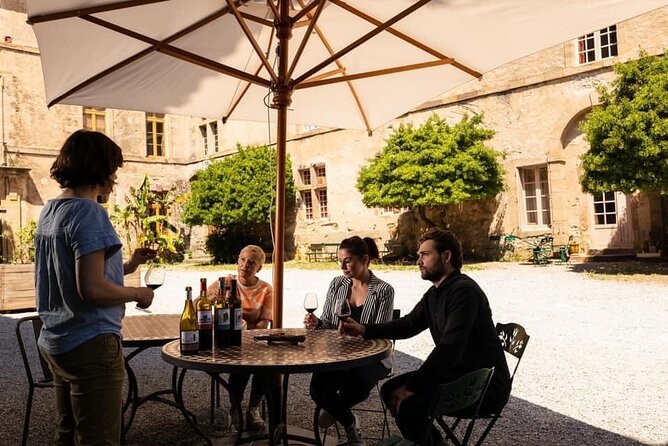
Château de Luc offers a different kind of wine stop. The visit is not only about what is in your glass. It is also about the place that produced it, the family that still lives there, and the older rooms that give the property its character.
You begin at the Château de Luc, at 1 Av. Jean Moulin in Luc-sur-Orbieu. This is the starting point and the ending point, so you do not need to arrange a second pickup or find your way to another part of town after the tasting.
The experience lasts about one hour. That is long enough for a short look at the property and a five-wine tasting, but it is not a full morning spent among the vines. I would treat it as a focused stop that fits neatly into a day exploring the area.
The private format matters. You are not joining a large group moving from room to room on a fixed schedule. Your group is the only group taking part, and the visit is described as being at your own pace. That gives you room to ask questions, pause over the older rooms, or spend more time talking about the wines.
Fourteen Generations Behind the Bottle
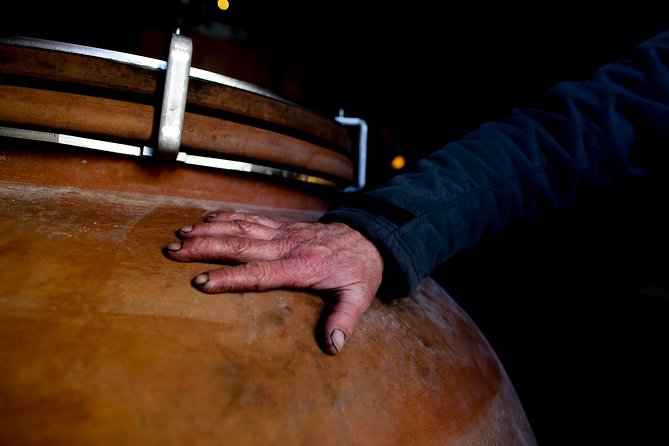
The Fabre family’s 14 generations at Château de Luc give the visit a useful sense of continuity. You are not hearing a general speech about wine production in France. You are visiting a family-run wine-growing company with a long connection to this particular property.
That family link is especially important for visitors who want more than a quick tasting. You can ask about vineyard management, wine-making methods, and how the estate operates through the year. The description also invites questions about places to visit nearby and favorite spots for a good meal, which can make the stop useful when planning the rest of your day.
No individual guide names are provided, so I would not expect a named specialist to be assigned in advance. The important point is that the visit is run by the Château de Luc team, with English, French, and Spanish spoken.
The family continues to inhabit the château. That detail changes the feel of the visit. You are seeing a working family home as well as a wine property, rather than touring a site that exists only for sightseeing.
More wine tours in France:
- Authentic Parisian Gourmet Food Tour with 10 Local Dishes & Wines
★ 5.0 · 4,754 reviews - Loire Valley Castles Day Trip from Paris with Complementary Wine
★ 4.5 · 3,907 reviews - Bordeaux: Cité du Vin Entry Ticket and Wine Tasting
★ 4.6 · 3,885 reviews
Beneath the Château in the 15th-Century Cellar
The first major stop is the underground cellar, dating from the 15th century. This gives the tour its strongest sense of place. A wine tasting can happen almost anywhere, but an old cellar connects the drink in your glass to the building around you.
You can expect the visit to move through the cellar rather than simply look at it from an entrance. The information provided does not specify its exact layout, storage methods, or temperature, so I would avoid arriving with a fixed picture of what the room will contain. Its value is the age and setting, along with the chance to hear how it fits into the château’s story.
This part should appeal to anyone who enjoys old buildings, family estates, and the practical side of wine. It also helps break up the tasting. You are not seated for the entire hour, and the tour gives you a physical sense of the property before the glasses are poured.
If you have limited mobility, keep in mind that an underground cellar may involve surfaces or access details that are not described in the booking information. The experience says most people can participate, but it does not provide specific information about steps, flooring, or wheelchair access. If those details matter to you, ask the provider before booking.
The 17th-Century Grande Cuisine
Next comes the château’s 17th-century Grande Cuisine. The name suggests a large historic kitchen, and it remains part of the family’s home. That makes this more personal than a room preserved behind glass.
The kitchen helps explain how the property functioned in earlier centuries. It also gives the visit a natural link to food, which is useful because wine makes more sense when you think about what you will eat with it. The host can answer questions about favorite places to enjoy a good dish in the surrounding area.
The information does not promise a meal, cooking demonstration, or food pairing. The main event is the wine tasting, so do not book this expecting lunch or a formal food course. Think of the Grande Cuisine as a historic stop that adds context before the tasting.
For families, this room may be one of the more engaging parts of the route because it is easy to imagine how a large household once worked. A games corner for children is also available, which gives parents a practical option if younger children lose interest during the historic portions.
Five Organic Wines in a Former Stable
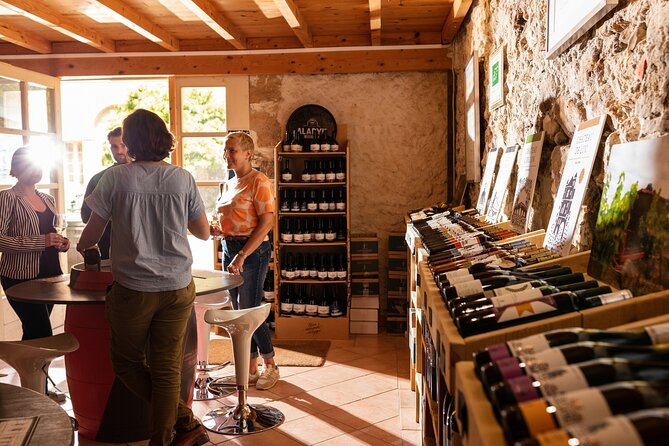
The final part of the visit takes place in a tasting cellar installed in a former stable. This conversion is one of the experience’s most appealing details. A stable turned into a wine room keeps the setting tied to the working life of the property, instead of placing the tasting in a generic hospitality space.
You taste five organic wines made by the Fabre family. The available information does not name the individual bottles, grape varieties, vintages, or sweetness levels, so you should not expect to choose a precise flight in advance. The tasting is presented as a selection of Fabre family wines.
I like the size of the tasting. Five wines give you enough range to notice differences without turning the hour into a rushed succession of glasses. If you are new to wine, it is a manageable number. If you already know the region well, the value will depend more on the conversation and the setting than on the number of pours.
The organic focus is also worth noting. It tells you something about how the estate approaches its vineyard work, though the information provided does not give details about certification, specific farming practices, or the wines’ production methods. You can ask about those points during the visit.
The tasting is not described as a formal lesson, and there is no sample menu beyond Fabre family wines. Still, the private format should make it easier to ask direct questions. You can ask what you are drinking, how the vineyard is managed, and how the wines are made, rather than simply receiving a list of tasting notes.
More food and drink in France:
- Paris: Seine Cruise & Crepe Tasting near the Eiffel Tower
★ 4.4 · 11,231 reviews - Normandy D-Day Small-Group Day Trip with Omaha Beach, Cemetery & Cider Tasting
★ 5.0 · 2,786 reviews - Paris: Illuminated Evening River Cruise & Waffle Tasting
★ 4.1 · 2,697 reviews - Montmartre Hill French Gourmet Food and Wine Tasting Walking Tour
★ 5.0 · 2,588 reviews
What the One-Hour Format Really Means
One hour is a useful length for this experience. You can fit it into a day of sightseeing without giving up half a day, and the activity ends where it begins. The short duration also makes it a reasonable choice if you want a first introduction to local wine without committing to a long estate visit.
The tradeoff is that the visit cannot cover everything in detail. You will see three distinct spaces and taste five wines, but there is unlikely to be time for an extended walk through the vineyard, a long technical discussion, or a full meal. None of those is included in the information provided.
The private schedule gives the hour more flexibility than a standard group tour. If you have questions, you can ask them. If your group is interested mainly in the old rooms, you can focus there. If wine is your main reason for coming, you can use the tasting as the center of the visit.
I would allow extra time around the appointment for arrival, especially if you are using public transport. The activity itself lasts about one hour, but the journey to Luc-sur-Orbieu may take longer than the visit.
Reaching Luc-sur-Orbieu From Carcassonne
A car is likely to be the simplest way to reach Château de Luc, though no specific driving or parking information is provided. The meeting point is clearly stated at the château, so you will know where to go once you arrive in Luc-sur-Orbieu.
You can also make the journey from Carcassonne without a car. One visitor managed it with a train and a taxi and found the combination doable, though not especially simple. That is useful advice: public transport is possible, but you should check the connections and arrange enough time for the taxi portion.
Do not assume that the château is an easy walk from the train station. The information does not give the distance, and a taxi was part of the successful trip from Carcassonne. If you plan to use public transport, confirm the final connection before setting your appointment time.
The location works best for people already exploring the surrounding wine country. If you are based in Carcassonne and want a quick, effortless activity within the city, this is not the most convenient choice. If you are willing to make the journey for a family estate and organic tasting, the setting gives you a good reason to go.
How the $14.42 Price Measures Up
At $14.42 per person, this is a modestly priced experience for a private visit, a look at historic rooms, and five wines. The strongest value comes from the combination. You are not paying only for five tastes. You are also paying for access to a family château, an underground cellar, and a former stable used as a tasting room.
The price is especially fair if you are traveling as a small group and care about privacy. A private format at this level gives you a more relaxed setting than a large public tasting, without the cost of a long, formal wine program.
The value is less obvious if your sole goal is to taste a particular bottle or grape variety. Since the individual wines are not listed in advance, you should book for the overall experience rather than a specific wine. Ask about the selection when you arrive if you have particular preferences.
You should also factor in transportation. The ticket is inexpensive, but a taxi from a nearby train station can add to the total cost. For a group sharing the ride, that may still work well. For a solo visitor, the journey could make the final price feel higher than the booking amount alone.
Who Will Enjoy This Visit Most
I would recommend Château de Luc to people who like wine with a sense of place. The old cellar, historic kitchen, and family connection give you more to look at and talk about than a tasting counter by itself.
It suits:
- Couples or small groups who want a private visit
- Wine drinkers interested in organic production
- Visitors who enjoy historic homes and working family properties
- English, French, or Spanish speakers
- Families who need a child-friendly feature such as a games corner
- People building a day around Luc-sur-Orbieu and the surrounding area
It may not suit you if you want a full vineyard walk, a detailed technical course, a meal, or a long half-day program. None of those is part of the stated experience.
The one-hour length also makes it useful for mixed-interest groups. Someone who loves wine can focus on the five samples, while someone more interested in architecture or family history can enjoy the cellar and Grande Cuisine.
Booking Details Worth Knowing
You receive confirmation when you book, and a mobile ticket is available. The activity is offered in English, which removes one common worry for English-speaking visitors, while French and Spanish are also spoken.
Only your group participates, and the activity returns to the meeting point at the end. Service animals are allowed, and most people can take part. The property also has a games corner for children.
The cancellation terms are practical but firm near the appointment. You can cancel for a full refund up to 24 hours before the start time. Cancellations or changes made less than 24 hours before the start are not accepted for a refund, with cut-off times based on local time.
The experience is often booked about 16 days ahead, so I would reserve early if your itinerary has little flexibility. That is especially sensible if you need a specific language or want to coordinate a train and taxi.
Should You Book Château de Luc?
Book this if you want a short, personal wine visit in an authentic family setting. The 14 generations of Fabre family history, the underground cellar, and the five organic wines make a strong package for the price.
I would be more cautious if you are looking for a major wine education session or an easy stop from Carcassonne without a car. The journey needs planning, and the visit is compact. For the right visitor, though, the private pace and unusual rooms give this tasting more character than its low price suggests.
FAQ
Where does the Château de Luc wine experience begin?
It begins at FAMILLE FABRE au CHATEAU DE LUC, 1 Av. Jean Moulin, 11200 Luc-sur-Orbieu, France.
Where does the activity end?
The activity ends back at the meeting point at Château de Luc.
How long does the visit last?
The visit lasts approximately one hour.
How many wines are included?
You taste five organic Fabre family wines.
Is the experience private?
Yes. Only your group participates in the activity.
What languages are spoken?
The experience is offered in English, French, and Spanish.
What historic areas do you visit?
You visit a 15th-century underground cellar and the 17th-century Grande Cuisine of the Château.
Is the activity suitable for children?
Most people can participate, and the property has a games corner for children.
Can I cancel for a full refund?
Yes. You can cancel at least 24 hours before the experience start time for a full refund. Changes or cancellations made less than 24 hours before the start are not accepted for a refund.
Just added in France
- Private French Pastry Class in Marseille★ 5.0 · 90 reviews
- Picturesque Luberon – From MARSEILLE★ 5.0 · 36 reviews
- Provence : Aix en Provence, Cassis and Marseille Private Tour★ 4.5 · 53 reviews
- Marseille Walking food and culture tour 3 hour Private tour★ 4.0 · 36 reviews
- Market & Perched Villages of the Luberon Day Trip from Marseille★ 5.0 · 85 reviews
- Marseille Guided Tour for 2.5 Hours with a Bilingual Local Guide★ 5.0 · 36 reviews
- Marseille Guided Tour for 4 Hours with a Bilingual Local Guide★ 5.0 · 105 reviews
- Private Full Day Wine Tour in Provence From Marseille cruise port★ 5.0 · 32 reviews
Wine Tours, compared.
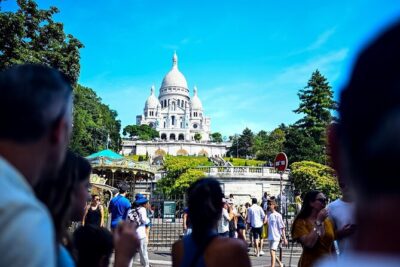
Authentic Parisian Gourmet Food Tour with 10 Local Dishes & Wines
Read our review →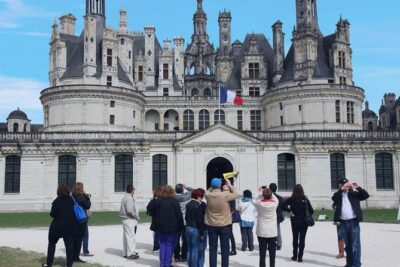
Loire Valley Castles Day Trip from Paris with Complementary Wine
Read our review →
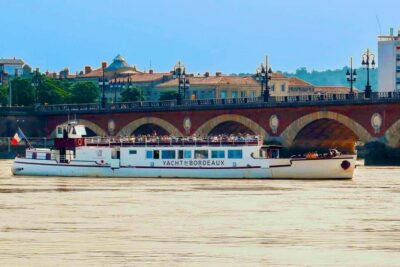
River Garonne Cruise with Glass of Wine and Canelé
Read our review →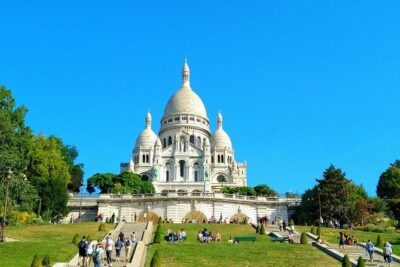
Montmartre Hill French Gourmet Food and Wine Tasting Walking Tour
Read our review →
Montmartre Cheese, Wine & Pastry Guided Walking Tour
Read our review →
Loire Valley Castles Day Trip With Wine Tasting
Read our review →
Afternoon Saint-Emilion Wine Tasting & snack
Read our review →Browse the lists this tour appears in