
Reviewed · WINE TOURS
Cellar visit and Alsace wine tasting with a feminine touch
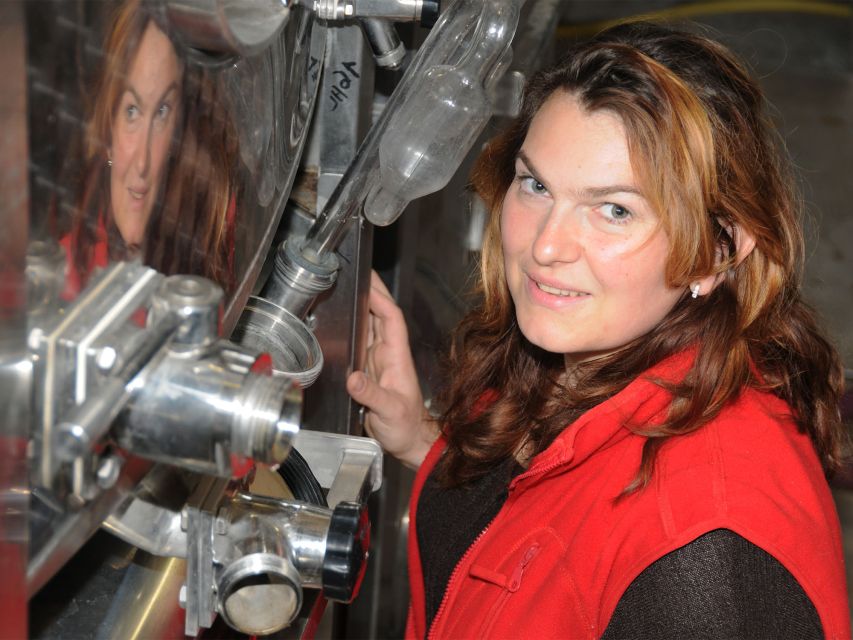
The most distinctive part of this one-hour visit is the chance to taste seven organic Alsace wines while hearing how Muriel and her family let each wine follow its own path. At Domaine Gueth, the story reaches back seven generations, but the approach is modern, nature-minded, and firmly connected to the character of each vineyard.
I like the freedom to choose wines from a list of more than 20 bottles, rather than being handed a fixed flight. I also like the clear look at cellar work, including spontaneous fermentation and low-intervention winemaking. The main consideration is the phrase feminine approach: the visit may explain Muriel’s role and philosophy, but it may not give you a detailed, separate story about what makes the method specifically feminine.
Key points at a glance
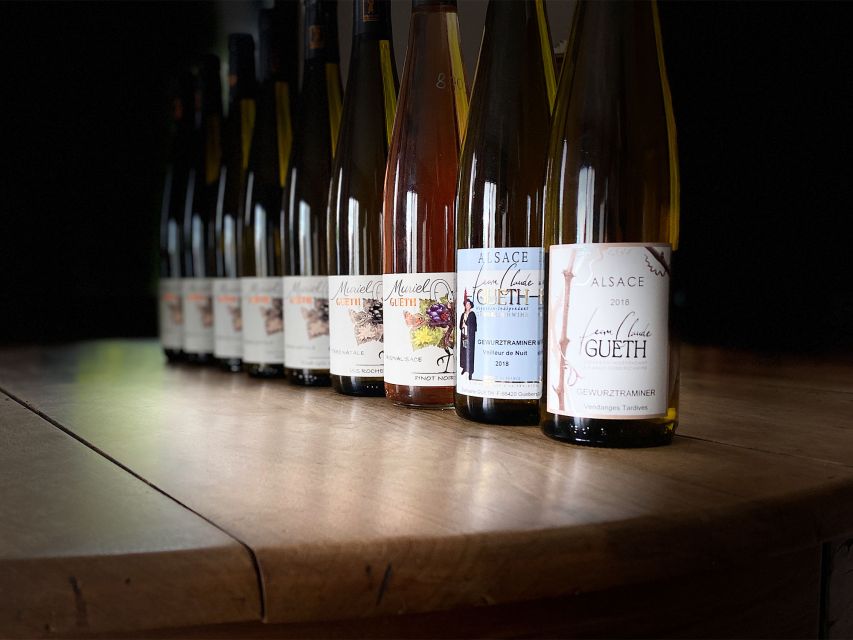
- Seven wines chosen to suit your taste: Select your own tasting from Domaine Gueth’s range of traditional, old-vine, atypical, and local wines.
- A working Alsace estate: Visit the cellar and winery facilities instead of stopping only at a polished tasting counter.
- Muriel’s family approach: Learn how the estate has developed through seven generations while moving toward organic farming and High Environmental Value standards.
- Spontaneous fermentation: Hear how the wines are raised with as little constraint as possible, allowing each vintage to develop its own character.
- Alsatian snacks included: Your tasting comes with a pretzel or slice of kougelhopf, plus crackers.
- Good flexibility for mixed groups: Adults taste wine, while those who prefer not to drink can request organic grape juice from the estate’s vineyards.
A one-hour introduction to Domaine Gueth
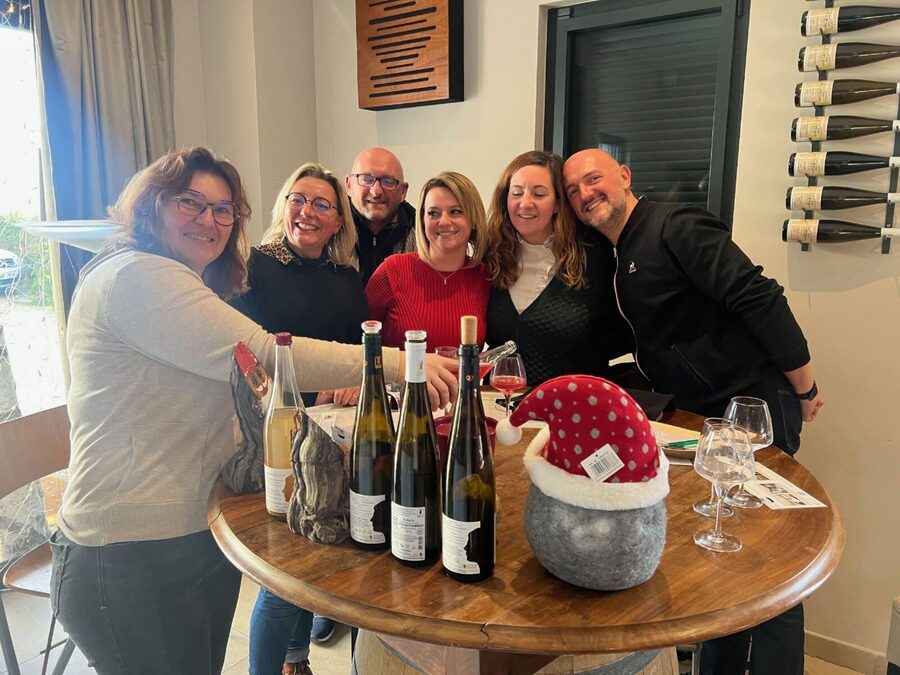
Domaine Gueth is a family wine estate in Grand Est, on Alsace’s well-known wine road. The estate describes itself as a Vigneron Indépendant, or independent grower-producer, and carries both Organic Farming and High Environmental Value labels.
That combination matters. You are not simply sampling anonymous regional bottles. You are visiting a producer that grows, makes, and sells its own wines, with the chance to buy directly after tasting them. For anyone trying to understand how Alsace wine moves from vineyard to bottle, this short visit gives you the basic pieces in the right order.
The experience lasts about one hour. That is long enough for a proper introduction, but not so long that it takes over your day in Alsace. You meet at Domaine Gueth, where parking is available inside the estate. The site has room for up to 10 people, so the setting should feel smaller and more personal than a large commercial wine tour.
Muriel offers the estate’s modern feminine touch, following seven generations of winemakers. The wording may sound unusual at first, but the practical meaning is easier to grasp: she presents a personal view of wine, with attention to fruit, elegance, nature, and the individual path of each cuvée.
More wine tours in France:
- Authentic Parisian Gourmet Food Tour with 10 Local Dishes & Wines
★ 5.0 · 4,754 reviews - Loire Valley Castles Day Trip from Paris with Complementary Wine
★ 4.5 · 3,907 reviews - Bordeaux: Cité du Vin Entry Ticket and Wine Tasting
★ 4.6 · 3,885 reviews
Walking through the cellar and winery facilities
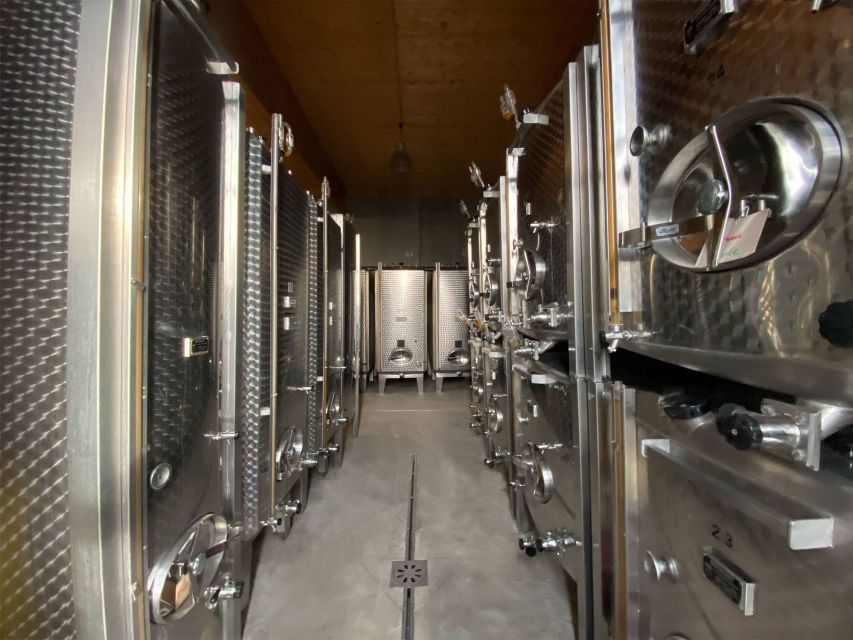
The visit begins with the estate and its installations. The tour does not promise a grand architectural show, and the cellar is described as small. That can be a plus if you want a direct look at a family operation rather than a theatrical production built for large crowds.
You can expect an explanation of how the wine is made and raised, with the guide discussing the estate’s approach from vine to bottle. The important idea is that the wines are not forced into one rigid style. They are allowed to develop with fewer constraints, including the use of spontaneous fermentation.
Spontaneous fermentation means relying on naturally occurring yeasts rather than automatically using selected commercial yeasts. You do not need technical wine knowledge to follow the explanation. The useful point is that fermentation becomes part of the wine’s personality, and the estate accepts some of the individuality that comes with that choice.
The cellar visit also helps put the organic label into context. Organic farming concerns how the vines are cultivated, while the cellar work concerns how grapes become wine. Domaine Gueth presents these as connected choices: respect for the environment in the vineyard, then a less controlling hand in the winery.
Do not expect a long tour through a huge production site. This is a compact visit, and the facility itself may feel modest. If you enjoy small producers, that is part of the appeal. If you want an extended technical tour with machinery, barrel rooms, or a large underground cellar, this experience may feel brief.
Choosing seven wines from more than 20 bottles
The tasting is the heart of the visit. Instead of limiting you to one preset selection, Domaine Gueth lets you choose seven wines from the estate’s wider range. That makes the hour more useful for a beginner, because you can compare styles that match your own taste.
The selection includes traditional wines, old-vine selections, atypical wines, and local wines. The exact bottles available can vary, but the range gives you room to explore beyond the best-known Alsace categories. You can ask for help choosing a mix, or build a flight around what you already like.
If you prefer crisp and aromatic whites, say so at the start. If you like fuller, unusual, or more experimental wines, mention that too. The tasting is intended to be shaped around your preferences, and the guide takes time to explain the differences between the wines and the role of terroir and vinification.
One useful detail comes from the tasting feedback: the wines can be strongly aromatic. That is typical of many Alsace styles, but it is worth keeping in mind if you usually prefer quiet, restrained wines. The aromatic character may be a pleasure if you enjoy expressive whites, but it could feel intense if you are expecting a very neutral table wine.
A tasting of seven wines in one hour moves at a steady pace. You will not have unlimited time with each glass, so listen closely to the first explanation and ask questions as soon as they come to mind. One visitor found that the atmosphere became more engaging after showing interest, which is a helpful tip for this kind of small producer visit. Speak up, ask about the grapes, and tell the guide what you notice.
The tasting is for adults. If you do not want alcohol, the estate can replace the wines with 100 percent organic grape juice made from its vineyards. That is especially useful for a mixed group, since nobody needs to sit out while others taste.
Understanding Alsace wine without getting lost in labels
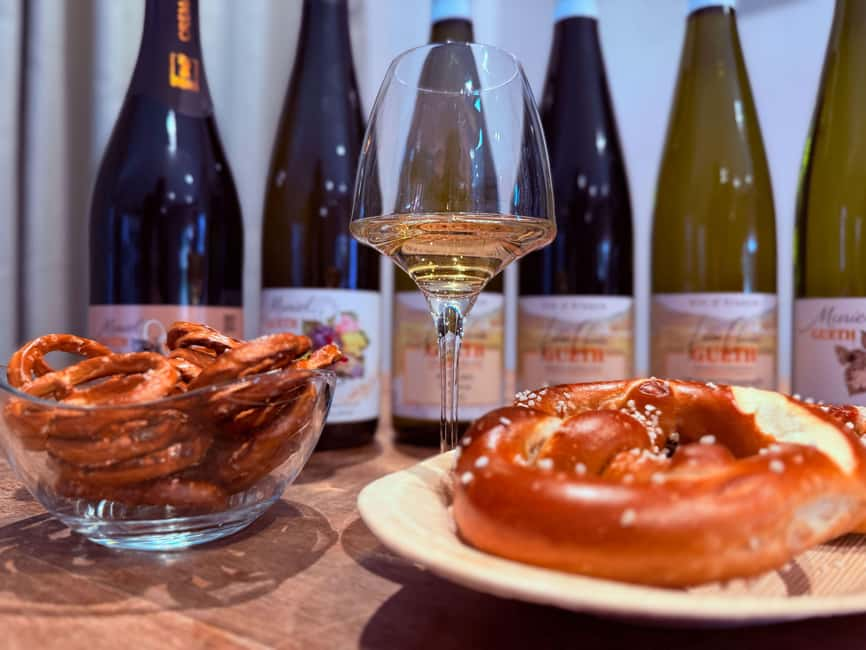
Alsace wines can seem confusing at first because the region is known for grape varieties, aromatic whites, village names, vineyard sites, and different levels of sweetness. A good tasting should help you connect the names on the bottle with what you actually smell and taste.
This visit focuses on the typicities of Alsace wine, meaning the qualities that make the region’s wines different from those of other parts of France. The tasting gives you a practical way to notice those differences. Rather than trying to memorize every appellation, pay attention to three things: aroma, body, and the way the wine finishes.
The producer’s range includes both classic and less conventional bottles. That makes it possible to compare a familiar regional style with something more unusual. You may find that one wine suits your own palate, while another is better suited to a dish, a celebration, or a friend who likes more adventurous bottles.
The explanations also cover terroir and vinification. Terroir is the combination of soil, site, climate, and human choices that shapes a wine. Vinification is what happens after the grapes arrive at the winery. Hearing about both helps you understand why two wines from the same broad region can taste quite different.
The visit is not presented as a formal wine course, so you do not need to prepare. I would still suggest arriving with one simple question in mind: What kind of Alsace wine do I enjoy? By the end, you should have a clearer answer and perhaps a bottle to take home.
More food and drink in France:
- Paris: Seine Cruise & Crepe Tasting near the Eiffel Tower
★ 4.4 · 11,231 reviews - Normandy D-Day Small-Group Day Trip with Omaha Beach, Cemetery & Cider Tasting
★ 5.0 · 2,786 reviews - Paris: Illuminated Evening River Cruise & Waffle Tasting
★ 4.1 · 2,697 reviews - Montmartre Hill French Gourmet Food and Wine Tasting Walking Tour
★ 5.0 · 2,588 reviews
Pretzel, kougelhopf, and a useful snack break
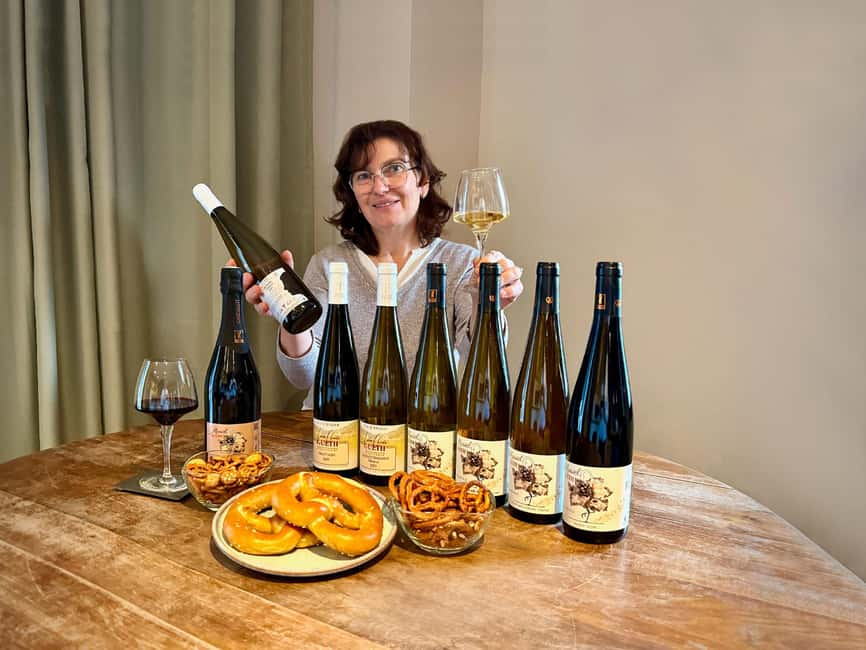
Each tasting includes an Alsatian pretzel or a slice of kougelhopf, along with crackers. These are small additions, but they improve the experience in two practical ways.
First, food gives you something to eat while tasting seven wines. The visit is only an hour, yet seven samples can feel like a lot on an empty stomach. Second, local snacks help you think about how the wines work with food, which is more useful than tasting them in isolation.
A pretzel brings salt and a firm texture. Kougelhopf, a traditional Alsatian cake, offers a softer and slightly richer contrast. Neither snack turns the visit into a meal, so you should not plan to replace lunch or dinner with it.
The food also keeps the tasting grounded in the region. Alsace wine is closely tied to local cooking, and the simple pairing gives you a small taste of that connection without turning the tour into a full food event.
The feminine approach: what to expect and what to question
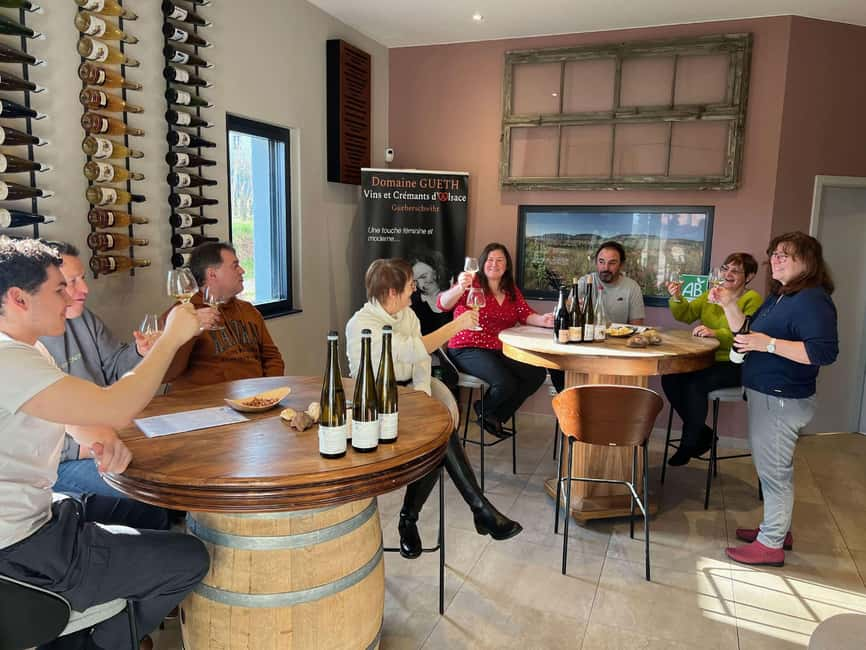
The experience is built around Muriel’s feminine and modern approach to wine. Her role matters because she represents the next chapter of a family estate that has been making wine for seven generations. The presentation also links her approach with fruity, elegant wines and a close relationship with nature.
Still, you should set your expectations carefully. The phrase feminine approach may not lead to a separate talk about women in winemaking, gender and farming, or a clearly defined method used only by women. The explanation may focus more on Muriel’s personal philosophy, her role at the estate, and the estate’s choices in the vineyard and cellar.
That does not make the theme meaningless. It simply means you should treat it as a personal point of view rather than a formal category of wine production. If this is the main reason you are booking, ask directly how Muriel’s approach affects cultivation, cellar work, or the way the wines are presented.
The strongest parts of the philosophy are concrete: organic farming, High Environmental Value certification, spontaneous fermentation, and the desire to let wines develop without unnecessary constraint. Those ideas give the feminine theme practical substance, even if the visit does not explore it at length.
Is $20 a fair price?
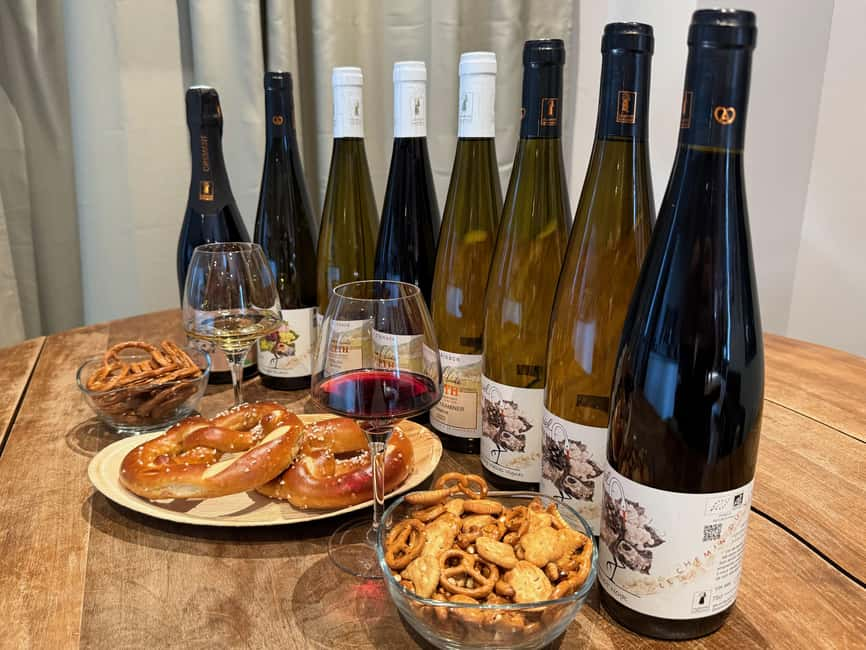
At $20 per person, this is a good-value tasting if you want more than a few pours. You receive a cellar visit, an explanation of the estate’s philosophy, seven organic wines, Alsatian snacks, and the chance to buy directly from the producer.
The value is especially strong for anyone already planning to visit the Alsace wine road. You do not need to commit to a half-day tour, and the one-hour length leaves space for another village, winery, or meal. The small group limit of 10 also supports a more direct exchange than a large coach-based tasting.
The price is less compelling if you only want a quick taste of one or two famous Alsace wines. Seven samples and a guided explanation are more than you need for a casual stop, and the compact cellar may not satisfy visitors looking for an elaborate estate tour.
Buying direct is another practical advantage. You can taste before choosing, then take home a bottle that you already understand. That is safer than guessing from a label, especially when the estate offers more than 20 different wines.
Who will enjoy this Domaine Gueth visit?
I would recommend this experience to:
- Wine beginners who want a friendly introduction to Alsace styles without signing up for a long course.
- Curious drinkers who like choosing their own samples and comparing classic and unusual bottles.
- Small groups who prefer a family estate to a large tasting room.
- Eco-minded visitors interested in organic farming and lower-intervention cellar practices.
- Couples and adult groups looking for a short stop with local snacks and direct purchasing.
- Mixed groups where some people want organic grape juice instead of wine.
It may be less suitable if you need a long, highly technical cellar tour, a large historic estate, or a detailed account of the feminine theme itself. The setting is small, the visit is only one hour, and the experience depends on the questions you bring.
French, English, and German are offered, which makes the visit accessible to a broad range of visitors. The site is wheelchair accessible, and free parking is available inside the Domaine.
Planning your visit
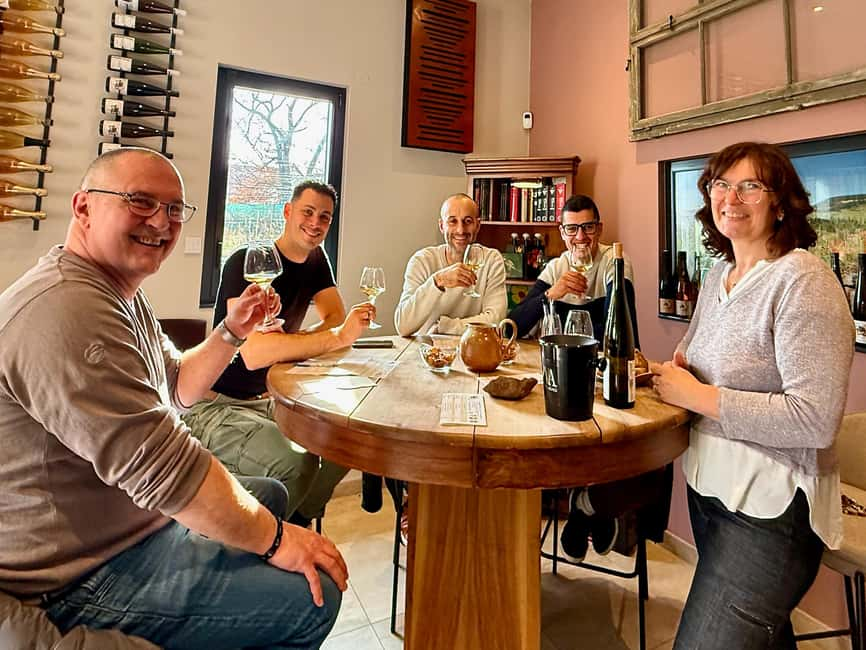
The meeting point is Domaine Gueth in Grand Est. You should allow enough time to park inside the estate and arrive ready for a prompt start, since an hour passes quickly once the cellar explanation and tasting begin.
This activity is available at different starting times depending on the date. Booking can be done with the option to reserve now and pay later, and cancellation is allowed up to 24 hours in advance for a full refund. Those policies are useful when you are moving between villages and cannot predict the exact shape of an Alsace day.
The adult-only wine tasting rule is firm, but the organic grape juice option means you can still bring someone who does not drink. Children are not covered by the wine tasting itself, so confirm suitability before booking a family visit.
Should you book the Domaine Gueth tasting?
Book it if you want a compact, personal introduction to organic Alsace wine, especially if you like choosing your own flight and hearing how a family producer works. The best parts are the seven-wine format, the direct connection with the cellar, the snacks, and the chance to buy bottles you have already tasted.
Go in with realistic expectations about the feminine theme. You will hear about Muriel’s modern approach and the estate’s philosophy, but the visit may not offer a long or separate explanation of gender and winemaking. For $20, though, the combination of seven wines, cellar access, and clear discussion of organic production makes this a sensible stop on the Alsace wine road.
FAQ
How long does the Domaine Gueth wine tasting last?
The experience lasts one hour, including the cellar visit, presentation of the estate’s philosophy, and tasting.
How many wines will I taste?
You can choose and taste seven organic wines from Domaine Gueth’s range of more than 20 wines.
Can I choose which wines to taste?
Yes. The tasting allows you to select seven wines from the estate’s available vintages, including traditional, old-vine, atypical, and local wines.
What food is included?
The tasting comes with an Alsatian pretzel or a slice of kougelhopf, along with crackers.
Is there a nonalcoholic option?
Yes. Anyone who prefers not to drink wine can request 100 percent organic grape juice from the estate’s vineyards.
Is the experience available in English?
Yes. The tour and tasting are offered in French, English, and German.
Just added in France
- Private French Pastry Class in Marseille★ 5.0 · 90 reviews
- Picturesque Luberon – From MARSEILLE★ 5.0 · 36 reviews
- Provence : Aix en Provence, Cassis and Marseille Private Tour★ 4.5 · 53 reviews
- Marseille Walking food and culture tour 3 hour Private tour★ 4.0 · 36 reviews
- Market & Perched Villages of the Luberon Day Trip from Marseille★ 5.0 · 85 reviews
- Marseille Guided Tour for 2.5 Hours with a Bilingual Local Guide★ 5.0 · 36 reviews
- Marseille Guided Tour for 4 Hours with a Bilingual Local Guide★ 5.0 · 105 reviews
- Private Full Day Wine Tour in Provence From Marseille cruise port★ 5.0 · 32 reviews
Wine Tours, compared.

Authentic Parisian Gourmet Food Tour with 10 Local Dishes & Wines
Read our review →
Loire Valley Castles Day Trip from Paris with Complementary Wine
Read our review →

River Garonne Cruise with Glass of Wine and Canelé
Read our review →
Montmartre Hill French Gourmet Food and Wine Tasting Walking Tour
Read our review →
Montmartre Cheese, Wine & Pastry Guided Walking Tour
Read our review →
Loire Valley Castles Day Trip With Wine Tasting
Read our review →
Afternoon Saint-Emilion Wine Tasting & snack
Read our review →Browse the lists this tour appears in