
Reviewed · TOURS IN LYON
Lyon Big Traboules in Little City Stories from the Past Private Guided Tour
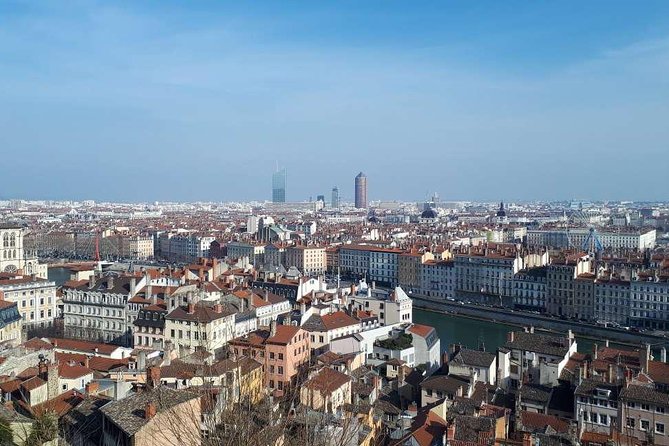
Lyon’s most memorable spaces often sit behind ordinary doors. This private walk with Konstantin Masajlo leads you from Place Bellecour into medieval Vieux Lyon, through traboules, and up Fourvière, linking silk-making, Roman Lyon, architecture, and darker city tales along the way.
I like the private format, which lets you set the pace and ask for more of what interests you. I also like the mix of famous sights and easy-to-miss passages that you would be unlikely to find on your own. The main consideration is the uphill route to Fourvière and the fact that the experience depends on good weather.
Key points at a glance
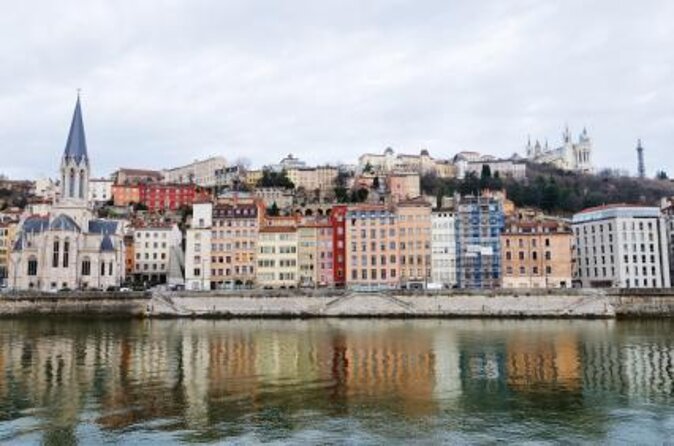
- Traboules beyond the usual postcard view: Enter Lyon’s covered passageways in Vieux Lyon and hear why they matter to the city.
- A flexible private walk: Your group alone takes part, with the start time and meeting point arranged to suit your needs.
- Konstantin’s storytelling: Expect history, humor, local details, silk-industry context, and tales that standard guidebooks often skip.
- A clear route through Lyon: Begin at Place Bellecour, pass the Jacobins and Old Lyon, climb to Fourvière, then return to the starting point.
- Good value for a small group: At about $54.44 per person, the price makes more sense when shared by several people, especially with group discounts.
- An orientation for the rest of your stay: The walk helps you understand Lyon’s layout so you can return to places that caught your eye.
Why the traboules make this Lyon walk special
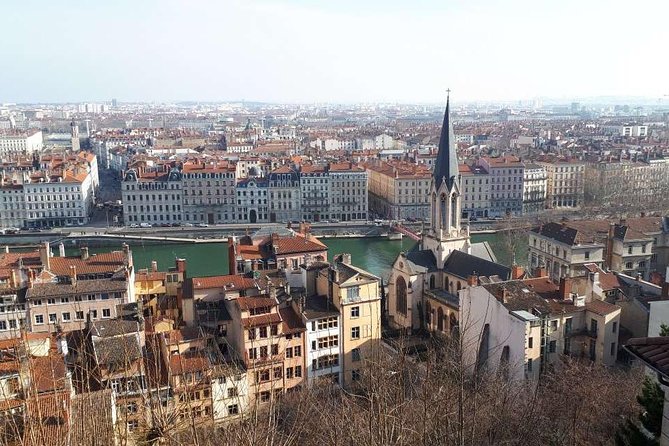
A traboule is a passage through or between buildings, often linking one street with another. In Lyon, these passages are closely tied to the shape of Vieux Lyon and the working life of the city. They can look modest from the street, then open into courtyards and architectural spaces you might otherwise pass without noticing.
That contrast is the heart of this experience. You are not simply walking from one monument to another. You are learning to look for the second layer of the city: the doorways, courtyards, stairways, and routes tucked behind the main streets.
Access to traboules can vary, and some are not open at every hour. Konstantin has adjusted routes when needed, and a private booking gives you a better chance to discuss what is available on your chosen day. Still, you should treat the passageways as a special part of the walk, not as a guarantee that every famous traboule will be open.
The format also helps if you like to ask questions. You can stop to talk about Lyon’s silk industry, architecture, local workshops, or the way the old city developed without holding up a large group. If you prefer a brisk overview, the walk can keep moving. If you want more context, you have room to pause.
Other trips people book in Lyon:
- Lyon City Hop-on Hop-off Sightseeing Bus Tour
★ 4.0 · 1,614 reviews - Lyon: Musée de l’illusion Entrance Ticket
★ 3.9 · 1,023 reviews - Vieux Lyon Cultural & Historical Walking Guided Tour (English)
★ 5.0 · 942 reviews
From Place Bellecour to the Jacobins
The meeting point is at 6 Place Bellecour, a useful starting point in central Lyon. The route begins with Place des Jacobins, where you get a quick look at French architecture in a setting designed for visual impact. The stop is short, around 10 minutes, so it works as an introduction rather than a long architectural lecture.
This opening gives you a sense of Lyon’s central layout before the route turns toward Old Lyon. It is also a practical place to begin if you are still getting your bearings. The walk later returns to Place Bellecour, so you do not need to learn a new end point or arrange transport from a distant neighborhood.
I would not choose this tour mainly for the Jacobins stop. Its value is that it sets up the rest of the walk. You see the polished public face of Lyon before moving into narrower streets and less obvious places.
Entering Vieux Lyon through medieval passageways
The Vieux Lyon section lasts about 30 minutes, followed by another 30 minutes exploring its medieval streets. That gives the old quarter enough time to feel like more than a quick photo stop.
Here, the experience shifts from broad city views to close observation. Look up at the building fronts, notice the courtyards, and pay attention to how the traboules connect spaces that seem separate from the street. Konstantin’s role is especially useful here because the appeal is not always obvious at first glance. A narrow entrance may lead to a route with a completely different character inside.
The route also includes stories about the darker side of Lyon. That adds balance. A city tour should not turn the past into a parade of pretty facades, and this one aims to show how Lyon developed through work, conflict, trade, and social change.
Several people have praised the way Konstantin explains the city’s development rather than reciting isolated dates. That approach suits Lyon, where the Roman, medieval, silk-making, religious, and modern chapters overlap in a relatively compact area.
Silk, workshops, and the everyday city
The tour can include discussion of Lyon’s silk industry and local workshops. This is one of the strongest reasons to choose the private version. You can ask how work shaped the old streets, how buildings served daily life, and how the city’s commercial identity grew.
The experience may also include an outdoor market used by local residents. That detail matters because it moves the walk beyond monuments. You get a glimpse of Lyon as a lived-in city, not only as a collection of historic sights.
I would ask Konstantin early in the walk if you are especially interested in silk, architecture, markets, or local life. The tour is designed to adapt, and several bookings have included changes based on what the group wanted to see. The more clearly you state your interests, the more useful the private format becomes.
Same base, a different kind of day:
- Lyon: Private Walking Tour of “Traboules” in the Old Town
★ 5.0 · 866 reviews - Lyon: City Highlights Walking Tour
★ 4.9 · 847 reviews - Lyon Highlights & Secrets Walking Guided Tour (small group) including Funicular
★ 5.0 · 831 reviews - Highlights and Hidden Gems of Lyon Guided Walking Tour (English)
★ 5.0 · 750 reviews
Fourvière Basilica and the City of Light
The route then reaches Basilique Notre Dame de Fourvière, with about 20 minutes set aside for the stop. The basilica is one of Lyon’s major landmarks, and it gives the tour a strong visual change after the enclosed passages of Vieux Lyon.
The stated focus here is Lyon’s identity as the City of Light. That theme gives Konstantin an opening to explain a piece of local culture and history while you take in the building and its setting. The supplied details do not promise an interior visit, so you should think of this as a guided stop around the basilica rather than assume that a detailed indoor tour is included.
Getting to Fourvière also changes the physical feel of the walk. You should expect an uphill section and wear shoes suited to several hours on foot. The route is not presented as a strenuous hike, but it is not a flat stroll either. If someone in your group has trouble with hills, mention it when arranging the start.
The stop is valuable even if you have already seen photographs of the basilica. A guide can connect the hilltop position to the rest of Lyon, helping you understand why this point matters in the city’s layout.
Roman Lyon from Colline de Fourvière
The final major sightseeing section takes about 30 minutes on Colline de Fourvière. Here, the perspective reaches further back, asking you to see Lyon through the eyes of someone living in the ancient Roman Empire.
That framing gives the walk a useful sense of scale. You are no longer looking only at medieval streets or nineteenth-century city growth. You are considering why this hill and this location mattered long before modern Lyon took shape.
The Roman focus also prevents the tour from becoming only an Old Town walk. The route brings together several eras without requiring you to visit separate museums or make your own connections. If you are new to Lyon, that broad overview can make later independent sightseeing much easier.
The tradeoff is time. A 2 to 3-hour walk cannot cover every Roman site, every traboule, and every major building in detail. You get a well-shaped introduction, not an exhaustive archaeological tour.
What makes Konstantin a useful guide
The strongest praise centers on Konstantin’s personal style. He is described as warm, funny, flexible, and generous with his time. His approach combines local guiding with a historian’s habit of connecting the past to the present.
His humor can be dry, and his explanation of Lyon is not blindly flattering. One piece of feedback found his criticism of the city too strong, while his response acknowledged that he tries to show how Lyon became what it is without glorifying or attacking it. That is worth knowing before you book. If you prefer a polished, relentlessly cheerful presentation, his candid style may not suit you perfectly.
There was also an admitted mistake about identifying a plant. That small detail is a useful reminder that a city guide is not a botanist. The important point is that his expertise is centered on Lyon’s history, architecture, culture, and development, not every natural detail along the route.
His flexibility comes through in practical ways. He has accommodated a last-minute addition to a group, adjusted for road closures, and kept the walk pleasant in rain and cold. Those examples do not remove the need to plan for weather, but they suggest that the private format has real value when the day does not go exactly as planned.
How much walking and time should you expect?
The experience lasts approximately 2 to 3 hours. The published stops add up to roughly two hours, but the total can vary with questions, walking speed, route changes, and the amount of time spent at each place.
You will cover central Lyon, Vieux Lyon, and Fourvière, then finish back at the meeting point. That makes this a substantial orientation walk rather than a short neighborhood introduction.
Plan for:
- Comfortable walking shoes
- Time outdoors in changing weather
- An uphill section toward Fourvière
- A flexible attitude if a passageway or route needs to change
- Enough space in your schedule for the walk to last closer to three hours
Most people can take part, and the activity is near public transportation. No food, drinks, souvenirs, or other purchases are included, so carry what you need for the walk.
Is $54.44 per person good value?
At about $54.44 per person, this is not the cheapest way to see Lyon. It is also not simply a standard group stroll. You are paying for a private guide, a flexible pace, and help finding and interpreting places that are easy to miss.
The value improves for a family or small group, especially since group discounts are available. A private tour can also save time. Instead of waiting for a large group, listening through a headset, or staying with a fixed pace, you can ask for a shorter explanation or linger when something catches your attention.
I would see the price as fair if you are visiting Lyon for the first time and want a strong introduction in one morning or afternoon. It is less compelling if you already know Vieux Lyon well, have researched the traboules, and prefer exploring independently.
The tour is offered in English and includes the local guide. Admissions are free at the stated stops, so there are no listed entrance fees to add. You should still budget separately for anything you buy during or after the walk.
Who should book this private experience?
This tour suits you best if you want:
- A first look at Lyon before exploring on your own
- A private walk for family or friends
- Stories and context rather than only landmark photographs
- Help finding traboules and understanding their role
- A guide who can adjust the route around your interests
- A mix of medieval, Roman, religious, and modern city themes
- Suggestions for what to do and where to eat after the walk
It is also a good fit for families. One booking specifically notes that children enjoyed the experience, and the private setting makes it easier to pause or change the level of detail.
You may want something else if you dislike hills, need a fully indoor activity, or want a tightly scripted tour with no room for discussion. The route depends on weather, and poor conditions can lead to a new date or a full refund rather than a guaranteed walk.
Cancellation is free up to 24 hours before the start time. Changes or cancellations inside that window are not accepted for a refund, and the experience may be canceled if weather is poor.
Should you book the Lyon traboules walk?
I would book this early in a Lyon stay, especially if you want to understand the city before returning to its neighborhoods on your own. The combination of traboules, Vieux Lyon, Fourvière, and Roman viewpoints gives you a useful framework in a single walk.
The private format is the main reason to choose it over a large group tour. You can set the pace, ask direct questions, and tell Konstantin what you care about. At around $54.44 per person, it offers its best value for a small group that wants a personal introduction rather than a quick checklist of sights.
Book it if you enjoy stories, side streets, and a guide who is willing to show both Lyon’s strengths and its rougher edges. Skip it if you want a flat route, guaranteed access to every passageway, or a purely celebratory presentation.
FAQ
How long does the Lyon traboules tour last?
The experience lasts approximately 2 to 3 hours. The total time can vary based on walking speed, questions, and how the private route is adjusted.
Where does the tour start?
The tour starts at 6 Place Bellecour, 69002 Lyon, France.
Where does the tour finish?
The activity ends back at the meeting point at Place Bellecour.
Is this a private tour?
Yes. Only your group participates in the activity.
Is the tour offered in English?
Yes. The experience is offered in English.
What sights are included?
The route includes Place des Jacobins, Vieux Lyon and its traboules, the medieval streets of Vieux Lyon, Basilique Notre Dame de Fourvière, and Colline de Fourvière.
Are admission tickets included?
The listed stops have free admission. The experience includes a local guide but does not include extra purchases such as food, drinks, or souvenirs.
Is the tour near public transportation?
Yes. The activity is near public transportation.
What happens if the weather is poor?
The experience requires good weather. If it is canceled because of poor weather, you will be offered another date or a full refund. You can cancel up to 24 hours before the start time for a full refund.
Just added in Lyon
- Hameau Duboeuf, 1st theme park on Vine and Wine in Europe★ 4.5 · 63 reviews
- Segway – Ride along the rivers 1h30★ 5.0 · 43 reviews
- 1 or 2-Hour Pedicab tour of Lyon★ 5.0 · 213 reviews
- Storytelling tour of Old Lyon★ 5.0 · 39 reviews
- Lyon Old Town Private Food Tour with 6 French Delicacies & Wines★ 5.0 · 85 reviews
- Rhône Valley Wine Tasting Private Day Tour from Lyon★ 5.0 · 43 reviews
- Northern Rhône Valley Wine tour from Lyon Half Day★ 4.5 · 113 reviews
- Northern Rhône Valley From Lyon Full day★ 5.0 · 150 reviews
Tours in Lyon, compared.

Vieux Lyon Cultural & Historical Walking Guided Tour (English)
Read our review →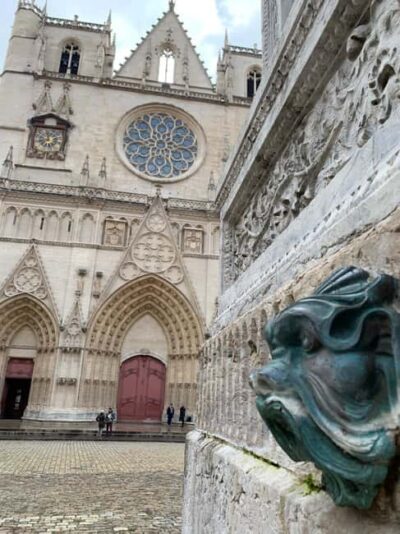
Private Walking Tour of “Traboules” in the Old Town
Read our review →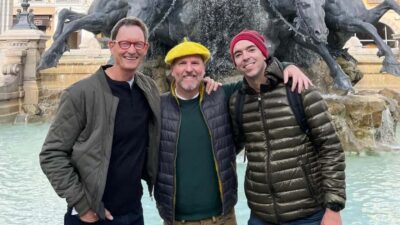
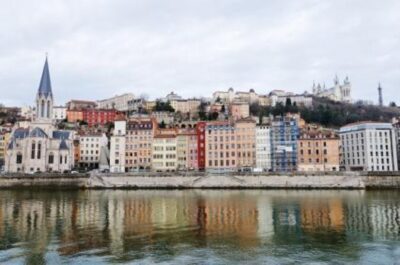
Lyon Highlights & Secrets Walking Guided Tour (small group) including Funicular
Read our review →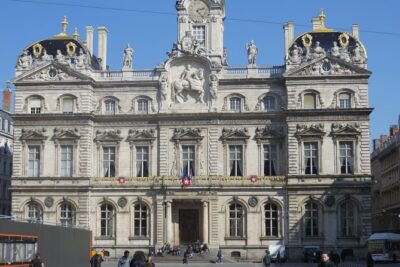
Highlights and Hidden Gems of Lyon Guided Walking Tour (English)
Read our review →
Food Tour in Lyon – A Full Taste of France by Do Eat Better
Read our review →
Lyon Old Town Food Tour with 6 French Delicacies & Fine Wine
Read our review →Browse the lists this tour appears in