
Reviewed · ORSAY MUSEUM TOURS
Paris Musée d’Orsay Fully Guided Tour
The best thing about this Musée d’Orsay tour is its clear focus: in two hours, you go straight to the museum’s major Impressionist works instead of wandering through its grand galleries wondering what you should see first. Van Gogh, Monet, Manet, Gauguin, and Cézanne all get their turn, with an English-speaking guide explaining how the artists and their ideas connect.
I like the prebooked admission, which saves time at one of Paris’s most popular museums. I also like the guides’ teaching style. Names such as Avi, Amelie, Hugo, Manuel, Antoine, and Violet appear often in guest feedback, with praise for lively explanations, humor, and a clear historical order.
The main drawback is the tight schedule. Two hours is enough for a guided introduction, not every gallery. The meeting point can also be hard to spot in a crowded area, so arrive early and read the directions closely.
Key points to know before booking
- Two hours with a clear route: The guide leads you to the major works rather than leaving you to find them alone.
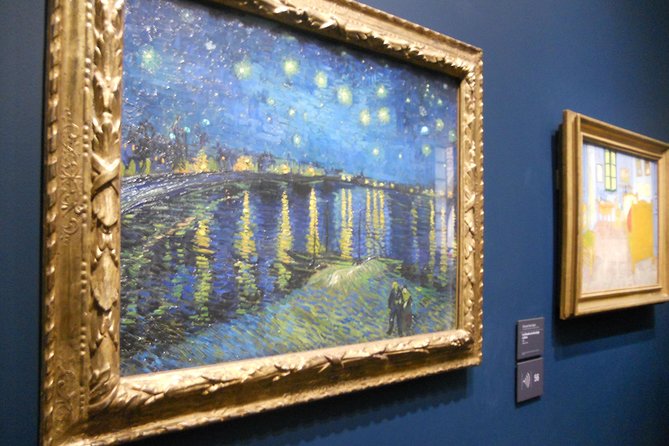
- Strong Impressionist focus: Expect Van Gogh’s self-portrait and Starry Night Over the Rhone, Manet’s Olympia and Luncheon on the Grass, Monet, Gauguin, Cézanne, and more.
- English only: The tour is designed for English-speaking visitors.
- A good morning plan: After the guided visit, you can stay and explore the museum on your own if your ticket arrangements allow, as several guests found useful.
- Maximum group size of 20: This is not a private tour, but it is smaller and more personal than a large coach group.
- Plan for walking and punctuality: You need to walk at a moderate pace, and late arrival can mean missing the group.
Why the Musée d’Orsay works so well with a guide
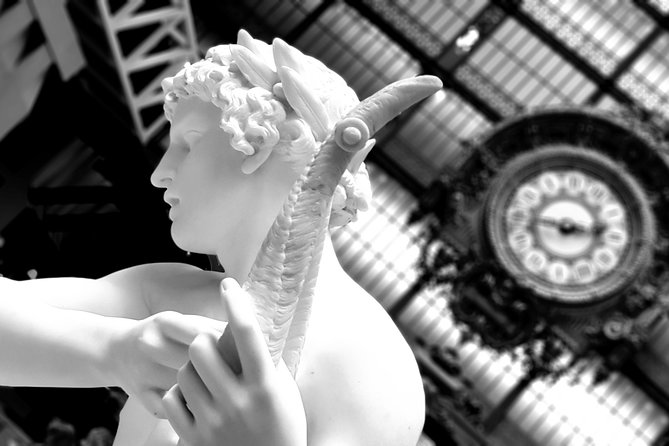
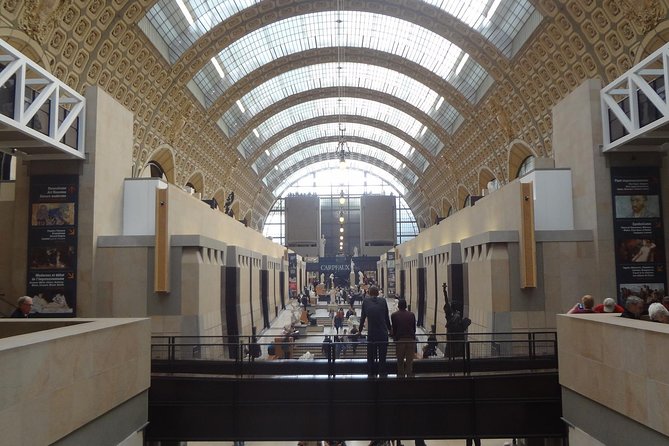
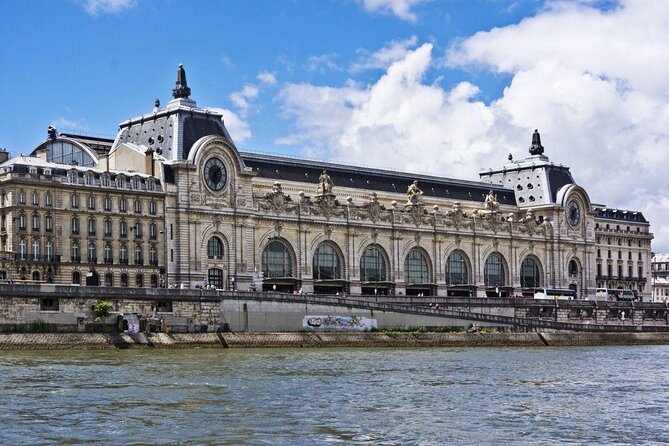
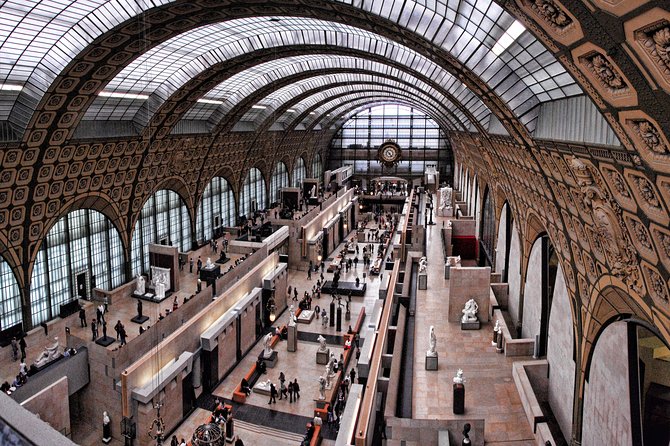
The Musée d’Orsay is not simply a room full of pretty paintings. It is a former railway station filled with a turning point in European art. The collection shows artists breaking away from official rules, traditional subjects, and polished studio painting.
That change can be hard to follow on your own. You may admire the colors in a Monet or wonder why Manet caused such a fuss, but the larger story becomes clearer when someone places the works in order. This tour aims to do exactly that.
A good guide can show you how one painting responds to another. You may move from the rigid expectations of academic art toward the looser brushwork, modern subjects, outdoor light, and personal viewpoints associated with Impressionism and its neighbors.
The strongest guide feedback centers on this teaching method. Antoine is praised for presenting the material chronologically and explaining both the art and the way it was received when first shown. Avi is praised for making artists’ lives and painting history approachable. Hugo is often singled out for making the movement feel alive rather than like a school lecture.
That matters if you are new to art museums. It also matters if you have been to the Musée d’Orsay before. One person who had visited three times still found new connections through the tour.
More Orsay visits booked from Paris:
- Paris in a Day: Louvre or Orsay, Eiffel Tower, City Walk & Cruise
★ 5.0 · 1,956 reviews - Paris: Musée d’Orsay Entry Ticket and Seine River Cruise
★ 4.6 · 1,344 reviews - Paris: Musée d’Orsay Skip-the-Line Tour with Expert Guide
★ 4.5 · 1,145 reviews
Meeting at 2 Rue de la Légion d’Honneur
The tour starts at 2 Rue de la Légion d’Honneur, 75007 Paris, near the Musée d’Orsay. The activity ends at the same meeting point.
Give yourself extra time to get there. The meeting area can be crowded, and finding one person in a large public space is not always easy. The practical lesson is simple: do not aim to arrive exactly at the start time. Arrive early, check the meeting instructions, and keep the tour confirmation ready on your phone.
This is especially important because the tour does not appear to offer a generous late-arrival buffer. A few people have missed the experience after trouble locating the guide or dealing with a meeting-point change. Even when the operator tries to provide directions and an urgent contact number, last-minute phone support may not solve the problem quickly enough.
The tour is close to public transportation, so you do not need a hotel transfer. That keeps the price lower than a private door-to-door experience, but it also means you are responsible for reaching the museum on time.
Entering the museum with prebooked admission
The tour includes a prebooked Musée d’Orsay ticket and guided entry. The practical benefit is less time spent dealing with admission arrangements and more time inside with the collection.
Skip-the-line access is useful, but it should not be misunderstood as a magic shield against every delay. Museums can have security checks, crowding, or unusual operating conditions. The tour information also warns that the Musée d’Orsay can close because of strikes. If a closure is known early enough, the operator may contact you. A last-minute closure may only be announced at the meeting point.
Once inside, the guide takes control of the route. You will not be expected to study the entire museum in two hours. Instead, the visit concentrates on major paintings and key gallery highlights.
That is a sensible approach for a first visit. The Orsay has more art than you can absorb in a short stop, and a focused route helps you leave with a coherent idea of what you saw.
The paintings you are most likely to remember
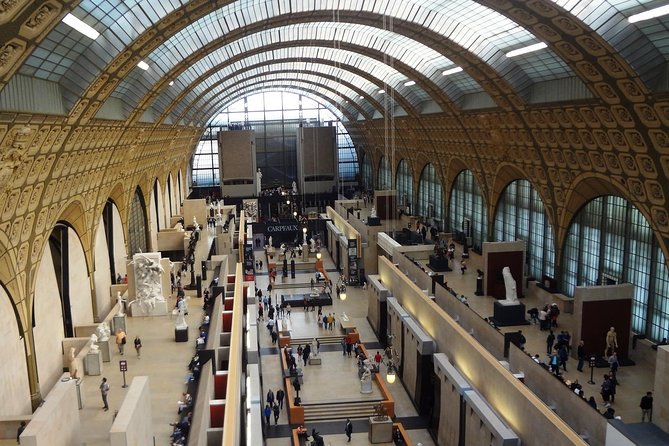
The listed highlights include Van Gogh’s Self Portrait and Starry Night Over the Rhone, two works that show very different sides of his color and brushwork. One turns attention toward the artist himself. The other transforms a night scene into a field of electric blues, yellows, and movement.
Manet’s Olympia and Luncheon on the Grass bring a different kind of shock. These paintings matter not only for their appearance, but also for the way they challenged accepted ideas about respectable subjects and finished painting. A guide can explain why they were controversial without reducing the discussion to a list of dates.
Monet’s paintings, including Houses of Parliament, help explain the Impressionist interest in changing light and atmosphere. Gauguin’s Tahitian Women on the Beach opens another path, connected to his search for unfamiliar settings and new subjects. Cézanne adds yet another piece to the story, pointing toward a more structured approach to form.
You may not spend equal time with each work. That is part of the tradeoff. A two-hour visit gives you the main framework, but you will need extra time afterward if you want to stand quietly with a favorite painting or visit rooms outside the guided route.
Same base, a different kind of day:
- Paris: Louvre Museum Timed-Entrance Ticket
★ 4.6 · 71,977 reviews - Disneyland® Paris 1-Day Ticket
★ 4.6 · 49,412 reviews - Paris: Versailles Palace and Gardens Full Access Ticket
★ 4.6 · 41,579 reviews - Paris: Evening River Cruise with Music
★ 4.4 · 22,721 reviews
What the guides do best
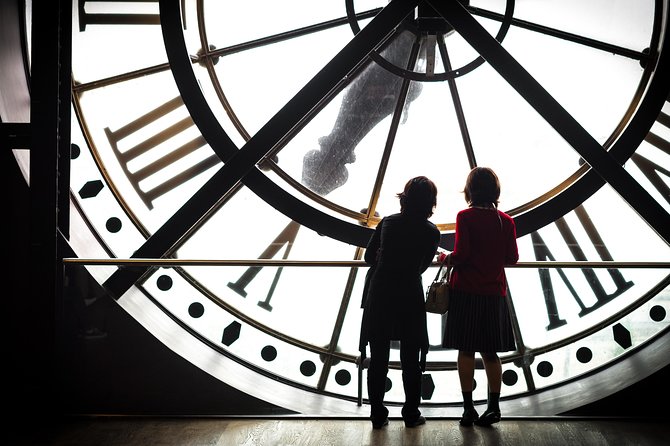
The quality of this experience depends heavily on the individual guide. The strongest feedback describes guides who make art easy to follow without treating you like a student in a formal classroom.
Avi is repeatedly praised for humor, warmth, and the ability to explain both the paintings and the lives of the artists. His tours are described as logically organized, with the history of Impressionism building from one gallery to the next. That structure can make a busy museum feel much easier to understand.
Amelie is praised for combining subject expertise with wit and enthusiasm. Her approach appears especially helpful for couples and first-time museum visitors who want more than a quick list of artist names.
Hugo is noted for passion and storytelling. His style has helped even first-time museum-tour participants feel more comfortable looking at art. That is important because many people worry they will not understand what they are seeing. A good guide gives you a few useful questions to ask yourself: What was new about this painting? Who was expected to like it? What did the artist change?
Manuel is praised for his strong knowledge of art and Paris, along with a personal enthusiasm that made repeat visits feel fresh. Antoine is praised for a calm, chronological presentation. Violet is described as creative in the way she relates paintings to modern life.
The guide names are not guaranteed when you book. Staff assignments can change. Still, the repeated pattern is encouraging: this experience succeeds when the guide explains connections, welcomes questions, and keeps the group moving without rushing every painting.
Two hours inside, then time to explore
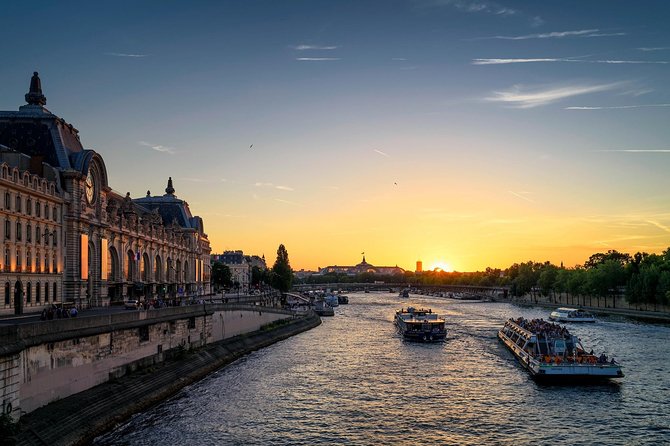
The official duration is about two hours. That is a good length for a guided museum introduction, especially during a busy Paris day.
You will likely spend much of the time walking between galleries and stopping for explanations. The tour requires a moderate pace, so it may not suit anyone who finds extended walking difficult. The museum itself is large, and standing for long periods can be tiring.
The best way to use the tour is to treat it as your opening chapter, not your entire Musée d’Orsay visit. A morning departure can work particularly well. After the guided portion, you may be able to remain in the museum and look at the collection independently. That gives you the useful combination of direction first and freedom later.
Plan your independent time around the works that caught your attention. If Van Gogh made the strongest impression, return to his paintings and look without a guide speaking beside you. If Manet’s social and artistic challenge interested you, spend extra time with those works and read the museum material at your own pace.
This approach also helps families. A two-hour art tour can be enough to hold a young person’s attention, while the option to stop afterward prevents the visit from feeling like a forced march through every room. One particularly useful piece of feedback came from a parent whose reluctant teenager found the experience interesting, a good sign for families choosing a guided introduction.
Is $71.35 a fair price?
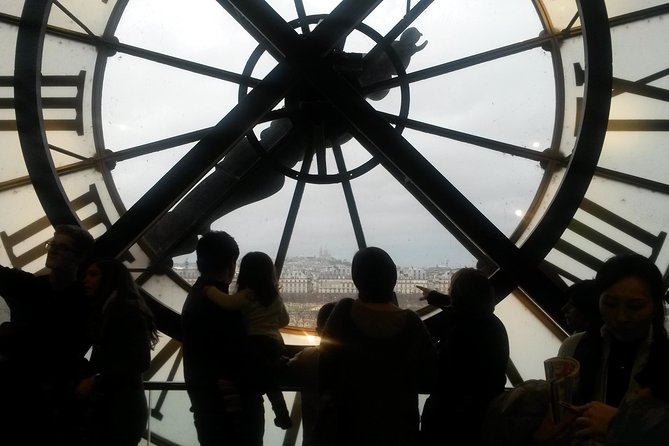
At $71.35 per person, this is not the cheapest way to enter the Musée d’Orsay. You are paying for more than the admission ticket: the price includes a local expert guide, a guided walking route, and prebooked museum entry.
The value depends on how you use the two hours. If you already know the museum well, prefer to read labels alone, or want to spend the entire day moving slowly through every room, a ticket without a guide may suit you better.
If you are visiting Paris for a short stay, the price is easier to justify. You get a planned route through one of the city’s most important collections and avoid wasting time deciding which paintings matter most. You also gain context that a ticket alone cannot provide.
The tour is especially good value for first-time museum visitors who feel unsure about Impressionism. It can give you enough background to make the rest of your visit more rewarding. That said, do not book it expecting a private lesson. The maximum group size is 20, so the guide must balance questions, movement, and the needs of the whole group.
The tour is often booked well ahead, with an average booking window of 47 days. That suggests you should not leave it until the last minute if your Paris dates are fixed.
Who should book this Musée d’Orsay tour?
I would choose this tour if you want a focused introduction to Impressionism and like having an expert explain what you are seeing. It is a strong fit for:
- First-time visitors to the Musée d’Orsay
- Couples who want a structured museum visit
- Families with older children or teenagers
- Art lovers who want historical connections, not just famous names
- Visitors with limited time in Paris
- People who prefer an English-language tour
I would think twice if you want a silent, unhurried museum visit or if you need to set your own pace throughout. The two-hour format has a firm shape, and the group must keep moving.
It is also not the best choice if you are likely to arrive late. Meeting-point confusion has caused real problems, and a missed tour may not be refundable.
Booking, cancellation, and practical details
The tour is offered in English and includes the museum admission ticket. Hotel pickup and drop-off are not included, so you make your own way to the starting point.
Most people can take part, provided they can walk at a moderate pace without difficulty. The experience takes place inside the museum but is described as a walking tour, with regular movement between galleries.
Free cancellation is available if you cancel at least 24 hours before the start time. Cancellations or changes made less than 24 hours before the experience are not refunded. Cutoff times follow local Paris time.
The overall rating is 4.5 from 556 reviews, with especially strong praise for the guides’ storytelling, humor, organization, and ability to explain Impressionism in a clear order. The weaker experiences center on missed meeting points, communication problems, and personal emergencies that required changes after the deadline.
Should you book it?
Book this Musée d’Orsay tour if you want to understand the collection rather than simply pass through it. The prebooked entry saves time, the route covers the major Impressionist names, and the best guides, including Avi, Amelie, Hugo, Manuel, Antoine, and Violet, bring art history down to earth.
Set aside extra time afterward if you can. Two hours gives you a strong framework, but the museum deserves a slower second look. Arrive early at 2 Rue de la Légion d’Honneur, follow the meeting instructions carefully, and treat the tour as a guided start to a longer museum visit.
FAQ
How long is the Musée d’Orsay guided tour?
The tour lasts approximately two hours.
What language is the tour offered in?
The tour is offered in English.
Is museum admission included?
Yes. The tour includes a prebooked ticket for the Musée d’Orsay.
Where does the tour start?
The meeting point is 2 Rue de la Légion d’Honneur, 75007 Paris, France.
Where does the tour end?
The activity ends back at the meeting point.
What artworks are included on the route?
The route includes major works such as Van Gogh’s Self Portrait and Starry Night Over the Rhone, Manet’s Olympia and Luncheon on the Grass, Monet’s Houses of Parliament, Gauguin’s Tahitian Women on the Beach, and works by Cézanne and other artists.
What happens if the Musée d’Orsay closes because of a strike?
The museum may close because of strikes. If the operator learns about a closure early enough, it may contact you. For a last-minute closure, information may be provided at the meeting point.
Just added in Paris
- Paris: Oh My God She’s Parisian! English Comedy Show★ 4.7 · 257 reviews
- Paris: Create your Signature Scent Perfume Workshop★ 4.8 · 221 reviews
- Paris: Flea Market Insider’s Tour in Extra-Small Group★ 4.6 · 73 reviews
- Paris : Painting experience in an art cafe★ 4.6 · 204 reviews
- Paris: Vallée Village Outlet Shopping Day★ 4.3 · 362 reviews
- Paris night out : Comedy in English ‘How to Become a Parisian ?’★ 4.5 · 373 reviews
- La Vallee Village Shopping Outlet by Luxury Transport from Paris★ 3.5 · 111 reviews
- Design Luxury and Personalized Jewelry in Paris le Marais★ 5.0 · 160 reviews
Orsay Museum Tours, compared.
Paris in a Day: Louvre or Orsay, Eiffel Tower, City Walk & Cruise
Read our review →
Musée d’Orsay Entry Ticket and Seine River Cruise
Read our review →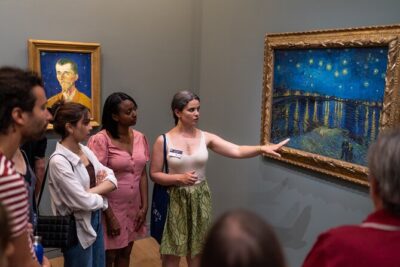
Musée d’Orsay Skip-the-Line Tour with Expert Guide
Read our review →
The Musée d’Orsay Guided Tour Orsay Museum Semi-Private 6ppl Max
Read our review →
Orsay Museum – Exclusive Guided Tour (Reserved Entry Included)
Read our review →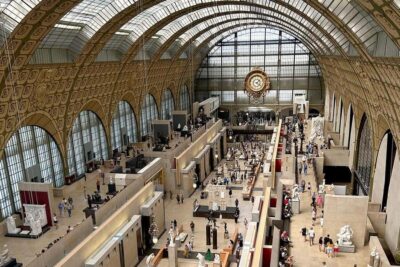
Orsay Museum and Rodin Museum Combo Entry Ticket
Read our review →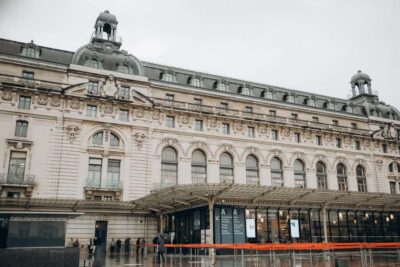
Browse the lists this tour appears in