
Reviewed · PERFUME WORKSHOPS
Fragonard Paris – Mini Perfume workshop – only in Spanish
Fragonard’s mini perfume workshop gives you two experiences in one: a quick tour through a private mansion filled with historic scent bottles, followed by the chance to make your own 12 ml Eau de Toilette. The most memorable detail is the leap from looking at perfume history to using your own nose.
I like the clear Spanish instruction and the chance to leave with a fragrance you made yourself. I also like the museum’s unusual collection, which ranges from ancient Egyptian bottles to Fabergé pieces. The drawback is time: 45 minutes passes quickly, and the short format leaves little room for lingering, photos, or a long discussion with the instructor.
Key points to know
- Spanish-only instruction: The workshop and guided museum visit are conducted in Spanish.
- A 12 ml personal fragrance: You create and customize your own Eau de Toilette during a roughly 15-minute practical session.
- Three thousand years of perfume: The museum traces fragrance through old bottles, raw materials, and objects from ancient cultures to the modern era.
- A compact schedule: About 20 minutes go to the museum visit, with the remaining time used for the fragrance activity and transitions.
- A historic setting: The collection is displayed inside an old private mansion with a Second Empire atmosphere.
- Arrive early: You must reach the Fragonard Perfume Museum front desk five minutes before the start, since late arrivals cannot enter the workshop room.
A short workshop inside Fragonard’s perfume museum
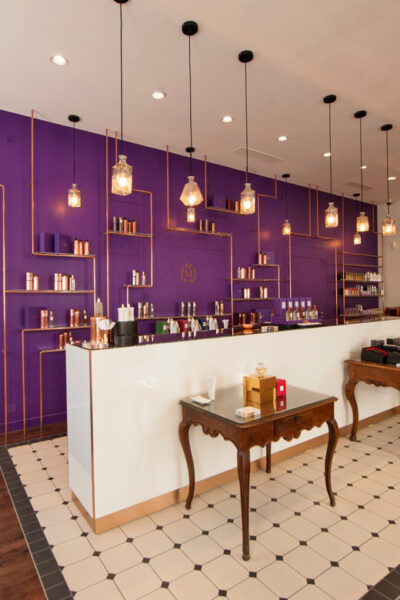
This experience begins at the front desk of the Fragonard Perfume Museum. The setting matters. Rather than walking straight into a modern classroom, you enter an old private mansion with interiors described as having a Second Empire feel. The building gives the first part of the activity a sense of place before anyone starts talking about fragrance formulas.
The museum visit lasts about 20 minutes. That is not enough time for a slow, scholarly tour, but it works as an introduction. You move through displays covering roughly 3,000 years of perfume culture, including old fragrance bottles, fragrant objects, perfumery tools, and examples of decorative arts.
I would think of this section as a visual primer. If you already know perfume history, you may find it too brief. If perfume is new to you, the short presentation gives you useful context before the hands-on portion begins.
The collection includes bottles associated with periods from the pharaohs to Fabergé. That range helps you see perfume as more than a pleasant liquid in a glass bottle. Fragrance has long been tied to ceremony, personal style, status, trade, and craftsmanship.
Other perfume workshops near Paris:
- Fragonard Paris: Mini Perfume Workshop
★ 4.5 · 1,924 reviews - Paris: 2-Hour Perfume Creation Workshop
★ 4.8 · 731 reviews - Paris: Perfume Creation Workshop
★ 4.8 · 289 reviews
From Grasse ingredients to the olfactory pyramid
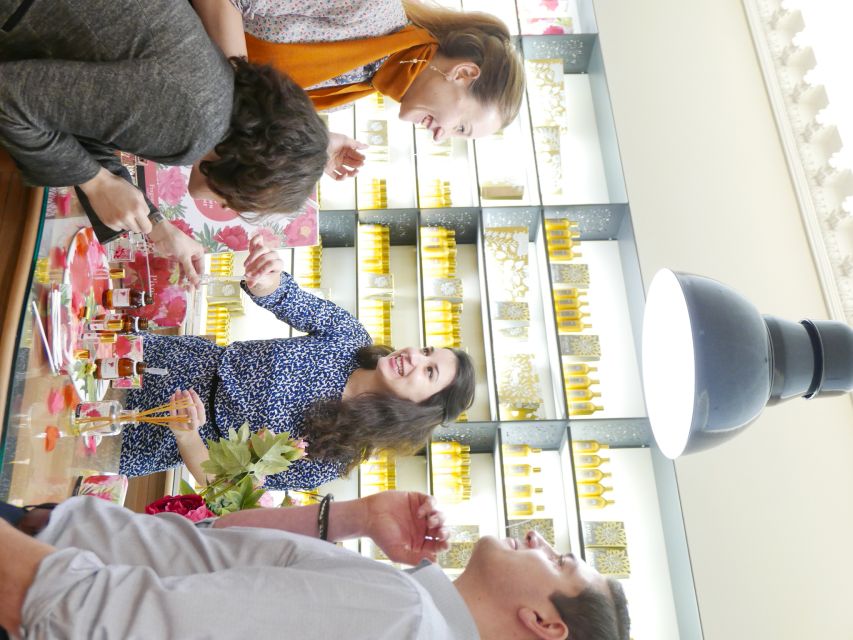
After the museum, the instructor shifts attention from objects to smell. The workshop introduces the history and use of a special flower connected with perfumery, along with the role of raw materials and the production traditions of Grasse.
The information is presented in Spanish, so you should book only if you can follow a Spanish explanation comfortably. This is not an audio-guided visit with several language choices. Spanish is the stated language for both the guide and workshop.
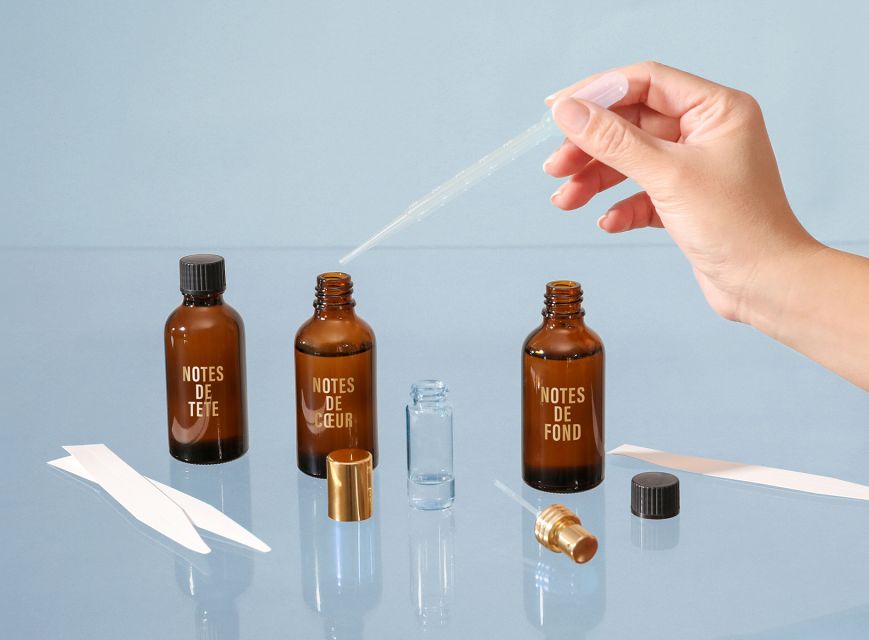
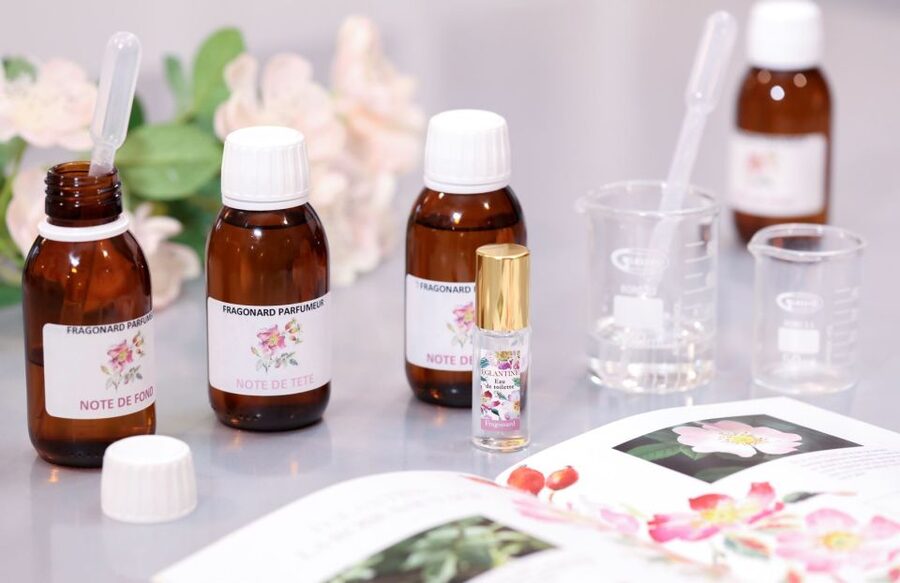
One useful lesson is the olfactory pyramid. This is the basic way perfumers describe how a fragrance develops, from the first impression to the notes that remain longer. The workshop also includes exercises with three mixed compositions that form part of the floral Eau de Toilette activity.
That sensory work is the strongest reason to choose this experience over a simple museum visit. You are not only looking at bottles behind glass. You are asked to compare smells and pay attention to how they differ. The session helps you begin building an olfactory memory, a practical skill for anyone who often feels lost when choosing perfume.
The wording of the activity refers to Eau de Toilette Flor del Year. The important point for you is that the workshop uses floral compositions as the basis for your fragrance. You receive guidance on how to combine them rather than being left to guess at random.
Making your own 12 ml Eau de Toilette
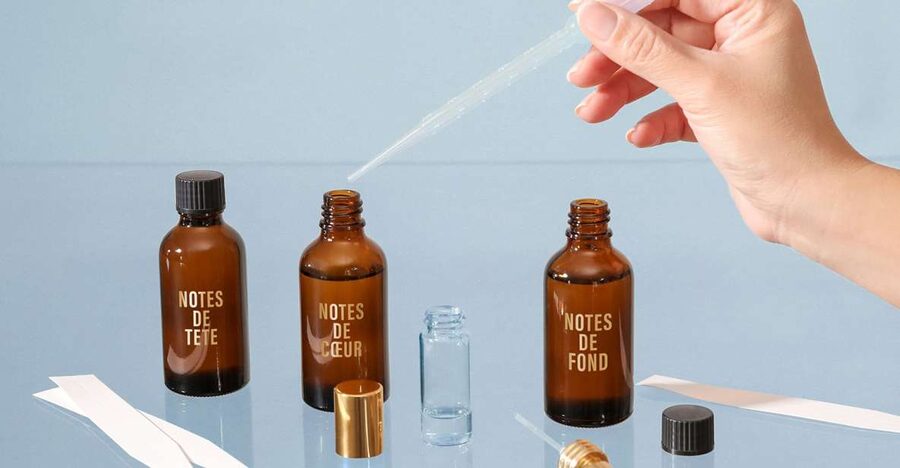
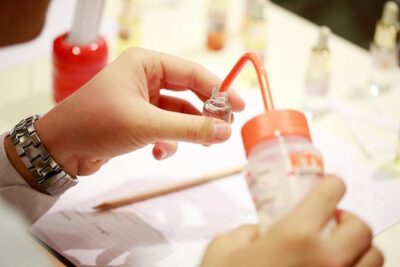
The hands-on segment lasts about 15 minutes. That is enough for a simple introduction, but not enough for a full perfumer’s course. You select and combine scents with advice from the instructor, then customize your own 12 ml spray bottle.
I like the scale of the finished product. A 12 ml bottle is small enough to fit easily into a day bag, yet large enough to use at home and remember the choices you made in Paris. It also keeps the activity focused. You are creating a personal souvenir, not trying to master professional fragrance production in one sitting.
The instructor helps you through the process, which is useful if you have no background in perfume. The activity is designed for beginners. You do not need to recognize fragrance families before you arrive, and you are not expected to understand technical perfume vocabulary.
Still, you should keep your expectations sensible. This is a mini workshop, not a long private consultation or a chance to develop a complex signature scent over several hours. The short timing means decisions are made fairly quickly. If you like to compare every option carefully, the 15-minute format may feel rushed.
The finished spray is included in the price. That adds real value because you leave with something personal rather than only a memory of the museum.
What the museum collection adds
The old bottles are not simply decoration. They show how perfume was stored and presented before today’s standardized sprays. The collection includes unusual and rare pieces, plus artistic objects and examples of goldsmith work.
The displays connect fragrance with material culture. A bottle could be a small work of art, a sign of wealth, or a useful object shaped by the customs of its time. Seeing examples from the pharaohs through Fabergé gives the museum visit a wide historical range, even though the actual tour is short.
I would pay particular attention to the contrast between the museum’s delicate objects and the practical workshop that follows. First you see perfume as a historical and artistic object. Then you handle ingredients and create something that belongs to your own experience.
The museum also introduces the work of perfumers, including the need for raw materials and the traditions associated with Grasse. You will not get an exhaustive lesson in sourcing or production in 20 minutes, but the material explains why perfume is more complicated than simply mixing pleasant smells.
Same base, a different kind of day:
- Paris: Louvre Museum Timed-Entrance Ticket
★ 4.6 · 71,977 reviews - Disneyland® Paris 1-Day Ticket
★ 4.6 · 49,412 reviews - Paris: Versailles Palace and Gardens Full Access Ticket
★ 4.6 · 41,579 reviews - Paris: Evening River Cruise with Music
★ 4.4 · 22,721 reviews
Is $36 a fair price?
At $36 per person, the experience is priced above a basic museum ticket, but the comparison is not quite fair. The fee includes the guided museum visit, the Spanish-language workshop, and your 12 ml perfume creation.
The value depends on what you want from a Paris activity. If you only want to see historic bottles, the price may feel high for a visit lasting around 20 minutes. If you want a small creative activity and a take-home souvenir, the cost makes more sense.
I see it as a reasonable mid-range choice for a short cultural stop. The bottle gives the experience a lasting element, while the museum provides context and atmosphere. You are paying for participation as much as admission.
The main limitation is the compact schedule. You are not buying a leisurely afternoon at a perfume school. You are buying a tightly timed introduction that fits neatly into a day of sightseeing.
Timing, arrival, and the practical details
The total duration is 45 minutes. The museum portion takes about 20 minutes, and the fragrance creation portion takes about 15 minutes. The remaining time covers movement between sections, explanations, and the practical setup.
Arrive at least five minutes before the scheduled start at the Fragonard Perfume Museum front desk. This is important because late arrivals cannot enter the workshop room. The session starts on time, so do not treat the meeting time as a suggestion.
Oversize luggage is not allowed. Leave large bags elsewhere before arriving, especially if you are fitting this activity between hotel checkout and another appointment.
Hotel pickup and return are not included. Food and drinks are also not included, though the activity is short enough that this should not create a problem for most schedules.
The experience is not suitable for people with mobility impairments. You should take that limitation seriously when planning, since the activity takes place in a historic mansion and includes moving through the museum.
Cancellation is flexible up to 24 hours before the start for a full refund. You can also reserve now and pay later, which may help if you are still arranging your Paris schedule.
The Spanish-language experience
The Spanish instruction is one of the clearest reasons to choose this booking. Perfume depends on subtle descriptions, and understanding the explanation makes the scent exercises more useful. You will get more from the workshop if you can follow terms about flowers, raw materials, and fragrance structure without translation.
The language restriction is also the main reason not to book it casually. If your Spanish is limited, the activity may become a visual museum visit followed by a confusing blending exercise. The product itself is straightforward, but the value comes from understanding why you are making each choice.
The instructor is expected to guide you through the three compositions and offer advice while you customize the spray. No instructor name is provided for this experience, so you should not book it expecting a particular named guide.
The strongest response to the activity centers on the pleasure of learning about perfume and creating a personal bottle. The less favorable response focuses on the brief schedule and an untidy start at the entrance. One account also describes the guide as giving more attention to some participants than others. I would treat that as a reminder to arrive prepared and ask your questions early, since the session does not leave much spare time.
Who will enjoy this best?
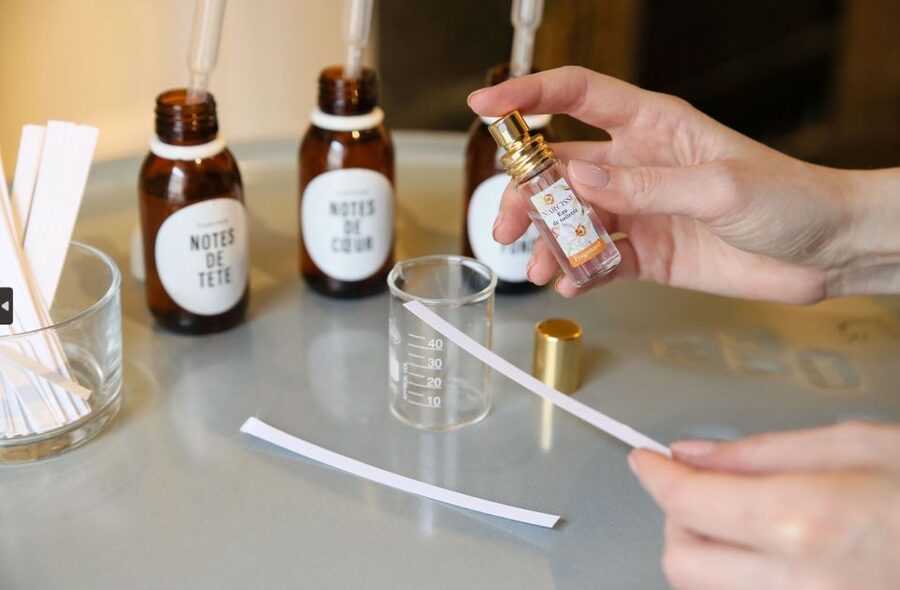
I would recommend the workshop to you if you want a short, hands-on activity with a distinctly French theme. It suits first-time perfume makers, couples looking for a small shared project, and anyone who wants a souvenir with more meaning than a shop purchase.
It also works well for visitors who already plan to see the museum and want to add a practical element. The 45-minute duration makes it easy to fit into a busy Paris day.
You may want to skip it if you are seeking an in-depth perfume course, a long private consultation, or a relaxed visit with plenty of time for photography. The activity is too short for those goals.
It is also a poor choice if you do not understand Spanish. The language is not a minor detail here. It shapes the entire experience, especially the sensory explanations and blending advice.
How to get the most from the 45 minutes
Arrive early, with no oversize luggage, and be ready to begin at the stated time. The short schedule means you should not spend the first minutes checking in, organizing bags, or deciding whether you understand the language.
During the museum section, focus on the connection between the objects and the use of perfume. Notice how bottles, decorative arts, and goldsmith work turn fragrance into a social object. This will make the later workshop feel connected to the collection rather than like a separate activity.
During the scent exercise, pay attention to your first reaction and then to how the combinations change. You do not need to identify every ingredient perfectly. The point is to notice your preferences and make a considered choice.
Ask questions while the instructor is explaining the olfactory pyramid and the three mixed compositions. The workshop moves quickly, and saving all questions until the end could mean missing your chance to get useful advice.
Allow extra time after the activity if you want photographs or time to browse. One of the practical complaints about this experience is that the schedule can feel too tight for both the workshop and relaxed picture-taking.
Should you book the Fragonard mini workshop?
Book it if you want a short Spanish-language introduction to perfume, a glimpse of a historic bottle collection, and a 12 ml fragrance you create yourself. At $36, the combination is fair for a compact cultural activity, particularly if you value the take-home bottle.
Do not book it expecting a full perfumery class or a slow museum tour. The 45-minute format is the deciding factor. I would place it on a day when you want one focused activity, arrive early, and can give the session your full attention.
For Spanish-speaking beginners, it is an appealing way to connect perfume history with personal experience. For anyone wanting depth, more time, or flexible language options, another perfume activity may suit you better.
FAQ
Is the Fragonard perfume workshop conducted in English?
No. The listed language for the instructor and activity is Spanish.
How long does the activity last?
The full activity lasts 45 minutes. The museum visit takes about 20 minutes, and the perfume-making portion takes about 15 minutes.
Do I receive a perfume to take home?
Yes. You create and customize a 12 ml Eau de Toilette in a spray bottle during the workshop.
What does the museum collection include?
The collection includes historic fragrance bottles, old fragrant objects, artistic pieces, and goldsmith work dating from the pharaohs to Fabergé.
Where is the meeting point?
You meet at the front desk of the Fragonard Perfume Museum.
How early should I arrive?
Arrive five minutes before the scheduled start. Late arrivals cannot enter the workshop room, and the activity begins on time.
Is the activity suitable for people with mobility impairments?
No. The activity is listed as unsuitable for people with mobility impairments. Oversize luggage is also not allowed.
Just added in Paris
- Private Transfers in Paris★ 5.0 · 75 reviews
- Personalized Transport service from Disneyland to Paris★ 5.0 · 63 reviews
- Disneyland® Paris 1 Day Ticket with Transport from Paris★ 3.5 · 302 reviews
- CDG – Euro Disney – CDG Two Way Private Shuttle Transfer★ 5.0 · 233 reviews
- Monet’s Gardens & House-Private Giverny Tour From Paris★ 4.5 · 137 reviews
- Giverny Monet House and Gardens Skip the line Walking tour★ 4.0 · 217 reviews
- Guided tour Monet’s house and gardens/small group★ 4.5 · 68 reviews
- Monet’s House and Garden & Giverny Village★ 4.5 · 39 reviews
Perfume Workshops, compared.
Monaco & Eze Small-Group Day Trip with Perfumery Visit from Nice
Read our review →
Fragonard Eze: Perfume Making Class and Factory Tour
Read our review →
Provence Countryside Small Group Day Trip with Grasse Perfumery Visit from Nice
Read our review →
Paris Create your Own Perfume Workshop with a Perfumer
Read our review →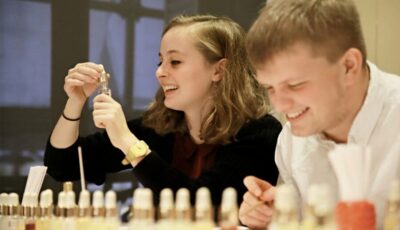
Browse the lists this tour appears in