
Reviewed · CHAMPAGNE TASTINGS
Champagne: Champagne Tasting Class with Lunch
The clever part of this Aÿ-Champagne experience is that it turns tasting into a hands-on class. You explore a family domain, visit cellars dug in the 1850s, smell mystery aromas, and test yourself against three Champagnes before sitting down to lunch. I especially like the small-house setting and the generous meal of regional food, which feels far more personal than a quick pour at a famous Champagne brand. The main drawback is that the visit takes place at the Champagne house rather than out among the working vines, so you should not expect a vineyard walk.
I also like that the guides make room for beginners. Emma, Charlotte, Amanda, Marie, Estelle, and other hosts have led lively sessions in clear English and French, with quizzes and tasting games that make technical details easier to remember. Bring a jacket, though: the cellars average about 10°C, and the three-hour format can feel full if the tour is presented in both languages.
Key points to know before booking
- Cellars from the 1850s: See traditional underground spaces and an old-style press at Le Clos Corbier.
- A real tasting lesson: Learn how to use your nose and palate instead of simply drinking three glasses.
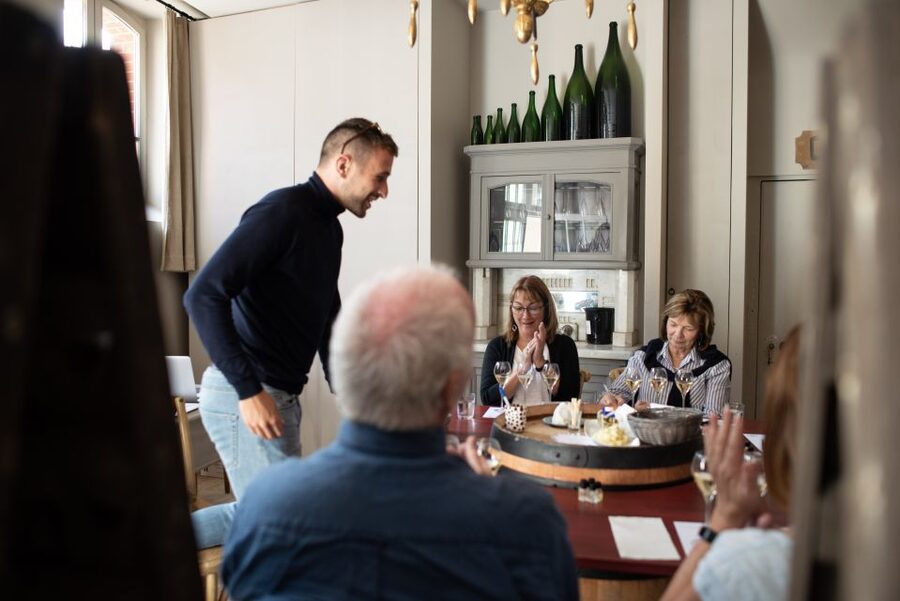
- Three Champagnes blind: Compare bottles from small producers and try to identify their differences.
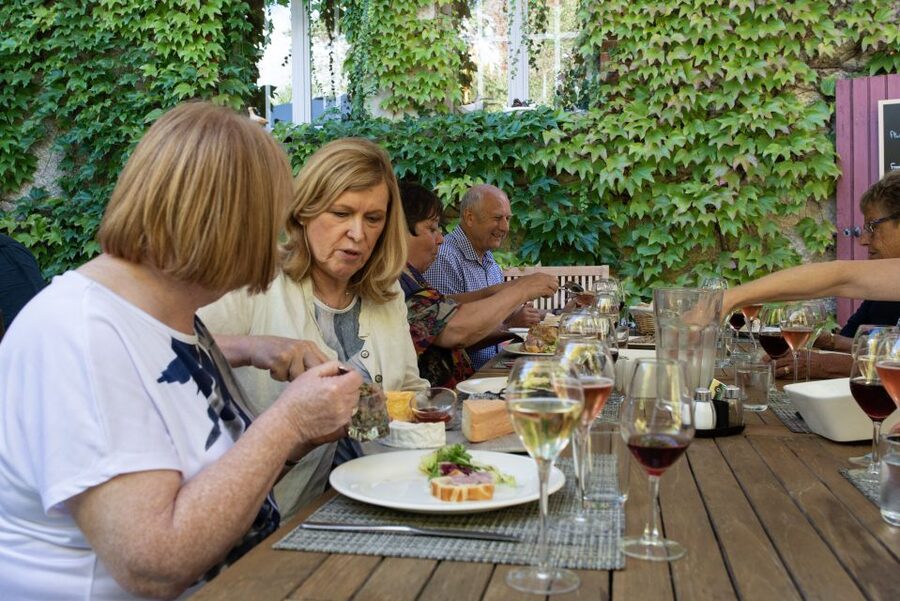
- A full regional lunch: Expect homemade specialties such as pâté en croute, Langres cheese, and pink biscuit cake.
- More than Champagne: The tasting continues with Côteaux Champenois red wine and Ratafia.
- Good value for a half-day: At $106 per person, the price covers the guide, winery entry, tour, six tastings, snacks, and lunch.
Why Le Clos Corbier makes a good first Champagne visit
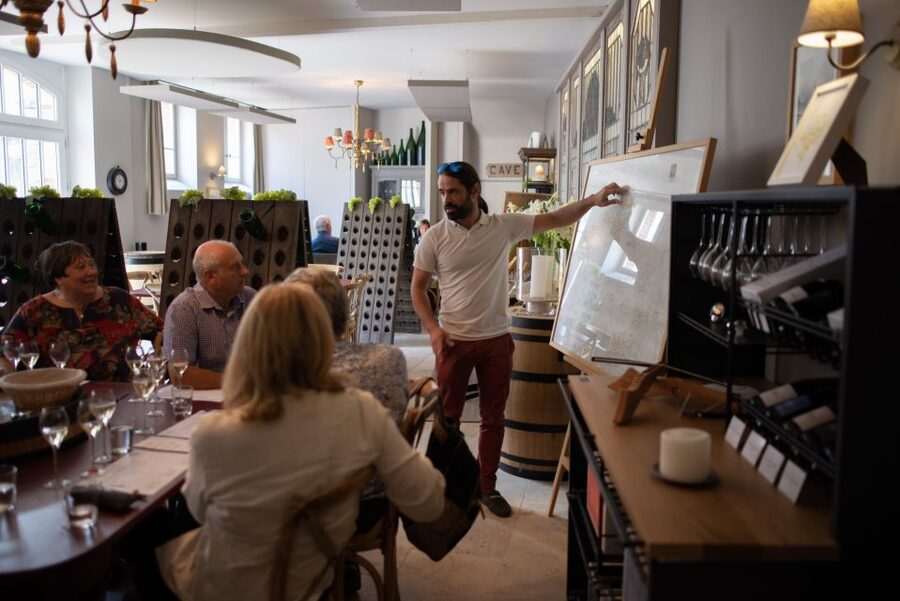
Many Champagne visits focus on polished cellars, famous labels, and a short explanation of production. Le Clos Corbier takes a different route. The subject is still the Champagne method, but the setting is a family domain in Aÿ, one of the best-known villages in the region, and the tone is closer to a relaxed wine lesson than a brand presentation.
That matters if you are new to Champagne. You will hear about grapes, cultivation, production, cellar work, and the choices that shape a bottle, then put the information to use at the tasting table. I find this more useful than memorizing a producer’s dates or walking past rows of bottles without learning how to compare them.
The family connection also gives the visit a human side. At times, the owner has joined the group to answer questions about the house and its work. That is a worthwhile touch because it connects the wine in your glass with the people who make it.
The setting is attractive, with a house and garden that can add to the lunch if the weather is good. But keep your expectations exact. This is not a long walk through the vineyards, and the experience does not promise a view over miles of vines. Its strength is the house, the cellars, the food, and the tasting lesson.
Other champagne houses to visit from France:
- Champagne Day Trip with 6 Tastings, Reims and Winery from Paris
★ 5.0 · 902 reviews - Paris Seine River Champagne Tasting Cruise
★ 4.5 · 652 reviews - French Wine and Champagne Tasting in Paris
★ 5.0 · 622 reviews
Beginning with the old press and 1850s cellars
Your meeting point is marked by a Clos Corbier sign. Ring the doorbell and allow the host to welcome you into the property. Transportation is not included, so you need to arrange your own way to Aÿ-Champagne and arrive at the stated start time.
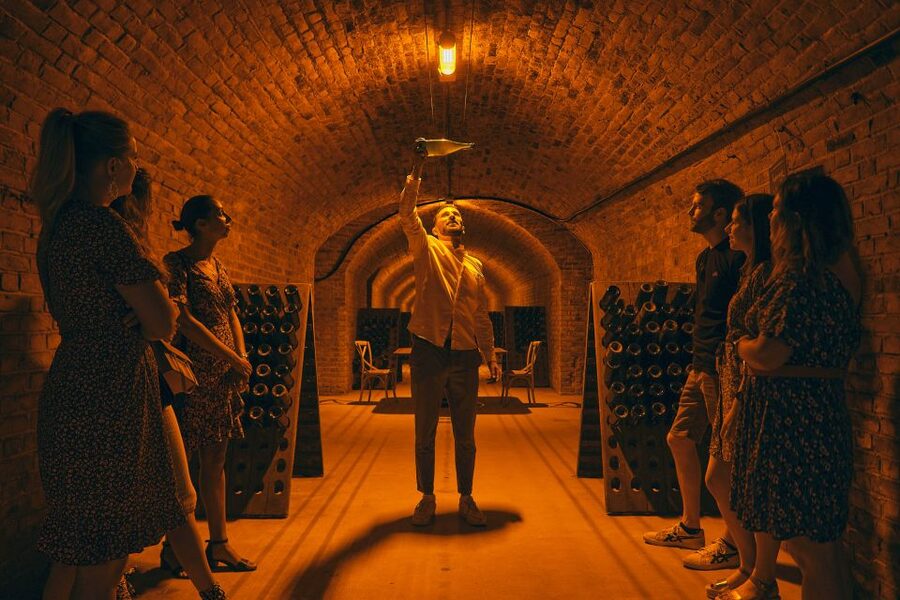
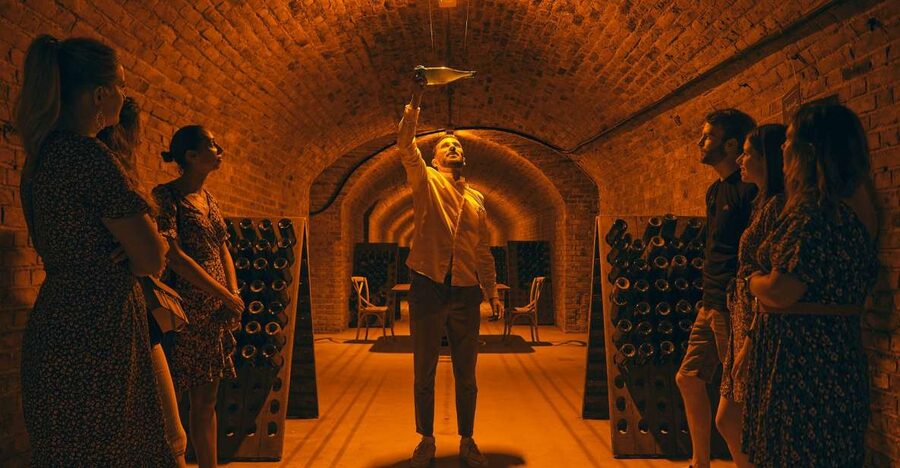
The winery tour introduces the physical side of Champagne making. You see cellars dug in the 1850s and a traditional press, then hear how the wine moves from grape to finished bottle. The old cellars are also the coolest part of the visit. At an average of 10°C, they are comfortable for storing wine but chilly for a seated lesson, so pack the requested jacket.
I like this early portion because it gives the later tasting a purpose. Once you have seen the tools and underground spaces, you can better understand why Champagne is not simply sparkling white wine poured into a fancy glass. The visit connects the method to a working family property rather than presenting the process as an abstract list.
The tour is designed for both English and French speakers. A bilingual presentation can take longer, especially when the same explanation is given twice, but it also makes the experience accessible to mixed-language groups. Guides including Charlotte, Marie, Amanda, Estelle, and Emma have been singled out for friendly delivery and clear explanations, with hosts changing according to the date.
Training your nose before judging the wine
After the cellar visit, you sit down for a Champagne class and quiz. This is where the activity becomes more than a standard tasting.
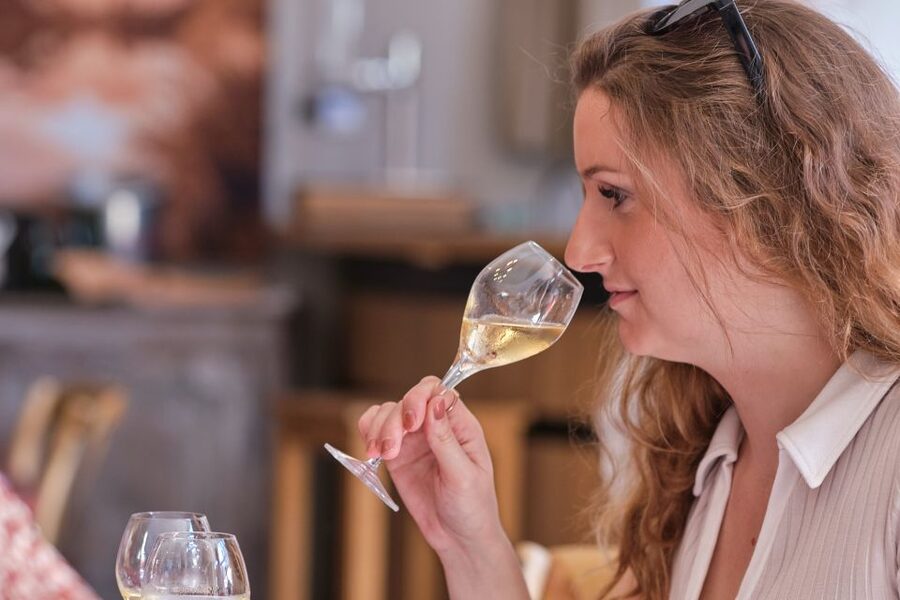
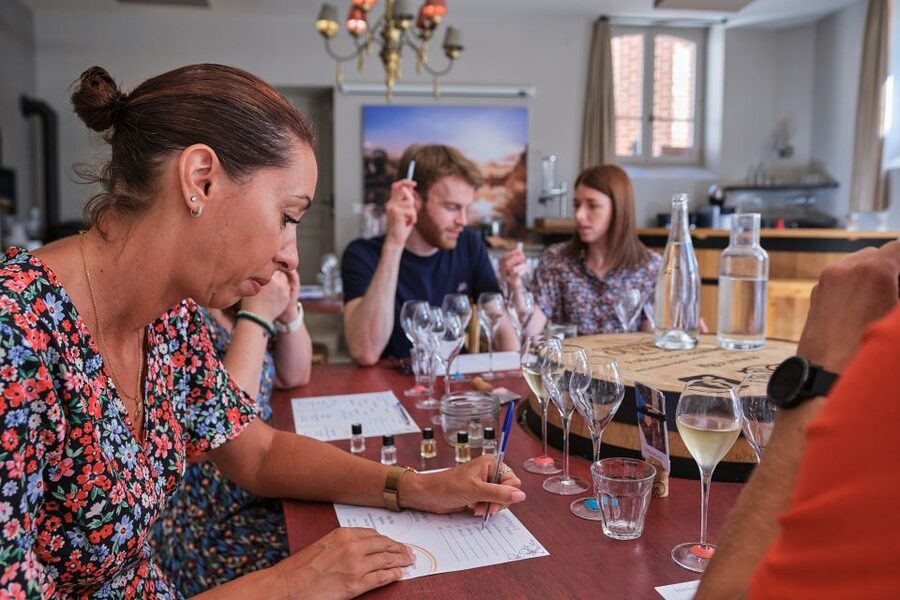
The olfactory workshop asks you to identify aromas and flavors found in Champagne. You train your nose first, then work on your palate. That may sound serious, but the format is playful. The quiz and tasting games give you something to do with the information, and a certificate may be awarded at the end.
I like this approach because most people, including me, need a little guidance before tasting vocabulary becomes useful. Instead of being told that a wine has a certain aroma and politely nodding, you get a chance to test your own senses. You may not become a wine expert in one morning, but you will leave with a better way to talk about what you are drinking.
The class suits beginners especially well. The hosts explain the subject patiently, and the competitive element keeps the session moving. If you already know a great deal about Champagne, you may find parts of the introduction familiar, but the blind comparison still gives you something to work on.
Comparing three Champagnes without seeing the labels
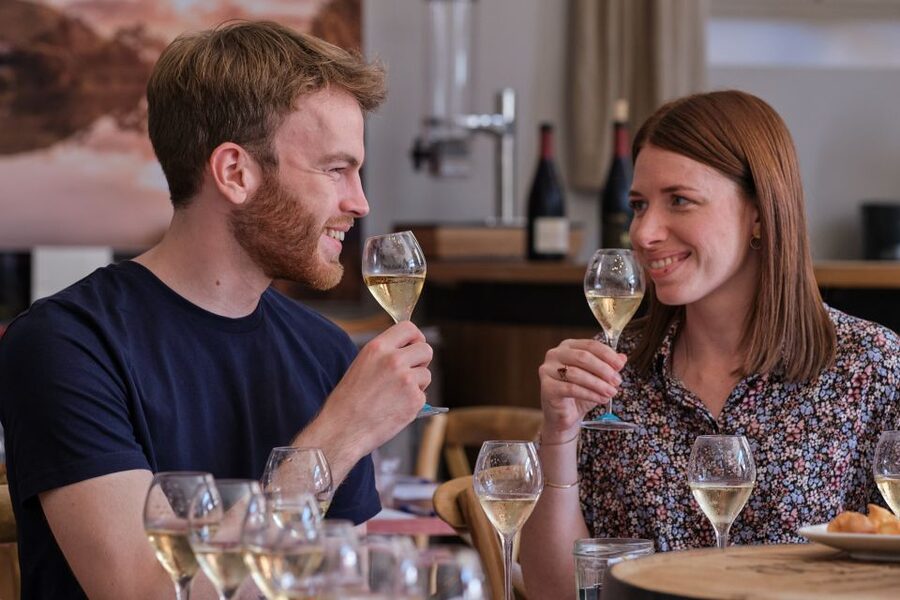
The central tasting compares three different Champagnes from smaller wineries. The bottles are tasted blind, so the label and producer do not guide your judgment. You sample them with local snacks and try to identify differences in aroma, flavor, and style.
This is one of the best parts of the experience. Famous names can shape your expectations before you take a sip. Blind tasting removes that influence and lets you focus on the wine itself. It also turns the table into a friendly contest, with plenty of room for wrong guesses and good humor.
The experience includes six wine tastings in total. The three blind Champagnes are the heart of the comparison, while the remaining pours connect with the lunch and the regional wine tradition. Reviews of the day often describe the measures as generous, though the exact sequence and pours can vary.
You should pace yourself. Champagne arrives early, and more wine comes with lunch. Eat the snacks, drink water when available, and remember that the session is meant to last three hours. This is a tasting class with food, not a quick flight of tiny samples.
More food and drink in France:
- Paris: Seine Cruise & Crepe Tasting near the Eiffel Tower
★ 4.4 · 11,231 reviews - Authentic Parisian Gourmet Food Tour with 10 Local Dishes & Wines
★ 5.0 · 4,754 reviews - Bordeaux: Cité du Vin Entry Ticket and Wine Tasting
★ 4.6 · 3,885 reviews - Normandy D-Day Small-Group Day Trip with Omaha Beach, Cemetery & Cider Tasting
★ 5.0 · 2,786 reviews
A regional lunch at the family house
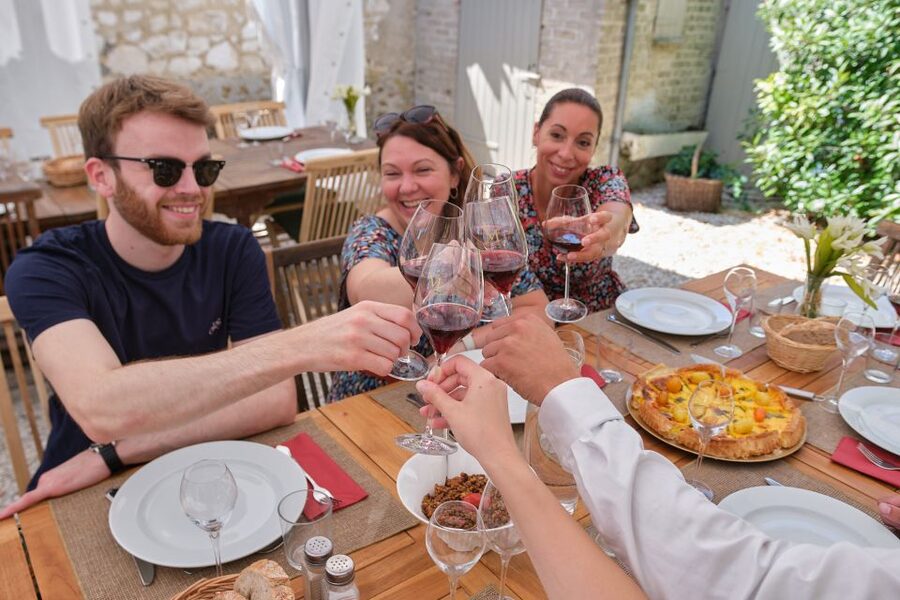
The lunch is a major reason the $106 price feels fair. It is not an afterthought served after the real activity. It forms part of the experience, with homemade regional specialties and Champagne pairings in a relaxed dining setting.
The menu can include pâté en croute, a meat-filled pastry, Langres cheese, and pink biscuit cake. These foods give you a sense of the region beyond the wine list. Langres brings a local cheese connection, while the pink biscuit dessert adds a distinctly Champagne touch.
The meal has been described as generous and beautifully matched with the wines. Depending on the weather, lunch may take place outside in the garden, which makes the occasion feel leisurely rather than rushed. On a rainy or cool day, the dining room keeps the focus on the food and company.
Tell the host about allergies or specific dietary needs. The lunch can be adapted, but you should give that information when booking or as early as possible. The meal is designed as a regional menu, so adaptations may change what appears on the plate.
I would plan this as a morning-to-early-afternoon activity, not something to squeeze between several other appointments. The combination of tour, class, blind tasting, and lunch fills the three hours, and the meal deserves time.
The lesser-known wines after the Champagne
The tasting does not stop with Champagne. You also try Côteaux Champenois, the region’s still red wine, and Ratafia, a local liqueur.
Côteaux Champenois is useful for understanding the area in a different form. The same broad wine region is associated with a sparkling style, but a still red gives you another point of comparison. It helps explain that Champagne has a wider wine identity than the celebratory bottle most people know.
Ratafia provides a final local note. It is a regional digestif, so it works naturally near the end of lunch. You do not need to be familiar with either drink in advance. The guide explains where they fit, and the tastings let you compare them with the Champagne served earlier.
This variety adds value, but it also makes pacing important. You are not just tasting three glasses and leaving. You are learning, eating, and trying several regional drinks in one sitting. If you rarely drink alcohol, ask the host about smaller pours and take the meal slowly.
What the $106 price includes
At $106 per person, this is not the cheapest way to taste Champagne. It is also not merely a winery entry ticket. The fee includes:
- A local guide
- Entry to the winery
- The winery tour
- Six wine tastings
- Local snacks
- A regional lunch
That package makes the cost reasonable for someone who wants a complete half-day outing. A separate meal, several tastings, and a guided cellar visit could quickly approach the same total, while this activity keeps everything in one place.
The strongest value comes from the combination. You get instruction before drinking, a blind comparison instead of a routine pour, food substantial enough to count as lunch, and additional regional wines. If you only want to buy a bottle and glance into a cellar, this is more than you need. If you want to understand Champagne and eat well, the package makes sense.
The small-house setting is also part of the value. You are not paying only for a famous name. You are supporting a family domain and tasting bottles from smaller wineries, which can make the experience feel more connected to local production.
Who will enjoy this experience most
I would recommend Le Clos Corbier to first-time visitors who want a clear introduction to Champagne without a stiff classroom atmosphere. The interactive parts help if you are curious but do not yet know the difference between the main grapes, production stages, or tasting terms.
It also suits couples, small groups, and people marking a birthday or special occasion. The lunch creates enough time for conversation, while the quiz and blind tasting prevent the event from becoming a long lecture.
English speakers should feel comfortable, since the guides have led sessions in fluent English. French is also available. If you are joining a bilingual group, allow for a slightly slower pace as explanations may be repeated in both languages.
This is less suitable for children, since people under 18 are not allowed to drink alcohol. Assistance dogs are allowed, but other pets are not. The venue is wheelchair accessible, which is useful information for visitors checking access before booking.
Practical details that affect your day
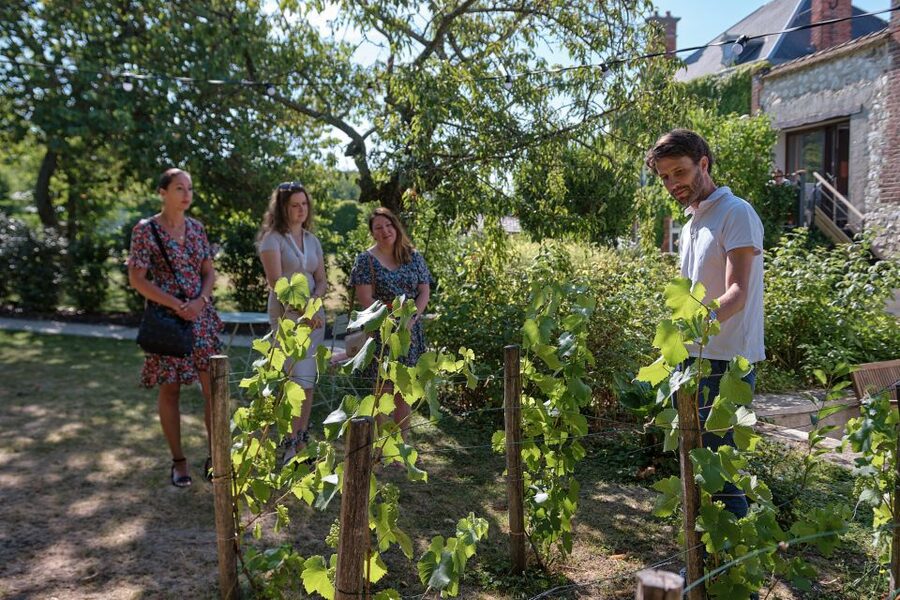
The experience lasts three hours and ends after lunch in the early afternoon. Check the available start time before booking, since the activity does not list one fixed departure time.
You are responsible for transportation. The meeting point is the Clos Corbier sign and doorbell, not a city-center pickup. Plan your route carefully and do not assume a transfer is included.
Wear shoes and clothing suited to a winery visit, and bring a jacket for the 10°C cellars. The lunch can be adjusted for allergies or specific diets, but the host needs that information in advance.
Free cancellation is available up to 24 hours before the activity for a full refund. You can also reserve and pay later, which helps if your Champagne itinerary is still changing.
Should you book Le Clos Corbier?
I would book this if you want to learn as well as taste. The cellar visit, aroma workshop, blind comparison, generous lunch, Côteaux Champenois, and Ratafia create a fuller picture of the region than a basic Champagne flight.
Choose another option if your priority is a long vineyard walk, a grand-name Champagne house, or a short tasting with minimal instruction. Le Clos Corbier is more intimate and more food-focused. For $106, it gives you a substantial three-hour introduction to Champagne at a family domain, with enough structure for beginners and enough variety to keep experienced drinkers interested.
FAQ
How long does the Champagne experience last?
The experience lasts three hours and ends after lunch in the early afternoon.
Where does the activity take place?
It takes place at Le Clos Corbier in Aÿ-Champagne, in the Grand Est region of France. Look for the Clos Corbier sign and ring the doorbell.
What is included in the price?
The price includes a local guide, winery entry, the winery tour, six wine tastings, local snacks, and lunch.
How many Champagnes will I compare?
You will compare three different Champagnes from various small wineries during a blind tasting.
Is lunch included?
Yes. Lunch includes homemade regional specialties and Champagne pairings. Dishes can include pâté en croute, Langres cheese, and pink biscuit cake.
Are other drinks served besides Champagne?
Yes. The experience also includes a tasting of Côteaux Champenois red wine and Ratafia, a regional liquor.
Can dietary requirements be accommodated?
Yes. The lunch can be adapted for allergies or specific diets. Tell the host about your needs in advance.
Is the experience suitable for children?
Children under 18 are not allowed to drink alcohol. The activity is designed around alcohol tastings, so confirm suitability before booking for anyone under 18.
Just added in France
- From Beaune: Full-Day Bicycle and Wine Tour in Burgundy★ 4.9 · 95 reviews
- From Lyon: Golden Stones Beaujolais Wine Tasting Tour★ 4.7 · 387 reviews
- From Marseille: Provence Sightseeing Tour and Wine Tasting★ 4.7 · 195 reviews
- Montpellier: Pic Saint-Loup Wine Tour★ 4.9 · 243 reviews
- From Strasbourg: Medieval Villages & Wine Tasting Day Trip★ 4.8 · 329 reviews
- Marseille: Tailored Wine Tasting Experience in Top Wine Shop★ 5.0 · 106 reviews
- Montpellier Wine and Oyster Tour★ 4.9 · 72 reviews
- Taste Wine in Lyon: Burgundy, Beaujolais, Rhône, and more★ 5.0 · 211 reviews
Champagne Tastings, compared.
Champagne Day Trip from Paris with 8 Tastings & Lunch
Read our review →
Small Group – Half Day Champagne Tour – Visit of 2 Small Producers/Growers
Read our review →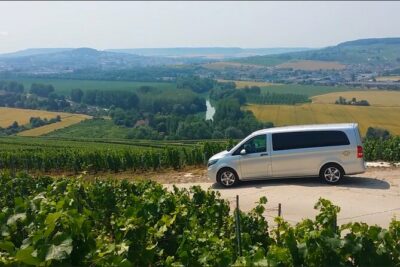
Champagne Day Trip from Reims including 9 Champagne Tastings
Read our review →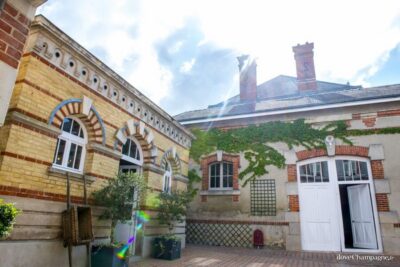
Aÿ-Champagne: Champagne House Tour and Tasting Class
Read our review →Browse the lists this tour appears in