
Reviewed · FOOD TOURS
Entrance ticket to the Escoffier Culinary Art Museum
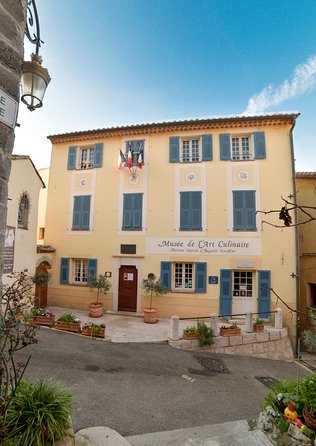
Auguste Escoffier’s birthplace is now a small, focused museum about the chef who helped shape modern French gastronomy. In ten rooms spread across 300 square meters, you’ll see personal objects, old kitchen equipment, menus, and elaborate sugar and chocolate sculptures. I love that the museum puts Escoffier’s work in the actual Provençal house where he was born, rather than in a large modern building without a personal link.
I also like the low price, $8.47 per person, and the manageable 45-minute visit. The museum is an easy addition to a day in Villeneuve-Loubet, especially if you enjoy food, French culture, or the small stories behind famous names. The main drawback is that the audioguide is not included, so you’ll need to explore without it or pay extra for one.
Key points to know before you go
- Escoffier’s birthplace: Walk through the 18th-century Provençal house where Auguste Escoffier was born.
- Ten exhibition rooms: The museum uses 300 square meters to display objects, furniture, menus, and culinary art.
- A short, affordable visit: Plan on about 45 minutes, with admission priced at $8.47 per person.
- Sugar and chocolate displays: Decorative food sculpture adds a visual touch beyond the historical material.
- Changing annual theme: A temporary exhibition gives repeat visitors something new to see.
- Simple planning: You receive a mobile ticket, and the museum is near public transportation.
Why Escoffier’s birthplace matters
The most interesting part of this visit is not simply the collection. It is the setting. The museum occupies the 18th-century Provençal house in Villeneuve-Loubet where Auguste Escoffier was born.
That connection gives the visit a human scale. You are not only looking at objects linked to a famous chef in a distant gallery. You are moving through the rooms of the house associated with his early life, then seeing how his influence is presented through personal items, culinary tools, menus, and decorative work.
Escoffier is regarded as one of the great figures in French gastronomy. He was described as humanist, inventive, and visionary, and his influence reaches chefs working today. You do not need to be a professional cook to appreciate the museum. The visit works best when you think of it as a look at the person, profession, and culture behind French cuisine.
The museum was created more than 50 years ago and is described as the only museum of culinary art in France. That makes it a specialized stop rather than a general food attraction. You will not find a broad survey of every cuisine or a hands-on cooking class here. Instead, you get a compact presentation devoted to Escoffier and the art of cooking.
More food tours in Nice:
- NO DIET CLUB – Unique Local Food in Nice !
★ 5.0 · 1,267 reviews - Nice Small-Group Walking Food Tour with Local Specialties & Wine Tasting
★ 4.5 · 558 reviews - Nice: Food and Wine Old Town Guided Walking Tour
★ 4.9 · 411 reviews
Ten rooms inside a Provençal house
The museum’s ten exhibition rooms are arranged across roughly 300 square meters. That is large enough to offer variety, but small enough to see in one visit without wearing yourself out.
I would allow about 45 minutes, which matches the usual visit length. You can move through at a steady pace, pause at objects that interest you, and still have time to enjoy Villeneuve-Loubet afterward. If you read every label carefully or spend extra time with the temporary exhibition, you may want a little longer.
The rooms combine several kinds of material:
- Personal souvenirs and objects connected with Escoffier
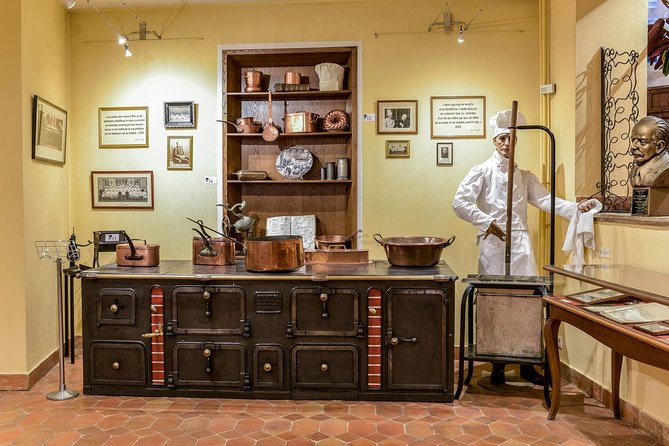
- Kitchen furniture from earlier periods
- Collections of menus
- Sugar sculptures
- Chocolate sculptures
- A temporary exhibition with a different theme each year
This mix matters. A museum devoted only to biography can feel dry, while a collection devoted only to equipment can feel technical. Here, you can move between the chef’s personal world, the practical side of cooking, and the presentation of food as an art form.
The house itself also keeps the visit from feeling too formal. An 18th-century Provençal building has a different character from a purpose-built museum. You should expect a series of rooms rather than wide galleries and grand halls. That makes the experience intimate, though visitors who prefer large museums with extensive interpretation may find it limited.
The personal side of Auguste Escoffier
Escoffier’s name carries weight in French cooking, but names alone do not always make a museum visit worthwhile. The personal objects help give the story a face.
As you look around, focus on the way the museum connects a major culinary figure with everyday things from his life and work. The displays are not only about recipes or restaurant technique. They also show the material world around a chef from an earlier period.
That approach helps explain why Escoffier remains important to chefs today. His legacy is presented through objects, furniture, menus, and memories rather than through a long lecture. You can take in the broad story even if you have only a casual interest in gastronomy.
I would not expect a full biography with every stage of his career explained in detail. The supplied information points to a museum that mixes personal souvenirs with culinary artifacts, so the experience is more visual and atmospheric than a formal academic study. If you want a short introduction to Escoffier and his place in French food culture, it is a good fit.
Old kitchen furniture and the practical work of cooking
The collection includes kitchen furniture from earlier times. This is one of the most useful parts for understanding how cooking was done before modern restaurant equipment and contemporary kitchen design.
You may find this material more engaging than you expect. Furniture can sound ordinary on a museum description, but kitchen work depends on its physical setting. Storage, preparation, heat, tools, and movement all shape how food is made. Older kitchen furniture offers a glimpse of that working environment.
The museum does not promise a live demonstration or a cooking lesson, so you should not arrive expecting to prepare a dish. The value is in looking closely and imagining the labor behind classic French cuisine.
For anyone interested in food history, this section adds practical context. It also helps balance the more decorative displays. Escoffier is not presented only as a celebrated name. The museum also points toward the equipment and routines that made professional cooking possible.
Same base, a different kind of day:
- From Nice: French Riviera in One Day
★ 4.5 · 5,215 reviews - Nice: 1-Hour Sightseeing Cruise to Villefranche Bay
★ 4.6 · 2,747 reviews - Nice: 1 or 2-Day Hop-On Hop-Off Bus Tour
★ 4.3 · 2,663 reviews - Nice: Gorges of Verdon and Fields of Lavender Tour
★ 4.4 · 1,975 reviews
Menus that reveal food as presentation
The museum has an impressive collection of menus. These may be among the most revealing objects in the building because a menu tells you more than what people ate.
It can show how a meal was organized, how dishes were presented, how language was used, and how dining functioned as a social occasion. Menus also connect cooking with design and service. A chef’s work does not end when the food leaves the kitchen. The written presentation helps shape the diner’s expectations.
I like this part of the collection because it broadens the definition of culinary art. The museum is not limited to ingredients, utensils, or recipes. It also considers the ceremony around a meal.
You will want to take your time with the menu displays if the wording and design interest you. The museum visit is short, so you may need to choose your priorities. Food enthusiasts should give the menus more attention than a quick glance, while families or casual visitors may prefer to spend more time with the sculptures and larger objects.
Sugar and chocolate sculptures
The sugar and chocolate sculptures provide the most immediately eye-catching section of the visit. These pieces show food being used as a material for design, structure, and display.
They also explain why the museum is called a museum of culinary art rather than simply a biography museum. Cooking is presented not only as nourishment or technique, but as a form of creative work.
The displays can appeal to visitors who are less interested in historical documents. Someone who does not recognize Escoffier’s name may still enjoy seeing how sugar and chocolate can be shaped into elaborate decorative forms.
At the same time, these works are part of a museum collection, not a tasting experience. Admission does not include food samples or a meal. You should come for the visual and historical side of culinary art, not for a chance to eat the exhibits.
The yearly temporary exhibition
Each year, the museum devotes a temporary exhibition to a particular theme. This gives the visit some freshness and makes a second visit more worthwhile.
The current theme is not specified in the information provided, so I would not plan around a particular subject without checking before you go. The permanent displays are the reliable reason to visit, while the temporary exhibition is an added feature that may shape how much time you spend inside.
For a first visit, the changing display can help you see the museum in a wider context. It may add another angle to food, cooking, design, or Escoffier’s influence. For repeat visitors, it offers a reason to return rather than simply seeing the same rooms again.
Is $8.47 good value?
At $8.47 per person, the admission is inexpensive for the French Riviera. The visit lasts about 45 minutes, so the price works best as part of a larger day rather than as the only major activity you plan.
I see good value here for three types of visitors. If you enjoy French food, the museum gives you a direct connection to one of the country’s most important culinary figures. If you like small museums in historic buildings, the birthplace setting adds interest. If you are already in Villeneuve-Loubet, the low ticket price makes it an easy stop with little financial risk.
The value is less clear if you expect a large museum, a guided tour, or an interactive food experience. The audioguide is not included, and no cooking demonstration is listed. You are paying for access to the house and collection, not for a full day of entertainment.
The high rating of 4.9 from 298 reviews, along with a 100 percent recommendation figure, points to a consistently well-received visit. I would still read that in context: this is a small, specialized museum. Its success depends on your interest in Escoffier, culinary history, and compact cultural sights.
Timing your visit in Villeneuve-Loubet
The museum is open daily from 10:00 a.m. to 1:00 p.m., then from 2:00 p.m. to 6:00 p.m. The midday closure matters. If you arrive shortly before 1:00 p.m., you may not have enough time for a relaxed visit, and you cannot simply continue through the break.
I would aim for late morning or midafternoon. A 45-minute visit fits neatly into either opening period. The split schedule also makes the museum useful before or after another activity in the village.
The museum is near public transportation, which makes it easier to reach without relying entirely on a car. The information does not specify particular bus or train lines, so you should check your route before setting out. A mobile ticket should make entry straightforward, but you still need to keep the ticket available on your phone.
The museum is closed annually from December 1, 2025 through January 8, 2026, inclusive. That is an important seasonal exception. If your trip falls around the Christmas and New Year period, check the dates carefully before booking.
Who will enjoy this short museum visit?
I would recommend the museum most strongly to:
- People interested in French gastronomy
- Visitors curious about Auguste Escoffier
- Food writers, cooks, and culinary students
- Museum lovers who enjoy historic houses
- Couples looking for a short cultural stop
- Families with an interest in food and visual art
The 45-minute length is useful for families because it does not demand a full morning or afternoon. The sugar and chocolate sculptures may also hold attention better than a room filled only with written information.
You should think twice if you want a tasting, a cooking class, a live guide, or a large collection that takes several hours to explore. Those features are not part of this admission.
A moderate level of physical fitness is recommended. No detailed accessibility information is provided, so anyone with specific mobility needs should confirm conditions with the museum before booking.
Cancellation and practical booking notes
You receive confirmation at the time of booking, and the ticket is mobile. That means you can keep the booking on your phone rather than arranging a printed ticket.
Free cancellation is available if you cancel at least 24 hours before the experience begins. If you cancel less than 24 hours before the start time, you will not receive a refund, and changes made inside that period are not accepted. The cut-off follows local time in France.
Because the museum is inexpensive and the visit is short, the flexible cancellation policy is helpful when you are planning around changing Riviera weather or transport. Still, do not leave cancellation until the last minute.
Should you book the Escoffier Culinary Art Museum?
I would book it if you want a focused introduction to French culinary culture and you are already visiting Villeneuve-Loubet. The birthplace setting, ten exhibition rooms, old kitchen furniture, historic menus, and sugar and chocolate sculptures offer more variety than the short visit length suggests.
The $8.47 price also makes it a sensible choice for a low-cost cultural stop. You can see the main collection in about 45 minutes, then continue exploring the village or nearby parts of the French Riviera.
Skip it if you are looking for food to taste, a cooking class, or a guided experience with extensive explanation. The audioguide costs extra, and the museum is small. For the right visitor, though, that is part of the appeal: this is a compact, personal museum where Escoffier’s birthplace and culinary legacy do most of the work.
FAQ
How much does admission to the Escoffier Culinary Art Museum cost?
Admission costs $8.47 per person.
How long does the museum visit take?
The visit takes approximately 45 minutes.
What are the museum’s opening hours?
The museum is open Monday through Sunday from 10:00 a.m. to 1:00 p.m. and from 2:00 p.m. to 6:00 p.m.
Is an audioguide included?
No. Audioguide rental is not included in the admission.
Is the museum open all year?
The museum has an annual closure from December 1, 2025 through January 8, 2026, inclusive.
Can I cancel for a full refund?
Yes. You can cancel at least 24 hours before the experience start time for a full refund. Cancellations or changes made less than 24 hours before the start time are not accepted for a refund.
More museums in Nice
- Nice: Allianz Stadium and National Sports Museum Tour
★ 4.5 · 301 reviews - Antibes: Picasso Museum Drawing Tour Led by Local Artist
★ 5.0 · 39 reviews - Paris: Louvre Museum Timed-Entrance Ticket
★ 4.6 · 71,977 reviews - Louvre Museum Masterpieces Guided Tour with Access
★ 4.5 · 12,023 reviews
Just added in Nice
- Perfume Making Class and Guided Visit of Fragonard in GRASSE★ 4.5 · 34 reviews
- Molinard Classic Perfume Workshop in Grasse★ 4.5 · 133 reviews
- Excursions Palmée excursion discovered of Estérel and its islands!★ 5.0 · 219 reviews
- Bar des fragrances Grasse★ 4.0 · 40 reviews
- WGP ARENA Multi-activity Pack★ 3.5 · 31 reviews
- Private Luxury Boat Tour of the Beautiful Riviera Nice / Monaco★ 5.0 · 33 reviews
- Parasailing flight two people, in Mandelieu-Cannes★ 5.0 · 47 reviews
- 4×4 tour in a winery followed by a tasting★ 5.0 · 46 reviews
Food Tours, compared.
Bateaux Parisiens Seine River Gourmet Dinner & Sightseeing Cruise
Read our review →
3-Course Gourmet Dinner Cruise on Seine River
Read our review →
Authentic Parisian Gourmet Food Tour with 10 Local Dishes & Wines
Read our review →
Montmartre Hill French Gourmet Food and Wine Tasting Walking Tour
Read our review →
Gourmet Dinner Cruise on Seine River with Live Music
Read our review →
Paris 3-Courses Gourmet Dinner Seine River Cruise with Champagne
Read our review →
Paris Gourmet Dinner Seine River Cruise with Singer and DJ Set
Read our review →Browse the lists this tour appears in