
Reviewed · WINE TOURS
Epicurean Discovery Tour with Wine & Local Specialties
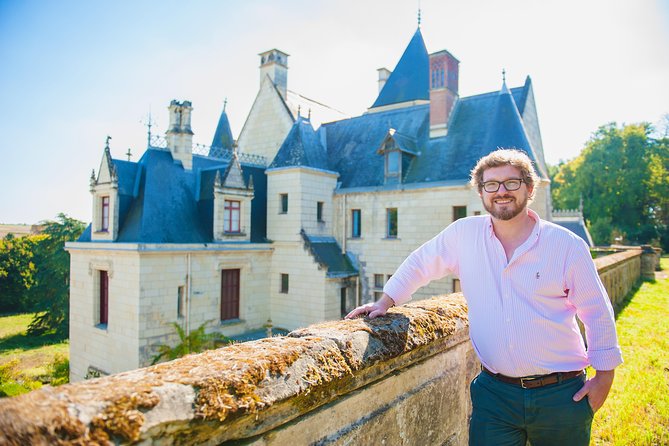
Château du Petit Thouars packs a surprising amount into 75 minutes: château history, vineyard talk, a troglodyte wine cave, five wines, and local food served in the former stables. The small group, capped at 10 people, keeps the visit personal, and Sebastian’s family connection gives the story a human face.
I like the clear pairing of Cabernet Franc and Chenin Blanc with regional specialties, and I like that the tour goes beyond a tasting room by showing you the vineyard and winemaking spaces. The main drawback is value: at $56.87 per person, the food portions may feel modest if you expect a full meal rather than tasting bites.
Key points to know before booking
- Five wines in about 75 minutes: You taste several wines from Château du Petit Thouars, including Cabernet Franc and Chenin Blanc.
- A family story behind the château: Sebastian shares the history of the estate and his ancestry, making the visit more personal than a standard cellar stop.
- A real troglodyte cave: You visit an historic cave and hear how it fits into the château’s winemaking methods.
- Food and wine in one stop: Local specialties are paired with the wines in the former stables, useful when you have limited time.
- Small groups matter here: With no more than 10 people, you have a better chance to ask questions and receive direct explanations.
- Plan around the weather: The experience requires good weather, so poor conditions can lead to a new date or a full refund.
Why this short Chinon tour works
The Loire Valley can tempt you into collecting château visits and vineyard tastings until your day becomes a blur of stone walls and wine glasses. This experience takes a more sensible approach. It combines the main pieces of a wine visit into one compact outing, which is useful if you are staying near Chinon and have only a narrow window in your schedule.
You are not simply seated at a counter and handed a flight of wine. The visit introduces you to the Château du Petit Thouars, its history, its vineyard setting, its cave, and its approach to winemaking before the tasting begins. That order matters. Wine makes more sense when you know where it comes from and what the producer is trying to do.
I also like the scale. A maximum of 10 people is small enough for conversation without making the visit feel like a private appointment. Sebastian’s English is described as excellent, and his explanations include both the château’s family history and the differences among the wines. That personal element receives especially strong praise, and it is one of the clearest reasons to choose this stop over a more formal, larger tasting.
The short length is both a benefit and a limit. You get a useful introduction, not a full-day wine course. If you want long vineyard walks, detailed cellar work, or an extended food menu, this will feel brief. If you want a well-organized taste of Chinon wine and local food between other sightseeing stops, the timing is just right.
More wine tours in France:
- Authentic Parisian Gourmet Food Tour with 10 Local Dishes & Wines
★ 5.0 · 4,754 reviews - Loire Valley Castles Day Trip from Paris with Complementary Wine
★ 4.5 · 3,907 reviews - Bordeaux: Cité du Vin Entry Ticket and Wine Tasting
★ 4.6 · 3,885 reviews
Arriving at Château du Petit Thouars
The meeting point is 108 Château du Petit Thouars, 37500 Saint-Germain-sur-Vienne, France. The activity ends at the same place, so you do not need to arrange a separate return transfer after the tasting.
That fixed start and finish make planning easier, but you should pay attention to the address. The château is in Saint-Germain-sur-Vienne, rather than in central Chinon itself. The supplied information does not include transportation from Chinon, so you should arrange your own way to the meeting point and allow enough time to arrive without rushing.
The experience is offered in English. Confirmation arrives at booking, and mobile tickets are accepted. Since the tour averages 41 days of advance booking, I would not leave it until the last minute if your schedule is fixed, particularly during a busy Loire Valley trip.
The tour requires a moderate level of physical fitness. No detailed list of steps, walking distances, or cave conditions is provided, so anyone with mobility concerns should ask the provider for current practical details before booking. Service animals are allowed.
Meeting the château through family history
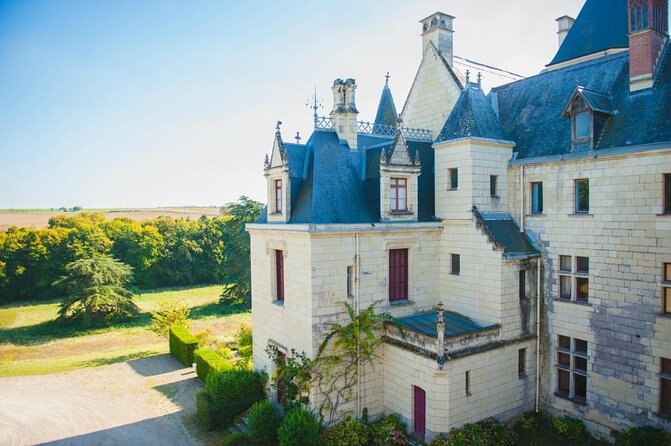
The opening portion focuses on the history of Château du Petit Thouars. This is where the experience appears to gain much of its character. Sebastian talks about his ancestry, the château, and the wine, connecting the physical place with the people who have cared for it.
I value this kind of introduction because a historic château can otherwise become just another attractive stop on a busy itinerary. You learn more when the guide explains why the property matters to the family and how the estate relates to its wine production. The details supplied for this experience do not give a precise date for the château or a full family timeline, so you should expect an oral introduction rather than a formal museum-style presentation.
That personal approach seems to be a major strength. Sebastian is described as warm and welcoming, with clear English and a strong passion for the estate. You can expect the discussion to feel conversational, with room for questions in a small group.
This is not the best choice if you only want to taste wine without background information. It is a better fit if you like knowing who made the wine, where you are standing, and how the property’s past connects to what reaches your glass.
Cabernet Franc, Chenin Blanc, and Chinon terroir
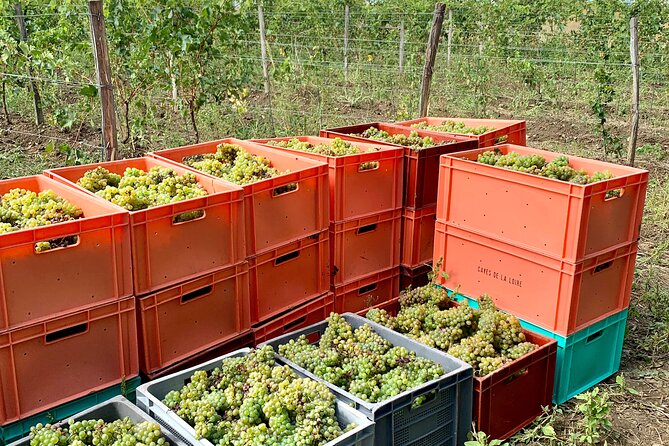
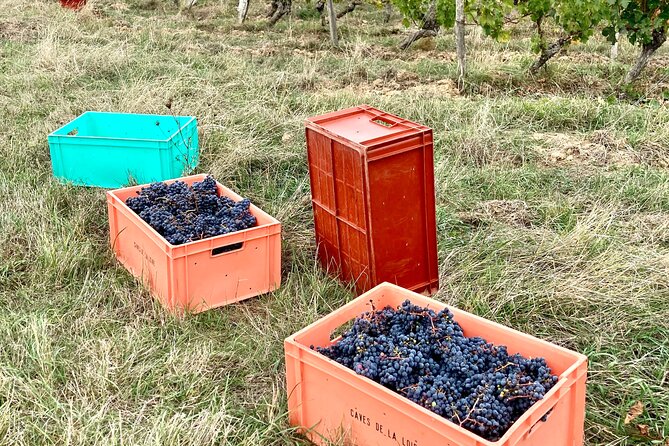
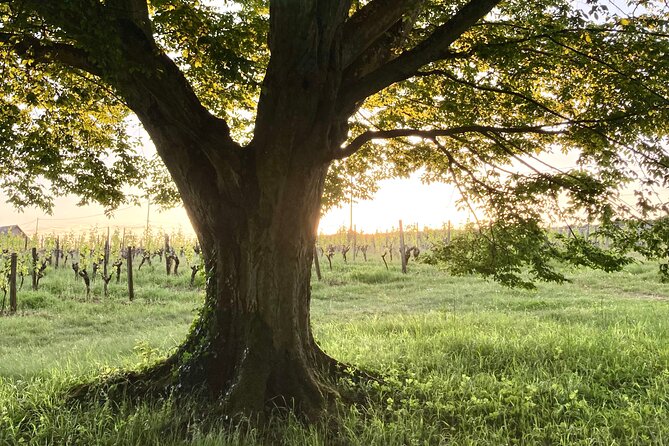
The wine portion introduces Cabernet Franc and Chenin Blanc, two important varieties for understanding the local character. You learn about French vineyard practices and the Chinon terroir, meaning the combination of place, soil, climate, and farming conditions that affects the grapes.
The tour does not promise an advanced technical class, and 75 minutes leaves little room for a long lecture. Still, this basic framework helps you taste with more purpose. Instead of asking only if you like a wine, you can compare how the grape varieties differ and how the site influences the result.
The tasting includes five wines from the estate, with different wines and vintages described in the feedback. That range gives you more to compare than a single glass of one house style. You can listen for changes between bottles and ask why one wine feels different from another.
The supplied details do not specify the exact five wines, vintages, serving order, or whether every tasting includes the same selection. I would treat the flight as a representative introduction rather than a guarantee of particular bottles. Wine availability can change, and the provider is the best source for current details.
The practical benefit is clear: you can gain a working sense of the château’s production without spending half a day in the vineyards. For someone new to Loire wine, that is plenty of information to make later tastings more interesting.
Same base, a different kind of day:
- Paris: Louvre Museum Timed-Entrance Ticket
★ 4.6 · 71,977 reviews - Disneyland® Paris 1-Day Ticket
★ 4.6 · 49,412 reviews - Paris: Versailles Palace and Gardens Full Access Ticket
★ 4.6 · 41,579 reviews - Paris: Evening River Cruise with Music
★ 4.4 · 22,721 reviews
Inside the historic troglodyte cave
A visit to the historic troglodyte cave adds a memorable physical setting to the tour. Troglodyte spaces are carved into rock, and in this case the cave is part of the explanation of how the château handles winemaking.
You learn about the estate’s winemaking techniques while seeing one of the spaces connected with that process. That makes the cellar visit more useful than a generic walk through a storage room. You can connect the cool, enclosed cave environment with the practical needs of wine production.
The supplied information does not describe the cave’s length, lighting, floor surface, or temperature. You should wear sensible shoes and be ready for some walking, since the tour calls for moderate physical fitness. If you need step-free access or have concerns about uneven surfaces, contact the château before you reserve.
This stop also breaks up the tasting nicely. The visit moves from the estate’s story to the vineyard, then into the cave, before returning to the food and wine. That change of setting helps the short tour feel like a complete visit rather than a quick sampling session.
Local specialties in the former stables
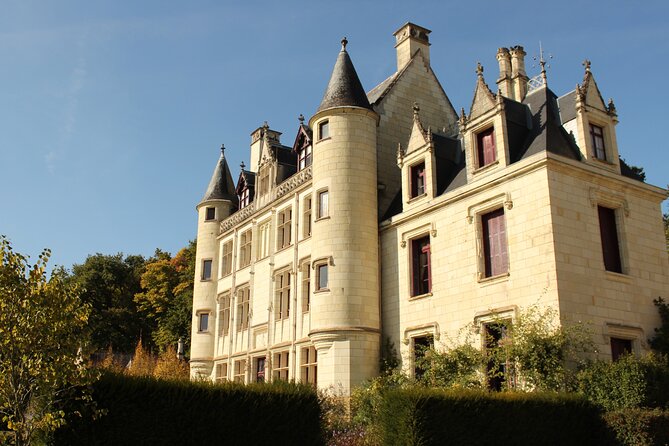
The final tasting takes place in the former stables of the château, now used as a tasting room. The setting gives the food portion some sense of place, and it keeps the experience tied to the historic property rather than separating the wine from its surroundings.
Local specialties are served with the wines. The pairing is intended to show how regional food works alongside the bottles, not simply to provide snacks between pours. You can expect small accompanying bites rather than a full lunch or dinner.
This distinction matters when you judge the price. At $56.87 per person, the cost covers more than the liquid in the glasses. You are paying for a guided visit, explanations of the estate and vineyard, access to the cave, five tastings, and prepared local specialties. The provider also has the added cost of hosting a small group and preparing the food.
Still, one person found the amount of food and wine too limited for the price, describing the tasting as modest despite enjoying the château and explanations. That criticism is fair to keep in mind. If you arrive hungry and expect generous portions, you may be disappointed. If you view the food as carefully chosen tasting accompaniments, the price makes more sense.
I would plan a separate meal before or after the activity. That lets you enjoy the pairings for what they are and prevents the tasting from carrying the burden of lunch.
How the $56.87 price compares with the experience
The price is neither a bargain tasting nor an extravagant luxury outing. It sits in the range where the setting, guide, and amount of personal attention matter as much as the wine itself.
The strongest value comes from the combination of parts. A basic tasting might give you several pours, while a château visit might focus mainly on architecture. Here you receive both, plus a vineyard explanation, cave visit, and local food. For a first introduction to Château du Petit Thouars, that is a reasonable package.
The weaker value appears if you measure the cost by food quantity or wine volume alone. The portions are not presented as a meal, and one critical assessment specifically found too little to eat and drink for the price. You should book this for the story, setting, and guided explanation as much as for the tasting.
A small group helps justify the cost. With no more than 10 people, you are less likely to be rushed through a crowded room, and you have a better chance to ask about a grape, vintage, or vineyard method. That kind of access matters more to curious wine drinkers than to people who simply want a quick glass.
Who will enjoy this 75-minute visit
I would recommend the experience to you if you fit one or more of these descriptions:
- You have limited time and want food and wine in one compact activity.
- You are visiting Chinon and want a château experience outside the town center.
- You prefer a small group to a large commercial tasting.
- You enjoy family stories and personal guidance.
- You want an introduction to Cabernet Franc, Chenin Blanc, and Chinon terroir.
- You like pairing local specialties with regional wine.
- You want to see a historic cave as part of the visit.
I would be more cautious if you want a substantial meal, a long vineyard walk, or highly technical wine instruction. The format is introductory and brisk. It gives you a good sample of the estate, but it does not promise hours of detailed study.
The activity can also work well for mixed-interest groups. Someone interested in architecture or history can focus on the château and cave, while a wine drinker can pay closer attention to the varieties and vintages. The food pairing gives the visit another point of interest without requiring everyone in the group to be a serious wine expert.
Booking, weather, and practical details
Free cancellation is available up to 24 hours before the start time for a full refund. Changes or cancellations made less than 24 hours before the start are not accepted for a refund, and the cut-off uses local time.
Good weather is required. If poor weather cancels the experience, you are offered another date or a full refund. Since the tour includes outdoor areas and requires some walking, check the forecast before setting out, but do not assume light rain guarantees cancellation.
The activity is offered in English and accepts mobile tickets. Service animals are allowed. The provider limits the group to 10 people, which is worth noting if you are comparing it with large bus-based château excursions.
Should you book Château du Petit Thouars?
Book it if you want a personal, compact introduction to Loire wine with more substance than a bar tasting. Sebastian’s family story, the historic château, the cave, five wines, and local specialties form a well-rounded 75-minute visit. The strongest appeal is the connection between place, people, and wine.
Skip it if your priority is quantity. The food is tasting-sized, and the wine pours may feel restrained for the price. You should also make other plans if you need a full meal or a long, technical vineyard tour.
For most visitors with a free hour near Chinon, I think the format works well. Arrive with realistic expectations, eat separately, and treat the $56.87 as payment for a guided estate visit with wine and local bites, not as a meal deal. That is the fairest way to judge its value.
FAQ
Where does the Epicurean Discovery Tour begin?
The tour begins at 108 Château du Petit Thouars, 37500 Saint-Germain-sur-Vienne, France.
Where does the experience end?
The activity ends back at the meeting point at Château du Petit Thouars.
How long does the tour last?
The experience lasts approximately 1 hour and 15 minutes.
What wines will I taste?
The tasting includes wines from Château du Petit Thouars, including Cabernet Franc and Chenin Blanc. Five wines are included, though the exact bottles and vintages are not specified.
Is the tour offered in English?
Yes. The experience is offered in English.
How many people can join the tour?
The group has a maximum of 10 people.
Can I cancel for a full refund?
Yes. You can cancel at least 24 hours before the local start time for a full refund. If poor weather causes the provider to cancel the experience, you are offered another date or a full refund.
Just added in France
- Private French Pastry Class in Marseille★ 5.0 · 90 reviews
- Picturesque Luberon – From MARSEILLE★ 5.0 · 36 reviews
- Provence : Aix en Provence, Cassis and Marseille Private Tour★ 4.5 · 53 reviews
- Marseille Walking food and culture tour 3 hour Private tour★ 4.0 · 36 reviews
- Market & Perched Villages of the Luberon Day Trip from Marseille★ 5.0 · 85 reviews
- Marseille Guided Tour for 2.5 Hours with a Bilingual Local Guide★ 5.0 · 36 reviews
- Marseille Guided Tour for 4 Hours with a Bilingual Local Guide★ 5.0 · 105 reviews
- Private Full Day Wine Tour in Provence From Marseille cruise port★ 5.0 · 32 reviews
Wine Tours, compared.
Authentic Parisian Gourmet Food Tour with 10 Local Dishes & Wines
Read our review →
Loire Valley Castles Day Trip from Paris with Complementary Wine
Read our review →
River Garonne Cruise with Glass of Wine and Canelé
Read our review →
Montmartre Hill French Gourmet Food and Wine Tasting Walking Tour
Read our review →
Montmartre Cheese, Wine & Pastry Guided Walking Tour
Read our review →
Loire Valley Castles Day Trip With Wine Tasting
Read our review →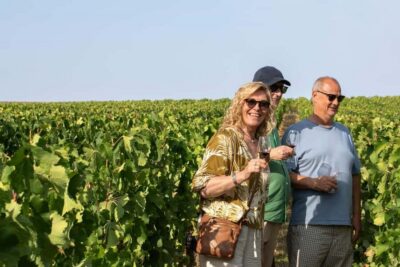
Afternoon Saint-Emilion Wine Tasting & snack
Read our review →Browse the lists this tour appears in