
Reviewed · LOUVRE MUSEUM TOURS
Louvre Guided Treasure Hunt for Families and Kids
The Louvre can swallow a family whole. This private two-hour treasure hunt gives children a job to do while your guide leads you to the Mona Lisa, Venus of Milo, and Winged Victory of Samothrace. I especially like the age-matched booklets and the clue cards, which turn looking at art into a game rather than a lecture.
I also like the skip-the-line entry and the guide’s role in handling the museum’s maze of corridors. The main caution is the price: $743 for up to four people is a serious splurge, and one family found the pace slow because the activities kept everyone at each artwork longer than expected.
Key points at a glance
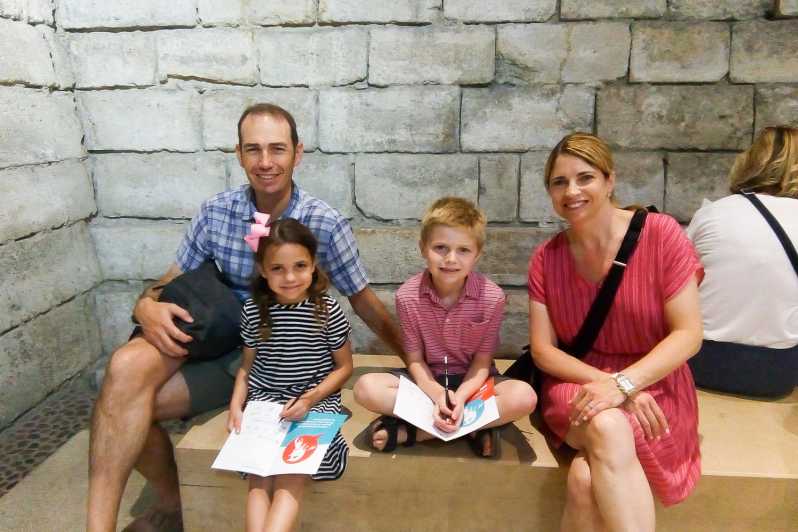
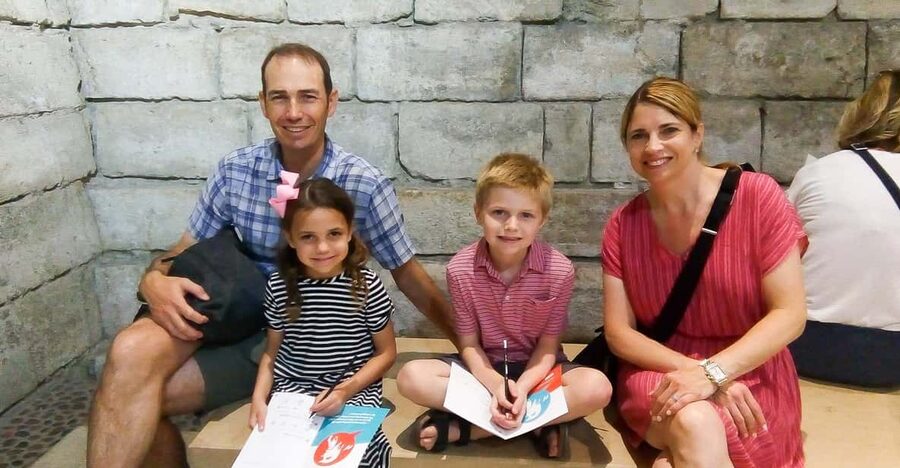
- Two age levels: Children receive a booklet suited to ages 3 to 6 or 7 to 12, with different challenges on the same route.
- Three Louvre icons: The route includes the Venus of Milo, Winged Victory of Samothrace, and Mona Lisa.
- Clues lead to a final puzzle: Children collect answer cards as they observe works of art, then use the clues to finish the hunt.
- Private family format: You have a live English-speaking guide rather than joining a large shared group.
- Skip-the-line museum entry: This can matter greatly at a museum where waiting and crowding can drain a child’s patience.
- A focused visit: Two hours is enough for highlights without asking young children to survive an all-day museum marathon.
Why a treasure hunt works at the Louvre
The Louvre is not one museum in the usual sense. It is a huge former palace filled with more art than any family can sensibly see in one visit. Children can lose interest quickly when every room seems to offer another painting, statue, or long historical explanation.
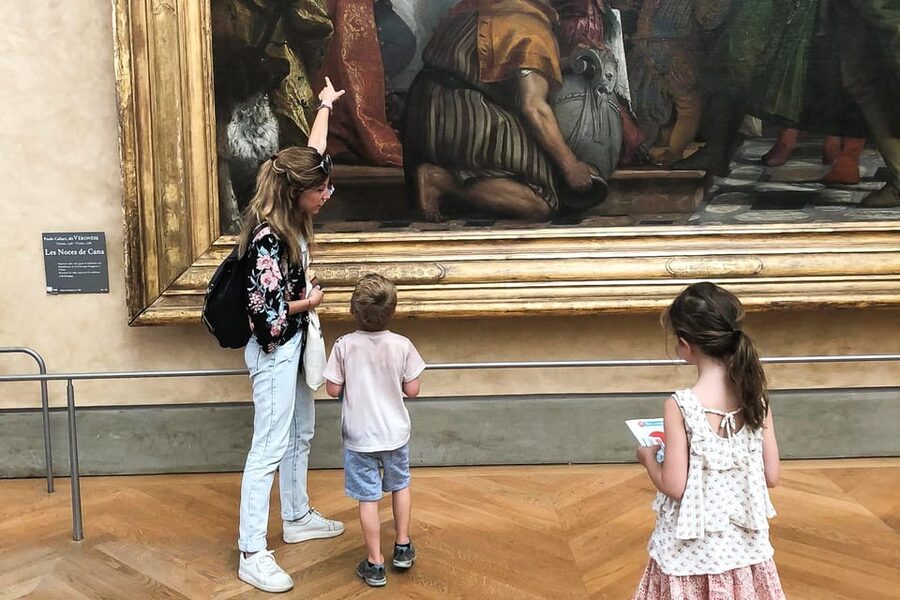
This experience gives the visit a clear purpose. Your children receive an activity booklet, then look closely at selected works to answer questions and win clue cards. The final puzzle gives the route a finish line, which is far more useful than simply telling a tired six-year-old that there are still several miles of galleries to go.
The guide explains the art in short, child-friendly sections. That matters because a good Louvre visit with children is less about covering ground and more about choosing the right moments. You will still hear about the works and their stories, but your children have something active to do with what they see.
The activity is offered for two age ranges, 3 to 6 and 7 to 12. Both groups follow the same general course, but the challenges are adjusted. Younger children can color or draw, while older children rely more on observation and puzzle solving. If your children have a wide age gap, this shared route with different tasks is a practical arrangement.
Other ways into the Louvre from Paris:
- Paris: Louvre Museum Timed-Entrance Ticket
★ 4.6 · 71,977 reviews - Paris: Louvre Guided Tour with Reserved Access & Boat Cruise
★ 4.3 · 16,353 reviews - Louvre Museum Masterpieces Guided Tour with Access
★ 4.5 · 12,023 reviews
Meeting by the Louis XIV statue
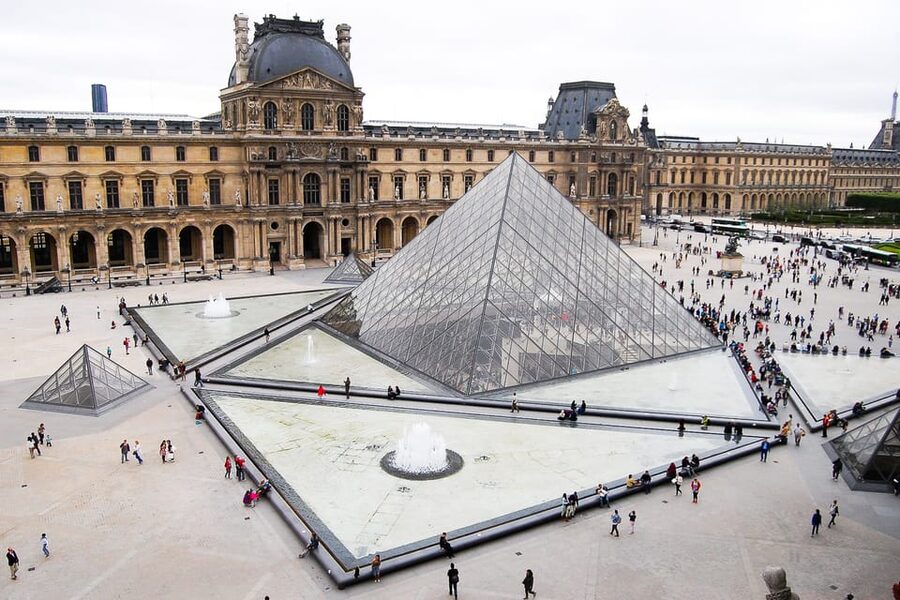
The meeting point is at 8 Place du Carrousel, by the equestrian statue of Louis XIV near the Louvre glass pyramid. This is a useful landmark, but give yourself enough time to find it. The Louvre area has several statues, entrances, courtyards, and streams of people moving toward the pyramid.
Your guide meets you there and provides the booklets and treasure hunt kit. Bring identification or a photocopy, as requested for museum entry. Large bags and luggage are not permitted, and anything larger than 55 by 35 by 20 centimeters must stay out of the museum.
Wear comfortable clothes. You will be walking through a large building, often at a child’s pace, with stops to look, answer questions, and move through busy galleries. Food and drinks are not included, so handle those before or after the visit rather than expecting a snack break during the hunt.
The private format is important here. A guide can adjust the explanation when a child is tired, excited, or especially interested in one work. Families with several children have found this more manageable than trying to steer everyone through the Louvre alone.
Entering the Louvre without losing the morning
Skip-the-line tickets are included. This does not mean the museum will feel empty, but it can spare you from beginning the experience with a long wait. For children, that first wait can be the difference between starting curious and starting cranky.
The guide also takes care of the initial direction finding. That sounds minor until you are standing under the Louvre pyramid with children, tickets, bags, and no clear idea which corridor leads to the galleries you want. The museum is easy to enter and surprisingly easy to navigate badly.
Once inside, expect the guide to set up the rules of the hunt. Your children receive their booklets and begin working through questions tied to the artworks. The goal is not to rush from famous object to famous object. It is to pause long enough for children to notice details, then reward their observations with the next clue.
One family with six-year-old twins and an eight-year-old found that the game helped block out the museum crowds. That is a useful way to think about the activity. It does not remove the crowds, but it gives children a small world of tasks to concentrate on while adults cope with the larger one.
The famous works, and what you actually do there
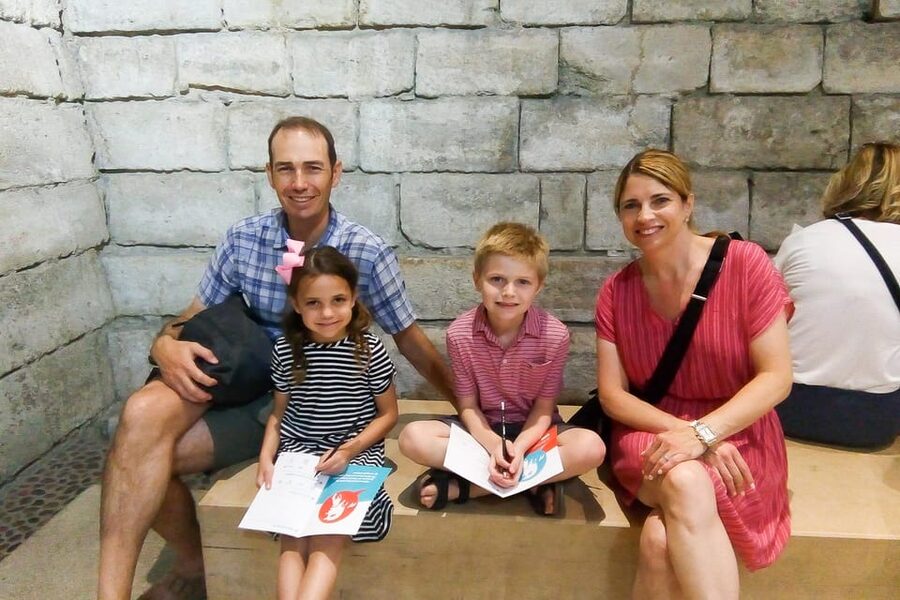
The route includes three of the Louvre’s best-known sights.
The Venus of Milo gives the guide a chance to discuss sculpture and observation. Children can look at the pose, clothing, missing arms, and the way the statue is displayed. The activity booklet turns those details into something they can search for instead of asking them to absorb a long explanation about ancient art.
The Winged Victory of Samothrace is another strong stop for families. Its dramatic staircase position and flowing form are easy to notice, even for a child who does not care about dates or artistic movements. A guide can focus on what children can see first, then add context in manageable pieces.
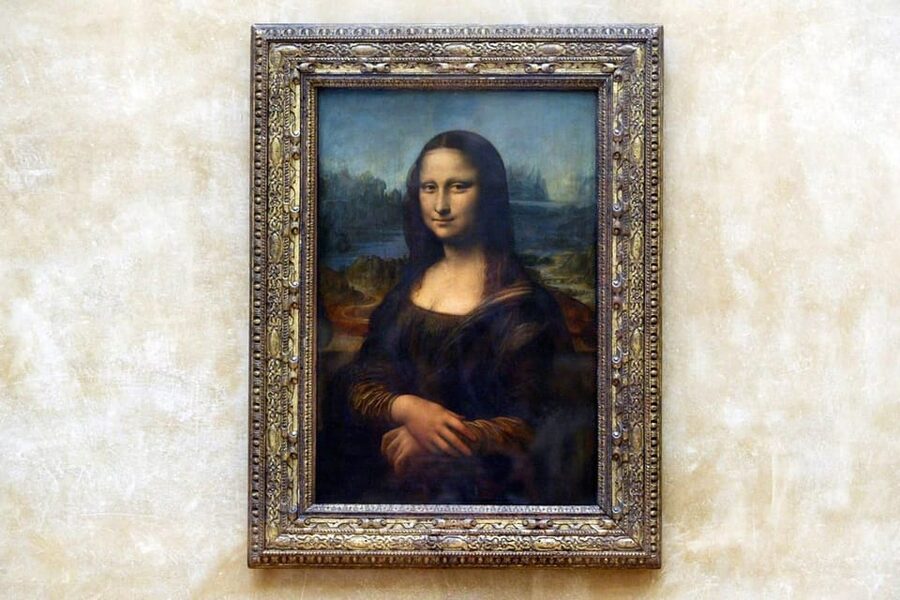
The Mona Lisa is the predictable crowd magnet. The tour includes it, and one family reported that their guide helped them reach the painting efficiently after entering. Expect a busy viewing area and limited time to linger. The treasure hunt may ask children to compare details or complete an observation task, but you should not expect a calm, private encounter with Leonardo’s painting.
That Mona Lisa activity has a downside for some families. One parent felt that using an iPad for a spot-the-difference task while standing close to the actual painting wasted valuable viewing time. I can see both sides. The activity keeps a child occupied in a crowded room, but older children may prefer to look directly at the painting and save the puzzle for later.
The route is not limited to the three headline works. Guides also bring in other paintings, sculptures, and stories, depending on the pace and the children. Still, the experience is a highlights visit, not a full survey of the Louvre. One family felt it leaned more toward sculptures than paintings. If your main goal is a long list of masterpieces, two hours will feel short.
More escape games in Paris:
- Saw2 vs Squid Game – Escape Game Montpellier
★ 5.0 · 752 reviews - Prison Break – Escape game in Montpellier
★ 5.0 · 583 reviews - School of Magic – Escape game Montpellier
★ 4.5 · 536 reviews - Mission Possible – Escape game Montpellier
★ 5.0 · 437 reviews
How the clue cards keep children moving

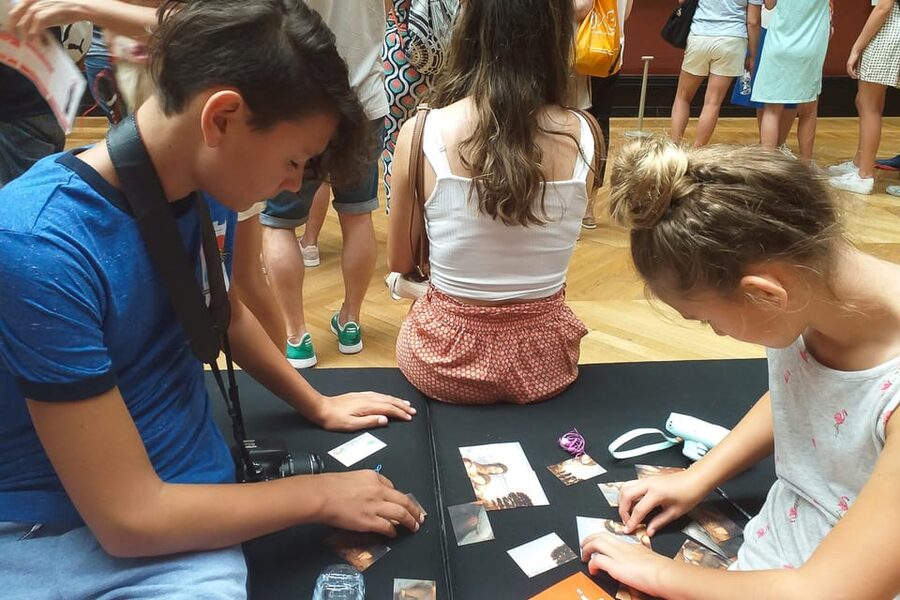
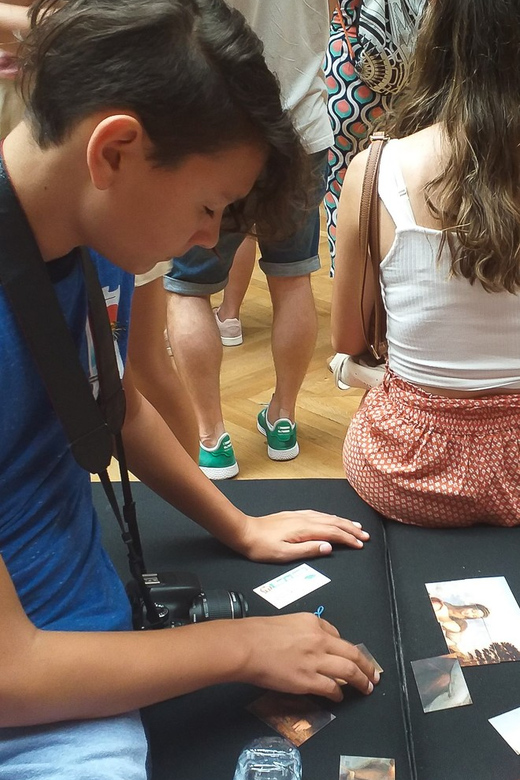
The hunt has a simple rhythm. Your child studies an artwork, answers a question, and receives a clue card. After collecting the cards, the children use them to solve the final puzzle.
This structure gives the guide a useful tool for shifting attention. If a child starts to drift, the next clue creates a reason to look again. If a child spots something before an adult does, the game gives that observation some importance.
For ages 3 to 6, the booklet includes coloring and drawing tasks. That makes the experience accessible to children who are not yet reading confidently or who need a physical activity to stay involved. For ages 7 to 12, the questions can make the visit feel more like a challenge than a worksheet.
The booklet also travels home with you. If a particular activity feels too slow during the tour, you can finish it later. This is worth discussing with your guide, especially if your family would rather see more works and spend less time at each stop.
The best results come when the adults play along without taking over. Let the children answer first. You can add your own observations after they have had a chance to solve the clue. The guide is there to connect the answer to the artwork and explain why the detail matters.
The guide makes or breaks the visit
The strongest part of this experience is the guide’s ability to speak to both children and adults. Families have especially praised Marcella, Justine, Marine, Sebastien, Amy, Yaelle, Roseane, Quinten, Valerie, and others for patience, clear explanations, and a warm way with children. Your assigned guide may be someone else, but the experience depends heavily on this personal connection.
Several families found that the guides kept children engaged for the full two hours. That is no small task at the Louvre, especially with children ranging from preschool age to early teenagers. A guide who knows when to shorten an explanation, ask a question, or move on can save the visit.
The adults are not left out. The guides add art and royal history, anecdotes, and expert perspectives while the children work through their tasks. One family with two girls aged 10 and 13 found the guide able to hold their interest while also explaining the major works and the story of the Louvre.
Still, a treasure hunt cannot guarantee that every child will participate. One family found their children less interested than expected. Children who dislike worksheets, puzzles, or structured activities may not respond to the format, especially if they would rather simply walk around and look.
Is $743 good value for four people?
The listed price is $743 per group of up to four, not a per-person rate. For a family of four, that is roughly $186 per person before tips, so this belongs in the special-occasion budget rather than the casual sightseeing category.
The price pays for a private guide, museum tickets, activity booklets, and the treasure hunt kit. It also buys help with navigation and an organized route through a museum that can feel intimidating. For parents who would otherwise spend hours managing tickets, directions, crowds, and tired children, that support has real value.
The calculation changes for a smaller group. Two people pay the same group price, making it harder to justify unless you place a high value on private guiding. If you have four family members and want the Louvre to be a major part of your Paris visit, the cost is easier to defend.
The two-hour length also affects value. It is short enough to protect children from museum fatigue, but it limits how much you see. One family felt the pace was too slow for the cost because the quiz required long stops at individual works. Another family found the length just right for children and appreciated having time afterward to explore alone.
My advice is to decide what problem you are paying to solve. If your problem is getting children into the Louvre, keeping them engaged, and seeing the top sights without a family meltdown, the price may be worthwhile. If your goal is maximum artwork per euro, you may prefer a cheaper ticket and a self-guided plan.
Who should book this Louvre family tour?
This is best for families with children from about preschool age through 12, based on the two booklet ranges and the way the activities are described. It also suits families with several children who need different levels of challenge but want to stay together.
It is particularly useful for a first Louvre visit. You will see major highlights, hear context without having to prepare a route yourself, and avoid spending the first hour figuring out where you are.
Families with older children may want to ask the guide to keep the pace brisk. One parent praised a fast pace, while another felt the hunt slowed the group down. The tour can apparently work both ways, but you should make your preference clear at the start.
The private format also helps families who want flexibility. You are not asking strangers to wait while a small child colors, and you are not forcing your own children to match the rhythm of a large group.
Practical details before you reserve
The tour lasts two hours and is conducted in English. It is wheelchair accessible. Hotel pickup and drop-off are not included, so you must reach the meeting point near the pyramid on your own.
Tips are not included. Keep bags small, and bring identification or a copy. Comfortable clothing is the sensible choice.
You can cancel up to 24 hours before the tour for a full refund, and the reserve-now, pay-later option allows you to hold the booking without paying immediately. Check the available start times when choosing your date, since the duration is fixed but the schedule can vary.
The meeting point is outside, by the Louis XIV statue. I would not rely on finding your guide at the last second. The Louvre surroundings are busy, and a few extra minutes can make the start far calmer.
FAQ
How long does the Louvre treasure hunt last?
The guided visit lasts two hours, including the treasure hunt and the Louvre highlights.
What ages are the activity booklets designed for?
Booklets are tailored to two age ranges: 3 to 6 years old and 7 to 12 years old.
Which Louvre artworks are included?
The experience includes the Venus of Milo, Winged Victory of Samothrace, and Mona Lisa, along with other works selected by the guide.
Is the tour private?
Yes. The activity is offered as a private group experience for up to four people.
Is museum entry included?
Yes. Skip-the-line tickets to the Louvre are included in the price.
What language is the tour conducted in?
The live tour guide speaks English.
Can I bring a large suitcase or bag?
No. Luggage and large bags are not allowed, and items larger than 55 by 35 by 20 centimeters cannot enter the museum.
Should you book it?
Book this tour if you want the Louvre to feel manageable, focused, and interesting for children. The age-specific booklets, clue cards, famous artworks, and private guide give young visitors a reason to pay attention, while you get help with entry and navigation.
I would hesitate if $743 feels out of reach or if your children dislike organized games. The visit may also feel slow if you want to race through a long list of paintings. For most families making one serious Louvre visit, though, the private format and child-focused guide can turn a difficult museum into a rewarding two hours.
Just added in Paris
- Private Transfers in Paris★ 5.0 · 75 reviews
- Disneyland® Paris 1 Day Ticket with Transport from Paris★ 3.5 · 302 reviews
- Personalized Transport service from Disneyland to Paris★ 5.0 · 63 reviews
- CDG – Euro Disney – CDG Two Way Private Shuttle Transfer★ 5.0 · 233 reviews
- Monet’s Gardens & House-Private Giverny Tour From Paris★ 4.5 · 137 reviews
- Giverny Monet House and Gardens Skip the line Walking tour★ 4.0 · 217 reviews
- Guided tour Monet’s house and gardens/small group★ 4.5 · 68 reviews
- Monet’s House and Garden & Giverny Village★ 4.5 · 39 reviews
Louvre Museum Tours, compared.


Louvre Guided Tour with Reserved Access & Boat Cruise
Read our review →
Louvre Museum Masterpieces Guided Tour with Access
Read our review →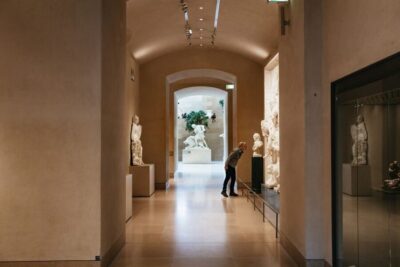
Louvre Museum Entry Ticket With Host and River Cruise
Read our review →
Priority Access Louvre with Host -Direct to Mona Lisa
Read our review →
Mona Lisa & Louvre Masterpieces Tour with Reserved Access
Read our review →
Louvre Museum – Exclusive Guided Tour (Entry Included)
Read our review →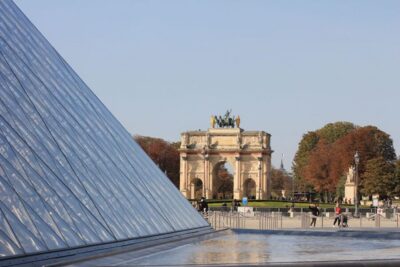
Louvre Reserved Ticket and River Cruise Combo
Read our review →Browse the lists this tour appears in