
Reviewed · MONTMARTRE TOURS
Montmartre 3-Hour Local Gastronomy Tour with Tastings
Montmartre is at its best when you leave the big sights behind and follow the neighborhood’s food shops. This 150-minute walking tour takes you through its village-like streets, with stops for pastries, bread, charcuterie, wine, and other French staples. You finish with a clearer sense of how locals shop and eat, not just where to pose for a Sacré-Cœur photo.
I like the small group of eight and the mix of food with neighborhood stories. Guides such as Luis have explained wine tasting, Haussmannian architecture, and the lesser-known history behind everyday French foods. The main consideration is value: at $165 per person, the tastings need to feel substantial, and one review found too many sweets, very little cheese, and no wine or other drink included during that particular tour.
Key points at a glance
- A food-focused walk through Montmartre: Visit a pastry shop, fishmonger, charcutier, butcher, baker, and vegetable seller rather than staying in one restaurant.
- Pastries come early: The tour begins at a shop known for fine tarts, so a sweet tooth helps.
- Local shopping, not just sightseeing: You see the kinds of specialty stores used for meats, breads, produce, seafood, and other French products.
- Guides add neighborhood context: Luis has covered wine tasting, Haussmannian architecture, bakeries, and Montmartre’s food traditions.
- Small groups keep the walk personal: With no more than eight participants, it should be easier to hear the guide and ask questions.
- Check your expectations about tastings: Wine, bread, charcuterie, and pastries are listed as included, but the amount and selection may vary.
Starting at Place Blanche and entering Montmartre
Meet your guide in front of Starbucks at 5 Place Blanche, in the 18th arrondissement. The closest metro stop is Blanche on line 2, a useful landmark at the busy lower edge of Montmartre.
This is a practical meeting point because Place Blanche puts you near the neighborhood’s entertainment district and the first uphill streets. Still, give yourself time to locate the exact spot. A large city square can be confusing, especially if you are arriving with luggage, in rain, or during a crowded evening.
From here, the tour moves on foot through Montmartre’s smaller streets. The route gradually works toward the butte, the hill that gives the district its character. You should expect some uphill walking and uneven city pavement, although the supplied information does not specify the route’s accessibility or the exact number of stairs.
The setting is part of the appeal. Montmartre has a bohemian reputation, but its food shops show another side. Behind the artists’ cafés and postcard views is a working neighborhood where bread, meat, cheese, fish, wine, produce, and pastries have long shaped daily life.
Other walks around Montmartre from Paris:
- Montmartre Hidden Gems and Scenic Highlights Walking Tour
★ 5.0 · 2,684 reviews - Montmartre Hill French Gourmet Food and Wine Tasting Walking Tour
★ 5.0 · 2,588 reviews - Paris: Montmartre Cheese, Wine & Pastry Guided Walking Tour
★ 4.8 · 2,255 reviews
Fine tarts first, then the flavor of the neighborhood
The opening stop is a pastry shop specializing in fine tarts. This gives the tour an immediate French accent: precise pastry, seasonal-style fillings, and the small-shop culture that makes Paris food walks more interesting than a simple list of famous restaurants.
If you prefer savory food, this first tasting may feel like a lot of sugar before the tour settles into its other stops. One person found the overall balance too sweet, with too many pastries and not enough cheese or other drinks. I would keep that in mind if you are hoping for a tour built mainly around wine, meat, and cheese.
Still, the pastry stop makes sense as an introduction. French food culture is not only about grand meals. A tart from a specialist shop shows how much care can go into an everyday bakery purchase. Your guide can also explain how pastries fit into local routines and why particular products matter.
The tasting portions are not described in exact quantities. You should think of them as samples rather than a full breakfast or lunch. If you have a large appetite, eat something light beforehand or plan a meal after the walk.
Shops that reveal how French food is bought
The tour continues through a useful range of food specialists. You visit a fishmonger, charcutier, butcher, baker, and vegetable seller. That variety is one of the strongest reasons to choose this experience.
A fishmonger shows a side of Paris food shopping that is easy to miss if you only stop at cafés. A butcher and charcutier introduce preserved meats and prepared specialties. The baker connects the tour to the daily importance of bread, while the vegetable seller brings fresh produce into the picture.
These are not simply places to collect bites. They help you understand the structure of a traditional French shopping street, where separate specialists handle different parts of a meal. Even if you never return to Montmartre to buy groceries, you will recognize why these shops matter to the neighborhood.
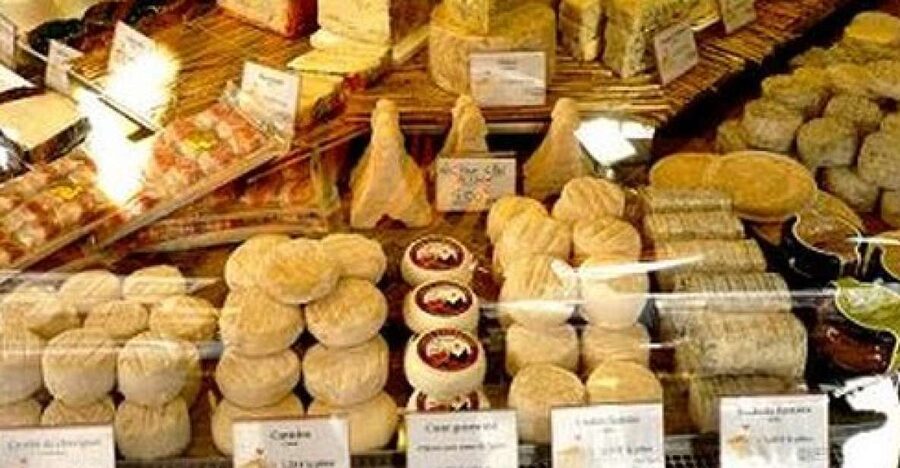
The listed tastings include charcutier specialties, bread, wine, and pastries. The tour description also refers to meats, cheeses, and other local products. The exact balance is important at this price, so ask the guide what is being served if you have a strong preference for savory items.
One past route ended at Edouard’s LAB shop, where the group tasted wine, charcuterie, honey, and Comté. That sounds like a pleasant finish, especially for anyone who enjoys pairing food with wine. However, the experience can differ. Another participant reported that wine, coffee, and other drinks were not included on that occasion. I would not book this as a wine tasting first and a neighborhood tour second.
Montmartre’s stories between the bites
Food is the main thread, but the guide also explains why Montmartre is one of Paris’s must-see districts. You learn about its bohemian identity, old food customs, architecture, and the way the neighborhood developed around the hill.
Luis received especially warm praise for his explanations of Montmartre and for his ability to connect food with local history. Another account highlights his discussion of Haussmannian architecture, bakeries, wines, and other parts of the district. That mix is valuable because the walk does not treat the shops as isolated tasting stations.
Haussmannian architecture is a particularly useful topic in Paris. The broad boulevards and uniform apartment buildings associated with Baron Haussmann are often easier to notice in central Paris than in Montmartre’s winding streets. A guide who points out that contrast can help you see how this hilltop quarter fits into the larger city.
You also get context about traditional products that have been part of French daily life for centuries. The point is not to memorize dates. It is to understand why bread, charcuterie, pastries, wine, and cheese carry such weight in French culture.
I like this combination of walking and explanation. You are not rushing from one famous monument to another. Instead, the guide uses shops, streets, and food to explain the neighborhood at street level.
Same base, a different kind of day:
- Paris: Louvre Museum Timed-Entrance Ticket
★ 4.6 · 71,977 reviews - Disneyland® Paris 1-Day Ticket
★ 4.6 · 49,412 reviews - Paris: Versailles Palace and Gardens Full Access Ticket
★ 4.6 · 41,579 reviews - Paris: Evening River Cruise with Music
★ 4.4 · 22,721 reviews
What the small group changes
The group is limited to eight people, which is a major advantage on a walking food tour. You should be able to hear the guide more easily, stand close during explanations, and ask questions without turning the experience into a public lecture.
A small group also matters inside specialty shops. Food counters can be tight, and a large crowd would make it harder to see products or listen while other customers shop. Eight people is still enough for a social outing, but small enough to feel manageable.
The guide can also adjust the pace more easily. One participant specifically appreciated that Luis adapted the route to partially rainy weather. That does not mean the tour is weatherproof, but it suggests some flexibility when conditions change.
You should dress for a walking tour rather than a formal tasting. The information provided does not state a dress code, but the experience takes place outdoors between shops and includes movement uphill toward Montmartre’s butte. Comfortable shoes and a light rain layer are sensible choices.
The tour is offered in English, French, and Japanese. When booking, check that your preferred language is available for your chosen departure time.
How much food do you really get?
The $165 price is high for a 150-minute activity, so the value depends on what you want from it. You are paying for a guide, a small group, access to several specialist food businesses, tastings, and neighborhood interpretation. You are not simply paying for a meal.
The strongest value comes if you want help finding local-style shops and understanding what you are seeing. A self-guided walk can take you past a baker or charcutier, but it will not necessarily explain the products, introduce the neighborhood’s food traditions, or help you taste them in a logical order.
The weaker value appears if you expect a generous lunch. Portions are not listed, and one experience included only a small bite of cheese. That same account found too many sweets and no wine, café, or other drinks. Since the description specifically includes wine, this may reflect a difference in the day’s offerings, but it is still worth keeping your expectations measured.
I would budget for another meal afterward. The tastings may satisfy you, especially if you are not very hungry, but this should not replace a full lunch or dinner unless the portions happen to be unusually generous.
At $165, I would choose this tour for the guide and the food-shopping access, not because it is the cheapest way to eat in Paris. If your goal is maximum quantity, a restaurant meal or market lunch will likely give you more food for your money.
Timing, weather, and the uphill route
The stated duration is 150 minutes, or two and a half hours, although the experience is also described as a three-hour tour. Allow at least two and a half hours, and keep extra time afterward if you have a tight reservation.
The route winds through Montmartre and works toward the hill. That means the physical effort is likely modest to moderate rather than flat and effortless. The exact amount of climbing, stairs, and distance is not provided, so anyone with mobility concerns should ask the provider before booking.
Rain does not automatically cancel the experience. A guide has adjusted the route for wet weather before, but you should still expect to walk outdoors between stops. The shop visits provide breaks from the weather, not a guarantee of shelter throughout the tour.
The starting area at Blanche is convenient by metro line 2. Since the meeting point is directly in front of a Starbucks, it should be easy to identify once you reach Place Blanche. Arrive early enough to find the guide without rushing.
Free cancellation is available up to 24 hours before the start for a full refund. You can also reserve now and pay later, which helps if your Paris plans are still shifting.
Who will enjoy this Montmartre walk most?
I would recommend this experience to you if you want more than a quick look at Sacré-Cœur. It suits curious eaters who like small shops, local products, and stories about how a neighborhood works.
It is also a good fit for first-time visitors who want a gentle introduction to French food customs. The guide can explain what you are tasting while showing you the difference between a bakery, charcutier, butcher, fishmonger, and produce shop.
Food-focused couples and small groups of friends should appreciate the compact group size. The English, French, and Japanese options make it useful for a range of visitors, provided your chosen departure offers the language you need.
I would be cautious about booking if you dislike sweets, need a full meal, or want a formal wine tasting with several substantial pours. I would also ask about the day’s tasting plan if cheese, wine, or savory food is especially important to you.
The tour may work for families, but the available information does not specify a child price, minimum age, or child-specific portions. Ask before booking if those details matter to your group.
Should you book the Montmartre gastronomy tour?
Book it if you value a small-group neighborhood walk with food stops and cultural context. The best parts are the range of specialist shops, the chance to taste everyday French products, and guides such as Luis, who connect Montmartre’s architecture and food traditions in a clear, personal way.
Skip it if you mainly want a large meal or a guaranteed cheese-and-wine feast. At $165, the tour needs to be judged as a guided food-and-history experience, not as a bargain tasting menu.
My practical advice is to confirm the tasting balance before you pay, especially if you prefer savory items. If you are happy with pastries, bread, charcuterie, and a guided walk through one of Paris’s most distinctive neighborhoods, this can be a memorable way to see Montmartre beyond its famous viewpoints.
FAQ
Where does the Montmartre gastronomy tour meet?
Meet your guide in front of Starbucks at 5 Place Blanche, 75018 Paris.
What is the nearest metro station?
The nearest station is Blanche on metro line 2.
How long does the tour last?
The stated duration is 150 minutes, or two and a half hours. The experience is also described as a three-hour tour, so allow at least two and a half hours.
What foods are included in the tastings?
The included tastings are charcutier specialties, bread, wine, and pastries. The tour also refers to meats, cheeses, and other local products.
Which shops do you visit?
The route includes a pastry shop, fishmonger, charcutier, butcher, baker, and vegetable seller.
Is the tour offered in English?
Yes. The available languages are English, French, and Japanese.
How large is the group?
The tour is limited to eight participants.
Is wine included?
Wine is listed among the included tastings. However, the exact offerings can vary, and one experience did not include wine or other drinks. Confirm the tasting plan if wine is important to you.
Can I cancel for a full refund?
Yes. You can cancel up to 24 hours in advance for a full refund.
Can I reserve now and pay later?
Yes. The tour allows you to reserve your place and pay later.
Just added in Paris
- Private Transfers in Paris★ 5.0 · 75 reviews
- Disneyland® Paris 1 Day Ticket with Transport from Paris★ 3.5 · 302 reviews
- Personalized Transport service from Disneyland to Paris★ 5.0 · 63 reviews
- CDG – Euro Disney – CDG Two Way Private Shuttle Transfer★ 5.0 · 233 reviews
- Monet’s Gardens & House-Private Giverny Tour From Paris★ 4.5 · 137 reviews
- Giverny Monet House and Gardens Skip the line Walking tour★ 4.0 · 217 reviews
- Guided tour Monet’s house and gardens/small group★ 4.5 · 68 reviews
- Monet’s House and Garden & Giverny Village★ 4.5 · 39 reviews
Montmartre Tours, compared.
Montmartre Hidden Gems and Scenic Highlights Walking Tour
Read our review →
Montmartre Hill French Gourmet Food and Wine Tasting Walking Tour
Read our review →
Montmartre Cheese, Wine & Pastry Guided Walking Tour
Read our review →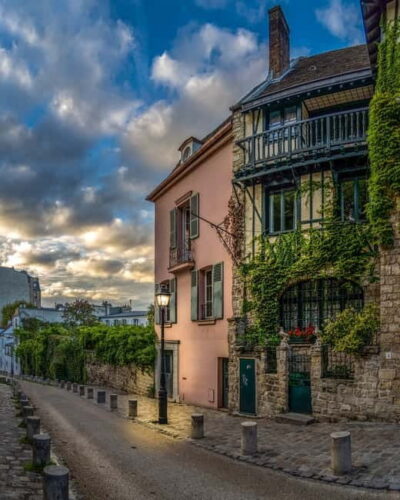
Montmartre Highlights Walking Tour with a Local Guide
Read our review →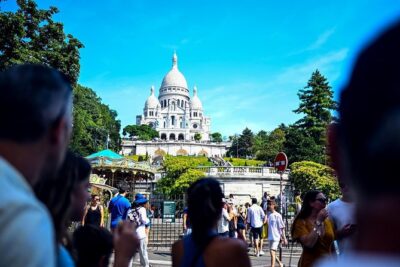
Private Montmartre Food Tour with Wine, Cheese & Pastries
Read our review →
Paris Montmartre Food Tour – A Full French Meal by Do Eat Better
Read our review →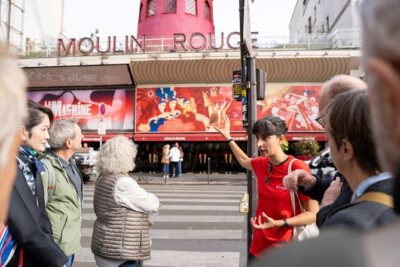
Hidden Montmartre: Paris’ Secret Streets Walking Tour
Read our review →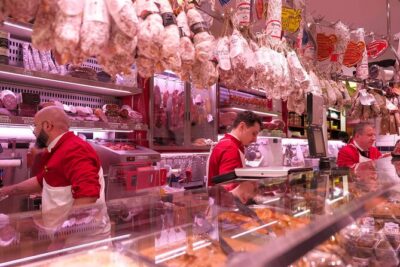
Paris Montmartre Food & Wine Tour with Eating Europe
Read our review →Browse the lists this tour appears in