
Reviewed · PASTRY & CHOCOLATE WORKSHOPS
Paris Croissant Small-Group Baking Class with a Chef
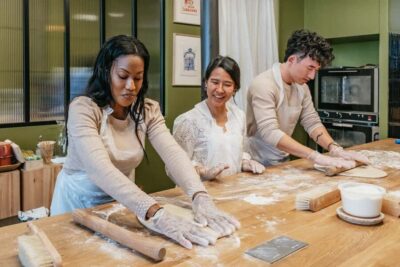
The best part of this Paris experience is that you do not just watch a chef fold dough. You actually make croissants, pain au chocolat, and pain au raisin in a pastry studio near Place des Vosges. The class covers mixing, kneading, shaping, and baking, so you leave with a useful new skill rather than only a few photos.
I like the small-group format, which gives you a real chance to ask questions and get help with tricky pastry work. I also like the practical souvenir: an illustrated recipe booklet, plus the pastries you bake yourself. The main consideration is the price, $157.21 per person, which is a serious sum for a 2.5-hour activity.
Key points to know
- You make the pastries yourself: This is a hands-on workshop, not a chef demonstration.
- Three French classics in one class: Prepare croissants, pain au chocolat, and pain au raisin.
- The location is excellent: The studio is at 7 Rue de Béarn in the Marais, close to Place des Vosges.
- Group size can vary: Sessions are described as small, with up to 12 people, and many have had 8 to 10 participants.
- You eat and take pastries away: Expect to sample fresh baking and leave with additional pastries.
- Children can enjoy it: Past sessions have worked well for children as young as seven, as well as teenagers.
A pastry class in the Marais, not a bakery counter
Maison Fleuret’s baking school sits in Paris’s third arrondissement, at 7 Rue de Béarn. That puts you near Place des Vosges and within easy reach of public transportation, making this a sensible activity to pair with a walk through the Marais.
You enter a fully equipped pastry studio, receive an apron and utensils, and meet your chef and fellow bakers. The class is offered in English, an important point when precise instructions matter. Croissant dough is not forgiving when you miss a step, so clear explanations are more useful here than a long lecture about French food.
The setting also gives the activity a pleasant change of pace from museums, churches, and crowded streets. You spend part of your Paris day indoors, working with your hands, then sit down to taste what you have made. For families, couples, and friends, that shared task can be more memorable than another hour spent following a guide through a major sight.
More cooking classes in Paris:
- Paris Cooking Class and Lunch with Wine plus Market Visit Option
★ 5.0 · 1,024 reviews - Paris: French Croissant Baking Class with a Chef
★ 4.9 · 712 reviews - Paris Cooking Class: Learn How to Make Macarons
★ 5.0 · 634 reviews
What happens during the 2.5-hour workshop
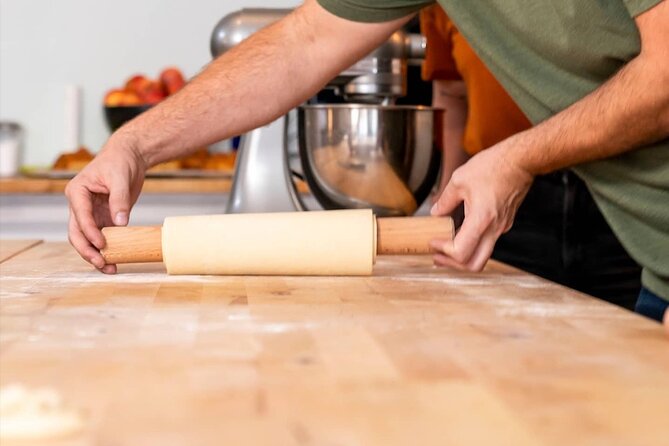
The session begins with the dough. You will work through the early stages of mixing and kneading, following the chef’s instructions as you go. This is where the class earns its keep. Croissants depend on technique, timing, and careful handling, and a teacher can correct your approach before a small mistake ruins the final result.
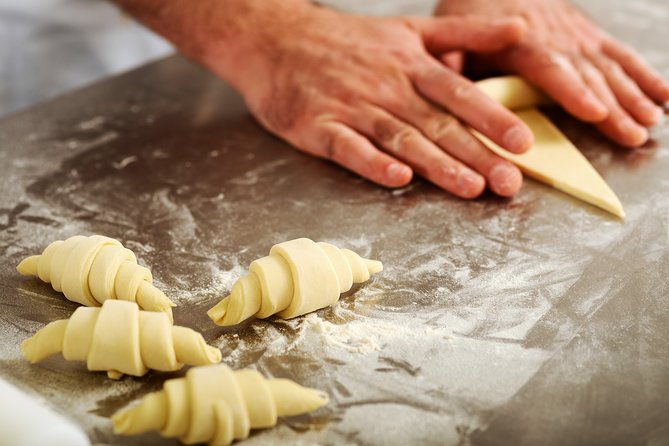
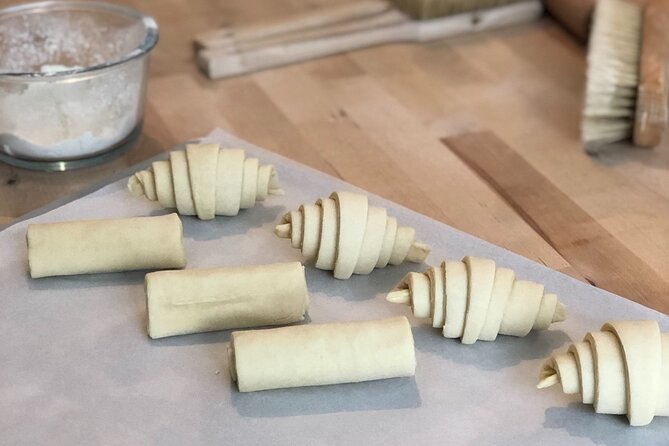
Next comes shaping. You learn how the dough is formed into a classic croissant and how it is used for pain au chocolat and pain au raisin. These pastries share some of the same basic dough work, but each has its own shape and filling. Making all three helps you see how one French pastry method can produce several familiar bakery favorites.
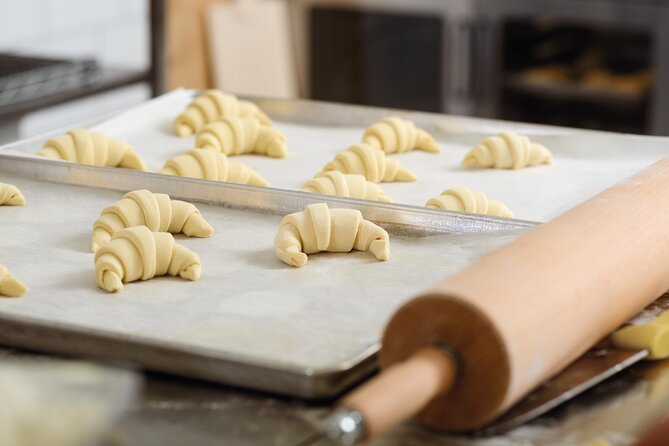
The chef guides you through the baking stage, then the payoff arrives: fresh pastries from the oven. You taste the results during the session, and you can take the remaining products with you. Several class accounts describe leaving with around four pastries per person, often two croissants and two pain au chocolat, though the exact amount may vary by session.
Hot and cold drinks are available throughout. That sounds like a small touch, but it matters in a hands-on class. You can pause, listen, and enjoy the work rather than treating the session as a rushed production line.
The guides make a real difference
The pastry technique is the main attraction, but the instructor shapes the quality of the class. Guides named in past sessions include Clara, Felix, Milly, Prisca, Rosalie, Lizzy, Delphine, Leslie, and Ines. The strongest experiences have come from chefs who explain each step patiently, answer questions, and keep the mood relaxed.
Clara has been singled out for her teaching and for offering suggestions about things to do in Paris afterward. Felix is described as interactive and fun. Milly received praise for explaining not only what to do, but why each step matters, and for speaking excellent English. Prisca has added a little French language and pastry culture to the lesson.
That range of instructors means you should expect a shared teaching approach rather than one fixed personality or script. If the chef on your date is different from the names above, the quality may feel slightly different. Still, the repeated pattern is clear: patient instruction and personal help are central to the experience.
One particularly useful detail is the reported student-to-teacher ratio of about 6 to 1 in one class. The official maximum is 12 participants, while many sessions have had 8 to 10 people. You should not assume every class will be tiny, but this is not designed as a large cooking show with one chef working at the front while everyone watches.
Why the small group matters for croissant dough
A croissant class benefits from personal attention more than many cooking activities do. You need to see how the dough feels, how firmly to knead it, and how carefully to shape it. If your butter or dough is handled poorly, the finished pastry can lose the flaky layers you want.
A small class lets you ask for help at the moment you need it. That is especially useful if you are new to baking, but experienced home bakers also gain from watching a professional explain the reasoning behind each move.
The supplied information gives two group descriptions: workshops are limited to eight participants in the main explanation, while the additional details list a maximum of 12. I would plan for a small class, but not count on exactly eight people. The distinction matters if you are booking for a family or hoping for one-on-one coaching.
Other pastry and chocolate sessions around Paris:
- Paris: Montmartre Cheese, Wine & Pastry Guided Walking Tour
★ 4.8 · 2,255 reviews - Award-Winning Paris French Bakery Experience — Le Marais, 4th Arr
★ 4.5 · 1,186 reviews - Paris: Entrance Ticket to the Chocolate Museum
★ 4.1 · 1,105 reviews - Private Montmartre Food Tour with Wine, Cheese & Pastries
★ 5.0 · 1,027 reviews
Croissants, pain au chocolat, and pain au raisin
The class begins with the classic croissant, the pastry most people associate with French breakfast. You work with the dough and butter, then shape the familiar crescent form before baking.
Pain au chocolat follows. It uses the same broad pastry tradition, but the chocolate filling gives you a different shaping task and a sweeter result. It is also a good choice for children, who may find the chocolate center especially appealing.
The third item is pain au raisin, a traditional French pastry with a spiral shape and raisin filling. Making all three in one sitting gives you more than a single recipe. You see how different shapes and fillings change the result while using related techniques.
Some sessions have also produced extra pastries from leftover dough, including cinnamon rolls, but that is not part of the stated standard menu. Treat it as a possible variation, not something to expect when you book.
Fresh pastry at the end, recipes for home
The eating is not an afterthought. You taste the baking fresh from the oven, when the crust is crisp and the interior is warm. That final step gives you a clear reward for the work and lets you judge the difference between a pastry straight from the oven and one that has sat on a bakery shelf.
You also take products away with you. This is useful if you have a busy day planned and want to save some for later, though French pastries are at their best soon after baking. Pack them carefully and avoid putting them at the bottom of a crowded day bag.
The illustrated recipe booklet is the most lasting souvenir. It gives you a way to repeat the process at home, and several people have managed to make the pastries again after returning from Paris. The booklet cannot replace a chef correcting your technique, but it helps you remember the sequence and proportions.
If you plan to recreate the pastries, pay close attention during the dough and shaping stages. The class is valuable partly because it shows the physical handling that a printed recipe often explains poorly.
Is $157.21 a fair price?
At $157.21 per person, this is not a budget breakfast. You are paying for a professional chef, use of a pastry studio, ingredients, equipment, drinks, hands-on instruction, tasting, takeaway pastries, and the recipe booklet.
The price makes more sense if you value the activity as both a meal and a lesson. You are not simply buying four pastries. You are spending about two and a half hours learning a skill that you can use at home, with the added pleasure of eating your results in Paris.
It is less compelling if you only want to sample French pastries. A bakery crawl will cost far less and expose you to more varieties. This class earns its price when you want to work with the dough yourself, ask questions, and share the experience with family or friends.
For a birthday, parent-child outing, or break from sightseeing, I think the price can be justified. For a solo visitor watching every euro, the class needs to be a genuine priority rather than an easy add-on.
A strong choice for families and young bakers
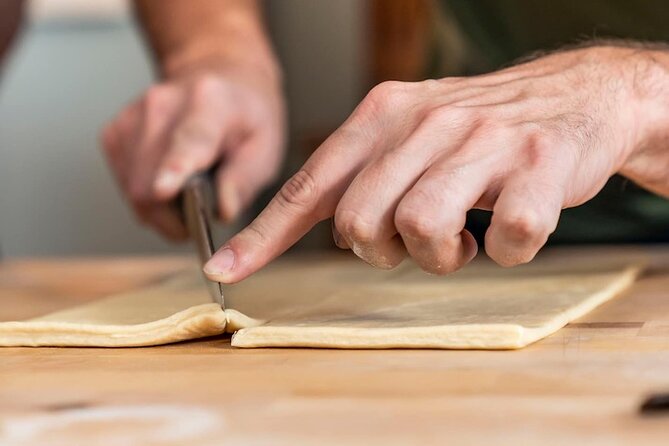
The class has worked well for children. A seven-year-old has completed it successfully, and families with children aged nine, 12, 13, and 15 have found it enjoyable. That does not mean every child will want two and a half hours of pastry work, but the practical tasks give younger participants something to do.
Parents should expect an activity that requires listening and following directions. Children can help with kneading, shaping, and decorating, but the chef controls the more technical parts of the process. The class is a better fit for a child who enjoys cooking than for one who needs constant movement.
It also works well for grandparents and grandchildren. The shared recipe gives you something to talk about after the class, and you can try making the pastries together at home. Bring a container or bag if you expect to take several pastries with you, though no special equipment is listed as required.
Timing, meeting point, and planning advice
The workshop starts at 7 Rue de Béarn, 75003 Paris, and ends at the same place. There is no private transportation included, so you need to make your own way to the studio.
The Marais location is a practical advantage. You can visit Place des Vosges before or after class, and the area offers plenty of options for a relaxed walk. Do not schedule a distant timed attraction immediately afterward unless you leave generous margin. The class lasts about 2 hours and 30 minutes, and baking sessions can feel longer if there are questions or small timing changes.
The experience is available with a mobile ticket and is conducted in English. Confirmation arrives at booking. It is wise to arrive with enough time to find the address, especially if this is your first visit to the Marais.
Demand appears steady, with bookings often made about 43 days ahead. If your Paris dates are fixed, reserve early. That is particularly important for weekend sessions, school holidays, and family trips.
Free cancellation is available when you cancel at least 24 hours before the local start time. Changes or cancellations inside that window are not accepted for a refund. The provider has also had to cancel a class because of a chef’s sudden illness and offered an alternative location, so keep that small possibility in mind when planning a tightly packed day.
What could disappoint you
The most obvious issue is the price. You can buy an excellent croissant in Paris for a few euros, so the class is only good value if you want instruction and participation.
The group size is another point to watch. The experience is presented as small-group, but the stated maximum is 12, not eight. Many sessions have been smaller, and one reported a 6 to 1 ratio, but you should not book expecting a private lesson.
The activity also depends on the assigned chef. Names such as Clara, Felix, Milly, Prisca, Lizzy, Delphine, and Ines have been associated with warm, clear teaching, but you may receive a different instructor. The class format remains the same, but the tone can change from one session to another.
Finally, last-minute operational problems are possible. One class was canceled on the day because the pastry chef was unavailable for health reasons. That was rare compared with the many successful sessions, but it is a real planning concern if you have only one free morning in Paris.
Who should book this Paris baking class?
I would recommend Maison Fleuret to you if you want an active food experience rather than another tasting stop. It suits families, couples, friends, young bakers, and anyone who has always wanted to understand how French pastry is made.
Book it if you value clear instruction, a small working group, fresh pastries, and a recipe you can use later. The Marais location is also convenient if you want to build a half-day around Place des Vosges.
Skip it if you only want a quick pastry, dislike structured activities, or need the lowest-cost way to eat in Paris. The $157.21 price asks you to value the lesson as much as the food.
For most people who enjoy cooking, the combination of hands-on work, fresh baking, and a useful recipe booklet makes this a strong Paris activity. Reserve ahead, allow time for the full 2.5-hour session, and arrive ready to handle dough, listen closely, and leave with more pastries than you may expect.
FAQ
Where does the croissant baking class begin?
The class begins at Maison Fleuret, 7 Rue de Béarn, 75003 Paris, France, in the third arrondissement near Place des Vosges.
How long does the experience last?
The workshop lasts approximately 2 hours and 30 minutes.
What pastries will I make?
You will learn to make a classic croissant, pain au chocolat, and pain au raisin.
Is the class taught in English?
Yes. The experience is offered in English.
Are drinks and baking supplies included?
Yes. Hot and cold drinks, cooking supplies, instruction, and health and safety equipment such as face masks and hand solution are included.
Can I cancel for a refund?
You can cancel at least 24 hours before the local start time for a full refund. Cancellations or changes made less than 24 hours before the experience are not accepted for a refund.
Just added in Paris
- Paris City Sightseeing Half Day Guided Segway Tour with a Local Guide★ 5.0 · 371 reviews
- Paris Create your Own Perfume Workshop with a Perfumer★ 4.5 · 275 reviews
- Paris: Oh My God She’s Parisian! English Comedy Show★ 4.7 · 257 reviews
- Paris: Create your Signature Scent Perfume Workshop★ 4.8 · 221 reviews
- Paris: Flea Market Insider’s Tour in Extra-Small Group★ 4.6 · 73 reviews
- Paris : Painting experience in an art cafe★ 4.6 · 204 reviews
- Paris: Vallée Village Outlet Shopping Day★ 4.3 · 362 reviews
- Paris night out : Comedy in English ‘How to Become a Parisian ?’★ 4.5 · 373 reviews
Pastry & Chocolate Workshops, compared.
Montmartre Cheese, Wine & Pastry Guided Walking Tour
Read our review →
Award-Winning Paris French Bakery Experience — Le Marais, 4th Arr
Read our review →
Private Montmartre Food Tour with Wine, Cheese & Pastries
Read our review →
Paris French Sweets Tasting Tour with Pastries and Chocolates
Read our review →

Paris Cooking Class: Learn How to Make Macarons
Read our review →Browse the lists this tour appears in