
Reviewed · FOOD TOURS
Paris Gourmet Tour
The best part of this Paris tour is the way it ties food to place. You move through the medieval Latin Quarter, pass the Sorbonne, browse a high-quality market, and taste the products that make French eating such a pleasure. I especially like the small groups of up to eight and the mix of cheese, wine, bread, pastries, and foie gras. You get both a neighborhood walk and a tasting session, not just a parade of shop counters.
I also like the guides’ personal touch. Sabine, Gilles, Akiko, Watanabe, Roberto, and others have been praised for clear explanations, good pacing, and helpful Paris tips. The main consideration is value: at $165 per person, this is costly for 150 minutes, and it is a tasting tour rather than a full meal. One version of the experience stayed mostly in one market, so ask at the start how much walking and how many separate stops your group will make.
Key points to know before booking
- Taste a broad French sampler: Cheese, wine, bread, pastries, fruit, meat, and foie gras may all appear during the experience.
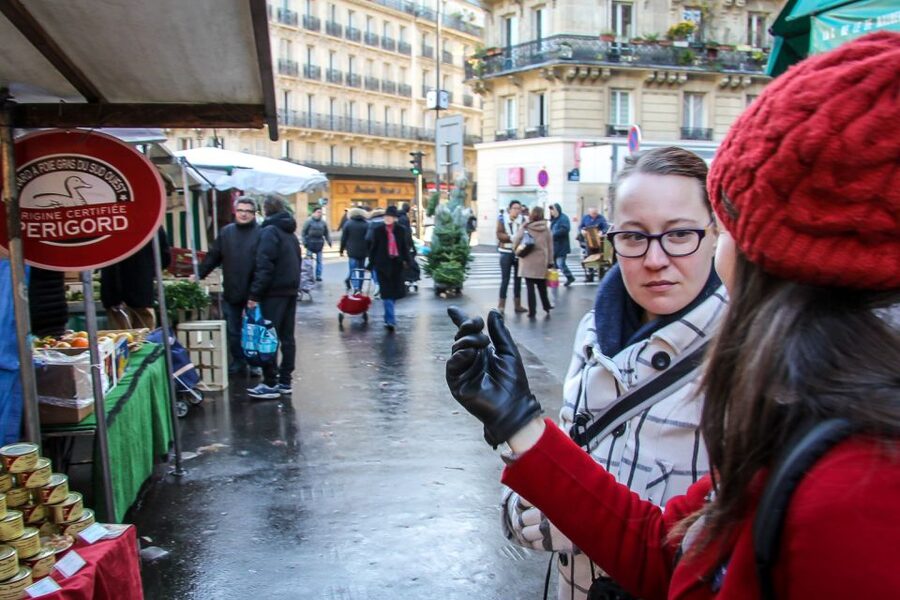
- Explore the Latin Quarter: The route passes through medieval parts of one of Paris’ best-known neighborhoods and the area around the Sorbonne.
- Expect a very small group: With no more than eight participants, it should be easier to ask questions and speak with your guide.
- Meet beside a cheese shop: The starting point is 47 Ter Boulevard Saint-Germain, near Maubert Mutualité Metro station on line 10.
- Plan for a snack, not lunch: The included samples are varied, but the 150-minute tour does not replace a full meal.
- Check the operating date: At least two people must be booked for the tour to run.
Starting at Boulevard Saint-Germain
The tour begins at 47 Ter Boulevard Saint-Germain, beside the cheese shop. Maubert Mutualité, on Metro line 10, is the nearest station, which makes the meeting point fairly simple to reach from other parts of central Paris.
Arrive with room in your stomach and comfortable shoes. The tour lasts 150 minutes, and the food comes in several stages. You may be standing at counters, walking between stops, and tasting small portions rather than sitting down for a long meal.
A group capped at eight is a real advantage here. Food shops can feel cramped, and a large group often gets split between the guide and the display case. A smaller party lets you hear the explanation of each cheese, ask about French food customs, and get advice tailored to your tastes.
The tour operates in English, French, Spanish, German, Italian, and Japanese. Guides named in past experiences include Sabine, Gilles, Akiko, Watanabe, Roberto, Tibo, Toby, Karen, Sydney, Kikio, and others. The repeated strength of these guides is not only their food knowledge, but also their ability to add local history, recommend places to visit, and adjust the pace.
More food tours in Paris:
- Bateaux Parisiens Seine River Gourmet Dinner & Sightseeing Cruise
★ 4.5 · 6,930 reviews - Paris : 3-Course Gourmet Dinner Cruise on Seine River
★ 4.3 · 5,205 reviews - Authentic Parisian Gourmet Food Tour with 10 Local Dishes & Wines
★ 5.0 · 4,754 reviews
Walking through the medieval Latin Quarter
The Latin Quarter gives this food outing a proper Paris setting. You are not simply driven to a tasting room. You walk through one of the city’s oldest intellectual districts, with the Sorbonne at its center and medieval streets shaping the route.
The neighborhood name comes from the Latin once used in university teaching. The Sorbonne helps explain why this part of Paris became associated with students, scholars, and debate. That context adds something useful to the food stops: you are learning how a district developed while seeing the shops and markets that serve daily life today.
The walking portion is important because it breaks up the tastings. Cheese, wine, and pastries can start to blur together if you remain at a table for two hours. Moving through the Latin Quarter gives your palate a reset and lets the guide connect the food with Parisian life.
This is also the point where the tour can vary. The planned route includes medieval sections of the Latin Quarter, a market, a cheese shop, bakeries, and a regional-specialties store. Yet one past version spent most of its time in a single market. If a long neighborhood walk is your main reason for booking, ask the guide how the route is arranged on your date.
The market and the art of choosing French food
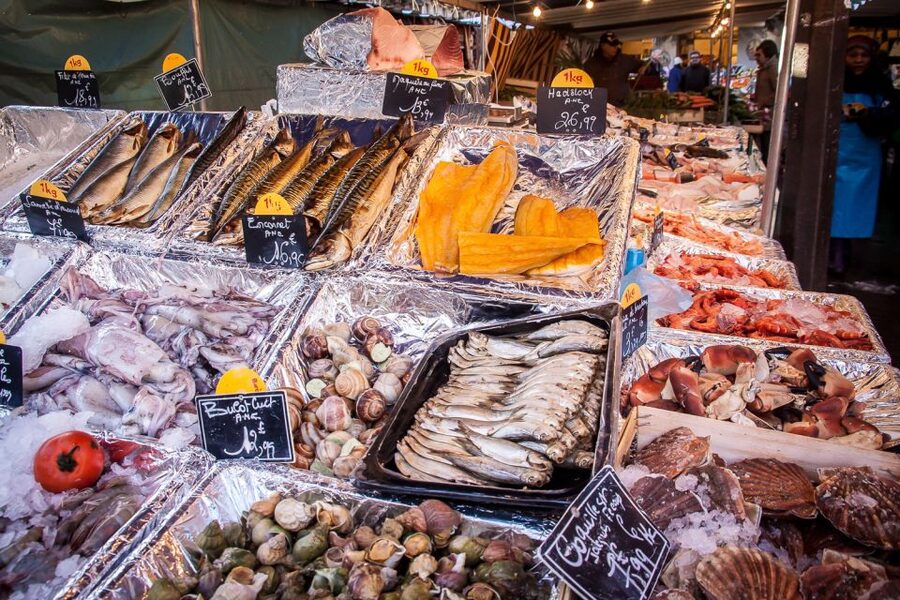
The market is meant to show you the variety and quality of French ingredients in one place. Instead of tasting isolated products without context, you can see how cheese, bread, fruit, meat, and prepared specialties fit into the everyday food culture of Paris.
A useful part of the experience is learning what to look for when buying food. One earlier account described the guide explaining how to choose the best produce. That kind of advice is more useful than a list of food names because you can apply it later at another market or shop.
The market stop may include fruit, meat, and other samples alongside the main cheese, bread, and wine tastings. The exact selection can change, so do not book expecting a fixed menu. The attraction is variety, not a formal restaurant course.
This stop also suits curious eaters who want to understand French shopping habits. You can ask how a food is served, what region it comes from, or how long it keeps. A good guide can turn a quick sample into a practical lesson you can use for the rest of your Paris stay.
French cheese, from mild to strong
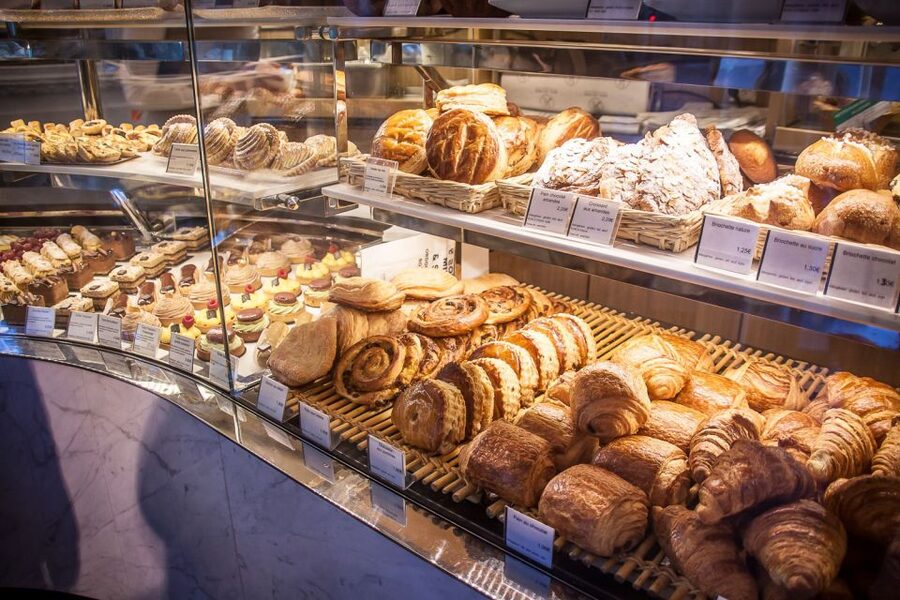
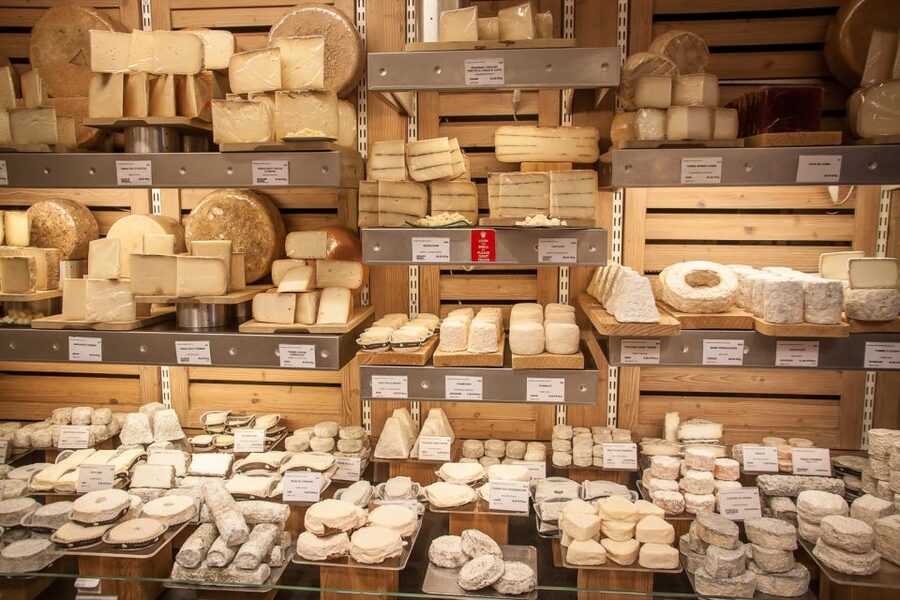
The cheese stop is the heart of the tour. France is famous for the sheer range of cheese styles, and the point here is to compare taste and texture rather than swallow one sample and move on.
Expect several cheeses with different qualities. Some may be soft, others firm, creamy, crumbly, mild, or assertive. The guide explains how the cheeses work with wine and bread, helping you notice the differences instead of treating them as one long dairy course.
The famous Charles de Gaulle line about governing a country with 246 kinds of cheese is used to underline the problem of French variety. The number is less important than the lesson: French cheese is tied to region, technique, aging, and local habits. This tasting gives you a manageable introduction without asking you to know all the names in advance.
The setting beside an authentic cheese shop makes the stop feel more useful than a generic tasting bar. You can see the products where they are sold, not just a prearranged plate in a hotel room. If you find a favorite, ask the guide how to buy it later and how to carry it home.
Same base, a different kind of day:
- Paris: Louvre Museum Timed-Entrance Ticket
★ 4.6 · 71,977 reviews - Disneyland® Paris 1-Day Ticket
★ 4.6 · 49,412 reviews - Paris: Versailles Palace and Gardens Full Access Ticket
★ 4.6 · 41,579 reviews - Paris: Evening River Cruise with Music
★ 4.4 · 22,721 reviews
Wine that supports the food
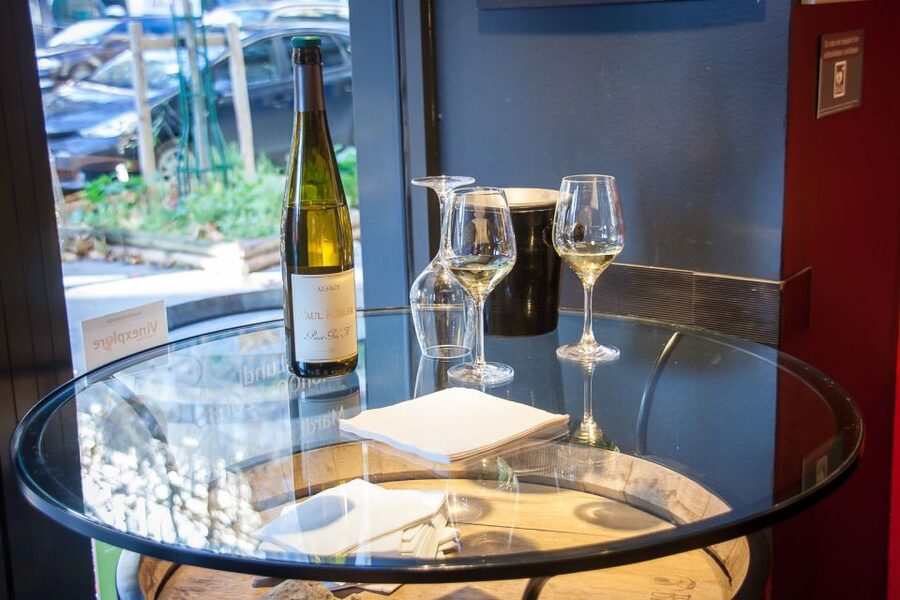
Wine is paired with the food rather than treated as a separate attraction. The cheese and wine are meant to complement each other, so you can compare how the same cheese changes with a different sip.
The tour includes wine samples, but this is not presented as a full winery visit or an advanced wine class. You will get an introduction to French wine alongside other foods. That makes it approachable if you enjoy wine but do not know much about regions or tasting terms.
The small group helps here. You can say what you like, ask why a wine works with a certain cheese, and receive a simpler explanation if formal wine language is not your thing. One past guide tailored selections to the group’s tastes, which is exactly the kind of flexibility that makes a tasting more pleasant.
Remember that the wine is part of a broader food walk. If you are looking for several substantial glasses or a dedicated wine education session, this is not the right format. If you want a gentle introduction tied to French foods, it fits well.
Baguettes, croissants, and Parisian pastry
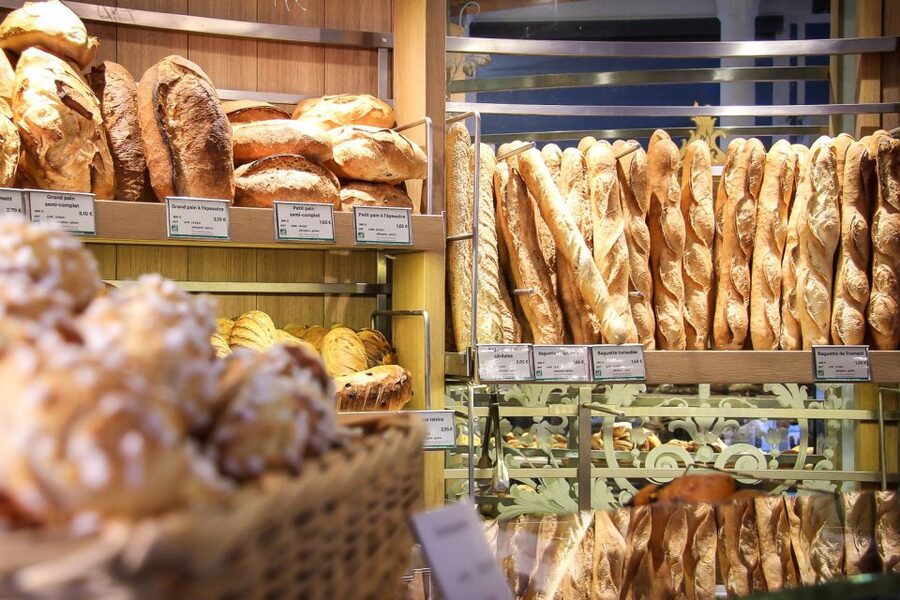
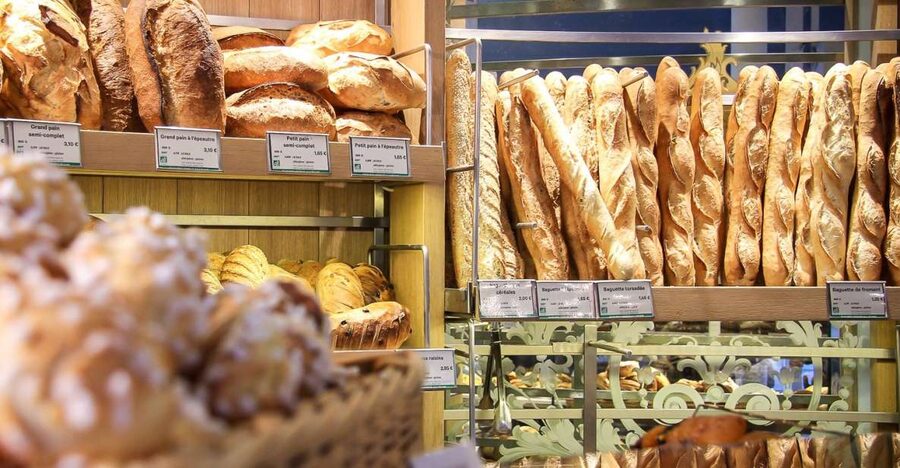
The bakery stops add a familiar but worthwhile part of French food culture. You may taste bread and pastries, including the classic baguette and croissant, along with other sweet items.
The value here is comparison. In Paris, bread and pastry are not interchangeable snacks. A baguette has a different role, texture, and shape from a croissant, and a pastry can bring another style of sweetness or richness. Tasting several items helps you decide what you actually like instead of buying the most obvious item in every bakery window.
The croissant has received particular praise from past participants, with one person calling it the best croissant they had in Paris. That is a high bar, and tastes vary, but it tells you the bakery stop is not a token add-on.
Bread also makes the tour practical for the rest of your trip. After learning what you prefer, you can visit another bakery with more confidence. Just remember that the tour offers samples. It does not promise a large bakery haul or a sit-down pastry breakfast.
Foie gras and regional specialties
The final food stop is a regional-specialties shop, where foie gras is included as the most luxurious item in the tasting. This gives the tour a stronger finish than bread and cheese alone.
Foie gras is a classic French delicacy, but it is also a food that not everyone enjoys. Its texture and flavor are quite different from a baguette or a hard cheese. If you are curious, this is a convenient way to try it in a guided setting. If you already know you dislike it, you can still focus on the other samples.
One account described foie gras being added even though it was not expected, which suggests that the precise tasting can vary. Treat it as part of the planned food theme, but do not assume every item will appear in exactly the same order or quantity.
The regional shop also reinforces the difference between a neighborhood market and a specialty food store. You see both everyday Parisian ingredients and more luxurious products. That contrast gives the tour a wider view of French eating than a single cheese-and-wine tasting would.
What the $165 price really buys
At $165 per person, this is not a cheap way to grab a few snacks. The price makes the most sense if you value a guide, a very small group, and several organized tastings in a central Paris neighborhood.
You are paying for 150 minutes of a guided route, cheese and wine samples, bread, pastries, foie gras, and access to a planned sequence of food stops. You are also paying for interpretation: someone explains what you are tasting, connects it to the Latin Quarter, and can answer questions along the way.
The value is strongest early in your Paris visit. A good food guide can help you understand what to buy at markets and bakeries for the rest of your stay. Several guides have also offered practical suggestions for exploring more of the city, adding value beyond the stated tasting list.
The price is harder to justify if you want a full meal, a long wine session, or a broad sightseeing tour. You could spend less by visiting a market and buying a baguette, cheese, and wine on your own. You would not receive the same local explanations or the easy structure of a guided experience.
Who will enjoy this Paris food walk
I would recommend this tour to first-time visitors who want a friendly introduction to French food without committing to a formal cooking class. It also suits people who enjoy asking questions and learning why a product tastes the way it does.
Food-focused couples and small groups should find the format comfortable. The limit of eight makes conversation easier, and the multilingual guide option helps international visitors choose a language that feels natural.
It is also a good fit if you want history with your eating. The Latin Quarter, Sorbonne, medieval streets, markets, and shops give the tour a setting beyond the plate. Past guides such as Karen, Roberto, Gilles, and Akiko have been praised for adding city information and personal suggestions, not just naming each sample.
I would hesitate if you need a guaranteed, lengthy walking route or a full lunch. The tour may concentrate its food portion in one market, and the tastings are not described as a complete meal. People with strict dietary needs should also ask the provider what can be changed, since no specific dietary adaptations are provided here.
Booking is flexible, with free cancellation up to 24 hours before the start and a reserve-now, pay-later option. The tour needs at least two people to operate. If too few people are booked for your date and time, the provider will contact you with alternatives.
Should you book the Paris Gourmet Tour?
Book it if you want to taste classic French foods while getting your bearings in the Latin Quarter. The strongest reasons are the tiny group, the range of samples, and the guides’ ability to mix food advice with Paris history.
Skip it if $165 feels high for a snack-sized meal or if your priority is a long, food-only itinerary with a fixed menu. Before paying, confirm how much walking is planned and whether the tasting includes the products you most want to try.
For many visitors, the best timing is near the beginning of a Paris stay. You will leave with a clearer idea of how to approach cheese shops, bakeries, markets, and regional food stores. That practical knowledge can keep paying off after the 150-minute tour ends.
FAQ
How long does the Paris Gourmet Tour last?
The tour lasts 150 minutes, or two and a half hours.
How much does the tour cost?
The listed price is $165 per person.
Where does the tour meet?
The meeting point is 47 Ter Boulevard Saint-Germain, next to the cheese shop. The nearest Metro station is Maubert Mutualité on line 10.
What food and drink are included?
The tour includes samples of different cheeses and wine, foie gras, and bread. The experience also includes visits to bakeries for bread and pastries, with possible samples such as baguettes, croissants, fruit, meat, and sweets.
How many people are in the group?
The group is limited to eight participants.
What languages are available?
Live guiding is available in Spanish, German, Italian, English, French, and Japanese.
Can I cancel or pay later?
You can cancel up to 24 hours in advance for a full refund. You can also reserve your place and pay later. The tour requires a minimum of two people to operate.
Just added in Paris
- Private Transfers in Paris★ 5.0 · 75 reviews
- Disneyland® Paris 1 Day Ticket with Transport from Paris★ 3.5 · 302 reviews
- Personalized Transport service from Disneyland to Paris★ 5.0 · 63 reviews
- CDG – Euro Disney – CDG Two Way Private Shuttle Transfer★ 5.0 · 233 reviews
- Monet’s Gardens & House-Private Giverny Tour From Paris★ 4.5 · 137 reviews
- Giverny Monet House and Gardens Skip the line Walking tour★ 4.0 · 217 reviews
- Guided tour Monet’s house and gardens/small group★ 4.5 · 68 reviews
- Monet’s House and Garden & Giverny Village★ 4.5 · 39 reviews
Food Tours, compared.
Bateaux Parisiens Seine River Gourmet Dinner & Sightseeing Cruise
Read our review →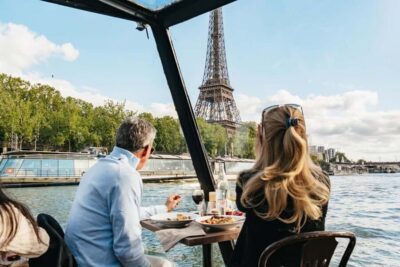
3-Course Gourmet Dinner Cruise on Seine River
Read our review →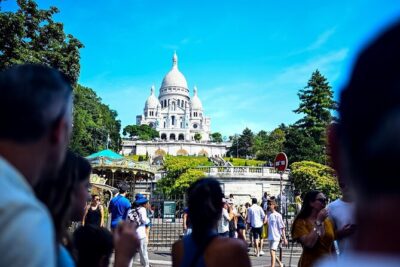
Authentic Parisian Gourmet Food Tour with 10 Local Dishes & Wines
Read our review →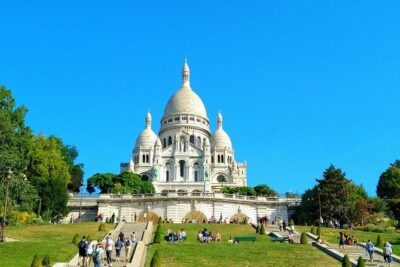
Montmartre Hill French Gourmet Food and Wine Tasting Walking Tour
Read our review →
Gourmet Dinner Cruise on Seine River with Live Music
Read our review →
Paris 3-Courses Gourmet Dinner Seine River Cruise with Champagne
Read our review →
Paris Gourmet Dinner Seine River Cruise with Singer and DJ Set
Read our review →Browse the lists this tour appears in