
Reviewed · ORSAY MUSEUM TOURS
Paris: Musée d’Orsay Guided Tour with Skip-the-Line Tickets
The first surprise is the building itself: the Musée d’Orsay began as a grand railway station and hotel, not an art museum. Inside, your guide connects its clocks, ironwork, and vast central hall to the paintings that changed Parisian art. Monet, Renoir, Degas, and Van Gogh take center stage.
I like the skip-the-line entry and the focused 90-minute route. You get help finding the major works instead of spending your first hour wandering. I also like the human touch: guides such as Merve, Gabriella, Thibeault, and Laetitia have been praised for explaining technique, artist stories, and the social scandals behind the paintings.
The catch is time. The museum is large, and this is a highlights tour, not a complete visit. Crowds can be heavy, security may still take up to 15 minutes, and the tour does not include temporary exhibitions.
Key points to know before booking
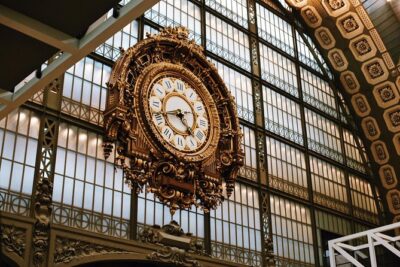
- The former train station is part of the attraction: Look up at the huge clocks and notice how the old railway design frames the art.
- The route favors Impressionist and Post-Impressionist icons: Expect Monet, Manet, Renoir, Van Gogh, Cézanne, Gauguin, Degas, and related works.
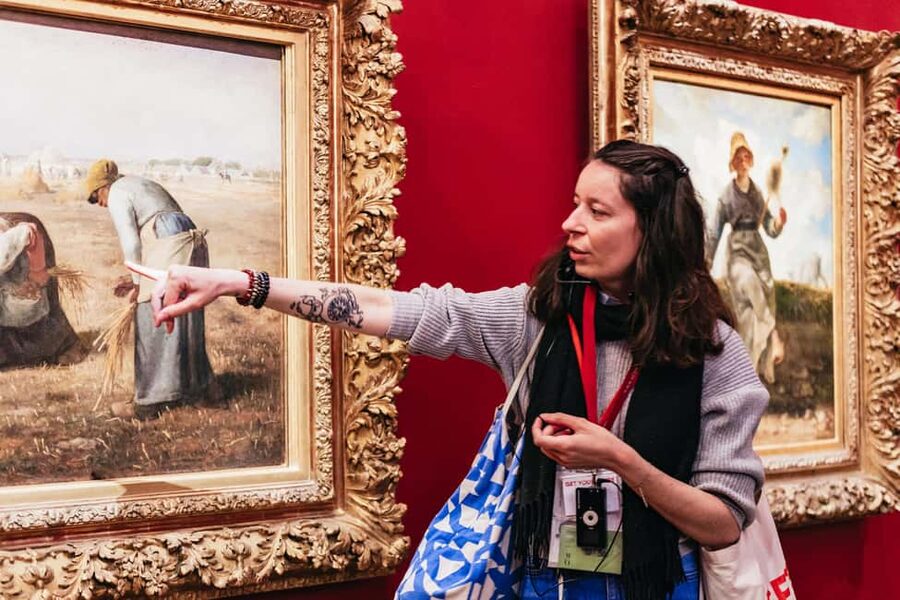
- The art guide adds useful context: Guides explain painting methods, artist connections, and the social changes that shaped 19th-century Paris.
- Ninety minutes means a brisk highlights visit: You will see important works, but you will not cover every gallery.
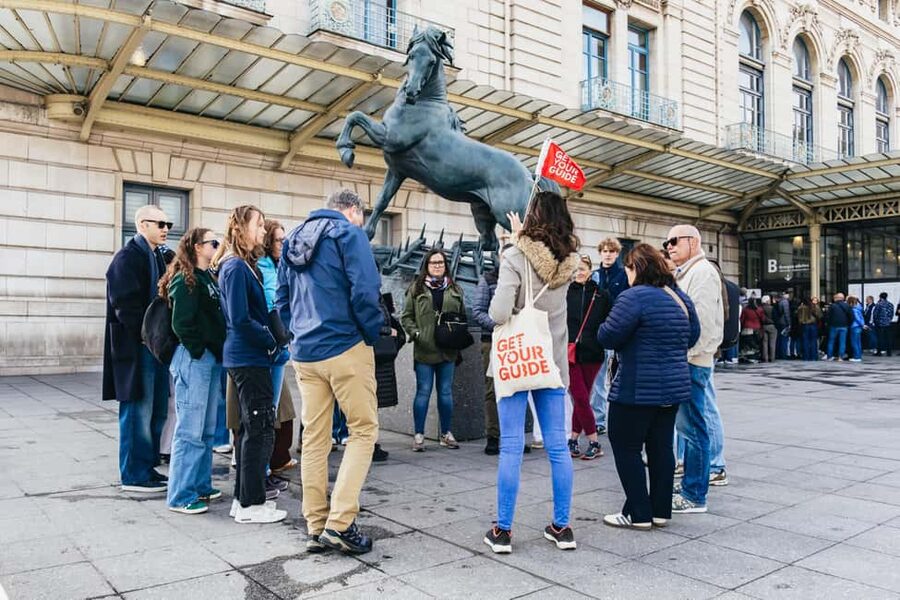
- Skip-the-line does not mean instant entry: Meet beside the horse statue, allow 30 minutes for organization, and expect a possible security wait.
- The Louvre upgrade creates a full museum day: The optional afternoon visit lasts two hours and covers the Mona Lisa, Venus de Milo, and Winged Victory of Samothrace.
Why the Musée d’Orsay works so well as a guided visit

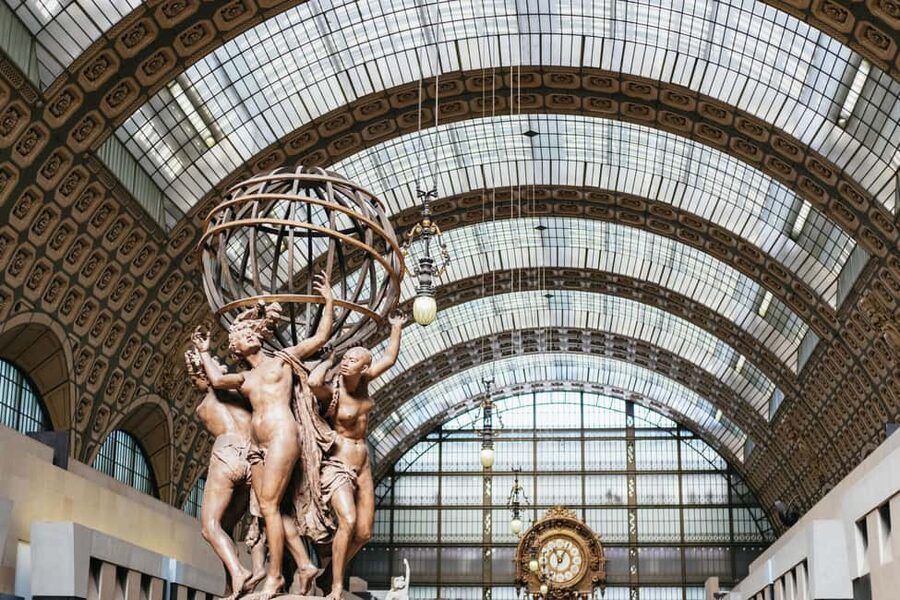
The Musée d’Orsay is one of those Paris museums where the setting can distract you from the collection. The building’s old station clock, high roof, and long central hall are memorable before you even reach the paintings.
That is why a guide helps. Instead of treating the museum as a parade of famous names, the tour places the art in the upheaval of 19th-century France. Industrial growth changed Paris. New rail lines made the countryside easier to reach. Artists began painting modern city life, leisure, work, weather, and fleeting light in ways that upset the official art world.
Your guide gives you a thread to follow. You see how Impressionism developed, then how artists such as Van Gogh, Cézanne, and Gauguin pushed beyond it. The result is easier to understand than a room-by-room walk with no plan.
I would choose this tour for a first visit, especially if you know the famous names but want help seeing why the paintings matter. It also works well if your Paris schedule is tight. Ninety minutes inside the collection is enough to form a clear picture of the movement without giving up an entire day.
More Orsay visits booked from Paris:
- Paris in a Day: Louvre or Orsay, Eiffel Tower, City Walk & Cruise
★ 5.0 · 1,956 reviews - Paris: Musée d’Orsay Entry Ticket and Seine River Cruise
★ 4.6 · 1,344 reviews - Paris: Musée d’Orsay Skip-the-Line Tour with Expert Guide
★ 4.5 · 1,145 reviews
Meeting beside the horse statue
The meeting point is next to the entrance of the Musée d’Orsay, beside the horse statue. Give yourself extra time to get there. The practical challenge is not finding the museum, but identifying your guide among people arriving at the same entrance.
One participant had trouble spotting the guide because there was no obvious GetYourGuide flag or card. The guide’s clothing helped, but you should still arrive early and keep your booking details ready. The meeting time can also be easy to misread. The booked time may be the arrival time, while the tour itself begins later after the group organizes and enters.
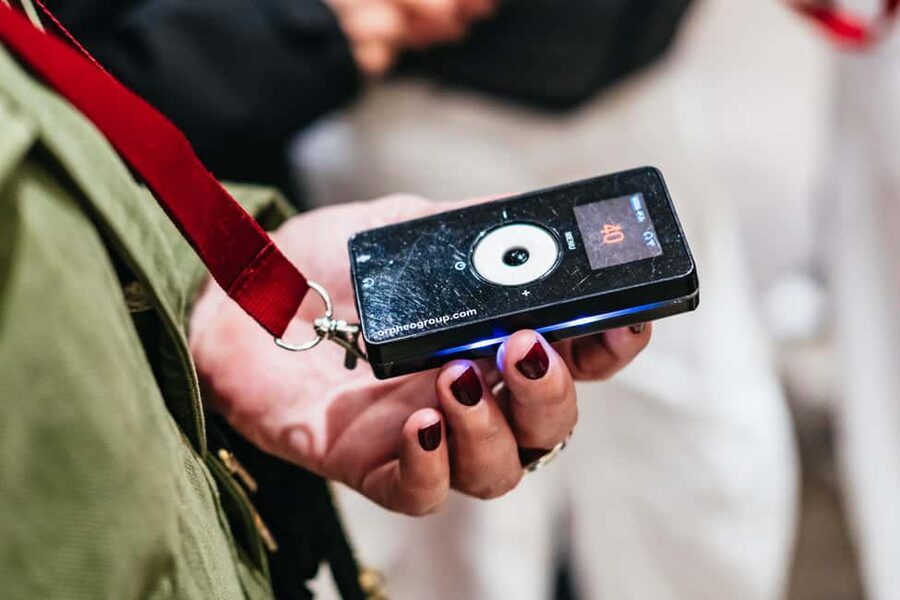
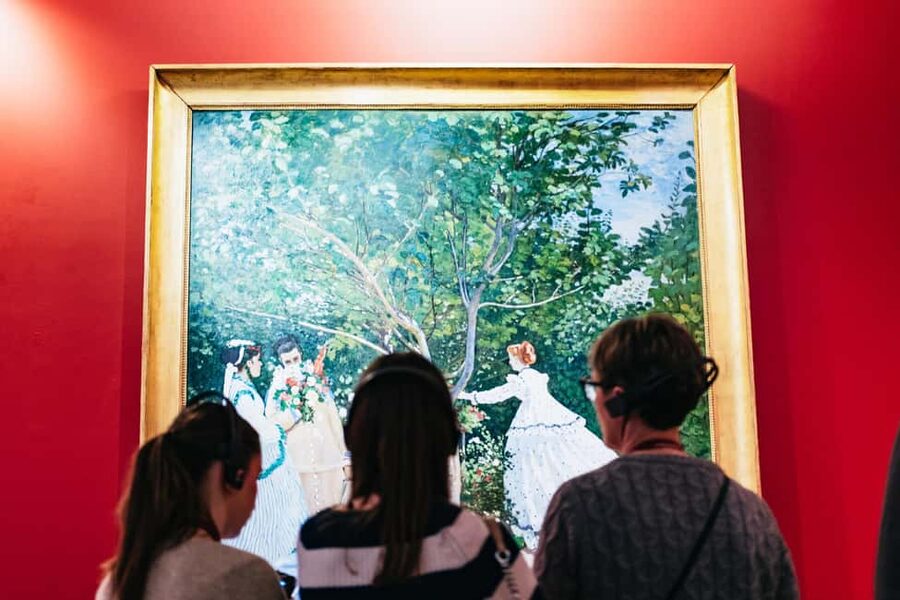
The first 30 minutes are set aside for entry and distributing headsets. That means the advertised 1.5 hours refers to the museum tour itself, while the full appointment takes longer. The audio devices matter in crowded rooms because they let you hear the guide without standing shoulder to shoulder.
Large bags, luggage, selfie sticks, and tripods are not allowed. Small bags and clothing can be left at the cloakroom, which is included. Do not arrive with a suitcase and expect to bring it inside.
Entering a railway station turned museum
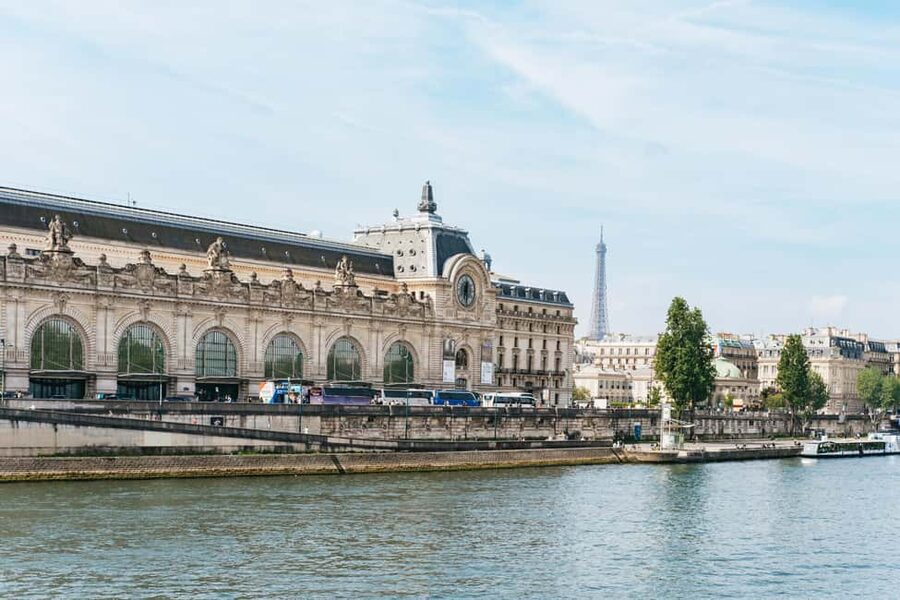
Once inside, your guide begins with the building. This is more than a quick architectural footnote. The former station and hotel tell you something about the period the museum covers: a time when rail travel, industry, tourism, and new city life were changing how people moved and what they saw.
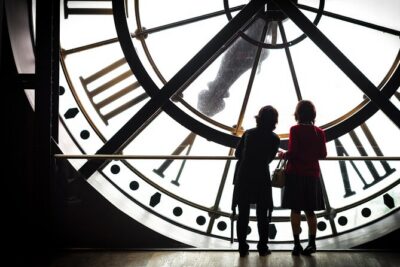
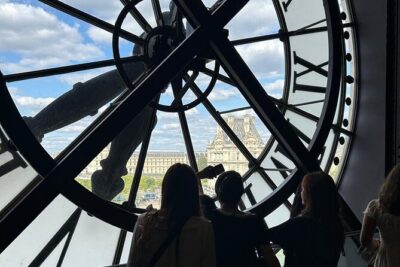
The station’s great clock faces offer one of the visit’s most appealing visual moments. You can look through one clock toward Paris, combining the old railway structure with a view of the city beyond. It is a useful pause before the paintings begin.
The building also helps explain the museum’s scale. Wide spaces designed for trains and passengers now hold sculpture and painting. That contrast gives the Orsay a different mood from the Louvre. The Louvre feels tied to palaces, rulers, and older artistic traditions. The Orsay feels closer to modern life and the rapid changes of the 1800s.
Your guide may pause in a room so you can look around before moving on. That small detail matters. A good museum tour should not become a lecture delivered while everyone is trying to take photographs. The strongest guide experiences here balance explanation with quiet viewing time.
Following the Impressionist route
The art portion focuses on major 19th-century works. You can expect paintings by Monet, Manet, Renoir, Degas, Van Gogh, and Cézanne, along with Gauguin and other artists connected to the period.
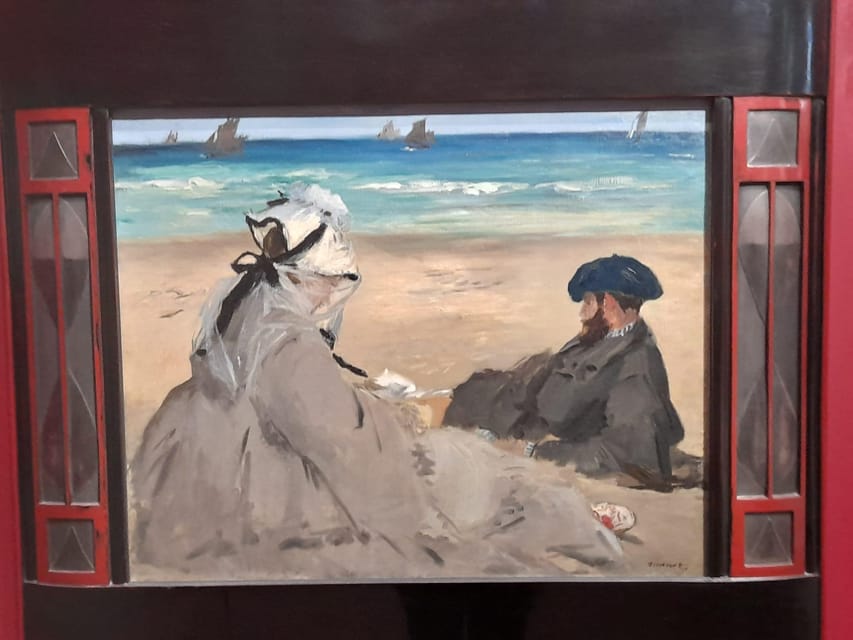
Monet helps show the Impressionist interest in changing light and quick visual impressions. Renoir brings modern leisure and social life into the story. Manet helps explain why new subjects and looser methods could cause such a stir in Paris.
The tour is not only a list of famous canvases. Guides explain how artists worked and how their choices differed. One of the strongest parts of the experience is hearing about technique while standing in front of the painting, rather than reading a broad explanation later.
You also get a sense of place. Some paintings show industrial Paris, while others move into the countryside. With Cézanne, Van Gogh, and Monet, the route can shift toward southern France. Gauguin takes the story farther away, showing how artists looked beyond familiar Paris for new subjects and ideas.
This geographic movement gives the tour energy. You are not simply staying in one visual world. The paintings move from the city to rural France and then farther abroad, while the guide explains how each artist handled color, form, and modern life.
Same base, a different kind of day:
- Paris: Louvre Museum Timed-Entrance Ticket
★ 4.6 · 71,977 reviews - Disneyland® Paris 1-Day Ticket
★ 4.6 · 49,412 reviews - Paris: Versailles Palace and Gardens Full Access Ticket
★ 4.6 · 41,579 reviews - Paris: Evening River Cruise with Music
★ 4.4 · 22,721 reviews
Van Gogh, Cézanne, and the move beyond Impressionism
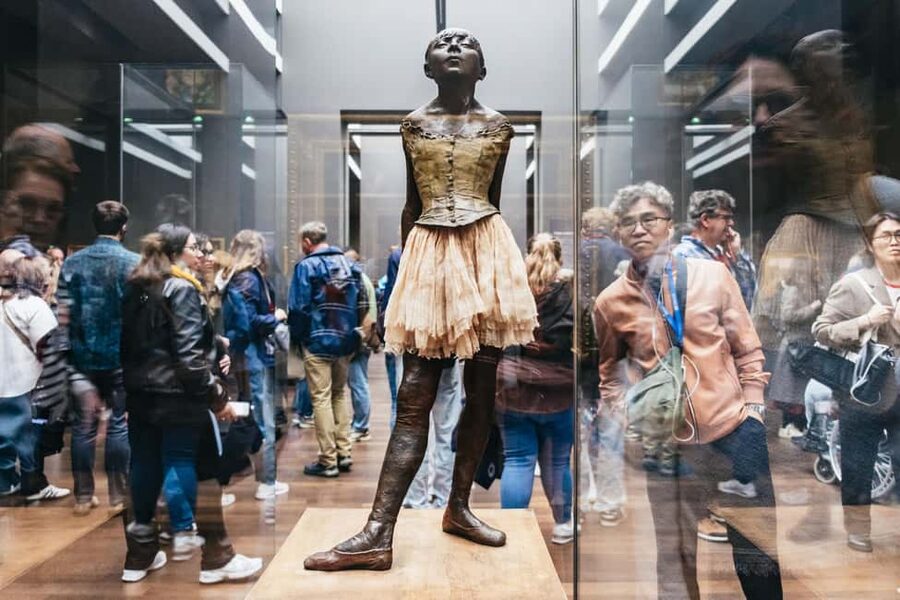
The Orsay is especially valuable if you want to understand what came after the first Impressionist experiments. The collection lets you see artists who used some Impressionist ideas but took them in different directions.
Van Gogh’s work brings stronger emotion and forceful brushwork. Cézanne offers a more structured way of looking at nature and objects. Gauguin turns outward, using distant settings and different visual choices to challenge European habits.
You do not need a background in art to follow this progression. The guides are there to point out connections that may be easy to miss when you look at each painting alone. Several guides have been praised for linking paintings together and explaining how one artist’s approach differed from another’s.
That is where the $55 price has its best value. You are not paying only for museum admission. You are paying for a route, interpretation, audio equipment, and the chance to ask questions. If you already know the collection well, a self-guided visit may be enough. If you want a clear introduction, the added context can make the admission fee feel worthwhile.
What the guide contributes
The quality of this experience depends heavily on the individual guide, but the named guides praised in the feedback set a clear standard. Merve is described as passionate about art history and strong at explaining techniques. Gabriella is praised for combining the building’s history with detailed stories about artists and paintings.
Thibeault’s tour included the history of the former station and an introduction to Impressionism. Laetitia and Isabelle were noted for making connections between works and spending the right amount of time at each painting. Erlon was described as engaging and able to answer questions.
That range matters because different people want different things from a museum visit. Some want facts about the artists. Others want a plain explanation of what they are looking at. A good guide can do both, while keeping the group moving.
The best reports also point to a practical strength: guides pause and let you look. The tour is still brisk, but it is not meant to be a nonstop speech. You should have chances to take in the paintings, ask questions, and form your own response.
There is one caution. One visitor found the tour rushed and wanted more detail about each work. That is a fair concern. A museum this large cannot offer a long discussion of every major painting in 90 minutes. The experience works best when you accept that it is a guided introduction, then stay afterward if you want to explore more.
Crowds, timing, and the limits of skip-the-line entry
Skip-the-line access is useful, especially at a museum with popular Impressionist works. You enter through a separate entrance rather than joining the main ticket queue.
Still, the phrase should not be read as instant entry. Security may take up to 15 minutes, and the group needs time to gather, receive headsets, and get through the admission process. Build in a cushion before and after the booking.
Crowds can be heavy around the best-known paintings. A guide helps the group move through the busy rooms and locate the main works, but it cannot make the galleries quiet. You may need to wait for a clear view or stand to one side while the guide speaks.
The tour ends once you leave the museum. Reentry is not allowed, so use the restroom and cloakroom before exiting. If you want more time with the collection, tell yourself in advance that the guided route is only the beginning, not the whole visit.
The optional Louvre afternoon
You can add a two-hour guided tour of the Louvre in the afternoon. This creates a long museum day, but it also gives you a useful comparison between Paris’s two major art institutions.
The Louvre portion includes the Mona Lisa, Venus de Milo, and Winged Victory of Samothrace, along with other less famous works. The Orsay focuses on 19th-century painting and the shift toward modern art. The Louvre brings greater scale and older artistic traditions.
I would choose the combination if you have limited time in Paris and want guided introductions to both museums. It is efficient, but do not expect a leisurely day. Two major museums with group tours require steady walking, attention, and patience.
If your main goal is Impressionism, book only the Orsay tour. You will have more energy to stay with the museum’s collection and perhaps continue independently after the guided route, within the museum’s entry rules.
Is $55 a fair price?
At $55 per person, this is not the cheapest way to enter the Musée d’Orsay. The value comes from the skip-the-line arrangement and the live English-speaking guide, not from a long visit.
I see the price as reasonable for a first visit if you want structure. You receive museum admission, a licensed guide, audio equipment, and cloakroom service for small bags and clothing. You also avoid the uncertainty of choosing a route on your own.
The price is less attractive if you are a serious art fan who prefers to read labels, work at your own pace, or spend a full day in one museum. A digital audio guide or standard ticket may suit you better. The tour does not include temporary exhibitions, so check your priorities before booking.
The optional Louvre addition may offer good value for someone trying to cover both museums in one day. It is not the right choice if you want a slow, reflective Orsay visit.
Who should book this Orsay tour?
I would recommend it to first-time visitors, people with only a few hours, and anyone who wants the major Impressionist names explained in plain English. It is also a good choice if you like learning the story behind the building as much as seeing the art.
Families can book, but every child needs a ticket. The brisk pace and crowded rooms may not suit very young children, though the clocks and former station setting give the visit an accessible starting point.
People who use wheelchairs or have mobility impairments should note that this activity is not listed as suitable for them. Large luggage is also a problem, so leave suitcases elsewhere before arriving.
The tour is available in English only. Canceling is allowed up to 24 hours before the start for a full refund, and the reserve-now, pay-later option keeps your plans flexible.
Should you book it?
Book this Musée d’Orsay tour if you want to see the main Impressionist works without losing time to planning and queues. The guides are the main reason to choose it, with Merve, Gabriella, Thibeault, Laetitia, Isabelle, and Erlon all associated with clear explanations and strong enthusiasm for the art.
Skip it if you want complete freedom, temporary exhibitions, or a full day inside the museum. For most first-time visitors, though, the combination of a beautiful former station, major paintings, and a focused route makes $55 a sensible way to get your bearings before exploring Paris on your own.
FAQ
How long does the Musée d’Orsay tour last?
The guided museum tour lasts 1.5 hours. Allow about 30 additional minutes for organization, entry, and receiving the audio headsets.
What language is the tour conducted in?
The live tour guide speaks English.
Where do I meet the guide?
Meet next to the entrance of the Musée d’Orsay, beside the horse statue.
Does the ticket skip the entire security process?
No. The ticket uses a separate entrance to avoid the main line, but security may still take up to 15 minutes.
Are temporary exhibitions included?
No. The tour does not provide access to temporary exhibitions.
Can I bring luggage or a large bag?
No. Luggage and large bags are not allowed. Small bags and clothing can use the included cloakroom service.
Can I enter the museum again after the tour?
No. Once you leave the museum, reentry is not allowed.
What does the Louvre upgrade include?
The upgrade includes a two-hour guided Louvre tour in the afternoon, including the Mona Lisa, Venus de Milo, Winged Victory of Samothrace, and other works.
Just added in Paris
- Private Transfers in Paris★ 5.0 · 75 reviews
- Disneyland® Paris 1 Day Ticket with Transport from Paris★ 3.5 · 302 reviews
- Personalized Transport service from Disneyland to Paris★ 5.0 · 63 reviews
- CDG – Euro Disney – CDG Two Way Private Shuttle Transfer★ 5.0 · 233 reviews
- Monet’s Gardens & House-Private Giverny Tour From Paris★ 4.5 · 137 reviews
- Giverny Monet House and Gardens Skip the line Walking tour★ 4.0 · 217 reviews
- Guided tour Monet’s house and gardens/small group★ 4.5 · 68 reviews
- Monet’s House and Garden & Giverny Village★ 4.5 · 39 reviews
Orsay Museum Tours, compared.
Paris in a Day: Louvre or Orsay, Eiffel Tower, City Walk & Cruise
Read our review →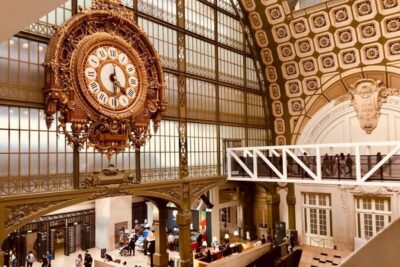
Musée d’Orsay Entry Ticket and Seine River Cruise
Read our review →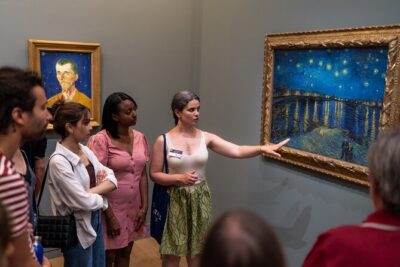
Musée d’Orsay Skip-the-Line Tour with Expert Guide
Read our review →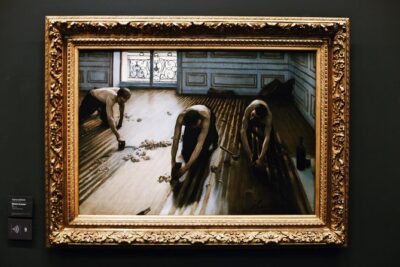
The Musée d’Orsay Guided Tour Orsay Museum Semi-Private 6ppl Max
Read our review →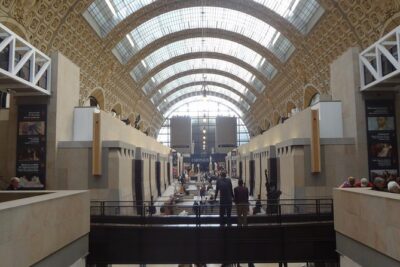
Orsay Museum – Exclusive Guided Tour (Reserved Entry Included)
Read our review →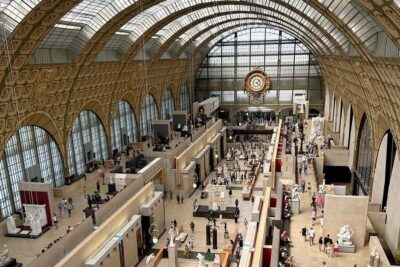
Orsay Museum and Rodin Museum Combo Entry Ticket
Read our review →Browse the lists this tour appears in