
Reviewed · ORSAY MUSEUM TOURS
Paris: Musée d’Orsay Guided Tour with Ticket
The best reason to visit the Musée d’Orsay with a guide is simple: this former railway station is packed with first-rate art, and it is easy to admire the pretty pictures without understanding what made them revolutionary. In 2.5 hours, a certified guide such as Nadia, Miriam, Alex, or Tristan can connect the paintings to the artists, politics, social change, and Parisian life around them.
I like the small maximum of six people per guide, which gives you room to ask questions without shouting across a crowd. I also like the clear focus on both famous works and lesser-known pieces, so you get the icons without spending the whole visit in front of only Monet and Van Gogh. The main drawback is time: with so much to see, 2.5 hours can feel short, especially if you want a slow look at every painting.
The quick take
- A former railway station: The Musée d’Orsay’s Beaux Arts building is part of the experience, not just a container for art.
- A tight six-person limit: Small groups make it easier to hear the guide and steer the conversation toward your interests.
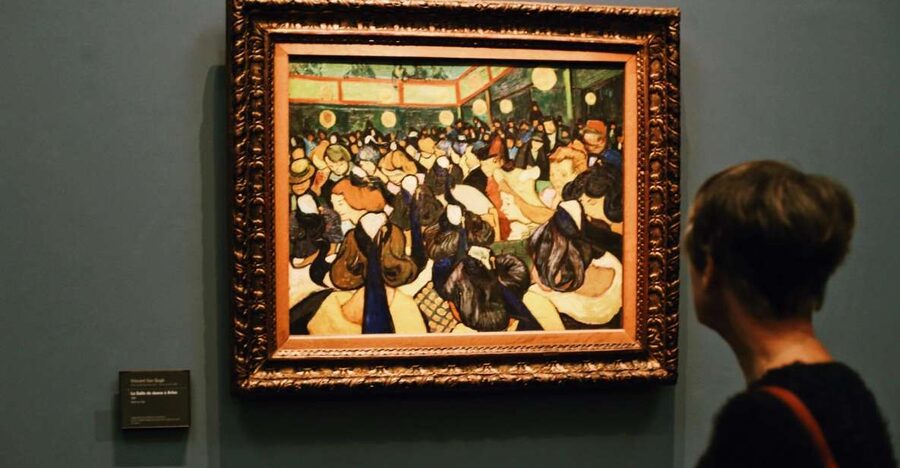
- Art with context: Expect links between Manet, Renoir, Cézanne, Gauguin, Van Gogh, and the social changes of 19th-century France.
- A first-visit route: The tour is built to cover major works while adding less familiar pieces.
- Several guide languages: Tours are offered in English, French, Italian, Russian, German, and Spanish.
- A short but useful visit: At $128 per person, the value rests mainly on the guide’s skill and your desire to make efficient use of limited museum time.
Why the Musée d’Orsay makes a fine first art stop
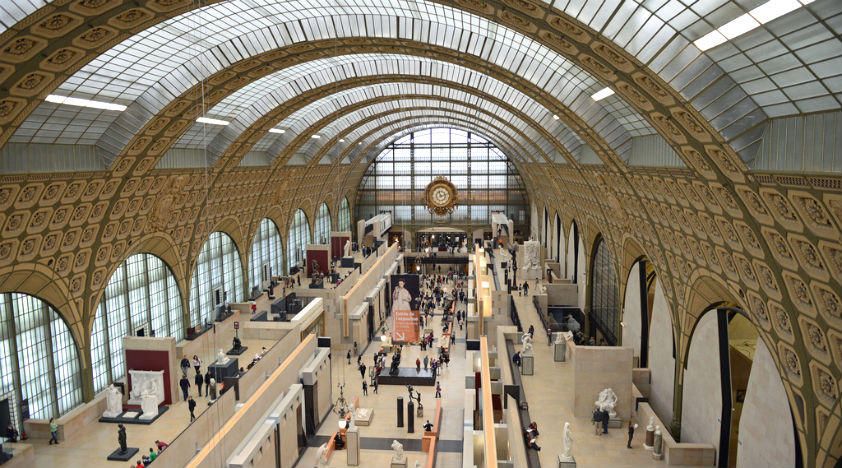
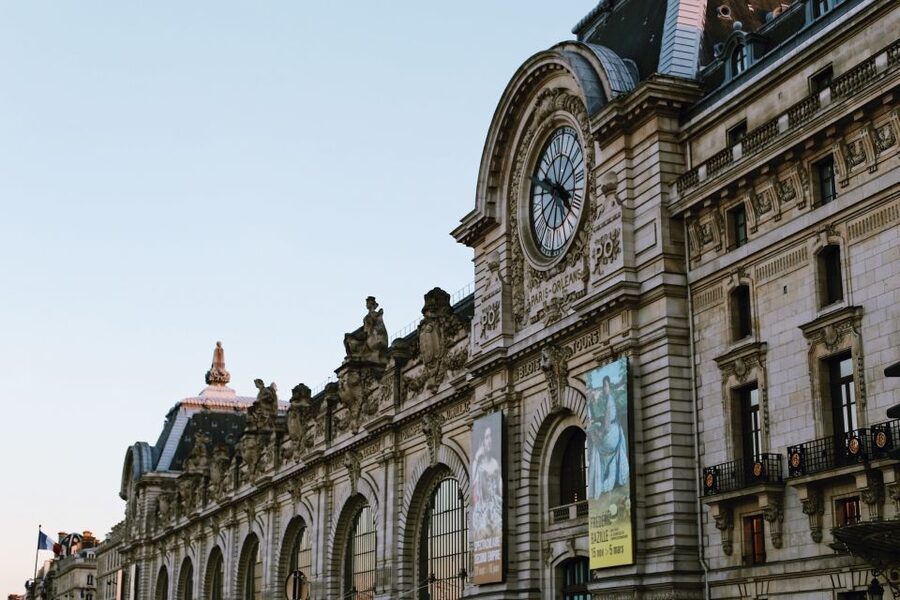
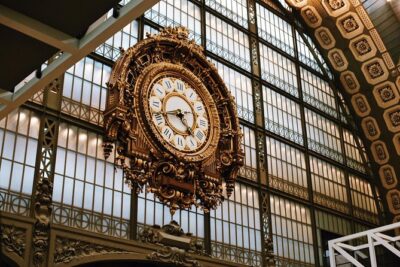
The Musée d’Orsay occupies the former Gare d’Orsay, a grand railway station converted into a museum. That setting gives the visit an immediate sense of place. You are not walking through a plain gallery box. You are moving through a Beaux Arts building whose original purpose helps explain the scale, ornament, and central design.
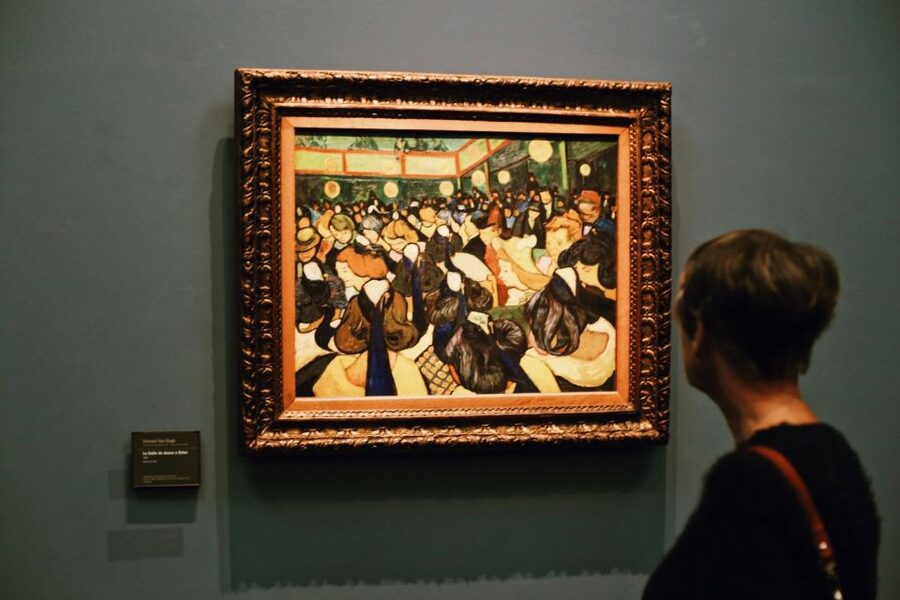
The collection focuses on 19th-century French art, with especially strong coverage of Impressionism and post-Impressionism. That makes it a natural choice if you want to see artists such as Manet, Renoir, Cézanne, Gauguin, Monet, and Van Gogh in one visit.
I find a guided introduction especially useful here because the museum covers a period of rapid change. Painters were questioning official taste, old rules of composition, and the subjects considered suitable for serious art. A guide can show you how one artist’s choices challenged the habits of the time and how later artists pushed those ideas further.
Without that thread, you may simply move from one famous canvas to the next. With it, the museum becomes a story about artistic rebellion, new techniques, and changing ideas about modern life.
More Orsay visits booked from Paris:
- Paris in a Day: Louvre or Orsay, Eiffel Tower, City Walk & Cruise
★ 5.0 · 1,956 reviews - Paris: Musée d’Orsay Entry Ticket and Seine River Cruise
★ 4.6 · 1,344 reviews - Paris: Musée d’Orsay Skip-the-Line Tour with Expert Guide
★ 4.5 · 1,145 reviews
What happens during the 2.5-hour visit
The tour begins at a meeting point connected with the Musée d’Orsay. The exact starting place can vary according to the option you book, so read the meeting instructions carefully rather than walking straight into the museum. One person had confusion after entering first and asking museum staff for help, so this is one place where a quick check of your booking details matters.
Once together, the guide leads you into the museum for a planned route of about 2 hours and 15 minutes. The remaining 15 minutes are set aside for a break, photographs, free time, or a short continuation of the guided visit. The activity ends back at the meeting point.
The route is designed for first-time visitors. You can expect a mixture of major works and less familiar selections rather than a room-by-room survey of the entire collection. That is a sensible approach. You will not see everything, but you should leave with a workable map of the museum and a better idea of which artists you want to revisit on your own.
The guide may use images on an iPad to add information about key paintings. That can be useful when a detail is hard to see from a distance or when the guide wants to show a comparison with another work. Ask questions as you go. A small group of six gives you a better chance to shape the conversation than a large lecture-style tour.
The artists and ideas you will encounter
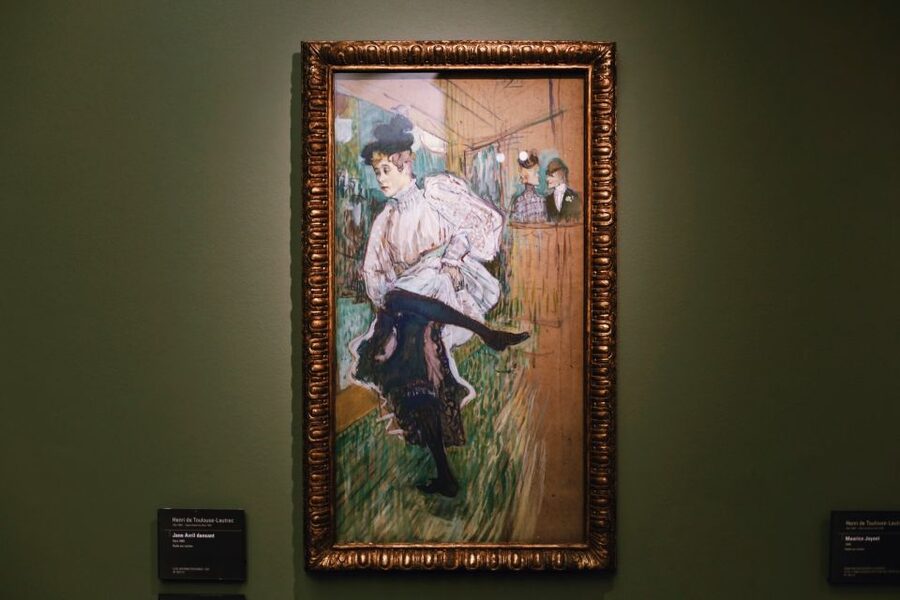
The tour introduces the backgrounds and styles of major 19th-century artists. Manet, Renoir, Cézanne, and Gauguin are specifically part of the focus, while Monet and Van Gogh are among the most familiar names associated with the museum.
Expect the guide to explain more than who painted what. The stated focus includes Impressionist and post-Impressionist techniques, so you should hear about how artists handled light, color, brushwork, composition, and the act of seeing. These details matter because the paintings can look effortless at first glance. A good explanation helps you notice the decisions behind that effect.
The social setting matters, too. One highly praised guide, Lillie, connected changes in French society with changes in painting and even drew links between France and the United States. Nadia set the art within the transformation of the railway station, the Paris art scene before Impressionism, and the movement’s later effects.
That kind of framing is useful for families and teenagers. Lilliana was praised for teaching a great deal without making the experience dull for young people. If your group includes someone who thinks art museums are slow, a guide who tells stories and explains cause and effect can make a real difference.
Why the guide matters more than the ticket

The entrance ticket gets you through the door, but the guide is the heart of this experience. The price is not mainly buying access to the building. It is buying a route, an explanation, and a chance to ask questions in a small setting.
The strongest guide comments emphasize clear storytelling, historical context, humor, and a strong sense of pacing. Tristan was praised for combining knowledge, pace, and humor. Alex was described as an engaging storyteller who helped a couple see art in a new way. Felix was noted for explaining facts about artists and their works in a way that was easy to understand.
Miriam received especially strong praise for linking one work to the next while managing holiday crowds. Nadia was singled out for making the artists, their period, and the people around them feel present. Taylor’s experience as a painter added another layer when explaining how artworks were made.
You cannot normally choose a specific guide from the information provided, so do not book solely because you hope for one particular person. Still, the range of guide names and repeated praise for their teaching style suggests that the operator puts real weight on the quality of the person leading the tour.
The guide also has to know when to stop talking. Some rooms may require quiet or limit the right to speak, and collection displays can change during the year. That means the route and commentary may not be identical on every date.
Same base, a different kind of day:
- Paris: Louvre Museum Timed-Entrance Ticket
★ 4.6 · 71,977 reviews - Disneyland® Paris 1-Day Ticket
★ 4.6 · 49,412 reviews - Paris: Versailles Palace and Gardens Full Access Ticket
★ 4.6 · 41,579 reviews - Paris: Evening River Cruise with Music
★ 4.4 · 22,721 reviews
Small groups, private options, and the pace
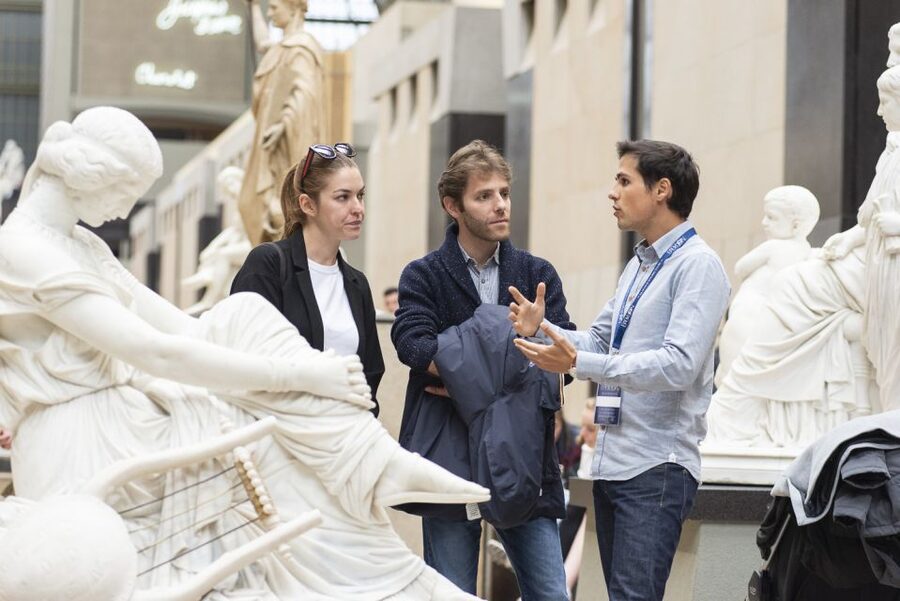
The maximum is six people per guide. That is small enough for an intimate feel without requiring the cost of a fully private booking. Private and small-group options are available, so check the choice carefully when you reserve.
A small group helps in several practical ways. You can hear more easily, ask about a painting that catches your eye, and tell the guide if your family needs a moment to regroup. It also reduces the chance that the visit becomes a lecture aimed at the back of a large crowd.
The pace will still be purposeful. The museum is too large for a relaxed look at every room within 2.5 hours, and the guide’s job is to make choices. One person found the tour so full of things to see that a longer visit would have been welcome. Another had a tour that ran longer than expected and still wished it had not ended.
If you already know the Musée d’Orsay well, this may feel selective. If you are short on time or visiting for the first time, that selectivity is an advantage. You can return later for a slower look at the works that caught your attention.
Is $128 per person good value?
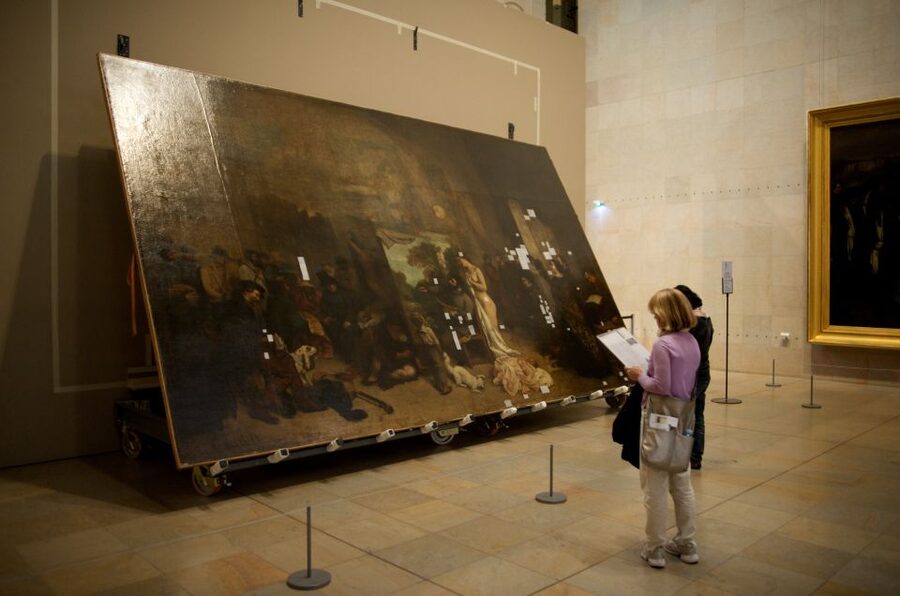
At $128 per person, this is not a budget museum visit. The permanent collection entrance fee is included, along with the guide, but luggage and coat storage are not included. You should compare the price with the cost of entering independently and decide how much you value expert help.
I think the price makes the most sense for three types of visitors. First, it suits anyone with only a short stay in Paris who wants a useful introduction without spending time planning a museum route. Second, it suits families or mixed-interest groups that need a guide to keep the visit moving. Third, it suits art lovers who want historical and technical context rather than a quick look at famous names.
The value is weaker if you enjoy wandering alone, already know the museum’s collection, or want to spend ten minutes with each favorite work. A self-guided visit gives you more control and costs less, though it requires more preparation.
The small group helps justify the price. So does the chance to ask questions directly. If you are booking for two people, the cost is easier to assess as a private-style teaching experience. For a larger family, calculate the total carefully before committing.
What to bring, and what to leave behind
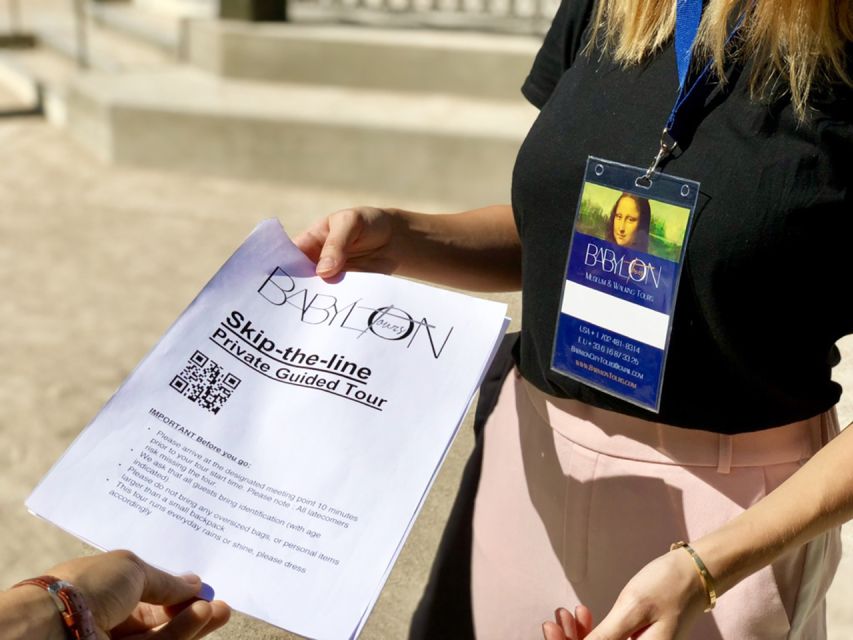
Do not bring luggage or large bags. Luggage and coat storage are not included, so make a plan before arriving. A small personal bag may be more practical, but the provided information does not specify the museum’s current bag-size rules, so check before you go.
Wear something comfortable enough for 2.5 hours of standing and walking. The tour includes a break, photographs, and some free time, but it is still a museum route rather than a seated talk.
Bring your booking information and confirm the meeting point. Several possible starting locations are connected with the Musée d’Orsay, and the exact location depends on the option selected. This is a small detail that can prevent a stressful start.
If you have a strong interest in a particular artist, keep that in mind as the tour begins. The guide may not have time to cover every preferred work, but a small group gives you a reasonable chance to ask about it.
Who will enjoy this tour most?
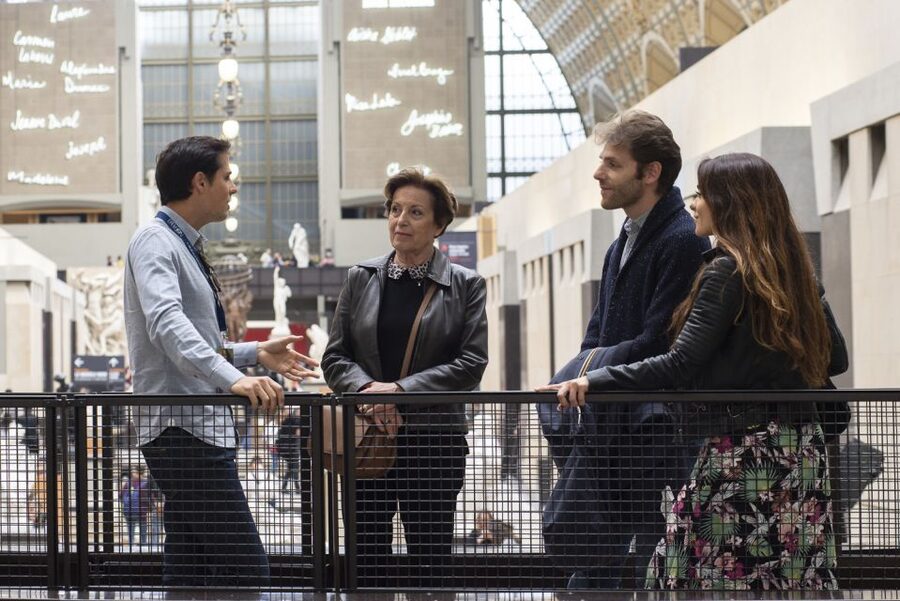
This is a good fit for a first visit to the Musée d’Orsay, especially if you want the major works explained rather than simply photographed. It also suits people who like art history but do not want a full academic lecture.
Families can benefit from the pace and storytelling. Several guides were praised for making the material clear and engaging, including for teenagers. Couples and solo visitors may also like the small group because it is easier to take part in the discussion.
The tour is less suitable if you want complete independence or a very slow visit. It is also not the right choice if you plan to carry large bags or luggage with you. The museum’s rooms and speaking rules can change, so you should expect some variation in the route.
The language range is a real advantage. You can choose from French, English, Italian, Russian, German, and Spanish, subject to availability. That can make a complicated art movement easier to follow and gives you a better chance of asking questions in the language that feels most natural.
Booking details worth knowing
The activity lasts 2.5 hours, with starting times shown when you check availability. You can cancel up to 24 hours in advance for a full refund, and the reserve-now, pay-later option lets you hold a place without paying immediately.
The experience has a satisfaction guarantee policy, but the supplied details do not explain the exact terms. Read those conditions before booking if that promise is important to your decision.
The overall rating is 4.9 from 103 ratings, with repeated praise for guide quality, clear explanations, personal warmth, and efficient routes through the museum. One practical complaint concerned repeated requests for an immediate rating after the tour, not the museum visit itself. That will not affect your time inside, but it is worth knowing that follow-up messages may arrive soon after booking or attending.
Should you book the Musée d’Orsay guided tour?
Book it if you want a smart first look at the Musée d’Orsay, prefer a small group, and care about why these paintings matter. The best part is the connection between artists, techniques, and the social changes of 19th-century France. Guides such as Miriam, Nadia, Alex, Tristan, Taylor, and Lillie have been praised for bringing that connection to life.
Skip it if you prefer to wander alone, need a low-cost museum visit, or want enough time to study every favorite work. At $128, the tour asks you to pay for teaching and efficiency, not just admission.
For most first-time visitors with limited time, I think the guided route is a sensible choice. Just confirm the meeting point, leave large bags behind, and accept that 2.5 hours will give you a strong introduction rather than the final word on this remarkable museum.
FAQ
How long does the Musée d’Orsay guided tour last?
The tour lasts 2.5 hours. The main guided visit runs for about 2 hours and 15 minutes, followed by around 15 minutes for a break, photographs, guided time, or free time.
Is museum admission included?
Yes. Entrance to the permanent collection is included in the price.
How many people can join each guide?
The maximum is six people per guide. Private and small-group options are available.
Which languages are offered?
Live tours are offered in French, English, Italian, Russian, German, and Spanish.
Can I bring luggage or a large bag?
No. Luggage and large bags are not allowed, and luggage or coat storage is not included.
Where does the tour start?
The meeting point can vary depending on the option you book. It is connected with the Musée d’Orsay, so check the exact instructions before arriving.
Can I cancel for a refund?
You can cancel up to 24 hours in advance for a full refund.
Do I have to pay when I reserve?
No. A reserve-now, pay-later option is available, allowing you to reserve your place without paying immediately.
Just added in Paris
- Private Transfers in Paris★ 5.0 · 75 reviews
- Disneyland® Paris 1 Day Ticket with Transport from Paris★ 3.5 · 302 reviews
- Personalized Transport service from Disneyland to Paris★ 5.0 · 63 reviews
- CDG – Euro Disney – CDG Two Way Private Shuttle Transfer★ 5.0 · 233 reviews
- Monet’s Gardens & House-Private Giverny Tour From Paris★ 4.5 · 137 reviews
- Giverny Monet House and Gardens Skip the line Walking tour★ 4.0 · 217 reviews
- Guided tour Monet’s house and gardens/small group★ 4.5 · 68 reviews
- Monet’s House and Garden & Giverny Village★ 4.5 · 39 reviews
Orsay Museum Tours, compared.
Paris in a Day: Louvre or Orsay, Eiffel Tower, City Walk & Cruise
Read our review →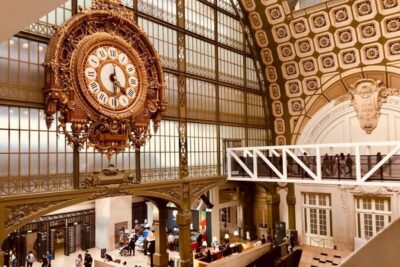
Musée d’Orsay Entry Ticket and Seine River Cruise
Read our review →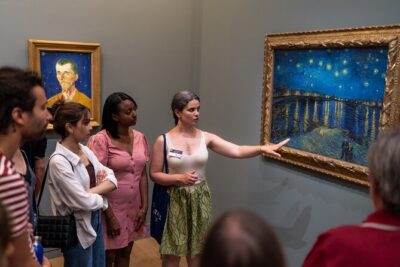
Musée d’Orsay Skip-the-Line Tour with Expert Guide
Read our review →
The Musée d’Orsay Guided Tour Orsay Museum Semi-Private 6ppl Max
Read our review →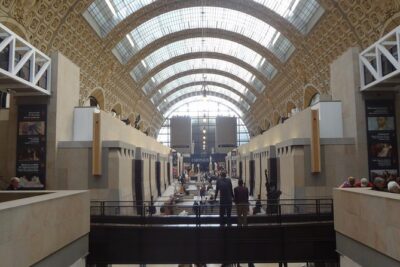
Orsay Museum – Exclusive Guided Tour (Reserved Entry Included)
Read our review →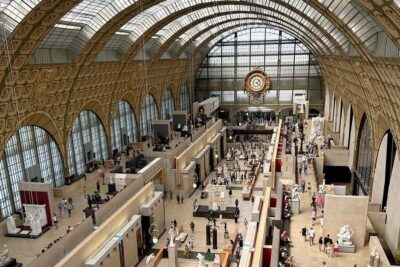
Orsay Museum and Rodin Museum Combo Entry Ticket
Read our review →Browse the lists this tour appears in