
Reviewed · SEINE RIVER CRUISES
Paris: Seine River and Canal Saint-Martin Cruise
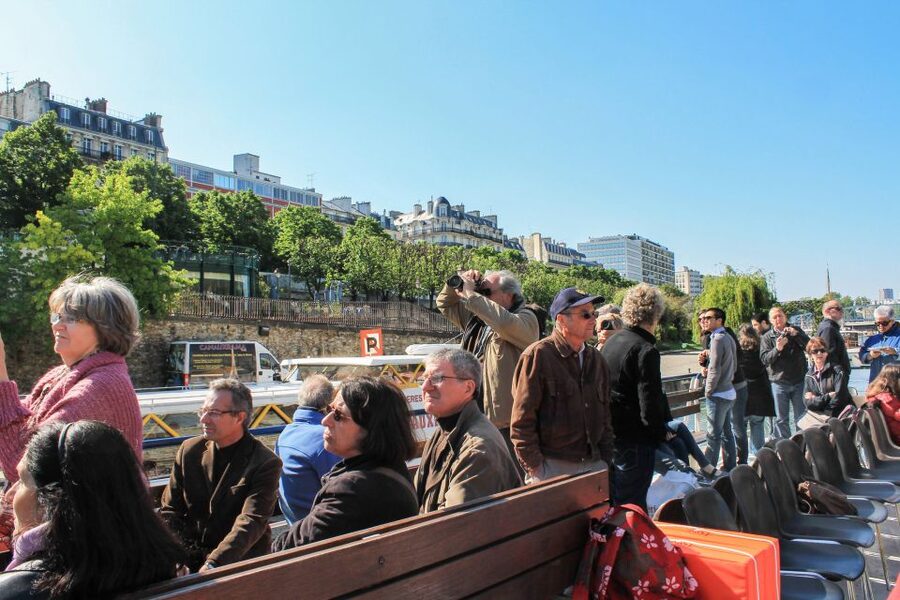
Paris saves one of its strangest boat rides for the Canal Saint-Martin. The trip begins with famous Seine sights, then slips into a 1.24-mile tunnel beneath Bastille, where daylight filters through small openings in the ceiling. After that, the boat works its way through canal locks lined with chestnut trees, footbridges, and old industrial Paris.
I like the sharp contrast between the grand Seine and the quieter canal. I also like that the locks turn the cruise into a working lesson in how Paris manages its waterways, not just a slow ride past monuments. The main catch is practical: this is a long, one-way trip for many passengers, ending far northeast of central Paris at Parc de la Villette, so plan your return before boarding.
Key points to know before you book
- The Bastille tunnel is the unusual highlight: You spend about 1.24 miles underground, with daylight entering through ceiling openings.
- Nine locks shape the canal journey: The boat pauses as water levels change, offering a close look at the mechanics of canal travel.
- The route begins beside the Musée d’Orsay: Arrive at Port de Solférino and use the wooden main staircase to reach the boat.
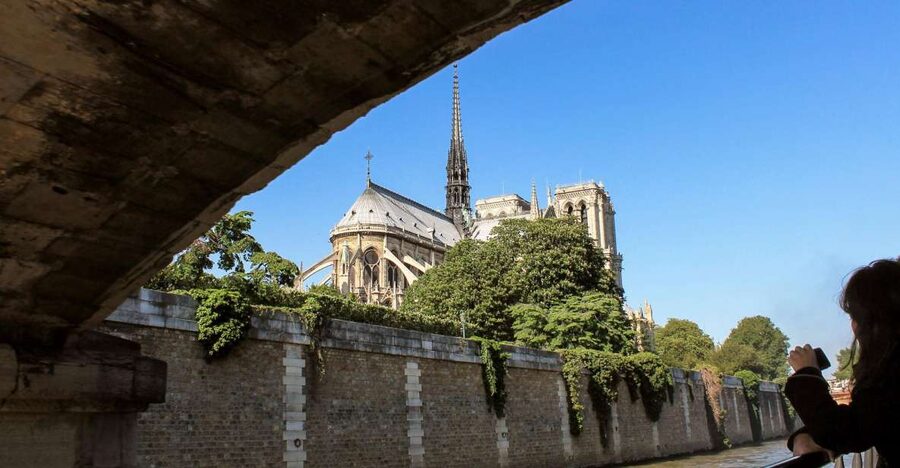
- The cruise mixes major sights with local Paris: You see the Louvre, Notre-Dame, Tuileries Garden, and Pont des Arts before reaching the less familiar canal.
- The trip lasts 2.5 hours: Choose the 10 a.m. or 3 p.m. departure when available, and bring water or a small snack.
- The endpoint needs careful planning: Parc de la Villette is not central Paris, and you may need the Métro or another ride back.
Why this Paris boat trip feels different
A standard Seine cruise gives you the postcard view of Paris. This one begins that way, but then changes character completely. You start near the Musée d’Orsay, pass the classic riverfront sights, and continue toward the entrance to Canal Saint-Martin near Bastille Square.
That change is the reason I would choose this cruise over a simple loop on the Seine. You get the familiar Paris monuments, but you also see a quieter side of the city, one shaped by locks, narrow water channels, tree-lined banks, and old working neighborhoods.
The route is especially good after a morning spent walking. For 2.5 hours, you can sit down, watch Paris pass by, and still learn something about the city. The commentary is given in French and English, and the guides explain both the landmarks and the engineering of the canal. François has been praised for his engaging delivery, while Carl has been noted for translating clearly into English.
This is not a fast sightseeing ride. The locks take time, and that is part of the point. You watch steel gates close, water move into the lock, and the boat rise or fall to meet the next section. If you want a quick collection of monuments, choose a shorter Seine cruise. If you enjoy how a city works, this trip earns its extra time.
Other boats on the Seine leaving Paris:
- Paris: Seine Cruise & Crepe Tasting near the Eiffel Tower
★ 4.4 · 11,231 reviews - Paris: Seine River Panoramic Views Dinner Cruise
★ 4.3 · 10,611 reviews - Paris: Eiffel Tower Access by Elevator & Seine River Cruise
★ 4.6 · 7,329 reviews
Finding Port de Solférino beside the Musée d’Orsay
The boat is moored at Port de Solférino, just below the Musée d’Orsay. The easiest landmark is the museum, but do not stop at the Batobus terminal directly opposite it. Use the wooden main staircase, then turn left toward the cruise boat.
This sounds simple, but the departure point can be easy to miss. Give yourself extra time, especially for a 10 a.m. sailing. The boat crew has managed to collect late-arriving passengers in the past, but you should not count on that. Have your mobile ticket ready and look for the vessel at the lower riverside level.
The setting is useful for planning. You can visit the Musée d’Orsay before the cruise, or schedule the museum for another day and use the boat as a rest from sightseeing. The start is close to central Paris, but the finish is not, so think of this as a route across the city rather than a ride that returns you to your starting point.
The Seine: Louvre, Tuileries, and Notre-Dame from the water
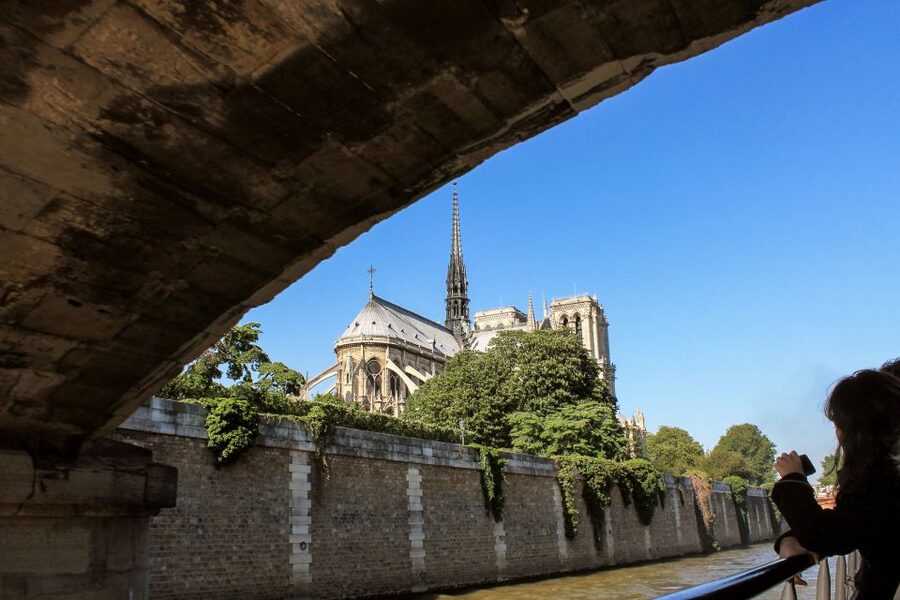
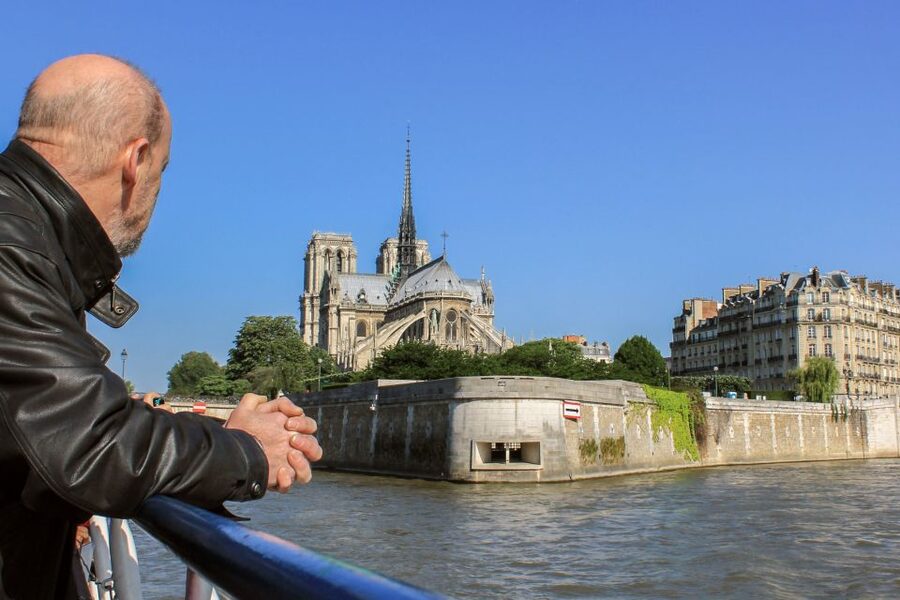
The first part gives you a classic river view. From the water, you see the Tuileries Garden, the Louvre, Notre-Dame Cathedral, and the Pont des Arts. The angle is different from the street, and the slower pace lets you take in the riverbanks without dodging pedestrians or traffic.
I like this opening because it makes the whole ride easy to recommend to first-time visitors and repeat visitors alike. First-time visitors get a pleasant introduction to central Paris. If you have already seen the main sights on foot, the boat shows how they fit together along the Seine.
The commentary adds context as the boat passes the buildings and bridges. Expect French first and English afterward, or a similar bilingual rhythm. Depending on where you sit and how busy the boat is, you may need to listen carefully. One account found the English easy to follow, while another found a strong French accent difficult at times.
For photographs, keep your camera ready before the boat turns toward the canal. The best views are not limited to one side, and you can move around the boat to change your angle. On a bright day, the open river is the most comfortable part of the trip. If it rains, the cruise still runs, so carry suitable clothing rather than assuming the boat will be canceled.
Entering Bastille’s underground canal
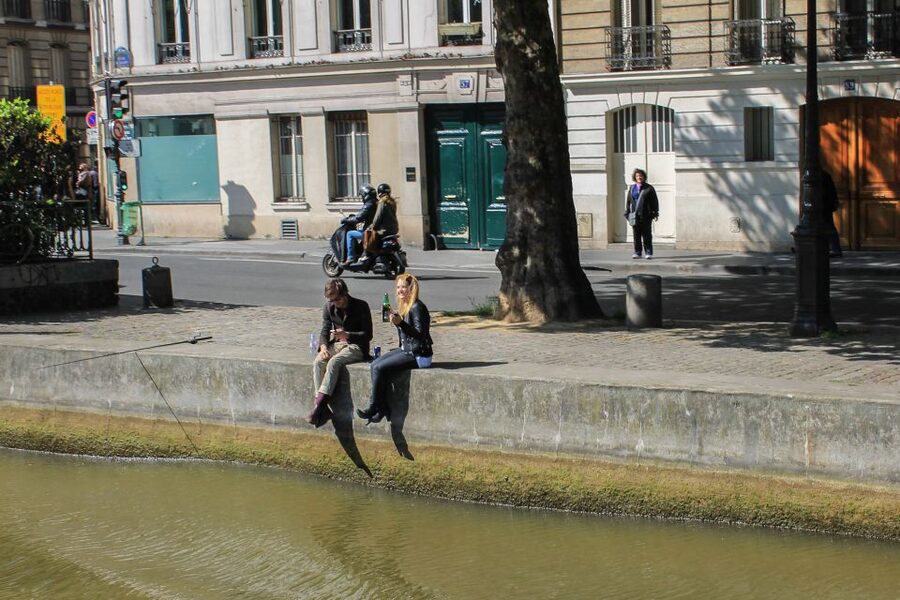
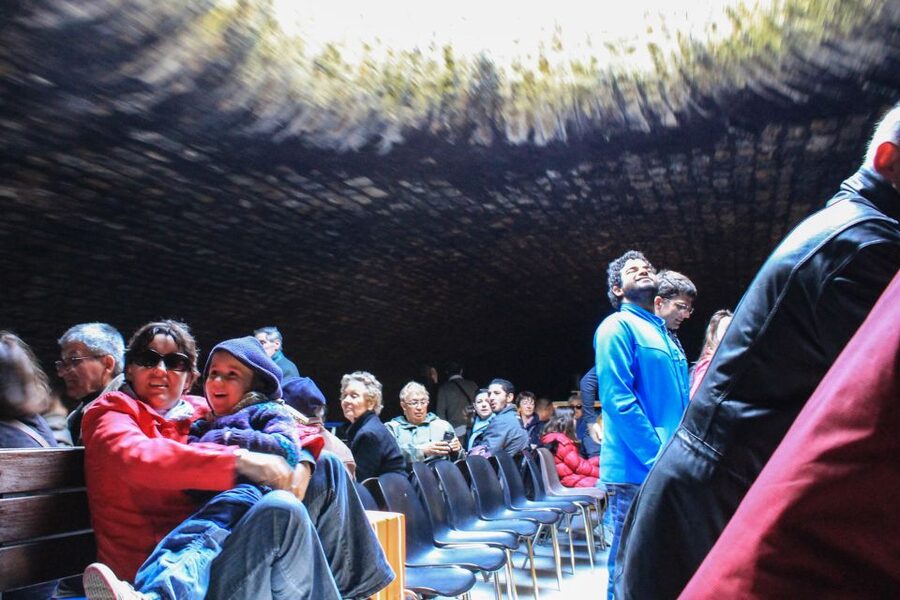
The biggest surprise comes near Bastille Square. The boat enters a tunnel beneath the city, a covered stretch measuring about 1.24 miles. Small openings in the structure let in patches of daylight, creating a dim, unusual passage below the streets.
This section feels less like a sightseeing cruise and more like a piece of Paris infrastructure. You are not simply looking at a monument. You are moving through a hidden water route that most people above ground never notice.
The tunnel is also where you should manage your expectations. It is dark, and there are no broad city views for much of the passage. If you need continuous scenery, this could feel slow. I find the change in mood worthwhile, particularly because it leads directly into the more open, leafy canal.
The underground passage is one reason to bring children if they enjoy unusual transport or city engineering. The experience has enough variety to hold attention: famous monuments at the start, darkness below Bastille, then locks and bridges afterward. Still, young children may find 2.5 hours long, especially if they are not interested in the commentary.
Same base, a different kind of day:
- Paris: Louvre Museum Timed-Entrance Ticket
★ 4.6 · 71,977 reviews - Disneyland® Paris 1-Day Ticket
★ 4.6 · 49,412 reviews - Paris: Versailles Palace and Gardens Full Access Ticket
★ 4.6 · 41,579 reviews - Paris: Evening River Cruise with Music
★ 4.4 · 22,721 reviews
Canal Saint-Martin and the rhythm of the locks
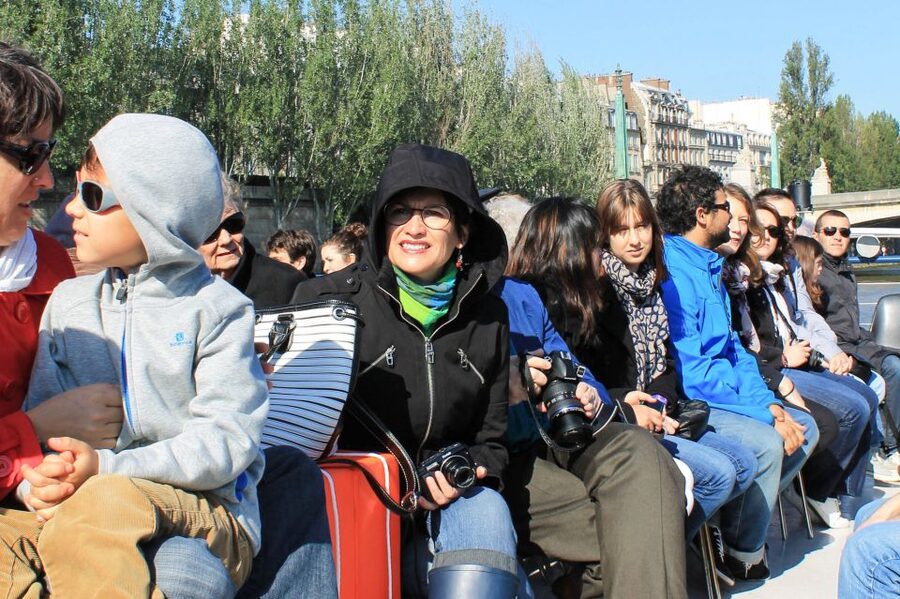
Once the boat emerges, Canal Saint-Martin feels like another Paris. The waterway is narrower and more intimate, bordered by chestnut trees, fishermen, and romantic pedestrian bridges. The route passes through a series of locks, with reports describing nine canal locks along the journey.
The locks are the working heart of the trip. The boat enters a chamber, gates close, and water is added or released until the boat reaches the level of the next section. It is a slow process, but it gives you time to understand what is happening.
I would not book this expecting constant motion. The cruise is long partly because of these lock operations. That can be frustrating if you want a brisk tour, but it is exactly what makes the ride distinctive. You get to watch a functioning canal system at close range instead of simply gliding past scenery.
The canal banks offer small details rather than headline monuments. Near the Temple area, look for the bust of actor Frédéric Lemaître, the Récollets Lock, and the Hôtel du Nord. The guide points out local stories and historical details along the route, giving the quieter sections a purpose.
This is also where the boat can feel most peaceful. Tree cover and footbridges soften the view, and the canal has a slower, more residential character than the Seine. You are still in Paris, but the scene is less formal and less crowded.
Dead Lock, Montfaucon, and the darker stories
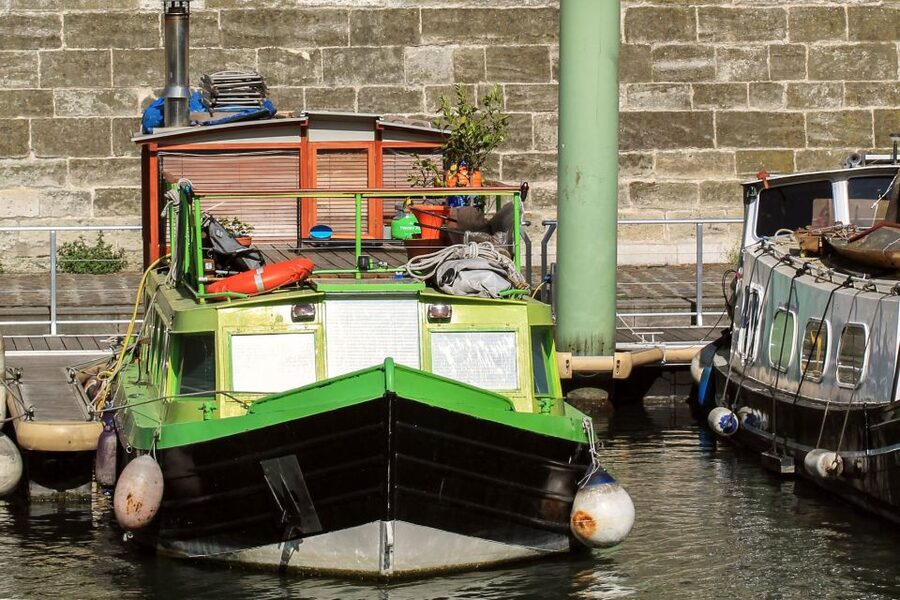
Near the Dead Lock, the commentary turns toward the darker side of Parisian history. The route passes the former site of the Montfaucon gibbet, once associated with public executions. The story of François Villon, the medieval poet and troublemaker, also enters the narration through the image of his ghostly murmur near the lock.
These stories add edge to what might otherwise be a gentle ride through trees and bridges. The canal is pretty, but Parisian history is rarely only pretty. The guide connects the waterway to the people, punishments, and old neighborhoods that shaped the city.
You should not expect a museum-style lecture. The commentary comes in short explanations as the boat moves, and the style depends on the guide. The strongest guides use humor and memorable details, which helps keep the history from becoming a list of names.
Bassin de la Villette and the route’s final stretch
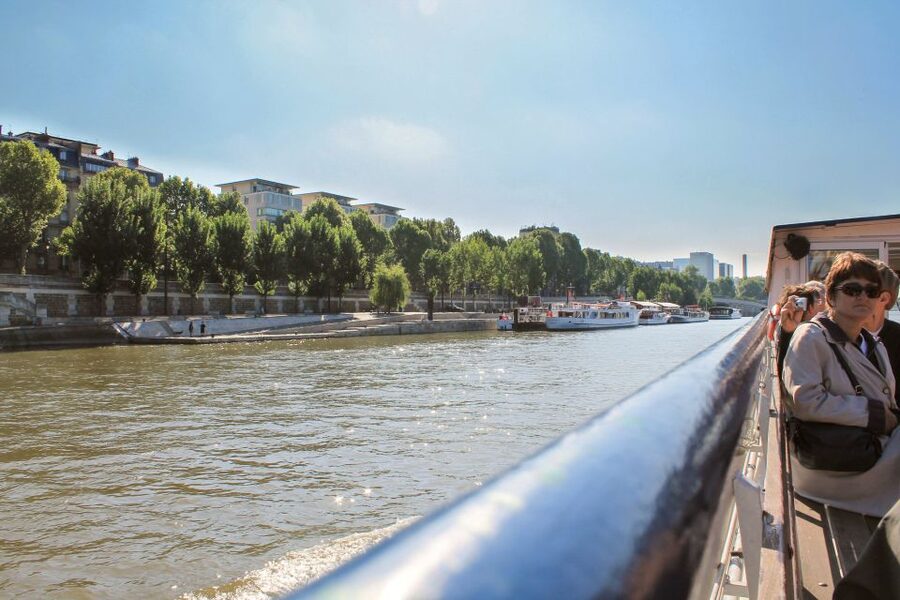
The canal eventually reaches Bassin de la Villette, a broad basin that opens up after the narrower canal. The route continues toward the arcing footbridge on rue de Crimée, one of the more recognizable structures on this section of the waterway.
The final destination is Parc de la Villette. From the boat, you can see the Cité des Sciences, the Music Museum, and the park’s themed gardens. This is a useful place to finish because the area offers things to do after the cruise, especially if you are traveling with children or want to continue exploring northeastern Paris.
Do not treat the park as a quick stop directly beside central Paris. It is a separate area, and you may need time to find your way around once you leave the boat. One practical weakness of the experience is that arrival guidance can be limited. If you want to visit the Cité des Sciences or the Music Museum, check their opening details before your cruise rather than deciding at the last minute.
The one-way issue and getting back
This point deserves bold attention because it affects your whole day. The published activity information says the trip ends back at the meeting point, but repeated direct accounts describe it as a one-way cruise ending near Parc de la Villette. Treat the ride as one-way and confirm the final drop-off when you book or board.
That means you should not schedule a tight central Paris appointment after the cruise. Allow time to leave the park, locate transport, and travel back toward the center. The Métro is the obvious option mentioned in trip accounts, although the exact route can change with closures or construction.
This is not a deal breaker. A one-way route is part of what makes the cruise interesting, since you cross Paris rather than circle the same sights. It becomes a problem only if you assume the boat will return you to the Musée d’Orsay.
The endpoint can also work in your favor. You could plan the cruise as a half-day route into northeastern Paris, then spend time at Parc de la Villette. That plan makes the ending feel intentional instead of inconvenient.
Timing, comfort, and what to bring
The cruise lasts 2.5 hours, with two possible departures, usually at 10 a.m. or 3 p.m. Cruises run daily from May through August, with availability outside those months depending on the schedule.
Arrive early if you want a better seat. One morning passenger found that punctual arrival helped with seating, and that is sensible advice for a boat where you may want a clear view. You can move around for photographs, but a good initial spot still helps.
Bring water, especially on a warm day. The cruise may offer a small cup of coffee midway, but do not rely on onboard refreshments. A small snack is also sensible, since the trip occupies half a day and food service is limited.
The boat runs rain or shine. Paris weather can change quickly, so a light waterproof layer is more useful than hoping for perfect skies. The cruise is not suitable for wheelchair users, an important limitation to check before booking.
Groups larger than 40 people are possible throughout the year. That can affect how easily you hear the guide or move around the boat. The French and English commentary remains a useful inclusion, but sit near the guide if hearing every detail matters to you.
Is $27 a fair price?
At $27 per person, I consider this good value if you want more than a standard monument cruise. You are paying for 2.5 hours on the water, bilingual commentary, the underground tunnel, and the lock sequence. A simple Seine ride may cover the famous sights more directly, but it will not give you this combination of canal engineering and local atmosphere.
The value is strongest for repeat visitors, families, and anyone who enjoys unusual routes. You see central Paris at the beginning, then reach places that are less likely to appear on a first walking itinerary.
The value is weaker if your schedule is tight or you only want photographs of the Eiffel Tower and the main river monuments. This route does not focus on that landmark, and its long lock sections require patience.
Free cancellation up to 24 hours ahead and the option to reserve now and pay later make the booking less risky. Still, the one-way finish, seasonal operation, and accessibility limit matter more than flexible payment. Check the departure date, starting time, and end point before you commit.
Who should book this cruise?
I would choose it for a second or third day in Paris, when you have already seen the central monuments and want a different view of the city. It also suits anyone who enjoys canals, bridges, old stories, and the mechanics of locks.
Families can like the changing scenery, the tunnel, and Parc de la Villette at the end. Older children may find the locks especially interesting, though the 2.5-hour duration calls for some patience.
I would hesitate if you dislike enclosed spaces, need a fully accessible activity, or have a fixed appointment after the cruise. I would also think twice if the return journey from northeastern Paris will create stress.
Should you book the Seine and Canal Saint-Martin cruise?
Book it if you want a relaxed half-day with real variety: famous Seine landmarks, a strange underground passage, nine locks, leafy canal banks, and a finish near Parc de la Villette. The best part is not any single monument. It is the way the route reveals two very different sides of Paris.
Skip it if you want a short round trip or an easy return to central Paris. If you do book, arrive early at the wooden staircase below the Musée d’Orsay, bring water and a snack, and plan your return from Parc de la Villette in advance. With those details handled, the $27 fare buys one of the more unusual sightseeing routes in the city.
FAQ
How long does the cruise last?
The cruise lasts 2.5 hours.
Where does the cruise start?
It starts at Port de Solférino, below the Musée d’Orsay. Use the wooden main staircase to reach the port.
What departure times are available?
Two departures may be available, at 10 a.m. and 3 p.m. Check the schedule for your chosen date.
Does the cruise travel on both the Seine and Canal Saint-Martin?
Yes. The route begins on the Seine and continues along Canal Saint-Martin.
Does the boat pass through a tunnel?
Yes. The boat travels through a 1.24-mile tunnel beneath Bastille, with daylight entering through openings in the structure.
Is commentary available in English?
Yes. Commentary is provided in French and English by a live guide.
Where does the cruise finish?
The route reaches Parc de la Villette, where you can see the Cité des Sciences, the Music Museum, and themed gardens. The published information also describes the activity as ending at the meeting point, so confirm the final drop-off when booking because direct trip accounts describe it as one-way.
Is the cruise suitable for wheelchair users?
No. The activity is listed as unsuitable for wheelchair users.
Just added in Paris
- Paris: Create your Signature Scent Perfume Workshop★ 4.8 · 221 reviews
- Paris: Flea Market Insider’s Tour in Extra-Small Group★ 4.6 · 73 reviews
- Paris : Painting experience in an art cafe★ 4.6 · 204 reviews
- Paris: Vallée Village Outlet Shopping Day★ 4.3 · 362 reviews
- Paris night out : Comedy in English ‘How to Become a Parisian ?’★ 4.5 · 373 reviews
- La Vallee Village Shopping Outlet by Luxury Transport from Paris★ 3.5 · 111 reviews
- Design Luxury and Personalized Jewelry in Paris le Marais★ 5.0 · 160 reviews
- Oh My God She’s Parisian! English Comedy Show in Paris★ 4.5 · 116 reviews
Seine River Cruises, compared.
Seine Cruise & Crepe Tasting near the Eiffel Tower
Read our review →
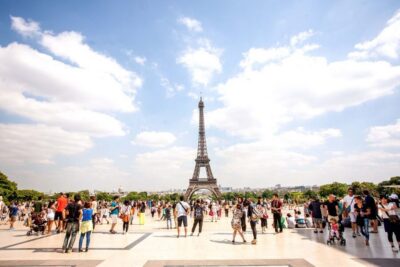
Eiffel Tower Access by Elevator & Seine River Cruise
Read our review →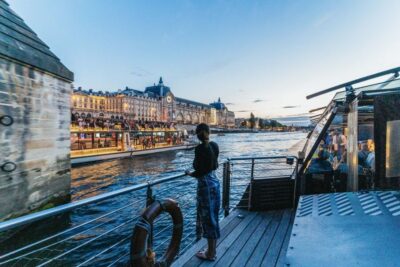
3-Course-Dinner Cruise on the Seine with live music
Read our review →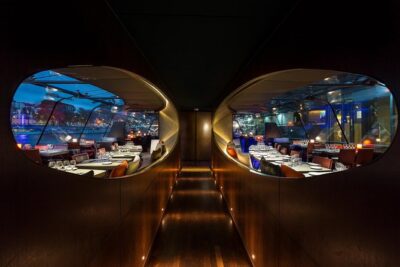
Bateaux Parisiens Seine River Gourmet Dinner & Sightseeing Cruise
Read our review →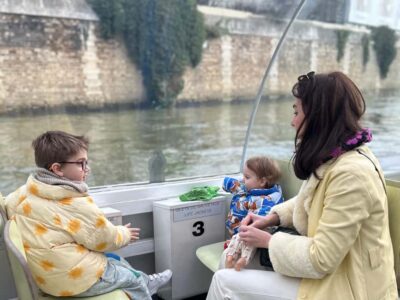
Hop-On Hop-Off Seine Cruise Pass with 9 Stops
Read our review →
3-Course Gourmet Dinner Cruise on Seine River
Read our review →Browse the lists this tour appears in