
Reviewed · WINE TOURS
Saint-Émilion: Vineyard Walking Tour and Tasting
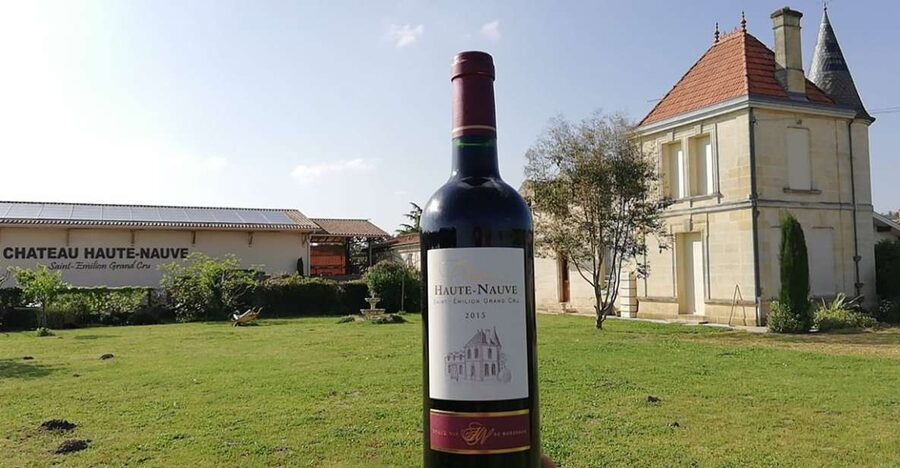
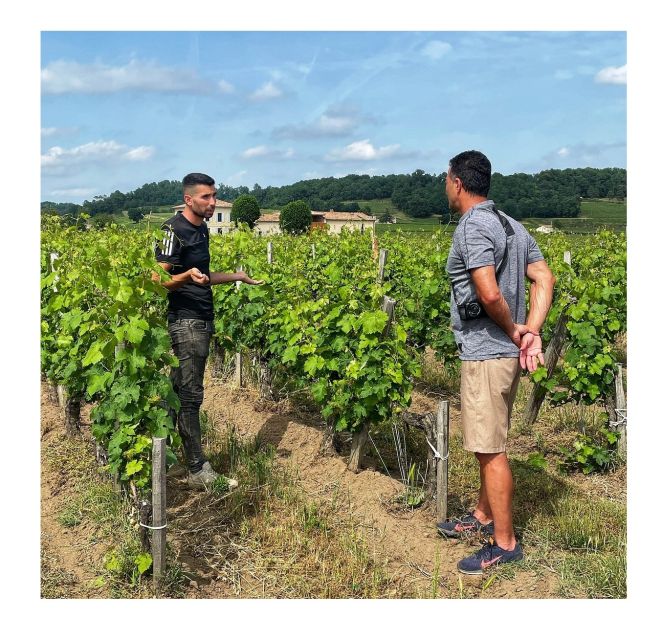
At Château Haute-Nauve, the wine story starts outdoors, among the vines, not with a polished tasting-room speech. Fourth-generation winemaker Florent, or his mother Marie-Anne, takes you through the family property before showing you the machinery, fermentation tanks, and ageing cellar. I like the hands-on look at the full process, from frost problems in the vineyard to the bottle on your table. I also like the small-group format, which makes it easy to ask questions and keep the tour personal.
The main thing to consider is transport. The château is about 3 kilometers from Saint-Émilion, and the organizers recommend arriving by car. You get a two-hour visit and four tastings for $29, a strong price, but you will need to plan your ride if you intend to enjoy every glass.
Key points at a glance
- A fourth-generation family vineyard: Florent and Marie-Anne explain the property through their own family experience.
- Four wines at the finish: The tasting includes two wines with Grand Cru appellations.
- More than a cellar visit: You see vineyard plots, fermentation equipment, pumping, pressing, and oak barrel ageing.
- Small groups of up to 10: The setting suits questions and conversation rather than a large bus tour.
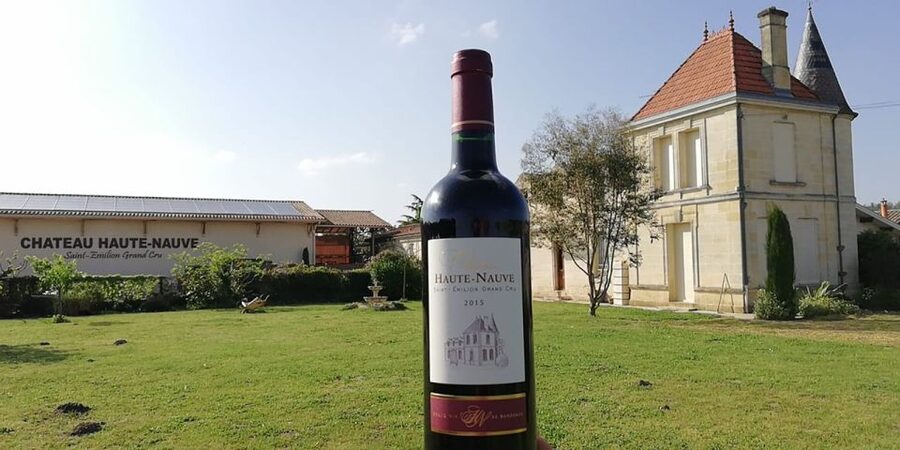
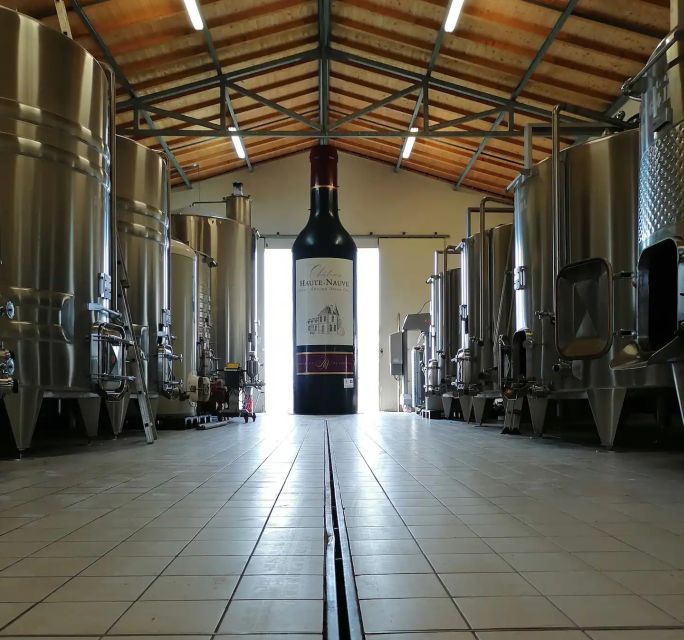
- A striking giant wine bottle: The six-meter bottle is one of the estate’s unusual sights and also relates to frost protection.
- Convenient but not central: Château Haute-Nauve is 3 kilometers from Saint-Émilion, with parking near the large solar-panelled building.
Why this château visit feels personal
Saint-Émilion has no shortage of wine estates, and some visits can feel like a quick walk past equipment followed by a standard pour. Château Haute-Nauve takes a more direct approach. You meet a member of the family that has worked the property for four generations, then follow the wine from the soil to the cellar.
That family connection matters. Florent speaks not only about wine production, but also about the practical decisions facing a working estate. He discusses crop frost, changing methods, sustainability, diversification, and the search for new wine varieties. These are not abstract regional talking points. They are part of keeping a family winery going.
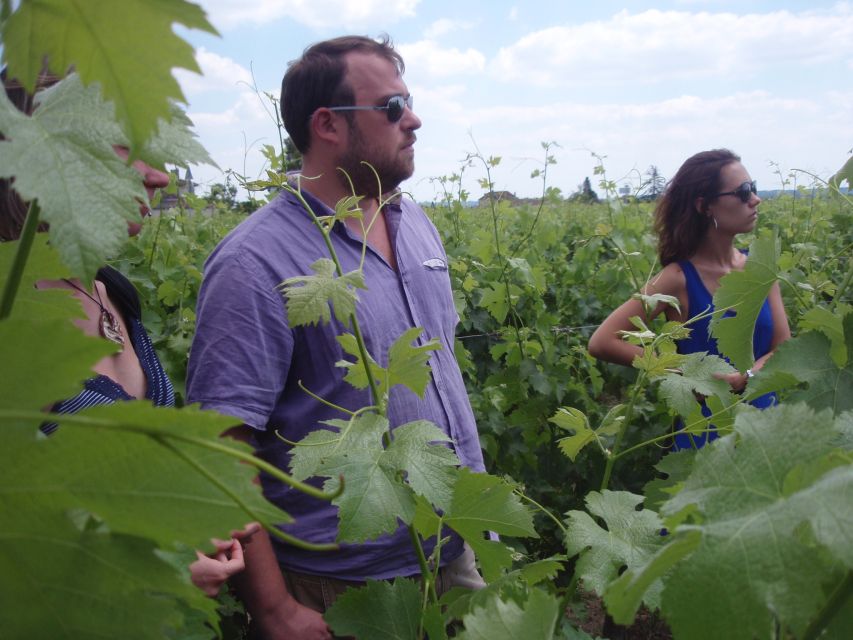
I particularly like that the visit does not treat the vineyard as a pretty backdrop only. You learn how the work changes during the year and see different plots of vines. The focus is on what the winemaker actually has to do before the grapes ever reach the production building.
The atmosphere is friendly and informal, with room for humor and questions. The small group limit of 10 helps. Some departures may be even smaller, depending on the date, so you might end up with a very direct conversation with the guide.
More walking tours in Bordeaux:
- Private – Best of Bordeaux Walking Tour + Glass of Bordeaux Wine
★ 5.0 · 240 reviews - Professional – Bordeaux Wine and Cheese Tasting with a walking tour
★ 5.0 · 218 reviews - 2-Hour Walking Tour of the City’s Iconic Sights and History
★ 4.0 · 207 reviews
Walking through the vines near Saint-Émilion
The tour begins with a walk through the vineyard. Wear comfortable shoes, since the experience takes place partly outside and the ground may not be as easy as a paved town street. Bring clothing suited to the weather, too. This is a working vineyard visit, not an indoor tasting with a short photo stop outside.
Florent or Marie-Anne introduces the family history of Château Haute-Nauve and explains the Saint-Émilion appellation. You hear about the grape varieties and the conditions that shape the wine. The exact view changes with the season, and so does the work in the vines. A spring visit gives you a different sense of the estate from a summer or harvest-season visit.
The tour also addresses the less romantic side of vineyard life. Frost can damage a crop, and weather can force difficult choices. One of the estate’s unusual sights is a six-meter-tall wine bottle connected with the château’s approach to frost protection. It is an amusing landmark, but it also points to a real problem for growers.
A wind turbine and solar panels add to the picture of a business looking for practical ways to operate. The family also discusses sustainability and diversification, including efforts to develop new wine varieties. I find this part useful because it places Saint-Émilion wine in the present day. You are not hearing only about old traditions. You are hearing how a family estate responds to modern pressure.
From harvested grapes to fermentation
After the outdoor portion, you move into the vinification cellar. Here, the guide explains what happens after the grapes leave the vines. You see the equipment used for fermentation, pumping, and pressing, and you get a clearer idea of why these stages affect the finished wine.
This is where the tour earns its price for anyone who wants more than a scenic walk. The machinery can look technical at first, but the explanation connects it to the wine in your glass. Pumping, for example, is not simply a mechanical step to point out. It is part of managing the wine as it develops.
The tour gives you a look at modern technology alongside the older identity of a family estate. You are not led through a museum of wine history. You see the tools that support current production at Château Haute-Nauve, with the winemaker explaining how they fit into the process.
The amount of technical detail depends partly on your questions and the pace of the group. That is a plus for curious wine drinkers, since you can ask about anything from the vineyard work to the equipment. If you want only a quick tasting, though, this tour may feel more detailed than necessary.
The barrel cellar and the waiting game
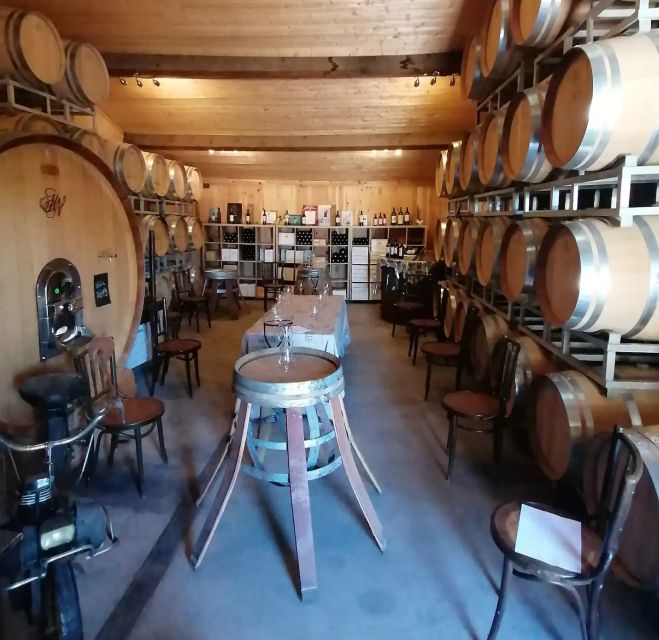
The final production stop is the barrel cellar, where you learn about ageing. This part helps explain why a wine that starts with the same basic ingredients can change over time. The guide shows how the estate handles the period between fermentation and bottling.
I like the order of the visit. You first see the vines, then the machinery, then the barrels. By the time you reach the tasting, you have a practical sense of the steps behind each bottle. It is a simple sequence, but it makes the tasting more meaningful.
The barrel cellar also slows the pace. Wine production is not instant, and ageing requires time, storage, and careful decisions. The tour does not present the finished bottle as magic. It shows the work and waiting behind it.
The visit is designed to last two hours, which is enough time to cover the vineyard, production spaces, cellar, and tasting without turning into a full-day commitment. Several family groups have found the length manageable, including groups with older children and teenagers. Still, you should expect some walking and standing.
More wine tours in Bordeaux:
- Bordeaux: Cité du Vin Entry Ticket and Wine Tasting
★ 4.6 · 3,885 reviews - Bordeaux: River Garonne Cruise with Glass of Wine and Canelé
★ 4.5 · 3,630 reviews - From Bordeaux: Afternoon Saint-Emilion Wine Tasting & snack
★ 4.8 · 1,581 reviews - Medoc or Saint Emilion Wine Tasting and Chateau from Bordeaux
★ 5.0 · 1,415 reviews
Four wines, including two Grand Crus
The tour ends with a guided tasting of four wines made at the estate. Two carry Grand Cru appellations, giving you a chance to compare different expressions within the Saint-Émilion category.
The tasting is not just a sequence of glasses placed on a table. The earlier tour gives you useful context for understanding what you are drinking. You can ask about the grapes, plots, production methods, and ageing as you taste. The selection is described as ranging from smooth to full-bodied, with the Grand Cru wines receiving particular attention from many people who have taken the tour.
At $29 per person, four tastings plus the vineyard and cellar visit represent good value in a major wine region. Saint-Émilion can become expensive quickly, especially when private tastings or more elaborate château visits are involved. This experience keeps the price moderate while still including two Grand Cru pours.
The price does not include food, transport, or extra bottles. That is reasonable, but do not arrive expecting a full lunch or a cheese board. The focus is wine education and tasting. You can browse the estate’s collection and buy bottles afterward, with no stated requirement to purchase.
Buying wine makes sense if you have space in your luggage and a plan for carrying it. The family can explain the wines you have just tasted, so you are choosing with more information than you would get from a shop shelf. Several people have bought bottles at the end, but the setting is described as relaxed rather than pushy.
Getting to Château Haute-Nauve
The château is located at 3 kilometers from the village of Saint-Émilion. Meet your guide inside Château Haute-Nauve, using the car park near the large building with solar panels and the purple Château Haute-Nauve sign.
The organizers recommend arriving by car. That is the simplest choice, especially if you are visiting several properties or carrying bottles afterward. An Uber has also been used to reach the estate, but transport availability can vary, so plan ahead rather than assuming you can arrange a ride at the last minute.
The setting close to Saint-Émilion makes it possible to combine the tour with time in the village. You could visit the château before exploring the historic center, or schedule it after seeing the town. Just allow enough time to reach the property and find the correct building. The purple sign and solar-panelled structure are useful landmarks.
The experience is wheelchair accessible, though the itinerary includes an outdoor vineyard walk. If mobility is a concern, confirm the practical route and conditions when booking. Comfortable footwear remains sensible for everyone.
Who will enjoy this wine tour most
I would choose this tour if you want a clear introduction to Saint-Émilion wine without committing to a long, formal day. It works especially well for couples, small groups of friends, and families who want a shared activity near the village.
It also suits people who are interested in how wine is made but do not know much technical language yet. Florent’s style is warm and conversational, and the format allows questions. You do not need to be a serious collector to enjoy the visit.
Families should note that children can join, although the tasting is naturally aimed at adults. A family group with children ranging from 9 to 17 found the two-hour format workable. Younger children may be less interested in fermentation tanks and barrels, so your own family’s patience matters.
This is less suitable if you want a grand château interior, a long gourmet meal, or a highly formal tasting led by a wine academic. Château Haute-Nauve is about a working family estate and the people running it. Its appeal comes from direct access and practical explanations, not ceremony.
English and French are available, making it useful for international visitors. The group limit of 10 is another advantage for anyone who dislikes crowded coach tours. It also means availability may be limited on popular dates, so check the start time before building the rest of your Saint-Émilion day around it.
Booking value and practical planning
The $29 price is the clearest strength of the experience. You receive two hours with a family guide, a vineyard walk, a complete visit to the production and ageing areas, and four wines. In a famous wine region, that is a useful amount of content for the money.
The experience also offers free cancellation up to 24 hours before the start, plus a reserve-now-and-pay-later option. Those policies help if your Bordeaux plans are still shifting, though you should check the available start times before booking.
Plan for weather. The vineyard portion is outdoors, and the tour specifically calls for comfortable shoes and weather-appropriate clothing. A sunny day makes the walk more pleasant, but a light layer and sensible footwear are still wise.
If you plan to taste seriously, decide how you will return to Saint-Émilion before you arrive. Driving is convenient, but someone in your party will need to limit drinking. A taxi or ride service can solve that problem, but arranging the return matters more than finding a ride to the estate.
Should you book Château Haute-Nauve?
Book this tour if you want a friendly, family-run introduction to Saint-Émilion wine, with real attention to vineyard work and production. The strongest reasons are the personal guiding by Florent or Marie-Anne, the small group size, and the chance to taste four estate wines after seeing how they are made.
Skip it only if your priority is a short tasting with no walking, or a grand historic château setting. For everyone else, this is a well-priced way to connect the famous Saint-Émilion name with the people, equipment, weather problems, and decisions behind the bottle. Bring comfortable shoes, arrange transport, and leave room in your luggage if the tasting leads you to buy a few bottles.
FAQ
Where is Château Haute-Nauve located?
Château Haute-Nauve is about 3 kilometers from the village of Saint-Émilion in Nouvelle-Aquitaine, France. The meeting point is inside the château, with parking near the large building with solar panels and the purple château sign.
How long does the experience last?
The vineyard walk, cellar visit, production explanation, and tasting take about two hours. Starting times vary, so check availability when booking.
Which languages are available?
The tour is available in English and French. The guide is Florent or his mother, Marie-Anne.
How many wines are included?
The guided tasting includes four wines from the estate. Two of the wines have Grand Cru appellations.
Is transport included?
No. Transport is not included, and the organizers recommend arriving by car. The château is 3 kilometers from Saint-Émilion.
Can I buy wine after the tasting?
Yes. You can browse the estate’s wine collection and purchase additional bottles, but extra wine is not included in the tour price.
More food and drink in Bordeaux
- Saint-Émilion: Grand Cru Classé Winery Visit and Tasting
★ 4.6 · 1,118 reviews - Saint Emilion Half-Day Trip with Wine Tasting & Winery Visit from Bordeaux
★ 4.5 · 1,034 reviews - From Bordeaux: Half-Day Saint-Émilion Tour and Wine Tasting
★ 4.6 · 657 reviews - Bordeaux Wine and Trade Museum Admission Ticket with Wine Tasting
★ 4.5 · 599 reviews
Just added in Bordeaux
- Private – Best of Bordeaux Walking Tour + Glass of Bordeaux Wine★ 5.0 · 240 reviews
- Professional – Bordeaux Wine and Cheese Tasting with a walking tour★ 5.0 · 218 reviews
- 2-Hour Walking Tour of the City’s Iconic Sights and History★ 4.0 · 207 reviews
- From Bordeaux: Saint-Emilion Guided Wine Tasting Tour★ 4.8 · 319 reviews
- Saint-Emilion Food and Wine Day Tour★ 5.0 · 323 reviews
- Bordeaux Food Tour – A Full French Meal by Do Eat Better★ 5.0 · 357 reviews
- Bordeaux: Essentials 3-Hour Bike Ride★ 4.9 · 412 reviews
- Half-Day Wine tour across Bordeaux’s Vineyards★ 3.5 · 429 reviews
Wine Tours, compared.
Authentic Parisian Gourmet Food Tour with 10 Local Dishes & Wines
Read our review →
Loire Valley Castles Day Trip from Paris with Complementary Wine
Read our review →
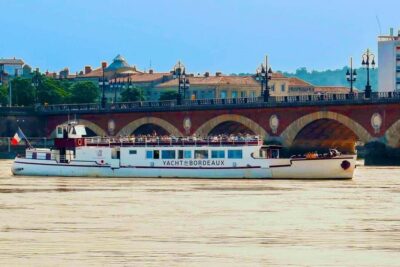
River Garonne Cruise with Glass of Wine and Canelé
Read our review →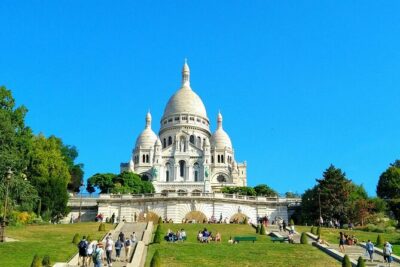
Montmartre Hill French Gourmet Food and Wine Tasting Walking Tour
Read our review →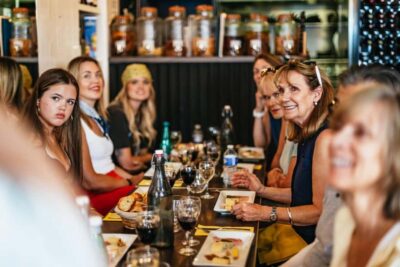
Montmartre Cheese, Wine & Pastry Guided Walking Tour
Read our review →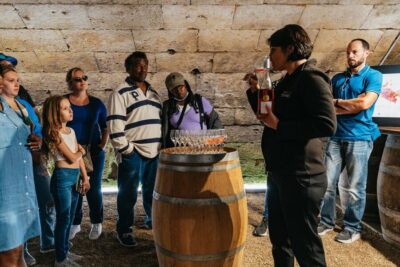
Loire Valley Castles Day Trip With Wine Tasting
Read our review →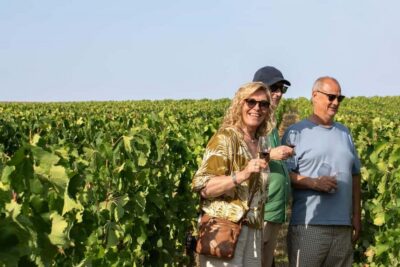
Afternoon Saint-Emilion Wine Tasting & snack
Read our review →Browse the lists this tour appears in