
Reviewed · TOURS IN BORDEAUX
Visit of the Troglodytic Village of Madeleine
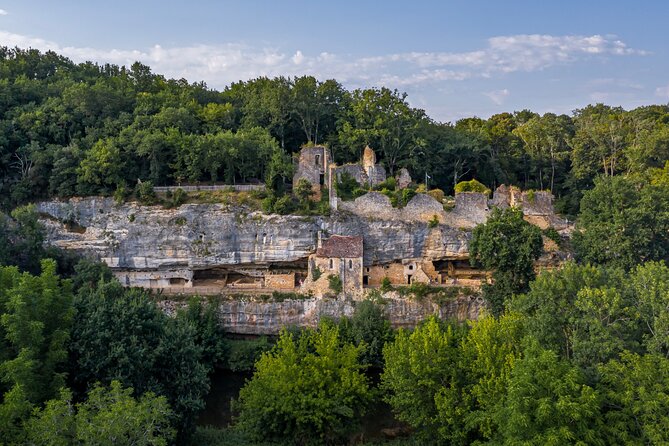
The most striking part of the Madeleine troglodytic village is its layered past. In one visit, you move from a prehistoric shelter used 20,000 years ago to a medieval settlement built into the rock, then on to an educational farm. It is a compact way to see how people adapted to the same place across very different eras.
I like the clear mix of archaeology and everyday life, rather than a site that only displays old stones. I also like the free app in several languages, which lets you take in the information at your own pace. The main caution is practical: this is a historic site that requires a moderate level of fitness, and poor weather or low numbers can lead to cancellation.
Key points to know before you go
- Three eras in one visit: Explore the prehistoric setting, the medieval village, and the educational farm.
- A useful self-guided option: The free app is available in several languages and adds context as you walk.
- About two hours: The visit is long enough to feel substantial but short enough to fit into a busy Dordogne day.
- Good value at $15.38: Parking and a 50-centiliter bottle of water are included.
- Bring sensible footwear: The site calls for moderate physical fitness, so expect some walking around an old, uneven setting.
- Plan your route carefully: Use Waze rather than Google Maps, since navigation can be an issue when reaching the site.
Why Madeleine is more than a rock shelter
The Village Troglodytique de la Madeleine gives you a rare kind of historical walk. You are not looking at one isolated period. You are following human use of the same rocky setting from Cro-Magnon life to the Middle Ages and into a working educational attraction today.
The word troglodytic refers to homes or spaces made in rock. At Madeleine, that idea is not just a label on a sign. The rock itself shapes the visit. It helps you picture why people chose the site, how they used natural shelter, and how later residents built a village around what was already there.
That long timeline gives the visit its value. Prehistory can feel remote when it is presented only through dates and tools. Here, the physical setting helps connect the subject to daily survival: shelter, food, work, and the need to make use of what nature provided.
I would not treat this as a grand, all-day archaeological museum. Its strength is concentration. In roughly two hours, you get a strong introduction to the site without giving up an entire day of sightseeing in the Bergerac area.
Other trips people book in Bordeaux:
- Bordeaux: Cité du Vin Entry Ticket and Wine Tasting
★ 4.6 · 3,885 reviews - Bordeaux: River Garonne Cruise with Glass of Wine and Canelé
★ 4.5 · 3,630 reviews - From Bordeaux: Afternoon Saint-Emilion Wine Tasting & snack
★ 4.8 · 1,581 reviews
Reconstructing Cro-Magnon life 20,000 years ago
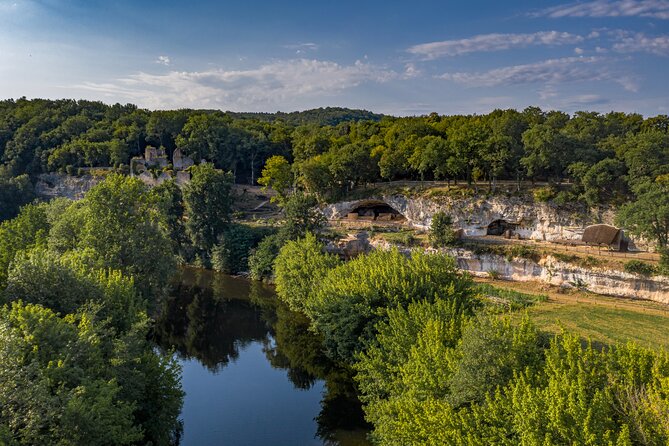
The first major part of the visit focuses on the prehistoric environment and the Magdalenian way of life. This is the Cro-Magnon period, around 20,000 years ago, when people lived in a very different climate and relied closely on their surroundings.
The setting matters here. Instead of learning about prehistoric life in an unrelated indoor room, you are shown the environment where people actually lived. That makes the subject easier to picture. The rock shelter becomes part of the explanation, not just a backdrop for photographs.
You can expect the interpretation to focus on how people lived, rather than only on a list of archaeological dates. The aim is to explain the human side of the site: how Cro-Magnon communities used shelter and responded to the conditions around them.
This section should appeal to families and to anyone who prefers history with a physical sense of place. Children may find the idea of people living in rock shelters easier to grasp than a long museum text. Adults who already know a bit about prehistory will still find the sequence useful because it connects the local site to the wider Magdalenian period.
The free app is a real help here. It provides information in several languages, so you can pause, replay, and set your own pace. If you prefer a more direct explanation, guided tours are also available, though the supplied details do not specify guide names or a fixed guided-tour schedule.
Walking through the medieval village
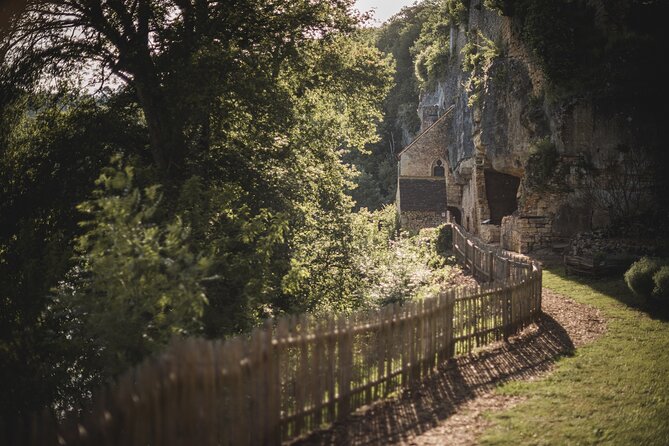
The visit then moves forward to the medieval village. This change of period is one of Madeleine’s best features. You are no longer thinking only about hunter-gatherers and prehistoric shelter. You begin to see how people later made a more permanent settlement in the same rocky place.
A medieval village built into or around rock gives you a practical lesson in old construction. The stone is not simply scenery. It forms part of the homes and working spaces, and it shows how residents used local materials instead of importing everything from far away.
I like this part because it adds a human scale to the site. Medieval history can sometimes be reduced to castles, battles, and famous rulers. Madeleine offers something quieter: a look at how ordinary people shaped a settlement and made use of the ground beneath them.
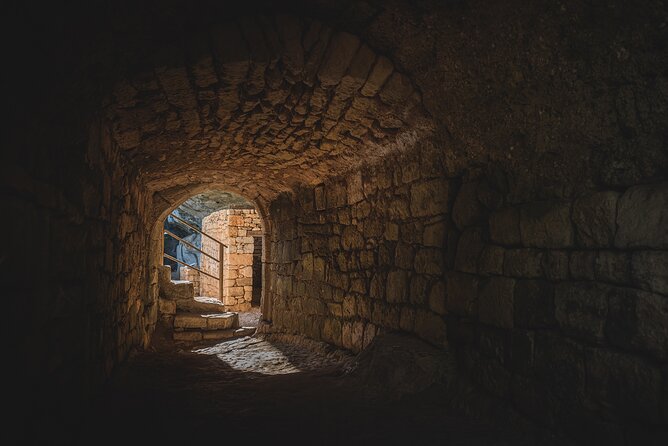
Allow time to walk slowly. The site is not designed as a quick drive-by stop, and the physical setting is part of the experience. You may encounter uneven surfaces or sections that call for steady footing. The requirement for moderate physical fitness is worth taking seriously, especially if you have mobility concerns or are visiting with young children who tire easily.
There is no stated promise of extensive indoor shelter throughout the visit. Since the experience requires good weather, check the forecast and dress for outdoor conditions. Comfortable shoes will make the historic setting much more enjoyable.
The educational farm adds a modern touch
The Madeleine educational farm gives the visit a more immediate, family-friendly ending. After learning about prehistoric life and medieval settlement, you see how the site functions as a place of education today.
The farm is important because it keeps the experience from becoming too abstract. A visit built only around old walls and archaeology can lose younger visitors. The farm offers a change of pace and a more familiar point of contact with daily life.
The available details do not list the animals, activities, or feeding opportunities, so you should not book expecting a specific farm program. Think of it as one part of a larger historic site rather than a stand-alone farm attraction.
That balance is useful for mixed-age groups. Adults can focus on the archaeology and medieval village, while children get an added reason to stay interested. If your group is made up entirely of history lovers, the farm may feel like a smaller part of the visit. For families, it can help make the two-hour program easier to enjoy from start to finish.
Same base, a different kind of day:
- Medoc or Saint Emilion Wine Tasting and Chateau from Bordeaux
★ 5.0 · 1,415 reviews - Saint Emilion Day Trip with Sightseeing Tour & Wine Tastings from Bordeaux
★ 5.0 · 1,120 reviews - Saint-Émilion: Grand Cru Classé Winery Visit and Tasting
★ 4.6 · 1,118 reviews - Saint Emilion Half-Day Trip with Wine Tasting & Winery Visit from Bordeaux
★ 4.5 · 1,034 reviews
Is two hours the right length?
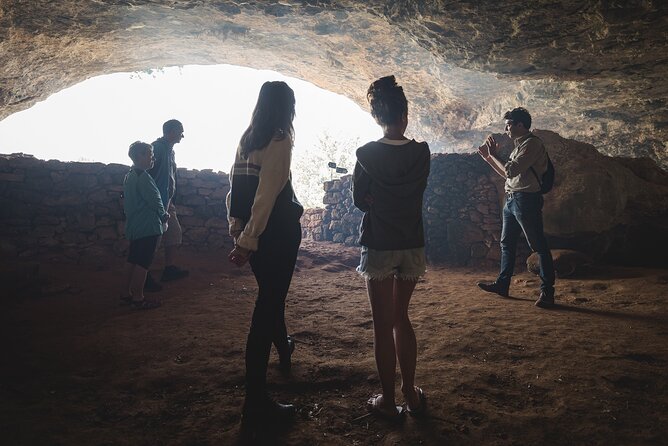
For most people, yes. The approximate duration is two hours, which gives you enough time to understand the three main sections without making the visit feel like a full-day commitment.
The length also makes the site easy to combine with other plans in Bergerac and the surrounding area. You can visit in the morning, stop for lunch afterward, or fit it between other sightseeing stops. Lunch, coffee, tea, and dinner are not included, so plan your meal separately.
Do not confuse a two-hour visit with a rushed stop. You will need time to read or listen to the information, walk around the historic setting, and pause at the farm. If you use the app carefully, you may want the full two hours. If you move quickly, you may finish sooner.
The booking pattern suggests that people often reserve about 13 days ahead. That is useful planning information, particularly if your dates are fixed. The attraction is open daily from 10 a.m. to 5:30 p.m. during the stated season, from March 1 through November 15, 2026.
What you get for $15.38
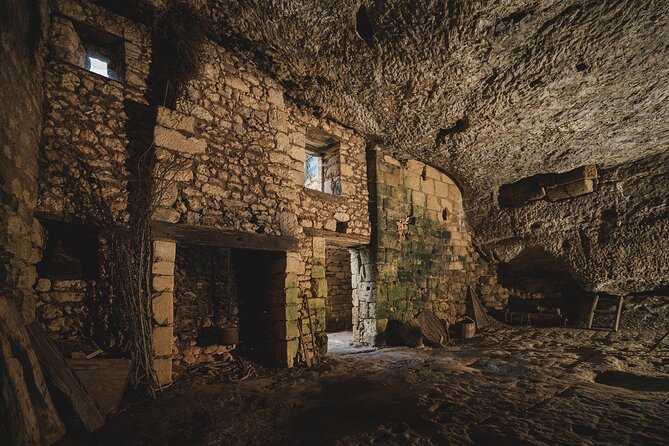
At $15.38 per person, this is a modestly priced historic visit. The value comes from the number of subjects covered in one admission: prehistoric life, a medieval village, and an educational farm.
Parking fees are included, which improves the practical value if you are arriving by car. A 50-centiliter bottle of water is also provided. That is a small extra, but it is useful during a walk around an exposed historic site.
The price does not include food or hot drinks, so you should not expect a meal stop to be part of the program. That is not a serious drawback at this price, but it means you need to allow extra time and money if you want lunch before or after the visit.
I see this as especially good value for people who want a focused cultural stop rather than an expensive guided excursion. The app also gives you more control. You can use the information in your preferred language and spend more time on the subjects that interest you most.
The published rating is 4.5 from 44 reviews, which points to a generally strong response, though no rating can replace checking whether the format suits you. If you want a large museum, a fully scheduled lecture, or a clearly named personal guide, this may feel too simple. If you want a compact site with plenty to interpret, the price is fair.
Getting there without a navigation headache
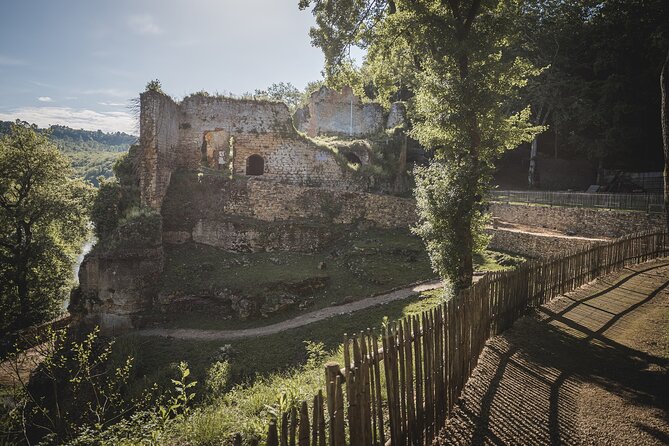
The most useful arrival tip is simple: use Waze rather than Google Maps. The advice is specific, and it may save you time and frustration when driving to the site.
Parking fees are included, so you do not need to budget for a separate parking charge. Still, allow enough arrival time to park, collect your bearings, and begin without rushing. The supplied meeting information gives opening hours but does not provide a detailed public-transport plan or a named meeting address.
A mobile ticket is included, which is convenient if you are booking from your phone. Confirmation is normally sent at booking. If you reserve within two hours of the start time, confirmation may take longer and depends on availability.
Service animals are allowed. The moderate fitness requirement remains important, since permission for a service animal does not change the physical character of an old historic site.
Weather, cancellation, and planning details
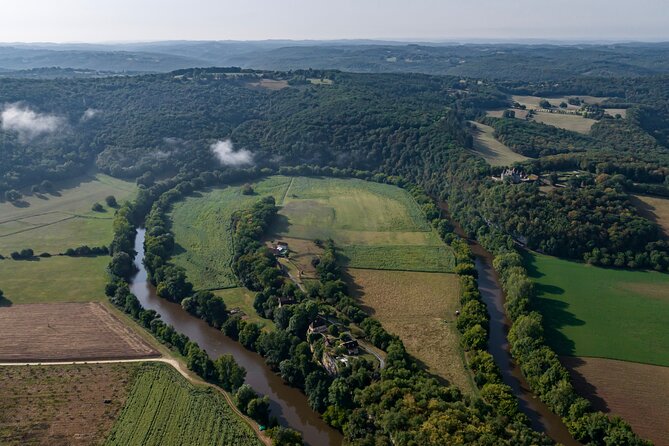
Good weather is required for this experience. If poor weather forces a cancellation, you can receive a different date or a full refund. The same applies if the minimum number of participants is not reached, with the option of a different date or experience, or a full refund.
You can cancel for a full refund up to 24 hours before the start time. Changes or cancellations made less than 24 hours before the experience are not accepted for a refund. The cut-off is based on local time.
This policy is fairly flexible if you keep an eye on the forecast. I would avoid booking it as the only fixed activity on a questionable-weather day, especially if you have a tight schedule. A little planning gives you the best chance to enjoy the outdoor parts without a last-minute scramble.
Who will enjoy Madeleine most?
I would recommend this visit to families, history-minded couples, and independent sightseers who like places with several periods layered together. The app makes it accessible for people who prefer to explore at their own speed, while the optional tours provide another way to get information.
It is also a good choice for anyone curious about prehistoric life but unsure about committing to a specialist archaeological attraction. The medieval village and educational farm broaden the appeal, so you are not relying on one subject alone.
You may want to skip it if you need step-free, low-effort sightseeing or if your group dislikes walking around historic sites. You should also think twice if you expect a long guided program with a named expert and a fixed schedule. The available information does not promise that format.
For families, I would plan the visit around the two-hour duration and bring suitable footwear. For independent visitors, I would download or prepare to use the free app and allow time to stop when a particular section catches your interest.
Should you book the Madeleine village visit?
Book it if you want a reasonably priced, two-hour history stop with real variety. The combination of Cro-Magnon life, a medieval rock settlement, and an educational farm gives you more than a single-period attraction, while included parking and bottled water make the visit easy to manage.
Use Waze, check the weather, and wear comfortable shoes. Those three details may matter more than anything else.
I would not choose it for a purely relaxed, accessible stroll or for a full meal-and-entertainment outing. But if you want a thoughtful look at how people used one remarkable place across thousands of years, the Madeleine village is a smart addition to a Bergerac-area itinerary.
FAQ
Where is the Village Troglodytique de la Madeleine?
The experience is listed in Bergerac, France. The supplied information does not provide a more specific street address.
How long does the visit take?
The visit lasts approximately two hours.
What can I see during the experience?
You can discover the prehistoric environment from 20,000 years ago, learn about the Magdalenian and Cro-Magnon way of life, visit the medieval village, and see the Madeleine educational farm.
Is parking included?
Yes. Parking fees are included in the experience.
Is anything provided during the visit?
A 50-centiliter bottle of water is offered. Lunch, coffee, tea, and dinner are not included.
When is the site open?
The stated opening period runs from March 1 through November 15, 2026. It is open Monday through Sunday from 10 a.m. to 5:30 p.m.
Just added in Bordeaux
- Au Cœur du Château – VSOP D’USSÉ & XO BARON OTARD★ 4.5 · 108 reviews
- Discover Braastad Cognac★ 5.0 · 52 reviews
- retro road trip/ Méhari, 2CV & Burton in Rochefort, La Rochelle★ 5.0 · 28 reviews
- Saint Emilion Full Day Wine and Bike Tour★ 5.0 · 167 reviews
- Virtual Room Bordeaux – 1st team virtual reality experience★ 5.0 · 47 reviews
- Private Bordeaux History Tour with a glass of Bordeaux wine.★ 5.0 · 28 reviews
- Wine Masterclass & Cheese Tasting Workshop in Bordeaux★ 5.0 · 29 reviews
- Bordeaux bike tour “The Best of Bordeaux”★ 5.0 · 164 reviews
Tours in Bordeaux, compared.


River Garonne Cruise with Glass of Wine and Canelé
Read our review →
Afternoon Saint-Emilion Wine Tasting & snack
Read our review →
Medoc or Saint Emilion Wine Tasting and Chateau from Bordeaux
Read our review →
Saint Emilion Day Trip with Sightseeing Tour & Wine Tastings from Bordeaux
Read our review →

Saint Emilion Half-Day Trip with Wine Tasting & Winery Visit from Bordeaux
Read our review →
Browse the lists this tour appears in