
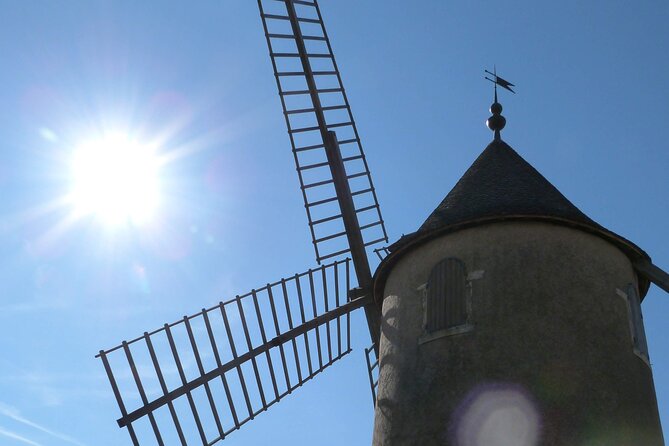
Reviewed · WINE TOURS
Beaujolais Half Day Wine Tasting Tour
The best thing about this Beaujolais outing is the contrast between its two wine stops. At Château de Pizay, you learn through an interactive, five-senses experience and taste wines from several villages. Later, a family-run winery gives you a more personal look at the people, soils, and traditions behind the bottles.
I like the small group of up to eight, which keeps the minivan friendly and makes questions easy. I also like the four-hour length: you get into the countryside, see famous Beaujolais names such as Morgon, Fleurie, and Juliénas, and return to Lyon with most of your day still free. The main drawback is that the first tasting can feel self-guided rather than hosted, and lunch, bottled water, and hotel pickup are not included.
Key points to know before booking
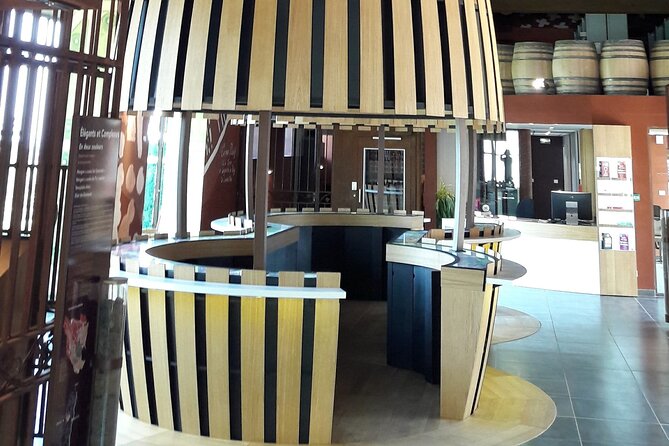
- Two very different wineries: Château de Pizay is polished and interactive, while the family winery feels more intimate and direct.
- A hands-on wine lesson: Walk through stations that explain aroma, acidity, tannin, sweetness, and other parts of wine.
- Small-group transport: The air-conditioned minivan carries no more than eight participants.
- A scenic Beaujolais drive: The route passes through famous wine areas including Morgon, Fleurie, and Juliénas.
- Four hours from Lyon: The tour starts at 9:00 am and ends back at the same meeting point.
- Wine tasting, not lunch: Food and bottled water are not supplied, and anyone under 18 cannot drink alcohol in France.
Leaving Lyon for Beaujolais by minivan
You meet at the Office du Tourisme et des Congrès de la Métropole de Lyon on Place Bellecour at 9:00 am. The tour ends at the same spot, so the arrangement is simple if you are staying in central Lyon or using public transportation.
The air-conditioned minivan matters, especially in warm weather. One participant described a comfortable ride during temperatures around 95 degrees, with time indoors at the first winery. The small vehicle also gives the trip a more social feel than a large coach. With a maximum of eight people, you can ask about the wines, the villages, or Lyon itself without shouting across rows of seats.
Your driver is also your guide. Names associated with this experience include Rachel, Clémence, François, Raphaëlle, and Yann. The strongest guides add useful background on Lyon, Beaujolais history, grape growing, local geology, and the way different villages affect the wine. The quality of the commentary can vary by guide, and one participant found conversation while driving distracting. If you want detailed explanations on the road, sit where you can hear clearly and ask your guide to repeat anything you miss.
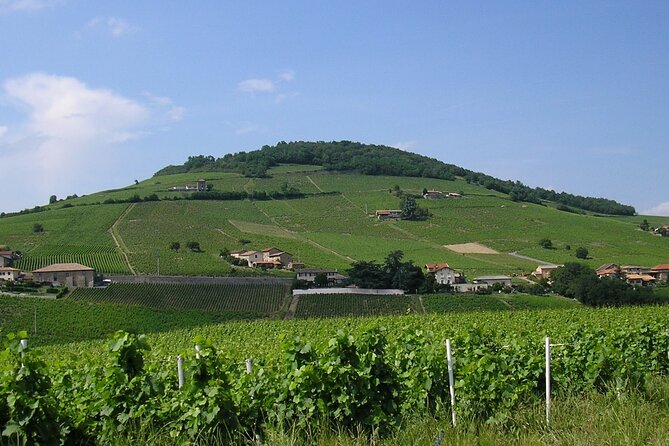
The route north of Lyon is part of the pleasure. You pass through the Beaujolais Wine Route and see areas connected with Morgon, Fleurie, and Juliénas. This is not a long vineyard walk, so think of the scenery as an important part of the drive rather than a separate hiking stop. The views give you a useful sense of place before the glasses arrive.
More food tours in Lyon:
- Food Tour in Lyon – A Full Taste of France by Do Eat Better
★ 5.0 · 603 reviews - Lyon Old Town Food Tour with 6 French Delicacies & Fine Wine
★ 5.0 · 575 reviews - Lyon: Vieux Lyon Food Tasting Walking Tour
★ 4.9 · 453 reviews
Château de Pizay turns wine study into a game
The first stop is Les Vins du Château de Pizay, where the visit lasts about an hour and admission is included. The chateau setting and gardens provide a polished opening to the morning, but the real focus is the oenosensory lesson.
The format uses your senses to explain why wine tastes and feels the way it does. You move through stations with a glass and a quiz or testing sheet, learning about subjects such as acidity, tannin, sweetness, aroma, and the effects of winemaking. You may smell, taste, look at, and feel your way through the exercise rather than simply listen to a lecture.
For a beginner, this is the most useful part of the first stop. Wine talk can become foggy when it stays at the level of terms, but tasting an example while learning what acidity or tannin does makes the ideas easier to remember. The activity also helps you approach the later tasting with more confidence.
The lesson has a playful side, and you can earn an amateur oenologist diploma. That small challenge gives the stop some energy, particularly if your group enjoys comparing impressions. It is not an advanced wine course, but it is a practical introduction to how professionals describe a glass.
After the tutorial, you taste a broad selection of wines. Some participants have tasted more than a dozen, including white, rosé, and reds from different Beaujolais villages and cru areas. This is a useful correction to the idea that Beaujolais means only one light red wine. You can compare labels and styles rather than drink the same bottle repeatedly.
There is a catch. The tasting here may involve self-service stations, with wine available from spouts rather than a host pouring each sample and explaining it as you go. Some people enjoy choosing their own pace. I understand the frustration if you want a guided discussion of every glass, especially after paying for a wine-focused excursion.
The experience can also feel slightly less personal because the wine tutorial is not always led directly by a winery expert. If you prefer an intimate cellar visit or a long conversation with a vintner, save your expectations for the second stop. Château de Pizay is best understood as a structured learning activity in a handsome setting.
The Beaujolais road explains the wines
Between the wineries, your guide takes you along the Beaujolais Wine Route. The drive is not filler. It connects the wines in your glass with the villages and slopes that produce them.
Morgon, Fleurie, and Juliénas are among the better-known names you may pass through. The exact balance of commentary depends on traffic, timing, and your guide, but strong guides explain the region’s grape growing, soil, and village distinctions. One guide may focus on Lyon’s past, another on wine production, and another on how local families protect old methods while adapting to modern business needs.
The area is especially useful for anyone who has only tried basic Beaujolais or Beaujolais-Villages. Most of the reds are based on Gamay, so you should not expect a tasting dominated by heavy Cabernet Sauvignon or deeply oaked wines. The style is often fruit-forward and fresh, with differences shaped by village, soil, and production choices.
That point matters when judging the wines. If you prefer full-bodied reds, you may find the selection too light or youthful. If you like bright, distinctive wines and want to understand a region through several examples, the range is more rewarding. The tasting may also include white and rosé, adding some welcome variety.
The drive offers attractive countryside views, but do not book this as a vineyard walking tour. The schedule is tight, and the main stops focus on tasting and instruction. You get glimpses of the grounds and vines, with photo opportunities, rather than a long exploration of each estate.
A family winery brings the personal touch
The second stop is a family winery in Beaujolais, with about an hour set aside for the visit. This is where the tour often feels most connected to working wine country.
You meet the winemaker or owner and taste estate wines while hearing how the family makes and sells them. The setting may be smaller and less polished than Château de Pizay, but that is part of its appeal. The conversation can feel direct, and the person pouring your wine has a personal stake in the soil, the cellar, and the reputation of the estate.
The cellar visit is especially valuable when available. A family producer can explain the process from grape to bottle, show how soils affect the result, and discuss the balance between tradition, land care, and business needs. This gives you the human side of Beaujolais that an interactive exhibit cannot fully provide.
One stop has been described as a beautiful hilltop estate in Fleurie, with a viticulture history reaching back to the 1500s. The exact producer can vary, so you should not assume every departure includes that same property. Still, the format is consistent: a smaller winery, direct contact with the maker, and a more guided tasting than the self-service portion at Pizay.
The contrast between the stops is the tour’s strongest design choice. The first teaches you how to notice wine. The second shows you how wine is made and why a family cares about the result. Together, they give you both a basic framework and a personal story.
The limitation is time. An hour passes quickly once you include introductions, tasting, questions, and transport. If your main goal is a full cellar tour, vineyard walk, and long producer conversation, you will want a longer wine excursion. This half-day format gives you a taste of the region, not a complete study of it.
More wine tours in Lyon:
- From Lyon: Golden Stones Beaujolais Wine Tasting Tour
★ 4.7 · 387 reviews - Taste Wine in Lyon: Burgundy, Beaujolais, Rhône, and more
★ 5.0 · 211 reviews - Guided tour and wine tasting Northern Rhône Valley
★ 5.0 · 198 reviews - Cultural Food & Wine Tour, in the famous Halles Bocuse
★ 5.0 · 166 reviews
Is $119.48 a fair price?
At $119.48 per person, the tour is not the cheapest way to drink Beaujolais. You are paying for the minivan, driver-guide, winery admissions, tastings, and the convenience of reaching the countryside without renting a car.
The value is strongest if you are staying in Lyon and want an efficient introduction to the area. Driving yourself would mean navigating rural roads, arranging tastings, and making sure nobody in your party drinks beyond a safe limit. The small group and included transport remove much of that work.
The price is less compelling if you want lunch, extensive vineyard time, or a highly formal tasting led by a winery specialist at every stop. Lunch is not included, and the four-hour schedule does not leave room for a restaurant meal. You also need to bring a reusable water bottle, since bottled water is no longer provided. You can refill it during the outing.
The rating of 4.6 from 62 evaluations fits the experience well. The most consistent strengths are the guides, the beautiful drive, the two contrasting wineries, and the hands-on education at Pizay. The weaker points are the self-guided first tasting, limited time at the estates, and the fact that Gamay-based wines may not suit every palate.
Who will enjoy this four-hour outing?
I would recommend it to a first-time Beaujolais visitor based in Lyon, especially if you do not have a car. It suits curious beginners because the sensory stations give you a simple way to talk about wine without pretending you already know the vocabulary.
It also works for couples or solo visitors who enjoy meeting a small group. Several guides, including Rachel and Clémence, have been praised for warmth, organization, and clear explanations. A good guide adds local stories during the drive and makes the minivan time feel like part of the visit.
This is also a good choice if your schedule is crowded. Starting at 9:00 am and returning after roughly four hours leaves an afternoon for Lyon’s museums, markets, or old town. The tour is offered in English and confirmation arrives at booking.
The age range is listed as 12 to 99, but the alcohol rule is important. In France, people under 18 cannot consume alcohol, and legal guardians must ensure compliance. A young person can accompany the group, but the tasting is for the adults.
You may want another format if you are a serious wine collector, already familiar with Beaujolais crus, or eager to spend a full day with one producer. You may also be disappointed if you expect long walks through vineyards or a substantial meal in the countryside.
Practical details that affect your day
Wear shoes suitable for winery grounds, though the experience is not described as a strenuous walk. Bring a reusable water bottle, since bottled water is not supplied. It is also wise to eat before departure because lunch is not included.
The tour is shared, with no more than eight participants. That number can make a big difference: if the group is full, you will have less personal time with the guide than a two-person departure, but the minivan remains far more manageable than a large bus.
The meeting point is central Place Bellecour, and the tour returns there. Hotel pickup and drop-off are not included. Public transportation is nearby, which makes reaching the departure point fairly straightforward.
Free cancellation is available if you cancel at least 24 hours before the 9:00 am start. Changes or cancellations made later are not accepted for a refund. The cutoff uses local time, so check the clock carefully if you are booking close to departure.
Should you book the Beaujolais half-day tour?
Book it if you want a practical first look at Beaujolais without giving up a full day in Lyon. The combination of an interactive lesson at Château de Pizay, a more personal family winery, scenic village roads, and a small group makes the experience easy to fit into a city break.
Go in expecting a tasting class and countryside introduction, not a long cellar expedition. The first stop may feel impersonal to anyone who wants a host at every bottle, and Gamay-heavy wines will not suit every palate. If those limits sound acceptable, the tour offers a useful, friendly way to understand why Beaujolais is more varied than its reputation suggests.
FAQ
How long does the Beaujolais wine tour last?
The tour lasts approximately four hours, beginning at 9:00 am and ending back at the meeting point in Lyon.
Where does the tour start and finish?
It starts at the Office du Tourisme et des Congrès de la Métropole de Lyon on Place Bellecour, 69002 Lyon, France. It ends at the same meeting point.
How many people can join the tour?
The shared tour has a maximum of eight participants.
Is lunch included?
No. Lunch is not included, so you should plan to eat before the tour or arrange food afterward.
Is bottled water provided?
No. Bottled water is not provided. You can bring a reusable bottle and refill it during the experience.
Can children under 18 drink the wine?
No. Alcohol consumption is forbidden in France for anyone under 18. The stated age range is 12 to 99, but legal guardians must ensure that minors do not drink.
What is included in the price?
The price includes the driver-guide, air-conditioned minivan transport, wine tastings, winery admission where specified, and the shared tour. Hotel pickup and drop-off are not included.
More food and drink in Lyon
- Lyon Old Town Food Tour with Local Specialties Tasting & Lunch
★ 5.0 · 395 reviews - Afternoon Old Town Food tour
★ 5.0 · 340 reviews - Lyon Sunset Food Tour – A Full Taste of France by Do Eat Better
★ 5.0 · 265 reviews - 4h Complete Lyon Experience: E-Bike, Food Tasting & Old Town Walk
★ 5.0 · 228 reviews
Just added in Lyon
- Hameau Duboeuf, 1st theme park on Vine and Wine in Europe★ 4.5 · 63 reviews
- 1 or 2-Hour Pedicab tour of Lyon★ 5.0 · 213 reviews
- Storytelling tour of Old Lyon★ 5.0 · 39 reviews
- Segway – Ride along the rivers 1h30★ 5.0 · 43 reviews
- Lyon Old Town Private Food Tour with 6 French Delicacies & Wines★ 5.0 · 85 reviews
- Rhône Valley Wine Tasting Private Day Tour from Lyon★ 5.0 · 43 reviews
- Northern Rhône Valley Wine tour from Lyon Half Day★ 4.5 · 113 reviews
- Northern Rhône Valley From Lyon Full day★ 5.0 · 150 reviews
Wine Tours, compared.
Authentic Parisian Gourmet Food Tour with 10 Local Dishes & Wines
Read our review →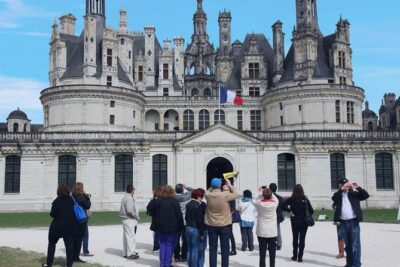
Loire Valley Castles Day Trip from Paris with Complementary Wine
Read our review →
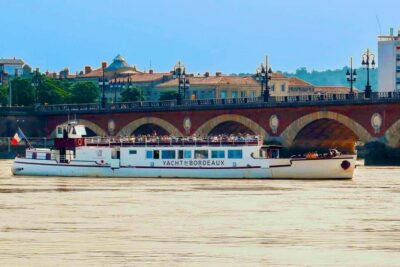
River Garonne Cruise with Glass of Wine and Canelé
Read our review →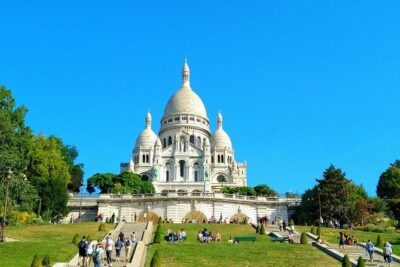
Montmartre Hill French Gourmet Food and Wine Tasting Walking Tour
Read our review →
Montmartre Cheese, Wine & Pastry Guided Walking Tour
Read our review →
Loire Valley Castles Day Trip With Wine Tasting
Read our review →
Afternoon Saint-Emilion Wine Tasting & snack
Read our review →Browse the lists this tour appears in