
Reviewed · PASTRY & CHOCOLATE WORKSHOPS
Paris: Choux Pastry and Chocolate Éclair Making Class
The best part of this Paris class is that you do not simply watch a chef pipe pastry. You make the building blocks yourself: choux pastry, crème pâtissière, and Chantilly, then turn them into chocolate éclairs and cream puffs. That makes the class useful long after your Paris holiday ends.
I like the small group size, which allows instructors such as Stéphane, Florence, and Anne to give individual help. I also like the relaxed tea-and-pastry finish, with French culture stories and a box of your own work to take away. The main consideration is the price: at $151 per person, this is not a casual pastry tasting. It is best value if you want practical baking skills and a hands-on activity.
Key points at a glance
- A real hands-on baking class: You spend about two hours working with choux pastry, crème pâtissière, Chantilly, and piping.
- A small Latin Quarter setting: Le Foodist is at 59 rue Cardinal Lemoine, near Notre-Dame, with groups limited to eight people.
- Several pastries, not just éclairs: You make chocolate éclairs and cream puffs, with some savory pastry work included.
- English instruction with personality: The class combines clear technique with playful stories about French culture and pâtisserie.
- A useful takeaway: You receive printed and electronic recipes in English, plus a box of your own pastries.
- A good choice for mixed skill levels: The class suits first-time bakers, experienced home cooks, teenagers aged 12 and older, and adults.
Why choux pastry makes a good Paris class
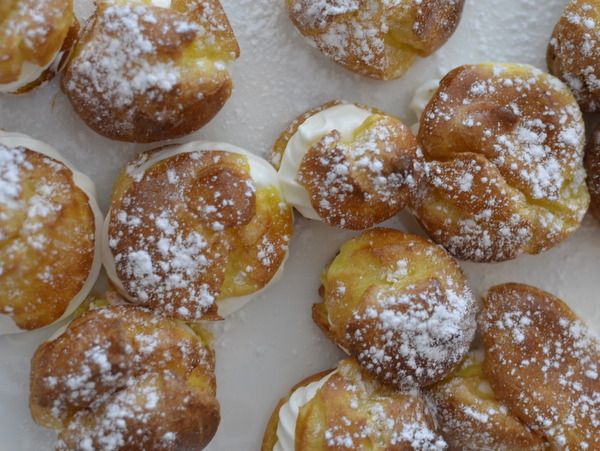
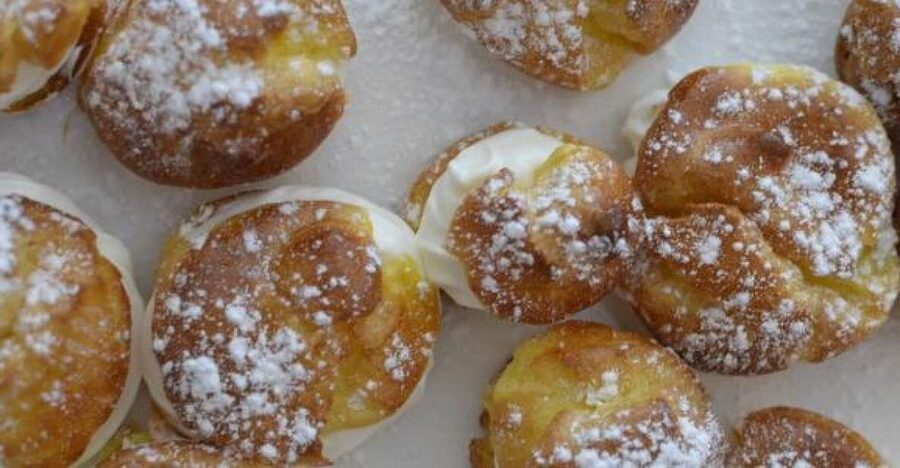
Choux pastry is one of the clever foundations of French baking. It does not rise like bread, and it does not depend on layers of butter like croissant dough. Instead, moisture in the dough creates steam in the oven, giving you the hollow center needed for éclairs and cream puffs.
That makes this class more useful than a simple decoration session. You learn a base that can be filled, piped, shaped, and adapted for several pastries. The same technique can lead to sweet cream puffs, éclairs, and more intricate forms, including the old-fashioned swan shape included in one class experience.
I like this kind of lesson because it explains the why behind the recipe. You are not only copying motions. You are learning how pastry behaves, how to pipe it, and how the cream and pastry fit together.
The class also includes some savory delicacies. The exact savory preparation can vary, but its presence gives you a wider sense of how pâte à choux works beyond dessert. If you already bake at home, this is the part that may give you the most ideas to try later.
Other pastry and chocolate sessions around Paris:
- Paris: Montmartre Cheese, Wine & Pastry Guided Walking Tour
★ 4.8 · 2,255 reviews - Award-Winning Paris French Bakery Experience — Le Marais, 4th Arr
★ 4.5 · 1,186 reviews - Paris: Entrance Ticket to the Chocolate Museum
★ 4.1 · 1,105 reviews
Meeting your instructor at Le Foodist
You meet at Le Foodist, 59 rue Cardinal Lemoine in the Latin Quarter. The location is just steps from Notre-Dame, so it fits neatly into a day spent around the Île de la Cité, the Latin Quarter, or the Seine.
The class is taught in English. Instructors named in the experience include Stéphane, Florence, and Anne. Their teaching style is part of the appeal. Stéphane is described as energetic, patient, and attentive to each person. Florence has taught the full process from scratch and worked comfortably with serious adult cooks, teenagers, and first-time bakers. Anne brings a witty, friendly tone.
That range matters. A pastry class can become frustrating when the chef races ahead or assumes you already know kitchen terms. Here, the small format helps. Groups are limited to eight people, with some sessions described as having only three to seven participants. You get a better chance to ask about dough texture, piping pressure, or filling technique than you would in a large demonstration class.
You begin with a welcome refreshment and introductions. This is a simple start, but it helps the room feel social rather than formal. You can attend with a friend, as a parent and older child, or on your own and still have a built-in activity with the group.
The two-hour pastry lesson
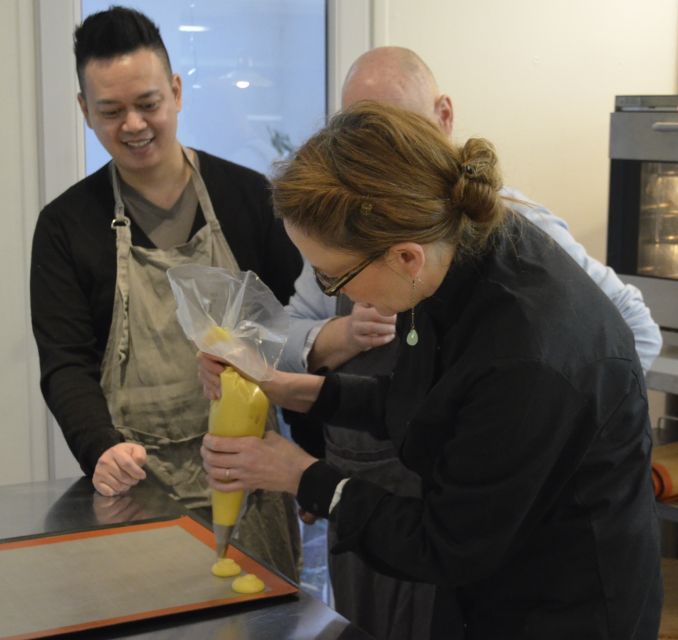
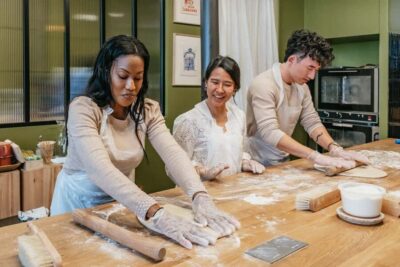
The working part of the experience lasts about two hours within the three-hour class. You roll up your sleeves and follow instructions through the core preparations.
Making pâte à choux
The first major task is pâte à choux. This is the dough used for both éclairs and cream puffs, so small details matter. You learn the basic method, then work toward a dough that can be piped into consistent shapes.
Piping is the key practical skill here. The chef shows you how to handle the bag and apply steady pressure. You then use that skill to form your pastries. It sounds simple, but even pressure and uniform sizing affect how the pieces bake and how easy they are to fill.
This is where individual attention helps most. One person may need help holding the piping bag, while another may need advice on shape or spacing. A group of eight gives the instructor room to correct technique without turning the whole class into a slow queue.
Same base, a different kind of day:
- Paris: Louvre Museum Timed-Entrance Ticket
★ 4.6 · 71,977 reviews - Disneyland® Paris 1-Day Ticket
★ 4.6 · 49,412 reviews - Paris: Versailles Palace and Gardens Full Access Ticket
★ 4.6 · 41,579 reviews - Paris: Evening River Cruise with Music
★ 4.4 · 22,721 reviews
Preparing crème pâtissière and Chantilly
Next come the fillings. Crème pâtissière is the thick pastry cream used in many French desserts, while Chantilly provides a lighter, airy contrast. Learning both gives you two basic tools for future baking.
The class presents these as foolproof techniques, but you still need to pay attention. Custard texture depends on careful preparation, and whipped cream depends on getting the right consistency. The useful thing is that you make the components yourself instead of receiving pre-made fillings.
You also get recipes in English in both printed and electronic form. That is important at home, where the memory of a three-hour class fades quickly. The written instructions give you something to check when you try the pastries in your own kitchen.
Filling and finishing the éclairs
Once the shells and creams are ready, you move to assembly. You fill the pastry and create chocolate éclairs and cream puffs. The class focuses on fundamental French pâtisserie skills, so this is not just a quick frosting lesson.
The finished pastries may not all look identical, and that is part of the fun. The point is to understand the process well enough to repeat it. You leave with better control of piping, a clearer idea of how the filling should work, and the confidence to try again.
If you care about polished presentation, ask questions during the finishing stage. The instructor can help you understand how to make the shapes more even and how to apply the technique at home.
Tea, coffee, and French pastry stories
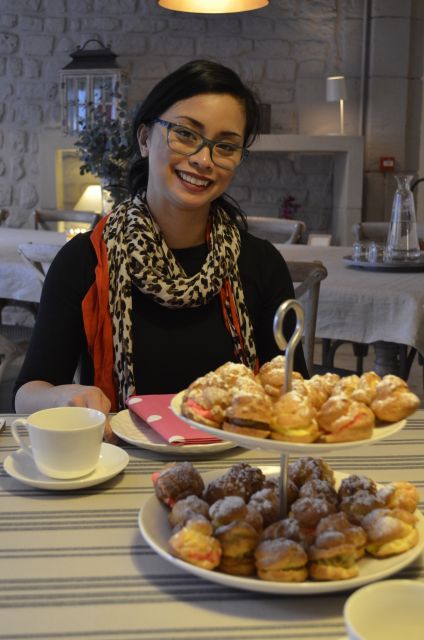
After the baking work, you sit down with tea, coffee, or organic fruit juice and enjoy the pastries. This break gives the class a pleasant rhythm. You work with concentration, then sit and taste what you made while the chef shares stories.
The stories cover French culture and pâtisserie, with a tongue-in-cheek style rather than a formal lecture. That helps explain why this feels like a Paris activity, not simply a cooking lesson transported to France. You get food technique, conversation, and a bit of French social style in one sitting.
The tea-time finish is also practical. You can taste the pastry while it is fresh, compare results with the group, and ask final questions. Some of the pastries are packed for you to take home, so you do not need to eat everything on the spot.
What you take home
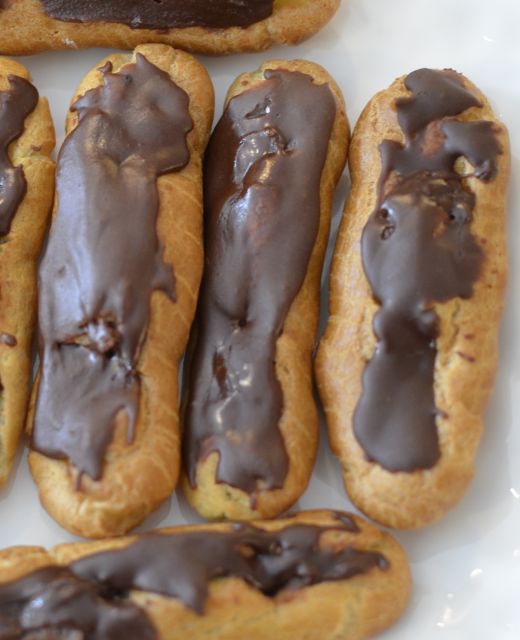
You leave with a box of your own pastries. That is a stronger souvenir than another small object in your suitcase, though you need to handle it with care.
The box is meant to share with friends and family, or to keep for yourself over the next couple of days. The exact quantity is not specified, so I would not book this expecting a fixed number of éclairs. Think of it as a generous sample of the work you complete in class.
The recipes are the lasting part. The hard copy is handy during a future baking session, while the electronic copy is easy to store and reference. Since the class covers several basic preparations, the value is not limited to one dessert.
You also use the kitchen equipment and an apron during the lesson. You do not need to bring baking tools, which makes this easy to fit into a sightseeing day.
Is $151 a fair price?
At $151 per person, this is a premium activity. You are paying more than the ingredients alone. The cost includes a three-hour session, an English-speaking pastry chef, use of equipment, an apron, recipes, refreshments, tea-time conversation, and pastries to take home.
The strongest value comes from the small group. A large class may offer a lower rate, but you often get less direct correction when piping or preparing cream. Here, the group cap of eight supports a more personal lesson, especially for beginners.
The price also makes sense for someone who wants a skill rather than only a meal. If you are mainly looking for a quick French dessert and a photograph, $151 may feel high. If you want to recreate éclairs at home and understand the technique, the recipe copies and instruction add real value.
I would compare it with other Paris baking classes based on the pastry focus. Croissant and macaron classes teach different skills. This one is the better fit if you want filled pastries, piping, and choux dough rather than laminated dough or almond-based cookies.
Who should book this experience?
This class works well for first-time bakers. The instructors explain the process from scratch, and the small group format gives you room to ask basic questions without slowing down a large crowd.
It also suits serious home cooks. You may already know how to follow a recipe, but the class can help with consistency, piping, pastry cream, and the practical reasons behind each step.
Families should read the age rules carefully. Children under 12 cannot enter the kitchen and cannot participate. Children aged 12 to 16 must be accompanied by an adult who is also participating. This is not a drop-off activity, and only participants may enter the kitchen.
Couples and friends will find an easy shared activity here, but you do not need a companion. The format gives solo participants a natural way to meet others while working at the same tables.
This is also a good rainy-day plan. It gives you three indoor hours near Notre-Dame and leaves you with something you made, not just something you saw.
Practical timing and planning advice
The class lasts three hours, with starting times that vary by date. Check the available session before you build your sightseeing plan around it.
Allow time to reach 59 rue Cardinal Lemoine and arrive ready to begin. The venue is in the Latin Quarter, so you can pair the class with nearby sights, but do not schedule a tightly timed museum entry immediately afterward. Baking involves several stages, and the tea and tasting period is part of the experience.
Wear something comfortable for kitchen work. An apron is provided, but pastry work can still be messy around the hands and sleeves.
The activity is offered in English. That makes the technical instruction clear for English-speaking participants, while the cultural stories add a French touch without requiring you to follow a lesson in French.
You can reserve now and pay later, and cancellation is free up to 24 hours in advance for a full refund. Those terms help if your Paris schedule is still shifting, but always check the available booking conditions for your chosen date.
The strongest reasons to choose it
The highest praise belongs to the teaching. Stéphane is noted for being clear, energetic, patient, and willing to give personal attention. Florence is praised for guiding mixed groups through the process from scratch, and Anne is remembered for wit and warmth.
The pastries themselves are another major strength. The class does not stop at watching a demonstration, and the finished éclairs and cream puffs are part of the reward. You also get extras to carry away.
The organization matters, too. A clean kitchen, clear instructions, and a well-paced class make a big difference when you are working with unfamiliar techniques. The best cooking class is not the one with the fanciest menu. It is the one where you can keep up and understand what you are doing.
The main weakness is simply the cost. You should also know that you will spend much of the class standing and working in a kitchen. If you want a quiet food tasting or a short demonstration, choose another Paris activity.
Should you book this choux pastry class?
Book it if you want to learn a French pastry skill in a small English-speaking class, especially if éclairs and cream puffs appeal to you more than croissants or macarons. It is a particularly good pick for first-time bakers, food-focused couples, parent and teen pairs, and home cooks who want reliable techniques.
Skip it if $151 feels too high for a cooking activity, if you have no interest in baking at home, or if your schedule cannot spare three hours. For everyone else, the combination of hands-on work, personal instruction, tea-time stories, recipes, and a box of pastries makes this one of the more useful food experiences near Notre-Dame.
FAQ
Where does the choux pastry class take place?
The class meets at Le Foodist, 59 rue Cardinal Lemoine, 75005 Paris, in the Latin Quarter near Notre-Dame de Paris.
How long does the class last?
The full experience lasts three hours. About two hours are devoted to hands-on work with the pastry and creams.
What pastries do I make?
You make chocolate éclairs and cream puffs. The class also covers pâte à choux, crème pâtissière, Chantilly, piping, and some savory delicacies.
Is the class taught in English?
Yes. The instructor language is English.
How many people are in the group?
The group is limited to eight participants. Some sessions may have between three and seven people.
Are recipes included?
Yes. You receive both a printed copy and an electronic copy of the recipes in English.
Do I need to bring cooking equipment?
No. The class provides the cooking equipment and an apron.
Do I take pastries home?
Yes. You receive a box containing pastries you made during the class.
Can children participate?
Children under 12 cannot enter the kitchen or participate. Children aged 12 to 16 must be accompanied by an adult who is also participating.
Can I cancel the booking?
You can cancel up to 24 hours in advance for a full refund. The activity also offers a reserve-now, pay-later option.
Just added in Paris
- Private Transfers in Paris★ 5.0 · 75 reviews
- Disneyland® Paris 1 Day Ticket with Transport from Paris★ 3.5 · 302 reviews
- Personalized Transport service from Disneyland to Paris★ 5.0 · 63 reviews
- CDG – Euro Disney – CDG Two Way Private Shuttle Transfer★ 5.0 · 233 reviews
- Monet’s Gardens & House-Private Giverny Tour From Paris★ 4.5 · 137 reviews
- Giverny Monet House and Gardens Skip the line Walking tour★ 4.0 · 217 reviews
- Guided tour Monet’s house and gardens/small group★ 4.5 · 68 reviews
- Monet’s House and Garden & Giverny Village★ 4.5 · 39 reviews
Pastry & Chocolate Workshops, compared.
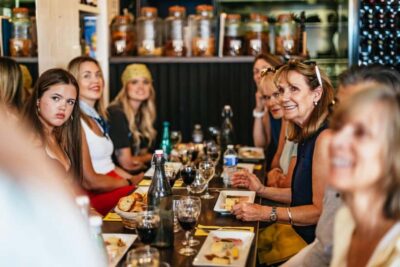
Montmartre Cheese, Wine & Pastry Guided Walking Tour
Read our review →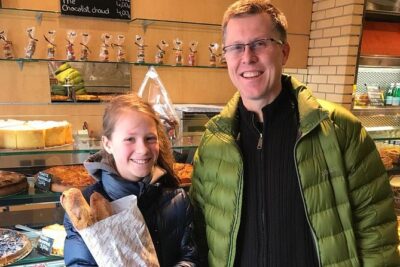
Award-Winning Paris French Bakery Experience — Le Marais, 4th Arr
Read our review →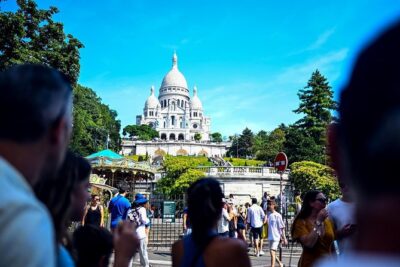
Private Montmartre Food Tour with Wine, Cheese & Pastries
Read our review →
Paris French Sweets Tasting Tour with Pastries and Chocolates
Read our review →
Paris Croissant Small-Group Baking Class with a Chef
Read our review →
Browse the lists this tour appears in