
Reviewed · CHAMPAGNE TASTINGS
From Paris: Small-Group Champagne Tour with 3-Course Lunch
The best part of this day is the contrast between a famous Champagne house and a small family producer. One gives you scale, polished visitor facilities, and miles of underground cellars. The other puts you close to the people, vineyards, and hands-on work behind the bottle. I especially like the hotel pickup and the chance to taste in more than one setting, including a blind tasting near the vines.
I also like the three-course French lunch, which turns the day into more than a string of cellar tours. The drawback is simple: this is a long day, with roughly four hours on the road between Paris and Champagne. Lunch can feel rushed when the schedule is tight, and drinks beyond the included tasting program cost extra.
Key points at a glance
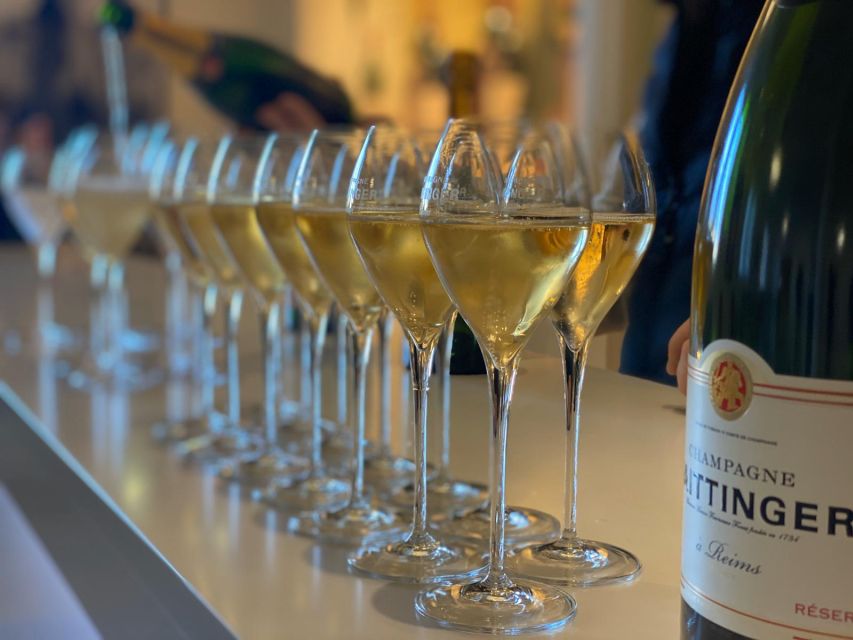
- Two sides of Champagne: Compare a large producer such as Moët & Chandon, Veuve Clicquot, Taittinger, Mercier, or Nicolas Feuillatte with a smaller estate.
- Up to six glasses included: Tastings cover different styles, with lessons on Blanc de Blancs, Blanc de Noirs, rosé, Grand Cru, Premier Cru, and terroir.
- A proper French lunch: Enjoy a three-course meal at a local restaurant, though beverages are not included.
- Personal guiding: Guides such as Sebastian, Tomer, Max, TJ, Arthur, and Hugo have been praised for their humor, local knowledge, and care with timing.
- Easy from Paris: Pickup and return at your hotel or accommodation removes the need to manage trains, taxis, and winery reservations.
- A full 11-hour outing: Expect a rewarding but demanding day, with cold cellar rooms and plenty of time in a van.
Why this Champagne day trip works
Champagne is not just a drink. It is a protected wine region with its own villages, grape varieties, cellar traditions, and ranking system. This tour gives you a useful introduction without asking you to plan a complicated day from Paris.
You travel to Épernay and the Marne area with a driver-guide, then move between a major house, a smaller producer, a restaurant, and vineyard viewpoints. That variety matters. A tour focused only on a grand brand can feel polished but distant. A tour focused only on a small grower may leave you wondering how Champagne became a worldwide industry.
Here, you get both angles. The large house helps you understand production at scale. The smaller estate shows how local producers work with their own grapes, cellars, and family traditions. I find that comparison far more useful than tasting six similar wines in one room.
The experience is also shaped by the guide. Names appearing regularly in the tour’s guiding team include Sebastian, Tomer, Max, TJ, Thomas, Arthur, Hugo, and Alex. The strongest descriptions of the day focus on guides who explain the region clearly, keep the group on time, stop for photographs, and add small touches such as a sabering demonstration or an unexpected viewpoint.
The group format can change. Private and small-group departures are available, so check the option you are booking. A small group is a good fit if you want conversation and a less formal day, while a private departure offers more room for personal requests when timing allows.
Other champagne houses to visit from Paris:
- Champagne Day Trip with 6 Tastings, Reims and Winery from Paris
★ 5.0 · 902 reviews - Paris Seine River Champagne Tasting Cruise
★ 4.5 · 652 reviews - French Wine and Champagne Tasting in Paris
★ 5.0 · 622 reviews
The ride from Paris to Épernay
Pickup from your hotel or accommodation makes the morning much easier. You do not need to find a train station, arrange a taxi in Épernay, or work out how to reach a winery in the countryside. The air-conditioned minivan is especially useful for a day that includes several stops and tastings.
The drive to Champagne takes about two hours, depending on traffic and the day’s schedule. That is the first practical warning: this is not a quick side trip. You spend a fair part of the day on the road, but the direct transport lets you cover places that would be awkward by public transportation.
Your guide provides context along the way, including information about the Champagne region, its grape varieties, and the effect of soil and location on the wine. Guides such as Benoit have also added historical details during the drive, making the transfer feel less like dead time.
Bring water, even though bottled water is included, and pace yourself with the tastings. The day includes food, but one past participant found the lunch portions too small for the amount of alcohol served. That is a useful reason to eat a solid breakfast and take the meal seriously.
Épernay and the famous champagne houses
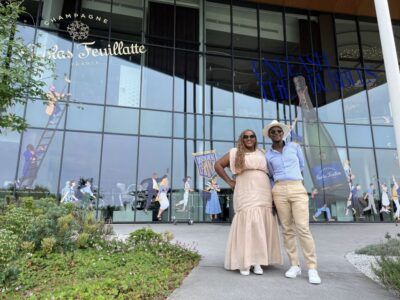
The first major stop is generally Épernay, one of the key towns of Champagne. A guided visit to a well-known house may include Mercier, Nicolas Feuillatte, Veuve Clicquot, Taittinger, Moët & Chandon, Boizel, or another established producer. The exact house depends on availability, so contact the operator before booking if one particular brand matters to you.
This uncertainty is worth understanding. You are booking the Champagne experience and the structure of the day, not a guaranteed visit to Moët & Chandon or Veuve Clicquot. Several people enjoyed the major houses they visited, including Moët, Veuve Clicquot, Mercier, Taittinger, Pommery, and Nicolas Feuillatte, but the selection can change.
Inside, you learn how the house presents its wine and how production works on a large scale. The cellars are a major part of the visit. Expect cool, damp conditions, so bring a jacket or second layer even in warm weather.
The large house is useful for seeing the business side of Champagne. Production, storage, branding, exports, and visitor presentation all become easier to understand. A visit to a large producer also gives you a clear baseline before you taste the wines of a smaller estate later.
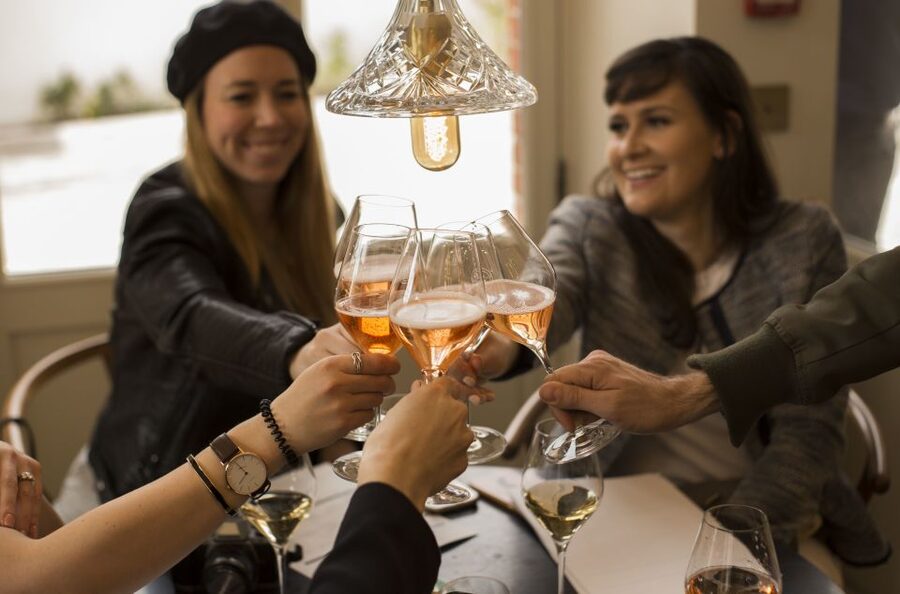
The tasting usually includes several styles or cuvées. You may begin to notice how Blanc de Blancs, made from white grapes, differs from Blanc de Noirs, made from dark grapes, even when the finished wine is pale. Rosé Champagne gives you another point of comparison.
Some people use free time in Épernay for photographs or to visit a famous house shop. One person made time to stop at Moët & Chandon for pictures and a bottle even though the scheduled house was elsewhere. Such extras depend on the day, so do not count on a long shopping break.
A three-course lunch with a local focus
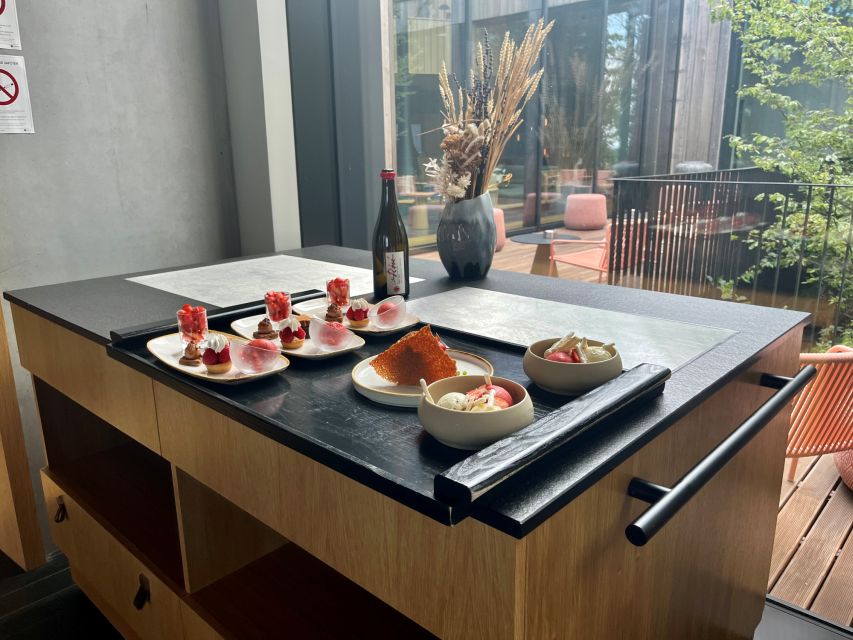
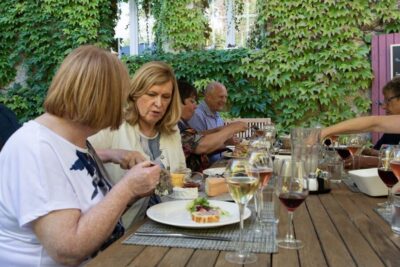
Lunch is included at a local restaurant and usually lasts about 90 minutes. This is more than a convenient pause between tastings. It gives you a chance to connect Champagne with French food, rather than treating the region as a place devoted only to sparkling wine.
The exact restaurant can vary. Past meals have been described as delicious, generous, and full of regional products, while one meal was considered only average and another felt rushed. That range is important. The lunch is a valuable part of the package, but it is not a fixed restaurant menu that you can evaluate in advance.
Soft drinks, alcoholic drinks, and still or sparkling bottled water at the restaurant are not included. Champagne may be served with the meal in some arrangements, but you should budget for any additional beverages. At $411 per person, the price feels strongest when you value the included meal, transport, cellar admission, and guide service together.
I would not choose this tour if you want a long, leisurely lunch with time for several courses and conversation. The day has a lot to fit in. If you prefer seeing more of the region and accept a brisk pace, the lunch works well.
Same base, a different kind of day:
- Paris: Louvre Museum Timed-Entrance Ticket
★ 4.6 · 71,977 reviews - Disneyland® Paris 1-Day Ticket
★ 4.6 · 49,412 reviews - Paris: Versailles Palace and Gardens Full Access Ticket
★ 4.6 · 41,579 reviews - Paris: Evening River Cruise with Music
★ 4.4 · 22,721 reviews
Vineyards, the Marne Valley, and the blind tasting
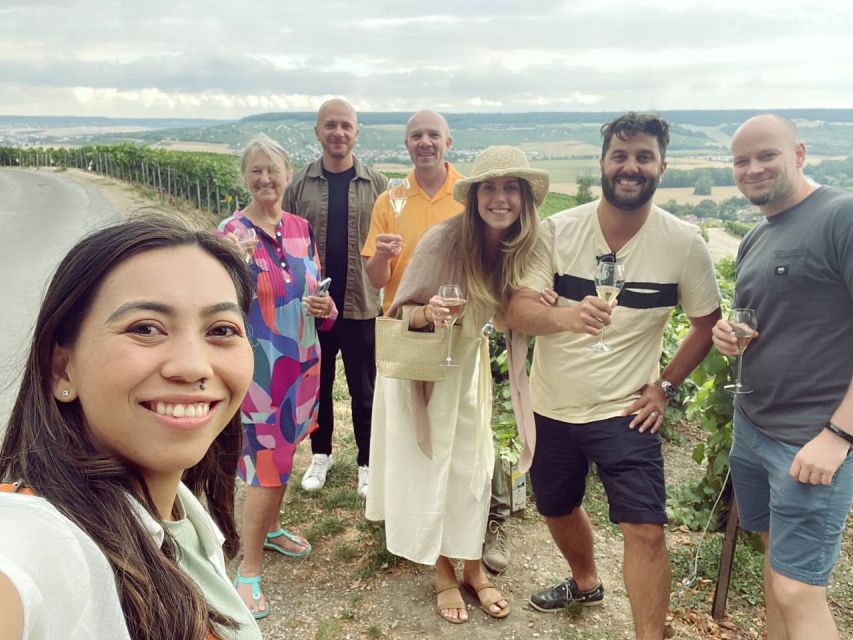
After lunch, the tour moves into the countryside around the Marne. This is where the day feels less like a standard branded wine visit and more like a regional excursion.
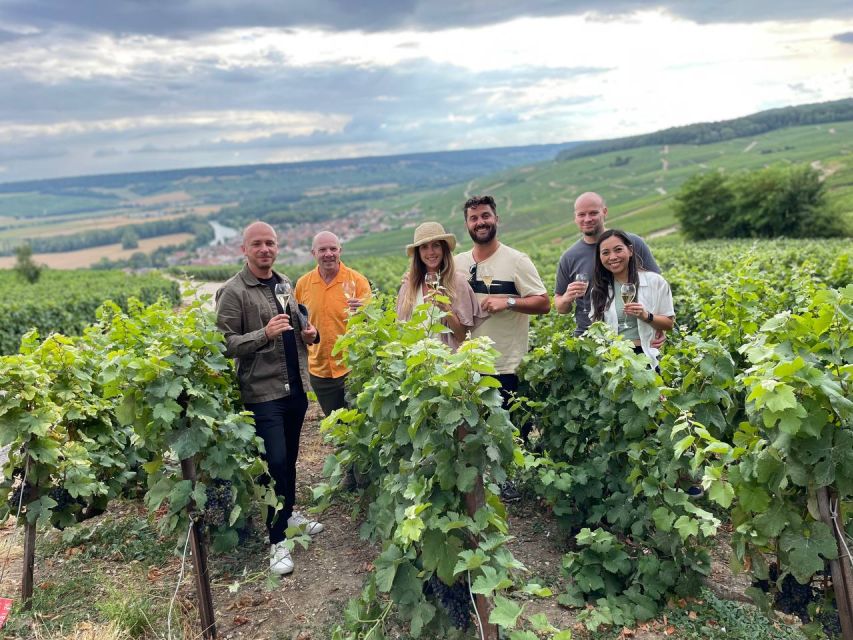
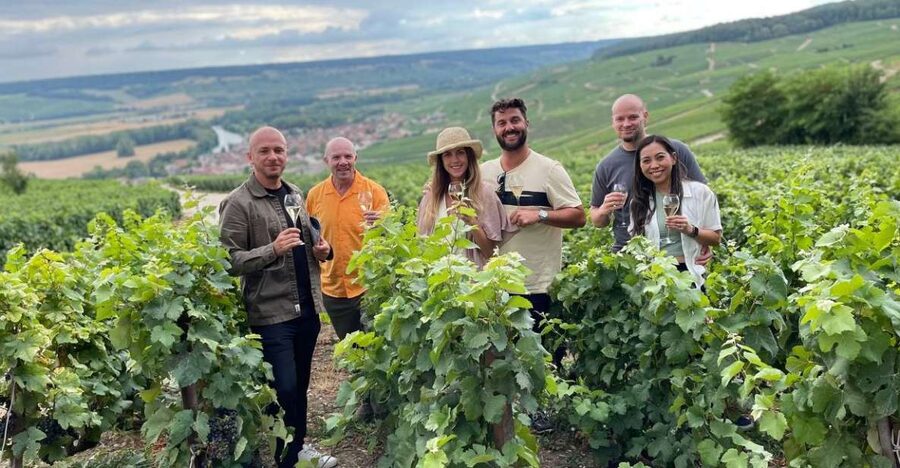
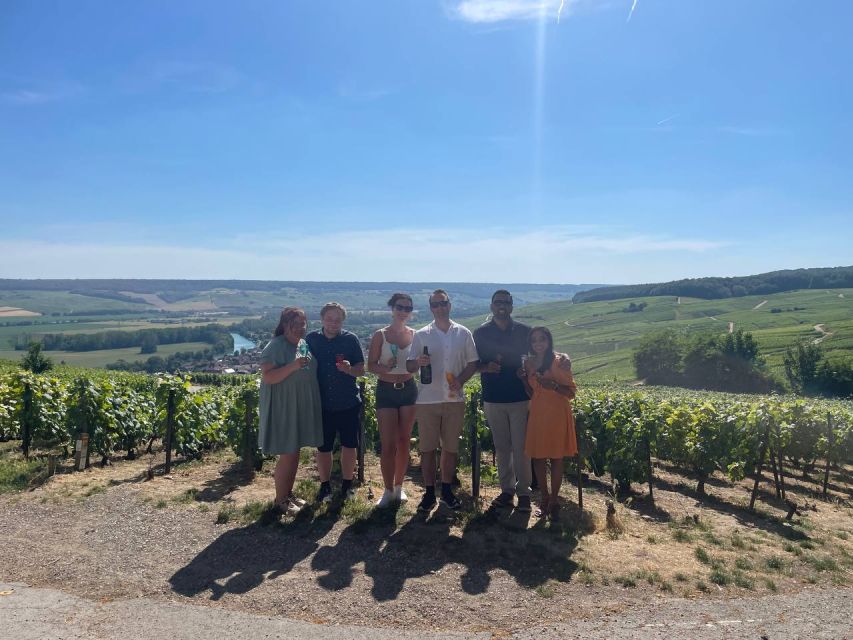
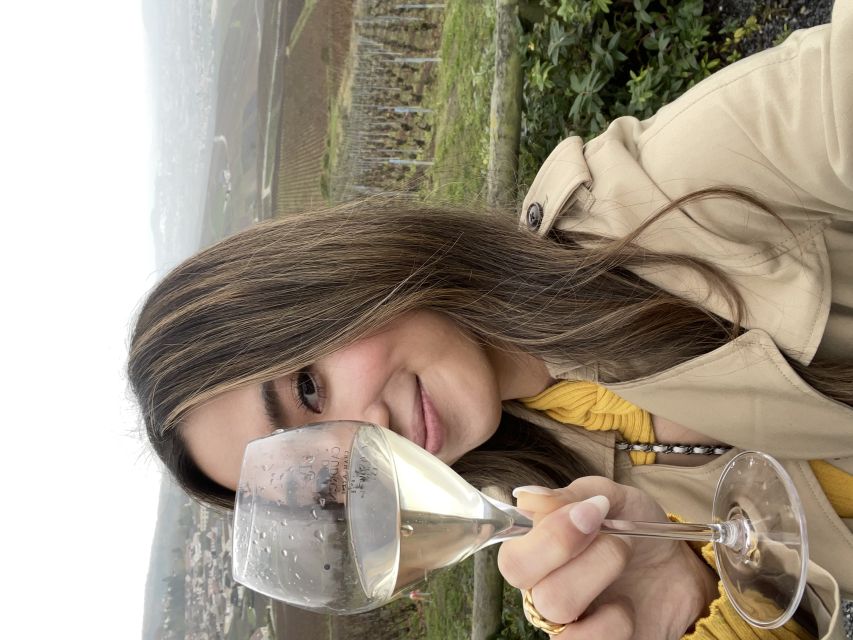
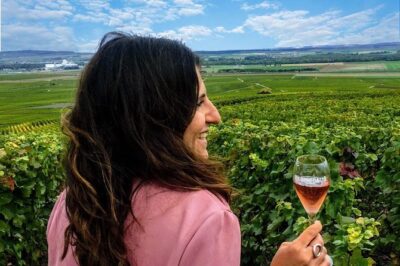
You may stop near the vines for photographs while your guide explains grape varieties, terroir, and the difference between Grand Cru and Premier Cru classifications. The views help make the technical details concrete. You can see how much of Champagne remains agricultural, even though the drink carries a global luxury image.
The schedule may include a viewpoint or hillside stop for a blind tasting. This is a clever teaching method. Instead of choosing a bottle based on its label, you taste first and compare aroma, texture, sweetness, and finish. The guide may ask you to identify differences between styles, which turns a formal lesson into a relaxed group activity.
A sabering demonstration has also been included on some departures. Opening a bottle with a saber is a party trick, but it adds a playful moment after the more structured cellar tours. It is not the reason to book the tour, yet it can become one of the day’s most memorable details.
The visit to the vines is not guaranteed. Weather and the timing of the two house visits can make it impossible, and the order of stops may change. Keep that in mind if vineyard photos are your top priority.
The smaller estate and the human side of Champagne
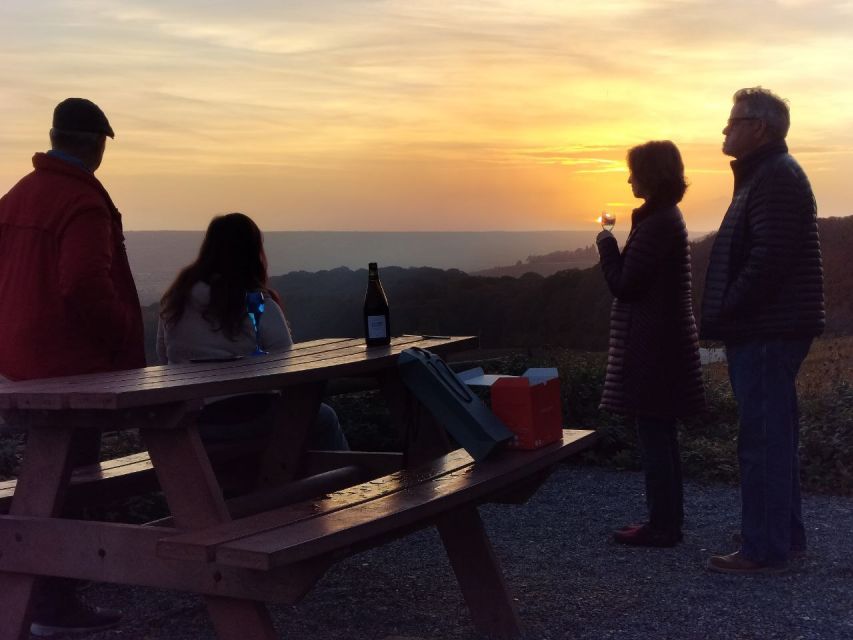
The smaller producer is often the most personal stop. Instead of seeing a large operation designed for thousands of visitors, you may meet people connected directly to the estate and hear how their Champagne is made and sold.
This is where the differences between a major house and a local producer become clear. A small estate may offer a more intimate explanation of the production process, a tighter range of wines, and a stronger link between the bottle and the particular village or vineyard. Availability varies, so the exact estate is not fixed, but the tour is designed to include this contrast.
Some departures have included Le Clos Corbier, Dom Caudron, and other local houses. At Le Clos Corbier, the tasting has included interactive elements and games. Other small producers have served lunch or offered bottles that are difficult to find outside the region.
This stop is particularly good for anyone who wants to understand that Champagne is not only a collection of famous labels. Growers and smaller estates are part of the region’s identity, and their wines can show a different balance of fruit, acidity, dosage, and vineyard character.
The smaller house can also feel less predictable than the famous brand. Facilities may be simpler, and the visit may depend more on the people present that day. I see that as part of the appeal, but it is worth knowing if you expect a highly polished museum-style presentation at every stop.
What the tasting program teaches you
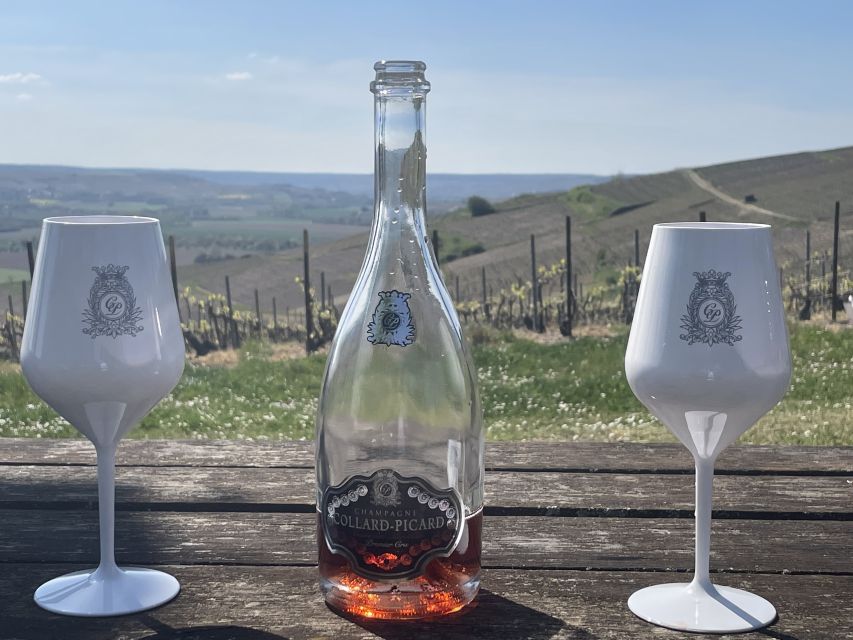
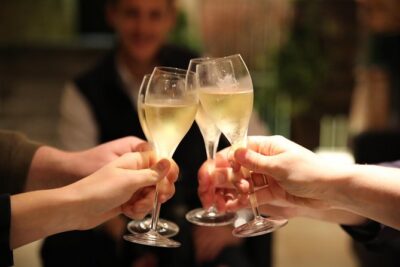
The tour includes up to six glasses of Champagne, along with the cellar visits and explanations. Some departures have included more than six tastes or additional drinks, but you should treat six as the included amount rather than assume extra pours.
By the end, you should have a working understanding of several key terms:
- Blanc de Blancs: Champagne made from white grapes, often associated with a lighter, more citrus-led style.
- Blanc de Noirs: Champagne made from dark-skinned grapes, usually offering a fuller or more structured character.
- Rosé Champagne: A pink style that can show different fruit and texture from white Champagne.
- Grand Cru and Premier Cru: Classifications linked to vineyard villages and their standing within the Champagne system.
- Terroir: The combined effect of soil, climate, aspect, and local growing conditions.
You do not need advanced wine knowledge to enjoy this. The guide’s job is to give you enough information to taste with purpose, not to turn lunch into a lecture. A blind tasting in the countryside can help you remember the differences better than a long technical explanation.
The most useful habit is to slow down. Take notes if you want to compare bottles later, and do not feel obliged to finish every glass. Six tastings over a full day can add up quickly.
Is $411 a fair price?
The price is $411 per person, which is a serious expense for a day trip. You are paying for roughly 11 hours, hotel pickup and return, air-conditioned transport, a driver-guide, a major-house cellar tour, a smaller winery visit, up to six glasses, bottled water, and a three-course lunch.
Compared with arranging the same day alone, the value comes from the logistics. You would need to reach Champagne, reserve visits at houses with different schedules, arrange transport between Épernay and rural estates, find a restaurant, and make sure you can return to Paris after several tastings. The included driver also removes the need to drive after drinking.
The price is easier to justify for first-time visitors who want a broad introduction in one day. It is less attractive if you already know Champagne well, plan to spend several nights in the region, or prefer choosing every producer yourself.
Private departures cost more in many tour settings, but the supplied details do not give a separate private price. Check the available option before assuming the quoted amount applies to every group type.
Who should book this day?
I would choose this for a couple, family group, or small party that wants Champagne without giving up a Paris hotel base. It suits people who enjoy guided context, tasting comparisons, French food, and countryside stops more than those who want a single brand-focused visit.
It is also a good choice for a special occasion. Guides have helped mark birthdays, mother and daughter trips, and other celebrations with small personal touches. You can ask about special arrangements, but they are not guaranteed.
I would hesitate if you dislike long road days, have limited tolerance for alcohol, or want a slow schedule. The tour is carefully packed, and traffic can affect the timing. You may spend less time at each stop than you would on a multi-day stay in Champagne.
The cellars can be cold and damp, so pack a layer. Wear practical shoes for walking through cellar areas and around the countryside. Start with breakfast, drink water, and remember that restaurant beverages are extra.
FAQ
How long is the Champagne tour from Paris?
The experience lasts about 11 hours, including transportation between Paris and the Champagne region.
Is hotel pickup and drop-off included?
Yes. Pickup and return to your hotel or accommodation in Paris are included. The operator contacts you the day before to confirm the exact location.
Which champagne house will I visit?
The major house is selected according to availability. Possibilities include Mercier, Nicolas Feuillatte, Veuve Clicquot, Taittinger, Moët & Chandon, Boizel, and other famous producers. Contact the operator if you have a specific preference.
How much Champagne is included?
Up to six glasses of Champagne are included, along with the cellar tours and tastings. Additional drinks may cost extra.
Is lunch included?
Yes. A three-course lunch at a local restaurant is included. Restaurant beverages, including soft drinks, alcohol, and still or sparkling bottled water, are not included.
Is the tour available in languages other than English?
The listed live tour language is English. Private and small-group options are available.
Should you book it?
Book this tour if you want the easiest way to compare a major Champagne house with a smaller estate in one full day from Paris. The mix of cellar visits, countryside views, lunch, and guided tastings gives you a useful first look at the region without having to organize the pieces yourself.
Skip it if you want a quiet multi-day wine holiday or a guaranteed visit to one specific brand. For most first-time visitors with one day to spare, the combination of personal pickup, several tasting settings, and guides such as Sebastian, Tomer, Max, and TJ makes the high price easier to understand. Just plan for a long day, bring a jacket for the cellars, and leave room in your schedule for the road home.
Just added in Paris
- Private Transfers in Paris★ 5.0 · 75 reviews
- Disneyland® Paris 1 Day Ticket with Transport from Paris★ 3.5 · 302 reviews
- Personalized Transport service from Disneyland to Paris★ 5.0 · 63 reviews
- CDG – Euro Disney – CDG Two Way Private Shuttle Transfer★ 5.0 · 233 reviews
- Monet’s Gardens & House-Private Giverny Tour From Paris★ 4.5 · 137 reviews
- Giverny Monet House and Gardens Skip the line Walking tour★ 4.0 · 217 reviews
- Guided tour Monet’s house and gardens/small group★ 4.5 · 68 reviews
- Monet’s House and Garden & Giverny Village★ 4.5 · 39 reviews
Champagne Tastings, compared.
Champagne Day Trip from Paris with 8 Tastings & Lunch
Read our review →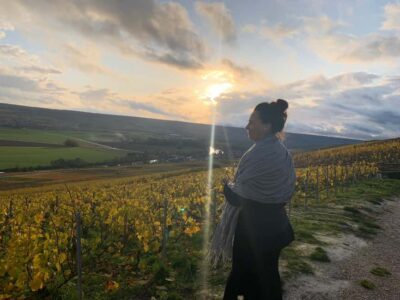
Small Group – Half Day Champagne Tour – Visit of 2 Small Producers/Growers
Read our review →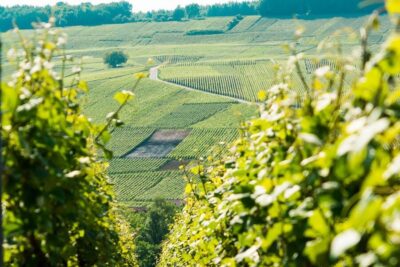
Small-Group Champagne Day Trip with Six Tastings
Read our review →Browse the lists this tour appears in