
Reviewed · CHAMPAGNE TASTINGS
From Reims: Champagne Day Trip to 3 Family Domains & Lunch
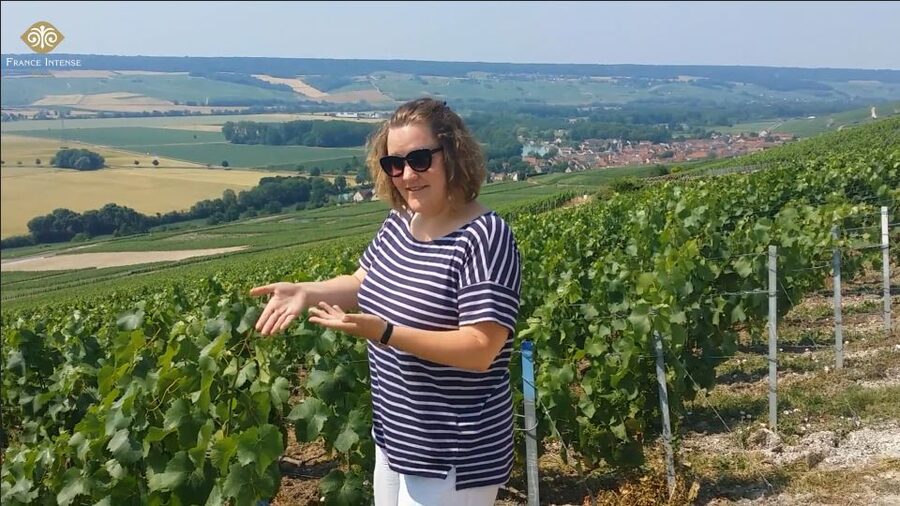
Champagne is best understood outside the grand names on the bottle. This full-day trip takes you from Reims into the Marne Valley, to Hautvillers, Dom Pérignon’s village, and along Épernay’s famous Avenue de Champagne before settling in with three family producers. You get the polished story of Champagne, but also the more personal side of small-scale wine making.
I like the small group of up to eight and the mix of scenery, village stops, cellar visits, and tasting glasses. I also like that the nine Champagne samples are spread across three family estates, giving you a better sense of how different producers can treat the same regional traditions.
The main drawback is the pace. Eight hours covers a lot of ground, and lunch includes a main course rather than a full meal with drinks and several courses. You also need to reach Reims on your own, and this is not a wheelchair-accessible outing.
Key points to know before booking
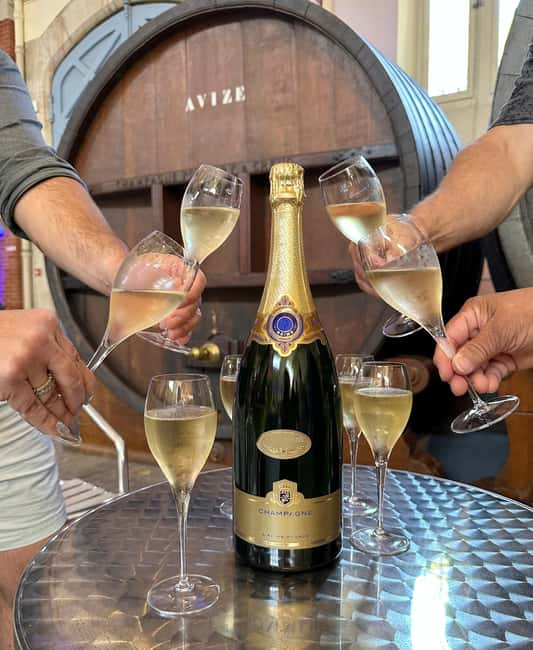
- Three family estates and nine glasses: The focus is on grower-producers rather than only famous corporate houses.
- Hautvillers adds historical context: You visit the village associated with Dom Pérignon and his burial place.
- Épernay gives you the grand Champagne view: The Avenue de Champagne is lined with prestigious names and sits above a huge network of tunnels.
- The guide makes the difference: Radames, Pierre, Pascal, Victor, and other guides have been praised for clear explanations, humor, and local insight.
- Lunch is practical, not elaborate: A main course at a local restaurant is included, but you should not expect a long tasting menu.
- The train connection needs planning: The meeting point is at Reims station, with an early start and a return after 5:45 PM recommended for onward trains.
Why this Champagne day trip works
A Champagne visit can easily become a parade of grand cellars and polished marketing. This outing takes a broader view. You see the famous names in Épernay, but the tastings center on family domains where production, vineyards, and hospitality feel closer to the people who make the wine.
That balance matters. Large Champagne houses explain the scale and prestige of the region. Family estates show you how the same protected appellation can produce very different wines, depending on grapes, blending, cellar work, and the producer’s style.
The group size is another real advantage. With no more than eight people in the van, you can ask questions without trying to speak over a coach party. Guides such as Radames, Pierre, Pascal, and Victor have received especially warm praise for making the day both informative and relaxed. The exact guide is not guaranteed, but the strong pattern is clear: expect a guide who talks about Champagne, local history, and the countryside rather than simply driving between tasting rooms.
At $283 per person, this is not a cheap day out. But the price covers a comfortable van, a live English-speaking guide, three estate visits, nine glasses, and the main course at lunch. Add the time saved arranging transport and appointments, and the cost can make sense if you have only one day in the region.
Other champagne houses to visit from France:
- Champagne Day Trip with 6 Tastings, Reims and Winery from Paris
★ 5.0 · 902 reviews - Paris Seine River Champagne Tasting Cruise
★ 4.5 · 652 reviews - French Wine and Champagne Tasting in Paris
★ 5.0 · 622 reviews
Starting at Reims station
The meeting point is in front of the Tourist Office at Reims Central Station. You should arrive by 9:20 AM, although the supplied instructions also refer to a 9:30 AM meeting time for people already staying in Reims. Confirm the exact pickup time when you book, especially if you are arriving by train.
From Paris, the recommended weekday and Saturday train is TGV 2709, leaving Paris-Est at 8:28 AM and arriving in Reims at 9:14 AM. That connection is tight, so you should not build in any delay. The operator does not accept responsibility for late or canceled trains.
Sunday planning is more complicated. From March through June and September through October, the guide can collect Paris arrivals at 9:00 AM at Champagne-Ardenne station. There is no Sunday morning train connection in July and August, so you should arrive in Reims the previous day.
The return drive reaches Reims after the day’s final tasting. If you are continuing by rail, the recommended train is any departure after 5:45 PM. I would not book an earlier connection. A relaxed end to the day is worth more than saving a few euros on a risky ticket.
Reims, vineyards, and the road to Champagne country
The day opens with a short sightseeing look at Reims, followed by the drive toward the vineyards. The city itself receives only about 20 minutes in the formal schedule, so do not treat this as a full Reims city tour.
That is fine if you have already seen the cathedral and central streets. If Reims is new to you, plan a separate visit for Notre-Dame Cathedral, the old center, and the city’s other Champagne houses. This outing uses Reims as the starting point for the countryside rather than trying to cover every city sight.
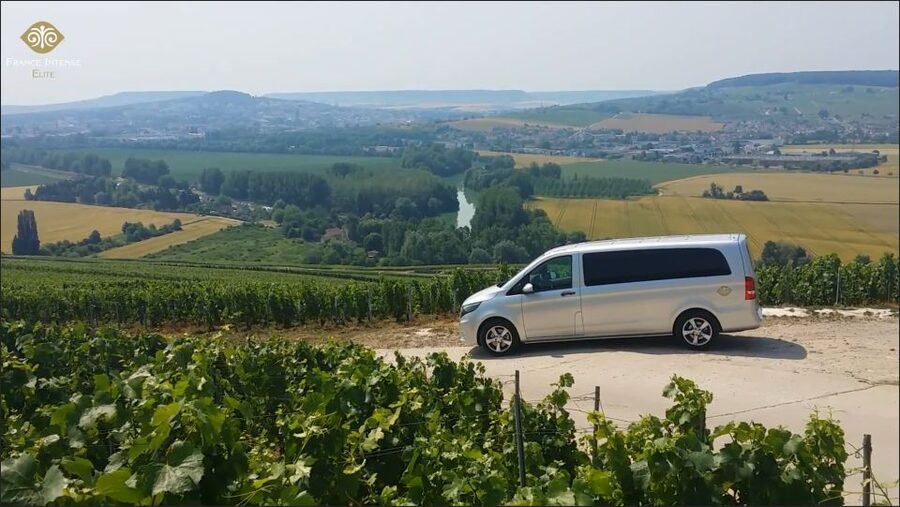
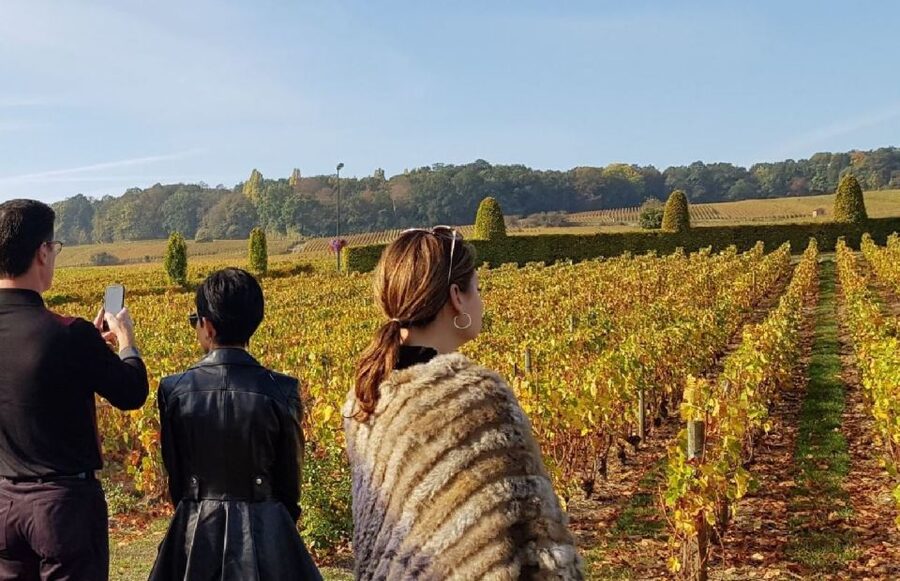
The first drive takes roughly 30 minutes. This is when the route begins to feel different from an urban wine tour. You pass through the Marne Valley and see the villages and slopes that supply the region’s grapes. The scenery changes with the season, and the views across the valley are part of the day’s appeal.
Your guide fills in the basics as you go: how Champagne is made, why blending matters, and how family producers work with grapes from their own vineyards and independent growers. The producer information supplied for this experience notes that the estates supplement their own production through contracts with suppliers working some of the region’s best vineyards. That is useful context because a family label does not always mean every grape comes from one small plot.
The first family estate and the first glasses
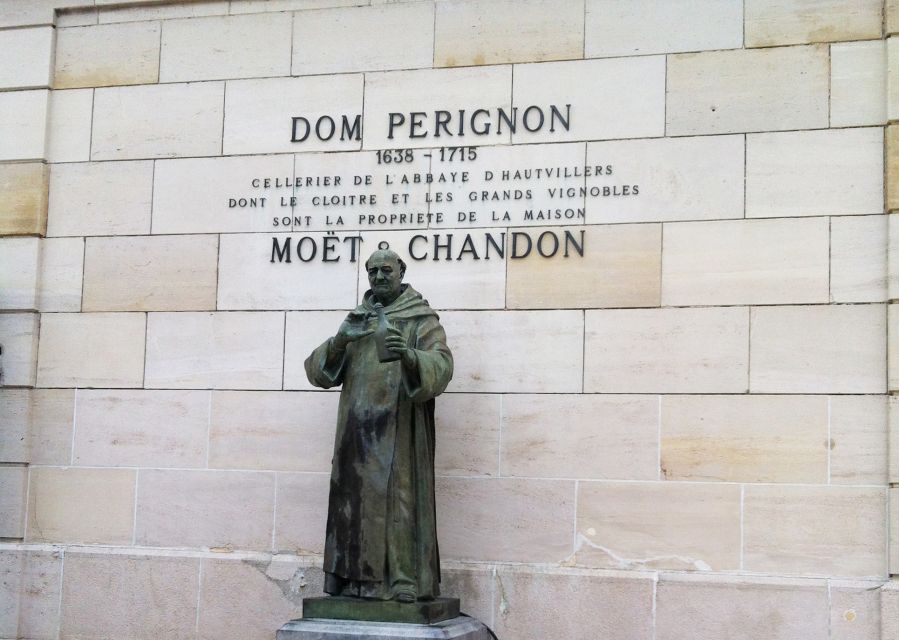
The first estate visit lasts about an hour and a half, including a guided visit and tasting. This is where you begin to connect what you saw from the van with the finished wine in your glass.
The appeal of a family domain is the scale of the visit. You are not simply shown a brand story. You have more opportunity to ask how the producer works, how the wines differ, and what the cellar contributes to the final bottle. The exact estate can vary, but the current format promises three authentic family producers and nine glasses across the day.
Nine tastings is generous. You should pace yourself, eat properly, and use any water offered. Champagne is easy to drink quickly because of its freshness, but the day includes more driving, another guided tasting, and a final estate visit. The point is comparison, not simply quantity.
The first stop is also a good moment to pay attention to your own preferences. Notice if you prefer a leaner style, a richer blend, a more fruit-driven wine, or something with a stronger cellar character. You do not need technical wine training. A few simple observations will help make the later tastings more meaningful.
Same base, a different kind of day:
- Paris: Louvre Museum Timed-Entrance Ticket
★ 4.6 · 71,977 reviews - Disneyland® Paris 1-Day Ticket
★ 4.6 · 49,412 reviews - Paris: Versailles Palace and Gardens Full Access Ticket
★ 4.6 · 41,579 reviews - Paris: Evening River Cruise with Music
★ 4.4 · 22,721 reviews
Hautvillers and the Dom Pérignon story
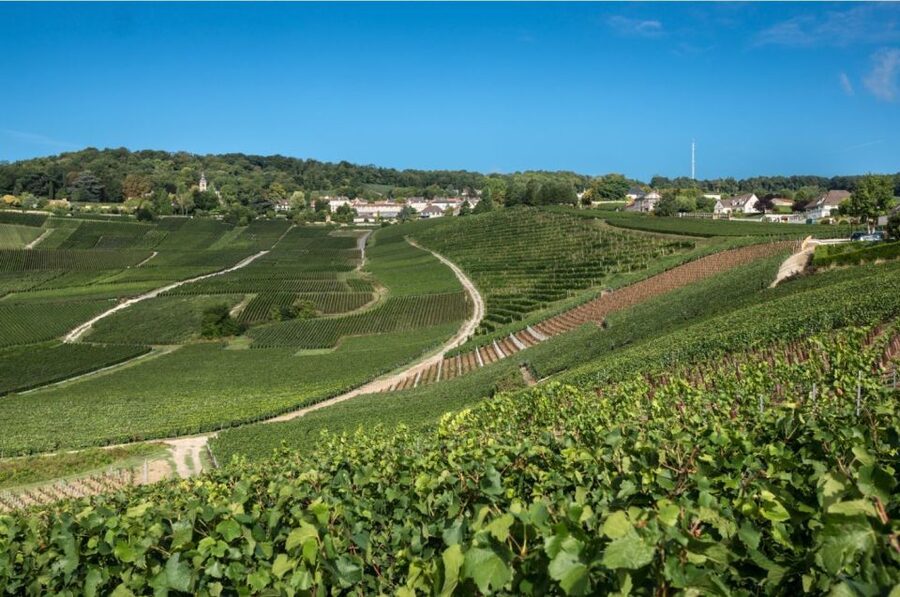
After the first estate, the van continues for about 20 minutes to Hautvillers. You have roughly 30 minutes here, enough for a focused visit rather than a long village walk.
Hautvillers is associated with Dom Pérignon, the Benedictine monk linked to the development of Champagne production in the 17th century. He is buried in the church of the former Benedictine abbey. The stop gives the day a human and historical center, connecting the modern drink in your glass with the religious community and winemaking traditions that shaped this part of France.
Do not expect a full abbey tour or a long museum visit from the schedule. The value is the village itself, the church, the connection to Dom Pérignon, and the chance to pause between tastings. Guides often add small points of interest along the drive, including villages and views across the Marne Valley, so keep an eye out rather than treating the van rides as dead time.
Épernay’s grand names and underground cellars
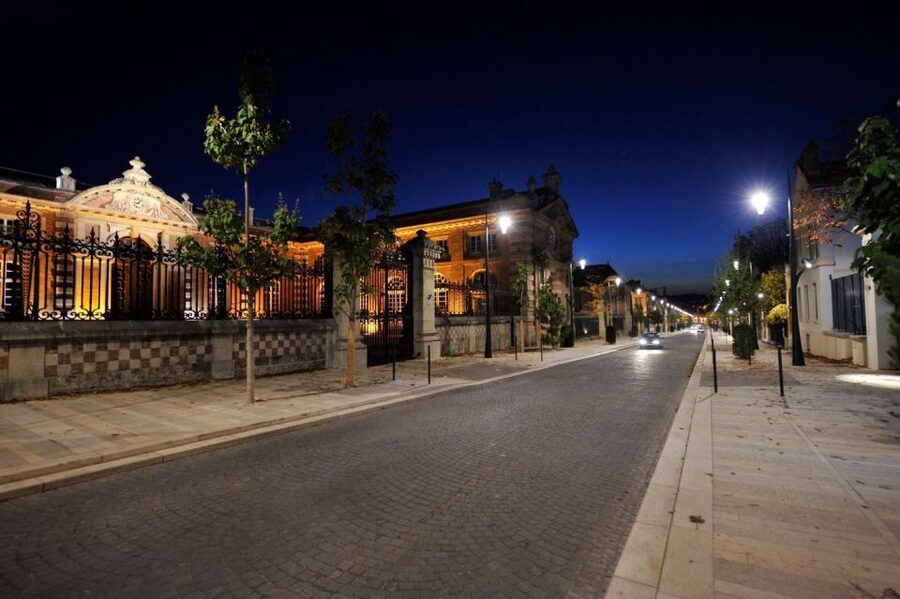
The drive to Épernay takes about 10 minutes, followed by a short visit to the Avenue de Champagne. This is one of the most recognizable streets in the region, lined with grand Champagne houses such as Moët & Chandon, Perrier-Jouët, and Pol Roger.
The avenue offers a useful contrast with the family domains. Here, Champagne appears as an international luxury product, presented through impressive buildings and famous labels. Beneath the street is a network of tunnels stretching for about 100 kilometers, where millions of bottles can rest in stable conditions.
The formal stop is only about 10 minutes, so you will mainly see the avenue and hear the explanation from your guide. It is not enough time for a full visit to one of the large houses. If you want a grand cellar tour at Moët & Chandon, Perrier-Jouët, or another major producer, arrange that separately on another day.
This short stop still earns its place. Without it, you would see only the small-producer side of Champagne. Épernay shows you the commercial scale and the architectural confidence that made the town a symbol of the region.
Lunch in Épernay
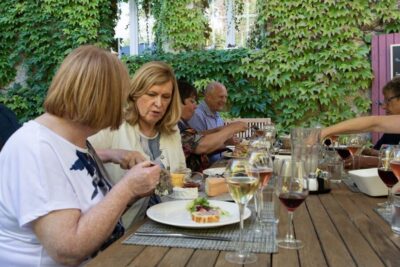
Lunch lasts about an hour at a local restaurant, with the main course included. This is a convivial break rather than a formal food experience.
The lunch is one of the tour’s less predictable elements. Several accounts describe it as delicious or excellent, while one found it disappointing. That is a fair warning. The included main course gives you a useful pause and removes the trouble of finding a restaurant during a tightly scheduled day, but you should not book this trip expecting a gastronomic showcase.
Drinks and any extras may cost more, so check the restaurant arrangements with your guide. You also need to remember that you will return to more tastings afterward. A moderate lunch is sensible.
I like having lunch in Épernay because it keeps the day connected to the town rather than treating it as a quick photo stop. Still, if you want to choose your own restaurant, order several local specialties, or linger over a long meal, a self-guided visit gives you more freedom.
The second estate and a different Champagne style
After lunch, you drive for about 20 minutes to the second family estate. This visit also lasts roughly an hour and a half and combines an explanation of production with tasting.
The second estate is important because comparison is where this tour earns its keep. Champagne is made within strict regional rules, but producers can create very different results. The grapes, vineyard sources, blending decisions, aging, and house preferences all affect what reaches your glass.
Some past versions of this experience included visits to major houses such as Moët & Chandon, Taittinger, or Pommery, and several people appreciated the contrast between large cellars and smaller producers. The current description centers on three family estates, so you should book it for that format rather than expect a specific grand house. Visits can change, and the exact domains are not named in the information provided.
Your guide helps connect the cellar explanation to the tasting. This is where a small group is useful. You can ask why one wine tastes different from another and receive an answer suited to the group rather than a fixed speech designed for a large crowd.
The third family domain and the last tasting
The final estate follows another 20-minute drive and another hour and a half of guided touring and tasting. By this point, you have seen the regional setting, the Dom Pérignon connection, Épernay’s famous avenue, and two producers.
The third visit rounds out the comparison. I would use the last tasting to revisit the preferences you noticed earlier. You may find that the wine you liked most was not the most famous label, but the one with the style and character that suited you.
Three estate visits also give you a more honest picture of the region than one tasting can. A single glass can be memorable, but it cannot explain how Champagne varies from producer to producer. Nine glasses, spread across three domains, provide enough range to make a buying decision later.
The day then returns to Reims, with the final drive taking about 20 minutes. The schedule is full, but it has a clear rhythm: drive, learn, taste, pause, and compare. You are rarely left wondering what happens next.
The guides are a major part of the experience
The strongest praise has gone to the guides. Radames is repeatedly described as warm, entertaining, and deeply informed about Champagne. Pierre is praised for patience, humor, clear explanations, and a willingness to adjust the day. Pascal and Victor have also been singled out for making the subject easy to understand.
Guide assignments vary, so you cannot necessarily request a particular person. Still, the guide matters more here than on a simple transfer. You spend hours in a van and rely on the guide to explain the region between stops.
A good guide keeps the history from becoming dry and the wine talk from becoming too technical. You can expect discussion of Champagne production, local villages, the Dom Pérignon connection, and the difference between estate styles. The best accounts also describe extra sights along the route, gorgeous village views, and an easygoing atmosphere.
What the $283 price really covers
At $283, this is a premium day trip. Its value depends on how much structure you want.
You are paying for:
- Eight hours of transport from and back to Reims station
- A comfortable van
- A small group limited to eight people
- An English-speaking guide
- Three guided family-estate visits
- Nine Champagne tastings
- A main course at a local restaurant
- Stops in Hautvillers and on the Avenue de Champagne
You are not paying for your train from Paris, extra lunch items, or a separate large-house cellar tour. If you are already based in Reims, the cost is easier to justify because the day begins at the station and removes the need to arrange rural transport.
I would compare this with the cost of hiring a private car, booking several estate appointments, and finding lunch on your own. The group tour will not give you full control over every stop, but it saves a great deal of planning. For a first Champagne visit with only one free day, that convenience is valuable.
Who should book this day trip?
This experience suits you if you want a broad introduction to Champagne without renting a car. It is especially good for first-time visitors, couples, solo visitors who want company, and anyone arriving from Paris who prefers one organized day.
It also suits people who care about family producers and want more than famous labels. The small group makes it easier to ask questions, and the guides have a strong record of making the day enjoyable as well as educational.
You may prefer another plan if you want long walks through vineyards, a leisurely restaurant lunch, a specific large Champagne house, or many hours in Reims itself. The schedule is efficient, not slow. It is also unsuitable for wheelchair users.
Free cancellation up to 24 hours before departure and reserve-now, pay-later terms make the booking less rigid. Even so, train planning remains your responsibility, and I would stay in Reims the night before if your Sunday connection is uncertain.
Should you book it?
I would book this trip if you have one day for Champagne and want the region explained by a local guide rather than pieced together from separate appointments. The strongest reasons are the small group, three family domains, nine tastings, and the useful contrast between rural producers and Épernay’s grand avenue.
I would skip it only if you want complete independence or already have several carefully chosen cellar appointments. For most first visits, $283 buys a well-organized day with enough wine, history, scenery, and practical support to make the Champagne region feel much larger than a single bottle label.
FAQ
Where does the tour start?
It starts in front of the Tourist Office at Reims Central Station. The stated meeting time is 9:20 AM, though instructions also refer to 9:30 AM for people already staying in Reims. Confirm the exact time when booking.
How long does the experience last?
The tour lasts eight hours and returns to the Reims train station after the final estate visit.
How many people are in the group?
The group is limited to eight participants.
Is the tour conducted in English?
Yes. The tour includes a live English-speaking guide.
How many Champagne tastings are included?
The current experience includes nine glasses of Champagne at three family estates.
Is lunch included?
A main course at a local restaurant is included. Extra food and drinks are not specified as included.
Are train tickets from Paris included?
No. You must arrange and pay for your own train tickets to Reims or Champagne-Ardenne station.
Can I take a train after the tour?
The recommended departure from Reims is after 5:45 PM. Earlier trains may be risky because the tour returns after the final tasting and drive.
Is the tour suitable for wheelchair users?
No. The experience is not suitable for wheelchair users.
Just added in France
- Private French Pastry Class in Marseille★ 5.0 · 90 reviews
- Picturesque Luberon – From MARSEILLE★ 5.0 · 36 reviews
- Provence : Aix en Provence, Cassis and Marseille Private Tour★ 4.5 · 53 reviews
- Marseille Walking food and culture tour 3 hour Private tour★ 4.0 · 36 reviews
- Market & Perched Villages of the Luberon Day Trip from Marseille★ 5.0 · 85 reviews
- Marseille Guided Tour for 2.5 Hours with a Bilingual Local Guide★ 5.0 · 36 reviews
- Marseille Guided Tour for 4 Hours with a Bilingual Local Guide★ 5.0 · 105 reviews
- Private Full Day Wine Tour in Provence From Marseille cruise port★ 5.0 · 32 reviews
Champagne Tastings, compared.
Champagne Day Trip from Paris with 8 Tastings & Lunch
Read our review →

Small Group – Half Day Champagne Tour – Visit of 2 Small Producers/Growers
Read our review →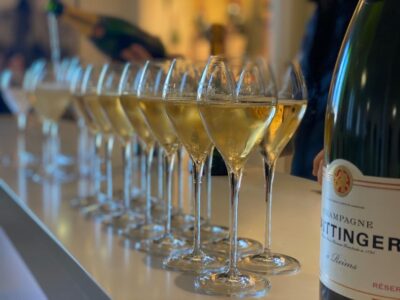
Small-Group Champagne Tour with 3-Course Lunch
Read our review →Browse the lists this tour appears in