
Reviewed · LOIRE VALLEY CASTLE TOURS
Amboise: Clos Lucé Castle, Da Vinci Park and Museum Ticket
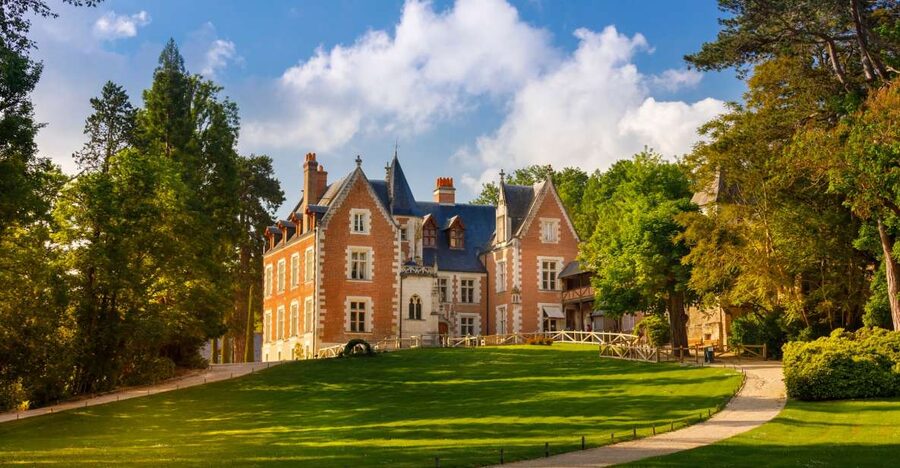
Leonardo da Vinci’s final home is more than a pretty château. At Clos Lucé, you enter the rooms where he worked for King Francis I, then follow his ideas outdoors through flying machines, bridges, military devices, and hydraulic inventions. The setting brings the great Renaissance thinker down to human scale.
I especially like the interactive park, where 20 giant machines and 40 translucent panels make complicated ideas easier to grasp. I also like the contrast between the quiet house and the large, playful garden displays. They give you two ways to meet Leonardo: as a private man and as an inventor who never stopped asking questions.
The main consideration is time and mobility. You can see the essential rooms and displays in about two hours, but a relaxed visit takes half a day or longer. The grounds include slopes, and there are few benches in some areas, so visitors who use sticks or tire easily should plan their route carefully.
Key points to know before you go
- Leonardo’s last French home: See the château where he spent the final three years of his life, from his arrival at Francis I’s invitation until his death on May 2, 1519.
- 40 invention models: Find full-size and miniature reconstructions linked to military engineering, mechanics, flight, urban planning, and hydraulics.
- A hands-on park: Test ideas through 20 large interactive machines, 8 audio stations, and 40 translucent canvases.
- More than an inventor: Indoor displays and a new cultural space explore Leonardo’s painting and architectural work.
- A self-guided visit: Admission includes the château, park, exhibitions, and interactive installations, but no guided tour.
- Plan for at least half a day: The château can be seen fairly quickly, but the park, cafés, and exhibits reward a slower visit.
Why Leonardo’s final home matters
Leonardo arrived in France near the end of his life at the invitation of King Francis I. He lived at Clos Lucé for three years, working on inventions and large projects for the king before dying there on May 2, 1519.
That final chapter gives the visit its focus. This is not simply a museum about a famous painter. It is a place connected with Leonardo’s daily life, his working habits, and his broad curiosity. The house lets you consider the man behind the famous name, while the park shows how his drawings and ideas can be turned into objects you can see and, in some cases, operate.
I find that combination far more useful than a room full of isolated pictures. You move from Leonardo’s private rooms to his experiments with flight, water, machines, and military design. The result is a visit that works for art lovers, families, science-minded visitors, and anyone interested in the Renaissance.
More chateau days out of France:
- Loire Valley Castles Day Trip from Paris with Complementary Wine
★ 4.5 · 3,907 reviews - Chambord: Entry Ticket to the Castle
★ 4.6 · 1,841 reviews - From Paris: Loire Valley Castles Day Trip With Wine Tasting
★ 4.6 · 1,727 reviews
Entering the château and Leonardo’s private rooms
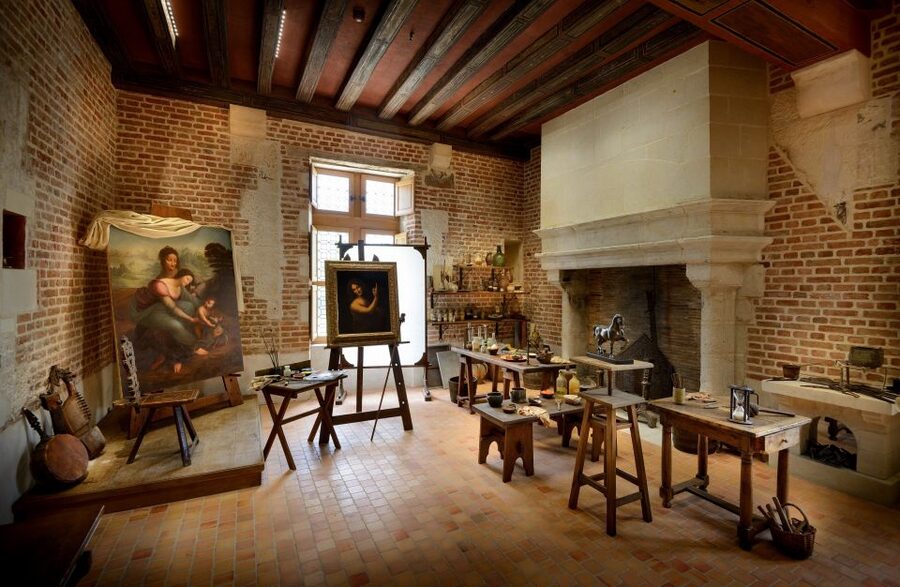
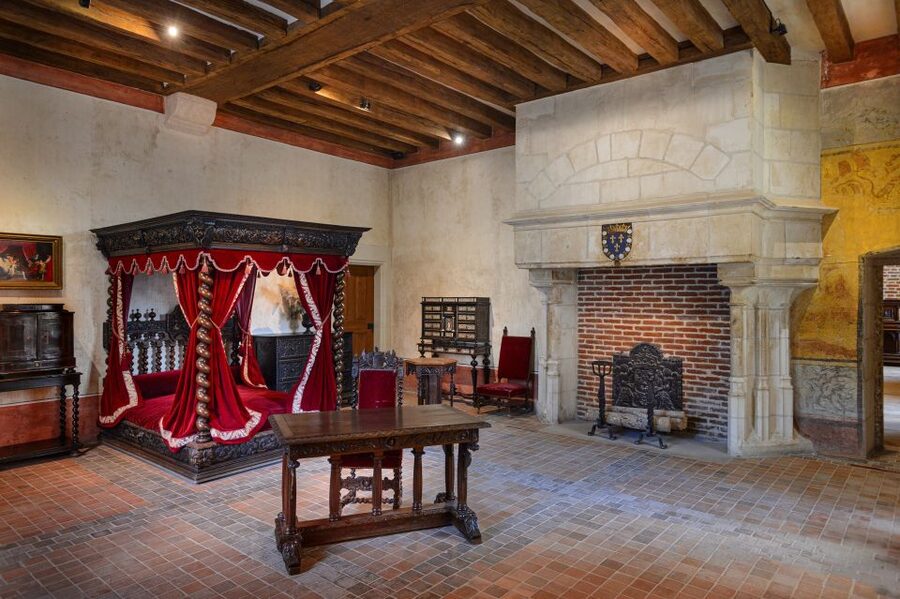
Begin inside the Château du Clos Lucé, where the emphasis is on Leonardo’s home life. You can visit his apartments, Renaissance rooms, and restored workshops. The interiors are important because they provide the human setting for the rest of the visit.
The château is not huge, so you are not faced with endless rooms and labels. Instead, you get a focused look at the place where Leonardo lived and worked. The atmosphere is quieter than the park, and the furnishings and room layouts help explain why this location is central to the story.
The restored workshops are especially useful. They shift the focus from the familiar image of Leonardo as a painter to his working process as a designer and investigator. You can think about how one person moved between art, engineering, architecture, anatomy, mechanics, and the study of nature.
The indoor exhibitions also cover his inventions. Topics include military engineering, city planning, mechanical devices, flying machines, and hydraulics. These subjects can sound technical, but the models make them easier to follow than a written account alone.
I would give the château your full attention at the start, rather than rushing through it to reach the gardens. The house is where the story gains meaning. Once you have seen the rooms and workshops, the large outdoor models feel connected to a real person and place.
Forty models that turn sketches into objects
Leonardo’s surviving drawings can be difficult to understand at a glance. A page filled with gears, wings, beams, or channels does not always explain how an object might work. Clos Lucé addresses that problem with around 40 models based on his inventions and designs.
Some are miniature, while others are life-size or large enough to make the idea clear from a distance. The displays cover several fields, so you are not limited to one kind of machine. You can move from mechanical systems to flight, from military engineering to water management, and from practical devices to grand architectural ideas.
The models are not a substitute for Leonardo’s original drawings, but they offer a more physical way to understand them. You can see how parts relate to one another and imagine what Leonardo was trying to solve. That is one reason the visit works well for children and adults together.
One limitation is that not every invention is designed for visitors to operate. The models are primarily displays, unlike some hands-on collections elsewhere. The park does provide interactive elements, but you should not expect every machine to move or function like a working museum demonstration.
Still, the presentation gives Leonardo’s work a clear shape. The ideas no longer seem like a list of clever sketches. They become attempts to address real problems involving transport, defense, construction, water, and flight.
The park: Leonardo’s ideas under open sky
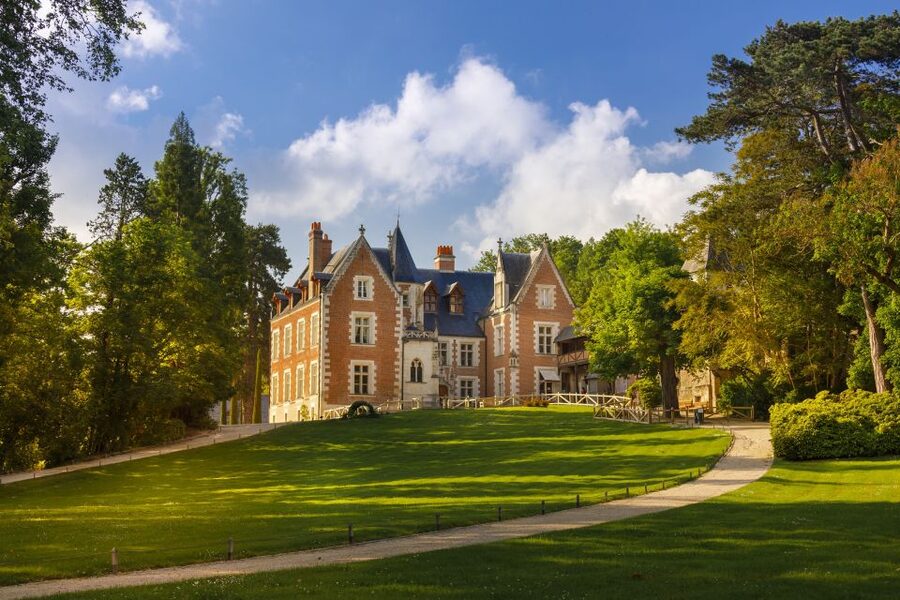
The park is the heart of the visit for many people. It is laid out as an open-air museum, with paths leading past large machines, translucent panels, and stations connected with Leonardo’s study of nature.
The scale changes the experience. Inside the château, you look closely at rooms and displays. Outside, you can step back and view an invention as a complete object. The machines are placed among trees, paths, bridges, and lawns, giving the park a relaxed rhythm rather than the feel of a conventional gallery.
There are 20 giant interactive machines, 8 audio stations, and 40 translucent canvases. Together, these features show how Leonardo studied birds, water, movement, structures, and the natural world. You are not merely reading that he was interested in science. You can see how those interests shaped his designs.
The interactive parts are a strong choice for families. Children have more to do than walk from label to label, and adults can use the machines to understand the principles behind the inventions. The outdoor setting also gives younger visitors room to move, although the park is not a substitute for a playground.
Allow time for the paths. A quick circuit will show you the main machines, but a slower walk lets you stop at the audio points, read the panels, and take photographs from the bridges. The gardens are also a good place to pause after the indoor exhibits. Shade is available, and there are cafés on the property.
The grounds are one of the best reasons to avoid treating Clos Lucé as a quick stop between other Loire Valley sights. The models are the headline attraction, but the calm setting makes the visit feel less hurried.
More museums in France:
- Paris: Louvre Museum Timed-Entrance Ticket
★ 4.6 · 71,977 reviews - Louvre Museum Masterpieces Guided Tour with Access
★ 4.5 · 12,023 reviews - Paris: Louvre Museum Entry Ticket With Host and River Cruise
★ 4.6 · 9,926 reviews - Les Invalides: Napoleon’s Tomb & Army Museum Entry
★ 4.6 · 9,185 reviews
Painting and architecture in the newer museum space
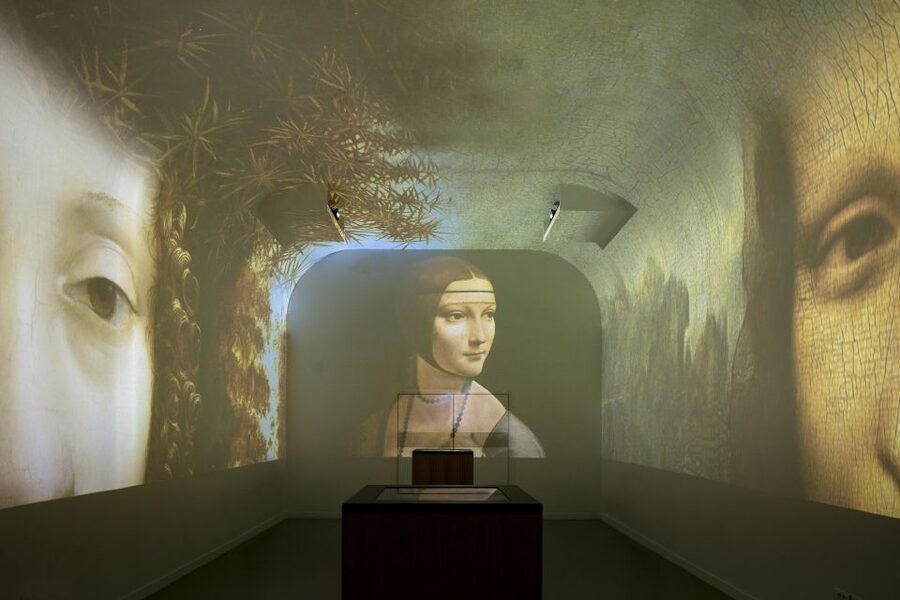
Leonardo is often introduced first as the painter of the Mona Lisa and The Last Supper. Clos Lucé widens that picture through a newer cultural and museum space devoted to two major areas of his work: painting and architecture.
The presentation is immersive and interactive, with a virtual show that brings his artistic work to life in a more visual format. This section adds variety to a visit that might otherwise lean heavily toward machines and engineering.
It also helps correct a common misunderstanding. Leonardo was not simply an artist who happened to sketch inventions in his spare time. His painting, architecture, observation of nature, and mechanical studies were tied together by the same habit of careful examination.
The modern presentation may appeal most to visitors who enjoy visual technology and contemporary museum design. If you prefer original objects and quiet historical rooms, you may find this section less traditional than the château. I would treat it as a complement to the historic house, not a replacement for it.
Together, the old rooms, reconstructed machines, and modern display create a broad picture of Leonardo’s work. The visit does not force you to choose between art and science.
How much time should you allow?
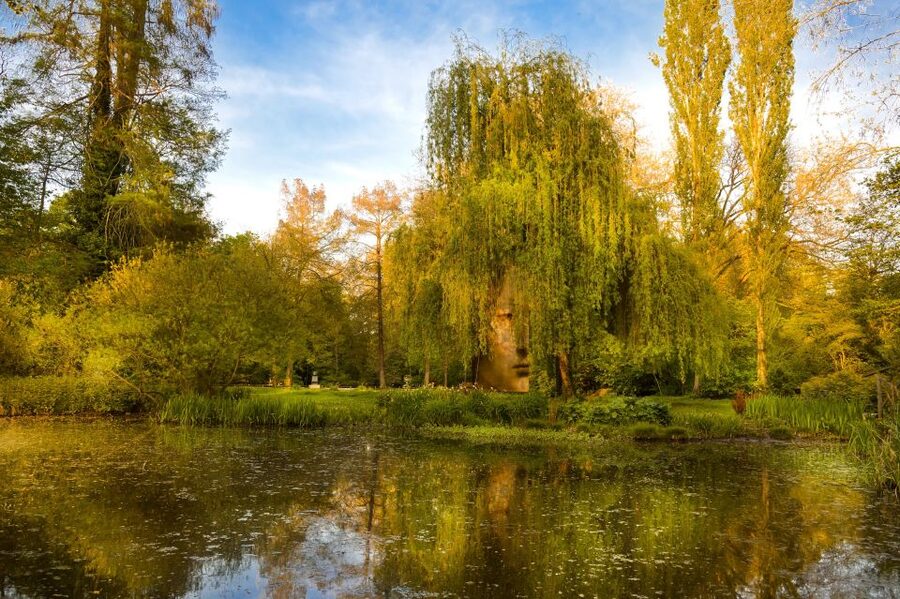
A fast visit can take about two hours. That is enough to see the château, read a selection of displays, and walk through the main part of the park.
I would allow at least half a day if you want the experience to feel complete. The park is spread out enough to reward a leisurely pace, especially in pleasant weather. Add more time if you plan to stop at the cafés, take photographs, listen to the audio stations, or let children try the interactive machines.
The official ticket is valid for one day, so you do not need to force everything into a short window. Check the opening schedule for your date. The château and park are open throughout the year except December 25 and January 1.
There is one seasonal detail worth noting. In July and August, the château closes at 8:00 PM, one hour before the park. If you arrive late in the day, go inside first so you do not miss the rooms and workshops.
Getting there and handling the entrance
The meeting point is Château du Clos Lucé in Amboise. Paid private parking is available on Rue du Clos Lucé, about 300 meters from the visitors’ entrance.
The final approach can include an uphill walk, and finding the site by car is not always simple. SatNav will help if you are driving. If you arrive by train, the château is reachable from Amboise station by a scenic walk of about 25 minutes in good weather. Taxis may not be easy to find, so do not count on one appearing at the station.
The attraction is wheelchair accessible, but the grounds are not perfectly effortless for every visitor. Slopes and limited bench seating can matter if you use sticks, have joint trouble, or need regular rests. Ask staff for help if needed. There are gardeners’ buggies on the grounds, and assistance may sometimes be possible, but you should not assume a continuous shuttle service.
Wear comfortable shoes and allow extra time for the approach. The park is best enjoyed at walking pace, not as a rushed dash between buildings.
Food, shade, and taking a break
You will find cafés on the property, and there is also a Renaissance-style restaurant within the park and museum grounds. This makes it possible to turn the visit into a longer outing rather than a short museum stop.
The cafés are useful because the grounds invite you to linger. Shade provides relief in warm weather, and the gardens offer a pleasant pause between the château and the modern displays. If you are visiting with children, a planned break can make it easier to keep everyone interested.
The restaurant adds atmosphere, but food is not included in the admission price. Budget for it separately if you want to eat on site.
Is $23 a fair price?
At $23 per person, the ticket is not the cheapest château admission in the Loire Valley. Some people may find the cost high for a self-guided visit, particularly if they spend only two hours inside and skip the park’s longer paths.
The value improves when you use the full ticket. Admission covers the château, park, exhibitions, interactive installations, and the newer cultural space. You are paying for several connected experiences rather than one historic building.
I think the price makes the most sense if you are interested in Leonardo’s inventions, are visiting with children, or have time for a half-day stop. The large outdoor models and interactive features add more than you would get from a standard house tour.
If your main aim is to see a grand Loire château with lavish royal interiors, Clos Lucé may not be the strongest choice. Its appeal lies in Leonardo’s story, the working displays, and the unusual blend of art, science, and gardens.
The ticket also allows free cancellation up to 24 hours ahead and a reserve-now, pay-later option, which is useful when your Loire Valley schedule may change. The ticket is valid only on the booked date, so check your plans before confirming.
Who will enjoy Clos Lucé most?
I would recommend this visit to:
- Families, because the outdoor machines give children something concrete to explore.
- Science and engineering enthusiasts, who will enjoy seeing ideas in physical form.
- Art lovers, especially those interested in the link between painting, architecture, and observation.
- History-minded visitors, who want a personal connection with Leonardo’s final years in France.
- Visitors with a half-day available, since the park is worth more than a quick walk-through.
- Independent visitors, because the ticket is designed for self-guided exploration.
You may enjoy it less if you want a formal guided tour. No guide is included. A booklet guide in English has been available, but the experience remains your own walk through the rooms and grounds.
Should you book the Château du Clos Lucé?
Book it if you want more than a conventional château tour. The house is attractive, but the real strength is the combination of Leonardo’s private rooms, reconstructed inventions, interactive park, and modern art and architecture displays.
Give yourself at least half a day, arrive with comfortable shoes, and start inside the château before taking your time outdoors. If you have mobility concerns, plan around the slopes and limited seating.
At $23, it is best treated as a substantial cultural visit, not a quick photo stop. For families, curious minds, and anyone who wants to understand Leonardo as an inventor as well as a painter, Clos Lucé is a strong choice in the Amboise area.
FAQ
Where is Château du Clos Lucé?
It is in Amboise, in France’s Loire Valley. The meeting point is Château du Clos Lucé.
What does the ticket include?
The ticket includes access to the Château du Clos Lucé, the park, exhibitions, and interactive installations.
Is a guided tour included?
No. The ticket does not include a guided tour. The visit is self-guided.
How long is the ticket valid?
The ticket is valid for one day, on the date selected at booking.
Is Château du Clos Lucé open all year?
The château and park are open all year except December 25 and January 1.
Does the château close at the same time as the park?
No. From July through August, the château closes at 8:00 PM, one hour before the park.
Is the site wheelchair accessible?
Yes, the site is wheelchair accessible. The grounds do include slopes, and seating is limited in some areas, so visitors who need frequent rests should plan carefully.
Just added in France
- From Beaune: Full-Day Bicycle and Wine Tour in Burgundy★ 4.9 · 95 reviews
- From Avignon: Châteauneuf du Pape Half-Day Wine Tour★ 4.7 · 365 reviews
- From Lyon: Golden Stones Beaujolais Wine Tasting Tour★ 4.7 · 387 reviews
- From Marseille: Provence Sightseeing Tour and Wine Tasting★ 4.7 · 195 reviews
- Montpellier: Pic Saint-Loup Wine Tour★ 4.9 · 243 reviews
- From Strasbourg: Medieval Villages & Wine Tasting Day Trip★ 4.8 · 329 reviews
- Marseille: Tailored Wine Tasting Experience in Top Wine Shop★ 5.0 · 106 reviews
- Montpellier Wine and Oyster Tour★ 4.9 · 72 reviews
Loire Valley Castle Tours, compared.
Loire Valley Castles Day Trip from Paris with Complementary Wine
Read our review →
Loire Valley Castles Day Trip With Wine Tasting
Read our review →


Loire Valley Castles Trip with Chenonceau and Chambord from Paris
Read our review →
Loire Valley Wine and Castles Small-Group Day Trip from Paris
Read our review →
Fontainebleau & Vaux-le-Vicomte Châteaux Day Tour from Paris
Read our review →Browse the lists this tour appears in