

Reviewed · MUSEUMS
Les Invalides: Napoleon’s Tomb & Army Museum Entry
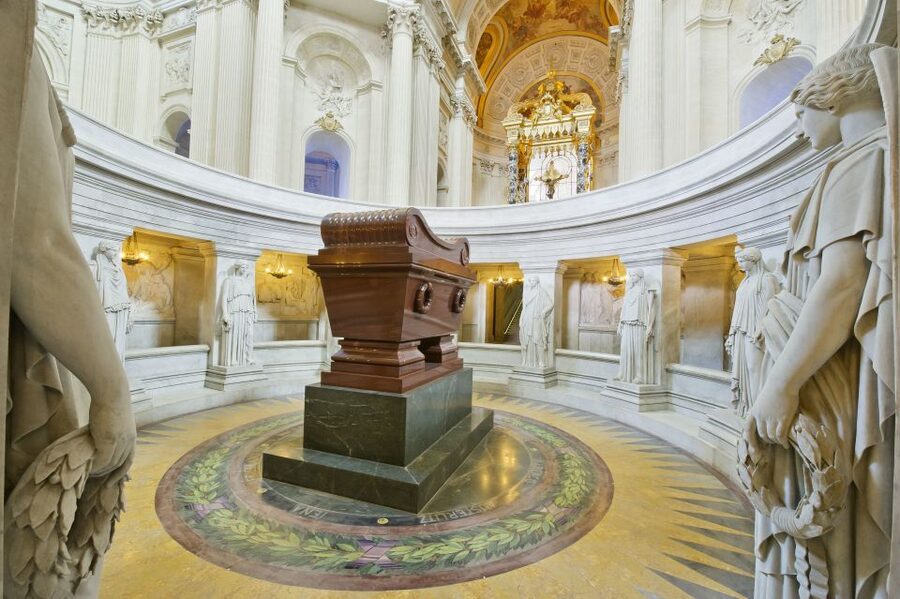
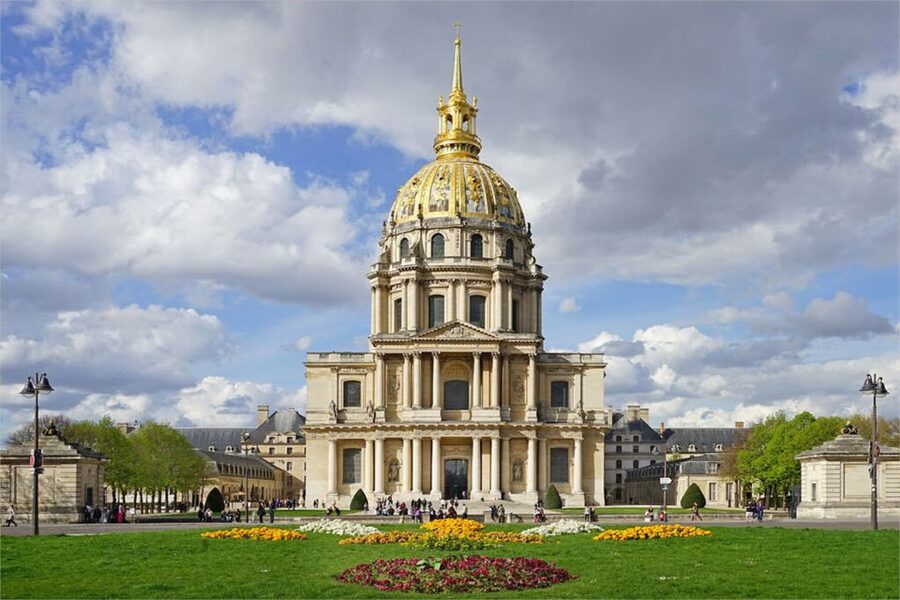
Les Invalides is one of Paris’s great history stops, and Napoleon’s Tomb is only the beginning. Beneath the gilded Dome Church, Napoleon’s red quartzite sarcophagus sits in a grand circular crypt surrounded by marble, sculpture, and French military symbolism. Then the Army Museum spreads through a huge complex of armor, weapons, uniforms, paintings, photographs, and wartime displays.
I like two things especially: the ticket lets you explore at your own speed, and the collection reaches from medieval armor to the World Wars and the French Resistance. The main drawback is simple: this place is much larger than it looks, so a rushed two-hour visit will leave a great deal unseen.
Key points to know before you go
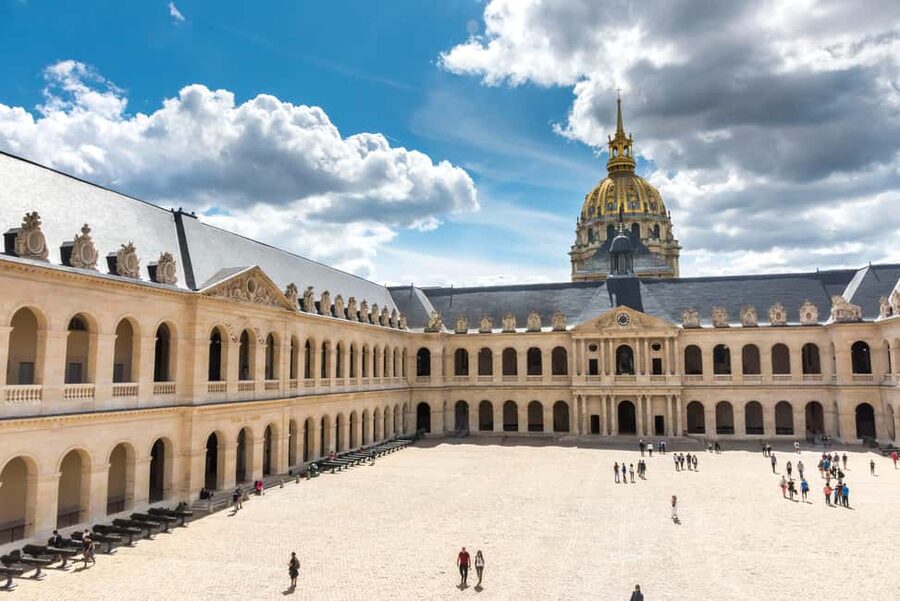
- Napoleon’s Tomb is the visual centerpiece: The gilded Dome Church and circular crypt are worth the admission by themselves.
- The museum covers centuries of conflict: Expect royal armor, cannons, uniforms, paintings, personal objects, and detailed World War exhibits.
- A half-day is a sensible minimum: Several sections are housed across the Invalides complex, and a full day suits serious history enthusiasts.
- Your ticket is valid all day: You can enter between 10 AM and 6 PM, leave for lunch, and return later the same day.
- Keep scanning the same ticket: The Invalides contains several museums and the Dome, so you may need to show or rescan it at each entrance.
- The €20 price can be good value: It includes several museums and temporary exhibitions, but only if you give the site enough time.
Why Les Invalides matters in Paris
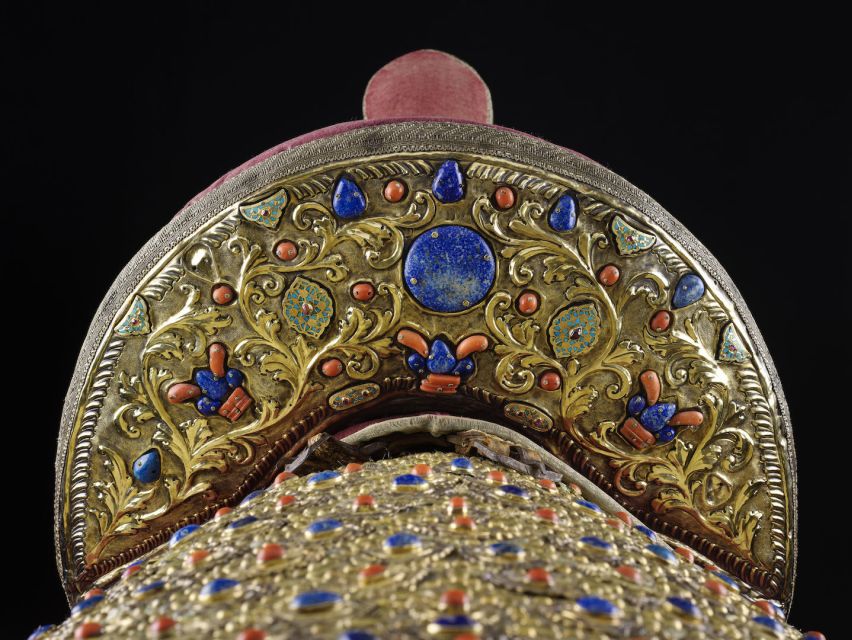
The Hotel National des Invalides was created under Louis XIV as a home for veterans and wounded soldiers. Its purpose was practical and political: France wanted to care for its soldiers, while also displaying the power of the monarchy and the army.
Today, the complex houses the Musée de l’Armée, one of the world’s major military museums. The setting gives the collection much of its force. You are not walking into a plain modern gallery. You are moving through a grand Parisian monument whose own walls are part of the story.
The site sits in the heart of Paris, near the Esplanade des Invalides and Place Vauban. Even before you enter the museum rooms, the scale of the buildings and the Dome make a strong impression. You can walk around parts of the complex without a museum ticket, but you need admission for the Dome Church and the museum galleries.
More museums in Paris:
- Paris: Louvre Museum Timed-Entrance Ticket
★ 4.6 · 71,977 reviews - Louvre Museum Masterpieces Guided Tour with Access
★ 4.5 · 12,023 reviews - Paris: Louvre Museum Entry Ticket With Host and River Cruise
★ 4.6 · 9,926 reviews
Entering the Dome Church and Napoleon’s Tomb
Make the Dome Church your first stop if Napoleon is your main reason for coming. The church’s gilded dome rises above the Invalides and can be seen from several parts of Paris. Inside, the decoration is grand without being subtle, exactly the setting Napoleon’s posthumous image demands.
Napoleon died in exile in 1821, and his remains were returned to France in 1840. Since 1861, his tomb has been under the Dome. The sarcophagus is placed in a circular crypt, allowing you to look down toward it from the surrounding gallery and then walk around the lower level.
The experience is architectural as much as historical. Marble, carved decoration, military references, and the height of the dome create a solemn, theatrical setting. You may find the scale impressive even if you have little interest in Napoleon himself.
I also think the tomb works best when you take a moment to consider the contrast. Napoleon’s military career involved sweeping ambition and enormous human cost, yet the memorial presents him as a national figure of almost monumental grandeur. The museum gives you more room to question that image, while the Dome shows you how power wanted to be remembered.
The crypt is not a quick photo stop. Look upward, examine the surrounding sculptures, and notice how the layout directs your attention toward the sarcophagus. This is one of the most beautiful mausoleum interiors in Paris, but it can also feel crowded when several groups arrive at once.
The medieval armor and royal weapons galleries
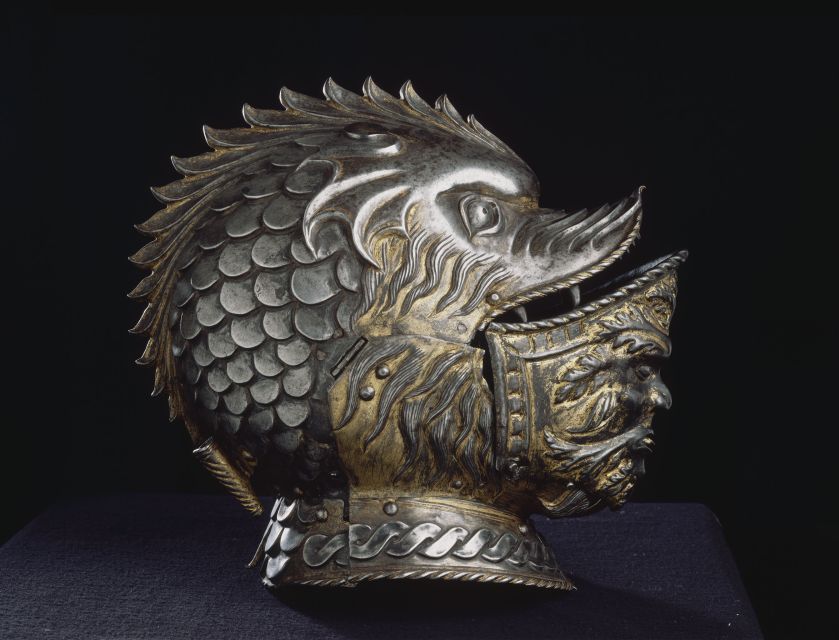
From the Dome, continue into the older collections of the Army Museum. Here you encounter armor, swords, shields, firearms, and other weapons connected with French kings and soldiers.
This section is particularly good for families and for anyone who likes objects more than long blocks of text. Armor is easy to understand at a glance, but the displays also show how weapons changed over time. A suit of armor is not just an impressive metal shell. It tells you about technology, status, warfare, and the person expected to wear it.
You will see weapons, cannons, uniforms, paintings, and military objects arranged across a wide span of French history. Some exhibits are highly decorative, while others are bluntly practical. The variety helps keep the visit moving, especially if you are exploring with children or with someone who is not a dedicated military-history enthusiast.
The rooms can feel dense. There is a great deal to look at, and you will not absorb every label. I suggest choosing a few objects in each gallery rather than trying to read everything. Focus on changes in equipment, the lives of soldiers, and the way French rulers used military display to project authority.
From Louis XIV to Napoleon III
One major section follows French military and political history from Louis XIV through Napoleon III. This connects the early weapons collections with the later modern army displays.
The value here is context. Napoleon did not appear out of nowhere. His career grew from a France already shaped by royal armies, revolution, changing military methods, and national ambition. Seeing the earlier periods first helps you understand the symbols and institutions that Napoleon inherited and reshaped.
Paintings and personal belongings add a human layer to the weapons. Military history can become a parade of dates and battles, but portraits, uniforms, and everyday objects help put faces and personalities into the story.
You can spend an hour here without feeling that you have seen everything. If you only have three hours, choose this section or the World War galleries based on your interests. If you have a full day, take your time and use the seating areas to rest between rooms.
Same base, a different kind of day:
- Disneyland® Paris 1-Day Ticket
★ 4.6 · 49,412 reviews - Paris: Versailles Palace and Gardens Full Access Ticket
★ 4.6 · 41,579 reviews - Paris: Evening River Cruise with Music
★ 4.4 · 22,721 reviews - Paris: Eiffel Tower Entry Ticket with Optional Summit Access
★ 4.4 · 20,035 reviews
The World Wars and the French Resistance
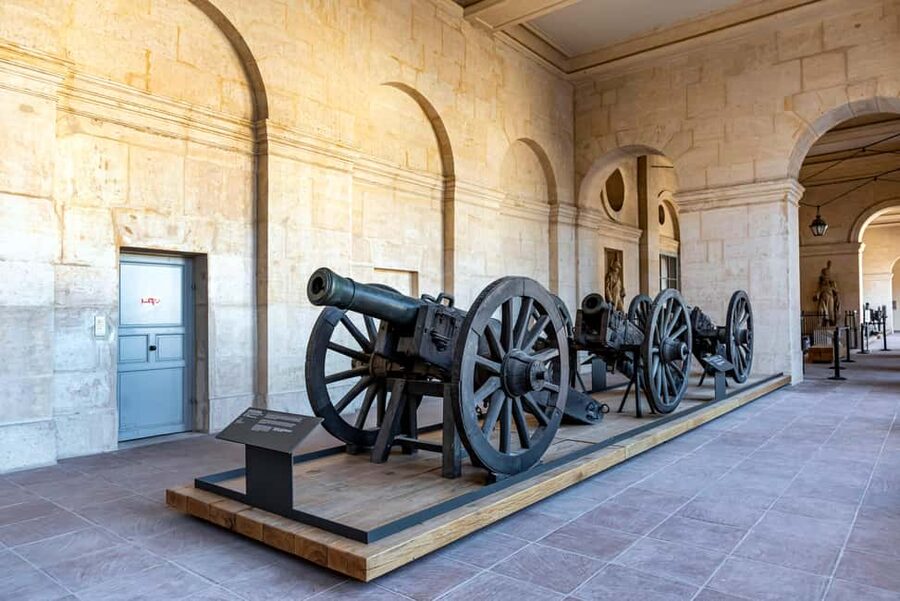
The World War I and World War II collections are among the most useful parts of the museum for modern history. They include artifacts, photographs, films, uniforms, and explanatory displays that trace the conflicts from more than one angle.
The World War galleries are large enough to require real time. You will find more than a few famous objects placed in glass cases. The displays build a broader picture of campaigns, soldiers, civilians, occupation, resistance, and the effects of industrial warfare.
The French Resistance section is especially worthwhile. It explains how resistance networks operated and how their work helped change the course of World War II. The material also gives attention to the role of women, something that can be overlooked in a traditional military narrative.
Some of the modern exhibits use films and interactive digital tools. These devices can help you understand battle movements and historical events that are hard to follow from maps alone. They are useful when you are visiting with teenagers, since the screens and visual material break up the reading.
The museum presents French history from a French national viewpoint. That is not a problem, but you should remember it as you move through the galleries. The displays are useful for understanding how France tells its military story, including moments of defeat, occupation, resistance, and national recovery.
The Plans-Reliefs Museum
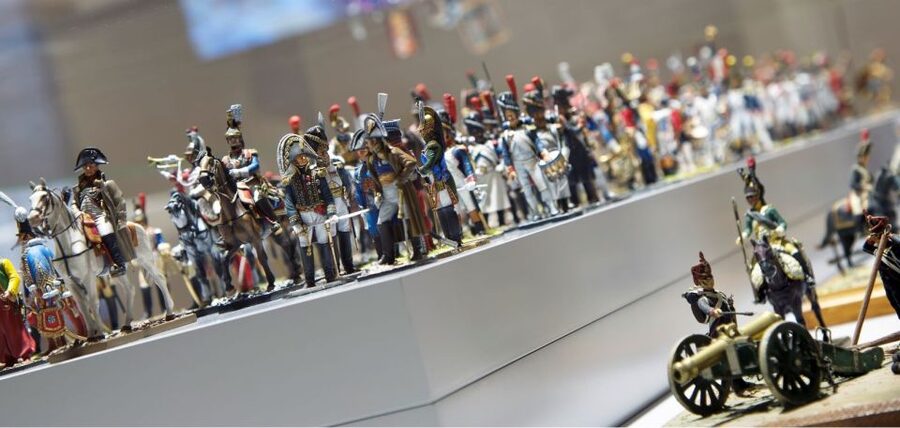
The Museum of Plans-Reliefs contains large-scale military models. These are not simple decorative maps. They were designed to show fortifications, towns, terrain, and strategic positions in three dimensions.
The models reward close looking. From above, you can follow the shape of a fortified town. From the side, you see how walls, rivers, roads, and hills affected military planning. Even if you are not interested in military tactics, the craftsmanship and detail make this section memorable.
This is also a good place to slow down. The museum’s larger galleries can feel visually crowded, while the models offer a different kind of concentration. They turn abstract strategy into something you can understand with your eyes.
The Order of the Liberation Museum

The Order of the Liberation Museum focuses on the French Resistance and the people connected with Free France during World War II. It adds personal and political detail to the broader wartime material.
This section is useful if you want more than battlefield history. It brings attention to individual choices, organizations, and the difficult conditions faced by those who resisted Nazi occupation. The subject matter is serious, but the displays help explain how resistance became part of France’s postwar national memory.
If modern French history is your main interest, give this museum priority. If your focus is Napoleon or medieval armor, you can spend less time here and return if your ticket remains valid later in the day.
How to plan your visit
The standard access period is 10 AM to 6 PM from the Esplanade des Invalides. Access from Place Vauban is listed from 2 PM to 6 PM. The tills close 30 minutes before the museum closes, so do not arrive at the last moment expecting a full visit.
For a quick introduction, allow three hours. That gives you time for Napoleon’s Tomb, a portion of the historic weapons galleries, and one modern section. You will still miss plenty.
For a more satisfying visit, plan four to five hours. This lets you see the Dome, medieval and royal collections, Napoleon’s period, and at least part of the World War galleries without sprinting.
A full day is reasonable if military history is a major interest. The site is large, and several people have found that half a day was not enough. You can leave for lunch and return during the same day, which makes the long visit much easier.
Wear comfortable shoes. There are stairs and plenty of walking, although seating is available throughout many sections. Cloakrooms are available. The museum is wheelchair accessible, but the layout is not perfectly easy for every visitor with limited mobility, so allow extra time and ask staff for help when needed.
Getting value from the €20 ticket

At $20 per person, the admission is a good deal if you visit several parts of the complex. It includes the permanent collections, the Dome Church and Napoleon’s Tomb, the Plans-Reliefs Museum, the Order of the Liberation Museum, and temporary exhibitions.
The price is less attractive if you only want a short look at the tomb. You can see parts of the Invalides grounds without admission, but the ticket gives you access to the interior spaces that make the visit worthwhile.
The ticket is especially useful for flexible planning. You do not need to select a specific visiting time, and you can use it throughout the listed opening period. That makes it easier to fit around lunch, another Paris attraction, or a hot afternoon when you want an indoor activity.
The ticket is non-refundable, so choose your day carefully. Under-18s enter free, as do EU citizens under 26, but eligible visitors still need an access pass from the museum office before entering. Do not assume an online ticket is required for those free admissions.
Practical details that prevent confusion
Enter through the Invalides and show your ticket at the museum entrances rather than joining the cashdesk queue. The complex contains several museums and the Dome, so keep your ticket with you. You may need to show or scan it again when moving between sections.
This repeated scanning can feel unnecessary, but it reflects the way the site is organized. Treat the ticket like your key for the whole visit, not something you can discard after the first gallery.
There is no guided tour included. You explore independently, which suits visitors who want to choose their own pace. A multimedia guide is available for €5 on site if you want more explanation than the labels provide.
Family activities take place on Saturdays and Sundays at 11 AM and 2:30 PM in French, subject to availability. They cost €7 per child and must be purchased on site. These activities are not included in the standard admission.
The museum closes on January 1, May 1, and December 25. Check the date before building your Paris schedule around it.
Who will enjoy Les Invalides most?
This is an easy choice for anyone interested in Napoleon, French history, military technology, the World Wars, or the Resistance. It is also a strong option for families because armor, weapons, models, films, and interactive displays offer different ways into the subject.
You do not need to know French military history before arriving. The collection gives you enough structure to begin, and much of the information is available in French and English. Still, the size of the museum means you will enjoy it more if you accept that you cannot see every object in one short visit.
It may be less suitable if you dislike museums with a lot of reading or if your Paris schedule is already packed. The tomb is visually striking, but the wider experience depends on giving the galleries proper time.
Should you book this experience?
Book it if you want more than a quick monument visit. Napoleon’s Tomb is the headline, but the Army Museum, the World War displays, the Resistance material, and the Plans-Reliefs models make the admission much more worthwhile.
I would reserve at least half a day, and a full day if military history is one of your main interests. If you have only two hours, focus on the Dome, the tomb, and one gallery rather than trying to cover the entire complex.
At $20 per person, this is one of Paris’s stronger museum values for a visitor who plans well. Keep the ticket, arrive with comfortable shoes, and let the Invalides be larger than your first impression suggests.
FAQ
How long is the Les Invalides ticket valid?
The ticket is valid for one day. You can use it during the listed access period from 10 AM to 6 PM.
What does the ticket include?
It includes the permanent collections, the Dome Church and Napoleon’s Tomb, the Museum of Plans-Reliefs, the Museum of the Order of the Liberation, and temporary exhibitions.
Is a guided tour included?
No. The admission is for self-guided access. A multimedia guide can be purchased on site for €5.
Can I leave and return on the same day?
Yes. The ticket is valid for one day, and the museum access information allows you to use it during the opening period. Keep the ticket with you when you leave.
Where do I enter?
You can access the site from the Esplanade des Invalides from 10 AM to 6 PM. Access from Place Vauban is available from 2 PM to 6 PM.
Do I need to keep my ticket after entering?
Yes. Les Invalides contains several museums and the Dome, and you may need to show or scan the ticket at each section.
Do children enter free?
Visitors under 18 enter free. EU citizens under 26 also enter free, but they still need to collect an access pass from the museum office before entering.
Is Les Invalides wheelchair accessible?
The activity is listed as wheelchair accessible. The site is not perfectly disability friendly in every area, so allow extra time and ask staff for assistance if needed.
Just added in Paris
- Paris: Oh My God She’s Parisian! English Comedy Show★ 4.7 · 257 reviews
- Paris: Create your Signature Scent Perfume Workshop★ 4.8 · 221 reviews
- Paris: Flea Market Insider’s Tour in Extra-Small Group★ 4.6 · 73 reviews
- Paris : Painting experience in an art cafe★ 4.6 · 204 reviews
- Paris: Vallée Village Outlet Shopping Day★ 4.3 · 362 reviews
- Paris night out : Comedy in English ‘How to Become a Parisian ?’★ 4.5 · 373 reviews
- La Vallee Village Shopping Outlet by Luxury Transport from Paris★ 3.5 · 111 reviews
- Design Luxury and Personalized Jewelry in Paris le Marais★ 5.0 · 160 reviews
Museums, compared.

Louvre Museum Masterpieces Guided Tour with Access
Read our review →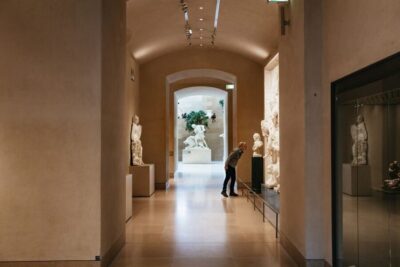
Louvre Museum Entry Ticket With Host and River Cruise
Read our review →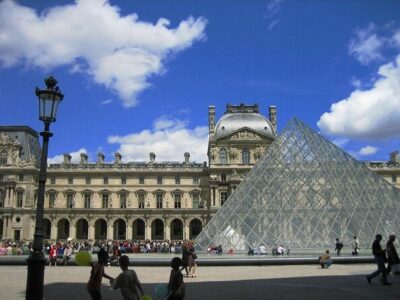
Louvre Museum – Exclusive Guided Tour (Entry Included)
Read our review →
Louvre Museum Hosted Entry and Mona Lisa Audioguide
Read our review →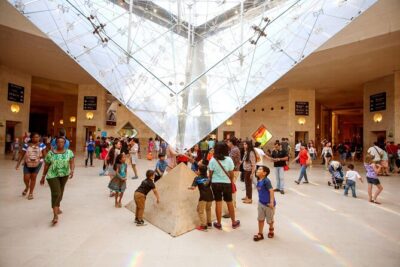
Louvre Museum Tour Mona Lisa & Iconic Masterpieces
Read our review →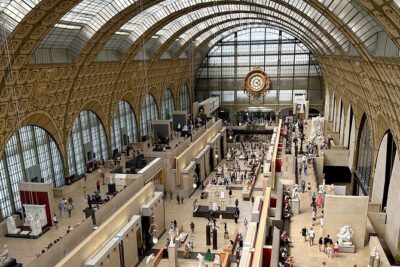
Louvre Museum: Skip-the-Line Small Group Guided Tour
Read our review →Browse the lists this tour appears in