
Reviewed · TOURS IN REIMS
From Reims/Epernay: Champagne half-day tour (small group)
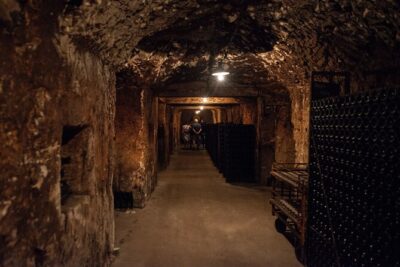
Champagne feels different when you meet the small growers behind the bottles. This four-hour outing with Angélique, a local guide and former vineyard and cellar worker, takes you away from the famous labels and into two independent Champagne estates in the Montagne de Reims and Marne Valley.
I like the personal scale, with no more than eight people, and I like the mix of six tastings, cellar visits, vineyard views, and practical talk about blending and food. The stop in Hautvillers adds a useful historic layer, especially if you want to understand why Dom Pérignon matters here.
The main drawback is time. Four hours goes quickly, and the tour covers Reims or Epernay, two wine estates, Epernay, Hautvillers, and vineyard country. You get a lively overview rather than a slow, detailed visit at each place, and opening schedules can be less predictable around New Year.
Key points at a glance
- Meet Angélique at 1:30 PM in Reims or 2:00 PM in Epernay: Pickup and return are built into the afternoon.
- Visit two independent Champagne producers: The focus is on family-run estates rather than the grand commercial houses.
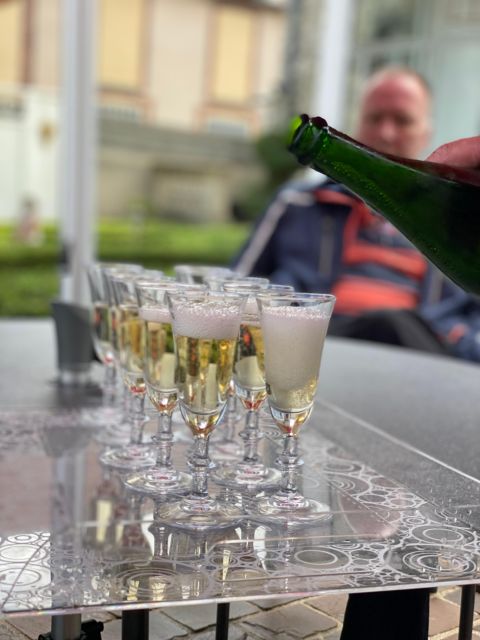
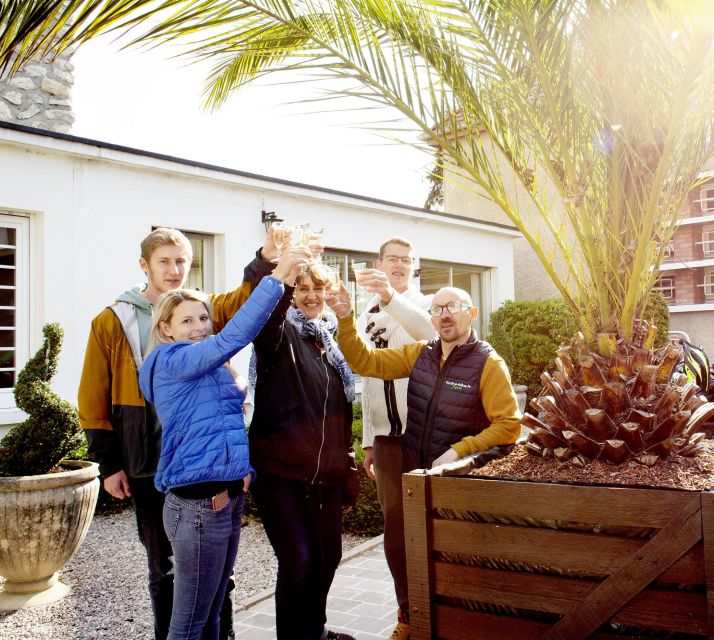
- Taste six different Champagnes: You also receive advice on matching Champagne with food.
- See Epernay’s grand Avenue de Champagne: Moët et Chandon, Perrier-Jouët, and Pol Roger line this famous stretch.
- Stop in Hautvillers: Visit the abbey connected with Dom Pérignon and look across the Marne Valley and Côte des Blancs.
- Travel in a small group of up to eight: The air-conditioned van keeps the afternoon comfortable and flexible.
Why the small growers matter
The big Champagne houses are the names most people know. Their grand cellars and polished visitor centers have their place, but they do not tell the whole story of Champagne.
Independent growers own about 90 percent of the region’s roughly 34,000 hectares of vines. Many supply grapes to the major brands, while also making wine under their own names. That gives you a better sense of the people who tend the vines and make decisions about the final blend.
This tour puts those growers at the center. You visit two different estates in the Montagne de Reims and Marne Valley, where Pinot grapes are especially important, along with some Chardonnay. The two producers are chosen for their contrasting styles, so the tasting is not just six similar pours in different bottles.
Angélique’s background helps here. She has worked with vines and in cellars, so she can explain the work in plain terms. You are not limited to a polished description of the finished wine. You also hear about pruning, soil, pressing, harvest, and the long process behind a bottle with a gold label.
The schedule can feel especially personal when the group is small. A pair of people has sometimes had Angélique’s full attention, while the maximum group size is eight. That matters in a cellar, where a large crowd can make conversation difficult.
Other trips people book in France:
- Paris: Louvre Museum Timed-Entrance Ticket
★ 4.6 · 71,977 reviews - Disneyland® Paris 1-Day Ticket
★ 4.6 · 49,412 reviews - Paris: Versailles Palace and Gardens Full Access Ticket
★ 4.6 · 41,579 reviews
Six tastings with useful food advice
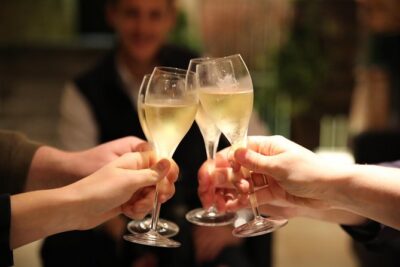
The six tastings are one of the strongest reasons to book this outing. You sample several blends from two producers, rather than spending the whole afternoon with one large brand.
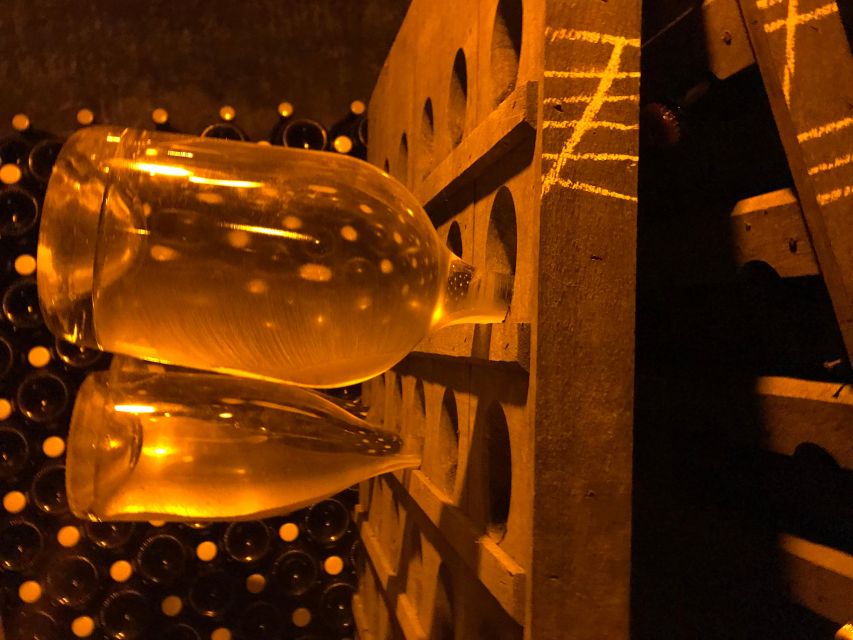
Champagne is often treated as a single style, but blending is central to its identity. Grapes from different villages, vineyards, and harvests can be combined to create a house style. Angélique explains how that works and helps you notice differences between the wines in the glass.
You also receive food-pairing advice. The information supplied does not promise a full meal, so you should think of this as guidance for future meals rather than a restaurant stop. That is still useful. A tasting makes more sense when you learn why one Champagne works with a particular kind of food and another may be better suited to a different dish.
The experience is particularly good for someone who enjoys asking questions. You can learn about the balance between Pinot Noir, Pinot Meunier, and Chardonnay, but the exact wines served can depend on the producer and the day. Do not book expecting a fixed flight identical to every other departure.
Buying bottles is also possible at the estates, according to the experience details. You should remember that this is a tasting and education tour, not a shopping trip, but the chance to take home a bottle from a small producer adds appeal.
Epernay and the Avenue de Champagne
The afternoon includes a van tour of Epernay, often called the cradle of Champagne. The town’s grandest address is the Avenue de Champagne, where major houses including Moët et Chandon, Perrier-Jouët, and Pol Roger built impressive headquarters.
This part of the tour gives you the public face of Champagne. The buildings show how much money and prestige the region’s wine trade created. Beneath Epernay, around 220 million bottles are said to age in the cellars, a figure that helps explain the scale of the business.
The van is useful because you can see the avenue without spending much of your short tour walking between separate addresses. You also avoid turning the afternoon into a visit to one large brand. The point is comparison: grand houses in town, independent growers in the countryside.
The drawback is that this is a city tour rather than an extended architectural visit. The experience includes sightseeing in Epernay, but the detailed cellar time is connected to the independent producers. If your main goal is a long underground tour at Moët et Chandon, this is not the right choice.
Hautvillers and the Dom Pérignon connection
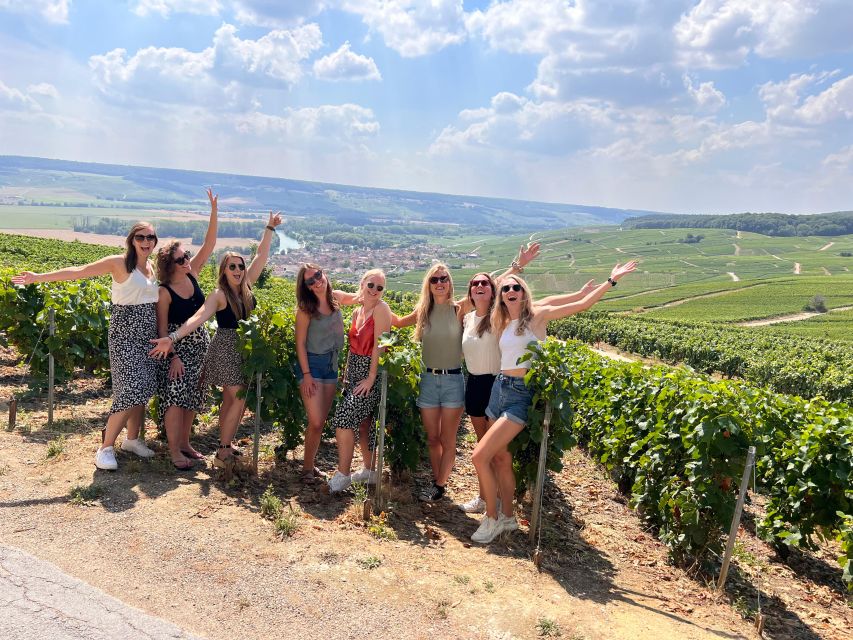
Hautvillers is the most memorable historical stop. The village is linked with Dom Pérignon, the Benedictine monk who became an important cellar master and helped improve Champagne through the blending of grapes and crus, or village wines.
The abbey visit gives the story a real place. Dom Pérignon is buried there, and the abbey garden provides a high viewpoint over the Marne River and toward the Côte des Blancs. After time among cellars and bottles, the view makes the geography easier to understand.
You begin to see why the vineyard location matters. The valleys, slopes, villages, and differing soils all play a part in the character of Champagne. The tour does not treat the wine as a factory product. It connects the bottle to the ground and to the people who work it.
Hautvillers is also a welcome change of pace. Epernay presents Champagne through grand architecture and famous names. Hautvillers presents it through a village, an abbey, and open views over the growing region.
The stop is not presented as a long independent abbey visit. It is one part of a busy half-day, so you should expect an introduction and sightseeing rather than hours of quiet study.
Same base, a different kind of day:
- Paris: Evening River Cruise with Music
★ 4.4 · 22,721 reviews - Paris: Eiffel Tower Entry Ticket with Optional Summit Access
★ 4.4 · 20,035 reviews - Paris: Eiffel Tower Summit or Second Floor Access
★ 4.3 · 17,248 reviews - Paris: Louvre Guided Tour with Reserved Access & Boat Cruise
★ 4.3 · 16,353 reviews
The vineyard lesson: soil, pruning, and hand harvest
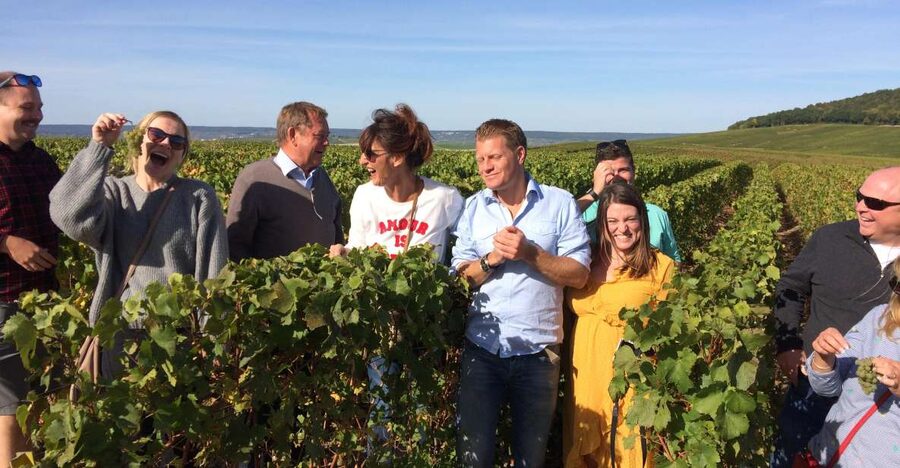
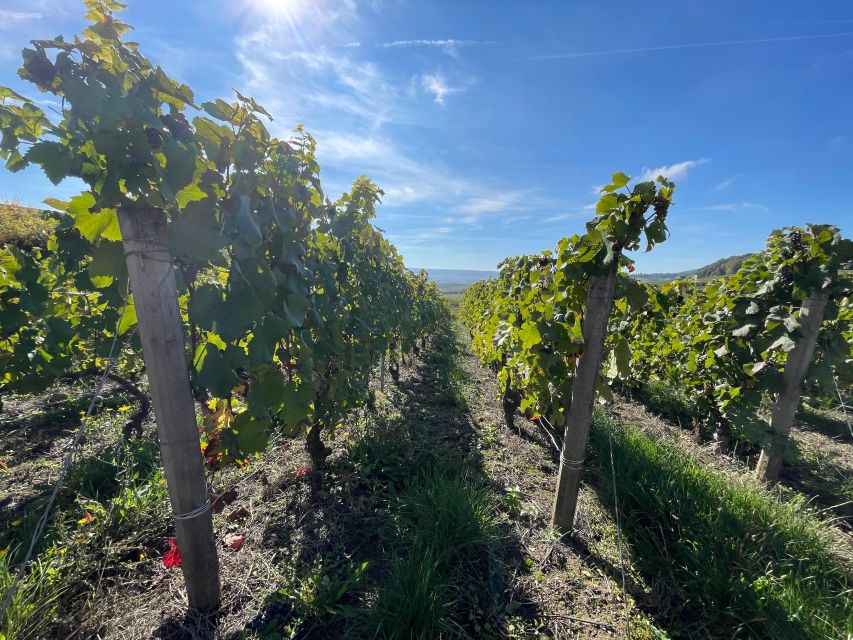
A planned stop in the vineyards explains the practical side of Champagne production. You learn about terroir, the effect of soil and place on the grapes, along with the different pruning systems used in the vines.
This may sound technical, but it helps you look at the rows with more understanding. Champagne production requires year-round work. The vineyard workers are described as gardeners, and that is a useful way to think about the job. Pruning, tending, harvesting, and maintaining the vines all shape the final wine.
Harvesting is done by hand, an important point in a region where labor and timing matter. If you visit during harvest, the tour may offer an unusually close look at the work. One August group saw grapes being pressed because the winegrowers were busy with the season. That sort of moment depends on the calendar, so it cannot be promised, but harvest time can bring extra activity.
Season affects the tone of the outing. Vineyards look different across the year, and the estates may operate on different schedules. Around New Year, some Champagne houses close, though Angélique’s local relationships can help keep the afternoon moving. Still, you should allow for changes in the exact visit if you book during a holiday period.
Angélique makes the difference
The strongest part of this experience is the guide. Angélique grew up in the Champagne region and knows the wine work from practical experience. She is not simply driving between photo stops. She explains the region, introduces you to producers, and connects the technical details to local life.
Her relationship with the growers is important. Small producers can be less formal than major houses, and the cellar visit feels more direct when your guide knows the people welcoming you. You may get a better sense of how a family estate operates, even within a short visit.
The tone is friendly and relaxed. Angélique’s humor and personal connection with the area help the tour feel less like a lecture. She is also able to keep the experience comfortable for a very small group, which is valuable if you want to ask questions without holding up a busload of people.
The language options are English and French. If you are hoping for detailed explanations about blending, vineyard work, or Champagne history, confirm that your preferred language is available when booking.
Four hours from Reims or Epernay
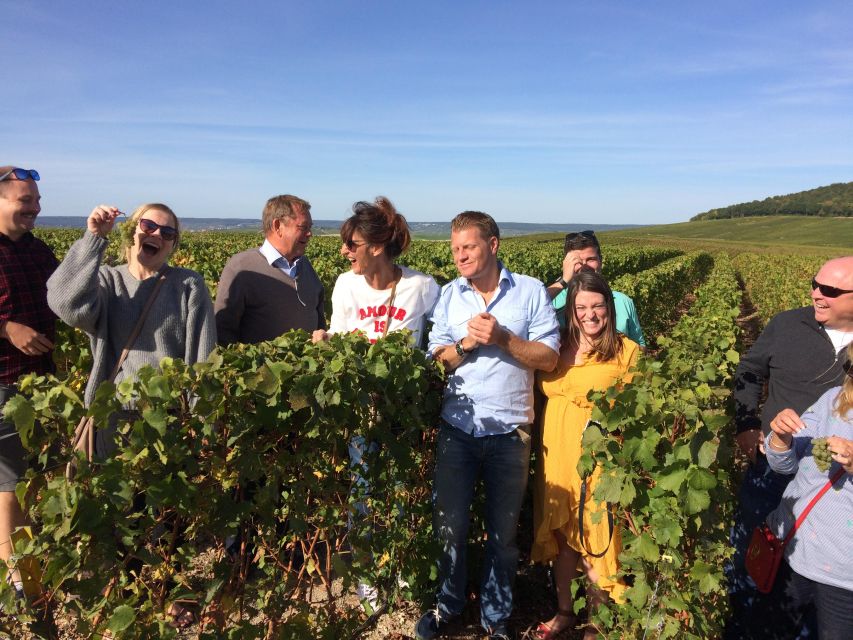
The tour runs in the afternoon and lasts four hours. Pickup in Reims is at 1:30 PM at Reims Central Station. Pickup in Epernay is at 2:00 PM at the tourist office. The return is planned between 5:30 and 6:00 PM, to the pickup area in Reims or Epernay according to your arrangement.
An air-conditioned van handles the driving. That is a real advantage in Champagne because the estates, viewpoints, and towns are spread across the region. You can taste without worrying about driving, and you get a guide who can point out what you are seeing along the way.
The timing works well for a half-day addition to a Reims or Epernay stay. It leaves your morning free and does not take a full day from a short visit. On the other hand, the schedule is tight. Road time, cellar visits, tastings, Epernay, Hautvillers, and the vineyard stop all compete for attention.
The itinerary information identifies a 30-minute van segment and a one-hour guided Champagne visit, while the full experience description includes two domains, city sightseeing, Hautvillers, and vineyard stops. In practical terms, treat the afternoon as a moving overview, not one long cellar tour.
Is $188 a fair price?
At $188 per person, this is not a budget wine outing. The price makes more sense when you count what is included: pickup and return, an air-conditioned van, a live guide, two producer visits, cellar access, six tastings, the abbey visit, and vineyard sightseeing.
You are also paying for access and local connections. A self-guided visit to Epernay may cost less, but it will not automatically connect you with two independent estates or explain the differences between their wines. Driving yourself is possible in the region, but it creates an obvious problem when six tastings are part of the plan.
Value depends on what you want. If your priority is a grand-house cellar with formal exhibits, spend your money on a specialist visit to one of the major brands. If you want a compact introduction to growers, vines, local history, and Champagne styles, the package is stronger.
The high transport score and overall 4.8 rating from 37 ratings suggest a dependable experience, but I would not treat that as a guarantee of an identical afternoon. Small estates operate on their own schedules, and harvest or holiday closures can alter the route.
Who should book this Champagne tour?
I would choose this tour if you are staying in Reims or Epernay and want the region explained by someone who works close to the wine world. It suits first-time Champagne visitors who want more than a polished brand presentation.
It is also a good fit for couples, friends, and solo visitors who prefer a small group. The limit of eight gives you a better chance to talk with Angélique and ask questions during the tastings.
You may want another type of outing if you dislike driving between stops, want a long abbey visit, or expect a substantial food pairing. The included food element is advice, not a stated meal. You should also avoid assuming that every producer will be open at the same times during holidays.
Book ahead if you want the flexibility of free cancellation up to 24 hours before departure and the option to reserve now and pay later. Those terms are useful when your Reims or Epernay plans are still shifting.
Should you book it?
Book this tour if you want Champagne from the ground up: small growers, six tastings, vineyard work, Epernay’s grand avenue, and Hautvillers with Angélique guiding the story. The personal scale and local relationships are its best features.
Skip it if your main goal is a single grand-house cellar or a slow, full-day wine program. For most first visits, though, the balance is appealing. You leave with a clearer idea of how Champagne is grown, blended, sold, and enjoyed, not just a collection of famous names.
FAQ
Where does the tour depart from?
You can meet the tour in Reims at Reims Central Station at 1:30 PM, or in Epernay at the tourist office at 2:00 PM.
Where does the tour return?
The tour returns to the pickup place in Reims or Epernay between 5:30 and 6:00 PM, according to your chosen pickup location.
How long does the experience last?
The tour lasts four hours.
How many people are in the group?
The group is limited to eight participants.
Which languages are available?
The live tour is available in English and French.
How many Champagne tastings are included?
Six Champagne tastings are included, along with advice about pairing Champagne with food.
What is included besides the tastings?
The price includes pickup and return, transport in an air-conditioned van, a Champagne guided tour, cellar visits, the six tastings, an abbey tour, and vineyard sightseeing.
Can I cancel or pay later?
You can cancel up to 24 hours in advance for a full refund. You can also reserve now and pay later.
Just added in France
- Private French Pastry Class in Marseille★ 5.0 · 90 reviews
- Picturesque Luberon – From MARSEILLE★ 5.0 · 36 reviews
- Provence : Aix en Provence, Cassis and Marseille Private Tour★ 4.5 · 53 reviews
- Marseille Walking food and culture tour 3 hour Private tour★ 4.0 · 36 reviews
- Market & Perched Villages of the Luberon Day Trip from Marseille★ 5.0 · 85 reviews
- Marseille Guided Tour for 2.5 Hours with a Bilingual Local Guide★ 5.0 · 36 reviews
- Marseille Guided Tour for 4 Hours with a Bilingual Local Guide★ 5.0 · 105 reviews
- Private Full Day Wine Tour in Provence From Marseille cruise port★ 5.0 · 32 reviews
Tours in Reims, compared.
Reims afternoon tour Champagne and family growers
Read our review →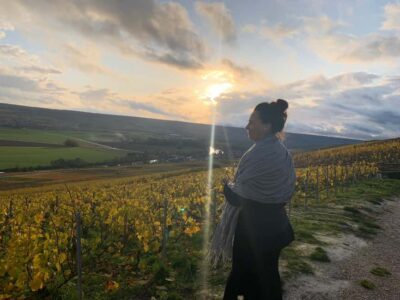
Small Group – Half Day Champagne Tour – Visit of 2 Small Producers/Growers
Read our review →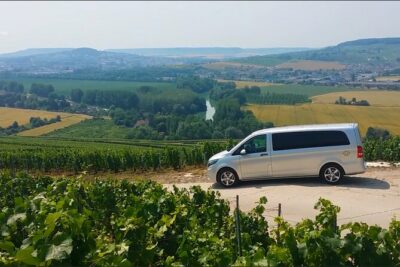
Champagne Day Trip from Reims including 9 Champagne Tastings
Read our review →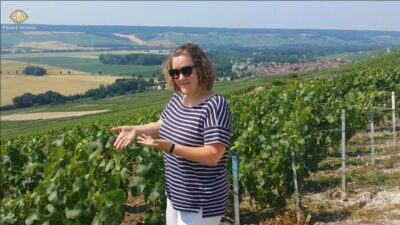
Champagne Day Trip to 3 Family Domains & Lunch
Read our review →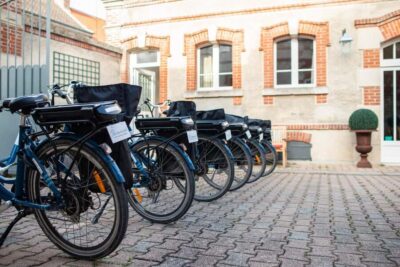
Champagne: E-Bike Champagne Day Tour with Tastings and Lunch
Read our review →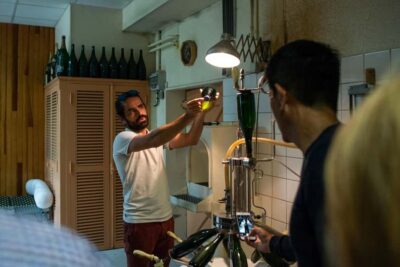
Veuve Clicquot and Family-Run Winery Day Tour & Lunch
Read our review →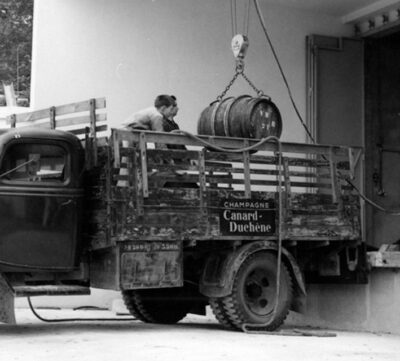
Browse the lists this tour appears in