
Reviewed · CHAMPAGNE TASTINGS
Champagne: Canard-Duchêne Champagne House Tour
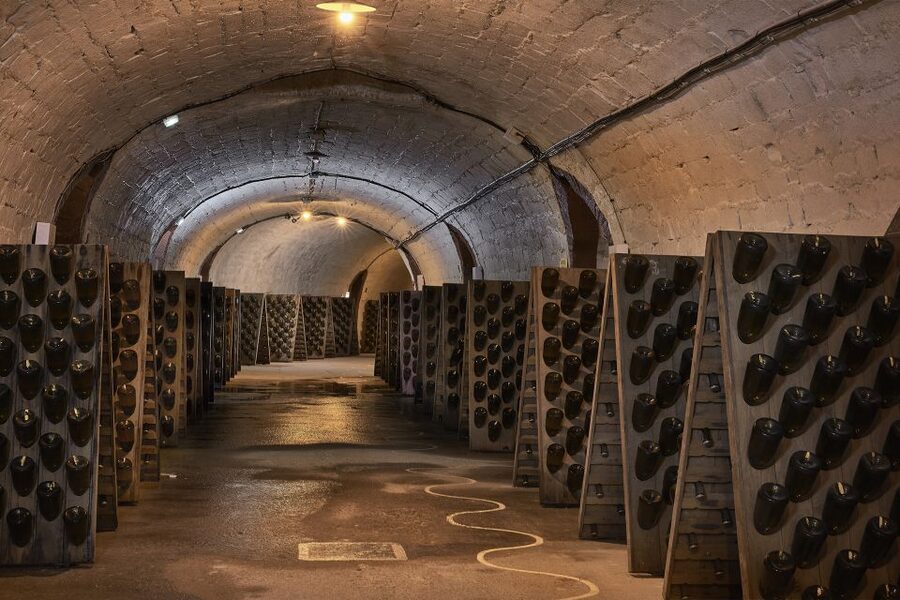
Canard-Duchêne keeps its best secrets underground. You’ll descend 130 steps into four levels of hand-carved cellars, where nearly four miles of tunnels stay cool and damp enough for champagne to mature slowly. Above ground, a guide explains the vineyards, production, and the house’s restored chapel.
I like the mix of old-fashioned cellar architecture and practical wine-making detail. I also like that the tour includes both the vineyards and a tasting, so you are not simply standing in a shop hearing a sales pitch. The main drawback is the short one-hour format, especially when you add the stair climb and tasting to the schedule.
The cellar visit is not suitable for people with mobility impairments, and the house says it is not suitable for people over 70. Bring warm clothing: the underground rooms reach only 50°F. If you want more than a basic taste, choose an option that includes two glasses.
Key points to know before you book
- Four levels underground: Descend 40 to 60 feet through 130 steps each way, with no elevator.
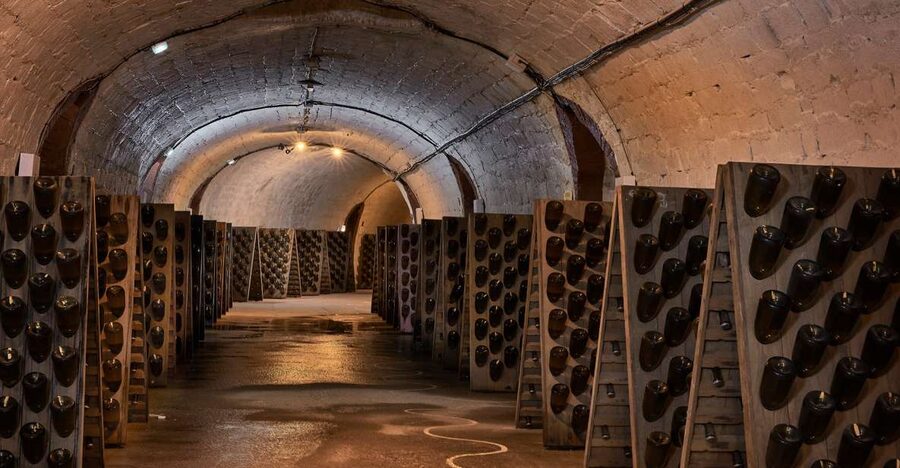
- Nearly four miles of cellars: Hand-carved 19th-century tunnels provide the main setting for the tour.
- A real production explanation: Your English or French guide covers grape growing, cellar conditions, and the stages of champagne making.
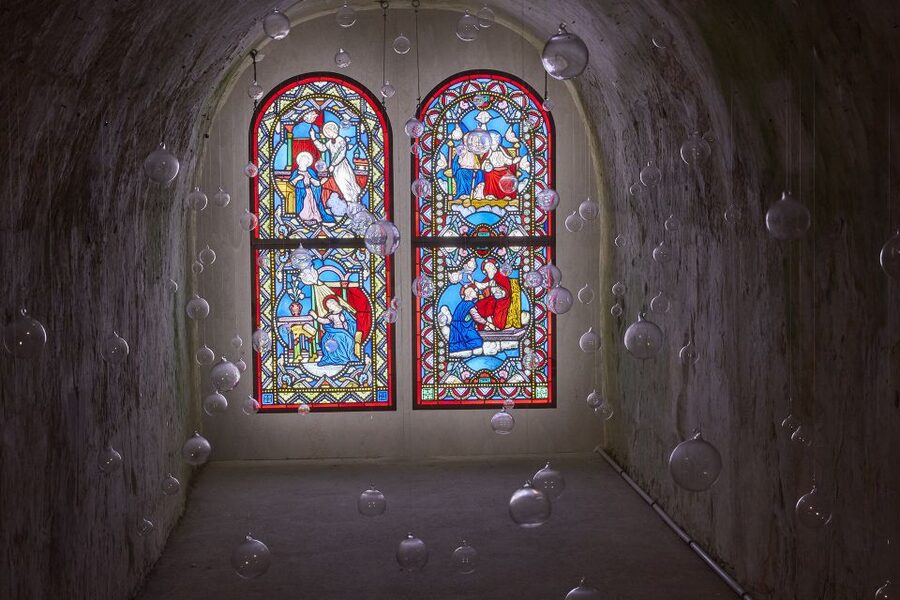
- A restored chapel window: The old chapel features stained glass renovated by the Simon-Marq workshop.
- Several tasting choices: Options range from one glass of brut or demi-sec to two glasses of selected Canard-Duchêne cuvées.
- A good value at $25: The price covers the cellar tour, vineyard walk, guide, and champagne, though the visit is brisk.
Why the underground cellars are the main event
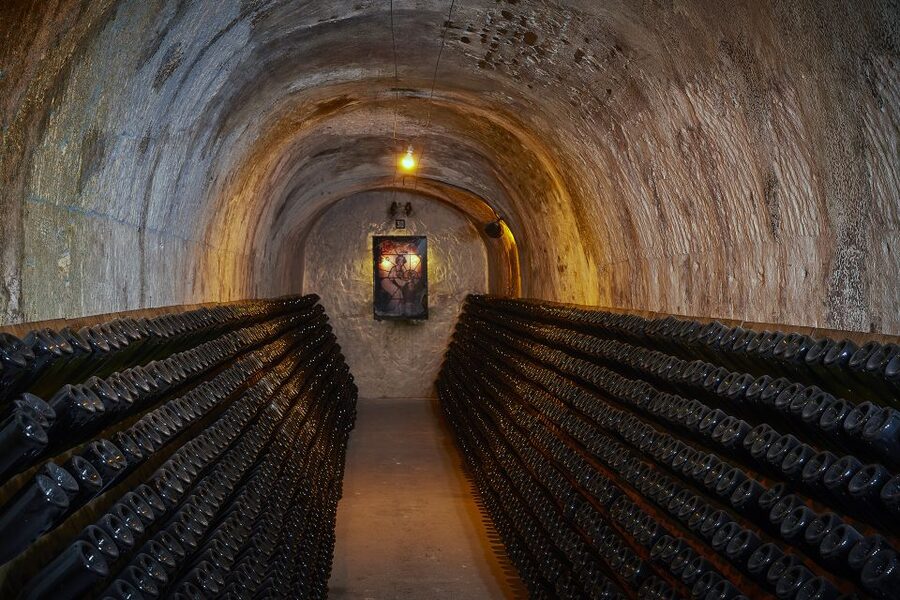
The most memorable part of this Canard-Duchêne visit happens below the surface. From the house, you descend 130 steps, reaching cellars about 40 to 60 feet underground. There is no elevator, so the stairway is not a minor detail. It shapes the whole experience.
Once below, you find a network extending almost four miles across four levels. The tunnels are linked to the practical side of champagne production, not just staged for decoration. Their temperature stays at a maximum of 50°F, and the underground setting supplies the stable temperature and humidity that champagne needs while it matures.
I like this because it gives you a clear reason for the cellar’s existence. You are not simply looking at old stone walls. Your guide explains how the cool, damp conditions affect the wine’s development, including the way time in the cellar helps create greater complexity.
The hand-carved 19th-century architecture adds atmosphere without needing much decoration. Expect an old, quiet setting rather than a bright modern tasting room. Wear comfortable shoes and a warm layer. The walk itself is not described as strenuous, but the stairs are unavoidable and must be managed in both directions.
The cellar portion also gives you a better sense of scale. A bottle of champagne may look like a small luxury item in a shop, but these long underground corridors show the storage demands behind it. The production process requires space, patience, and careful control.
Other champagne houses to visit from France:
- Champagne Day Trip with 6 Tastings, Reims and Winery from Paris
★ 5.0 · 902 reviews - Paris Seine River Champagne Tasting Cruise
★ 4.5 · 652 reviews - French Wine and Champagne Tasting in Paris
★ 5.0 · 622 reviews
What you learn about champagne production
The guide takes you through the different stages of champagne production and explains how the house’s facilities support the process. The exact length of each stop can vary, but the visit is designed as a compact introduction rather than a technical wine course.
You learn why vineyards matter, how grapes are grown, and why the cellar environment is so important after the wine leaves the vineyard. The guide also connects the underground temperature and humidity to the finished drink, helping you understand why champagne does not simply become better by sitting in any dark room.
That explanation is useful if this is your first Champagne visit. Many short tastings skip the production story and move quickly to the glass. Here, the wine is placed in context first. You see the land above ground, the storage rooms below it, and the link between both.
The English and French tours make this a practical choice for international visitors. No guide names are provided, so you should not book expecting a specific host. The quality of the experience depends in part on the guide’s pace and explanations, but the house has received strong overall feedback, with a 4.7 rating from 66 reviews.
One visitor specifically described the visit as complete and said it was a good way to learn a great deal. That matches the tour’s strongest feature: it packs several useful elements into one hour. You get the house story, the cellars, the vineyard, the chapel, and a tasting without needing a half-day commitment.
The tradeoff is depth. If you already know a great deal about grape varieties, fermentation, aging, or the technical details of Champagne production, you may find the explanation introductory. If you are building your first understanding of the region, the balance is more suitable.
The vineyard walk puts the bottle in its place
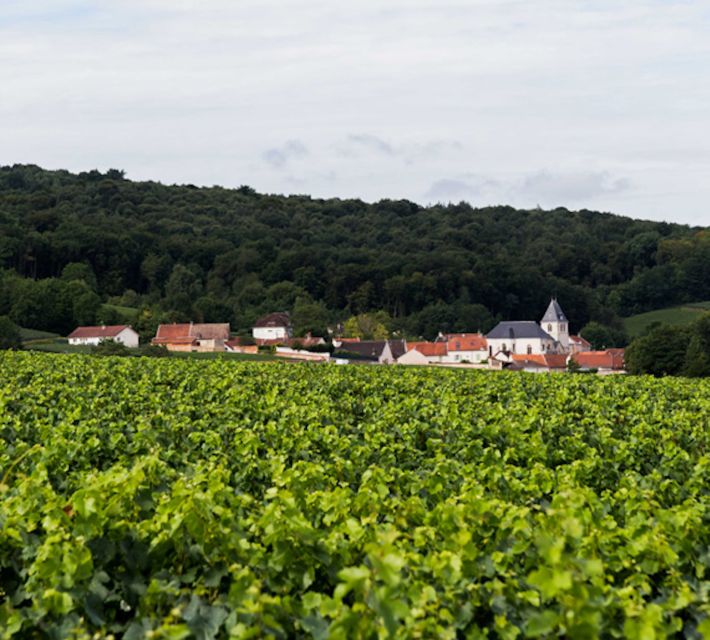
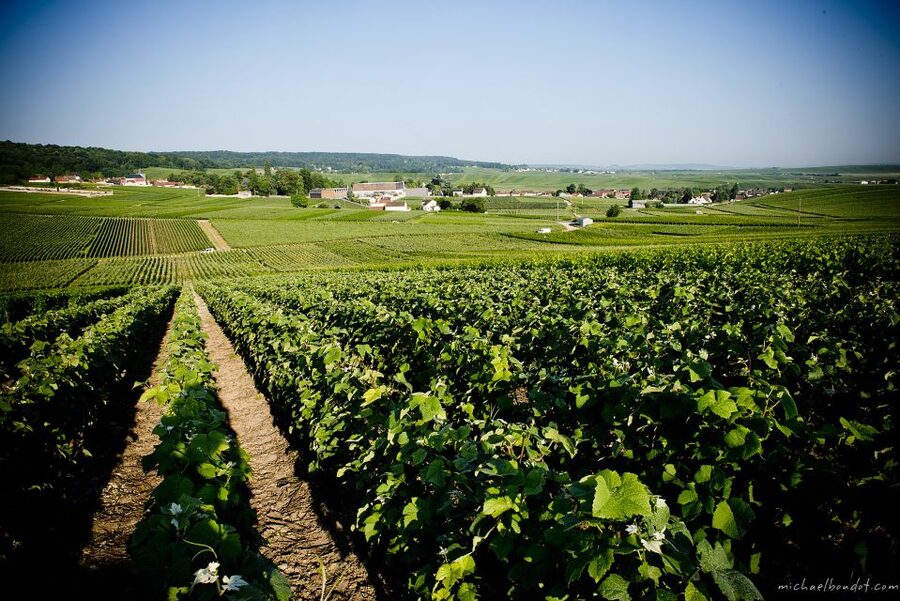
After spending time underground, you return outside for a guided walk through the vineyards. This is a simple but important change of setting. The cellars explain how the wine matures, while the vineyard shows where the process begins.
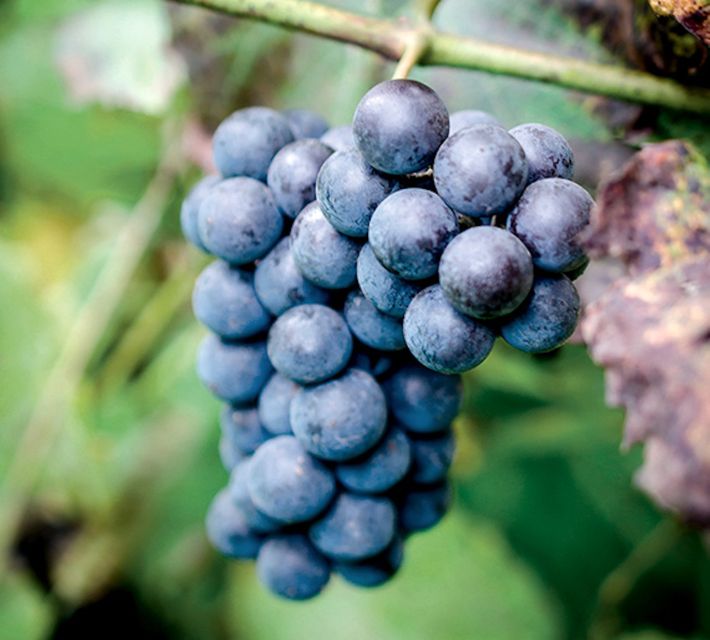
You get to see how the grapes are grown rather than treating champagne as something made only inside a grand house. The guide explains the relationship between the vines and the final wine, giving you a more grounded view of the product.
Do not expect a long countryside hike. The whole experience lasts one hour, so the vineyard portion is necessarily brief. It works best as an introduction, not as a detailed study of vineyard management or a full walk through the surrounding wine country.
Still, I like having it included. Many cellar tours keep you indoors from start to finish. Here, the short outdoor portion breaks up the underground visit and gives you a look at the source of the grapes. If the weather is cool or wet, comfortable clothes will make the transition easier.
The vineyard walk also helps explain why a house visit can be more useful than tasting champagne in a city center. You see at least some of the physical setting connected with the wine. That does not replace visiting several villages or producers, but it makes the glass in front of you less abstract.
The renovated chapel adds a quiet artistic stop
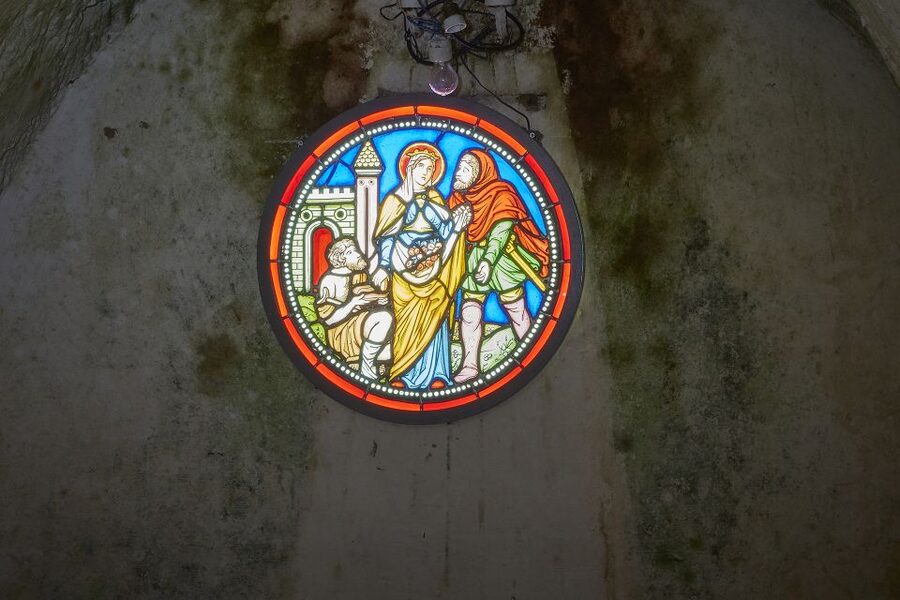
Canard-Duchêne also includes a look at the old chapel and its restored stained glass windows. The windows were renovated by the Simon-Marq workshop, a detail that gives the site an artistic layer beyond wine production.
This is a short stop, but it helps distinguish the house from a purely industrial cellar tour. You see how the property’s older buildings and decorative features fit into its identity. The chapel is not presented as a separate museum visit, so keep your expectations modest. It is an architectural detail within the wider tour.
I especially like this kind of pause because it prevents the experience from becoming a sequence of tanks, bottles, and technical terms. The cellar tells the production story. The chapel gives you something visual and personal to remember.
A visitor described the place as magnificent, and the restored stained glass helps explain that reaction. You are not visiting a bare storage facility. The setting has enough history and visual character to make the tour feel tied to a real Champagne house.
Same base, a different kind of day:
- Paris: Louvre Museum Timed-Entrance Ticket
★ 4.6 · 71,977 reviews - Disneyland® Paris 1-Day Ticket
★ 4.6 · 49,412 reviews - Paris: Versailles Palace and Gardens Full Access Ticket
★ 4.6 · 41,579 reviews - Paris: Evening River Cruise with Music
★ 4.4 · 22,721 reviews
Choosing between the four tasting options
The tasting is included, but the number and style of glasses depend on the option you select. Read the names carefully before paying, since the choices offer different levels of variety.
Decouverte includes a tasting of either a brut or a demi-sec. This is the simplest choice and likely suits you if you want an introduction without making the tasting the main reason for the visit. It gives you one glass and keeps the tour focused on the house and cellars.
Liberté includes Cuvée Léonie Brut and Cuvée Léonie Rosé, or Cuvée Bio P181. This option gives you more room to compare styles, depending on the selection attached to your booking. Choose it if you want to taste two expressions rather than one standard glass.
Charles VII includes a tasting of Cuvée Charles VII. This is the choice for anyone specifically interested in that cuvée. The supplied details do not give a full tasting profile, so you should select it for the named wine rather than expecting a guided masterclass.
The tasting is not paired with lunch. One useful improvement would be a small toast or biscuit with the glasses. That point was raised after a visit, and it is worth keeping in mind if you expect food with your champagne. Eat before or after the tour if you need more than a taste.
The selection is also limited compared with a longer Champagne tasting class. That is not necessarily a problem at $25, but it matters when you compare this experience with a half-day tour that includes several producers, more glasses, or a meal.
Is $25 a fair price for one hour?
At $25 per person, this is good value if you want a focused introduction to one champagne house. The price includes a guided cellar visit, a vineyard tour, and one or two glasses depending on your chosen option. You also see the chapel and learn how the house’s production works.
The value comes from variety. You are not paying only for a drink. You are paying for access to the underground cellars, the guide’s explanation, the vineyard walk, and the setting. For a first Champagne visit, that is a useful package.
The one-hour length keeps the cost manageable but also limits the experience. If you want a relaxed tasting, a long vineyard walk, or a meal, this is not enough on its own. You will need another activity to fill the day.
There is also little choice in the shop, according to one visit. That matters if you are hoping to spend time selecting from a large range of bottles or gifts. Treat the shop as a brief final stop, not the main purpose of your visit.
For comparison, a longer tour from Reims or Épernay can include transport and several tastings, but it will cost more and take much longer. Canard-Duchêne makes sense if you already have your own transport or plans nearby and want a short house visit without committing half a day.
Practical details that affect your visit
Arrive 15 minutes before the activity begins. The tour has a fixed one-hour duration, and arriving late could cut into the cellar visit or tasting.
The tour is offered in English and French. If you need a particular language, check the available starting time when you book. The guide is live rather than an audio recording, which allows you to follow explanations about the house, production, and cellars directly.
Wear warm clothing even if the weather outside is mild. The cellars reach only 50°F, and you may feel the cold more after standing underground for part of the visit. Comfortable clothes are also important for the stairs and vineyard walk.
The 130 steps each way deserve serious attention. There is no elevator access. The experience is not suitable for people with mobility impairments, and the stated information also excludes people over 70. If stairs are difficult for you, choose a different Champagne activity, even if the tasting itself appeals.
Free cancellation is available up to 24 hours before the start time for a full refund. You can also reserve and pay later, which helps if your schedule around Reims or Épernay is still changing.
Who will enjoy this Canard-Duchêne visit?
I would recommend this tour to a first-time Champagne visitor who wants a clear introduction without spending half a day. It is also a good fit if you care about the physical setting, since the visit combines cellars, vineyards, and an old chapel rather than taking place only at a counter.
It suits adults who can manage the stairs and who enjoy a short, structured visit. The price is low enough to add to a larger day of sightseeing, especially if you are already in the Grand Est region and want to learn more about local champagne production.
You may want something else if your main goal is a serious tasting. The one-hour schedule leaves limited time for comparing wines, asking detailed technical questions, or enjoying a long food pairing. A masterclass with lunch would be a better match for that purpose.
You should also think twice if you dislike cold underground spaces or do not want to climb stairs. The cellars are the heart of the experience, so skipping them would remove the most distinctive part.
Should you book it?
Book this Canard-Duchêne tour if you want a reasonably priced introduction to champagne production, especially one that includes a genuine cellar setting and a short vineyard walk. The restored chapel windows add character, and the tasting gives you a neat finish.
Choose the Decouverte option for a simple first taste, Liberté for more variety, or Charles VII if that cuvée is the one you want to sample. Bring a warm layer, arrive early, and be honest about your ability to manage 130 steps each way.
I would not choose it as your only Champagne activity if you want a full-day regional experience or a substantial meal. But as a compact, informative stop, it offers a lot for $25 and gives you a useful look at how the bottle begins, matures, and reaches your glass.
FAQ
Where does the Canard-Duchêne Champagne House tour take place?
The tour takes place at Champagne Canard-Duchêne in the Grand Est region of France.
How long does the experience last?
The guided experience lasts one hour.
What languages are available?
The live guide speaks English or French.
How many steps are there to the cellars?
You climb 130 steps each way. There is no elevator access.
How far underground are the cellars?
The cellars are about 40 to 60 feet underground.
How large are the cellar networks?
The network extends for nearly four miles across four levels.
How cold are the cellars?
The maximum temperature in the cellars is 50°F.
Is champagne included?
Yes. The tasting includes one or two glasses, depending on the option selected.
What tasting choices are available?
Decouverte includes brut or demi-sec. Liberté includes Cuvée Léonie Brut and Cuvée Léonie Rosé or Cuvée Bio P181. Charles VII includes Cuvée Charles VII.
Is lunch included?
No. Lunch is not included.
How early should you arrive?
You should arrive 15 minutes before the activity starts.
Can you cancel for a refund?
You can cancel up to 24 hours in advance for a full refund.
Just added in France
- Private French Pastry Class in Marseille★ 5.0 · 90 reviews
- Picturesque Luberon – From MARSEILLE★ 5.0 · 36 reviews
- Provence : Aix en Provence, Cassis and Marseille Private Tour★ 4.5 · 53 reviews
- Marseille Walking food and culture tour 3 hour Private tour★ 4.0 · 36 reviews
- Market & Perched Villages of the Luberon Day Trip from Marseille★ 5.0 · 85 reviews
- Marseille Guided Tour for 2.5 Hours with a Bilingual Local Guide★ 5.0 · 36 reviews
- Marseille Guided Tour for 4 Hours with a Bilingual Local Guide★ 5.0 · 105 reviews
- Private Full Day Wine Tour in Provence From Marseille cruise port★ 5.0 · 32 reviews
Champagne Tastings, compared.
Champagne Day Trip from Paris with 8 Tastings & Lunch
Read our review →
Small Group – Half Day Champagne Tour – Visit of 2 Small Producers/Growers
Read our review →
Small-Group Champagne Tour with 3-Course Lunch
Read our review →Browse the lists this tour appears in