
Reviewed · WINE TOURS
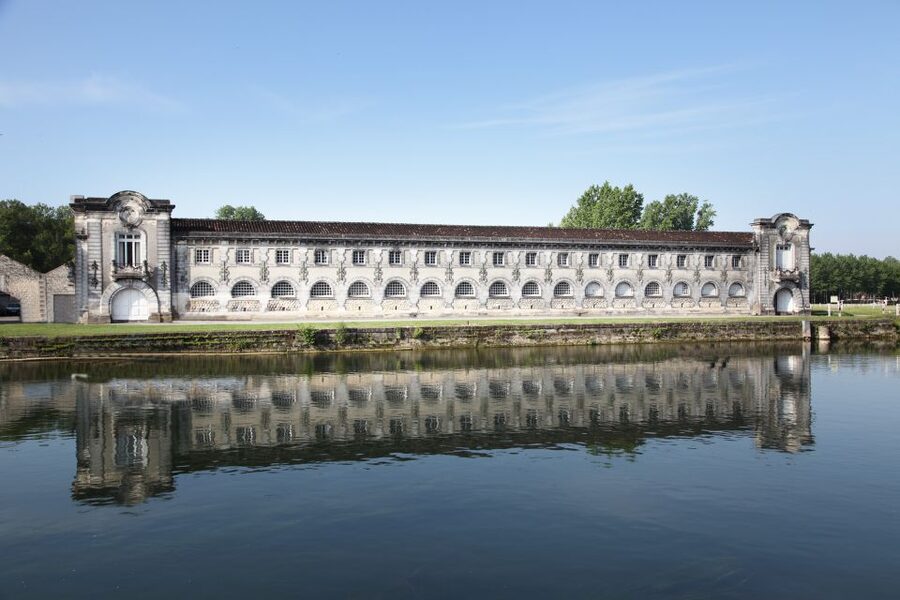
Jarnac: Braastad cognac prestige visit
Braastad’s prestige visit takes you from grape to glass inside an operating cognac house. You’ll see the 10 copper pot stills, walk through the aging cellar, and finish with three older bottlings: XO, XO Supérieur, and Extra. That makes this more than a tasting at a shop counter.
I like two things right away. First, Braastad handles the whole chain, from vineyard care and harvesting to wine making, distillation, aging, and blending. Second, the visit reaches parts of the company that many short tastings skip, including the historic building, storage cellar, and museum. Guide Eric is especially good at turning technical details into a clear lesson.
The main consideration is scope. Ninety minutes goes quickly, so you will get a strong introduction rather than a slow, exhaustive look at every production stage. The published details also use both XO and XXO in one place, so I would confirm the exact tasting lineup when booking.
Key points at a glance
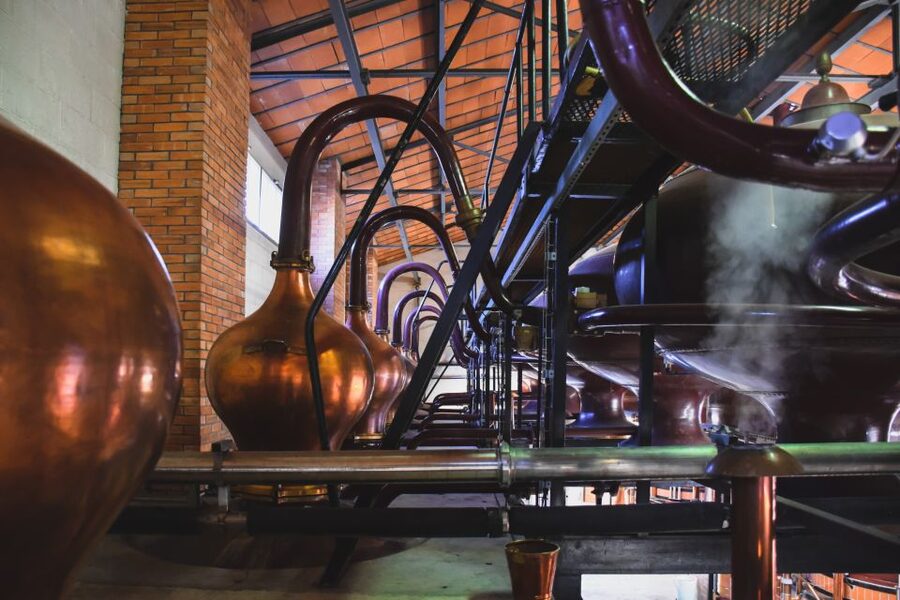
- Ten pot stills in the working distillery: See the equipment used to turn wine into eau-de-vie and learn why distillation matters.
- A full production story: Braastad explains vineyard care, harvest, winemaking, distillation, aging, and blending under one roof.
- Three prestige cognacs: Compare XO, XO Supérieur, and Extra to understand the effect of time and blending.
- A family-run house founded in 1875: The visit connects the spirit in your glass with the company’s long-running identity.
- A useful Jarnac location: Meet at 29 Quai Île Madame, with free parking along the Charente River.
- Good off-season potential: A November visit was almost private, and the 90-minute format works well for a stop in the region.
Why this Jarnac visit feels different
Cognac tours often focus on one attractive part of production, usually the cellar or the tasting room. Braastad gives you the entire sequence. You begin with the raw material and follow the decisions that shape the final spirit.
That matters because cognac is not simply young brandy placed in an old barrel. Its character begins with the vineyards and the wine made from the grapes. Distillation then concentrates and changes that wine. Time in oak adds further flavor, and blending brings several ages and profiles into balance.
Braastad says it makes decisions at every stage according to its own standards. For you, that means the tour offers a useful way to connect the business side of cognac with what you taste later. Instead of hearing only that an XO is older, you can ask how age, blending, and the house style work together.
The company dates its story to 1875 and remains family run. The connection with the Tiffon and Braastad names is part of the visit, especially inside the historic company building. You are not visiting a generic spirit attraction built only for day trips. You are entering the place the company presents as the heart of its work.
More wine tours in Bordeaux:
- Bordeaux: Cité du Vin Entry Ticket and Wine Tasting
★ 4.6 · 3,885 reviews - Bordeaux: River Garonne Cruise with Glass of Wine and Canelé
★ 4.5 · 3,630 reviews - From Bordeaux: Afternoon Saint-Emilion Wine Tasting & snack
★ 4.8 · 1,581 reviews
Starting at 29 Quai Île Madame
The meeting point is the front door at 29 Quai Île Madame in Jarnac. Free parking is available along the Charente River, which makes this an easy stop if you are driving through the Cognac area.
You should allow a few minutes to find the entrance and gather yourself before the start time. The tour returns to the same address, so you do not need to arrange a second pickup point or figure out a separate route back to your car.
The location also helps set the tone. The Charente is closely tied to the towns of the Cognac region, and the riverfront setting gives you a sense of place before the indoor visit begins. The tour itself takes place in Mainxe-Gondeville, according to the route details, with the listed meeting and return address at the Braastad site.
English, French, and Norwegian are available. That range is useful in a region where some specialized production terms can become hard to follow. If you have a technical question, ask it early. The guide-led format is designed for conversation, not just a recorded walk.
Following the process from vineyard to wine
The opening part explains the work that happens before the stills. Braastad covers vineyard care, the harvest, and wine making. You will not simply hear a list of steps. The point is to show how the house controls the base material used for distillation.
This is one of the best parts for anyone who has tasted cognac but never understood where its differences begin. The grapes become wine before they become eau-de-vie, so the quality and character of that wine matter. Braastad’s approach is to manage the process from the beginning rather than buy a finished spirit and only age it.
The visit does not promise a long vineyard walk, and you should not book it expecting a full outdoor farm tour. The value lies in the explanation of how the vineyards and cellar work connect. In a compact 90-minute visit, that is a sensible choice.
The guide can also put later tasting notes into context. When you compare the three cognacs, you are not just comparing labels or prices. You are considering the house style that began with fruit, wine, and distillation decisions.
Seeing the 10 pot stills in the distillery
Next comes the authentic distillery, with its 10 pot stills. This is the visual center of the production story. Copper stills make the process feel concrete, especially if you have only read about double distillation or seen finished bottles in a store.
The guide explains distillation and its role in shaping the spirit. The stills are not just museum pieces. They represent the stage where wine becomes the clear eau-de-vie that will later spend years in oak.
This is where a good guide makes a big difference. Eric has been singled out for his enthusiasm and his ability to answer questions, including basic ones. That is useful here because distillation can quickly turn into a tangle of unfamiliar terms. You can ask what the stills do, why the process takes care, and how the spirit moves from this room to the cellars.
The practical drawback is that the equipment may not be operating during your visit. The information provided confirms that you will see the distillery and learn about distillation, but it does not promise an active distilling demonstration. If seeing the stills in production is important to you, ask about current operations when you reserve.
Same base, a different kind of day:
- Medoc or Saint Emilion Wine Tasting and Chateau from Bordeaux
★ 5.0 · 1,415 reviews - Saint Emilion Day Trip with Sightseeing Tour & Wine Tastings from Bordeaux
★ 5.0 · 1,120 reviews - Saint-Émilion: Grand Cru Classé Winery Visit and Tasting
★ 4.6 · 1,118 reviews - Saint Emilion Half-Day Trip with Wine Tasting & Winery Visit from Bordeaux
★ 4.5 · 1,034 reviews
Entering the aging cellar and storage area
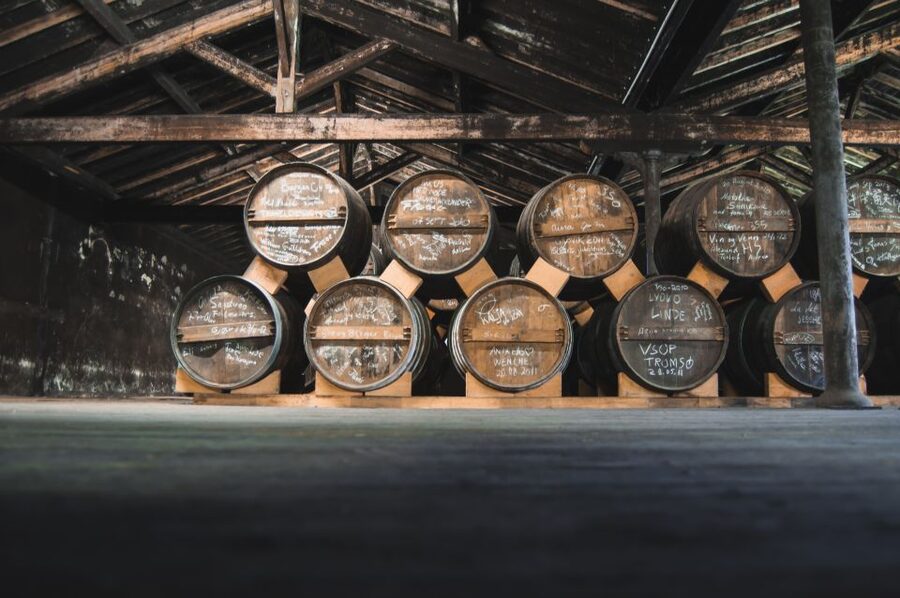
After the distillery, the tour moves to the aging cellar, where the spirit rests in oak before it is blended and bottled. This part explains why a young eau-de-vie can become a mature cognac with a different color, aroma, and texture over time.
The storage cellar includes large foudres, or sizable wooden vessels. Seeing these helps you understand that aging is not a quick finishing step. It is a long commitment of space, time, and stock. The spirit must be held, monitored, and selected before it reaches the final blend.
I find this part especially helpful for understanding the difference between age statements. An older cognac is not automatically better for every palate. Age changes the spirit, but the house still has to decide how different components work together. That is why the blending lesson matters as much as the number on the label.
The cellar also gives the visit a real working feel. You are looking at the place where the liquor is held for years, not just at a display of empty barrels. Conditions can vary by season, and the tour details do not promise a particular cellar temperature, so bring a light layer if you tend to feel cool indoors.
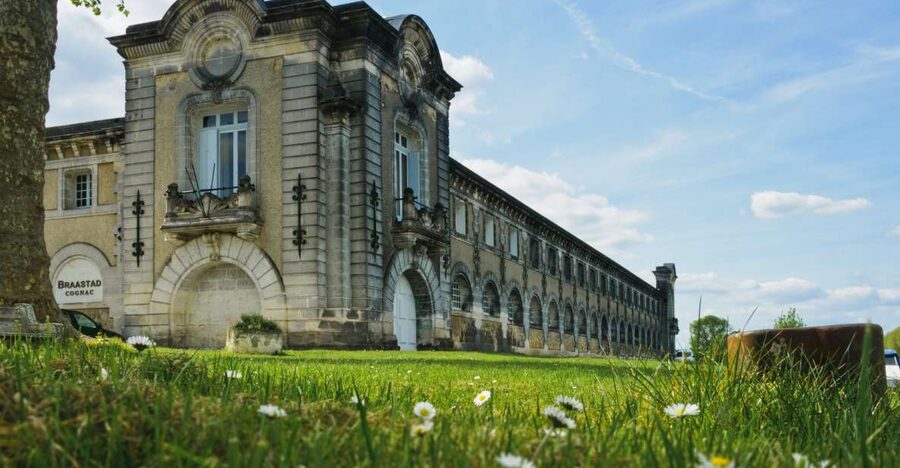
The museum and Braastad’s historic building
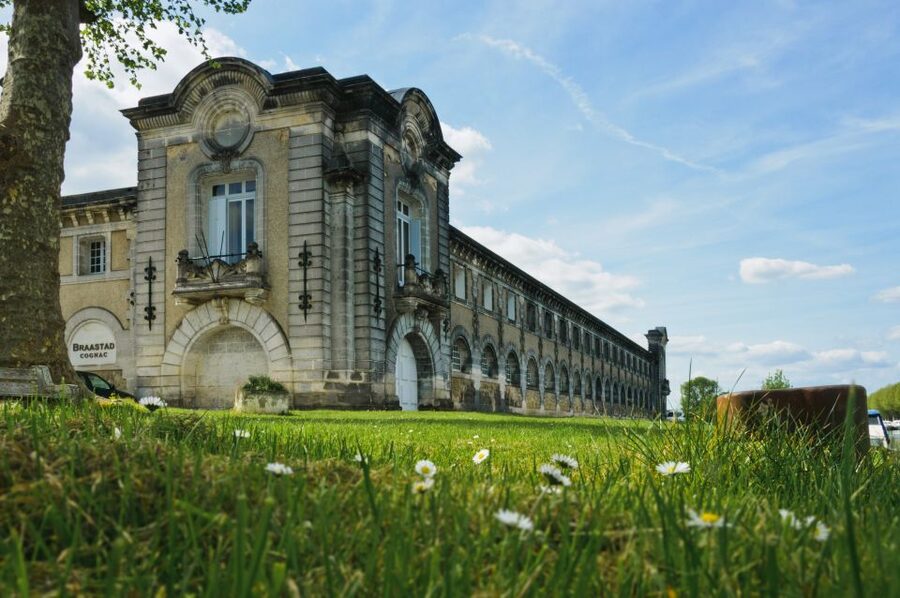
The route includes the company’s iconic building and a museum filled with old bottles and fun facts. These displays add context without turning the visit into a lecture about dates and founders.
Old bottles are useful teaching tools. They show how packaging, labels, and presentation change over time, while the spirit inside remains linked to the company’s long-running work. The museum also gives you a pause between the technical production areas and the tasting.
The historic access is one of the strongest reasons to choose this visit instead of a basic tasting. You get to see the company’s own setting and hear about Braastad and Tiffon within that setting. The experience feels personal because the brand story is tied to the building, cellars, and production rooms you are walking through.
Do not expect a large museum complex. The information describes a collection within the house, not a full-scale national museum. That is fine. The appeal is the connection between the objects and the cognac you taste a few minutes later.
Comparing XO, XO Supérieur, and Extra
The final tasting is the reward, but it is also the lesson. You taste three of Braastad’s older and more exceptional cognacs: XO, XO Supérieur, and Extra. The purpose is to show how aging and blending create different results.
A tasting like this works best if you slow down. Notice how the aromas change from one glass to the next. Consider texture, length, warmth, and balance. You do not need to be an expert. The guide’s job is to give you a framework so you can make your own comparisons.
The word supérieur suggests a step in the house’s range, while Extra represents another level of age and blending. The precise composition of each bottle is not provided here, so I would not pretend that age alone explains every difference. Cognac categories involve minimum age rules, but the final character still depends on the blend and the producer’s decisions.
The published activity details contain one small inconsistency: one section names XO, XO Supérieur, and Extra, while the inclusion text also mentions a limited-edition XO and XXO. Since the main description clearly presents the three-part prestige tasting as XO, XO Supérieur, and Extra, that is the lineup I would expect. Still, confirm it before paying if a specific bottle matters to you.
This tasting is generous enough to make the $41 price easier to judge. You are not paying only for three small pours. The fee covers the guided production visit, the historic building, the cellar, the museum, and the explanation that connects all three glasses.
What $41 buys you
At $41 per person, this is not the cheapest way to taste cognac. It is also not a simple tasting-room stop. The price makes sense if you want to understand production and compare mature expressions rather than just sample one standard pour.
The strongest value comes from the balance of access and tasting. You see the pot stills, learn about the vineyard and wine stages, enter the aging areas, and then taste spirits chosen to show age and blending. If you already know cognac and want a short look at a family producer, the prestige focus is a good fit.
If you only want a quick drink, you may find the visit too structured. A bar or shop tasting would take less time and might cost less, though it would not give you the same view of the production chain.
The 90-minute length is practical. It fits into a day of exploring Jarnac and nearby Cognac without taking over your schedule. At the same time, the subject is broad, so the pace may feel brisk if you ask many questions. Eric’s energetic style is a plus for curious people, but you should keep an eye on the clock if you have another appointment.
Who will enjoy this most
I would choose this tour if you are curious about how spirits are made, not only how they taste. It suits first-time cognac drinkers because the guide explains the process step by step, and it gives experienced drinkers a chance to compare XO, XO Supérieur, and Extra in one sitting.
It also works well for people interested in family businesses and regional production. The connection between the vineyards, distillery, cellars, museum, and company building gives the visit a sense of continuity.
The tour is offered in three languages, which makes it a good option for mixed-language parties. It is also a sensible choice in the off-season. One November booking had an almost private format, though you should treat that as a possibility rather than a promise.
I would think twice if you dislike strong spirits, have no interest in production, or need a very slow, highly detailed technical tour. Ninety minutes can introduce the craft well, but it cannot cover every question about grapes, still design, oak, blending, and commercial production.
Practical advice before you go
Meet at the front door of Braastad Cognac at 29 Quai Île Madame. Free parking runs along the Charente River, so driving is straightforward according to the supplied details.
Book in advance if the prestige tasting is important to your schedule. You can cancel up to 24 hours before the visit for a full refund, and the reserve-now, pay-later option lets you hold a place without paying immediately.
Wear something comfortable for walking through the production areas. The tour includes the distillery, cellar, museum, and company building, so you will be moving between several parts of the property rather than sitting in one tasting room.
If you have questions about the blend, ask during the tasting. That is the point when the earlier explanations about distillation and aging become useful. Also confirm the exact bottle lineup because the activity details refer to XXO in addition to the three cognacs named in the main description.
Should you book Braastad’s prestige visit?
Yes, if you want a clear, well-paced introduction to cognac that includes real production spaces and a serious tasting. The best reasons to book are the 10 pot stills, the foudre storage cellar, the historic company building, and the chance to compare XO, XO Supérieur, and Extra for $41.
I would skip it only if you want a short tasting with no tour, or if you need a longer technical session than 90 minutes allows. For most people spending time in Jarnac, this is a strong-value visit that connects the drink in your glass with the work behind it.
FAQ
Where does the Braastad Cognac tour begin?
The meeting point is at the front door of Braastad Cognac, at 29 Quai Île Madame.
Is parking available?
Yes. Free parking is available along the Charente River near the meeting point.
How long does the visit last?
The guided visit lasts 90 minutes, including the tour and tasting.
Which languages are available?
The live tour is available in English, French, and Norwegian.
Which cognacs are included in the tasting?
The main tour information names XO, XO Supérieur, and Extra. One inclusion note also mentions XO and XXO, so confirm the exact lineup when booking.
What will I see during the visit?
You will learn about vineyard care, harvesting, winemaking, distillation, aging, and blending. The visit also includes the historic company building, the distillery with 10 pot stills, an aging cellar, and a museum.
Can I cancel or pay later?
You can cancel up to 24 hours before the activity for a full refund. A reserve-now, pay-later option is also available.
Just added in Bordeaux
- Au Cœur du Château – VSOP D’USSÉ & XO BARON OTARD★ 4.5 · 108 reviews
- Discover Braastad Cognac★ 5.0 · 52 reviews
- retro road trip/ Méhari, 2CV & Burton in Rochefort, La Rochelle★ 5.0 · 28 reviews
- Saint Emilion Full Day Wine and Bike Tour★ 5.0 · 167 reviews
- Virtual Room Bordeaux – 1st team virtual reality experience★ 5.0 · 47 reviews
- Private Bordeaux History Tour with a glass of Bordeaux wine.★ 5.0 · 28 reviews
- Wine Masterclass & Cheese Tasting Workshop in Bordeaux★ 5.0 · 29 reviews
- Bordeaux bike tour “The Best of Bordeaux”★ 5.0 · 164 reviews
Wine Tours, compared.

Authentic Parisian Gourmet Food Tour with 10 Local Dishes & Wines
Read our review →
Loire Valley Castles Day Trip from Paris with Complementary Wine
Read our review →
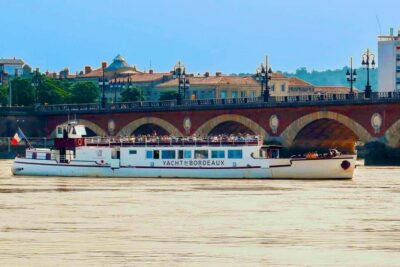
River Garonne Cruise with Glass of Wine and Canelé
Read our review →
Montmartre Hill French Gourmet Food and Wine Tasting Walking Tour
Read our review →
Montmartre Cheese, Wine & Pastry Guided Walking Tour
Read our review →
Loire Valley Castles Day Trip With Wine Tasting
Read our review →
Afternoon Saint-Emilion Wine Tasting & snack
Read our review →Browse the lists this tour appears in