
Reviewed · WINE TOURS
Bordeaux: Cité du Vin Entry Ticket and Wine Tasting
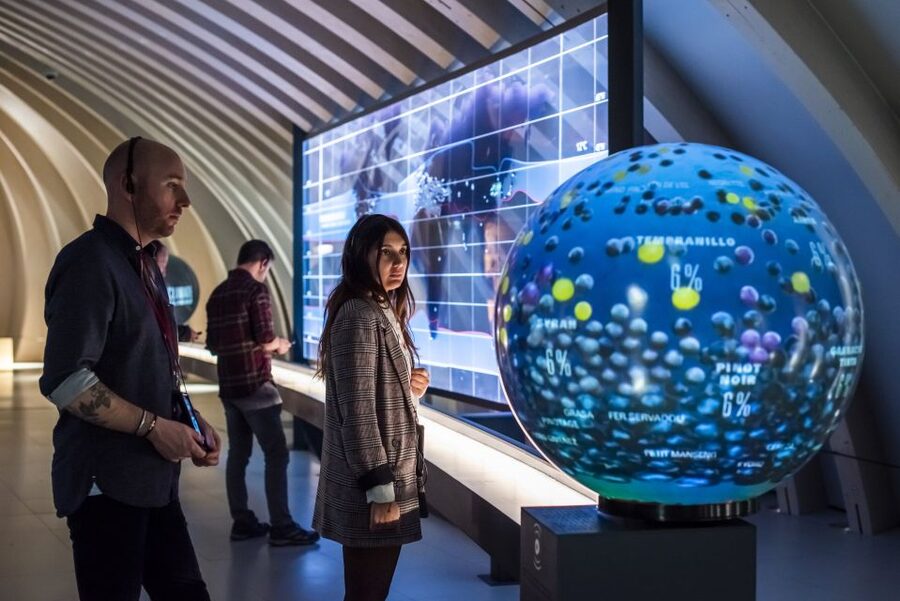
Bordeaux’s Cité du Vin turns wine into a hands-on museum visit rather than a lesson in a classroom. You can test aromas, explore vineyards around the world, watch winemaking unfold on large screens, and finish with a glass of wine high above the city.
I like the excellent digital guide, available in eight languages, and the freedom to move through 18 themed spaces at your own pace. I also like the 35-meter belvedere, where your included wine tastes better with a wide view over Bordeaux.
The main consideration is time. You can rush through in 90 minutes, but the museum makes more sense with three hours or more. Some interactive stations can get crowded, and the audio equipment may not work perfectly with every hearing aid.
Key points to know before you go
- Eighteen themed exhibition spaces: Learn about wine production, culture, geography, history, and the senses through films, touchscreens, sound, and practical displays.
- A glass with a view: Choose one wine from an approximately 15-wine selection at the 8th-floor belvedere.
- Go straight to the second floor: Scan your voucher there instead of waiting at the reception desk downstairs. This saves a trip to the ticket counter, but it is not a special priority entrance.
- Plan for three hours: You can move quickly, but four or five hours is possible if you explore every station.
- Eight guide languages: The digital companion is offered in Chinese, Dutch, English, French, German, Italian, Spanish, and Portuguese.
- Extra tastings cost more: The ticket includes one glass, but tasting workshops and temporary exhibitions are separate.
What makes Bordeaux’s Cité du Vin different
I would not treat the Cité du Vin as a traditional museum filled with old bottles and dusty labels. Its subject is wine, but its method is modern. You learn through sound, film, scent, movement, and interactive screens.
That makes it useful even if you are new to wine. The displays explain broad ideas without assuming that you know the difference between fermentation, aging, grape varieties, and wine regions. If you already enjoy wine, you can spend more time with the world map, production displays, and sensory sections.
The museum also avoids making Bordeaux wine the only story. You learn about vineyards and wine traditions from around the world, which gives the city’s famous wine culture a wider setting. That global approach is one of the ticket’s best features.
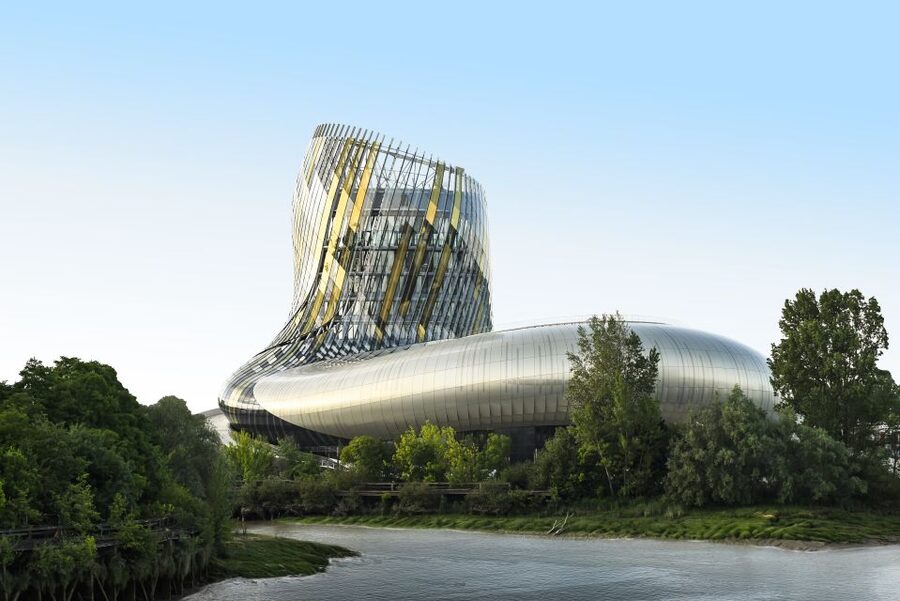
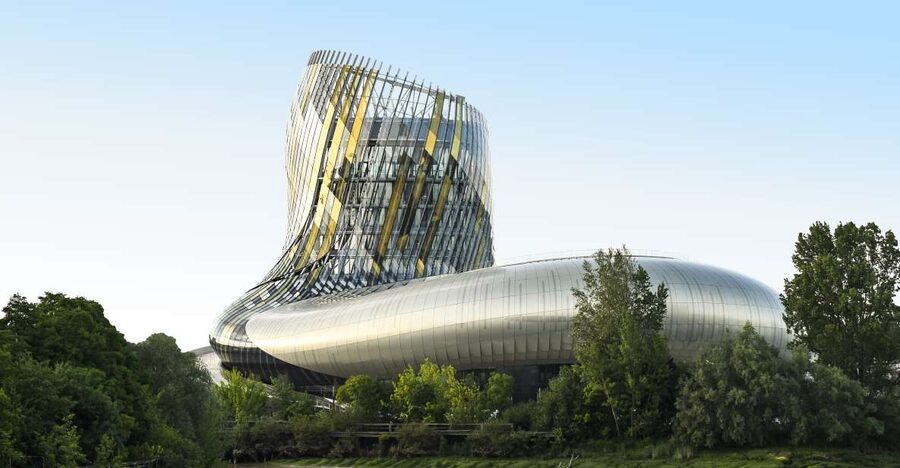
The building itself is part of the experience. Modern displays, curved forms, large video screens, and open exhibition areas make the visit feel more like a multimedia attraction than a formal gallery. The layout is lively, though that also means some areas can feel busy when several people reach the same station at once.
More wine tours in Bordeaux:
- Bordeaux: River Garonne Cruise with Glass of Wine and Canelé
★ 4.5 · 3,630 reviews - From Bordeaux: Afternoon Saint-Emilion Wine Tasting & snack
★ 4.8 · 1,581 reviews - Medoc or Saint Emilion Wine Tasting and Chateau from Bordeaux
★ 5.0 · 1,415 reviews
Starting on the second floor
When you arrive, do not wait at the main reception desk downstairs. Go directly to the second floor and scan your voucher to enter the museum.
This is best understood as direct entry, not skip-the-line treatment. The ticket saves you from visiting the ticket desk, but it does not give you priority over other people arriving at the same time. That small distinction matters on a busy day.
You should bring your passport or ID card. The venue is wheelchair accessible, and the digital guide gives you a clear way to choose your route once inside.
The permanent exhibition is the main event. A normal visit takes about three hours, but the timing depends on how much you read, watch, and try. One person might move through in 90 minutes. Someone who wants to use each interactive station could spend four or five hours.
I would allow more time than you first expect. The museum is easy to underestimate because the ticket is for one day and the visit is self-guided. You are not being led from room to room on a fixed schedule, so it is tempting to move too fast.
Eighteen spaces that make wine easier to understand
The permanent exhibition contains 18 themed areas. Together, they cover the full life of wine, from vineyards and grapes to production, trade, culture, and tasting.
You can learn about vineyards across the world, see how geography affects wine, and follow the basic stages of winemaking. The displays use videos and interactive elements to show processes that are difficult to understand from a written label alone.
The museum is especially good at giving beginners a framework. Wine can feel full of rules and specialist language, but here you can build a simple base: where grapes grow, how wine is made, how aromas are identified, and why different places produce different styles.
The information also reaches beyond France. That matters in Bordeaux, where it would be easy to spend the entire visit hearing about local châteaux. Instead, you get a broader picture of wine as a worldwide cultural product.
You can approach the exhibits in your own order. If a section is crowded, move on and return later. Each point can be scanned individually, so you do not have to follow one rigid route. That flexibility is helpful for families and mixed groups, since not everyone wants to stop at every screen.
The digital guide and interactive stations
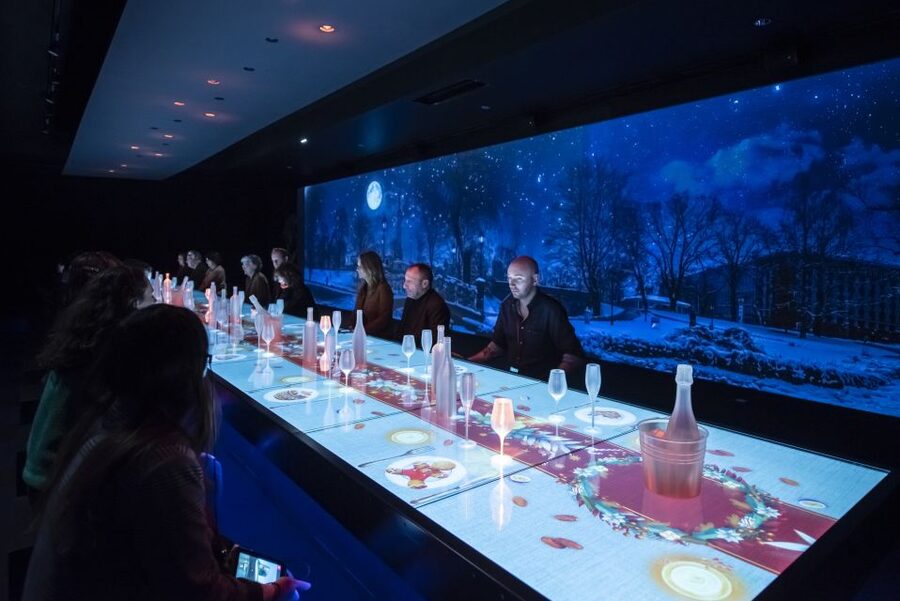
Your ticket includes a portable digital guide or headset. It provides information in Chinese, Dutch, English, French, German, Italian, Spanish, and Portuguese.
I like this setup because it lets you control the pace. You can listen carefully to a section, skip material you already understand, or return to a display when it is quieter. The narration adds context without requiring a scheduled tour or a live guide.
The guide is particularly helpful for visitors who do not speak French. Portuguese is included, which is not always guaranteed at museums outside Portugal or Brazil. The range of languages makes this a practical choice for international visitors.
There are a few limits. The audio system can be slightly awkward when a station is already in use. You may need to wait for another person to finish before beginning the narration from the start. That delay will matter more during a busy period.
One visitor with a hearing aid also found that the headphones did not connect properly. The audio could still be played openly, but that may be less comfortable and could disturb people nearby. If you use a hearing aid, it is worth checking the equipment as soon as you receive it and asking staff for help.
The museum remains understandable without the audio, thanks to the visual material and interactive displays. Still, the guide adds a lot, so I would not ignore it.
Same base, a different kind of day:
- Saint Emilion Day Trip with Sightseeing Tour & Wine Tastings from Bordeaux
★ 5.0 · 1,120 reviews - Saint-Émilion: Grand Cru Classé Winery Visit and Tasting
★ 4.6 · 1,118 reviews - Saint Emilion Half-Day Trip with Wine Tasting & Winery Visit from Bordeaux
★ 4.5 · 1,034 reviews - From Bordeaux: St. Emilion Village Half-Day Wine Tour
★ 4.7 · 728 reviews
The sensory areas are the real highlight
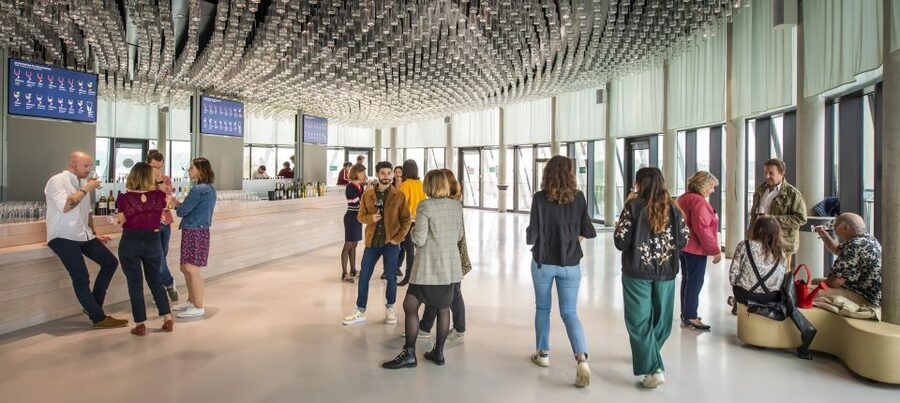
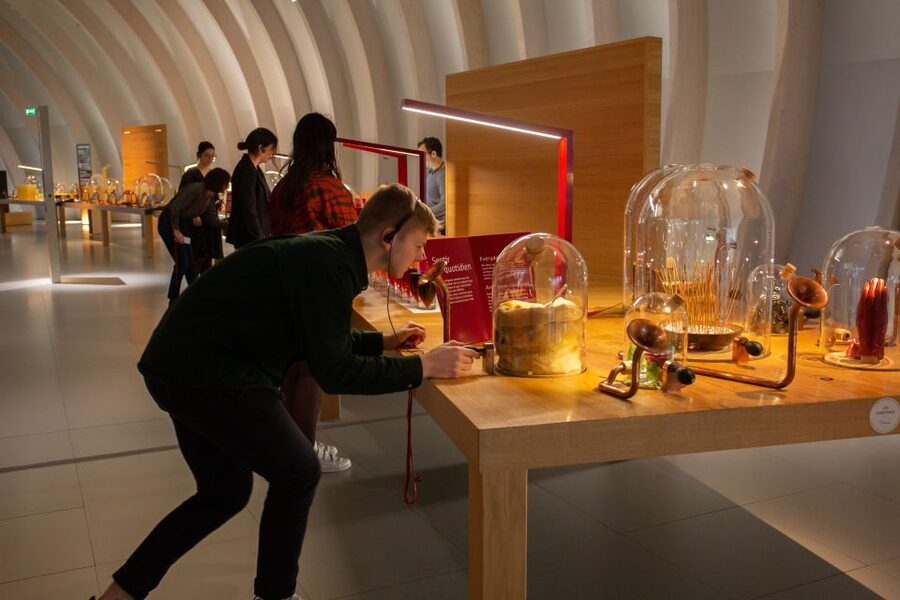
The sensory sections are among the most memorable parts of the visit. You can test your sense of smell and connect aromas with wine in a way that is more practical than simply reading a list of tasting terms.
This is where the museum becomes useful for people who think wine tasting sounds intimidating. You do not need to arrive knowing how to identify fruit, spice, wood, earth, or other common notes. The displays give you a chance to compare and think about what you are sensing.
One interactive feature uses aromas and visuals to show how wine can produce surprising impressions. You might find yourself wondering if a particular smell really belongs in a tasting description, then discovering that it is a recognized part of wine vocabulary.
The sensory spaces can also be popular. Because the displays are hands-on, people may gather around the same station. You can avoid frustration by moving ahead and returning later rather than waiting beside one screen.
Finishing at the 35-meter belvedere
After the exhibition, head to the 8th-floor belvedere. At 35 meters above ground, it gives you a 360-degree view over Bordeaux and the surrounding area.
The view is not just a reward at the end. It helps you place the city in context. After spending hours thinking about vineyards and wine regions, you can look out across Bordeaux and see the urban setting that supports this famous wine center.
Your ticket includes one glass of wine. The selection is renewed and usually includes about 15 wines, so you can choose according to what interests you at the time. The tasting is not the same as a formal wine class, but it is a pleasant way to close the museum visit.
The glass also makes the belvedere feel like part of the ticket rather than an afterthought. You are not simply looking at Bordeaux from a high platform. You are holding a wine from a changing selection while taking in the city.
The included tasting is modest. If you want detailed instruction, comparison across several wines, or a guided lesson, you need to book a separate tasting workshop. That extra option is worth considering if wine is your main reason for coming. The standard ticket works well if you want the museum first and a single glass afterward.
How long should you spend there?
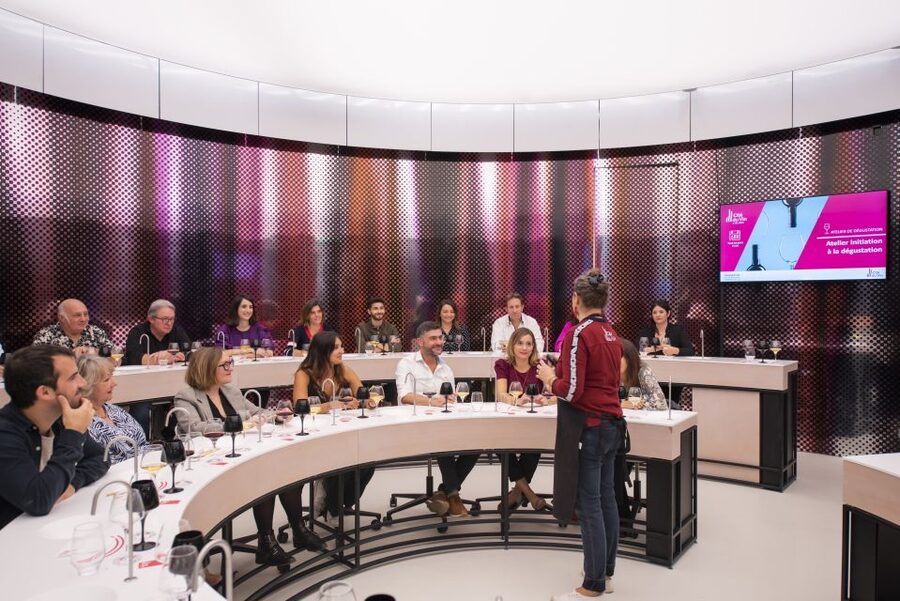
The advertised experience is valid for one day, but most people will visit in one stretch. I would plan on three hours as a sensible middle ground.
Use this guide:
- About 90 minutes: A quick look at the main displays and a visit to the belvedere.
- Around three hours: A comfortable visit with time for the digital guide and most interactive areas.
- Four to five hours: A careful visit with nearly every station, videos, sensory displays, and plenty of pauses.
Go early if you want a quieter start and hope to use many of the interactive stations. A busy museum will not ruin the experience, but it can slow the audio points and make the hands-on areas less relaxed.
You may also want to avoid scheduling a tight lunch, train, or wine-country excursion immediately afterward. The Cité du Vin is the kind of museum where you keep finding one more screen to try.
Is the $27 ticket good value?
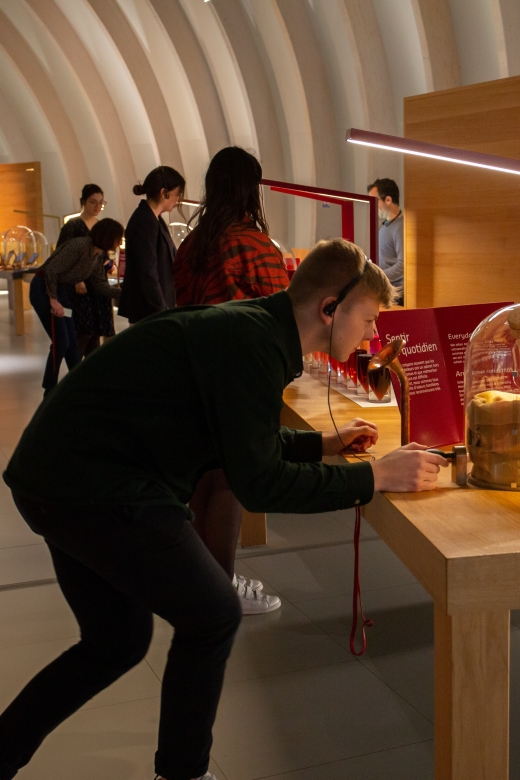
At $27 per person, this is not a cheap quick attraction. It is good value if you use the museum as a substantial half-day visit.
The price includes direct entry to the permanent exhibition, the digital guide, access to the belvedere, and one wine tasting. You also get access to the boutique, wine cellar, restaurants, and reading room without needing a separate museum admission.
The value improves if you are curious about wine but are not booking vineyard tours outside Bordeaux. A château visit gives you a more local, production-based experience. The Cité du Vin gives you a wider education, with examples and ideas from around the world.
I would not book this ticket solely for the glass of wine. The tasting is a pleasant extra, not the main product. Book it for the exhibition, the sensory activities, and the city view. Think of the wine as the final course.
A separate workshop may suit serious wine fans better. One visitor added a one-hour tasting workshop for an extra fee and found the specialist instruction worthwhile. That is a different experience from the standard ticket, so check the exact option before booking.
Shops, wine cellar, restaurants, and reading room
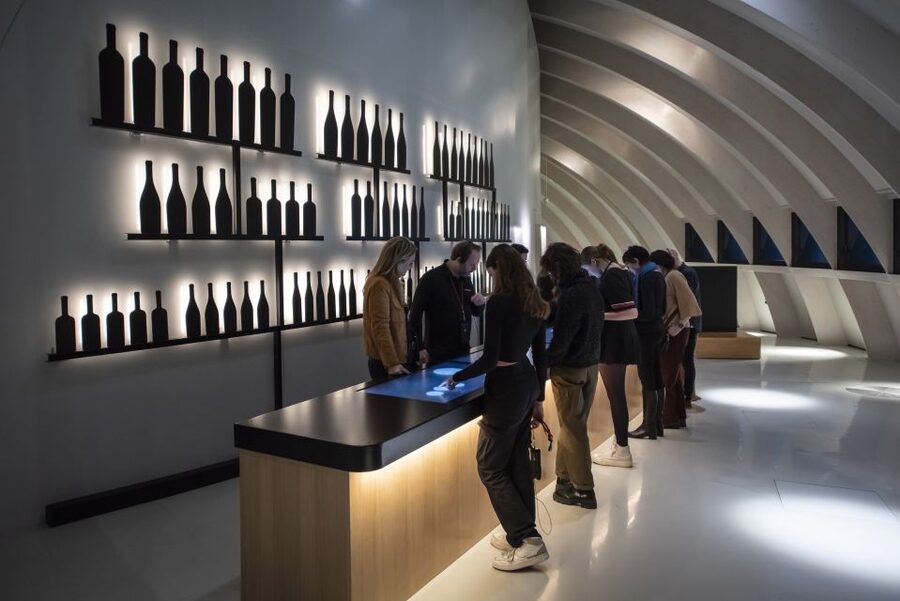
You can continue the visit after the main exhibition. The on-site boutique offers souvenirs and wine-related items, while the wine cellar carries a broad international selection.
That international range fits the museum’s approach. You are not limited to Bordeaux bottles, so you can compare the museum’s worldwide message with wines from different regions.
There are also restaurants, including one on the 7th floor with a panoramic view. The supplied details do not give a fixed menu or meal price, so I would treat dining as an optional add-on rather than part of the ticket calculation.
The reading room provides another place to continue with wine-related material. It is useful if you want a quieter finish after the interactive displays, though the main visit does not require you to spend time there.
Who will enjoy it most?
I would recommend the Cité du Vin to:
- First-time wine learners who want a friendly introduction.
- Wine fans who want global context before visiting Bordeaux châteaux.
- Families with older children and adults who prefer activities over long text panels.
- Visitors who need a museum option on a wet day.
- International visitors who want audio support in a familiar language.
- Anyone who enjoys architecture, design, and multimedia exhibitions.
It is also more family-friendly than the subject might suggest. Interactive displays can hold attention better than a formal lecture, and one review even found the experience engaging with an eight-month-old baby. Very young children will not understand the wine content, of course, but the moving images and sensory material may still keep them interested for a while.
I would be more cautious if you dislike screens, headphones, or self-guided museums. The visit depends heavily on digital presentation. It is not a quiet collection of historic objects.
Practical details worth knowing
The Cité du Vin is wheelchair accessible. The digital guide is included, and you can choose from eight languages.
Bring a passport or ID card. On December 24, the museum closes at 4 PM, so plan an earlier visit that day.
The ticket allows free cancellation up to 24 hours before the activity, and you can reserve now and pay later if that option is available when you check your date. Availability and starting times vary, so confirm the schedule before committing your day.
The included ticket does not cover tasting workshops or temporary exhibitions. It does include the new permanent exhibition, belvedere access, one wine glass, and entry to the public boutique, restaurant areas, wine cellar, and reading room.
Should you book the Cité du Vin?
Yes, if you want to understand wine before visiting Bordeaux’s vineyards, or if you like museums that ask you to touch, listen, smell, and make choices. The interactive design and broad worldwide focus make this more useful than a simple wine display.
Book the standard ticket if you want a flexible visit with one glass and a city view. Add a workshop only if guided tasting instruction is central to your plans.
Give yourself at least three hours, start with enough time to use the exhibits properly, and go straight to the second floor with your voucher. For $27, the museum is a solid Bordeaux choice, especially on a day when you want culture, practical wine education, and a good view in one stop.
FAQ
How long does a visit to the Cité du Vin take?
Plan for around three hours for a comfortable visit. You can finish in about 90 minutes, while visitors who use nearly every interactive station may spend four or five hours.
What does the $27 ticket include?
It includes direct entry to the Cité du Vin, the permanent exhibition with 18 themed spaces, the digital guide, access to the 8th-floor belvedere, and one glass of wine from a selection of approximately 15 wines.
Where do I enter with the ticket?
Go directly to the second floor and scan your voucher. You do not need to wait at the reception desk downstairs.
Does the ticket provide priority entry?
No. It saves you a visit to the ticket desk, but it does not give you priority over other visitors.
What languages are available for the digital guide?
The guide is available in Chinese, Dutch, English, French, German, Italian, Spanish, and Portuguese.
Is the Cité du Vin wheelchair accessible?
Yes, the attraction is wheelchair accessible.
Is a wine tasting included?
Yes. The ticket includes one glass of wine from an approximately 15-wine selection. Tasting workshops are not included.
Can I visit a temporary exhibition with this ticket?
No. The ticket provides access to the permanent exhibition. Temporary exhibitions require separate access.
Do I need to bring identification?
Yes. Bring your passport or ID card.
What happens if I need to cancel?
You can cancel up to 24 hours in advance for a full refund. Reserve now and pay later may also be available, depending on the booking conditions for your date.
More food and drink in Bordeaux
- From Bordeaux: Half-Day Saint-Émilion Tour and Wine Tasting
★ 4.6 · 657 reviews - Bordeaux Wine and Trade Museum Admission Ticket with Wine Tasting
★ 4.5 · 599 reviews - Saint-Émilion: Bordeaux Vineyard Tour and Wine Tasting
★ 4.8 · 578 reviews - Bordeaux: Vineyards Wine Tasting Half-Day Trip
★ 4.2 · 470 reviews
Just added in Bordeaux
- Private – Best of Bordeaux Walking Tour + Glass of Bordeaux Wine★ 5.0 · 240 reviews
- Professional – Bordeaux Wine and Cheese Tasting with a walking tour★ 5.0 · 218 reviews
- 2-Hour Walking Tour of the City’s Iconic Sights and History★ 4.0 · 207 reviews
- Saint-Émilion: Vineyard Walking Tour and Tasting★ 5.0 · 404 reviews
- From Bordeaux: Saint-Emilion Guided Wine Tasting Tour★ 4.8 · 319 reviews
- Saint-Emilion Food and Wine Day Tour★ 5.0 · 323 reviews
- Bordeaux Food Tour – A Full French Meal by Do Eat Better★ 5.0 · 357 reviews
- Bordeaux: Essentials 3-Hour Bike Ride★ 4.9 · 412 reviews
Wine Tours, compared.
Authentic Parisian Gourmet Food Tour with 10 Local Dishes & Wines
Read our review →
Loire Valley Castles Day Trip from Paris with Complementary Wine
Read our review →
River Garonne Cruise with Glass of Wine and Canelé
Read our review →
Montmartre Hill French Gourmet Food and Wine Tasting Walking Tour
Read our review →
Montmartre Cheese, Wine & Pastry Guided Walking Tour
Read our review →
Loire Valley Castles Day Trip With Wine Tasting
Read our review →
Afternoon Saint-Emilion Wine Tasting & snack
Read our review →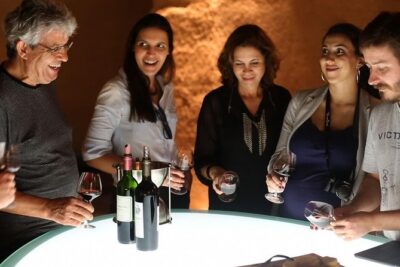
Medoc or Saint Emilion Wine Tasting and Chateau from Bordeaux
Read our review →Browse the lists this tour appears in