
Reviewed · WINE TOURS
Alsace Half-Day Wine Tour from Strasbourg
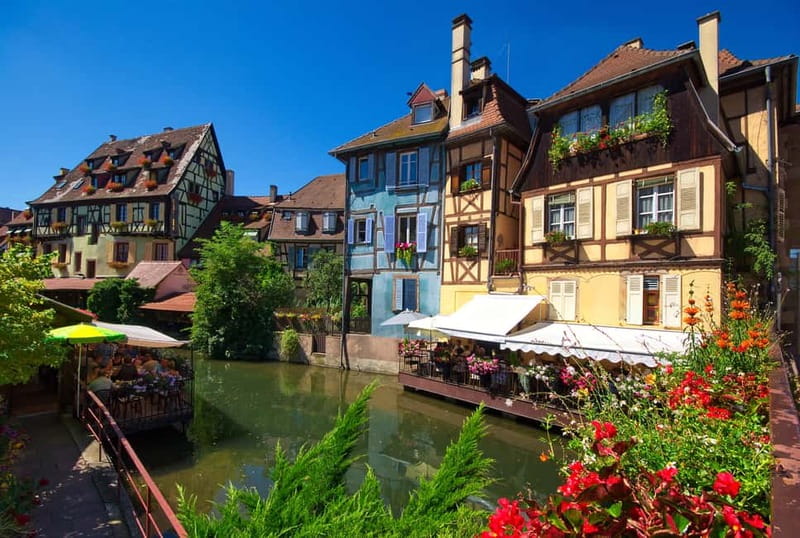
Alsace wine country is an easy half-day escape from Strasbourg, but this tour offers more than a drive past vineyards. You visit two different wineries, often family-run places where the people pouring the wine can explain how it is made. The route also includes time in Obernai, one of the region’s attractive wine towns.
I like the small van, the eight-person limit, and the chance to compare two very different cellars. Guides such as Laurence, Florence, Pauline, and Jerome have been praised for clear explanations, safe driving, and good local stories. The main drawback is the short schedule: you get a useful introduction, not a slow wine-country day with long village visits.
Key points to know before you book
- Two wineries, two different moods: One stop may include a more formal visit, while another takes place in a traditional Alsace caveau.
- Obernai adds more than wine: You have time for a walk and a look at a classic town on the Wine Route.
- Seven Alsace wine types are explained: Tastings are paired with practical guidance on grapes, styles, and local production.
- The group is capped at eight people: A small van makes it easier to ask questions and talk with the guide.
- Bring food before you go: Snacks are not normally served during French wine tastings.
- This is for adults only: You must be at least 18, and the tour is conducted in English.
Why this four-hour tour works from Strasbourg
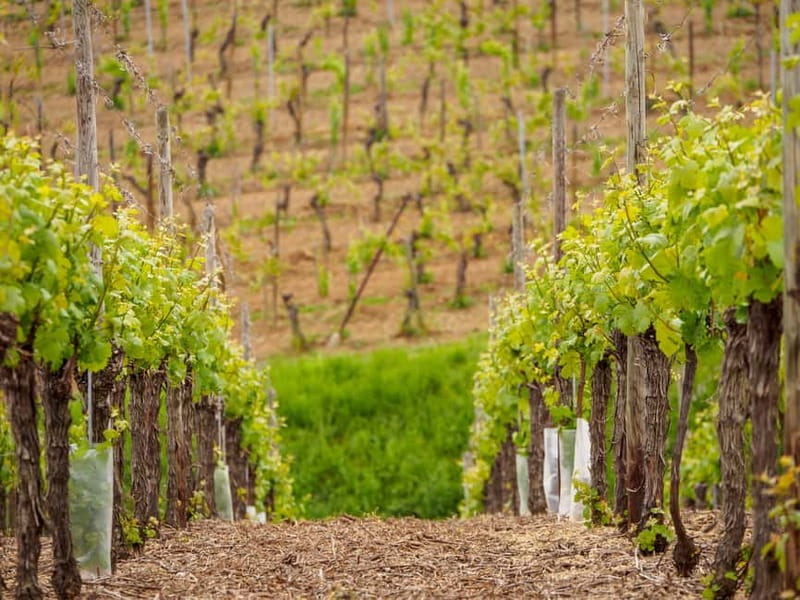
Strasbourg is a fine base for Alsace, but the vineyards begin beyond the city. Public transport can get you to some towns, yet reaching small wineries is harder without a car. This tour solves that problem in one compact outing, with transport, a guide, and winery visits bundled together.
The tour costs $153 per person. That is not a bargain-priced tasting, but the price covers a driver-guide, a comfortable minivan, two winery visits, and the planning needed to connect several rural stops in only four hours. If you would otherwise need a taxi or rental car, the value improves quickly.
I would think of it as a regional introduction rather than a full wine course. You see the countryside, taste a good range of wines, and get enough background to understand what you order later in Alsace. The short length also makes it practical for a weekend in Strasbourg or for a day when you have other plans.
The experience starts at 8 Place de la Gare, next to the pharmacy. That is convenient if you are staying near Strasbourg’s station, though you should allow enough time to identify the meeting point before departure. The tour needs at least two adults to operate.
More wine tours in Strasbourg:
- From Strasbourg: Medieval Villages & Wine Tasting Day Trip
★ 4.8 · 329 reviews - Alsace Wine Route Small Group Half-Day Tour with Tasting from Strasbourg
★ 4.5 · 291 reviews - Alsace Wine Route Wineries & Tasting Small Group Guided Tour from Strasbourg
★ 5.0 · 229 reviews
The 30-minute ride toward Obernai
The first transfer takes about 30 minutes. This is not dead time. A good guide uses the drive to explain the region, the vineyards, and the towns along the route. Florence, Laurence, Pauline, Jerome, Thierry, and other guides have been singled out for making this part useful with local facts, history, and wine commentary.
The van is described as comfortable and fully equipped, and transport receives a high score from the people who have taken the tour. That matters on a half-day outing. You do not want to spend a large part of four hours squeezed into an awkward vehicle, especially after tasting wine.
The small-group format is one of the tour’s strongest features. With no more than eight passengers, you can ask about a grape, a winery, or a village without shouting across a bus. It also creates a more social outing, though the experience will naturally depend on the mix of people in your group.
The countryside changes as you leave Strasbourg. You are heading toward Obernai and the Alsace Wine Route, where vineyards, villages, and family cellars replace the city streets. The drive is scenic, but the tour does not promise a long series of photo stops, so keep your camera ready from the van.
Obernai: a town stop with your first tasting
Obernai is the first main stop, with roughly two hours allocated for wine tasting and a walk. It gives you a chance to experience a proper Alsace town rather than simply arriving at a cellar by van.
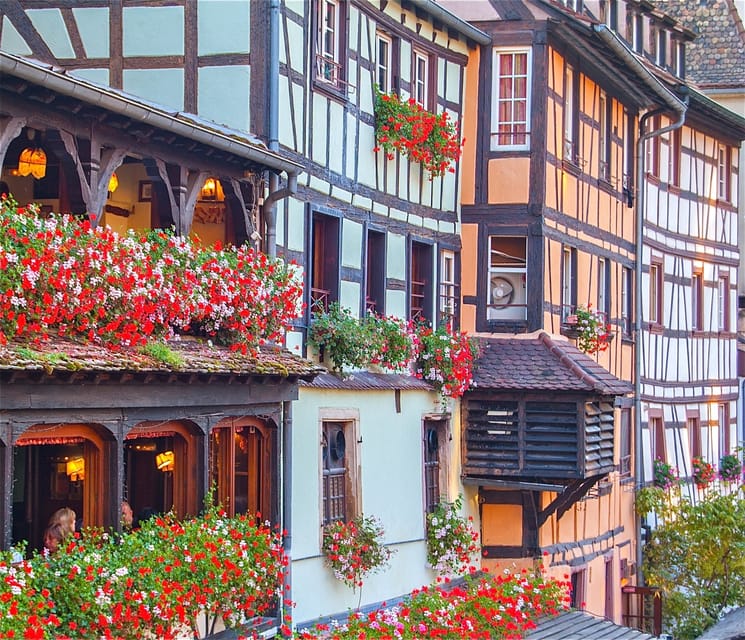
The town is a useful introduction to the region’s traditional architecture and wine culture. You can walk a little, get your bearings, and see how wine production fits into daily life here. The exact balance between walking and tasting can vary, but this is the longest stop on the schedule.
Your first tasting takes place at a selected winery near Obernai. The producer may explain the family business, the vineyards, and the way local wines are made. Several guides have taken groups to small family-run wineries, where the welcome is personal and the conversation goes beyond a standard commercial tasting.
Do not assume that all Alsace wine is sweet. The region is known for aromatic whites, but the tastings can include dry styles as well. One useful lesson from this tour is that aroma and sweetness are not the same thing. A wine can smell floral or fruity and still finish dry.
The tasting may include several pours. Past visits have included around five wines at two cellars, while some groups tasted considerably more. The exact number is not fixed in the supplied program, so you should see the tasting as a guided sample of the region, not a guaranteed count of glasses.
If you enjoy asking questions, this is where the small group pays off. Ask how the wine is grown, why one cellar tastes different from another, and which bottles are dry, sweet, or especially suited to food. Guides have helped people organize wine purchases and, in at least one case, combine bottles from two wineries for shipping to the United States.
Learning the seven Alsace wine types
A central part of the tour is an explanation of the seven different Alsace wine types. The program does not promise a formal lesson with a printed chart, so expect the guide to explain them during the drive and tastings. The practical advantage is that you learn while tasting instead of trying to memorize a list in the abstract.
Alsace is especially associated with aromatic white wines. The area’s dry, sunny climate, varied geology, soil types, and good vineyard exposure all affect the grapes and the finished wine. You do not need advanced wine knowledge to follow the discussion. A good guide can connect the technical points to what you smell and taste in the glass.
The guides have different strengths. Laurence has worked as a sommelier and wine judge, while Florence has been praised for keeping the drive interesting in poor weather. Pauline is known for answering questions and explaining the towns along the route. Jerome has been described as warm, patient, and well informed about both the wine and the region.
Names and guide assignments can change, so you should not book expecting one particular person. Still, the repeated pattern is clear: the guide is an important part of the experience. This is not a self-guided cellar crawl where you simply sample bottles and move on.
Same base, a different kind of day:
- Strasbourg: Euro Guided Tour by Segway
★ 4.7 · 808 reviews - Colmar, Medieval Village & Castle Small Group from Strasbourg
★ 5.0 · 769 reviews - 2-Hour Strasbourg Euro Tour by Segway
★ 5.0 · 642 reviews - From Strasbourg: Best Of Alsace Historical Day Trip
★ 4.7 · 633 reviews
The second winery and the Alsace Wine Route
After Obernai, the tour continues for about 30 minutes along the Alsace Wine Route. This is the scenic heart of the outing. Vineyards and villages provide the setting, while the guide fills in the connections between the land, the winemakers, and the local traditions.
The second wine tasting lasts about 45 minutes and takes place in a typical Alsace caveau. The word usually refers to a wine cellar or tasting room, and the setting should feel different from the first winery. That contrast is valuable. You can compare not just the wines, but also the way two producers present their work.
The selected stops have included names such as Noelle Bachert, Durmann, and Vincent Stoeffler, though the exact wineries can vary. Some groups have met winemakers directly, including producers who explained their family methods and day-to-day work. One particularly unusual visit involved a producer with a broad interest in nature, insects, and animals alongside grape growing.
That personal contact is a major reason to choose this tour over a tasting room in Strasbourg. You are not only learning a style name. You are seeing how wine is connected to a family business and to a particular patch of Alsace.
Weather can affect this portion. A rainstorm at the first winery did not prevent a successful tasting, but the tour is still an outdoor countryside outing. Wear comfortable shoes and bring clothing suitable for changing weather. The tour information asks you to bring a passport or identity card, and you should have it with you.
What you will taste, and what you will not get
The tasting fee is included at both wineries, along with the guide and transport. Meals are not included, and snacks are usually not placed on the table. This is intentional in France, where food is often kept out of the tasting room so it does not alter the wine’s flavor.
Have a proper breakfast or lunch before departure. This is the most useful practical tip in the entire program. Four hours with several pours can feel long on an empty stomach, even if the tour itself is well paced.
The tasting portions have been described as generous, and some groups sampled a broad range of bottles. The exact selection depends on the wineries visited that day. You might taste around five wines at each cellar, or a larger selection, but the tour does not guarantee a particular number.
You can buy bottles if you find something you like. Purchases are not included in the $153 price, and shipping costs or customs rules will depend on where you live. If you plan to buy, ask the guide about practical arrangements before making a large order.
There are no meals, monument tickets, or other attraction admissions included. That is not a serious weakness because the schedule centers on the wineries and Obernai, not on paid museums or historic interiors. Still, budget separately for lunch and any bottles you take home.
Why the small van matters
A maximum of eight passengers is a useful limit for this kind of trip. A large coach could move more people, but it would be less suited to small family wineries and informal conversations with producers.
The van also lets the guide adjust the commentary to the group. You can ask about architecture, French history, wine production, or the towns along the road. Several guides have been praised for humor and for making people feel comfortable asking basic questions.
Safety is another practical point. The guide drives, so you do not need to navigate rural roads after tasting. The transport has received a perfect score from 88 percent of users, and safe, comfortable driving is repeatedly highlighted in the available feedback.
The tradeoff is that the van is not a private car. You share the schedule with other adults, and the tour needs to keep moving to fit the two winery visits into four hours. If you want to linger over one bottle or spend an hour photographing every village, arrange a private wine day instead.
Who should book this Alsace wine tour
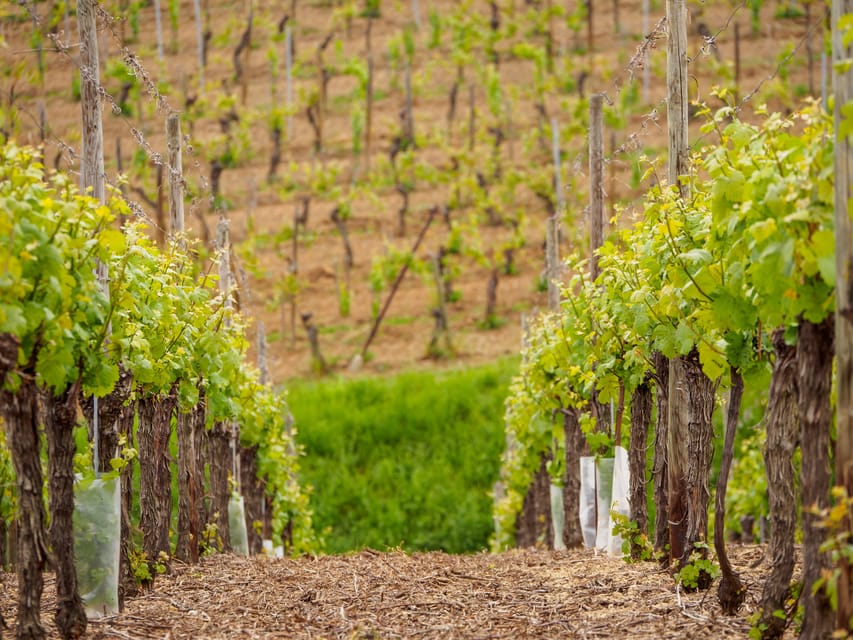
I would choose this tour if you are staying in Strasbourg and want a simple way to reach the vineyards without renting a car. It is also a strong choice if your time is limited. Four hours gives you a taste of the countryside without consuming an entire day.
It suits wine beginners particularly well because the guide explains the seven Alsace types in context. You do not need to know the difference between every grape before you arrive. You only need curiosity and a willingness to taste several wines.
It also works for people who care about local producers. The family-run cellars and direct contact with winemakers make the experience feel more personal than a city tasting bar. Wine fans who want a detailed technical study, however, may find the schedule too brief.
This is not suitable for children or anyone under 18. The program is adults only, and pets are not allowed. It is also not suitable for wheelchair users. The tour operates in English only, so you should be comfortable following spoken explanations in English for the full four hours.
Booking advice and final verdict
The cancellation policy allows a full refund when you cancel at least 24 hours ahead, and you can reserve now and pay later. Those terms help if your Strasbourg plans are still shifting, but the key decision is the pace.
Book it if you want two real winery visits, a short walk in Obernai, and a guided look at Alsace wine country without giving up a full day. The strongest parts are the small group, the comfortable transport, the personal winery welcomes, and the guides who bring both wine and local culture into the conversation.
Skip it if you want a long lunch, extensive free time, or a private tasting built around one producer. For most visitors with limited time in Strasbourg, though, the tour offers a well-packed introduction to the Alsace Wine Route and a sensible way to taste beyond the city.
FAQ
Where does the Alsace wine tour meet?
The meeting point is 8 Place de la Gare in Strasbourg, next to the pharmacy, at 67000 Strasbourg.
How long does the tour last?
The tour lasts four hours. The schedule includes about 30 minutes to Obernai, around two hours for Obernai and the first tasting, another 30-minute transfer, a 45-minute second tasting, and about 40 minutes back to Strasbourg.
How many wineries do you visit?
You visit two wineries. The first is near Obernai, and the second is a typical Alsace caveau along the Wine Route.
Is food included during the wine tastings?
No. Meals and drinks are not included, and snacks are usually not served during the tastings. Have a good breakfast or lunch before the tour.
Is the tour suitable for children or wheelchair users?
No. It is an adults-only experience for people aged 18 and over, and it is not suitable for wheelchair users. Pets are also not allowed.
Is the tour conducted in English?
Yes. The tour operates in English and includes a live English-speaking guide.
Just added in Strasbourg
- Alsace Wine Route Wineries & Tasting Small Group Guided Tour from Strasbourg★ 5.0 · 229 reviews
- From Strasbourg: Medieval Villages & Wine Tasting Day Trip★ 4.8 · 329 reviews
- Alsace Wine Route Small Group Half-Day Tour with Tasting from Strasbourg★ 4.5 · 291 reviews
- Strasbourg: Guided Historical Neighborhoods Walking Tour★ 4.9 · 275 reviews
- Strasbourg: Traditional Food Walking Tour with Tastings★ 4.8 · 219 reviews
- Strasbourg Food Tour – A Taste of Tradition by Do Eat Better★ 5.0 · 614 reviews
- From Strasbourg: Best Of Alsace Historical Day Trip★ 4.7 · 633 reviews
- Strasbourg: Guided Bike Tour with a Local Guide★ 4.8 · 573 reviews
Wine Tours, compared.
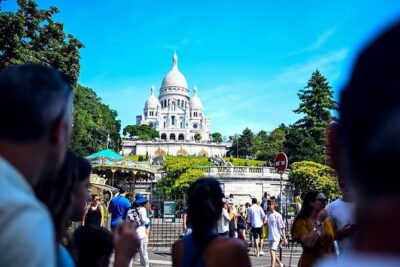
Authentic Parisian Gourmet Food Tour with 10 Local Dishes & Wines
Read our review →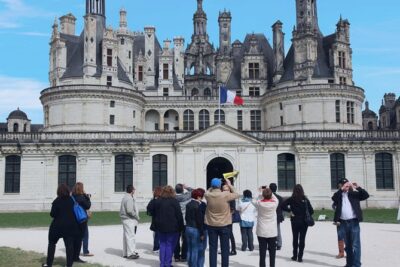
Loire Valley Castles Day Trip from Paris with Complementary Wine
Read our review →
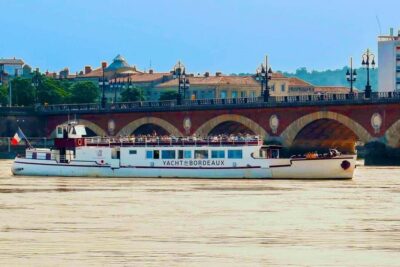
River Garonne Cruise with Glass of Wine and Canelé
Read our review →
Montmartre Hill French Gourmet Food and Wine Tasting Walking Tour
Read our review →
Montmartre Cheese, Wine & Pastry Guided Walking Tour
Read our review →
Loire Valley Castles Day Trip With Wine Tasting
Read our review →
Afternoon Saint-Emilion Wine Tasting & snack
Read our review →Browse the lists this tour appears in