
Reviewed · WINE TOURS
Bordeaux: Explore an Organic Family Vineyard with Tasting
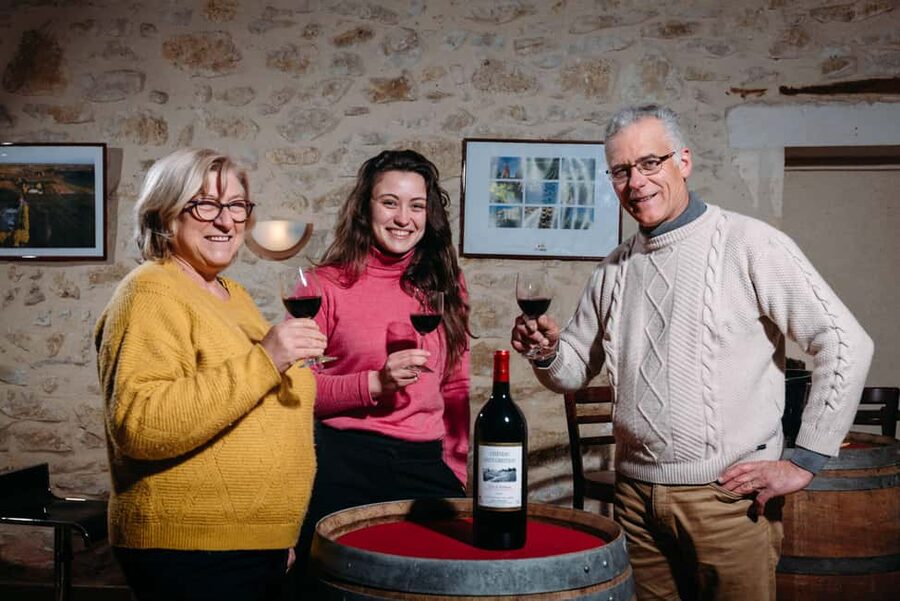
Pestoury Vineyard gives you something many grand Bordeaux estates cannot: a direct introduction to wine from the family that grows the grapes and makes the bottles. Marie, Isabelle, or Bertrand leads the 90-minute visit, and the conversation can shift toward your questions, from soil and seasons to fermentation and bottling. The five-generation family story gives the tour a human scale.
I like two things right away: the tasting covers a remarkably broad range, often up to 10 wines, and the visit explains organic farming as part of everyday vineyard work rather than as a marketing label. The price is another strong point at $21 per person. The main consideration is transport, since you must arrange your own way to the vineyard.
Key points at a glance
- Five generations at Pestoury Vineyard: Meet the family behind the vines and hear how the estate’s work has passed from one generation to the next.
- Up to 10 wines: Taste dry and sweet whites, rosé, Côtes de Bordeaux reds, sparkling wines, and grape juice when available.
- Bordeaux in one map: Begin with a look at the region’s 65 appellations before seeing how one family fits into that larger wine world.
- Organic farming in progress: Learn how the family has worked toward organic methods since 2020 and why this matters for soil, plants, insects, and vineyard health.
- Small groups of up to 10: The setting suits questions and personal explanations better than a large coach tour.
- A practical $21 price: You receive a vineyard walk, cellar visit, guided tasting, and wine-making lesson in one short session.
Starting with Bordeaux’s 65 appellations
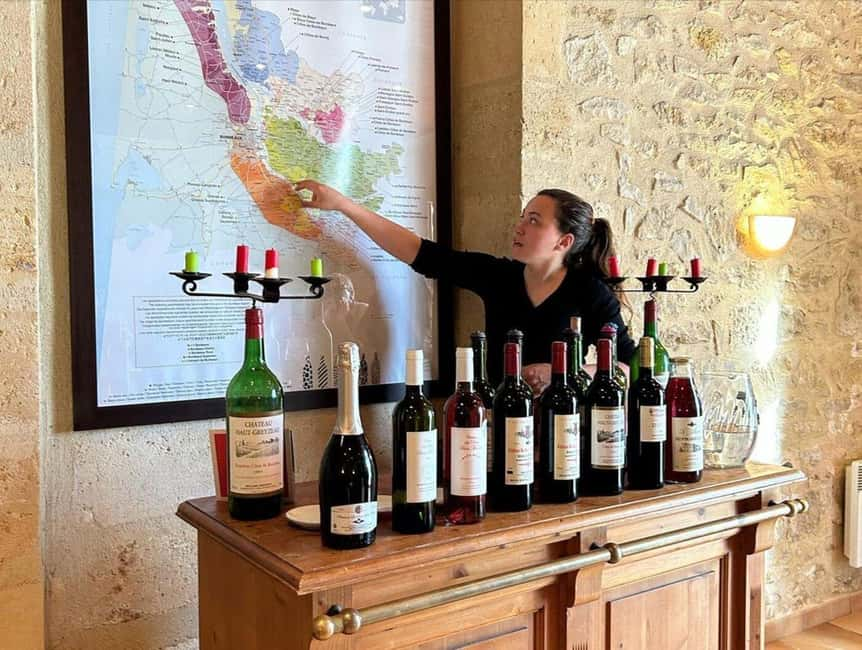
The visit begins indoors or at the welcome area around a detailed map of Bordeaux. This is a smart first step. Bordeaux wine labels can seem like a code, with names referring to places, appellations, grape styles, and local rules. The map helps you understand that Bordeaux is not one single wine style.
The region includes 65 appellations, each linked to a particular area and set of growing conditions. You’ll get a basic sense of how the region produces bold reds, dry whites, sweet whites, rosé, and sparkling wine. That background makes the later tasting more useful because you are not simply sampling one glass after another without context.
I especially like this opening for first-time wine visitors. You do not need to arrive with a working knowledge of Bordeaux. Marie presents the material for beginners, but the format also leaves room for more detailed questions from people who already know a little about French wine.
The map also gives the family vineyard a place in the wider picture. You are not just visiting a cellar and tasting whatever happens to be open. You first learn how the local estate connects to one of the world’s best-known wine regions.
More wine tours in Bordeaux:
- Bordeaux: Cité du Vin Entry Ticket and Wine Tasting
★ 4.6 · 3,885 reviews - Bordeaux: River Garonne Cruise with Glass of Wine and Canelé
★ 4.5 · 3,630 reviews - From Bordeaux: Afternoon Saint-Emilion Wine Tasting & snack
★ 4.8 · 1,581 reviews
Seeing the vines and the move toward organic farming
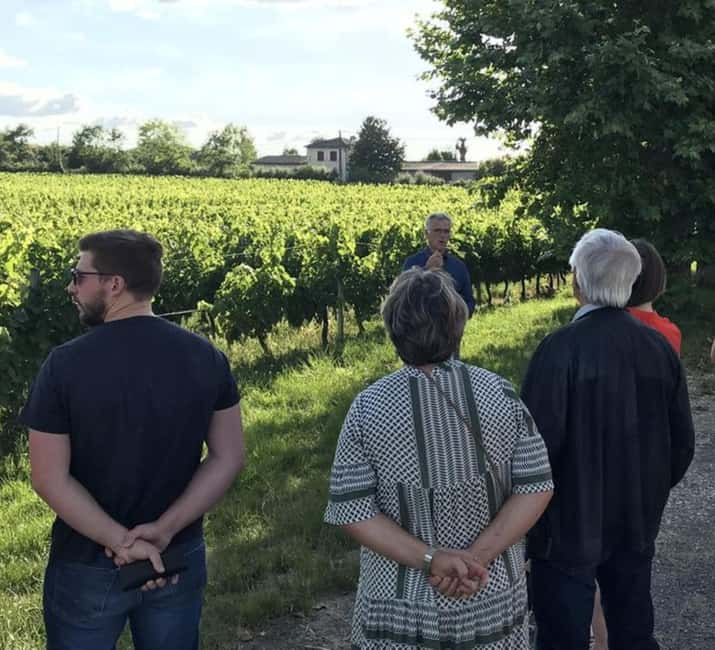
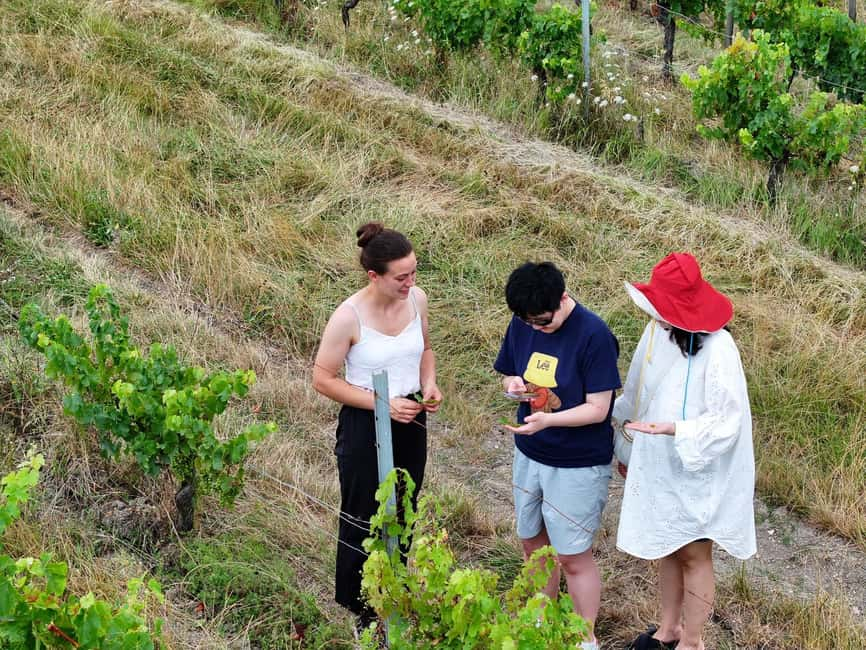
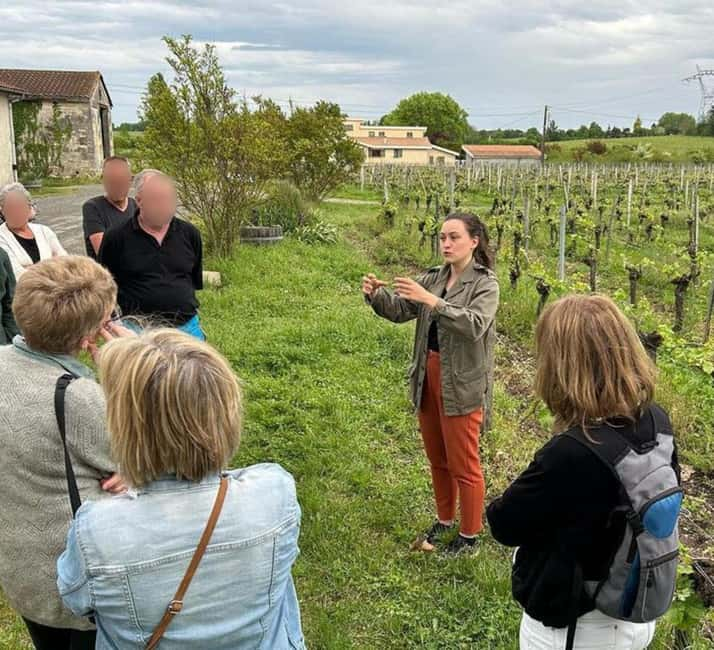
If weather permits, the tour continues outside among the vines. This is where the explanation shifts from regional geography to the physical work of growing grapes. You’ll look at the grape varieties, soils, and terroir, then consider how climate and the changing seasons affect the crop.
The central lesson is simple but important: the taste of wine begins long before fermentation. Sun, rain, soil, grape variety, and the timing of vineyard work all shape what eventually reaches your glass. Seeing the vines gives those ideas a real setting.
Since 2020, the family has been working toward organic farming practices. The tour explains how those methods can support biodiversity and reduce pressure on the surrounding environment. You’ll hear about the relationship between healthy soils, plants, insects, and the long-term care of the vineyard.
The wording matters here. This is presented as an ongoing move toward organic farming, not as a claim that every bottle is already certified organic. If organic certification is essential to your buying decision, ask the family for the current status of the wines you taste.
The outdoor section depends on the weather. Bring comfortable shoes and clothing suited to the forecast. On a rainy day, the experience can still continue, but you should expect a less comfortable walk among the vines. An off-season visit can also feel quieter, though the vineyard may not have the same growing-season appearance.
From grape to bottle inside the cellar
The cellar visit shows how the family turns harvested grapes into finished wine. You’ll learn about fermentation, aging, and bottling, along with the timing decisions that shape the final product.
The tanks and barrels used for white, rosé, and red wines each play a different role. The family explains how the vessels affect flavor and texture, giving you a practical way to understand why winemaking is more than simply pressing grapes and waiting.
You’ll also hear why timing matters. Harvest dates, fermentation, aging, and bottling all require judgment. The visit connects these steps to the wines you taste later, so the cellar does not feel like a separate stop filled with equipment. It becomes the link between the vines and the bottle in your hand.
That is one reason this tour works well for people who are curious about production rather than only tasting. You see the process from both ends. First comes the soil and vine, then the cellar techniques, then the glass.
The cellar portion is educational without requiring technical wine language. Marie is the most frequent guide, with Isabelle and Bertrand also leading visits. The family’s personal connection to the work comes through clearly, and you can ask about the decisions behind particular wines instead of receiving only a standard speech.
A tasting that moves well beyond red Bordeaux
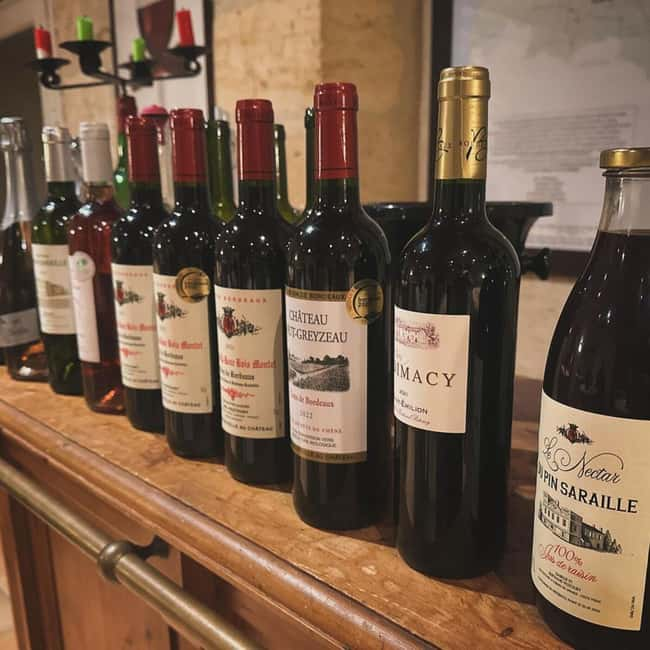
The final tasting is the main event for many people. The range can include Bordeaux Blanc Sec, a dry white; sweet white; Bordeaux Rosé; several Côtes de Bordeaux reds; sparkling wines; and house-made grape juice when available.
That variety is a real advantage. Many visitors arrive in Bordeaux expecting mostly red wine, but this tasting shows a broader picture. You can compare dry and sweet whites, see how rosé differs from both white and red, and finish with sparkling wine. The exact number varies, but you may taste as many as 10 wines. One tasting included seven distinctly different wines, while another included 10 wines and grape juice.
Marie guides you through the basic tasting method: look at the wine, smell it, then taste it. This sounds simple, but it gives beginners a useful structure. You can pay attention to color, aroma, texture, sweetness, acidity, and finish instead of rushing from one sample to the next.
I would suggest pacing yourself and asking questions as you go. The point is not to identify every aroma correctly. It is to notice how the wines differ and connect those differences to the grape varieties, cellar work, and growing conditions discussed earlier.
The grape juice is a thoughtful option for anyone who does not drink alcohol. It is subject to availability, so it should not be treated as guaranteed. A non-drinker can still take part in the vineyard and cellar sections, learn about the process, and have something to taste at the end.
The wines are also available for purchase after the visit. Extra bottles are not included in the $21 price, so plan for that as an optional expense rather than part of the tour.
Same base, a different kind of day:
- Medoc or Saint Emilion Wine Tasting and Chateau from Bordeaux
★ 5.0 · 1,415 reviews - Saint Emilion Day Trip with Sightseeing Tour & Wine Tastings from Bordeaux
★ 5.0 · 1,120 reviews - Saint-Émilion: Grand Cru Classé Winery Visit and Tasting
★ 4.6 · 1,118 reviews - Saint Emilion Half-Day Trip with Wine Tasting & Winery Visit from Bordeaux
★ 4.5 · 1,034 reviews
Why the family setting makes a difference
Pestoury is a family vineyard, and that affects the tone of the experience. You are meeting people connected to the property over five generations, not only a hired presenter repeating a prepared explanation.
Marie grew up around the vineyard and presents the work with a personal connection. She can discuss family history, vineyard care, production, and tasting in the same visit. Isabelle and Bertrand may also lead your group, so the exact style depends on who is guiding that day.
The group limit is 10 people. That is small enough for direct questions, and the tour can adjust to different levels of interest. A beginner can ask basic questions without feeling out of place, while an experienced wine drinker can ask about production choices and specific wines.
The family atmosphere can also mean small personal touches. One morning, an early arrival was welcomed with coffee. That is not a promised feature of the tour, but it shows the informal character you might find at a family-run property.
You should not expect a polished show with grand rooms and a large visitor center. The appeal is the opposite: a working family operation, a direct explanation of the wine process, and time with the people who make the wine. If you prefer grand architecture, formal service, or a highly staged estate visit, this may feel modest.
Is $21 good value for 90 minutes?
Yes, especially if you value instruction and tasting together. For $21, you receive a family-led visit, an introduction to Bordeaux’s 65 appellations, a vineyard explanation, cellar access, and a tasting that can include up to 10 wines.
The value is strongest for first-time visitors to Bordeaux. You get a basic framework for understanding the region, then immediately apply it while tasting several styles. That combination is more useful than a tasting alone, particularly if French wine labels are still unfamiliar.
It is also good value for couples and families with mixed interests. A person who is serious about wine can ask detailed questions, while someone less interested in tasting can focus on farming, family history, and production. The grape juice may help non-drinkers take part, though its availability is not guaranteed.
The 90-minute length is another plus. It gives you enough time to cover the vines, cellar, and tasting without taking up an entire day. At the same time, you should not expect a long estate visit with an extensive meal or a full-day wine route. This is a focused introduction.
Free cancellation up to 24 hours before the visit and the option to reserve now and pay later add flexibility. Starting times depend on availability, so check the schedule before building the rest of your Bordeaux plans around it.
Getting there and preparing for the visit
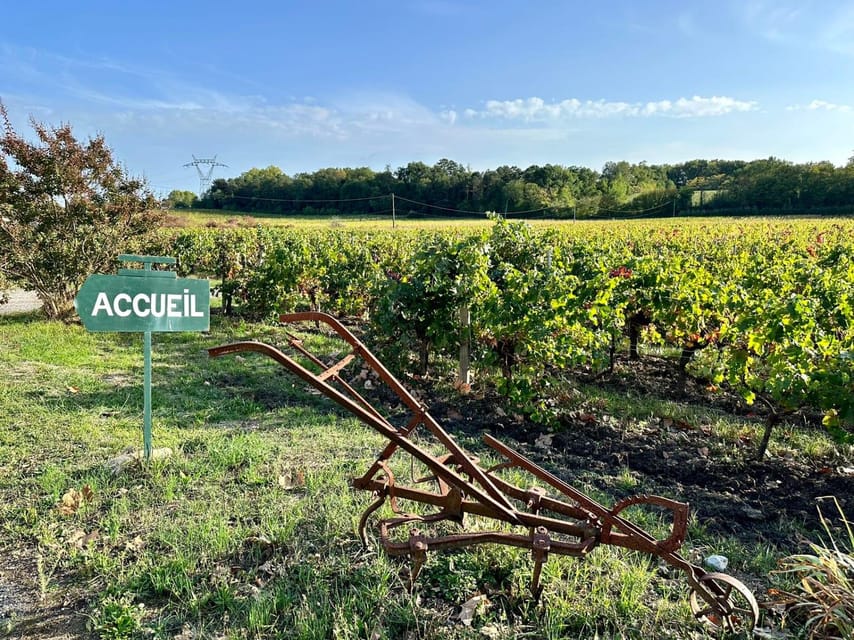
Transportation is not included. You need to arrange your own way to and from Pestoury Vineyard, though the family can provide guidance on transport options if you ask.
Give yourself enough time to arrive. This is a small family property, not a large attraction designed around constant coach arrivals. Being rushed could make the start less pleasant, especially if you want to settle in and look at the Bordeaux map before the tour begins.
Wear comfortable shoes. The visit may include time among the vines, and the ground can be less forgiving after rain. Bring weather-appropriate clothing, since the outdoor introduction depends on conditions.
The tour is offered in French and English. It is wheelchair accessible, but it is still sensible to contact the provider in advance if you have specific mobility needs or questions about the outdoor route.
Because tastings can include many wines, consider how you will get back to your accommodation. The activity details do not include transport, so do not assume a return transfer is arranged.
Who will enjoy Pestoury Vineyard most?
I would choose this visit if you want a personal introduction to Bordeaux wine without committing to a full day of château visits. It suits beginners particularly well because the guide explains the basics clearly and starts with the regional map.
It is also a good choice for anyone who values small producers and family stories. You see how a five-generation operation works and hear why the family is changing its farming practices.
Wine fans will appreciate the range of samples, especially the chance to compare whites, rosé, reds, and sparkling wine in one sitting. The cellar discussion gives the tasting more meaning.
Families and mixed groups should also consider it. The tour is not limited to serious wine drinkers, and the grape juice can provide an alternative when available. Children and non-drinkers can still learn about vines, farming, and production, though the tasting itself naturally focuses on adults.
I would hesitate only if you need included transportation, guaranteed organic certification, or a grand historic château setting. Those are not the main strengths here.
Should you book this Bordeaux vineyard visit?
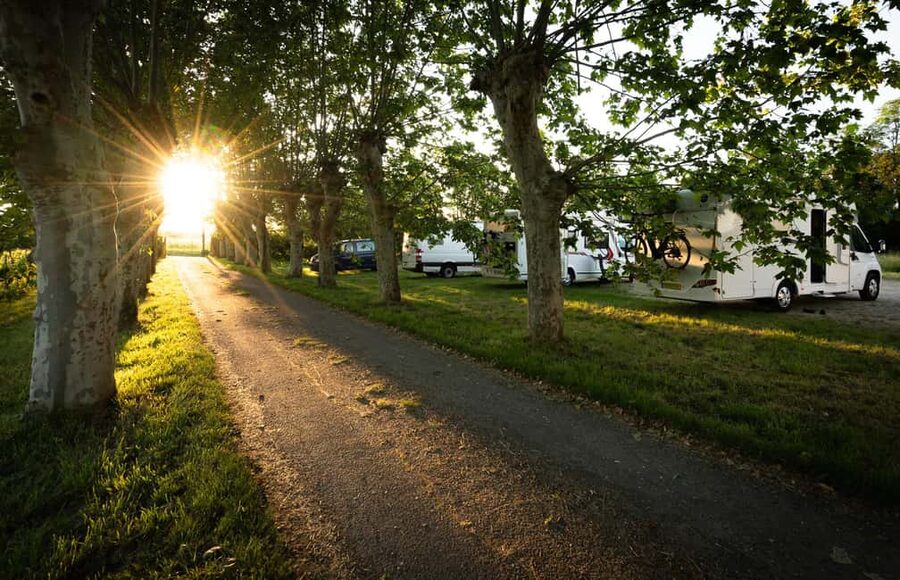
Book it if you want excellent value, a small group, and direct time with a winemaking family. The combination of map-based regional context, vineyard work, cellar production, and up to 10 wines makes the 90 minutes feel well used.
The strongest reason to go is the personal guidance from Marie, Isabelle, or Bertrand. You are not just tasting Bordeaux wine. You are learning how one family grows, makes, and explains it.
Arrange your transport before booking, wear sensible shoes, and check whether the tour language and tasting range suit your group. If those details work for you, Pestoury Vineyard is an unusually approachable way to meet Bordeaux wine at its source for a modest price.
FAQ
How long does the Pestoury Vineyard tour last?
The visit lasts 90 minutes. It includes the Bordeaux introduction, vineyard discussion when weather permits, cellar visit, and guided tasting.
How many wines will I taste?
You can taste up to 10 wines, depending on the selection available. The range may include dry white, sweet white, rosé, Côtes de Bordeaux reds, and sparkling wines.
Is grape juice available?
House-made grape juice may be included, subject to availability. It provides an option for people who do not drink wine.
Who leads the tour?
The tour is led by a member of the Pestoury family. The guides are Isabelle, Bertrand, or most often their daughter Marie.
Is transportation included?
No. You must arrange transportation to and from the vineyard. The family can offer guidance about transport options if you need it.
Is the experience offered in English?
Yes. The tour is available in both English and French. It is also listed as wheelchair accessible.
More food and drink in Bordeaux
- From Bordeaux: Half-Day Saint-Émilion Tour and Wine Tasting
★ 4.6 · 657 reviews - Bordeaux Wine and Trade Museum Admission Ticket with Wine Tasting
★ 4.5 · 599 reviews - Saint-Émilion: Bordeaux Vineyard Tour and Wine Tasting
★ 4.8 · 578 reviews - Bordeaux: Vineyards Wine Tasting Half-Day Trip
★ 4.2 · 470 reviews
Just added in Bordeaux
- Au Cœur du Château – VSOP D’USSÉ & XO BARON OTARD★ 4.5 · 108 reviews
- Discover Braastad Cognac★ 5.0 · 52 reviews
- retro road trip/ Méhari, 2CV & Burton in Rochefort, La Rochelle★ 5.0 · 28 reviews
- Saint Emilion Full Day Wine and Bike Tour★ 5.0 · 167 reviews
- Virtual Room Bordeaux – 1st team virtual reality experience★ 5.0 · 47 reviews
- Private Bordeaux History Tour with a glass of Bordeaux wine.★ 5.0 · 28 reviews
- Luxurious full day Bordeaux wine tour in a Tesla★ 4.5 · 31 reviews
- Wine Masterclass & Cheese Tasting Workshop in Bordeaux★ 5.0 · 29 reviews
Wine Tours, compared.
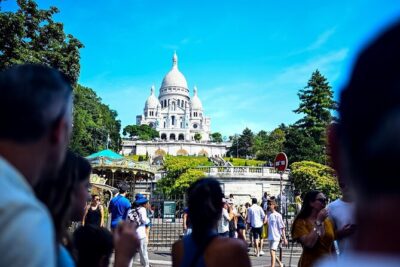
Authentic Parisian Gourmet Food Tour with 10 Local Dishes & Wines
Read our review →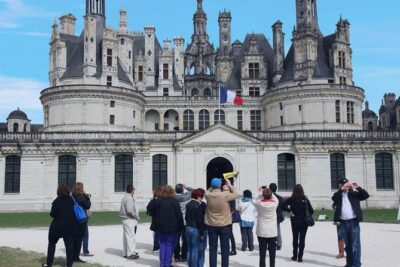
Loire Valley Castles Day Trip from Paris with Complementary Wine
Read our review →
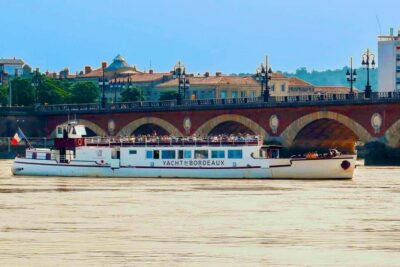
River Garonne Cruise with Glass of Wine and Canelé
Read our review →
Montmartre Hill French Gourmet Food and Wine Tasting Walking Tour
Read our review →
Montmartre Cheese, Wine & Pastry Guided Walking Tour
Read our review →
Loire Valley Castles Day Trip With Wine Tasting
Read our review →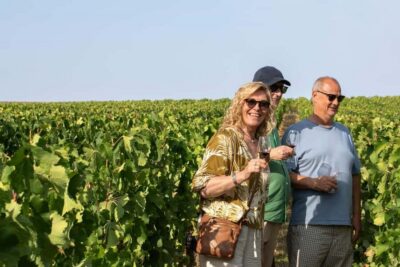
Afternoon Saint-Emilion Wine Tasting & snack
Read our review →Browse the lists this tour appears in