
Reviewed · WINE TOURS
Bordeaux: Saint-Emilion and Medoc Full-Day Wine Experience
Bordeaux’s best wine day is not limited to one corner of the region. This nine-hour tour links the medieval village of Saint-Émilion on the Right Bank with the grand estates of the Médoc on the Left Bank, giving you two very different views of Bordeaux in one well-packed day.
I like the small group, capped at eight, and the way guides such as Xavier, Nicole, Jeremy, and Valentin add useful context during the long drives. I also like the picnic at a château, which turns lunch into part of the wine experience rather than a rushed stop at a café. The main drawback is the mileage: you spend about three hours in the van, and the return from the Médoc can be slowed by Bordeaux traffic.
Key points to know before booking
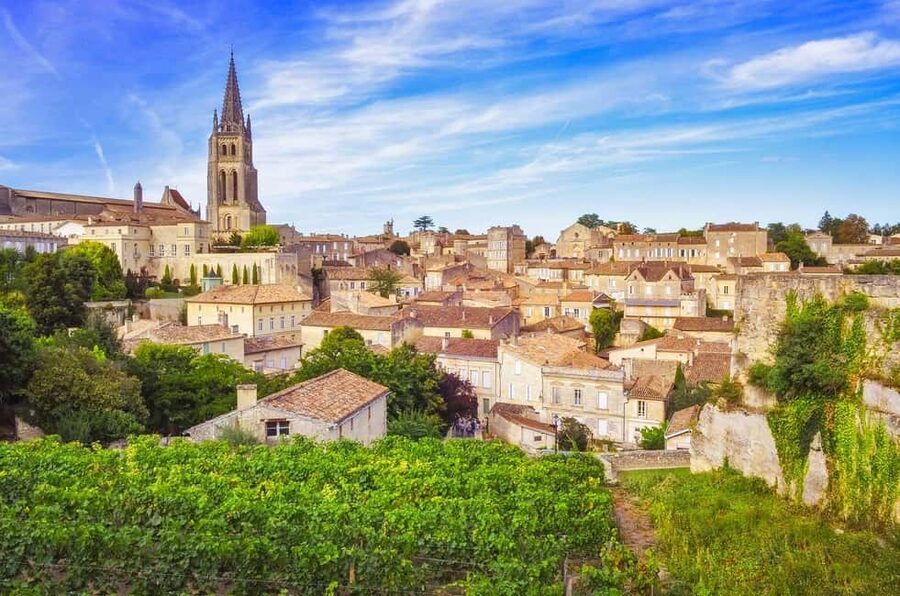
- Two famous wine regions in one day: Compare Saint-Émilion on the Right Bank with Médoc and Margaux on the Left Bank.
- Three château visits: Each winery offers its own tour and tasting, with different approaches to production and presentation.
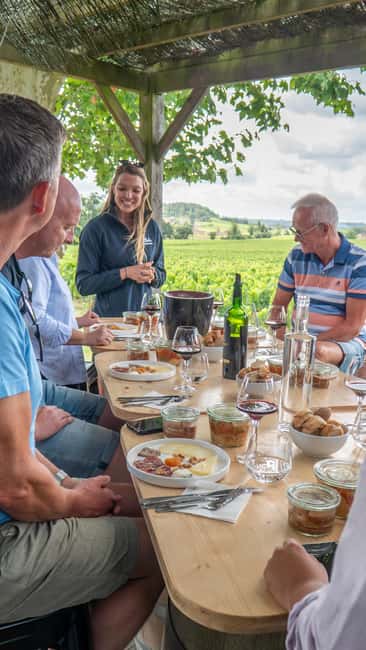
- A proper château picnic: Expect fresh local food, Basque charcuterie, cheese, dessert, and wine served at a winery.
- Small-group transport: The air-conditioned minivan holds no more than eight participants, though the back rows can feel close.
- Saint-Émilion comes first: The guided village walk gives you a historical introduction before the wine tastings begin.
- A full day for serious wine learners: You taste Bordeaux reds while learning about appellations, classifications, vineyards, cellars, and production.
Why this Bordeaux wine tour is different
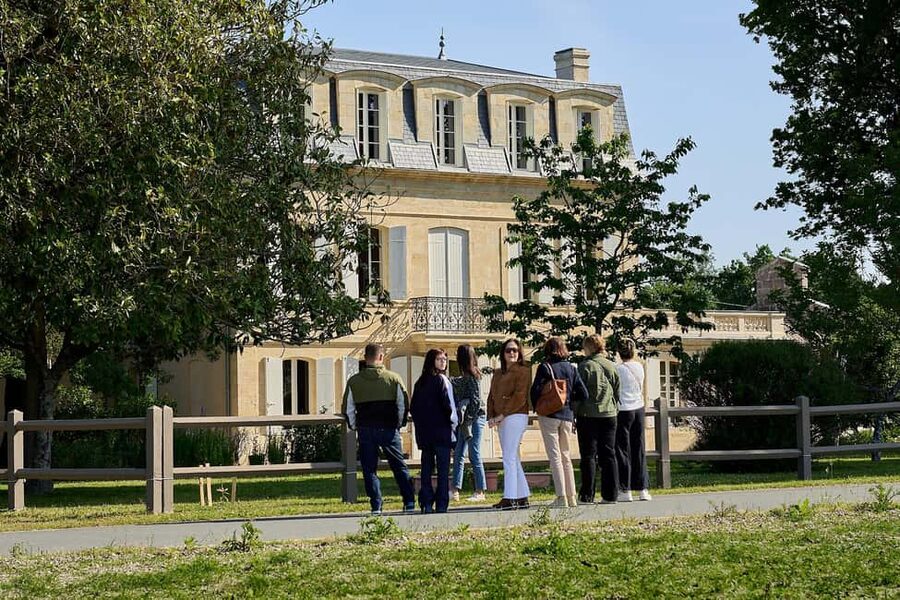
Many wine outings from Bordeaux focus on one region. This one attempts something more useful for a first visit: it lets you compare two major Bordeaux styles in a single day.
Saint-Émilion and its neighboring Right Bank vineyards are associated with wines based heavily on Merlot. Médoc, including the Margaux area, is part of the Left Bank, where Cabernet Sauvignon is central to the regional style. You do not need to arrive with a working knowledge of Bordeaux labels. Your guide and the château staff explain the differences as you go.
That comparison is the main reason I would choose this outing over a simple winery shuttle. You are not just tasting several red wines in similar surroundings. You are moving between two regions with different traditions, classifications, estates, and visual character.
The day has also earned a very strong overall score of 4.8 from 582 ratings. The praise is especially consistent about the guides, the pleasant vans, the winery hosts, and the picnic. That matters here because the quality of the day depends heavily on explanation. Without a good guide, Bordeaux wine can feel like a maze of names and rules.
More wine tours in Bordeaux:
- Bordeaux: Cité du Vin Entry Ticket and Wine Tasting
★ 4.6 · 3,885 reviews - Bordeaux: River Garonne Cruise with Glass of Wine and Canelé
★ 4.5 · 3,630 reviews - From Bordeaux: Afternoon Saint-Emilion Wine Tasting & snack
★ 4.8 · 1,581 reviews
Leaving Bordeaux for Saint-Émilion
Meet at Olala Bordeaux, at 2ter Rue Mably, near the Quinconces tram stop. Tram lines B, C, and D serve Quinconces, so the meeting point is fairly practical if you are staying in central Bordeaux.
Arrive 15 minutes early. The group is small, and the schedule includes several timed winery visits, so a late arrival can affect everyone. The first drive takes about an hour.
Saint-Émilion is the first major stop, with roughly one hour for a guided walk through the UNESCO World Heritage village. The town is the visual and historical opening act of the day: stone lanes, old buildings, wine shops, and religious monuments give you a sense of why this area has drawn attention for centuries.
Your guide points out the important sights and explains the town’s connection to wine. This stop is more than a quick photo break. It gives you a setting for understanding Saint-Émilion wines before you begin tasting them.
The early timing has one small disadvantage. Depending on the departure time, some shops and cafés may not yet be open. If you want a relaxed coffee or time to browse independently, this is not the part of the day that offers it. The benefit is that you see the village before the main winery program gets underway.
Wear shoes with a good grip. The village walk is manageable, but comfortable footwear will serve you better than dress shoes on old stone streets.
The first château and a picnic among the vines
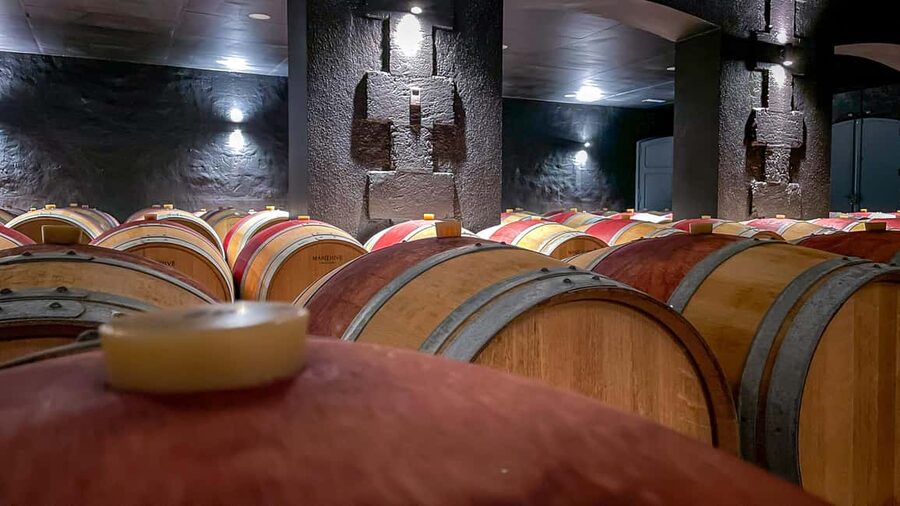
After Saint-Émilion, the van makes a short transfer of about 15 minutes to the first winery. The visit includes a guided tour and a tasting of three wines, with the château team explaining the Saint-Émilion area and its production methods.
This first tasting is a good place to start because your palate is fresh and the guide can establish the basics. Pay attention to how the staff describe the vineyard, cellar work, grape varieties, blending, and aging. You will hear related ideas again at the Médoc wineries, but the differences become clearer once you have visited several estates.
Lunch follows at a château, during or around the tasting session. The food comes from a traditional Bordeaux caterer and includes fresh local products, Basque country charcuterie, cheese, and a prepared main course. Past menus have included rice and chicken and a baked apple dessert, though the exact food can change.
The meal is served at a table with a vineyard setting and includes wine from the château. This is one of the most appealing parts of the day because you are not simply handed a sandwich between appointments. You have time to eat, talk with the group, and connect the food and wine to the place where you are sitting.
The picnic is also a practical value point. At $212 per person, the tour is not cheap, but the price includes transport, a full lunch, three château visits, and multiple tastings. Buying those pieces separately would be difficult, especially without a car.
Crossing to the Médoc and Margaux
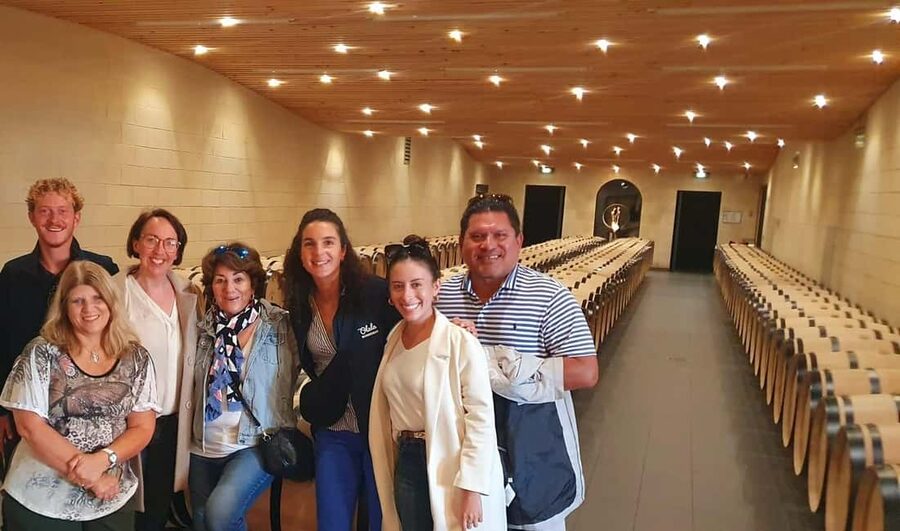
After lunch, expect about an hour in the van to reach the Médoc. This is the longest transfer of the day, but it gives your guide time to explain the Left Bank, Bordeaux’s classification system, and the estates you are passing.
The route may include a photo stop outside Château Margaux. You do not enter the famous estate on this tour, but the stop gives you a chance to see and photograph one of Bordeaux’s most recognizable names.
Keep your expectations realistic here. This is not a private visit inside every legendary château. The point is to place the famous names within the wider Médoc region and then visit working estates where you can learn through guided tours and tastings.
The first Médoc visit is at a family-run winery, especially associated with the Margaux appellation. The setting offers a useful contrast with the grander names. You get a look at a smaller, more personal operation and taste three wines while learning how the area makes and presents its bottles.
That variety is one of the tour’s strengths. One château may focus on its history, another on cellar technology, and another on classification or family ownership. The guides also try to prevent every visit from repeating the same introductory speech. That keeps the afternoon from becoming a string of identical tastings.
A final winery visit follows, at an estate connected with the 1855 classification. Here you receive another guided tour and a commented tasting. The classification can seem confusing when you first encounter labels such as Grand Cru Classé and the different appellations. Hearing about it at an actual château makes the system more concrete.
Same base, a different kind of day:
- Medoc or Saint Emilion Wine Tasting and Chateau from Bordeaux
★ 5.0 · 1,415 reviews - Saint Emilion Day Trip with Sightseeing Tour & Wine Tastings from Bordeaux
★ 5.0 · 1,120 reviews - Saint-Émilion: Grand Cru Classé Winery Visit and Tasting
★ 4.6 · 1,118 reviews - Saint Emilion Half-Day Trip with Wine Tasting & Winery Visit from Bordeaux
★ 4.5 · 1,034 reviews
Understanding the tastings
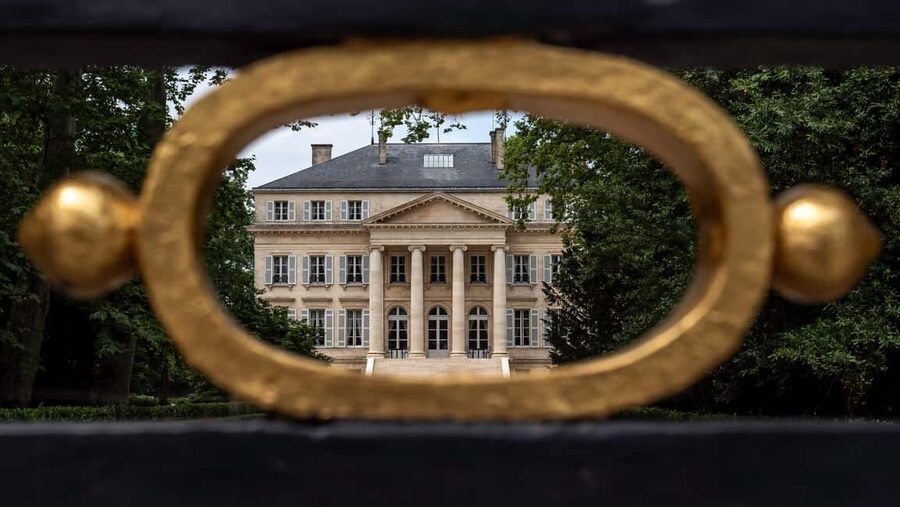
The experience is designed for people who want more than a sip and a postcard. At each château, you learn how to approach the wine, what the estate is trying to produce, and how the local conditions affect the finished bottle.
The published details describe eight local wines, while the itinerary sets out three wines at several tastings and one château wine with lunch. The exact number of pours can vary with the wineries and schedule. Some past days have included nine or more tastes, so it is wise to treat the total as an approximate guide rather than a guarantee.
You may find that not every wine suits your taste. One participant preferred more aged bottles and found several wines acidic. That is not necessarily a flaw in the tour. Young Bordeaux can show firm acidity and tannin, and a tasting is meant to help you notice those traits rather than promise that every glass will be your favorite.
I suggest taking small sips and listening to the explanation before deciding what you like. Try to compare the wines from Saint-Émilion with those from Médoc instead of ranking them too quickly. The value is in seeing how place, grape blend, age, and production choices shape the result.
The guides are a major part of this. Xavier is praised for combining wine detail with local history, while Jeremy is especially good at explaining the science and production process in approachable terms. Nicole, Margot, René, Valentin, and Renae have also led days praised for warmth, patience, and strong regional knowledge.
Guide quality can change from one departure to another, but the recurring pattern is clear: the tour is built around an informed driver-guide, not simply a chauffeur. You can ask questions during the drives, and those conversations often help tie the separate château visits together.
The van, timing, and pace
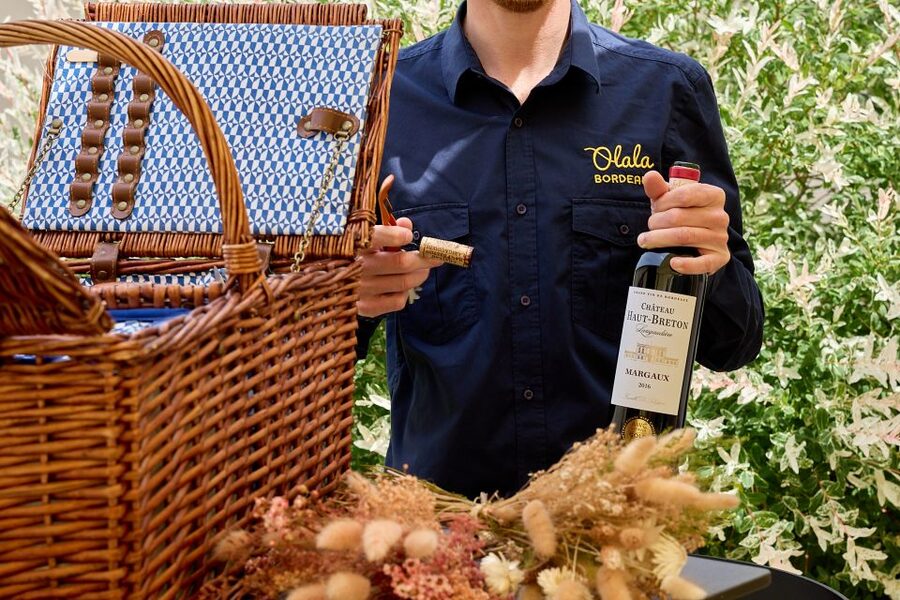
The air-conditioned minivan is a real advantage in summer. Several stops take place outdoors, and the drive between Saint-Émilion and the Médoc is long enough that climate control matters.
With a maximum of eight people, the group is small enough for easy conversation. You are not moving around with a large coach party, and lunch tends to feel social rather than anonymous. The small size also lets the guide respond to questions and adjust explanations.
The trade-off is space. One participant found eight people in the minivan manageable but a little close, and another noted that the guide was harder to hear from the back rows. If you care strongly about hearing every explanation, try to sit near the front when possible.
The day is busy but not frantic. The schedule includes a one-hour Saint-Émilion visit, a winery tour and tasting, a 90-minute château picnic and tasting, then two more winery visits with transfers between them. You will not have long stretches for independent wandering, but the pace gives you a broad introduction to both banks.
The return drive takes about an hour. Traffic near Bordeaux can make the final leg longer, particularly after the Médoc. Build a little flexibility into your evening plans rather than booking an early dinner or train immediately after the stated return time.
Is $212 a fair price?
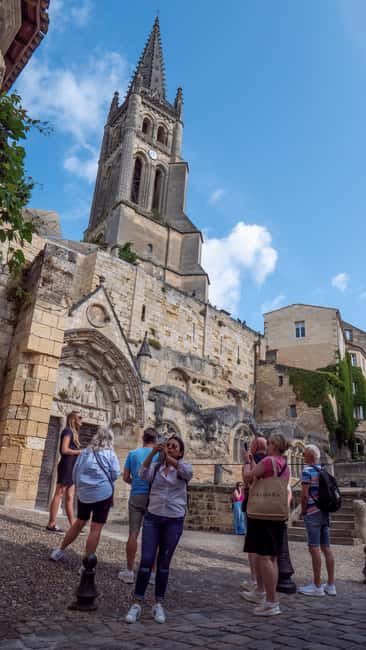
At $212, this is a premium day trip, but the inclusions make the cost reasonable for the right visitor.
You are paying for a full-day air-conditioned vehicle, a professional English-speaking guide-driver, three winery tours, several tastings, a guided Saint-Émilion visit, and lunch with wine. You also avoid the cost and hassle of renting a car, navigating rural roads, arranging château appointments, and staying within France’s strict drinking-and-driving rules.
The price is harder to justify if you already have a car, private winery appointments, or a strong knowledge of Bordeaux. It is also not ideal if your main goal is to buy rare older bottles or spend hours at one prestigious estate. The wineries and schedule may change, although the standard of the tours and tastings is intended to remain consistent.
For a first Bordeaux wine visit, I think the comparison between Saint-Émilion and Médoc gives the outing good value. You leave with a working framework for the region rather than a handful of unrelated tasting notes.
Who should book this day?
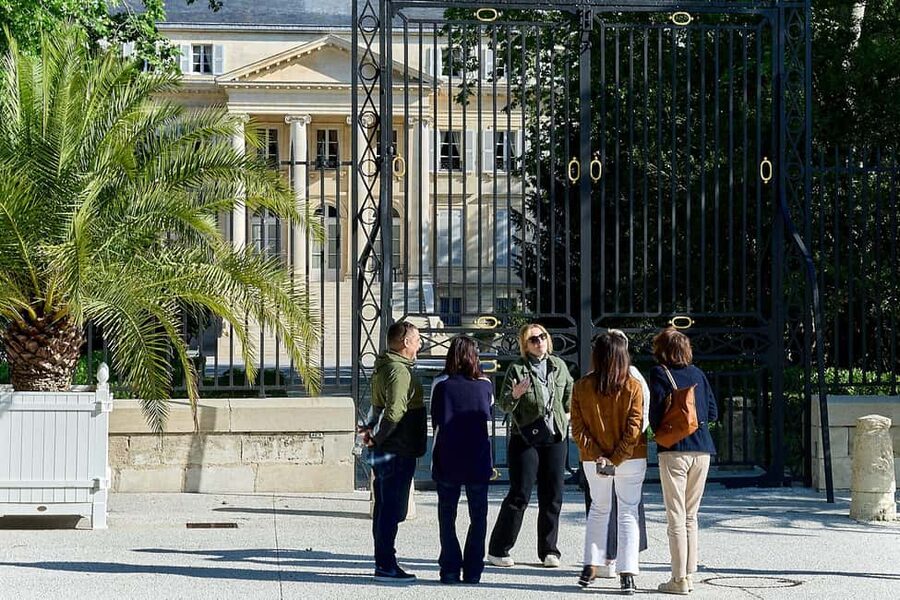
I would recommend it to adults who want a clear introduction to Bordeaux wine without arranging the details themselves. It suits couples, solo visitors, and small groups who enjoy conversation and are happy to spend much of the day with the same people.
It is especially useful for anyone staying in Bordeaux without a car. You see two major wine areas, visit three different châteaux, and get a guide’s explanation of the region as you move between them.
This is not suitable for children under 16, and unaccompanied minors are not allowed. It is also a poor fit if you dislike long drives, want extensive free time, or prefer a private experience with a custom schedule.
Bring comfortable shoes and a reusable water bottle. Fill the bottle before leaving in the morning. Wine tastings, outdoor walks, and a full day in the countryside are more enjoyable when you are well hydrated and not worrying about your feet.
My verdict on the Saint-Émilion and Médoc experience
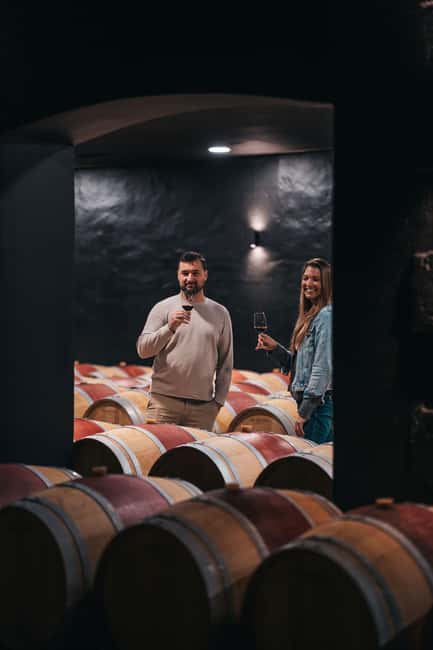
Book this tour if you want one organized day that explains Bordeaux from both sides of the Gironde wine world. The strongest features are the small group, the excellent range of guides, the contrast between three châteaux, and the generous picnic lunch.
I would skip it only if you need a slow, private day or want to focus on one estate in great detail. For most first-time visitors, the mix of Saint-Émilion village, Margaux-area vineyards, classified château visits, and practical wine instruction makes this a smart use of one day in Bordeaux.
FAQ
Where does the tour begin?
Meet at Olala Bordeaux, 2ter Rue Mably. The nearest tram stop is Quinconces, served by tram lines B, C, and D.
How long does the experience last?
The tour lasts about nine hours, including transportation, village visits, winery tours, tastings, lunch, and the return to Bordeaux.
How many people are in the group?
The group is limited to eight participants and travels by air-conditioned minivan.
Which regions does the tour visit?
The tour visits Saint-Émilion on Bordeaux’s Right Bank and the Médoc area on the Left Bank, including the Margaux appellation.
How many wineries are included?
You visit three wineries, with a guided tour and wine tasting at each one. The schedule can change, but the quality of the visits and tastings is intended to remain the same.
Is lunch included?
Yes. Lunch is a château picnic featuring fresh local food, Basque country charcuterie, cheese, and a glass of château wine. Specific dishes may vary.
Can children join the tour?
The activity is not suitable for children under 16. Unaccompanied minors are not allowed.
Just added in Bordeaux
- Saint-Émilion: Vineyard Walking Tour and Tasting★ 5.0 · 404 reviews
- Private – Best of Bordeaux Walking Tour + Glass of Bordeaux Wine★ 5.0 · 240 reviews
- Professional – Bordeaux Wine and Cheese Tasting with a walking tour★ 5.0 · 218 reviews
- 2-Hour Walking Tour of the City’s Iconic Sights and History★ 4.0 · 207 reviews
- Bordeaux: Essentials 3-Hour Bike Ride★ 4.9 · 412 reviews
- From Bordeaux: Saint-Emilion Guided Wine Tasting Tour★ 4.8 · 319 reviews
- Saint-Emilion Food and Wine Day Tour★ 5.0 · 323 reviews
- Bordeaux Food Tour – A Full French Meal by Do Eat Better★ 5.0 · 357 reviews
Wine Tours, compared.
Authentic Parisian Gourmet Food Tour with 10 Local Dishes & Wines
Read our review →
Loire Valley Castles Day Trip from Paris with Complementary Wine
Read our review →
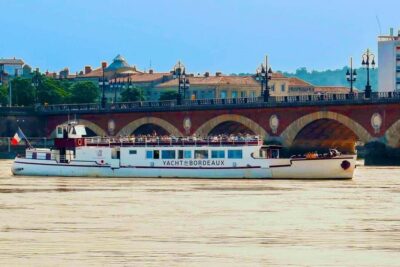
River Garonne Cruise with Glass of Wine and Canelé
Read our review →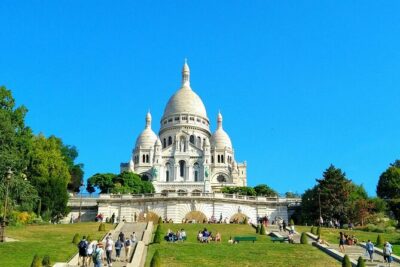
Montmartre Hill French Gourmet Food and Wine Tasting Walking Tour
Read our review →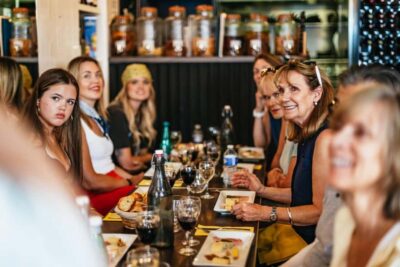
Montmartre Cheese, Wine & Pastry Guided Walking Tour
Read our review →
Loire Valley Castles Day Trip With Wine Tasting
Read our review →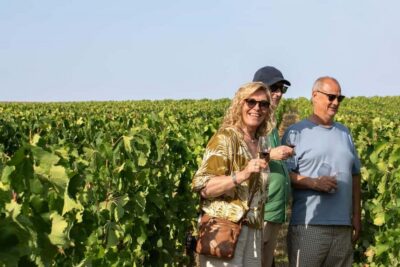
Afternoon Saint-Emilion Wine Tasting & snack
Read our review →Browse the lists this tour appears in