
Reviewed · CHAMPAGNE TASTINGS
Champagne Vineyard Experience: Delve into the terroir
The most interesting part of this Champagne visit is its link between soil and flavor. You start in the garden among the grandfather’s oldest vines, walk through the estate, then head below ground to see how the wine is made. It feels more like meeting a working family producer than checking off a grand Champagne house.
I like two things right away: the tour gives real attention to organic and sustainable viticulture, and the tasting includes both Champagne and Ratafia Champenois. The possible drawback is that the tasting may feel modest if you expect a large flight or a grand cellar spectacle. This is a small producer visit, not a polished show built for crowds.
Key points to know before you book
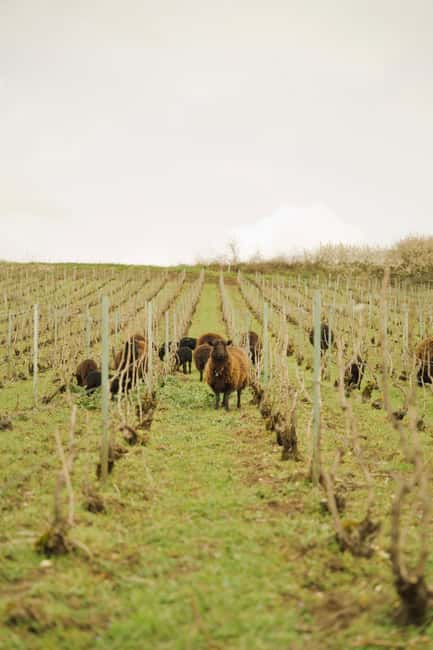
- Old vines in the family garden: The visit begins with the estate’s older vines, including those planted by the producer’s grandfather.
- Terroir explained at ground level: You connect the soils of Mareuil-le-Port, Épernay, and Tours-sur-Marne with the character of different cuvées.
- Historic cellar access: The production story continues underground, with stairs to the cellar and tasting room.
- Champagne plus Ratafia Champenois: The tasting includes the estate’s wines and its emblematic local fortified aperitif.
- Warm, clear guiding: Sarah and Chléo have led particularly engaging visits, with English and French available.
- A compact 90-minute visit: It fits neatly into a Champagne day, but the short format limits how much wine and production detail can be covered.
From grandfather’s vines to the cellar door
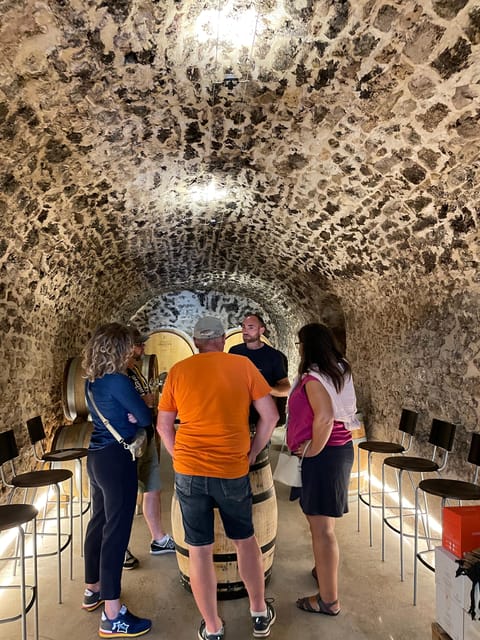
Champagne Harlin Père & Fils begins at 8 Rue de la Fontaine, where you enter the courtyard and wait for your guide. If the guide is not already outside, the instructions say someone will greet you shortly. That small detail matters in a family estate, where the welcome can feel less like a reception desk and more like arriving at someone’s workplace.
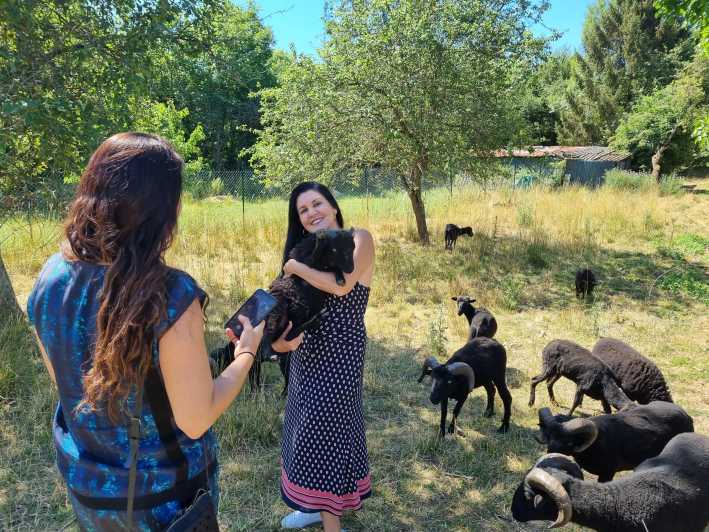
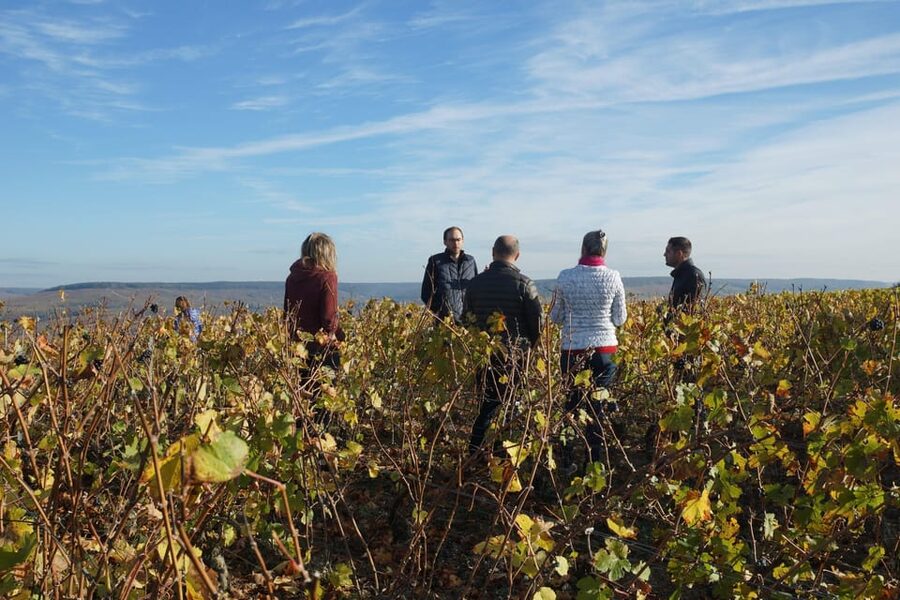
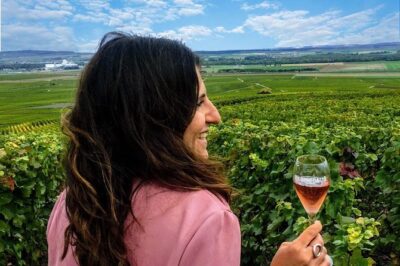
The first stop is the garden, where the family’s oldest vines grow. This is a useful opening because it puts the estate’s story in a physical place. You are not beginning with a sales pitch or a wall of bottles. You are standing near the vines that connect the current producer with the previous generation.
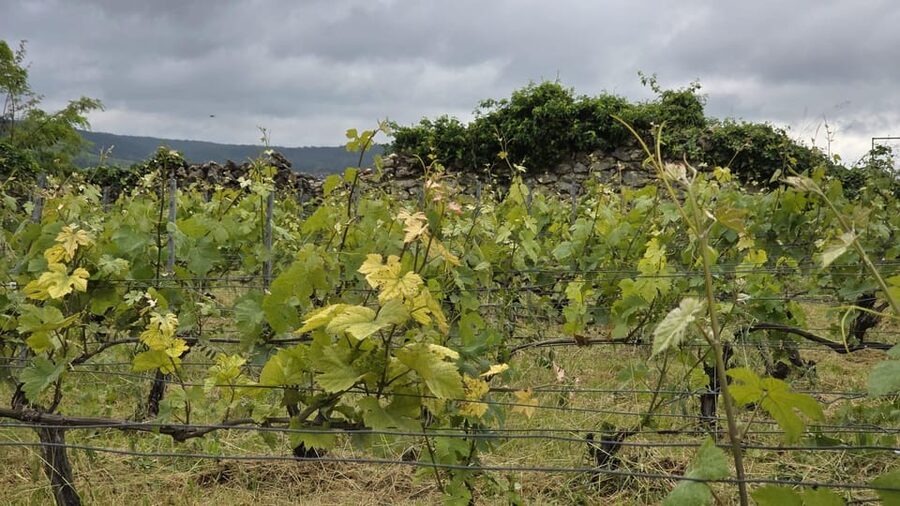
From there, the walk continues into the vineyards. The point is not simply to see rows of grapevines. You are introduced to the idea that Champagne is shaped by more than its famous name. Soil, exposure, farming choices, and grape handling all affect the final cuvée.
I especially like the focus on biodiversity. The estate presents organic and sustainable work as part of its daily approach, not as a decorative label. You will hear about the effort to preserve living soils and the wider natural setting around the vines. The supplied details do not promise a formal technical lesson in organic certification, so you should expect a practical introduction rather than a specialist lecture.
The vineyard walk also gives the tour a welcome change of pace. You spend part of the visit outdoors before moving into the cooler cellar. Bring shoes you can walk in, since this is not a tasting-room-only experience.
Other champagne houses to visit from Epernay:
- Champagne: Champagne Tasting Class with Lunch
★ 4.9 · 384 reviews - Aÿ-Champagne: Champagne House Tour and Tasting Class
★ 4.9 · 209 reviews - Passy-Grigny: Chocolate and Champagne Tasting Tour
★ 4.8 · 208 reviews
What the terroir lesson means for your glass
The word terroir can become vague when it is used only as a marketing term. Here, the tour aims to make it more concrete by connecting the wines to three places: Mareuil-le-Port, Épernay, and Tours-sur-Marne.
You will not simply hear that each place is different and then move on. The stated purpose of the visit is to show how soils shape each cuvée. That gives the tasting a useful framework. Instead of asking only which Champagne you like best, you can consider how place, farming, and blending affect aroma, texture, and finish.
The experience does not provide a detailed list of grape varieties, bottle releases, or individual cuvée names. That is worth knowing before you arrive. If you want a highly technical master class focused on dosage, vintage variation, or detailed cellar statistics, you may want a longer specialist tasting elsewhere.
For most visitors, though, the scale is a strength. You have room to ask simple questions without feeling foolish. Sarah’s explanations have been described as clear, and Chléo has also led visits praised for warmth and patience. The guides can speak English or French, so you do not need to rely on a translated handout to follow the story.
The historic cellar and the making of Champagne
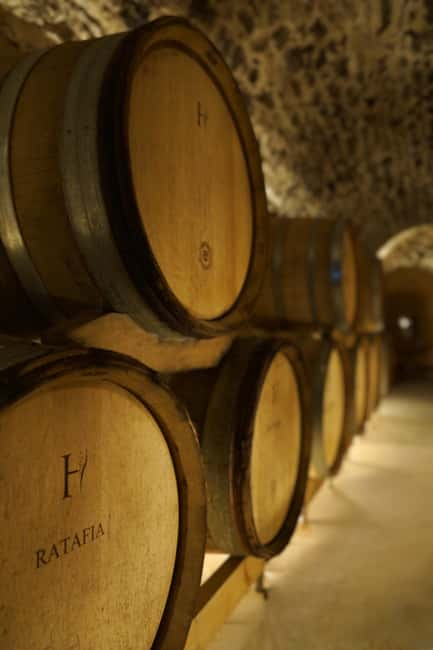
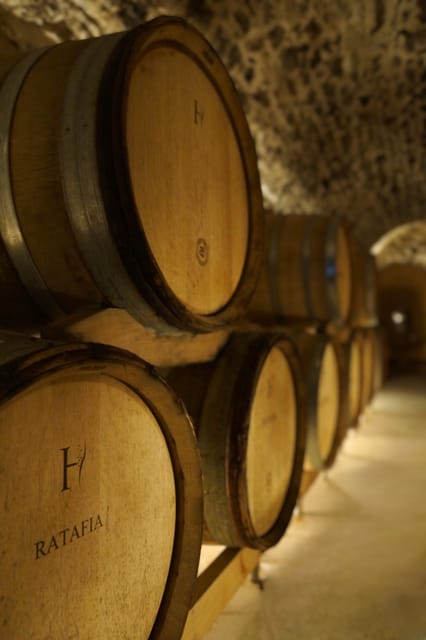
After the vineyard portion, the tour moves into the historic cellar. This is where the experience shifts from farming to production. You learn how grapes become Champagne and see the setting connected with the family’s winemaking work.
The cellar is likely to appeal most to anyone who wants to understand the process behind the pop of a cork. Champagne production involves more than pressing grapes and waiting. The cellar is where time, temperature, storage, and careful handling become part of the story.
The exact production details provided for this visit are broad rather than technical. You are promised the secrets of Champagne production, but not a fixed list of machinery, aging times, or cellar procedures. Guides may shape the explanation around the questions in the group.
There are stairs to reach the cellar and additional stairs to the tasting room. Sophie specifically noted the short walk through the vines and the steps as useful points to know before booking. If stairs are difficult for you, contact the provider before reserving, because the information supplied does not describe an alternate route.
The cellar section also brings a welcome sense of place. You are not only looking at finished bottles in a bright shop. You are seeing where the estate’s work continues after harvest. That connection helps explain why a small family producer can offer a different experience from a major Champagne brand.
One caution: do not expect a theatrical underground attraction. The visit is based around production and explanation. One low rating raised concern that some activity around the house felt staged and that the tasting did not match the visitor’s expectations. I cannot promise that every group will experience the same atmosphere, so book this for the family-producer story and terroir lesson, not for a guaranteed grand spectacle.
The tasting: Champagne and Ratafia Champenois
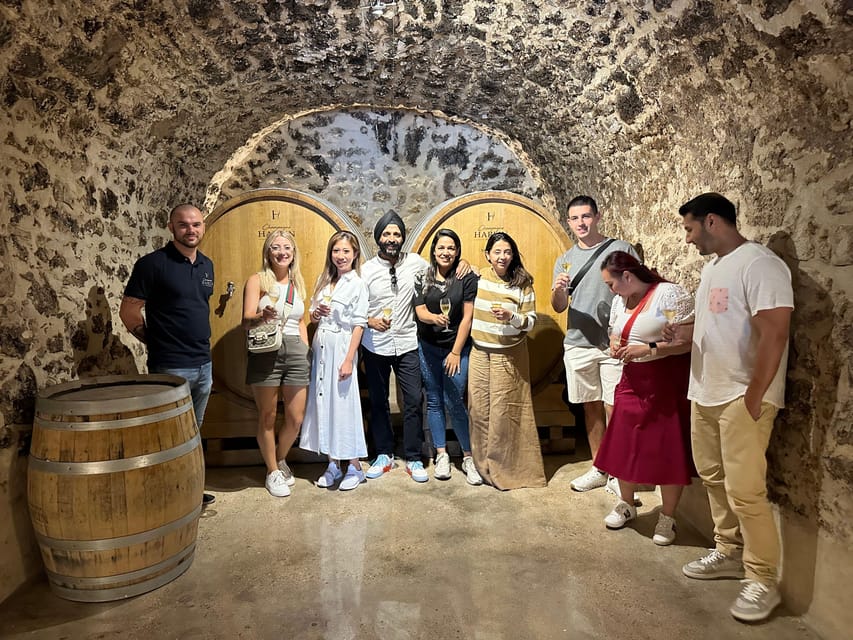
The tasting is the final part of the visit and lasts about 30 minutes within the advertised 90-minute experience. You taste Champagne along with Ratafia Champenois, the estate’s emblematic regional drink.
Ratafia is a useful addition because it broadens the picture of Champagne beyond sparkling wine. It is a local aperitif with a different style and purpose, and tasting it beside Champagne gives you a better sense of the region’s wider drinking traditions.
The tasting should be approached as the conclusion of the vineyard and cellar story. You have just heard about the soils and production methods, so pay attention to how the wines differ in aroma, sweetness, acidity, and weight. Ask the guide to connect each sample with its place or cuvée if that is not already explained.
The amount of wine is not specified, and the experience does not promise a large number of pours. That is the main value question. At $28 per person, the price is reasonable if you want a guided introduction with a vineyard walk, cellar visit, and tasting. It is less compelling if you judge value only by the number of glasses or the amount of wine poured.
The tasting has earned strong praise for its quality and the enthusiasm of the guides, but expectations matter. This is not advertised as a luxury pairing menu or a long cellar-side lunch. You get a focused tasting after a short educational visit.
If you plan to buy bottles, the supplied information does not list prices or shipping options. Ask about the available cuvées and their connection to the three areas discussed on the tour. That is the best way to turn the tasting into a more meaningful comparison rather than simply choosing the prettiest label.
More wine tours in Epernay:
- From Reims: Champagne and Family-Run Wineries Tour
★ 4.8 · 671 reviews - Champagne Cellar Experience: Explore our historic cellars
★ 4.7 · 46 reviews - Epernay: Winery and Cellar Tour with Champagne Tasting
★ 4.5 · 42 reviews - Authentic Parisian Gourmet Food Tour with 10 Local Dishes & Wines
★ 5.0 · 4,754 reviews
Why the family setting matters
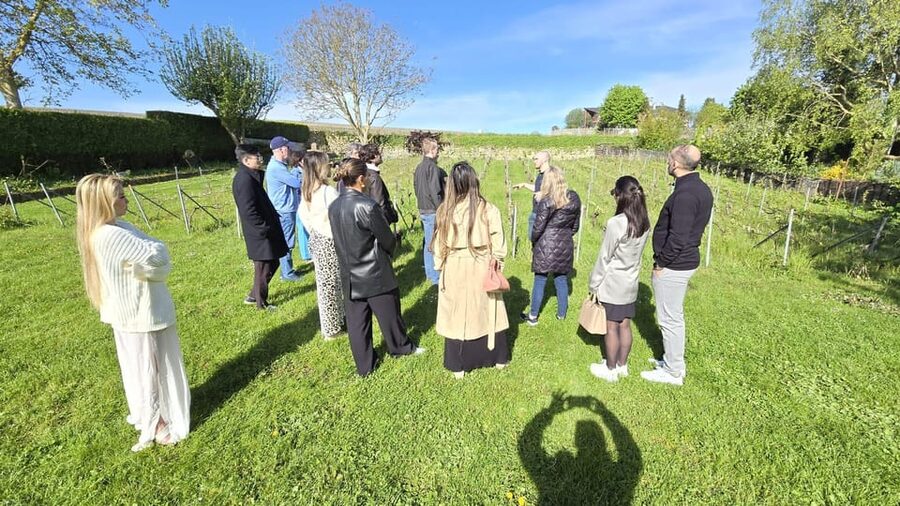
A family Champagne house can show you a more personal side of the region. At Champagne Harlin Père & Fils, the story begins with the grandfather’s vines and continues through the current approach to biodiversity and sustainable farming.
That family link gives the visit a clear thread. You start with the older vines, move through present-day vineyard work, see the cellar, and finish with the bottles. The tour is not only about how Champagne is made in general. It is about how this estate understands its land and production.
The strongest part of the experience is the human scale. A visit led by Sarah or Chléo can feel conversational, with time for questions and a sense that the guide cares about the subject. One visit even became nearly private because of the group circumstances, though you should not count on having a private tour.
The tradeoff is that a small producer may have fewer polished displays and fewer fixed routines than a large house. You might see ordinary work happening around the property. For some people, that feels honest and useful. For others, it may seem less finished or less theatrical.
I would choose this experience if you want to understand how a Champagne producer thinks about land, production, and tasting. I would choose a larger house if your priority is a grand architectural setting, famous branding, or an elaborate visitor center.
Timing, price, and who will enjoy it
The advertised duration is 90 minutes, which makes this easy to fit into a day in the Grand Est region. The visit includes the guide, the tour, and the tasting, with English and French offered.
The supplied schedule breaks the experience into a vineyard and estate visit, a cellar visit, and a tasting. One timing line is written unclearly, but the overall duration is listed as 90 minutes. Plan your day around that stated total rather than assuming the visit will last several hours.
At $28 per person, the cost sits in a useful middle range for Champagne. You are paying not only for samples but also for access to the estate, the vineyard walk, the cellar, and a guided explanation. The value is strongest for first-time Champagne visitors who want context before tasting.
I would be more cautious if you are already an expert or mainly want to sample many bottles. The tour may not offer enough breadth for that purpose. Its strength is the connection between place and production.
Children under 18 may come along without needing a ticket. They cannot drink alcohol under French law, but fruit juice can be provided. This makes the visit workable for families, although the cellar stairs and vineyard walk may require extra attention with younger children.
Alcohol and drugs are not allowed. The tasting is intended for responsible participation, and the provider’s rules should be followed throughout the visit.
Booking is flexible: you can reserve now and pay later, and cancellation is free up to 24 hours before the start time. That is useful when your Champagne plans depend on weather, trains, or a changing road schedule.
Practical tips for a smoother visit
Arrive at the courtyard at 8 Rue de la Fontaine and give yourself a few minutes to find the meeting point. The guide is expected to greet you there, but this is a working estate rather than a large attraction with a staffed entrance.
Wear comfortable shoes. You will walk through the vineyards and use stairs for the cellar and tasting room. The tour is not described as wheelchair accessible, so anyone concerned about mobility should ask the provider before booking.
Choose your language when reserving if possible. English and French are available, and the clearest visits appear to depend on direct conversation with the guide.
Keep your expectations focused. You are signing up for a 90-minute introduction to one producer’s vines, cellar, and wines. You are not signing up for a full-day route through several Champagne houses.
If you are visiting with children, mention their presence when arranging the booking. They can attend without a ticket, and fruit juice is available, but they will not be served alcohol.
Should you book Champagne Harlin?
Book this experience if you want a small-scale, family-run introduction to Champagne with a real vineyard walk and cellar visit. It is especially well suited to first-time visitors, couples, families with older children, and anyone curious about biodiversity and the link between soil and taste.
I would book it for the guides, the old vines, the Ratafia Champenois, and the chance to ask questions in a smaller setting. I would skip it if you want a lavish tasting, a long list of wines, or a guaranteed dramatic cellar show.
At $28, the price is fair when you value the full story rather than the pour count. Go expecting a personal working estate, a few stairs, and a compact lesson in Champagne from vine to glass.
FAQ
Where does the Champagne Harlin experience begin?
It begins in the courtyard of Champagne Harlin Père & Fils at 8 Rue de la Fontaine. Your guide will greet you there, or shortly afterward if they are not already waiting.
How long does the experience last?
The advertised duration is 90 minutes. It includes the estate and vineyard visit, cellar visit, and Champagne and Ratafia Champenois tasting.
Which languages are available?
The experience is offered in English and French.
What drinks are included in the tasting?
The tasting includes Champagnes and Ratafia Champenois, the estate’s emblematic regional drink.
Can children attend?
Yes. Children under 18 may accompany adults without needing a ticket. French law does not permit them to drink alcohol, but fruit juice can be provided.
Are there stairs during the visit?
Yes. The vineyard walk is followed by stairs to the cellar and additional stairs to the tasting room.
Can I cancel or pay later?
You can reserve now and pay later. Cancellation is free up to 24 hours before the experience for a full refund.
Just added in Epernay
- Champagne experience with a vintage van from Epernay – 3 hours★ 5.0 · 108 reviews
- The Must-sees 3h30 from Epernay (Private Half day Champagne Tour)★ 5.0 · 30 reviews
- From Epernay: Champagne Small-Group tour with tastings & Lunch★ 5.0 · 93 reviews
- Food & Champagne Experience from Epernay (Private tour)★ 4.5 · 28 reviews
- Bubble Champagne Tour from Epernay (Small group half day tour)★ 5.0 · 58 reviews
- Discovery tour (2 tastings)★ 5.0 · 77 reviews
- From Epernay Full day Electric bike Champagne and lunch★ 5.0 · 36 reviews
- The Connoisseurs from Epernay (Private Half day Champagne Tour)★ 5.0 · 59 reviews
Champagne Tastings, compared.

Champagne Day Trip from Paris with 8 Tastings & Lunch
Read our review →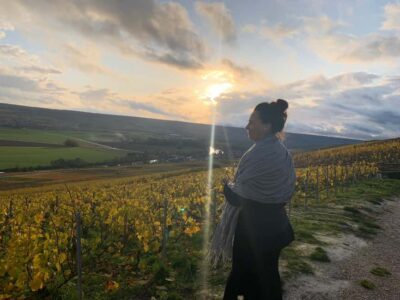

Small Group – Half Day Champagne Tour – Visit of 2 Small Producers/Growers
Read our review →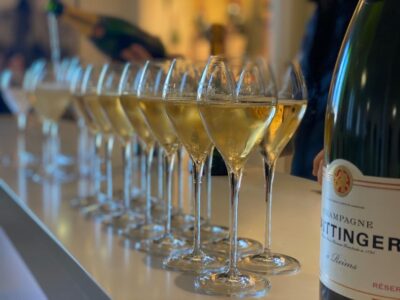
Small-Group Champagne Tour with 3-Course Lunch
Read our review →Browse the lists this tour appears in