
Reviewed · PASTRY & CHOCOLATE WORKSHOPS
Paris: 2.5-Hour French Pastry Cooking Class
The best part of this Paris class is that you do not just watch a chef pipe cream or fold batter. Chef Noémie guides you through the work, from measuring and mixing to pastry-bag technique and decoration, then you sit down in her loft atelier to eat what you made. Possible projects include Paris-Brest, molten chocolate cake, and Grand Marnier soufflés.
I like the small group limit of eight, which gives you room to ask questions, and I like the mix of technique and pastry lore. Noémie trained at the Lenôtre Culinary Institute, and her teaching style has worked well for adults, teenagers, and children as young as eight. One consideration: the class may not be fully hands-on at every moment, since participants can take turns with some steps rather than each making every part alone.
Key points to know before booking
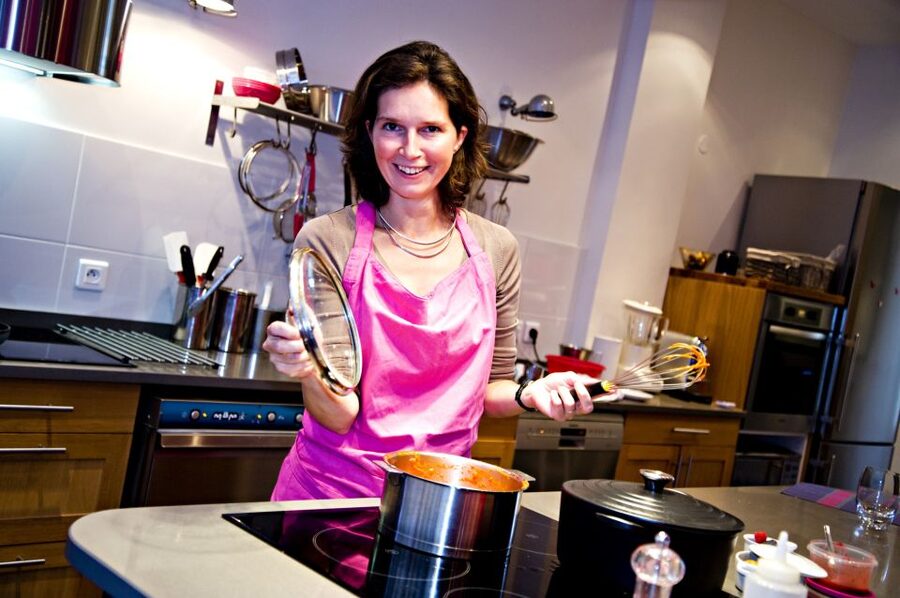
- Chef-led instruction: Noémie teaches the reasons behind each step, not just the recipe.
- Private loft setting: The class takes place in a clean, organized atelier at 92 rue Nollet in Paris.
- Seasonal pastry menu: You make two or three desserts, with the exact selection chosen according to the season.
- Small class size: Up to eight participants keeps the lesson personal without making it feel like a private lesson.
- A proper finish: Tea or coffee is served while you taste the pastries you prepared.
- Useful take-home material: You receive recipes in English, plus the confidence to try the techniques at home.
Baking French classics with Chef Noémie
This is a pastry lesson with a social side, held in a private loft rather than a large culinary school classroom. That setting matters. You are not being moved through a crowded station or asked to keep pace with a big group. You have a chance to ask why a mixture is handled in a certain way, what texture to look for, and how to avoid common mistakes.
Noémie is a graduate of the Lenôtre Culinary Institute, one of France’s best-known pastry schools. Her role here is not simply to demonstrate polished professional skills. She breaks the process into steps that a home baker can understand. That is especially useful with French pastry, where small details such as piping pressure, mixing time, or the texture of a batter can change the final result.
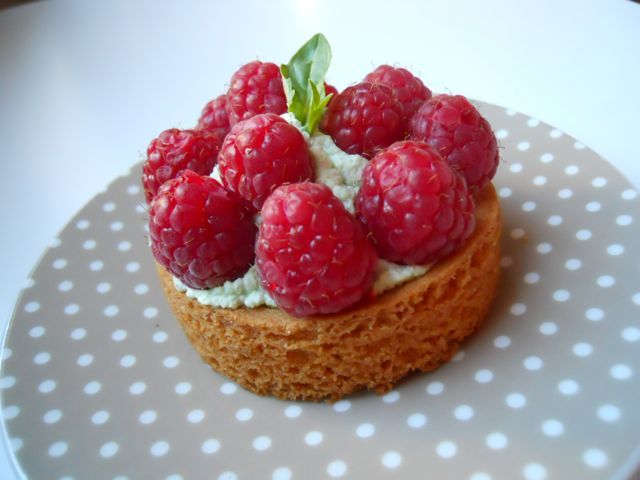
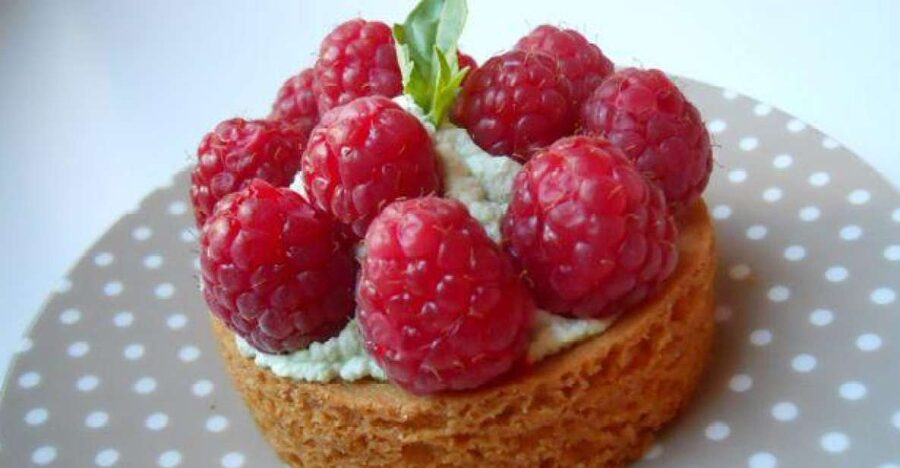
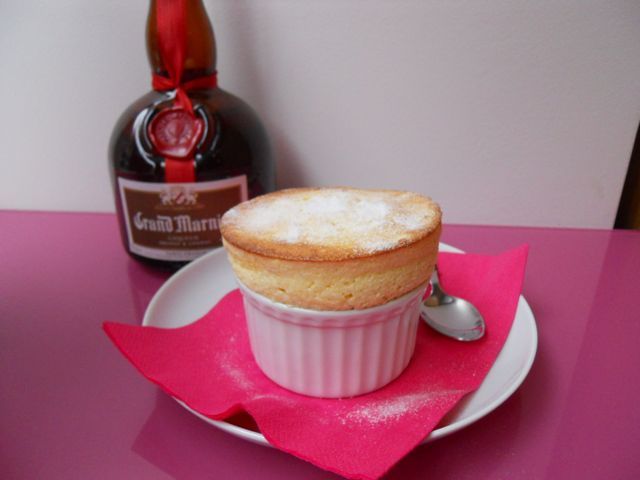
The menu can include two or three well-known French desserts. Paris-Brest is one possible choice, usually associated with choux pastry and a praline filling. A molten chocolate cake offers a different lesson in timing and texture. Grand Marnier soufflés bring another set of skills, including careful preparation and serving at the right moment. The exact dishes depend on the season, so you should not book expecting one fixed menu every time.
That changing menu is a plus if you enjoy food at its best during the right time of year. It is less ideal if you have your heart set on one particular pastry. If Paris-Brest is your priority, contact the provider before booking or ask about it in advance. One participant arranged for it to be included, which suggests that some menu flexibility may be possible.
More cooking classes in Paris:
- Paris Cooking Class and Lunch with Wine plus Market Visit Option
★ 5.0 · 1,024 reviews - Paris Croissant Small-Group Baking Class with a Chef
★ 5.0 · 910 reviews - Paris: French Croissant Baking Class with a Chef
★ 4.9 · 712 reviews
What the 150-minute class is really like
The class lasts two and a half hours. That is long enough to teach several techniques without taking over an entire day of sightseeing. I would place it between a museum visit and dinner, or use it as a relaxed afternoon activity when you want something other than monuments and shopping.
You begin with instruction from Noémie, then work through the recipes step by step. The process can include measuring ingredients, mixing, using a pastry bag, and decorating. Earlier participants have especially valued the explanations behind each step. That approach is more useful than memorizing a recipe, because you leave with a sense of what the mixture should look and feel like.
Do keep the hands-on format in perspective. This is not necessarily a setup where every person prepares a complete batch of every dessert from start to finish. One participant specifically noted that the class was not completely hands-on, although participation remained part of the lesson. In a group of eight, you may take turns measuring, mixing, piping, or decorating.
That arrangement has two sides. You may not get to repeat every task several times, but you can watch the technique closely before trying it yourself. You also avoid the pressure of working alone through several complicated recipes while the clock runs. For a first pastry class, that balance can be helpful.
Why the small group matters
The maximum group size is eight. That is small enough for direct advice but large enough to create a friendly cooking session rather than a one-on-one appointment. Several people who attended alone or with family found the class easy to enjoy, and one person ended up as the only participant after another couple cancelled. In that case, Noémie still ran the class and had time to answer questions in detail.
For couples, the format offers a shared activity that feels more memorable than another café stop. For families, it gives children a job to do and adults something to learn. Children aged eight, ten, twelve, and thirteen have all been singled out as enjoying the class, though the adults still found the instruction worthwhile.
A small group also helps if you are nervous around pastry. Noémie’s teaching style is patient and encouraging, with room for questions. That matters because baking can feel unforgiving. A good instructor can explain why something went wrong without making the mistake feel like a disaster.
If you prefer complete control of your own workstation, ask about the exact class format before booking. The shared, turn-taking style is part of the social nature of the lesson, but it may not satisfy someone seeking a technical workshop where each participant makes every item independently.
Pastry skills you can carry home
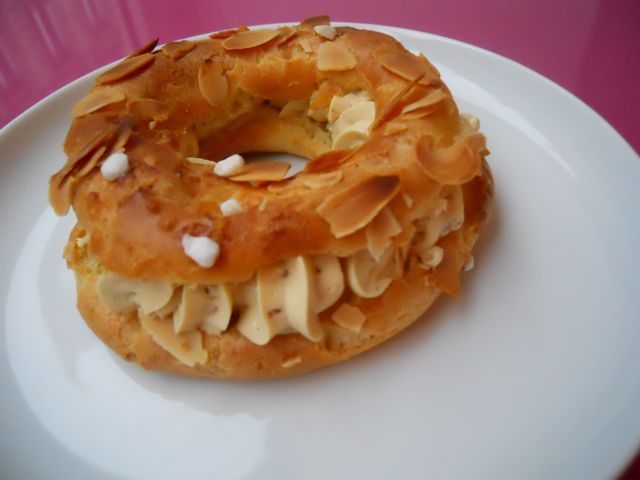
The real value here is not just eating a French dessert in Paris. You receive an English-language copy of the recipes, and the class focuses on techniques that apply beyond the day’s menu.
Choux pastry is a good example. It appears in many French desserts, and learning how to make it gives you a base for more than one recipe. Piping is another transferable skill. You learn how pressure, shape, and consistency affect the result, then use that knowledge for cream puffs, éclairs, or other decorated pastries at home.
Noémie also explains the reasons behind the method. That might mean discussing why ingredients are combined in a certain order, how to judge a mixture, or what helps a dessert hold its shape. The supplied information does not list every technique taught in each session, so you should think of the recipes as the framework and the instructor’s advice as the part that changes from group to group.
This is a useful class for a beginner who wants practical confidence. It also suits an experienced home baker who wants to compare familiar methods with French pastry practice. The lesson is not presented as a professional qualification, and two and a half hours cannot cover every branch of patisserie. Its strength is focused instruction that you can use again.
Other pastry and chocolate sessions around Paris:
- Paris: Montmartre Cheese, Wine & Pastry Guided Walking Tour
★ 4.8 · 2,255 reviews - Award-Winning Paris French Bakery Experience — Le Marais, 4th Arr
★ 4.5 · 1,186 reviews - Paris: Entrance Ticket to the Chocolate Museum
★ 4.1 · 1,105 reviews - Private Montmartre Food Tour with Wine, Cheese & Pastries
★ 5.0 · 1,027 reviews
The loft atelier in the 17th arrondissement
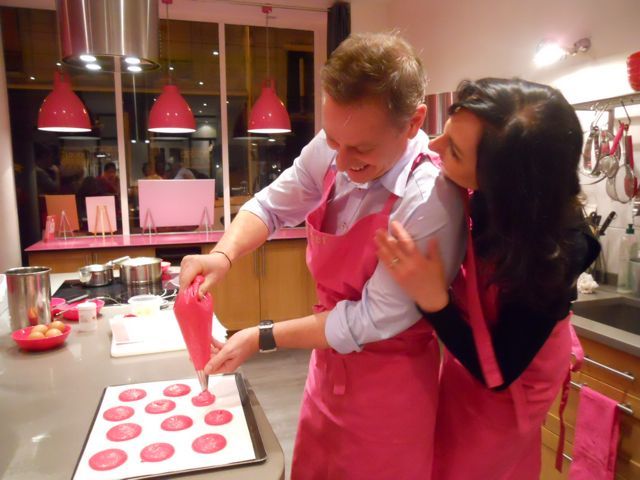
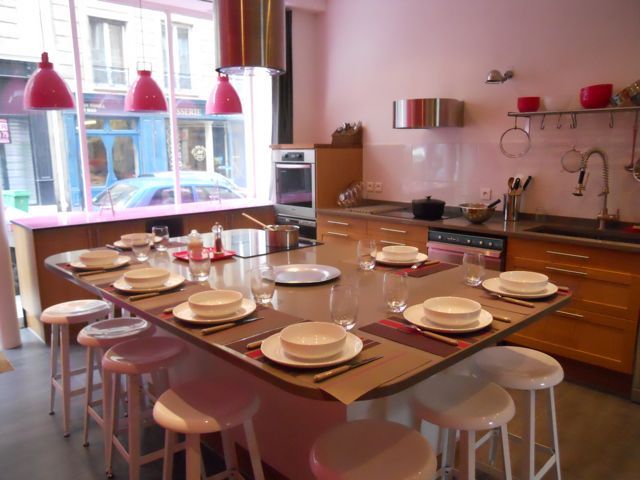
The meeting point is 92 rue Nollet, in Paris’s 17th arrondissement. The class takes place in Noémie’s loft-style atelier, which gives the session a personal feel. The studio has been described as clean and well organized, an important detail when you are working with food and several people in a compact kitchen.
This is not a sightseeing tour with stops across the city. You arrive at one cooking location and stay there for the lesson. That makes the activity simple to fit into your day, but you should allow enough time to find the address and arrive ready to start.
The nearest Metro options are Brochant and La Fourche on Line 13. Bus options include numbers 66, 54, and 74 to the Legendre stop, or number 31 to Parc Martin Luther King. The Navette Péreire Pont Cardinet can be used to reach the Pont Cardinet stop. Check your route on the day, since Paris transport timing can change.
Pets and smoking are not allowed. The provided information does not state specific accessibility arrangements, dietary options, or age rules, so contact the provider if any of those points affect your booking.
Tasting your work with tea or coffee
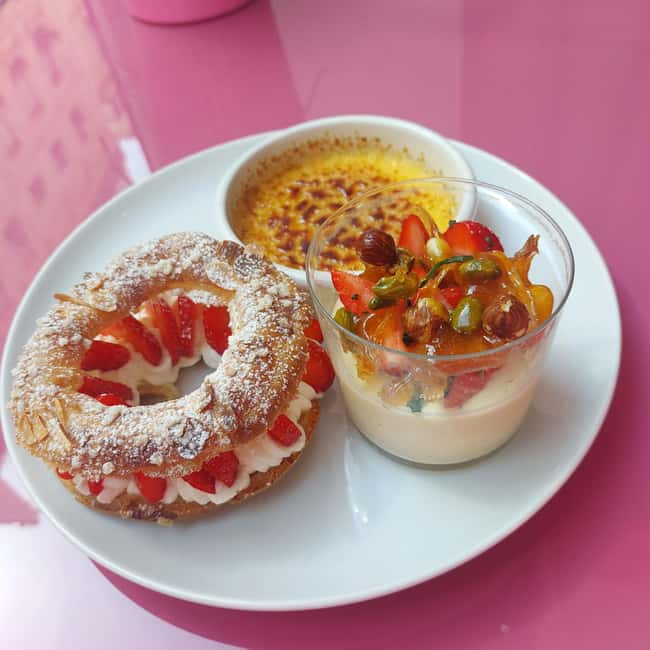
After the baking, you sit down in the atelier and taste the desserts with tea or coffee. This final part is more than a snack. It gives you time to see the finished texture, compare results, and ask follow-up questions while the lesson is still fresh.
It also gives the class a satisfying rhythm. You spend the first part learning and working, then the final part slows down into a shared table. You are not rushing out with an unfinished recipe or a box of samples. You get to enjoy the result in the same place where you made it.
The tasting can be especially appealing for families and couples celebrating something during a Paris trip. One family used the class to celebrate a granddaughter’s thirteenth birthday, while others chose it as a special activity with daughters or on a honeymoon. You do not need a special occasion, but the format gives an ordinary afternoon a clear beginning and end.
The desserts are prepared for the class, and the exact number is usually two or three. That is enough variety to compare techniques without turning the session into a sugar marathon. If you have dietary restrictions, ask before reserving, since the available details do not promise substitutions.
Is $141 a fair price?
At $141 per person, this is not a budget food activity. You are paying for a small class, an English-speaking chef, use of a private atelier, ingredients, an apron, recipes, tea or coffee, and guided instruction over 150 minutes.
The value improves if you care about learning rather than simply eating. A pastry tasting would cost less, but it would not show you how to make the choux pastry, pipe the filling, prepare the soufflé, or understand the timing. The class also gives you recipes and skills to use after Paris, which makes the cost easier to justify for someone who bakes at home.
The price is harder to defend if you want a fully private lesson or a guaranteed menu of one specific dessert. The group can include up to eight people, and some tasks may be shared. You are buying a focused small-group class, not a private chef for the afternoon.
The strong 4.9 rating from 71 reviews supports the idea that the teaching and atmosphere are the main reasons to book. I would still make the decision based on your priorities. If you want hands-on pastry work, personal advice, and a meal-like finish, the price is reasonable for Paris. If your main goal is a box of pastries, visit a pâtisserie instead.
Who will enjoy this class most
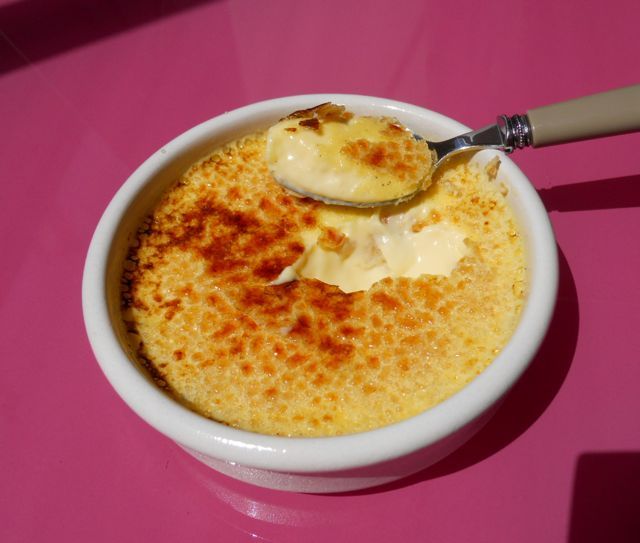
I would recommend it to first-time bakers who want a clear introduction without committing to a full-day course. Noémie’s patient, step-by-step approach suits people who need confidence with pastry basics.
It is also a strong choice for families. Children who enjoy baking can take part in measuring, mixing, piping, and decorating, while adults get genuine instruction rather than simply supervising. The reports of children aged eight to twelve enjoying the session are useful here, though you should still consider your child’s attention span and interest in cooking.
Couples and small groups of friends can use the class as a break from sightseeing. It gives you something to talk about, work on together, and remember after the trip. Solo participants can also fit in comfortably, especially since one person had a good session even after the rest of the group cancelled.
I would be more cautious if you are looking for advanced professional training, a guaranteed recipe list, or constant individual workstation time. The format is friendly and guided, not an intensive pastry-school course.
Booking details that matter
The experience is offered in English and has a maximum of eight participants. You can reserve now and pay later, which helps if your Paris schedule is still changing. Free cancellation is available up to 24 hours in advance for a full refund.
The meeting point is 92 rue Nollet, 75017 Paris. Check the starting time when you select your date, since the class time can vary. Wear something you are comfortable cooking in, although an apron is provided.
If you have a particular request, such as Paris-Brest, ask before the class. The menu changes with the season, and Noémie may be able to shape the lesson around the dessert you most want to learn.
Should you book the French pastry class?
Book it if you want to do something active in Paris and would like to take home more than a photograph. The best reasons are Noémie’s patient teaching, the small class size, the chance to learn techniques behind several French desserts, and the relaxed tea or coffee tasting at the end.
Think twice if you want every task to be entirely your own or need a fixed menu confirmed in advance. For everyone else, this is a well-balanced two-and-a-half-hour class that combines practical baking with the pleasure of sitting down to enjoy what you made. The English recipes and apron are useful extras, but the lasting value is the confidence to try French pastry again at home.
FAQ
Where does the pastry class take place?
The class takes place at Chef Noémie’s loft-style atelier at 92 rue Nollet, 75017 Paris, France.
How long does the class last?
The class lasts 150 minutes, or two and a half hours.
How many people can join?
The class is limited to eight participants.
Is the class taught in English?
Yes. The activity includes an English-speaking live guide, and English-language copies of the recipes are provided.
Which desserts will I make?
You will prepare two or three famous French desserts. Possible examples include Paris-Brest, molten chocolate cake, and Grand Marnier soufflés. The selection depends on the season.
Is the class suitable for children?
The available information does not give a formal minimum age, but children aged eight, ten, twelve, and thirteen have taken part successfully according to the supplied experiences.
What is included in the price?
The price includes the pastry class, an English copy of the recipes, tea and coffee, and an apron.
How can I reach the meeting point?
By Metro, use Line 13 to Brochant or La Fourche. Bus options include numbers 66, 54, and 74 to Legendre, or number 31 to Parc Martin Luther King. The Navette Péreire Pont Cardinet stops at Pont Cardinet.
Just added in Paris
- Private Transfers in Paris★ 5.0 · 75 reviews
- Disneyland® Paris 1 Day Ticket with Transport from Paris★ 3.5 · 302 reviews
- Personalized Transport service from Disneyland to Paris★ 5.0 · 63 reviews
- CDG – Euro Disney – CDG Two Way Private Shuttle Transfer★ 5.0 · 233 reviews
- Monet’s Gardens & House-Private Giverny Tour From Paris★ 4.5 · 137 reviews
- Giverny Monet House and Gardens Skip the line Walking tour★ 4.0 · 217 reviews
- Guided tour Monet’s house and gardens/small group★ 4.5 · 68 reviews
- Monet’s House and Garden & Giverny Village★ 4.5 · 39 reviews
Pastry & Chocolate Workshops, compared.
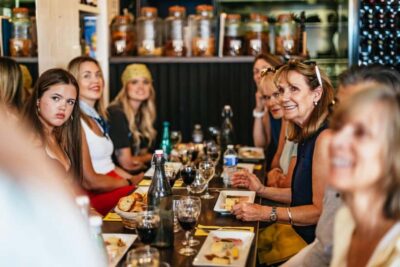
Montmartre Cheese, Wine & Pastry Guided Walking Tour
Read our review →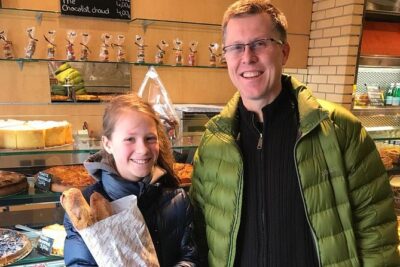
Award-Winning Paris French Bakery Experience — Le Marais, 4th Arr
Read our review →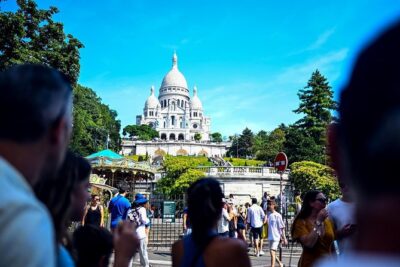
Private Montmartre Food Tour with Wine, Cheese & Pastries
Read our review →
Paris French Sweets Tasting Tour with Pastries and Chocolates
Read our review →
Paris Croissant Small-Group Baking Class with a Chef
Read our review →

Browse the lists this tour appears in