
Reviewed · ORSAY MUSEUM TOURS
Paris: Best of Orsay Museum Small Group Tour with Tickets
Musée d’Orsay is the Paris museum where a small group makes a real difference. In two hours, your guide can lead you from Manet and the Realists to Monet, Renoir, Degas, Cézanne, and Van Gogh without leaving you stranded in a giant crowd. Guides such as Olga, Blerta, Vanina, and Patrick have been praised for turning dates and painting techniques into clear stories about changing French society.
I like two things here: the tour puts the museum’s former railway-station architecture into the story, and it explains why Impressionism was such a break from the old rules. The main drawback is crowding. Even with advance tickets and a group of six or fewer, popular galleries can be warm, noisy, and hard to navigate.
Key points at a glance
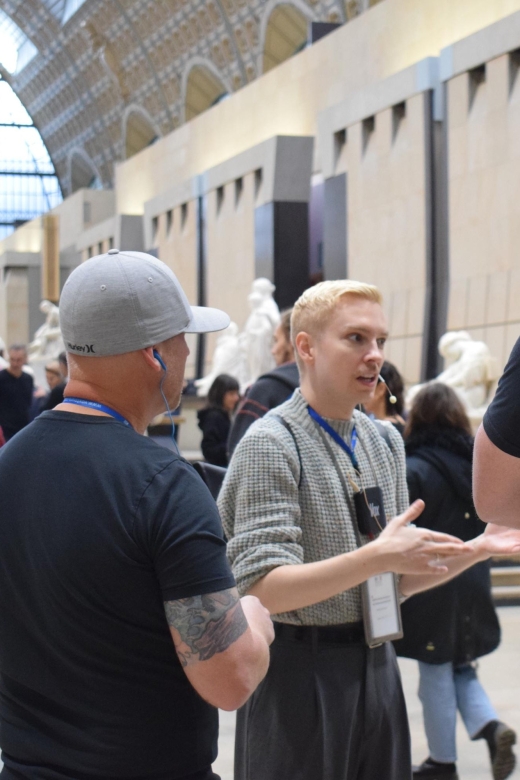
- The meeting point is easy to spot: Find the huge elephant statue outside Musée d’Orsay at 1 Rue de la Légion d’Honneur, where your guide holds a Connecting France sign.
- The art story has a clear order: You begin with Realism and academic traditions, then follow the changes that led to Impressionism, Post-Impressionism, Art Nouveau, and early modern art.
- The small group matters: Groups are often around six people, and some departures become private tours when only one booking is made.
- The guide is the main value: Guides including Olga, Blerta, Vanina, Marine, Patrick, and Antoine have been praised for explaining symbols, politics, techniques, and social change in plain language.
- Tickets save time, but not every line: Entry tickets provide quick access to the collections, though you still must pass museum security.
- Two hours is focused, not exhaustive: You’ll see major works and receive a useful framework, then may have time to continue looking around on your own.
Why Musée d’Orsay works so well with a guide
The Orsay is not simply a room full of famous paintings. Its collection covers the middle of the 19th century through the early 20th century, a period when artists were challenging the official rules of French painting.
That shift can be hard to follow by yourself. One gallery presents carefully controlled academic work, while another shows looser brushwork, everyday subjects, unusual viewpoints, or outdoor light. Without context, the change can seem sudden. A good guide links the pieces together and shows you what each generation was reacting against.
This tour begins with Realist artists such as Édouard Manet, who helped move painting away from polished historical scenes and toward modern life. From there, the route can lead into the work of Edgar Degas, Camille Pissarro, Pierre-Auguste Renoir, Claude Monet, and Alfred Sisley.
You’ll also encounter Paul Cézanne, Vincent van Gogh, Paul Gauguin, and Henri Matisse. The point is not to memorize a long list of names. It is to understand how artists borrowed from, argued with, and departed from one another.
I especially like the social and political angle. Several guides have connected painting to changes in Paris and French society, rather than treating art as an isolated subject. Vanina, for example, has been praised for explaining the strict academic standards that Impressionist artists opposed, while Olga has connected artistic periods with the political and practical realities faced by painters.
More Orsay visits booked from Paris:
- Paris in a Day: Louvre or Orsay, Eiffel Tower, City Walk & Cruise
★ 5.0 · 1,956 reviews - Paris: Musée d’Orsay Entry Ticket and Seine River Cruise
★ 4.6 · 1,344 reviews - Paris: Musée d’Orsay Skip-the-Line Tour with Expert Guide
★ 4.5 · 1,145 reviews
Meeting the guide beneath the museum’s elephant
Your starting point is in front of Musée d’Orsay, at 1 Rue de la Légion d’Honneur. Look for the large elephant statue and a guide holding a Connecting France sign.
Arrive early enough to find the statue without rushing. A major museum entrance can be confusing, and the guide needs to gather the whole group before entering. Since the group may be small, a late arrival is especially noticeable and can hold up the start.
The elephant is a useful landmark, but it is still worth checking the exact meeting instructions on your booking confirmation. The guide may be holding a sign, but you should not expect a large welcome desk or a separate tour office outside.
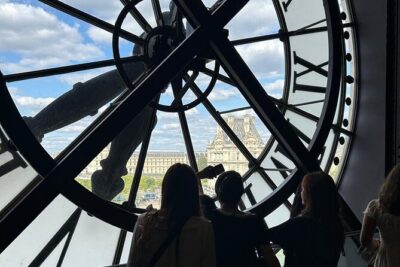
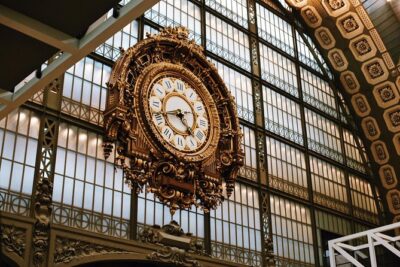
The museum’s exterior and interior are part of the experience. Before the paintings take over, your guide explains how the building began as a railway station and later became a fine arts museum. That background gives the huge clock, long central hall, and unusual proportions more meaning.
You are not just entering another white-walled gallery. You are entering a former transportation building that was given a second life as a museum.
Inside the former railway station
The Orsay’s architecture helps explain why a guided visit feels different from a standard museum stop. Its scale and layout can be impressive, but they can also make it difficult to know where to begin.
Your guide provides a route through selected rooms rather than asking you to cover everything. That is a sensible approach. The museum holds far too much for a serious look in two hours, so the aim is to see major works while learning how they fit together.
Expect your guide to pause before a painting and build the explanation from broad context to small details. Antoine has been praised for using that order, first explaining the larger idea, then drawing attention to particular choices in the work. Other guides have pointed out symbols, clues, materials, and painting methods.
The best part of this approach is that you are not simply told what a painting means. You are given things to look for. Marine, for example, has been praised for showing visitors how symbols and small visual details can change the way a picture reads.
Some museum rooms have restrictions on speaking. Your guide will warn you when that applies. This matters in a crowded museum, where a quiet explanation can be difficult even without formal rules.
The route from Manet to Monet
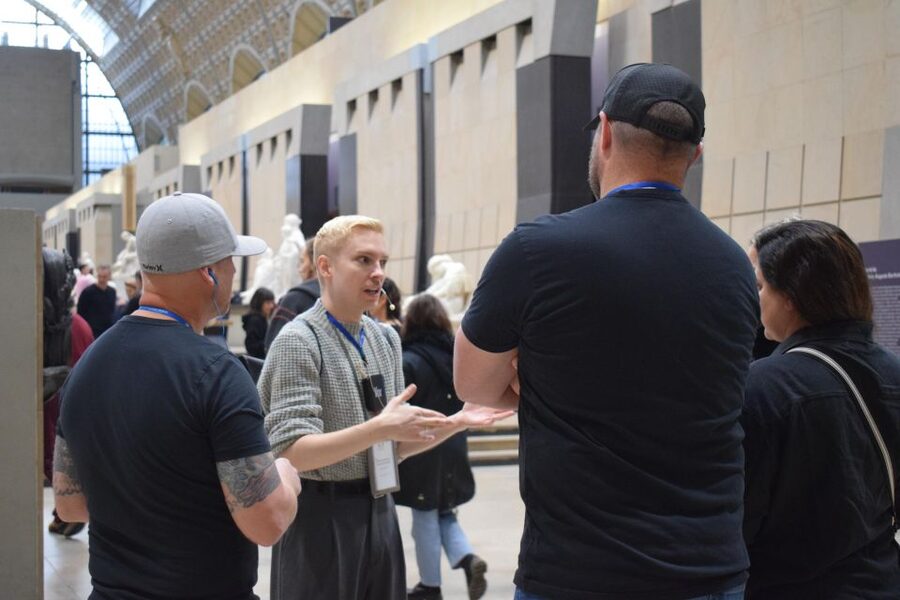
The tour’s art-history structure is one of its strongest features. You begin with the old academic system and Realism, then see how artists began to challenge accepted subjects and methods.
Manet is an important bridge. His work helped prepare the way for Impressionism, and his position makes more sense when you first understand the official traditions of the period. The guide can then show how Degas, Pissarro, Renoir, Monet, and Sisley took different paths while sharing an interest in modern life and changing light.
Renoir’s Dance at Le Moulin de la Galette is one of the named highlights. It is the kind of painting that benefits from a guide because there is more to notice than its cheerful first impression. A good explanation can draw your eye through the people, movement, setting, and technique without reducing the work to a single slogan.
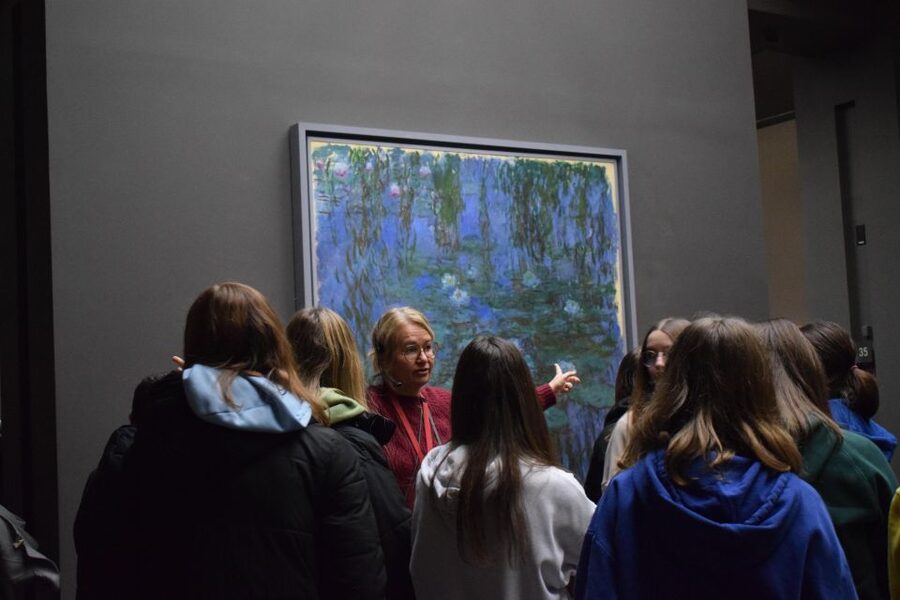
Monet’s paintings provide another useful lesson in looking. The tour can help you consider brushwork, light, color, and the changing relationship between what an artist sees and what the finished painting communicates.
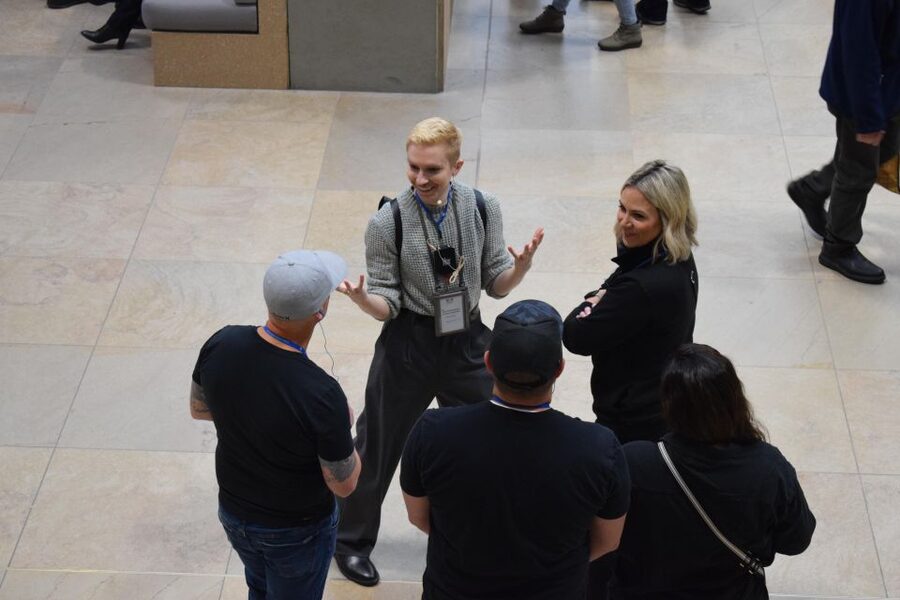
The group format helps here. With six people or fewer, you have a better chance of standing close enough to hear the guide and see what is being indicated. Several visitors found that a group of three to six was easier to manage than a large procession.
Still, small does not mean quiet. If the museum is crowded, the guide may need to move the group or repeat a point. One visitor noted that crowd noise made it difficult to hear at times and suggested that a speaking device would have helped. That is a fair concern, especially for anyone with hearing difficulties.
More museums in Paris:
- Paris: Louvre Museum Timed-Entrance Ticket
★ 4.6 · 71,977 reviews - Louvre Museum Masterpieces Guided Tour with Access
★ 4.5 · 12,023 reviews - Paris: Louvre Museum Entry Ticket With Host and River Cruise
★ 4.6 · 9,926 reviews - Les Invalides: Napoleon’s Tomb & Army Museum Entry
★ 4.6 · 9,185 reviews
Van Gogh, Cézanne, Gauguin, and the move beyond Impressionism
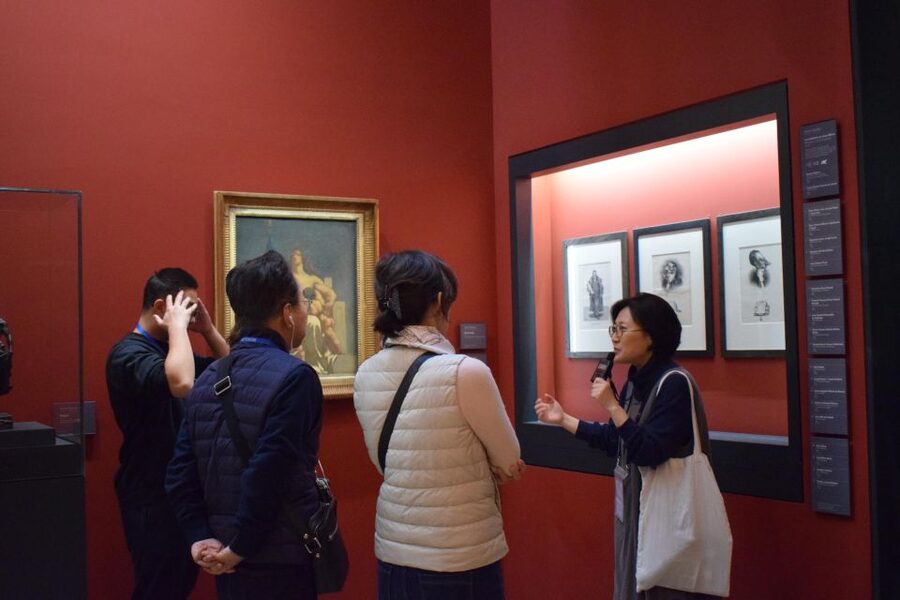
The second half of the story moves into Post-Impressionism and later developments. Cézanne, Van Gogh, Gauguin, and Matisse are presented as artists who took ideas from Impressionism but pushed them in new directions.
This is where a guide can prevent the tour from becoming a parade of famous names. The useful question is not only how these artists painted, but what they changed. Their work can open a discussion about color, structure, emotion, symbolism, and the growing distance between painting and direct visual imitation.
Van Gogh is a natural focus for many visitors, but the tour does not stop with the most famous name. The broader route includes different movements, sculpture, Art Nouveau, and the connections leading toward modern art.
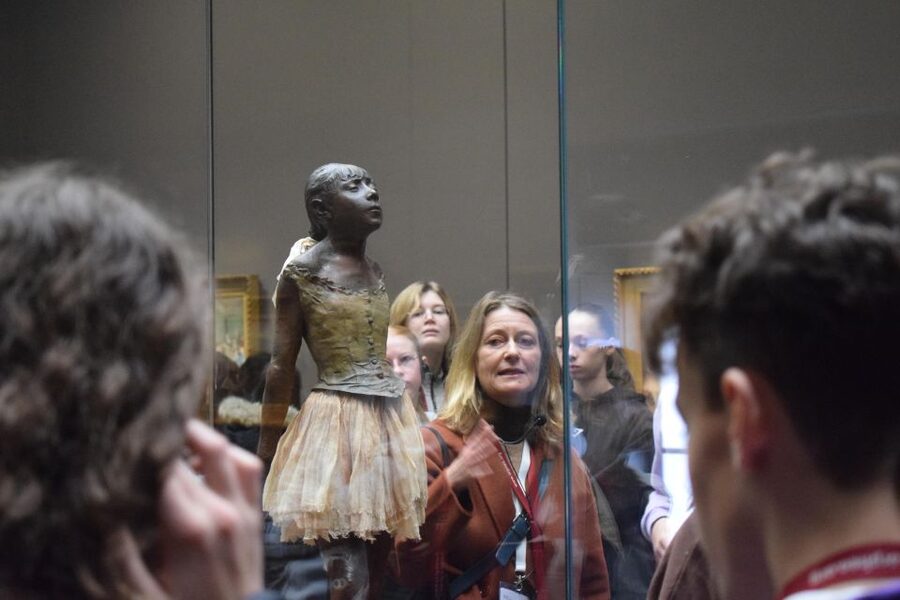
You may also see sculpture by Auguste Rodin and an original Lady Liberty. These additions widen the visit beyond a standard Impressionist checklist. They show that the Orsay’s collection includes three-dimensional work and major links between art, design, public monuments, and modern culture.
The guide may also introduce artists who receive less attention in casual museum visits. Berthe Morisot was singled out as an important figure often left out of simple accounts of Impressionism. That kind of wider view is useful if you want more than a greatest-hits tour.
What two hours really gives you
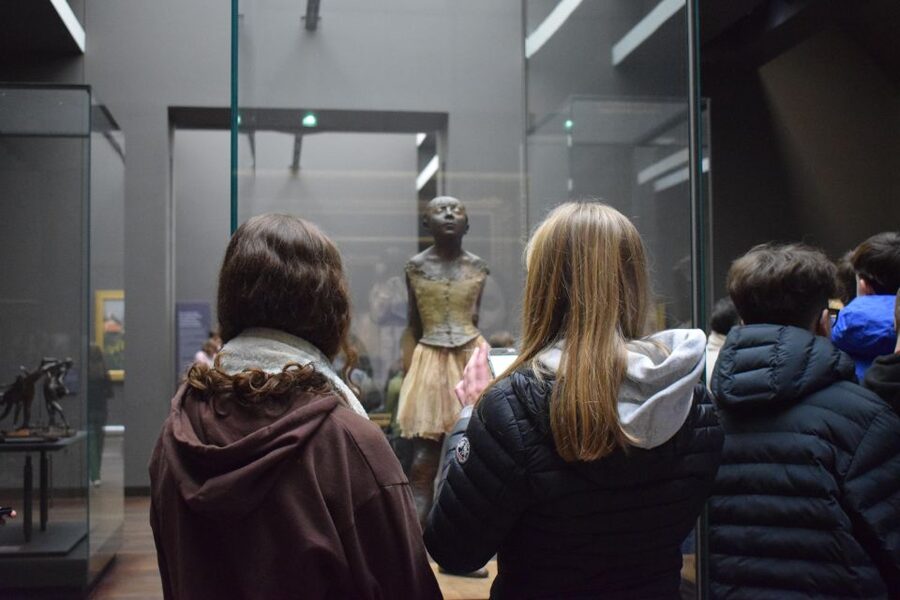
Two hours is a good length for a first guided visit. It is long enough to establish the story and see many key works, but short enough to fit into a busy Paris day.
The pace is usually active. You will stop often, listen, move to another room, and repeat the process. This is not a slow private study session in front of every painting.
Several guides have been praised for keeping the pace comfortable. Blerta has been described as giving plenty of information without droning, while Patrick has been praised for mixing humor with clear explanations. Other guides have adjusted the amount of detail to the group’s interests.
If you are traveling with children, the structure can help hold their attention. One guide used stories and lessons that worked well for kids. The tour is still centered on art history, so very young children may tire during the two hours, but the changing rooms and famous works provide variety.
At the end, you may be left to continue looking around on your own. That is important. The tour gives you a framework, but it does not pretend to replace the museum itself.
If you already know the Orsay, the guided route can still be worthwhile because the guide may point out works or architectural details you previously passed without noticing. One repeat visitor said the tour changed how she understood the progression from rigid standards to Impressionism.
Crowds, entry tickets, and the practical trade-offs
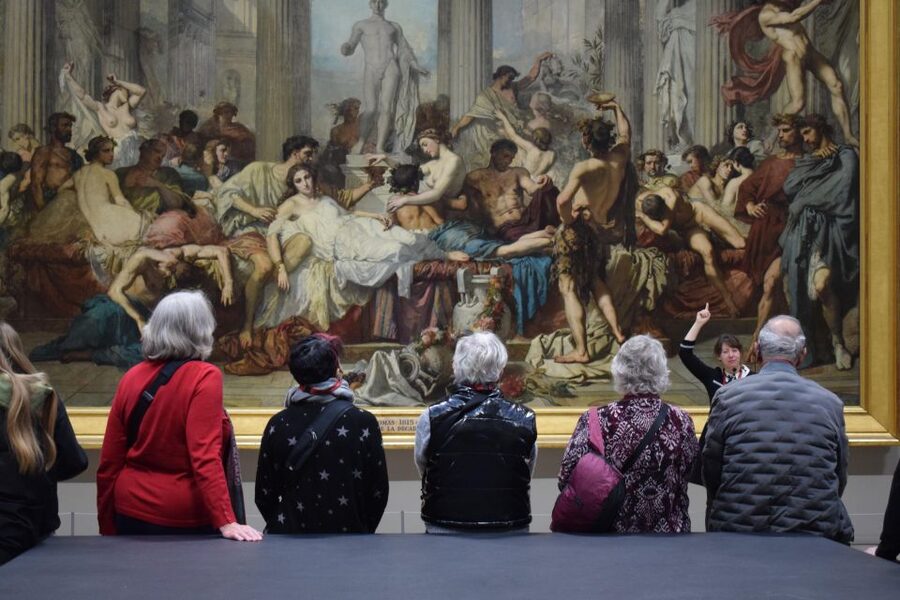
The $102 price is not cheap for two hours, so the value depends on what you want from the visit.
You are paying for museum admission, a live guide, and a planned route through one of Paris’s most popular museums. You also gain a small group rather than a large, impersonal crowd. If the Orsay is very busy, that structure can save time and reduce the stress of finding the main works yourself.
The tickets provide quick access to the collections, but they do not let you skip security. That distinction matters. You should still expect a security check, and delays can occur when the museum is crowded.
The museum can become especially packed when another major Paris museum is closed. One visitor found it very crowded on a Tuesday when the Louvre was closed. Another visited during Easter and said the crowds were heavy, but still found advance tickets and the small group worthwhile.
Crowding affects the experience in two ways. It can block your view of a painting, and it can make it harder to hear. Guides such as Olga have been praised for working through busy rooms and getting the group close to important works, but no guide can create empty galleries.
For the best experience, treat the tour as a focused introduction rather than a private viewing. You will see the main highlights, but you may need patience at popular paintings.
Group size, guide style, and private options
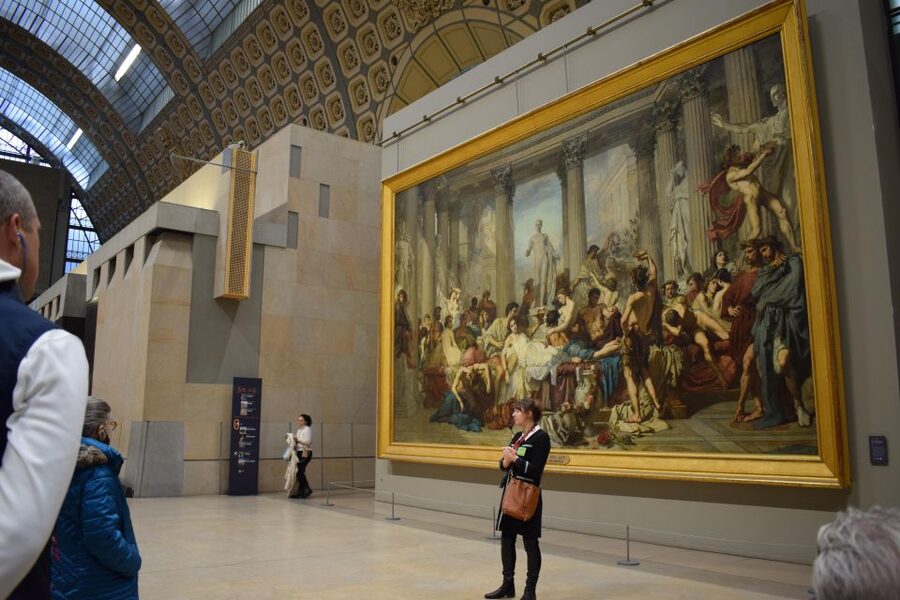
The advertised format allows private or small groups. In practice, small departures can be particularly intimate. Some bookings have resulted in a private tour because no other participants joined that time slot.
That flexibility can make a large difference. A private tour lets the guide adapt more closely to your interests and pace. Max, for example, adjusted the route to the group when he was guiding only one booking. Emily has also been praised for tailoring the visit to a small group.
Shared tours are less flexible. If you have mobility concerns, the operator says you should book private rather than shared, because the pace cannot be changed for one participant in a semi-private group. Wheelchair users are not accepted, and the experience is not suitable for people with mobility impairments.
Guide style varies, which is normal with a multilingual team. You may be led in English, French, Spanish, Italian, or German. Strong guides have been described as relaxed, funny, energetic, or highly academic, but the common thread is clear explanation and enthusiasm for the art.
A guide’s ability to speak English well also matters in a noisy gallery. Antoine was praised for polished English, while another guide took extra time to find the right words when explaining complex ideas. If you have questions, a small group gives you a much better chance to ask them.
What to bring and what to leave behind
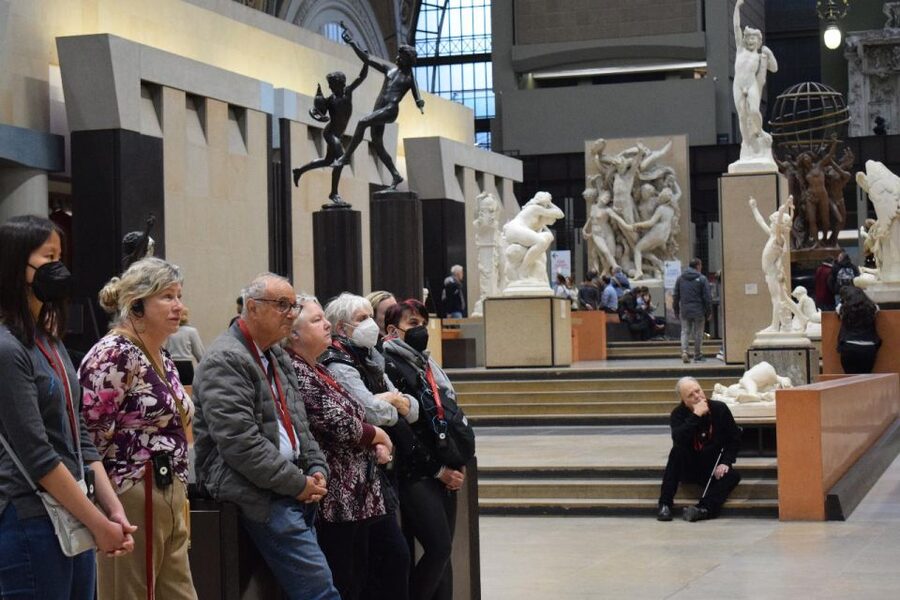
Bring your passport or another accepted photo ID. Tickets are personal, and visitors up to age 17 must have a photo ID card.
Do not bring luggage, a large bag, a backpack, or an umbrella. This is more than a minor rule. Large items can slow you down at security and may not be accepted inside.
Wear comfortable shoes. The tour lasts two hours, includes repeated standing, and moves through busy museum rooms. Since the pace is set for the shared group, you should not expect frequent long breaks.
If you have hearing concerns, consider where you stand in the group and tell the guide early. Noise has made it hard for some people to hear, especially when the museum is packed. A small group helps, but it cannot remove every sound around you.
Strikes can affect French museums, including the Orsay. If the museum closes without warning, the operator may offer another time, a walking tour, or a cancellation and refund if the alternative does not suit you. That is useful protection, but it also means your schedule should retain some flexibility.
Who should book this Orsay tour?
I would choose this tour if you want the museum’s major works explained in a clear sequence. It suits first-time visitors, couples, families with older children, and anyone who likes art more once the social setting and artistic arguments are explained.
It is also a good fit if you have limited time in Paris. Two hours gives you a firm introduction without consuming half a day, and you can continue alone afterward.
You may prefer a private tour if you have mobility needs, want to set the pace, or have a specific interest in one artist or period. A self-guided visit may be better if you want to linger for a long time before each painting or avoid listening to a fixed route.
The tour is less suitable if you dislike crowds, cannot stand for two hours, or want to see every department in detail. Even a strong guide cannot cover the full museum in one visit.
Should you book it?
Book this tour if you want context, direction, and a small group rather than simply an admission ticket. Its strongest feature is the way it connects the building, the political world of 19th-century France, and the changes from academic painting to Impressionism and modern art.
At $102, it makes the most sense when your Paris schedule is tight or when art history is not yet familiar territory. The price is harder to justify if you already know the collection well and prefer to wander alone.
I would choose an early or less crowded time when possible, bring only the essentials, and arrive early at the elephant statue. If you do that, this is a practical way to make the Orsay’s famous paintings feel connected rather than scattered.
FAQ
Where does the Musée d’Orsay tour meet?
Meet outside Musée d’Orsay at 1 Rue de la Légion d’Honneur, in front of the large elephant statue. Your guide will hold a Connecting France sign.
How long does the tour last?
The guided museum visit lasts two hours.
What languages are available?
Live guides may conduct the tour in English, French, Spanish, Italian, or German.
Are museum entry tickets included?
Yes. Entry tickets to Musée d’Orsay are included.
Can I skip the security line?
The tickets provide quick access to the collections, but the security line cannot be skipped.
What identification should I bring?
Bring your passport or ID card. Tickets are personal, and visitors up to age 17 need a photo ID card.
Can I bring a backpack or umbrella?
No. Luggage, large bags, backpacks, and umbrellas are not allowed.
Is the tour suitable for wheelchair users or people with mobility impairments?
The shared tour is not suitable for people with mobility impairments, and wheelchair users are not accepted. A private tour may be booked for someone with mobility needs, but the operator cannot change the pace of a shared semi-private tour.
Just added in Paris
- Private Transfers in Paris★ 5.0 · 75 reviews
- Disneyland® Paris 1 Day Ticket with Transport from Paris★ 3.5 · 302 reviews
- Personalized Transport service from Disneyland to Paris★ 5.0 · 63 reviews
- CDG – Euro Disney – CDG Two Way Private Shuttle Transfer★ 5.0 · 233 reviews
- Monet’s Gardens & House-Private Giverny Tour From Paris★ 4.5 · 137 reviews
- Giverny Monet House and Gardens Skip the line Walking tour★ 4.0 · 217 reviews
- Guided tour Monet’s house and gardens/small group★ 4.5 · 68 reviews
- Monet’s House and Garden & Giverny Village★ 4.5 · 39 reviews
Orsay Museum Tours, compared.
Paris in a Day: Louvre or Orsay, Eiffel Tower, City Walk & Cruise
Read our review →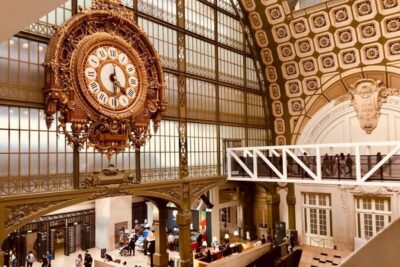
Musée d’Orsay Entry Ticket and Seine River Cruise
Read our review →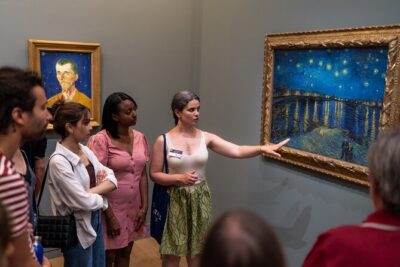
Musée d’Orsay Skip-the-Line Tour with Expert Guide
Read our review →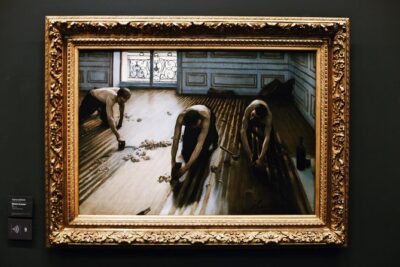
The Musée d’Orsay Guided Tour Orsay Museum Semi-Private 6ppl Max
Read our review →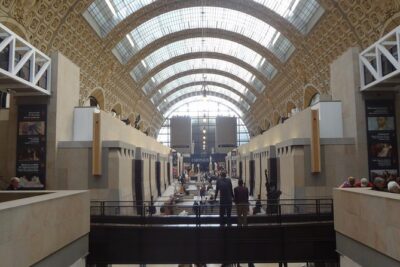
Orsay Museum – Exclusive Guided Tour (Reserved Entry Included)
Read our review →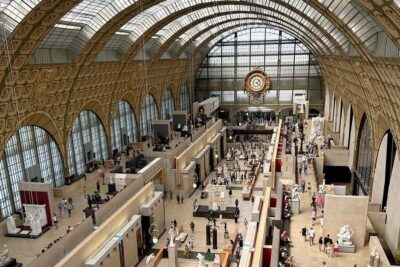
Orsay Museum and Rodin Museum Combo Entry Ticket
Read our review →Browse the lists this tour appears in