
Reviewed · PASTRY & CHOCOLATE WORKSHOPS
Paris: Bread and Croissant-Making Class
The best part of this class is that you work inside a real family bakery, not a polished cooking studio. Baker Didier shares the practical tricks behind a crisp crust, soft crumb, and properly shaped croissant, while an interpreter helps keep the lesson clear. I love the small groups, capped at eight, and the chance to make both a classic baguette and the bakery’s own La Parisse. I also like that you leave with recipes you can use at home. The one catch is that two hours goes quickly, so expect a lively mix of demonstration and hands-on work rather than a full professional pastry course.
- A real family boulangerie: Learn behind the counter at Le Petit Mitron on rue Oberkampf.
- Two baguettes to study: Make a traditional baguette and the bakery’s signature La Parisse.
- Croissant shaping included: Practice the folds and form of this classic French pastry.
- Small, personal classes: Groups are limited to eight, allowing the baker to work with each participant.
- Multilingual support: Instruction is offered in English, French, Japanese, and Spanish.
- Useful take-home value: You receive recipes by email, plus a better sense of how dough should feel.
Inside Le Petit Mitron on Rue Oberkampf
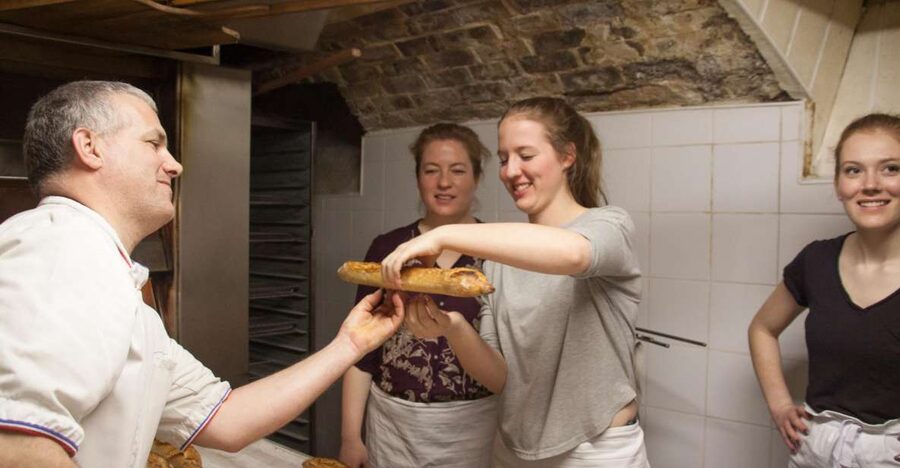
This class takes place at Le Petit Mitron, an operating bakery at 8 rue Oberkampf in Paris’s 11th arrondissement. That setting matters. You are not simply watching a chef in a rented room make dough for display. You are learning in the shop where the craft is part of daily work.
The bakery has a family tradition behind it. Didier’s father and grandfather were bakers, and he has carried those methods into his own boulangerie. That gives the lesson a useful sense of place. You learn not only a recipe, but also why French bread depends on small choices in flour, handling, shaping, and baking.
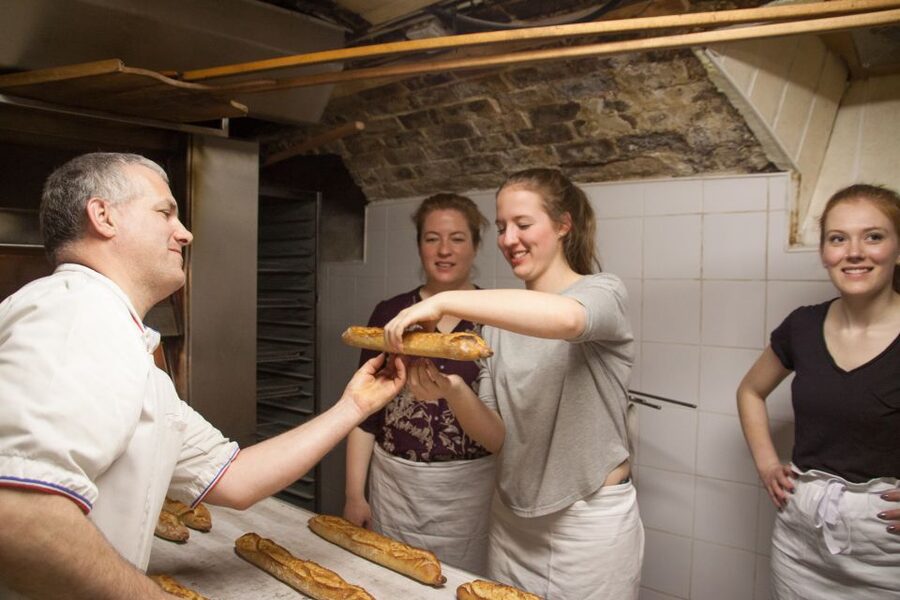
I would arrive ready to work. You are given ingredients, utensils, and an apron, then asked to handle the dough yourself. The flour gets under your fingernails, which is exactly the point. Bread making becomes much easier to understand once you feel the difference between a dry, tight dough and one that is soft, elastic, and ready to shape.
The bakery is described as clean, modern, and spacious enough for the small class. Still, this is a working shop rather than a silent classroom. That can mean a more authentic experience, but it also means the lesson has an informal rhythm. Didier may pause for a story, a joke, or a question before returning to the dough.
Didier’s Baguette Lesson, From Flour to Crust
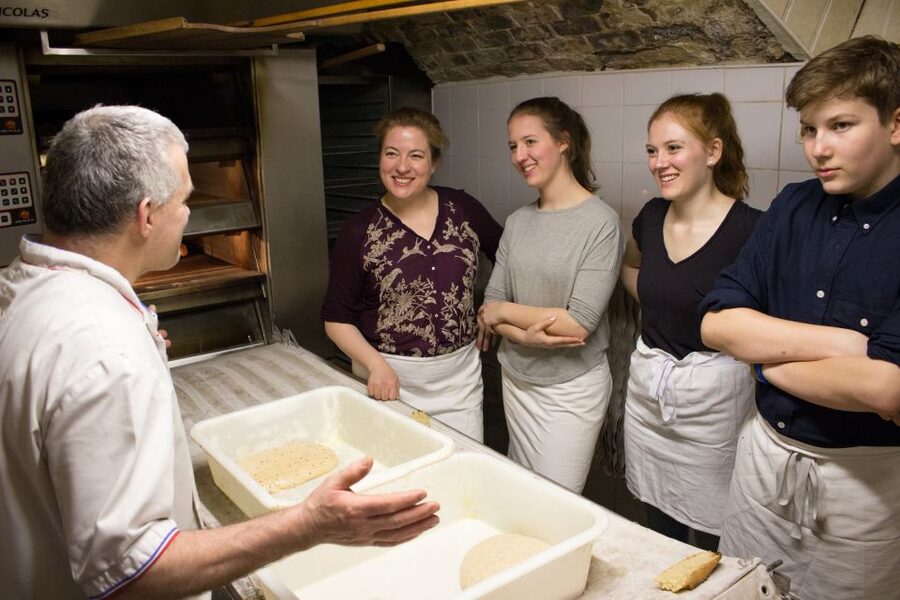
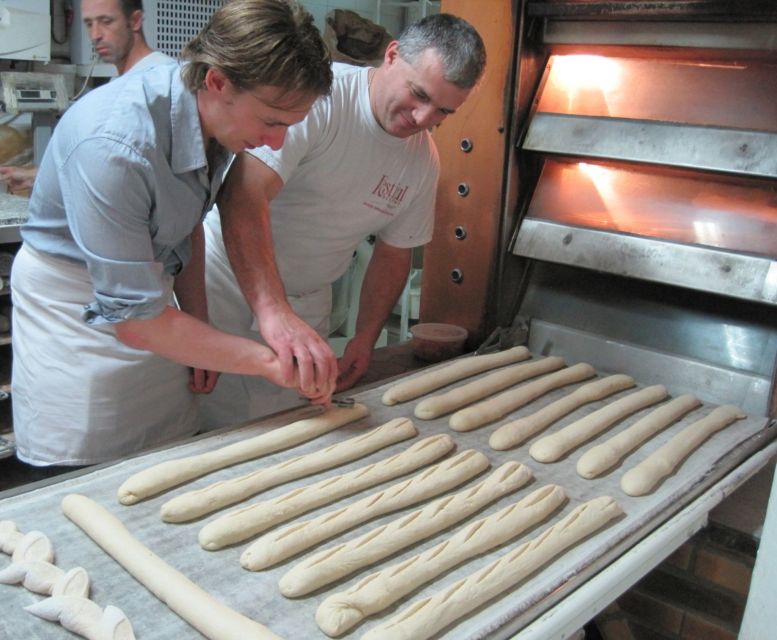
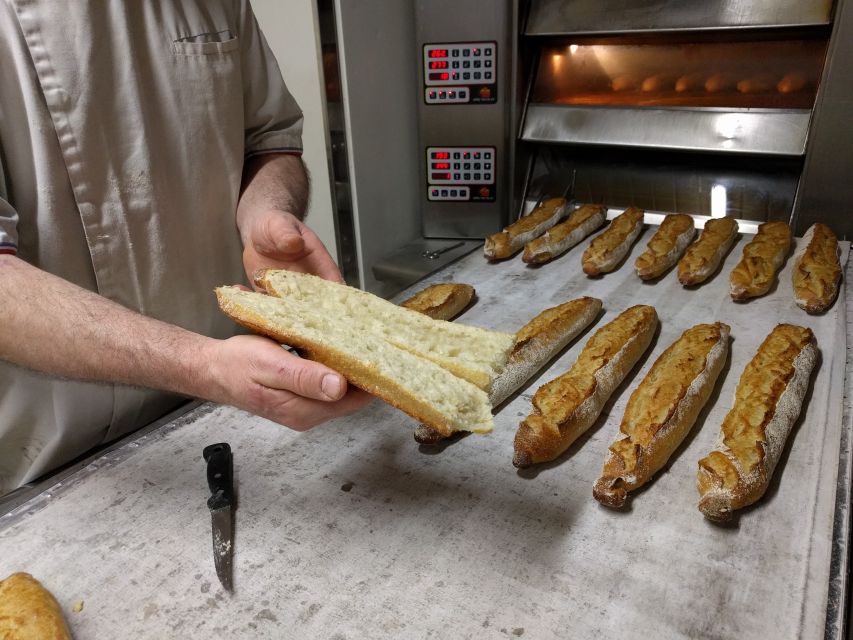
The baguette portion is the heart of the class. Didier demonstrates the process step by step, then explains the small choices that affect the final loaf. You learn how to aim for the familiar French contrast: a crunchy, golden exterior with a warm, soft center.
The class covers two types of baguette. The first is the classic French version. The second is La Parisse, a special baguette associated with the bakery. Making both gives you a helpful comparison. You can see how a change in method or ingredients affects shape, texture, and flavor.
One of the most useful parts is learning to judge the dough by touch. A recipe can tell you how much flour or water to use, but your hands tell you when the dough is ready. Didier focuses on those practical signals, which helps you avoid blindly following a timer at home.
You also get context about the baguette itself and the way bread developed in France. One participant particularly enjoyed learning why the baguette has its familiar shape. These stories do not replace the practical work. They give the loaf a cultural setting, so you understand why bread is such a central part of everyday French food.
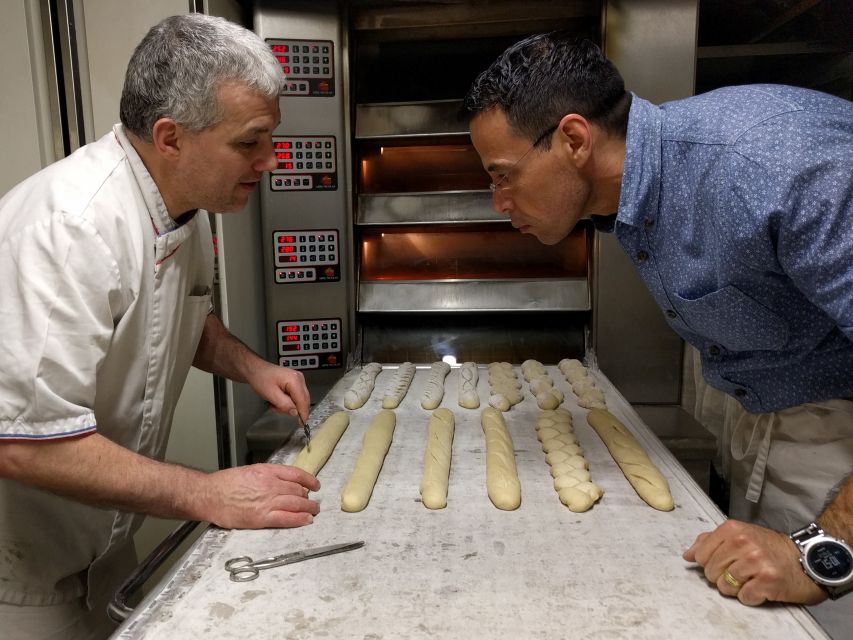
The lesson is not limited to mixing ingredients. You watch the shaping, learn how to form the loaf, and see what happens before the bread goes into the oven. The baking stage creates a natural pause, but it also requires patience. Fresh bread needs time to finish, and some of the class is spent listening and asking questions while the loaves bake.
That timing is worth knowing before you book. You may spend less time independently producing a complete loaf than you expect from the phrase hands-on class. The baker demonstrates a good deal, then brings participants into the process. This is useful for beginners, though experienced home bakers may want even more individual practice.
Other pastry and chocolate sessions around Paris:
- Paris: Montmartre Cheese, Wine & Pastry Guided Walking Tour
★ 4.8 · 2,255 reviews - Award-Winning Paris French Bakery Experience — Le Marais, 4th Arr
★ 4.5 · 1,186 reviews - Paris: Entrance Ticket to the Chocolate Museum
★ 4.1 · 1,105 reviews
Shaping Croissants Without Guesswork
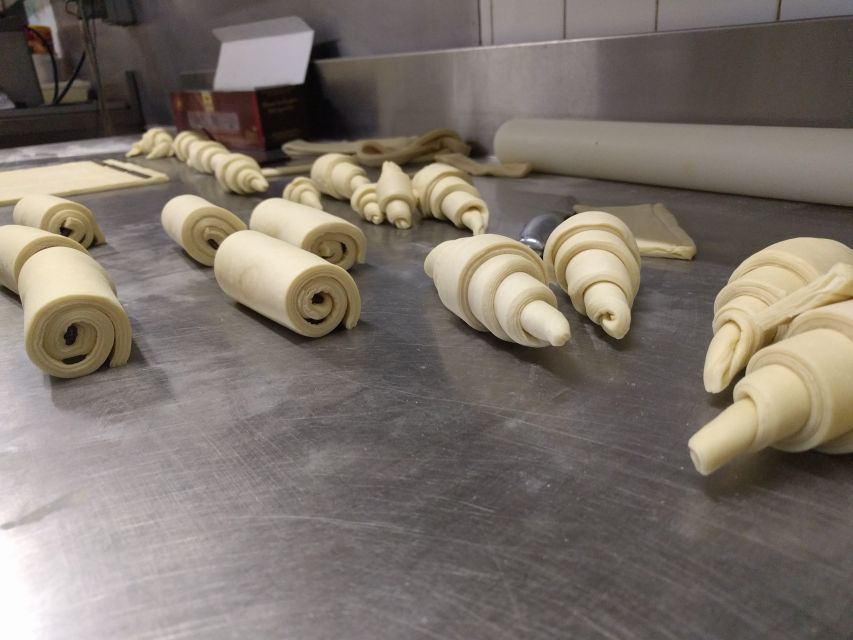
The croissant section adds a different skill set. Baguette dough is largely about fermentation, handling, and shaping. Croissants require more attention to form, layering, and delicate handling.
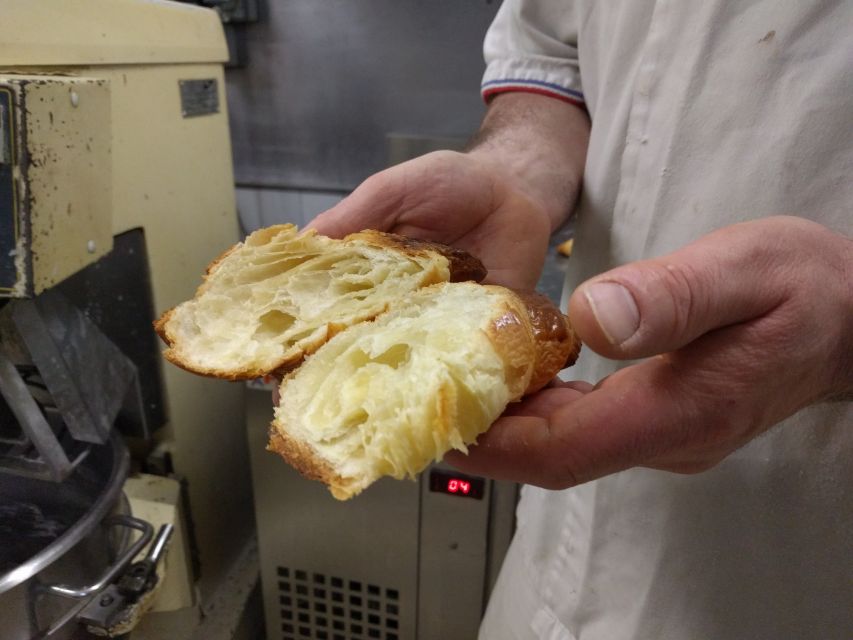
You learn how to make and shape croissants, with the baker showing how the pastry should look as it takes shape. The class also covers French pastry forms beyond the basic croissant. Some sessions have included pain au chocolat, though the core experience centers on baguettes and croissants.
For you, the main benefit is learning what to look for. A croissant is not just a crescent shape. The layers, taper, and final form all affect the baked result. Watching Didier work close up gives you a better model than trying to copy a photograph from a recipe.
The class is well suited to beginners because you can ask questions as you go. Families have also found the pastry portion engaging for children, especially when they are allowed to handle and shape the dough. Children under six are not permitted, but older children have taken part successfully, including eight-year-olds and school-age groups.
Keep your expectations sensible. Two hours is enough to learn the process and shape pastries, but not enough to master every technical issue involved in laminated dough. If you already bake often, you will still pick up useful tips, but the value comes as much from Didier’s explanations and demonstrations as from repetition.
A Tasting Built Around Warm Bread
The class includes tasting, and this is more than a final snack. You get to compare the breads and pastries you have worked on, including warm baguette and croissant samples. Tasting the results while the methods are still fresh makes the lesson easier to remember.
I would come hungry. One family described leaving with a full stomach after sampling several breads and croissants. The aroma of baking bread is part of the experience, and waiting for the loaves to finish can make you very aware of how much food is being prepared.
The tasting also gives you a practical test. You can examine the crust, crumb, and flavor, then connect those results to the steps Didier explained. If your baguette is not exactly like his, you can see what the baker is aiming for.
The supplied details do not promise a fixed amount of bread to take home, so I would not book this solely for a large food haul. Participants have reported leaving with baguettes and other baked goods, but the amount can depend on the session. The guaranteed take-home item is the recipe copy, sent by email.
Why the Small Group Size Matters
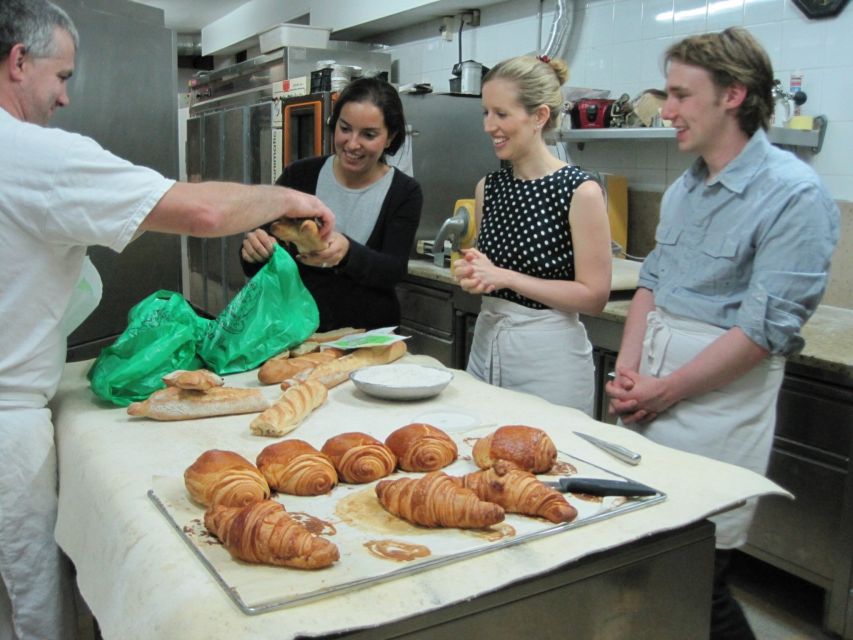
The group limit is eight people. That is a strong feature for a class built around dough, because each person needs a chance to touch the ingredients, shape a loaf, and ask questions.
A small group also helps the baker notice individual mistakes. Didier has been described as warm, funny, and generous with personal attention. His humor keeps the lesson from feeling like a technical lecture, while his long experience gives the advice weight.
The tone is informal. Didier uses stories, jokes, and anecdotes about bread, French food, and the realities of running a bakery. One participant appreciated that the class moved beyond recipes into the health, business, and cultural issues connected with bread.
That style will suit you if you like learning through conversation. If you prefer a quiet, highly structured workshop with printed instructions at every stage, the loose and lively format may feel less controlled. The baker’s personality is a major part of the experience.
Same base, a different kind of day:
- Paris: Louvre Museum Timed-Entrance Ticket
★ 4.6 · 71,977 reviews - Disneyland® Paris 1-Day Ticket
★ 4.6 · 49,412 reviews - Paris: Versailles Palace and Gardens Full Access Ticket
★ 4.6 · 41,579 reviews - Paris: Evening River Cruise with Music
★ 4.4 · 22,721 reviews
Language Support From Luis, Luce, Elsa, and Others
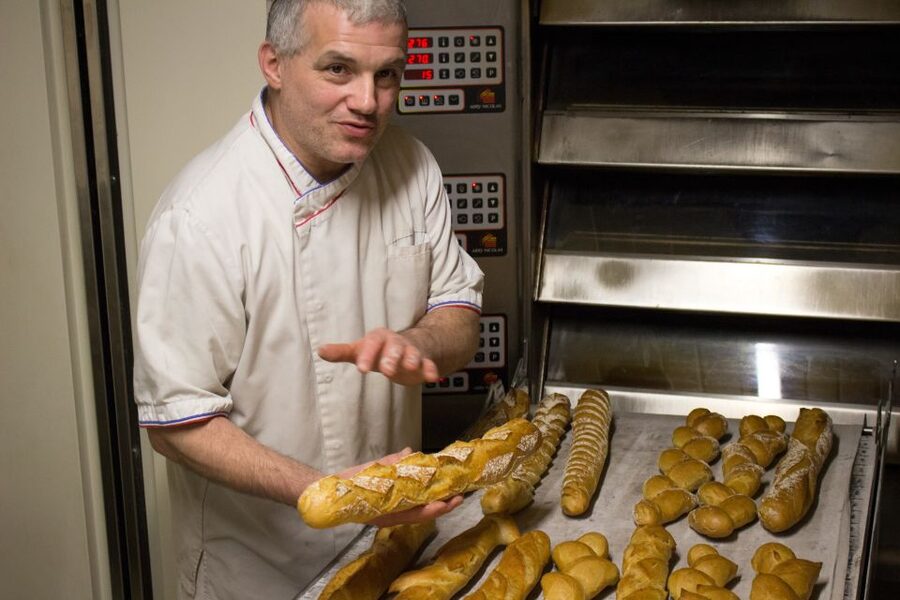
The class is offered in English, French, Japanese, and Spanish. When Didier is teaching in French, an interpreter may help translate into English. Luis has led several sessions, and Luce and Elsa have also been praised for clear, quick translation.
This is important because bread making depends on small instructions. A vague translation could leave you wondering when to stop mixing or how firmly to shape the dough. The interpreters are there to keep the technical details understandable, not simply to summarize the baker’s jokes.
The language support also lets you enjoy the character of the lesson. Didier’s humor and stories are part of the experience, and a good interpreter helps carry that tone across. Some French-speaking participants have used the class as relaxed French practice while relying on the interpreter when needed.
When booking, check the language listed for your date. The available languages are English, French, Japanese, and Spanish, but the specific interpreter can vary. If precise instruction is important to you, choose a session in a language you follow comfortably.
Is $258 a Fair Price for Two Hours?
At $258 per person, this is an expensive two-hour activity. You are paying far more than the price of a baguette and croissant from a Paris bakery. The value has to come from access, teaching, tasting, and the chance to work directly with an artisan baker.
For a casual visitor who only wants to eat French bread, the price is hard to justify. You can buy excellent bread for a few euros. For someone who wants a memorable food activity, plans to recreate the recipes at home, or is already interested in baking, the calculation is different.
The class includes all ingredients, utensils, and an apron. You also receive the recipes by email. The group size, real bakery setting, interpreter support, and direct attention from Didier add to the cost.
I would see it as a cultural workshop rather than a meal or a simple bakery visit. You learn why the bread works, handle the dough, taste the results, and take home methods you can use again. If you bake regularly, the value is stronger because you may be able to apply the advice many times after Paris.
The price is still worth considering carefully. The activity lasts two hours, and the amount of bread you take home is not fixed in the details provided. Book it for the lesson and the personal exchange, not as a bargain way to stock up on pastries.
Who Will Get the Most From This Class?
This is a good choice for:
- Home bakers: You will get practical help with dough texture, shaping, crust, and crumb.
- Families with older children: Children from age six can take part, and the baker’s humor keeps the session active.
- Food-focused visitors: You get a close look at a central part of French daily life.
- Couples and friends: The small setting gives you a shared activity beyond museums and monuments.
- People seeking a local setting: You work in a family-run bakery rather than a large demonstration venue.
It is less suitable if you want a long, advanced pastry course. It is also not designed for children under six. Anyone with a serious allergy or dietary restriction should ask for current details before booking, since the class centers on flour and pastries.
The class can also be a good choice for repeat visitors to Paris. You do not need another general sightseeing tour to enjoy it. The bakery setting, family story, and practical work offer a different view of the city.
Practical Details Before You Go
The meeting point is Le Petit Mitron, 8 rue Oberkampf, 75011 Paris. The class lasts two hours, and starting times depend on availability.
Wear something you do not mind getting flour on. An apron is provided, but bread making is physical and hands-on. You will be more comfortable if you arrive ready to roll up your sleeves.
The activity allows free cancellation up to 24 hours before the start time for a full refund. You can also reserve and pay later, which helps if your Paris schedule is still changing.
The overall rating is 4.8 from 206 reviews, with repeated praise for the baker’s humor, the interpreters, the small group, and the amount of practical information. Those are the qualities I would weigh most heavily when deciding if the price fits your trip.
Should You Book the Paris Bread Class?
Book this class if you want to understand French bread from the inside, enjoy working with your hands, and will make use of the recipes after returning home. The combination of Didier’s personality, a real family bakery, small groups, multilingual help, and warm tasting makes it much more than a bakery stop.
Skip it if you only want a quick pastry or if $258 feels too steep for a two-hour lesson. Paris offers plenty of cheaper ways to eat a croissant. But if bread is part of why you love French food, this is a useful and unusually personal way to spend two hours.
FAQ
Where does the bread and croissant class take place?
The class takes place at Le Petit Mitron, located at 8 rue Oberkampf, 75011 Paris.
How long does the class last?
The activity lasts two hours.
What will I learn to make?
You will learn to make a classic French baguette, the bakery’s La Parisse baguette, and croissants. Some sessions have also included instruction related to pain au chocolat.
Is the class hands-on?
Yes. You work with the ingredients and dough, practice shaping, and take part in the bread-making process. The baker also gives step-by-step demonstrations.
Is the class taught in English?
English instruction is available. French, Japanese, and Spanish are also offered. An interpreter may assist, and the specific interpreter can vary by session.
Who teaches the class?
The bakery’s artisan baker is Didier. Interpreters who have assisted sessions include Luis, Luce, and Elsa.
How many people are in each group?
The class is limited to eight participants.
Are children allowed to attend?
Children aged six and older may attend. Children under six are not suitable for this activity.
What is included in the price?
Ingredients, utensils, and an apron are included. A copy of the recipes is sent by email.
Can I cancel for a refund?
You can cancel up to 24 hours in advance for a full refund. Reserve now and pay later is also available.
Just added in Paris
- Private Transfers in Paris★ 5.0 · 75 reviews
- Disneyland® Paris 1 Day Ticket with Transport from Paris★ 3.5 · 302 reviews
- Personalized Transport service from Disneyland to Paris★ 5.0 · 63 reviews
- CDG – Euro Disney – CDG Two Way Private Shuttle Transfer★ 5.0 · 233 reviews
- Monet’s Gardens & House-Private Giverny Tour From Paris★ 4.5 · 137 reviews
- Giverny Monet House and Gardens Skip the line Walking tour★ 4.0 · 217 reviews
- Guided tour Monet’s house and gardens/small group★ 4.5 · 68 reviews
- Monet’s House and Garden & Giverny Village★ 4.5 · 39 reviews
Pastry & Chocolate Workshops, compared.
Montmartre Cheese, Wine & Pastry Guided Walking Tour
Read our review →
Award-Winning Paris French Bakery Experience — Le Marais, 4th Arr
Read our review →
Private Montmartre Food Tour with Wine, Cheese & Pastries
Read our review →
Paris French Sweets Tasting Tour with Pastries and Chocolates
Read our review →
Paris Croissant Small-Group Baking Class with a Chef
Read our review →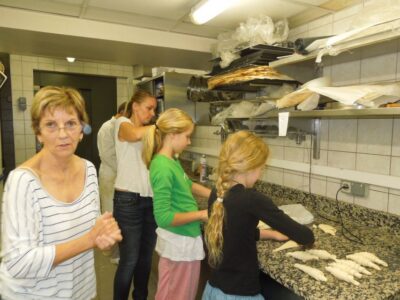

Browse the lists this tour appears in