
Reviewed · LOUVRE MUSEUM TOURS
Paris: Louvre Museum Skip-The-Line Tour
The Louvre can swallow a morning before you reach the art you came to see. This two-hour private tour gives you a clear route through Renaissance, Neoclassical, and Romantic works, with a guide explaining how European art changed from medieval religious themes toward humanism, drama, and political power. You will see the Nike of Samothrace, Botticelli, Leonardo, Veronese, David, Delacroix, and Gericault.
I like the focus on artistic connections, rather than a rushed checklist of famous names. I also like the private format, which lets the guide adjust the discussion to your interests. Boris, one of the named guides, has used themes such as sunlight and light to link different periods in a memorable way. The main drawback is the price: at $294 per person for two hours, this is a serious splurge, especially for a solo guest or small family.
Key points to know
- A tightly planned Louvre route: The tour concentrates on Renaissance, Neoclassicism, and Romanticism instead of attempting the entire museum.
- Major works with useful context: Expect the Nike of Samothrace, Mona Lisa, Marriage at Cana, Raft of Medusa, Liberty Leading the People, and more.
- Private group format: Your guide can adapt the pace and discussion to your interests, including family needs.
- Named guide experience: Boris is praised for connecting art to changing ideas about light, history, and society.
- Easy meeting point: Meet at the Arc de Triomphe du Carrousel, where your guide carries a red canvas tote bag.
- Practical limits: Oversize luggage is forbidden, and items larger than 55 by 35 by 20 centimeters cannot enter the museum.
Why a two-hour Louvre plan makes sense
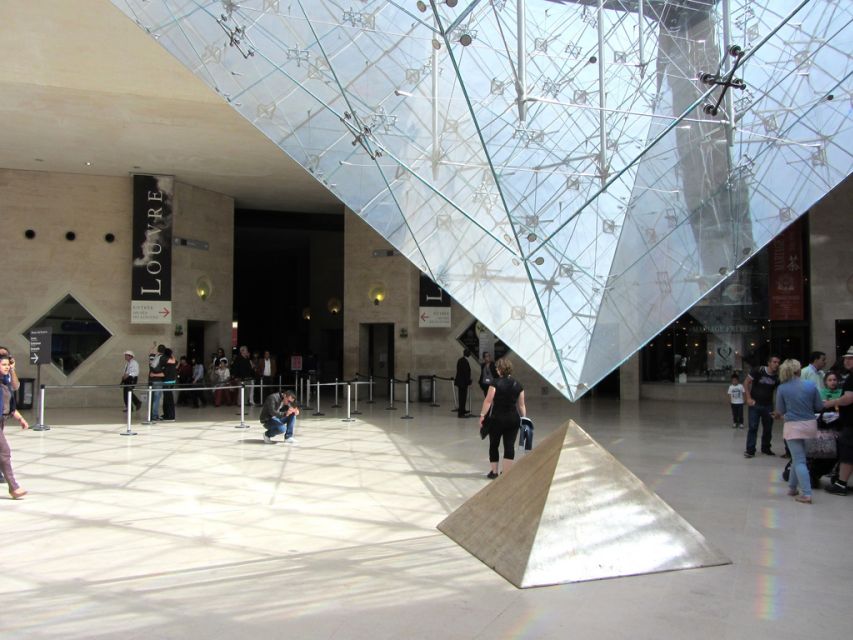
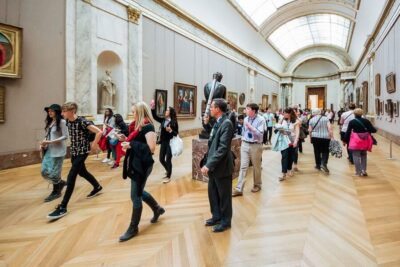
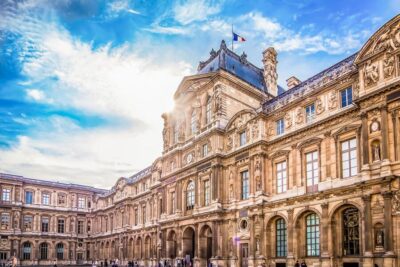
The Louvre is not a museum you conquer in one visit. Its collections range from Ancient Egypt and Greece through the early 19th century, and its galleries occupy a former royal palace. A first-time visitor can spend half an hour simply trying to work out where to go.
That is where this tour earns its keep. You are not paying for a general walk through every department. You are paying for a selective route and a person who can explain why the selected works matter. In two hours, you get an introduction to several major European art movements without pretending that the Louvre can be covered in an afternoon.
The private setting matters here. If you are traveling with children, teenagers, or a mixed group, the guide can give more time to the works that catch your attention. A family with two teenage boys found the guide attentive and able to keep the visit moving, which is no small feat in a museum of this size.
Still, keep your expectations sensible. This is a highlights tour, not a complete Louvre visit. You may leave with a strong sense of the selected works, but you will not see everything, and you should not plan to visit every wing afterward without allowing much more time.
Other ways into the Louvre from Paris:
- Paris: Louvre Museum Timed-Entrance Ticket
★ 4.6 · 71,977 reviews - Paris: Louvre Guided Tour with Reserved Access & Boat Cruise
★ 4.3 · 16,353 reviews - Louvre Museum Masterpieces Guided Tour with Access
★ 4.5 · 12,023 reviews
Meeting at the Arc de Triomphe du Carrousel
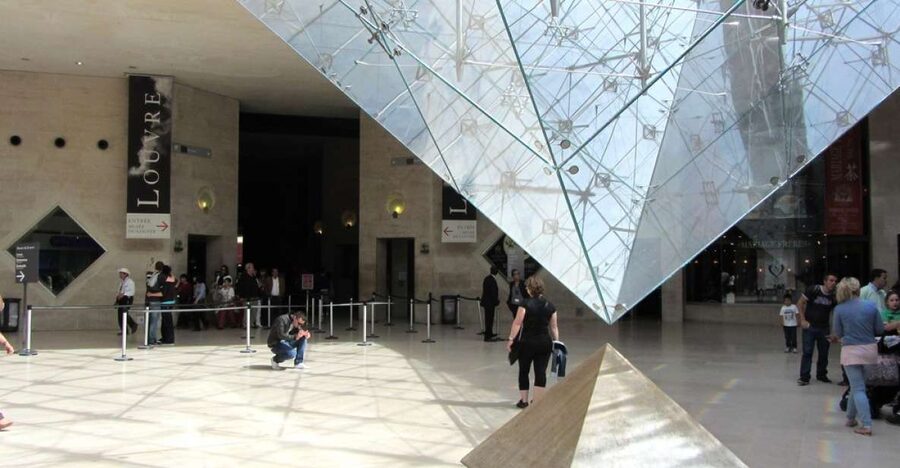
The meeting point is the Arc de Triomphe du Carrousel, the smaller triumphal arch in the open area near the Louvre. Look for a guide carrying a red canvas tote bag. That detail is useful because the surrounding area can feel crowded and visually confusing, especially when several groups are gathering.
Arrive ready to enter the museum without a large bag. Items exceeding 55 by 35 by 20 centimeters are not permitted, and oversize luggage is not allowed. Food and drinks are not included, so handle those needs before or after the visit rather than expecting a refreshment stop during the tour.
The tour operates rain or shine. Since much of the experience takes place indoors, weather should not change the art portion of your day, but rain can make the outdoor meeting area less pleasant. Comfortable shoes are sensible. The Louvre involves plenty of walking and standing, even on a short guided route.
The activity is wheelchair accessible, which makes the private format especially helpful for communicating individual needs. The available tour languages are English, French, and Serbo-Croatian.
Renaissance art from Botticelli to Leonardo
The Renaissance portion gives the tour its strongest sense of development. Instead of treating paintings as isolated decorations, the guide can show you how artists moved away from the visual habits of the medieval period and toward humanism, observation, classical ideas, and individual expression.
Botticelli’s fresco of Venus and the Three Graces Presenting Gifts to a Young Woman is an early stop worth taking slowly. The image brings together mythological figures, graceful movement, and refined line work. It also helps explain how Renaissance artists looked back to ancient themes while making art for their own age.
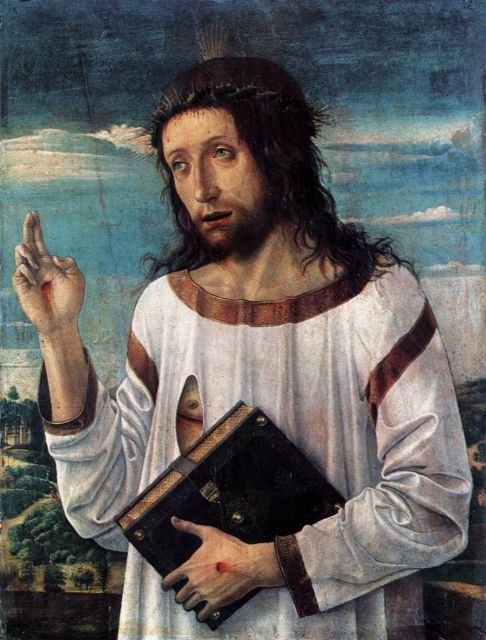
You will also encounter Andrea Mantegna’s Saint Sebastian, identified here as an important example of early Florentine art. The painting gives the guide a chance to discuss the hard-edged structure and classical influence that shaped early Renaissance work. Mantegna’s treatment of the human figure is very different from Botticelli’s elegant, flowing style, and that contrast makes the sequence more useful than a simple parade of masterpieces.
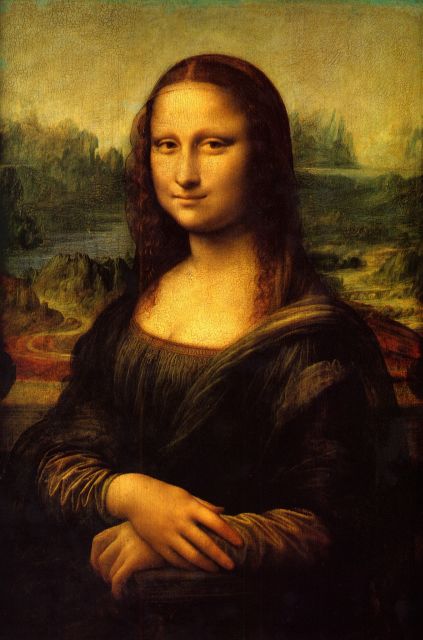
Leonardo da Vinci brings the tour to its most famous name with the Mona Lisa. Expect this stop to draw a crowd. The value of having a guide here is not simply being pointed toward the painting. A good explanation can help you look beyond the famous smile and consider Leonardo’s handling of atmosphere, expression, and the relationship between figure and background.
Do not expect an extended private viewing of the Mona Lisa. The painting is one of the Louvre’s biggest draws, and the viewing area can be busy. The tour can give you context and help you use your time well, but the atmosphere is not quiet or intimate.
The highlights also include Bellini’s Venetian paintings. Their color, mood, and use of light offer a useful change from Florentine drawing and structure. This is one reason the theme of light, used particularly well by Boris, can work across the route. You begin to see light not only as a technical tool but also as a way artists create emotion and focus.
The scale of Veronese’s Marriage at Cana
Paolo Veronese’s The Marriage at Cana is the largest painting in the Louvre. Its scale alone can stop you in your tracks. It is the kind of work that needs a little physical distance before its composition starts to make sense.
The painting gives your guide plenty to explain: the arrangement of a crowded scene, the use of architecture, the movement of figures, and the way a religious subject becomes a grand Venetian spectacle. It also provides a strong contrast with smaller works by Botticelli, Mantegna, and Leonardo.
This is a good example of why a guide adds value in a huge museum. Without context, you might register only that the painting is enormous. With a clear explanation, you can begin to understand how its size, color, and crowded structure serve the subject.
The drawback is time. Two hours is enough to introduce the work, but not enough for a long, quiet study of its many figures and details. If Veronese is a personal priority, tell your guide at the beginning so the stop receives the attention it deserves.
More museums in Paris:
- Paris: Louvre Museum Entry Ticket With Host and River Cruise
★ 4.6 · 9,926 reviews - Les Invalides: Napoleon’s Tomb & Army Museum Entry
★ 4.6 · 9,185 reviews - Louvre Museum – Exclusive Guided Tour (Entry Included)
★ 5.0 · 6,296 reviews - Paris: Louvre Museum Hosted Entry and Mona Lisa Audioguide
★ 4.6 · 5,235 reviews
Neoclassical power in David’s grand scenes
The tour then moves toward Neoclassicism, a style that looked to ancient Greece and Rome for order, moral seriousness, and public purpose. Jacques-Louis David is the key figure here, represented by The Oath of the Horatii and The Coronation of Napoleon.
The Oath of the Horatii is built around duty and sacrifice. Its firm gestures and carefully arranged figures feel far more controlled than the emotional turbulence of later Romantic painting. It is a useful work for understanding how art could deliver a civic message as clearly as a speech.
The Coronation of Napoleon operates on a different scale of political theater. David turns a state ceremony into a carefully managed image of authority, costume, and hierarchy. Your guide can help you read the placement of the figures and the choices that shape the scene’s message.
These works make the itinerary more than a list of famous paintings. They show how art can serve religious ideas, private taste, civic virtue, or political image-making. I especially like this part of the route for visitors who want historical context without taking a separate lecture on French politics.
Romantic drama from Gericault to Delacroix
Romanticism brings stronger emotion, movement, and conflict. Theodore Gericault’s The Raft of Medusa is one of the Louvre’s most powerful examples. The painting shows survivors in a moment of desperate hope after a shipwreck, but its force comes from more than the subject. Gericault builds the scene through muscular bodies, sharp diagonals, and a rising wave of human emotion.
The work also carries a political charge, since the disaster became associated with failures of leadership. A guide can help you see how a painting about survival can also comment on public responsibility.
Eugene Delacroix’s Liberty Leading the People shifts the focus to revolution. The painting commemorates the July Revolution of 1830, and its central figure turns liberty into a person moving over the fallen. It is bold, theatrical, and easy to remember, but the guide’s explanation helps place its symbolism within the events it represents.
The route also includes Ingres’ Une Odalisque, with its sinuous nude figure. This painting offers a quieter contrast to Gericault and Delacroix. The elongated body and controlled pose show how an artist can favor polished line and idealized form even during a period known for emotional intensity.
Taken together, these works create a satisfying final movement. You see art move from Renaissance curiosity and classical balance toward the larger passions of revolution, disaster, and national identity.
How the private guide changes the visit
The strongest feature of the experience is the guide’s role. A private guide can adjust the amount of explanation, answer questions without holding up a large group, and change emphasis when your interests become clear.
The available languages are English, French, and Serbo-Croatian. Boris is specifically noted for giving art a historical frame and for linking different eras through the depiction of sunlight and light. That approach can make separate galleries feel connected rather than random.
Another guide was praised for being accommodating and attentive while helping a family keep two teenagers engaged. That detail matters if you are booking for children or young adults. A private tour does not guarantee that every teenager will love 500-year-old paintings, but the format gives the guide a better chance to adjust the discussion and pace.
The guide can also customize the visit to your interests. If you care most about Leonardo, Venetian painting, French Revolution imagery, or the transition from medieval art to humanism, say so early. Two hours passes quickly, and a little direction helps protect the subjects you most want to see.
The trade-off is that the quality of the experience depends heavily on the individual guide. The available feedback points to Boris and other guides who explain clearly and with passion, but the guide’s style may differ from person to person. The best result comes when you participate, ask questions, and make your priorities clear.
Is $294 per person fair value?
At $294 per person, this is expensive for a two-hour museum visit. The price is easiest to justify for a private group that values expert guidance, a planned route, and the ability to tailor the discussion. It is harder to justify if you mainly want fast entry and a quick look at the Mona Lisa.
The included skip-the-line Louvre ticket saves you from dealing with the regular ticket queue, which matters in a museum this popular. The guide is also included. Food and drinks are not, but that is not a major issue for a short indoor visit.
The strongest value comes from the interpretation. You are paying to understand the links between Botticelli, Mantegna, Leonardo, Bellini, Veronese, David, Gericault, Ingres, and Delacroix. If you would otherwise wander without knowing where to go or what to look for, the guide may save time and make the museum less tiring.
For a larger private group, the cost can feel more reasonable when divided among several people, though the listed price is per person. For one or two people on a tight budget, a self-guided visit may be the better choice. The Louvre offers enough major works to reward independent exploration if you are prepared to plan ahead.
Who should book this Louvre tour?
I would choose this tour for a first visit to the Louvre when you want structure but do not want an all-day museum commitment. It also suits families, mixed-interest groups, and visitors who prefer asking questions rather than reading every label.
Art students and serious enthusiasts should think carefully. The route includes important works and useful themes, but two hours limits the depth of discussion. If you already know the museum well, a more specialized visit may give you better value.
This is also a good fit if you want one coherent story about European art. The route moves from the Renaissance to Neoclassicism and then Romanticism, so you can watch styles and ideas change across time.
It is less suitable if your main goal is to see Ancient Egyptian objects, Greek sculpture beyond the Nike of Samothrace, or the Louvre’s later collections. Those areas are not the stated focus of this route.
Practical details before you reserve
You can cancel up to 24 hours before the activity for a full refund, and you can reserve now while paying later. That flexibility helps when your Paris schedule is still changing.
The tour lasts two hours, with starting times dependent on availability. It operates in all weather and is wheelchair accessible. Meet at the Arc de Triomphe du Carrousel and identify the guide by the red canvas tote bag.
Most important, travel light. Bags larger than 55 by 35 by 20 centimeters are not allowed inside the museum. Leave oversize luggage elsewhere, because a museum entrance is a poor place to solve a baggage problem.
Should you book it?
Book this Louvre tour if you want a private guide to turn a huge museum into a clear two-hour story. The best reasons are the focused art route, skip-the-line entry, flexible discussion, and the chance to connect Renaissance, Neoclassical, and Romantic works in one visit.
Skip it if $294 per person feels too high or if you prefer wandering at your own pace. The Louvre can be visited independently, and this tour cannot give you a full museum experience in two hours.
For a family, a small group, or a first-time visitor who wants help with the major works, I think the private format is the real selling point. Tell your guide what you care about, travel light, and treat the visit as an introduction rather than a complete survey.
FAQ
How long does the Louvre tour last?
The tour lasts two hours.
Where does the tour meet?
You meet at the Arc de Triomphe du Carrousel. The guide carries a red canvas tote bag.
Which languages are available?
The tour is available in English, French, and Serbo-Croatian.
Is the tour private?
Yes. It is offered for a private group.
Which Louvre works are included?
The route includes the Nike of Samothrace, Botticelli’s Venus and the Three Graces Presenting Gifts to a Young Woman, Mantegna’s Saint Sebastian, Leonardo’s Mona Lisa, Veronese’s The Marriage at Cana, Gericault’s The Raft of Medusa, Delacroix’s Liberty Leading the People, Ingres’ Une Odalisque, and David’s The Coronation of Napoleon and The Oath of the Horatii.
Can I bring a large bag?
No. Oversize luggage is not allowed, and items larger than 55 by 35 by 20 centimeters cannot enter the museum.
Just added in Paris
- Private Transfers in Paris★ 5.0 · 75 reviews
- Disneyland® Paris 1 Day Ticket with Transport from Paris★ 3.5 · 302 reviews
- Personalized Transport service from Disneyland to Paris★ 5.0 · 63 reviews
- CDG – Euro Disney – CDG Two Way Private Shuttle Transfer★ 5.0 · 233 reviews
- Monet’s Gardens & House-Private Giverny Tour From Paris★ 4.5 · 137 reviews
- Giverny Monet House and Gardens Skip the line Walking tour★ 4.0 · 217 reviews
- Guided tour Monet’s house and gardens/small group★ 4.5 · 68 reviews
- Monet’s House and Garden & Giverny Village★ 4.5 · 39 reviews
Louvre Museum Tours, compared.
Louvre Guided Tour with Reserved Access & Boat Cruise
Read our review →
Louvre Museum Masterpieces Guided Tour with Access
Read our review →
Louvre Museum Entry Ticket With Host and River Cruise
Read our review →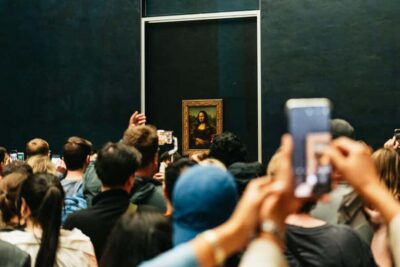
Priority Access Louvre with Host -Direct to Mona Lisa
Read our review →
Mona Lisa & Louvre Masterpieces Tour with Reserved Access
Read our review →
Louvre Museum – Exclusive Guided Tour (Entry Included)
Read our review →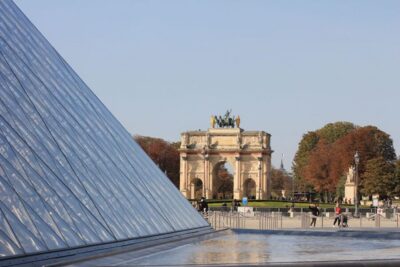
Louvre Reserved Ticket and River Cruise Combo
Read our review →Browse the lists this tour appears in