
Reviewed · WINE TOURS
Bordeaux Wine and Trade Museum Admission Ticket with Wine Tasting
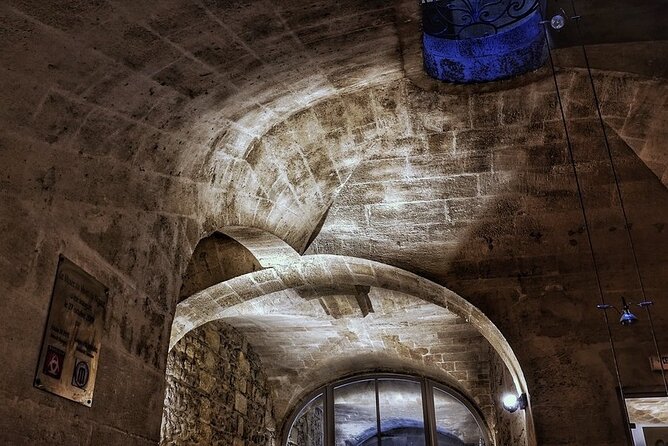
The most interesting part of this visit is not a grand tasting room but the old vaulted cellars beneath an 18th-century merchant’s building. Here, Bordeaux wine is presented as a business, a craft, and a way of shaping the city.
I like the clear focus on Bordeaux’s wine trade, and I like that the ticket ends with two wines and a live explanation. The low price also makes this an easy add-on to a day in the Chartrons district.
The museum is small and self-guided, so it will not suit you if you want a full tour with a guide from start to finish. Some visitors also find the cellars musty, and the written information can feel dense.
Key points to know before you go
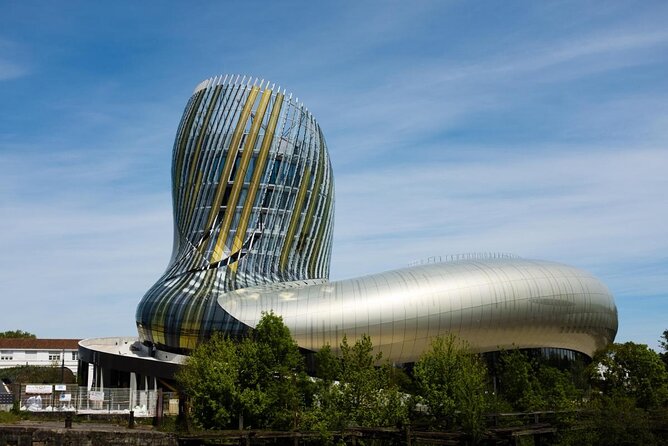
- A cellar museum, not the Cité du Vin: This is a small, old-fashioned museum in two vaulted underground spaces.
- Two Bordeaux wines included: The tasting compares Merlot and Cabernet Sauvignon and explains merchant wine versus château wine.
- Self-guided visit: You use English notes, folders, displays, videos, and audio material rather than following a guide throughout.
- Strong value at $14.51: The tasting alone can justify the modest admission price if you want an affordable introduction to Bordeaux wine.
- Allow 45 minutes to two hours: You can move quickly, or spend longer reading the material and watching the displays.
- A practical stop near public transport: It is convenient for many city itineraries, including a short walk from the cruise area.
Inside Bordeaux’s old wine-trading cellar
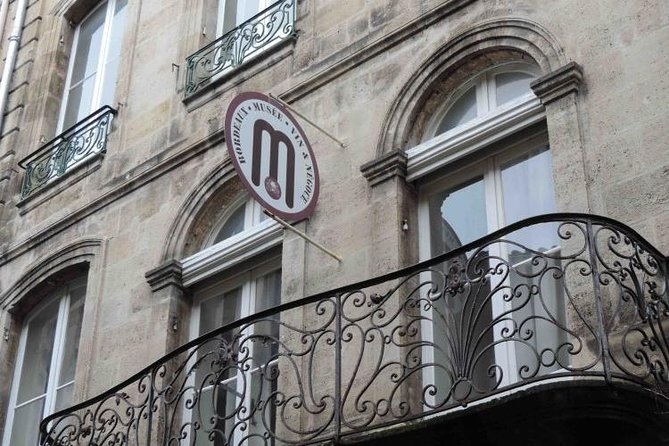
The Musée du Vin et du Négoce occupies the former building of royal broker Louis XV. That setting gives the visit its character. You are not looking at wine history in a modern exhibition hall. You are walking through the kind of cellar where Bordeaux wine was stored, handled, and prepared for trade.
The vaulted cellars date from 1720. Their low, enclosed rooms show how wine merchants worked in the nineteenth century, including the role of coopers and the traditional methods used to age wine. The setting is part of the display. The stone, arches, and subdued light help you understand why the Chartrons district became closely tied to Bordeaux’s wine business.
The museum explains three centuries of the grands vins de Bordeaux, with objects, archival papers, and displays about the merchant families who helped sell wine far beyond the city. You also see the less glamorous side of the trade: the work of cellar employees, barrel makers, and other craftspeople whose labor made the business possible.
That focus is useful because Bordeaux wine is not only about vineyards and tasting notes. It is also about contracts, storage, shipping, merchants, families, and international commerce. If you want to understand why Bordeaux looks the way it does, the museum connects the wine trade with the city’s elegant 18th-century architecture.
More wine tours in Bordeaux:
- Bordeaux: Cité du Vin Entry Ticket and Wine Tasting
★ 4.6 · 3,885 reviews - Bordeaux: River Garonne Cruise with Glass of Wine and Canelé
★ 4.5 · 3,630 reviews - From Bordeaux: Afternoon Saint-Emilion Wine Tasting & snack
★ 4.8 · 1,581 reviews
What you actually do during the museum visit
This is a self-guided visit. At the entrance, you receive English information to help explain the displays. Some material is presented in folders or printed notes, while other parts use videos, wall text, or audio content.
You can take your time with the material, but be realistic about the scale. The museum is relatively small, occupying two semi-underground cellars. A quick visit may take about 45 minutes. If you read the information carefully and watch the videos, you can spend closer to one and a half or two hours.
The displays cover wine production, storage, bottling, and trade. They also explain Bordeaux’s appellations and the relationship between the wine sold under a merchant’s name and wine associated with a château. For a first visit to Bordeaux, those distinctions are useful. They give you a framework for understanding the labels you will see in shops and restaurants.
The museum is not highly interactive. You will not find the large-scale technology or polished presentation associated with the Cité du Vin. Some displays use fairly small text, and the audio material may take a little effort to follow. Still, the compact format can work well if you prefer a quiet museum that lets you set your own pace.
I would treat the museum as a focused introduction rather than a full survey of world wine. Its subject is Bordeaux, especially the city’s merchant tradition. That narrow aim is one of its strengths.
The tasting: two wines and useful comparisons
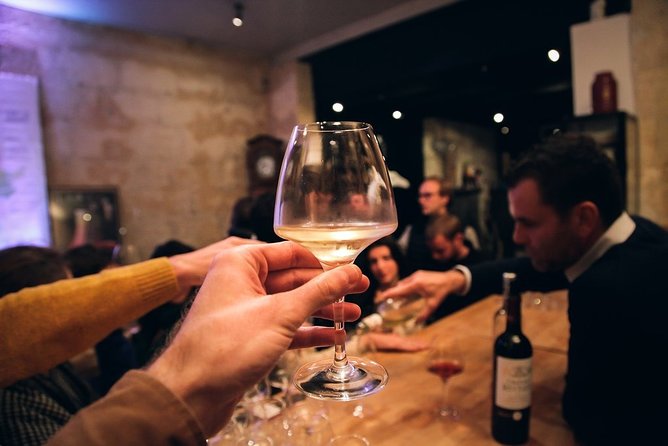
The tasting takes place in the museum boutique after the cellar visit. Two wines are included, with Merlot and Cabernet Sauvignon used to explain key differences between Bordeaux varieties.
This is not a large sampling session. You should expect a short, focused tasting rather than a meal or a long evening event. The pours are modest, but the point is to learn how the wines differ and how Bordeaux presents them.
Staff explain the grapes, Bordeaux regions, soil, climate, and trade. The tasting also covers the difference between a merchant wine and a château wine, an important distinction for anyone trying to read Bordeaux labels. The person leading the tasting can answer questions, so you will get more from it if you ask about styles, appellations, or the wines you are likely to see elsewhere in the city.
The quality of the explanation can depend on the person leading your session. Cristina has received particular praise for her attentive presentation, and the museum staff are described as speaking English clearly. The tasting has also been led by the museum director, who has been noted for giving visitors plenty of time for questions.
I like this part of the visit because it turns abstract museum information into something you can taste. You move from learning about grapes and merchants to comparing two wines in the glass. If the museum displays feel too dense, the tasting gives you a more direct way to make sense of the subject.
Some visitors find the tasting too brief or wish it included more detail. My advice is simple: arrive with questions. Ask how Merlot and Cabernet Sauvignon affect the style, what a château label means, and how a merchant wine differs. The staff can offer more when you give them a clear starting point.
Why the trade story matters in Bordeaux
Bordeaux’s identity is tied to wine, but the city’s role has always involved much more than growing grapes. Merchants bought, aged, blended, bottled, and shipped wine. The museum helps you see how that commercial system shaped the city and connected it with markets beyond France.
The Chartrons district is central to this story. Its old buildings and trading links reflect the rise of Bordeaux as a major wine port. The museum’s collections trace the careers of merchant families and show how cellar workers preserved older methods.
This makes the visit a good match for you if you are interested in architecture, commerce, or social history as well as wine. You do not need to know the difference between Bordeaux appellations before arriving. The material provides enough background to make the tasting more useful.
I also appreciate the museum’s connection with the building itself. In a modern wine center, historical objects can feel removed from their original setting. Here, the cellars are part of the evidence. You can picture barrels, storage, and the practical work of preparing wine for shipment.
Same base, a different kind of day:
- Medoc or Saint Emilion Wine Tasting and Chateau from Bordeaux
★ 5.0 · 1,415 reviews - Saint Emilion Day Trip with Sightseeing Tour & Wine Tastings from Bordeaux
★ 5.0 · 1,120 reviews - Saint-Émilion: Grand Cru Classé Winery Visit and Tasting
★ 4.6 · 1,118 reviews - Saint Emilion Half-Day Trip with Wine Tasting & Winery Visit from Bordeaux
★ 4.5 · 1,034 reviews
The atmosphere: atmospheric, but not polished
The old cellar setting is appealing, but it comes with trade-offs. Humidity was important for preserving wine, and the building retains that cellar character. Some visitors notice a strong musty or mouldy smell, which can make the visit less comfortable.
If you are sensitive to damp environments, keep this in mind before booking. The museum has acknowledged that the humidity is part of the old merchant building, but the atmosphere will not suit everyone.
The presentation is also more traditional than theatrical. Information appears in folders, small wall text, and straightforward displays. One visitor found the museum packed with information but moved through it in about 45 minutes because the space was physically small. Another appreciated the quiet, intimate feel and preferred it to the more high-tech Cité du Vin.
That contrast is a useful way to choose. Pick this museum if you want an old cellar, a direct look at Bordeaux trade, and a small tasting. Pick the Cité du Vin if you want a larger, more polished, technology-led presentation. You can also visit both, since they offer very different experiences.
Who will get the most from the $14.51 price
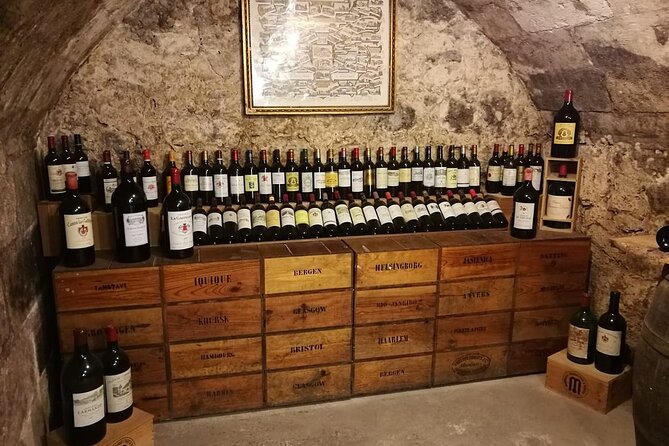
At $14.51 per person, this is one of the easier Bordeaux wine activities to fit into a modest sightseeing budget. The admission includes the museum and two wines, so you are paying for both a cultural stop and a guided tasting.
The value is strongest if you want an introduction rather than a full winery excursion. You will not be visiting vineyards, walking through production facilities, or spending half a day in the countryside. Instead, you get context about the city’s wine trade and a short tasting in the center of Bordeaux.
I would recommend it for:
- First-time visitors who want basic Bordeaux wine vocabulary.
- Cruise passengers looking for a nearby activity.
- Couples or friends who want a low-cost tasting with historical context.
- Families, since the museum has offered a scent game for children during the tasting.
- Non-drinkers accompanying someone who wants to taste, since grape juice has been provided as an alternative.
- Anyone with a free final morning in Bordeaux and roughly an hour or two available.
It may disappoint you if you expect a guided tour from beginning to end, generous pours, extensive exhibits, or a highly interactive museum. The ticket is inexpensive partly because the format is simple.
Timing, access, and planning your visit
The museum is open daily from 10:00 a.m. to 6:00 p.m. for the stated operating period, from January 3, 2025, through February 16, 2027. Several times are offered during the day, so you can fit the visit around lunch, sightseeing, or a cruise schedule.
The museum is near public transportation. It has also been described as about a five-minute walk from a cruise boat, making it especially practical for a short stop before returning to the ship. Allow extra time if you plan to read every folder and watch the videos.
Most people can take part, and confirmation is provided at booking. The experience is not described as a formal guided group tour, so you should expect to explore independently until the tasting.
If your schedule changes, free cancellation is available up to 24 hours before the start time. Changes or cancellations made inside that 24-hour window are not accepted for a refund, and the cut-off follows Bordeaux local time. Since the activity is often booked well ahead, around 35 days in advance on average, reserve early if your dates are fixed.
Small details that improve the visit
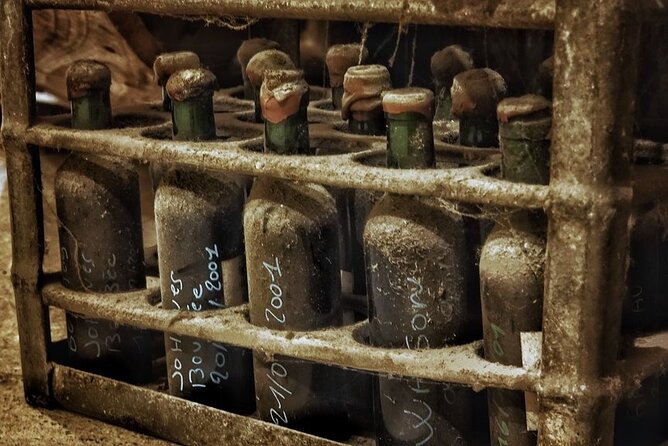
Read the English material slowly enough to connect the displays with the tasting. The museum is small, but the information is dense. A quick walk around gives you the basic story, while careful reading gives you a better grasp of Bordeaux’s appellations and merchants.
Save your questions for the tasting. Ask about the grape varieties, the two types of wine described, and the Bordeaux regions mentioned in the museum. The tasting staff are the best part of the visit for turning printed facts into practical understanding.
Do not plan this as a substitute for lunch. Additional food and drinks are not included, and the two pours are intended for comparison rather than refreshment. You can continue into the city afterward for a larger glass of wine and a meal.
The boutique may also be useful for souvenirs. Wine, small gifts, and related items are available, and some visitors find the prices reasonable. A complimentary bottle or small chocolate has occasionally been provided, but those extras should not be treated as guaranteed parts of the ticket.
Should you book the Wine and Trade Museum?
Book it if you want an affordable, compact introduction to Bordeaux wine and the business that shaped the Chartrons district. The included two-wine tasting is the main reason to go, while the 1720 cellars give the visit a sense of place that a modern exhibition cannot reproduce.
Skip it if you want a large, interactive museum or a long guided tasting. The displays are small, the format is self-guided, and the damp cellar may bother you.
For most wine-curious visitors, the price makes this an easy yes, especially when you have a spare morning or an hour before a cruise departure. Go for the cellar setting, stay for the tasting, and ask questions so the short session gives you more than two sips.
FAQ
Where is the Bordeaux Wine and Trade Museum located?
It is in Bordeaux, in the historic Chartrons area, inside the former building of royal broker Louis XV. The museum is near public transportation.
What are the museum’s opening hours?
The stated opening hours are 10:00 a.m. to 6:00 p.m., Monday through Sunday, from January 3, 2025, through February 16, 2027.
How long does the visit take?
The experience is advertised as approximately one to two hours. If you move quickly, the small museum can take about 45 minutes, while careful reading and video viewing can extend the visit.
Is the visit guided?
The museum portion is self-guided, with English notes, folders, displays, and other explanatory material. The wine tasting at the end is led by staff.
Which wines are tasted?
The tasting includes two wines and explains the differences between Merlot and Cabernet Sauvignon. It also discusses merchant wine and château wine.
Is the tasting included in the admission price?
Yes. The wine tasting is included. Additional food and drinks are not included unless specifically stated.
Is this the same as Bordeaux’s Cité du Vin?
No. The Wine and Trade Museum is a smaller museum in old vaulted cellars. It is a separate attraction from the Cité du Vin.
Can I cancel for a refund?
Yes, you can cancel up to 24 hours before the experience start time for a full refund. Cancellations or changes made less than 24 hours before the start time are not accepted for a refund.
More museums in Bordeaux
- Bordeaux: Museum of Illusions Entry Ticket
★ 4.2 · 588 reviews - Paris: Louvre Museum Timed-Entrance Ticket
★ 4.6 · 71,977 reviews - Louvre Museum Masterpieces Guided Tour with Access
★ 4.5 · 12,023 reviews - Paris: Louvre Museum Entry Ticket With Host and River Cruise
★ 4.6 · 9,926 reviews
More food and drink in Bordeaux
- From Bordeaux: Half-Day Saint-Émilion Tour and Wine Tasting
★ 4.6 · 657 reviews - Saint-Émilion: Bordeaux Vineyard Tour and Wine Tasting
★ 4.8 · 578 reviews - Bordeaux: Vineyards Wine Tasting Half-Day Trip
★ 4.2 · 470 reviews - Saint-Émilion: Vineyard Walking Tour and Tasting
★ 5.0 · 404 reviews
Just added in Bordeaux
- Saint-Émilion: Vineyard Walking Tour and Tasting★ 5.0 · 404 reviews
- Private – Best of Bordeaux Walking Tour + Glass of Bordeaux Wine★ 5.0 · 240 reviews
- Professional – Bordeaux Wine and Cheese Tasting with a walking tour★ 5.0 · 218 reviews
- 2-Hour Walking Tour of the City’s Iconic Sights and History★ 4.0 · 207 reviews
- Saint-Emilion Food and Wine Day Tour★ 5.0 · 323 reviews
- From Bordeaux: Saint-Emilion Guided Wine Tasting Tour★ 4.8 · 319 reviews
- Bordeaux Food Tour – A Full French Meal by Do Eat Better★ 5.0 · 357 reviews
- Bordeaux: Essentials 3-Hour Bike Ride★ 4.9 · 412 reviews
Wine Tours, compared.
Authentic Parisian Gourmet Food Tour with 10 Local Dishes & Wines
Read our review →
Loire Valley Castles Day Trip from Paris with Complementary Wine
Read our review →
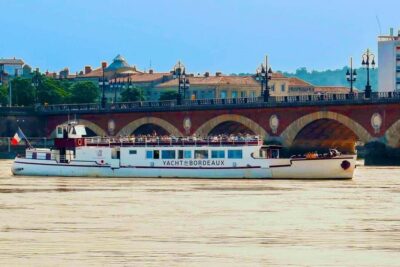
River Garonne Cruise with Glass of Wine and Canelé
Read our review →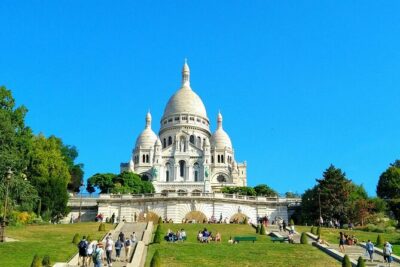
Montmartre Hill French Gourmet Food and Wine Tasting Walking Tour
Read our review →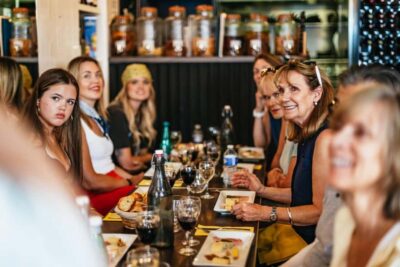
Montmartre Cheese, Wine & Pastry Guided Walking Tour
Read our review →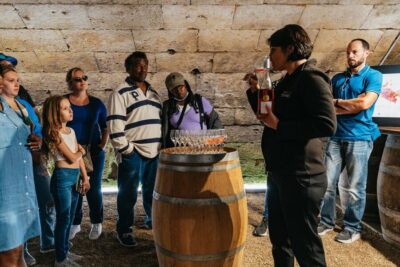
Loire Valley Castles Day Trip With Wine Tasting
Read our review →
Afternoon Saint-Emilion Wine Tasting & snack
Read our review →Browse the lists this tour appears in