
Reviewed · PASTRY & CHOCOLATE WORKSHOPS
Paris: Entrance Ticket to the Chocolate Museum
Chocolate here is not just a sweet treat. At Paris’s Chocolate Museum, you follow the cacao bean from ancient ritual drink to glossy modern confection, with samples waiting along the way. The museum covers 4,000 years of chocolate history, and its displays include more than 1,000 objects.
I like the mix of old and edible: you can study Aztec traditions, then learn how a shiny chocolate coating is made. I also like the family touches, especially the children’s activity booklet and treasure hunt. The main caution is size. Some people finish in under an hour, while careful readers and families can spend two or three hours, so the $21 price feels better if you take your time.
Key points to know before you go
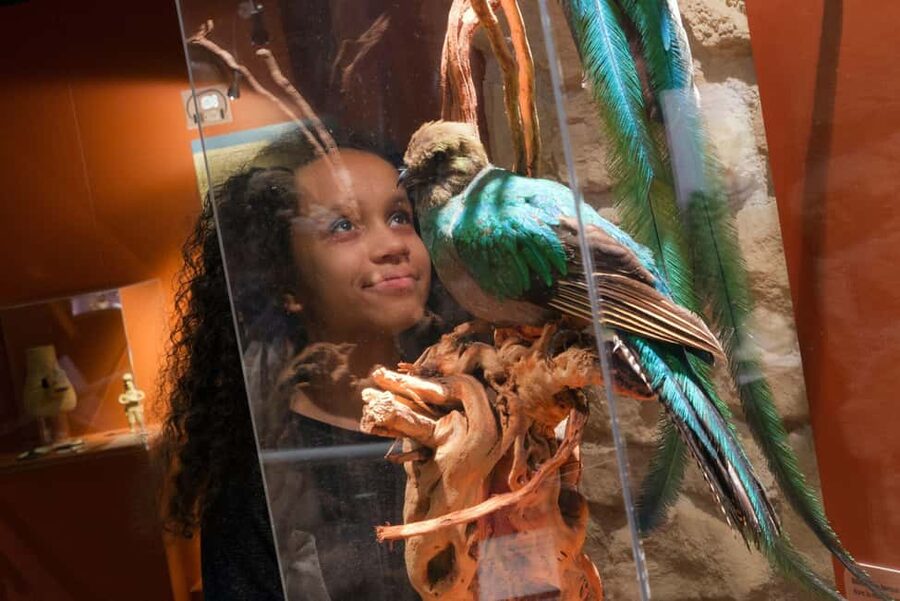
- Chocolate has a long story: Learn how the Olmecs, Mayas, and Aztecs used cocoa in rituals and daily life.
- Columbus disliked the first taste: The museum explains why Christopher Columbus paid little attention to the drink called tchocoatl.
- Two French master craftsmen appear on video: Watch a virtual demonstration by two Meilleurs Ouvriers de France.
- Tastings are part of the visit: Sample chocolate made on-site, including praliné and ganache, with regional flavors from places such as Costa Rica, Peru, and Vanuatu.
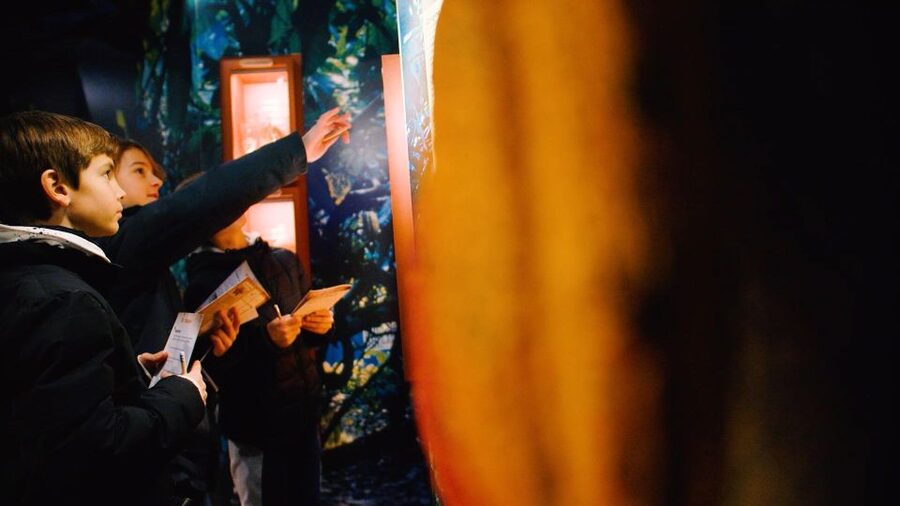
- Children have a job to do: A treasure hunt, booklet, stickers, and a prize help keep young visitors engaged.
- The visit is self-guided: Panels are in English, French, and Spanish, while an optional audioguide costs €3 per person.
Entering the Chocolate Museum on Boulevard de Bonne Nouvelle
Le Musée Gourmand du Chocolat is at 28 Boulevard de Bonne Nouvelle in Paris’s 10th arrondissement. Your ticket is valid for one day, but this is not a timed guided tour with a fixed group moving from room to room. You enter the museum, then set your own pace through its 850 square meters of exhibits and demonstrations.
That self-guided format is useful in Paris. You can spend extra time at objects that catch your eye, move quickly through familiar material, or pause for a tasting without worrying about holding up a group. It also means you need to provide your own rhythm. If you simply skim the panels, the museum may feel short.
The museum is wheelchair accessible. Large bags and luggage are not allowed, so plan this stop before collecting your bags or carrying bulky shopping.
The advertised price is $21 per person. That is fair if you make use of the tastings, videos, historic displays, and children’s activities. It is less convincing if you expect a large, traditional museum or a long guided program. A visit can take less than 30 minutes for a quick look, while families and careful readers may stay for several hours.
Other pastry and chocolate sessions around Paris:
- Paris: Montmartre Cheese, Wine & Pastry Guided Walking Tour
★ 4.8 · 2,255 reviews - Award-Winning Paris French Bakery Experience — Le Marais, 4th Arr
★ 4.5 · 1,186 reviews - Private Montmartre Food Tour with Wine, Cheese & Pastries
★ 5.0 · 1,027 reviews
Cocoa before chocolate: Olmecs, Mayas, and Aztecs
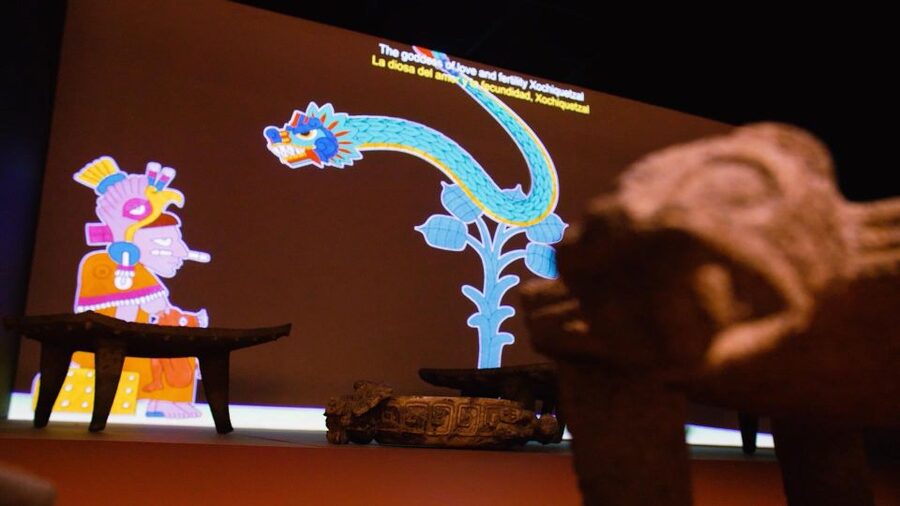
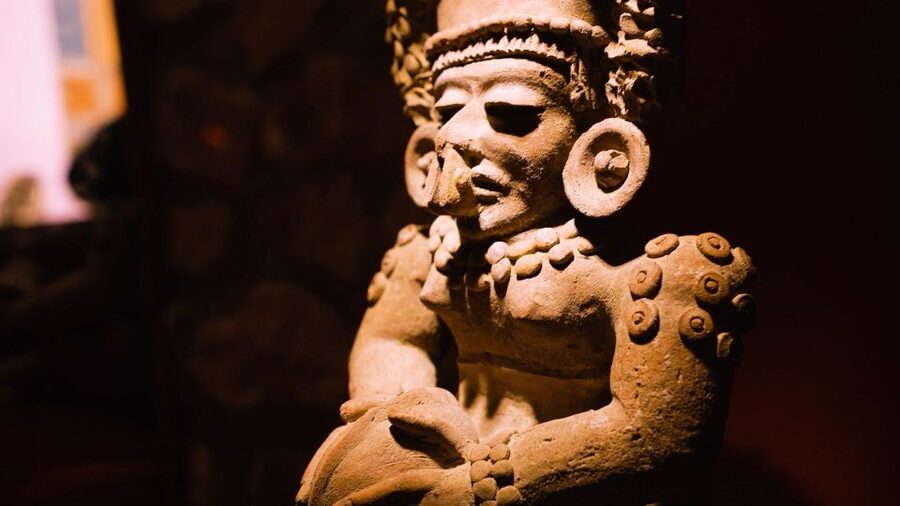
The opening section takes you well before the chocolate bar. You learn about the cacao bean and its place in the cultures of the Olmecs, Mayas, and Aztecs. This is the part that gives the visit some weight beyond its obvious sugar rush.
Cocoa was not simply an everyday snack. The displays explain its use in mystical and religious rituals, helping you understand why the bean mattered so much before Europeans turned it into a commercial product. The museum also traces the changing forms of cocoa, from an ancient drink to the smooth sweets familiar today.
The written panels are in English, French, and Spanish. If you like reading museum text, you can follow the story without paying extra. If you prefer listening, an audioguide is available at the welcome desk for €3 per person in French, English, German, Dutch, Spanish, Italian, and Portuguese.
I would budget extra time here if you are interested in food history. The displays are not only about recipes. They show how a plant can carry religious, social, and economic meaning across centuries.
Why Columbus did not become a chocolate fan
One of the more memorable details is the story of Christopher Columbus and the first European taste of the tchocoatl drink. The museum explains that Columbus did not like it and paid little attention to chocolate.
That small historical episode gives the story a human touch. Cocoa did not arrive in Europe as an instant success simply because an explorer encountered it. It had to be understood, adapted, and eventually changed to suit European tastes.
The museum then follows chocolate’s progress into the 1500s, including the point when Aztec emperor Montezuma introduced cocoa to Europe. From there, the displays explain how chocolate-making became more streamlined in the modern era.
You will see the broader shift from a bitter or unfamiliar drink to a polished product sold in many forms. The story is especially useful for children because it connects objects, places, people, and processes rather than treating chocolate as a list of dates.
More than 1,000 objects, with plenty of visual appeal
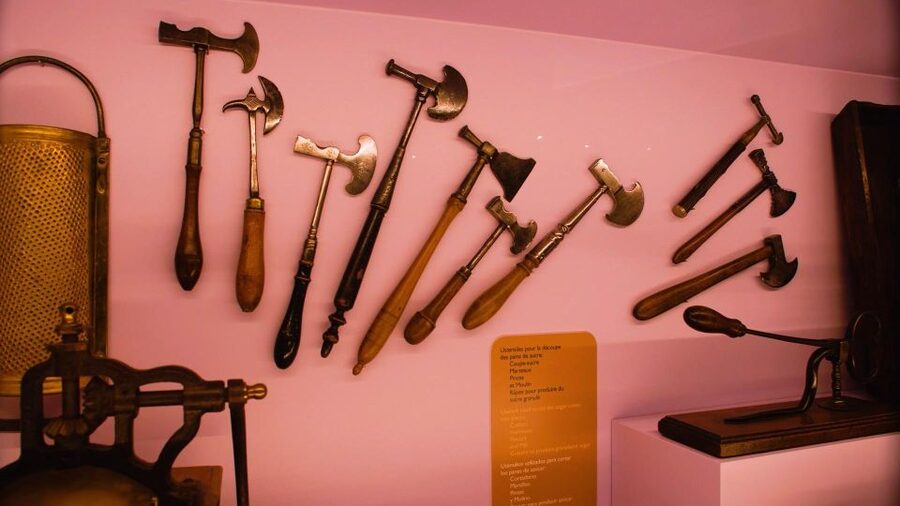
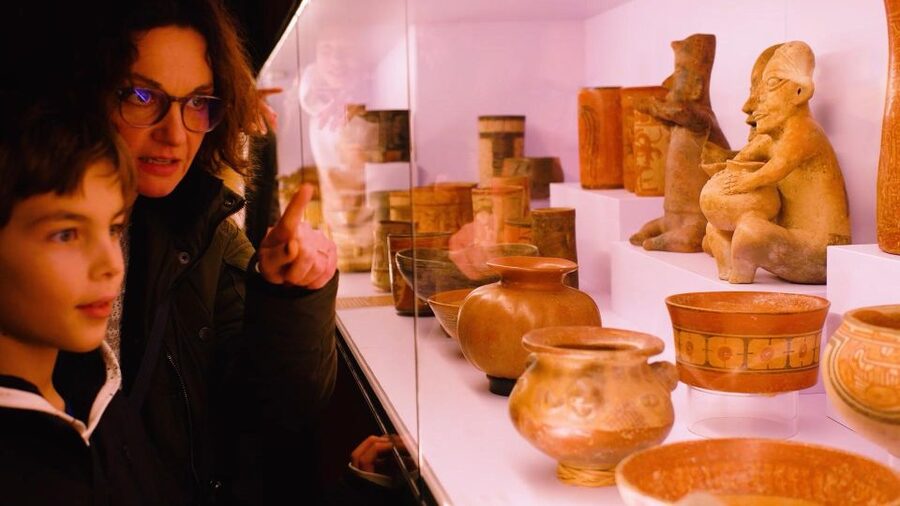
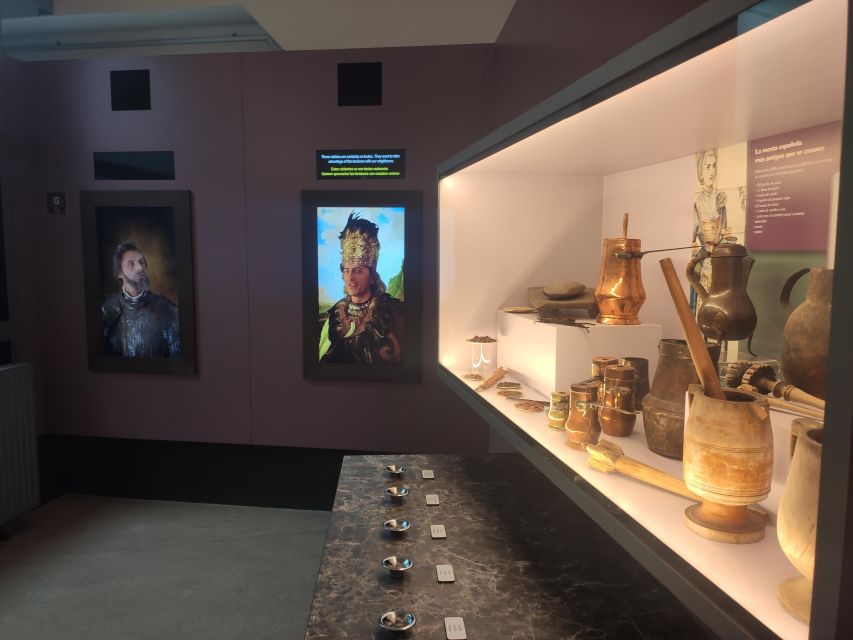
The museum contains more than 1,000 chocolate-related artifacts. These include historical objects, utensils, containers, displays, and decorative pieces connected with making and serving chocolate.
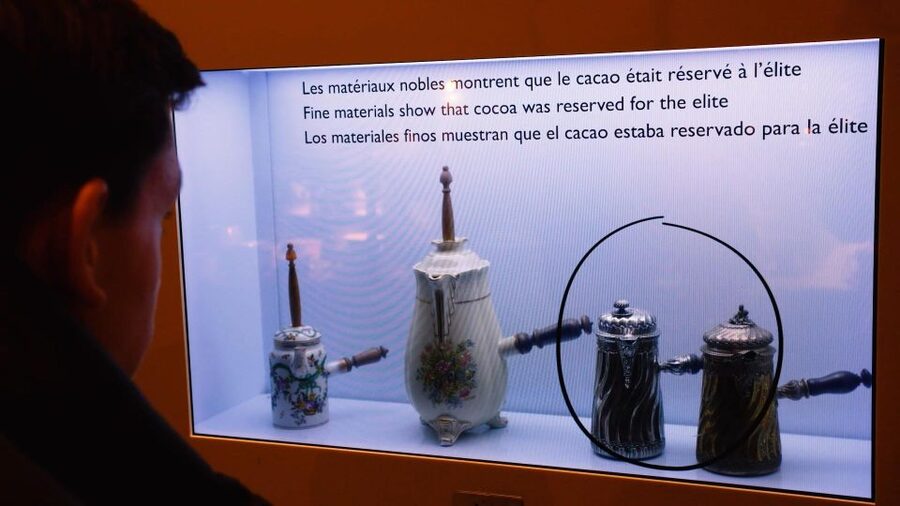
I particularly like that the collection gives you something to look at even when you are between tastings. Pretty chocolate vessels and old-fashioned tools help show how presentation has always been part of the pleasure. The displays are arranged for a general audience, so you do not need specialist knowledge to follow the basic story.
The museum is not enormous, and that is both a benefit and a limitation. You can see the main sections without giving up an entire day of sightseeing. But if you are hoping for the scale of a major Paris museum, you may find the visit modest.
A quick visitor may spend less than an hour. Someone who reads the panels, watches the demonstration, takes part in the activities, and stops at the shop can stay much longer. I would not schedule the museum as your only major activity for the day, but it works well as a flexible stop between other sights.
More museums in Paris:
- Paris: Louvre Museum Timed-Entrance Ticket
★ 4.6 · 71,977 reviews - Louvre Museum Masterpieces Guided Tour with Access
★ 4.5 · 12,023 reviews - Paris: Louvre Museum Entry Ticket With Host and River Cruise
★ 4.6 · 9,926 reviews - Les Invalides: Napoleon’s Tomb & Army Museum Entry
★ 4.6 · 9,185 reviews
The chocolate-making demonstration and its glossy finish
A central part of the visit is the virtual demonstration with two Meilleurs Ouvriers de France. This title recognizes the highest level of French craft skill, so the demonstration gives you a look at professional technique rather than a basic kitchen recipe.
The video explains how chocolate sweets are made and reveals the secret behind the shiny outer coat found on many finished chocolates. That glossy surface is not accidental. The demonstration helps you see how careful handling changes the final texture and appearance.
The tasting connected with the demonstration includes chocolate products made on-site. You may learn about praliné and ganache, two different fillings with very different textures and flavors. Praliné brings a nutty, sweet quality, while ganache is smooth and creamy. The point is not only to eat them, but to notice how each preparation changes the same basic ingredient.
One practical warning: access to a demonstration may depend on timing and museum conditions. A school group once made it difficult for a visitor to see the presentation, so do not assume you will have an uninterrupted view at every moment. If the demonstration matters most to you, ask at the welcome desk when you arrive.
Tasting chocolate from Costa Rica, Peru, and Vanuatu
The tastings are the museum’s strongest draw. Samples are included with admission, and the visit introduces chocolate from different parts of the world.
The tasting notes point to the milky smoothness of Costa Rican chocolate, the fruity character associated with Peruvian chocolate, and the sweet aromas of cocoa beans from Vanuatu. These regional comparisons help you notice that chocolate does not have one standard flavor.
You may also taste praliné, ganache, and other chocolate products made on-site. Some people find there is plenty to sample during the visit, while others choose to add a hot chocolate at the end. The included admission covers chocolate samples, but hot chocolate can cost an additional €3 per cup, so check the current terms before ordering.
That extra drink is not essential. After several samples, you may already feel satisfied. Still, the hot chocolate is a popular finish, particularly on a cold Paris day, and it gives the visit a more complete café-style ending.
The samples are not a substitute for a full meal. Think of them as part of the museum’s teaching method. Taste first, then connect the flavor with the bean’s origin or the method used to prepare it.
A museum that works well for children
Families get more from this museum than from a room full of glass cases. Children can follow a treasure hunt and use an activity booklet as they move through the exhibits. Stickers and a prize add a clear goal, which can make the historical sections easier for younger visitors to tackle.
The activities suit a wide age range. Children as young as five have enjoyed the booklet, while older children and even teenagers can take part in the scavenger-hunt style visit. The chocolate samples provide another reason to keep moving through the displays.
There is also a creative element in the chocolate-making material. Children can see how chocolate becomes a finished sweet rather than treating it as something that appears fully formed in a shop.
For parents, the main advantage is flexibility. Since the tour is self-guided, you can pause, skip a panel, or spend longer at a tasting without managing a formal group. The possible drawback is that the museum does not provide a full day of structured entertainment. Younger children may finish the hunt before adults have read every panel.
The shop and the best way to spend your time
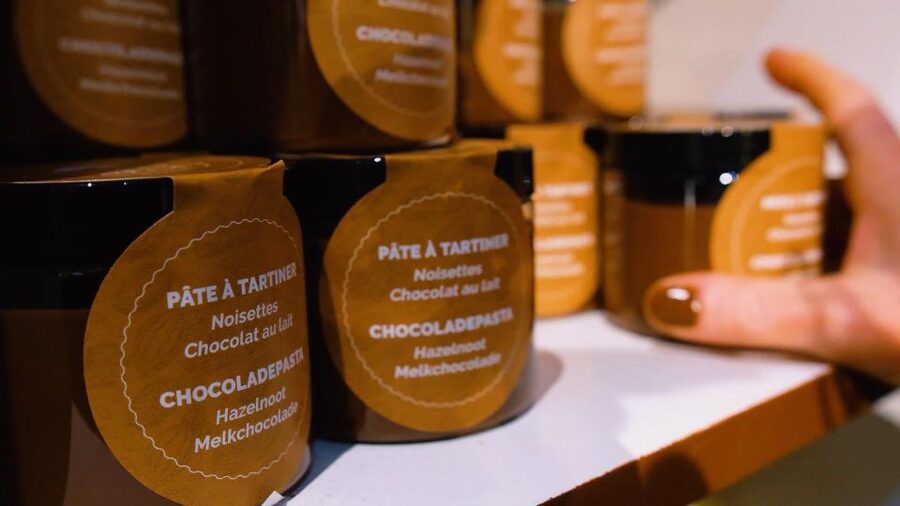
At the end, allow time for the museum shop. It carries books, souvenirs, chocolate products, and chocolate-related items. One useful feature is the chance to buy something more unusual than a standard boxed sweet, such as a chocolate mold.
If you are visiting with children, the shop can also serve as a final reward after the treasure hunt. If you are watching your budget, set a limit before entering. Samples are included, but a tempting shop can quickly push the total cost beyond the $21 admission.
I would plan around 60 to 90 minutes for a balanced visit, with more time if you want to read every panel, watch the demonstration carefully, complete the children’s activity, and stop for hot chocolate. The official ticket is valid for one day, but the museum is best treated as a compact attraction rather than an all-day outing.
The last admission is at 4:30 PM. Do not leave this stop until late afternoon without checking the current opening details, since arriving after the final entry time will not leave room for a visit.
Who should book the Chocolate Museum?
I would recommend this museum to families, chocolate fans, and anyone looking for a lighter Paris stop with an educational side. It is especially useful on a rainy day or when you want an activity that does not require the intense concentration of a major art museum.
The museum also works for couples or adults who enjoy food traditions. The material about cocoa’s ancient ritual use, European arrival, regional flavors, and modern production gives the tasting some context.
I would hesitate if you dislike self-guided museums or want a long, formal tour led by a live guide. I would also compare the $21 price with your likely visit length. If you plan to rush through in 30 minutes, it may feel expensive. If you will read, taste, watch the demonstration, and use the family activities, the value improves considerably.
Free cancellation up to 24 hours before the visit and a reserve-now, pay-later option make it easier to fit into a changing Paris schedule. Just remember that the museum is closed to large bags and that hot chocolate may be an extra charge.
FAQ
Where is the Chocolate Museum in Paris?
It is at Le Musée Gourmand du Chocolat, 28 Boulevard de Bonne Nouvelle, 75010 Paris.
How much does admission cost?
The listed price is $21 per person.
How long is the ticket valid?
The ticket is valid for one day. The museum’s final admission is at 4:30 PM.
Is the visit guided?
No. The visit is self-guided. An optional audioguide is available for €3 per person.
Which languages are available for the audioguide?
The audioguide is available in French, English, German, Dutch, Spanish, Italian, and Portuguese.
What languages are used on the museum panels?
The descriptive panels are in English, French, and Spanish.
Are chocolate tastings included?
Yes. Chocolate samples are included with admission, including products made on-site. Hot chocolate may require an additional €3 per cup.
Is the museum suitable for children?
Yes. Children can take part in a treasure hunt and use an activity booklet. A prize and stickers are also part of the children’s activity.
Is the museum wheelchair accessible?
Yes, the museum is wheelchair accessible. Large bags and luggage are not allowed.
Just added in Paris
- La Vallee Village Shopping Outlet by Luxury Transport from Paris★ 3.5 · 111 reviews
- Design Luxury and Personalized Jewelry in Paris le Marais★ 5.0 · 160 reviews
- Oh My God She’s Parisian! English Comedy Show in Paris★ 4.5 · 116 reviews
- Paris: Eiffel Tower Photo Shoot★ 5.0 · 420 reviews
- Photo Session in Paris – Photographer at the Eiffel Tower★ 5.0 · 422 reviews
- Paris City Sightseeing Half Day Guided Segway Tour with a Local Guide★ 5.0 · 371 reviews
- Paris Create your Own Perfume Workshop with a Perfumer★ 4.5 · 275 reviews
- Paris: Oh My God She’s Parisian! English Comedy Show★ 4.7 · 257 reviews
Pastry & Chocolate Workshops, compared.
Montmartre Cheese, Wine & Pastry Guided Walking Tour
Read our review →
Award-Winning Paris French Bakery Experience — Le Marais, 4th Arr
Read our review →
Private Montmartre Food Tour with Wine, Cheese & Pastries
Read our review →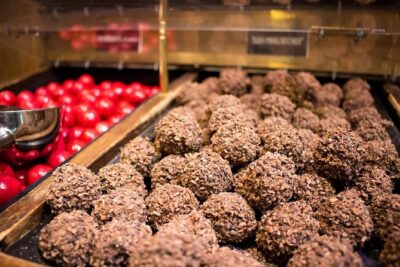
Paris French Sweets Tasting Tour with Pastries and Chocolates
Read our review →
Paris Croissant Small-Group Baking Class with a Chef
Read our review →

Browse the lists this tour appears in